

.hack//Z.E.R.O. seems to be CyberConnect2’s answer in revitalizing and sustaining dot hack into the future
For many years, I’ve thought about how the developers at CyberConnect2 could bring back the .hack (pronounced dot hack) franchise in a meaningful way. While the release of the .hack//G.U. Last Recode remaster a decade ago was a welcome surprise, it didn’t mean much in actually making .hack relevant again. The .hack series was a cultural phenomenon among anime communities in the early-mid 00’s, but it is somewhat captive to the era it thrived in.
While I would’ve personally loved a remaster of the original Infection, Mutation, Outbreak, Quarantine (IMOQ) tetralogy of games, I’ll admit that this probably would’ve performed abysmally in the bigger picture; some portion of its long-time fans would eat it up – me included – and maybe get a few new fans along the way, but these games have not aged well at all. I selfishly still want these remasters to happen of course.
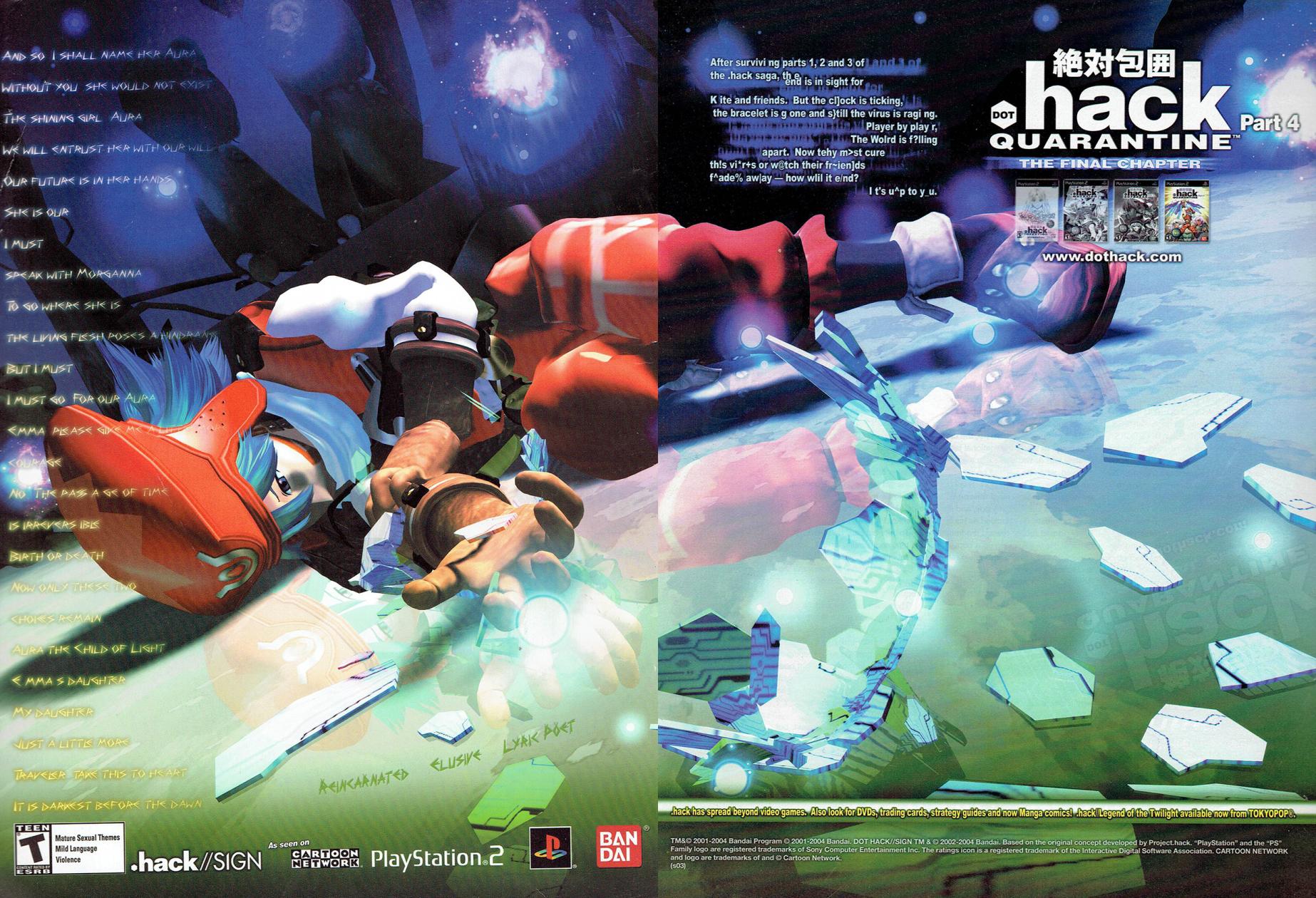
Long-time fans, especially IMOQ players, can see the response from a mile away if CyberConnect2 and Bandai Namco brought back IMOQ as they existed on the PlayStation 2. The graphics don’t hold up to today’s standards; the moment-to-moment gameplay is atrocious with constant pausing to cast spells, perform skills, and use items; the repetitive dungeon design; the grind for Virus Cores to proceed, and so on. Even I hesitate to recommend IMOQ to curious, potential .hack newcomers because I often have to put many asterisks around what to expect out of them.
Their gameplay systems already felt dated when they released, and they would feel even worse now. IMOQ’s legacy exists today as a time capsule of a bygone era. Its pursuit to capture the feeling of the MMO genre in its infancy allowed it to emulate the standard way people interacted over the internet at the time – forums and e-mail. Instant messengers were a thing too, but by and large these were the most prominent methods especially for larger MMO communities. While it’s cool to look back at that era of the internet, it wouldn’t resonate with modern audiences; it’d be a fun antique to look at momentarily, but its extended absence in the gaming space is tricky to build off of and sustain.
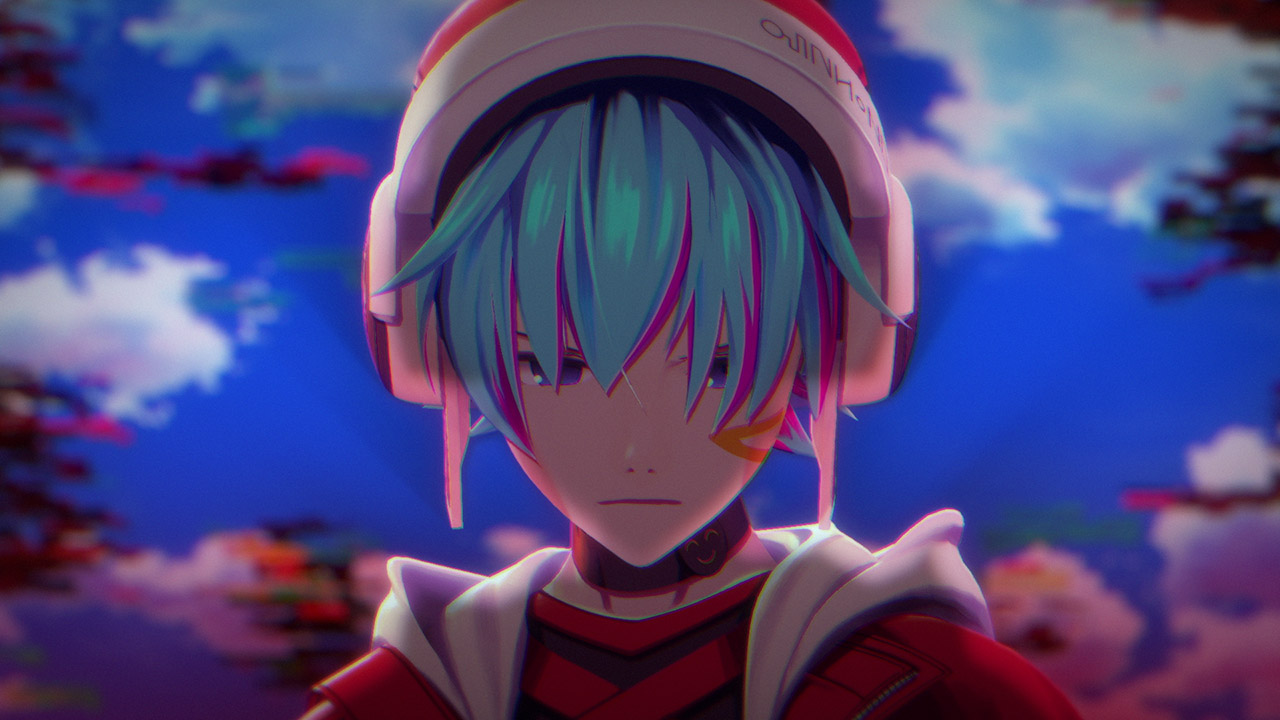
That’s why I think .hack//Z.E.R.O. is a smart way to bring .hack back. CyberConnect2 mentioned that this project was secretly being worked on for ten years in a Famitsu interview, and they reached an extremely rare deal with Bandai Namco to allow them to develop and publish this entirely on their own without any involvement from Bandai Namco beyond allowing them to utilize the .hack IP name. This might be their one and only chance to give .hack a future – one that a simple re-release of IMOQ wouldn’t provide.
Think of .hack//Z.E.R.O. as “what if CyberConnect2 made .hack entirely from scratch today after everything they learned over the past few decades?” It’s spiritually on the same wavelength as Dynasty Warriors: Origins, because that was Omega Force’s answer to “what if we created Dynasty Warriors from the ground-up again after everything we’ve learned throughout the years?”
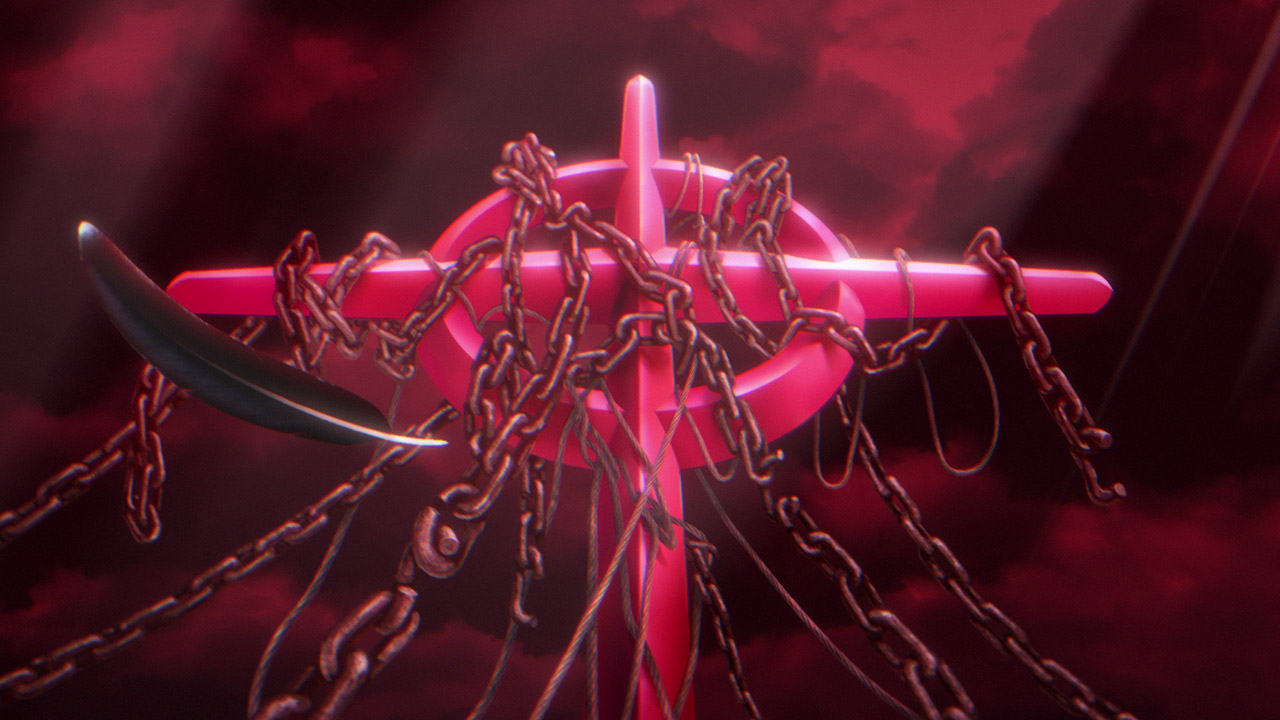
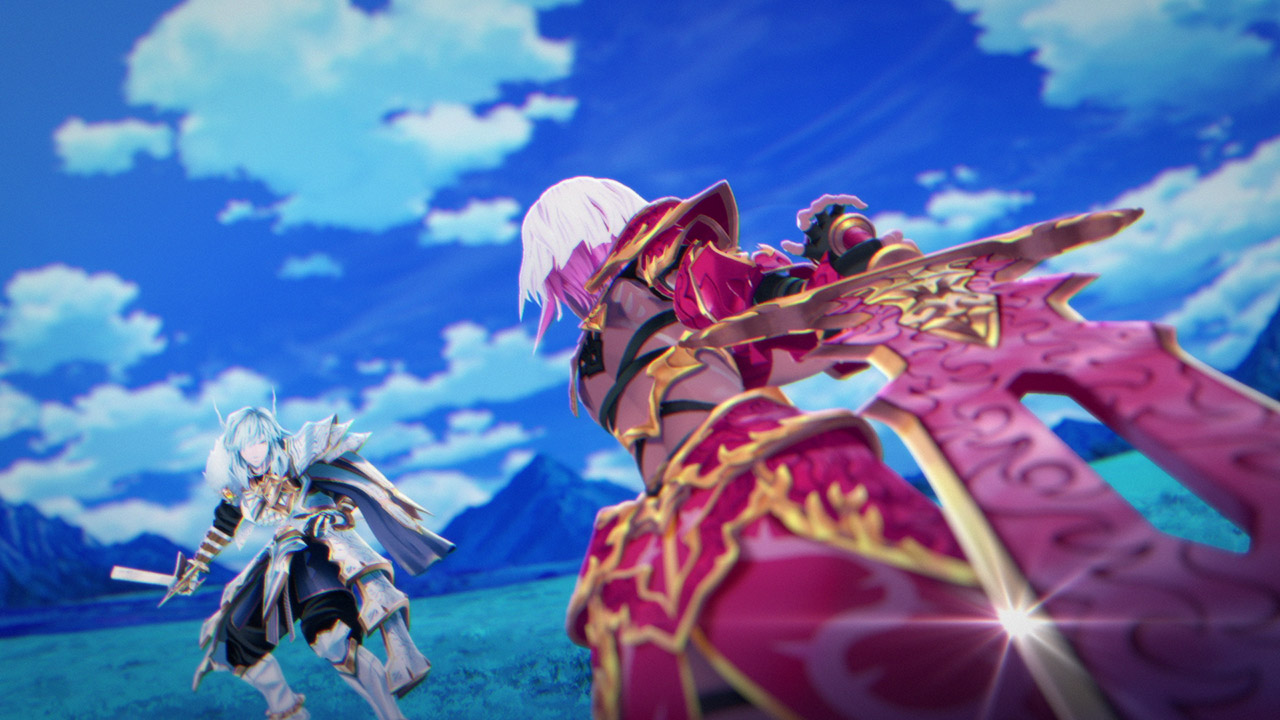
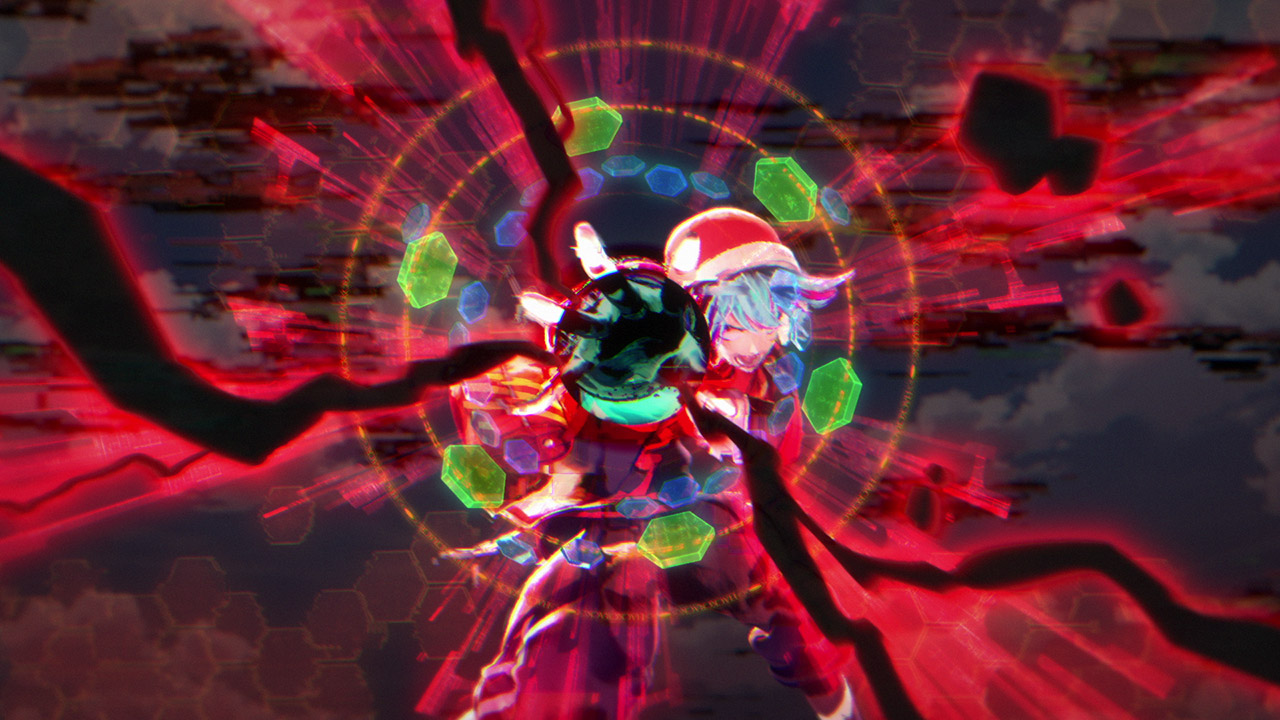
There’s enough evidence in the .hack//Z.E.R.O. reveal trailer to know that it’s using IMOQ as a base foundation instead of //G.U., //New World, //Quantum, and all the other numerous .hack entries across different forms of media. There are characters that look like IMOQ’s protagonist Kite, BlackRose, Balmung, and Aura. Furthermore, the shot of the weapon bearing a red-cross teases one of IMOQ’s first major antagonists Skeith, and the Kite-looking individual ends the reveal trailer firing off a Data Drain from the Twilight Bracelet they’re wearing. Every single part of .hack//Z.E.R.O.’s reveal is a deliberate decision to tell long-time IMOQ fans that CyberConnect2 wants to bring it back in a manner that they can build from.
I think there’s a possibility that these characters may not have the same names either; the protagonist’s default/canon name might not be Kite, and those other characters might not be “BlackRose”, “Balmung”, or “Aura”. Perhaps the negotiations with Bandai Namco only allowed CyberConnect2 to retain the “.hack” name for this project’s title, but none of its character names were allowed if CyberConnect2 wanted to retain full ownership of this entry.
Futhermore, the Famitsu interview illuminated a few more details, including how CyberConnect2 wanted to leverage both the capabilities of modern gaming hardware, the massive amount of experience the studio has accumulated since it last developed a .hack game from scratch, and how .hack//Z.E.R.O. is a reboot of the entire franchise that is now set roughly a decade into the future from where we are now technologically.
The announcement trailer clued viewers in right at the start with a zoom-in of someone scrolling through social media posts. Once again, CyberConnect2 is positioning .hack//Z.E.R.O. as a new beginning point not only because it’s been an eternity since the last new .hack entry (the epilogue story added to Last Recode doesn’t count; let’s be real here), but the technological progress intrinsic to its identity is already outdated. Interacting with others in .hack//Z.E.R.O. will probably revolve around social media posts, and potentially private Discord-looking servers – which Inazuma Eleven: Victory Road recently did in its story mode.
CyberConnect2 CEO Hiroshi Matsuyama also expressed that since they no longer had to wrestle with the limitations of the PS2 for a new .hack installment, there are elements they can now expand on, such as the real-world aspect that gave the .hack series a unique flavor.
These real-world aspects were fairly limited in scope as far as IMOQ went; players never got to logout of “The World” (the name of the in-game MMO in .hack), get up from their in-game PC, and run around in the real world. Instead, hints of events happening in the real-world were represented through e-mail conversations with Kite’s party members, forum posts, and the news tab on the fictional PC where the game’s menus resided. It was a clever implementation crafted and molded by technological limitations at the time, which gave the player’s companions additional bits of characterization to convey what the humans behind the computer screen were up to.
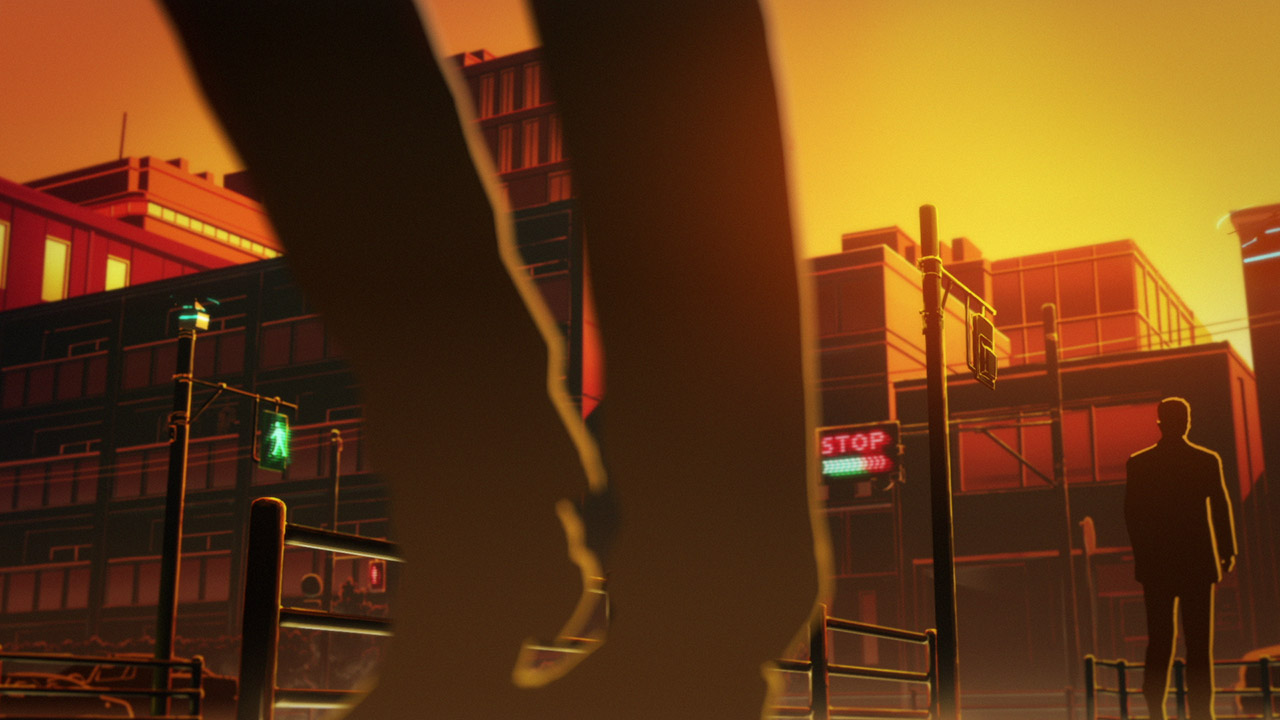
Another way that CyberConnect2 was able to explore the real-world aspect of .hack in greater detail were the .hack//Liminality OVAs that were bundled on a separate DVD in every entry of IMOQ. These focused on smaller stories for different individuals that were happening as the events of each game in IMOQ were transpiring; some major events that occur in the game do get referenced in them.
One thing about .hack//Z.E.R.O. that’s really caught my eye, in this regard, is a concept art piece in the Famitsu interview showing two characters involved in what’s presumably the real-world aspect of the upcoming game. There is a dialogue exchange between them inside an antique car – a model that is clearly incongruent with the time period being represented. A character mentions they didn’t know the other gentlemen had a fondness for classic cars, and the response was thanks to its age as an older model, not even Morganna can interfere there.
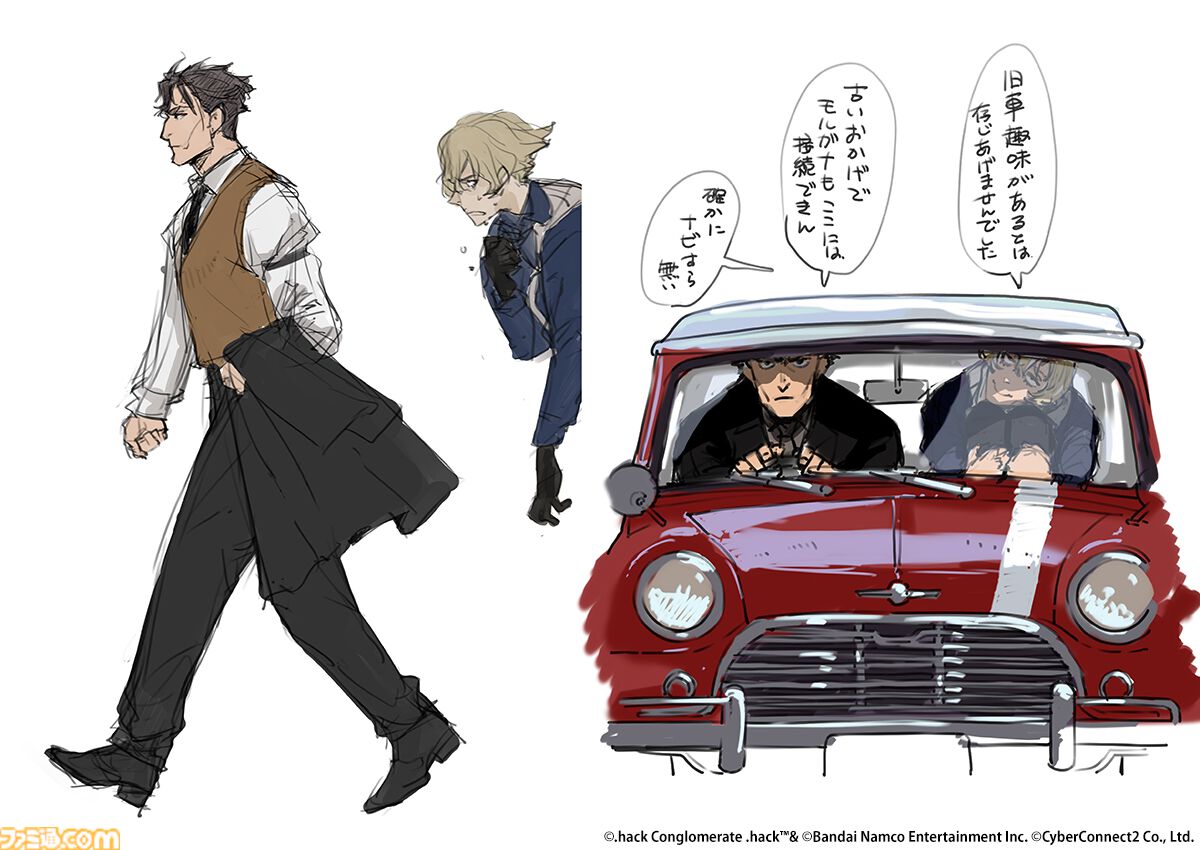
Pause. Hold on. WHAT?!
That exchange alone has my mind racing all over the place, because Morganna is an incredibly important figure in all of .hack fiction. Without getting too into the weeds, Morganna is basically the underlying system that governs The World MMO itself so a lot of the conflict that spawns in .hack inevitably revolves around Morganna. This small exchange is probably an important hint in what to expect about the more involved real-world portion of .hack//Z.E.R.O., which may allow players to conduct an investigation outside of The World and yet they still have to contend with Morganna’s eyes through a society that’s become more reliant on systems that are prone to cyber security breaches.
With all that said, that’s part of the magic of .hack overall; it succeeded in becoming a cultural phenomenon for a few years because it was able to maintain a steady, somewhat consistent, flow in its existence as a trans-media conglomerate entity. There were .hack games, .hack TV anime series, .hack anime OVAs, .hack manga, .hack light novels, and a plethora of .hack merchandise. That was still a fairly novel model in that space at the time; now, it’s expected and normalized throughout almost every popular piece of media thrown at modern society.
There are a mountain of challenges ahead for CyberConnect2 with .hack//Z.E.R.O. How can it meaningfully tell a story about society’s relationship with technology that feels fresh, genuine, and not well-worn? Will the charm of the original IMOQ tetralogy be lost in its pursuit to “update” the time period in takes place in? Can I still raise Grunties? I have so many questions, but it’s rare that I’m so excited for something that can completely shatter my soul at a moment’s notice so I wrote this up to remind myself in the future of what was racing through my mind at this exact moment.