

"Ultimately, both Yoshida and Soken are entertainers, and (I hope!) appreciate my attempts at maintaining that sense of entertainment in my interpretations" - Koji Fox on localization, FFXIV, FF16, Final Fantasy XI, coffee, and much more
I recently had a chance to chat with Final Fantasy XIV Localization Supervisor and Final Fantasy XVI Localization Director Michael-Christopher Koji Fox about his work on FFXIV, being in The Primals, working on books compared to games, LOGOS: The World of Final Fantasy XVI, song lyrics, singing at Download Festival, adding flavor and color to localization, Final Fantasy XVI, Shantotto's dialogue, Final Fantasy XI, coffee, and much more. This interview was conducted over email prior to Koji Fox's appearance at Otakon 2026 and ahead of the Final Fantasy XIV Switch 2 release.
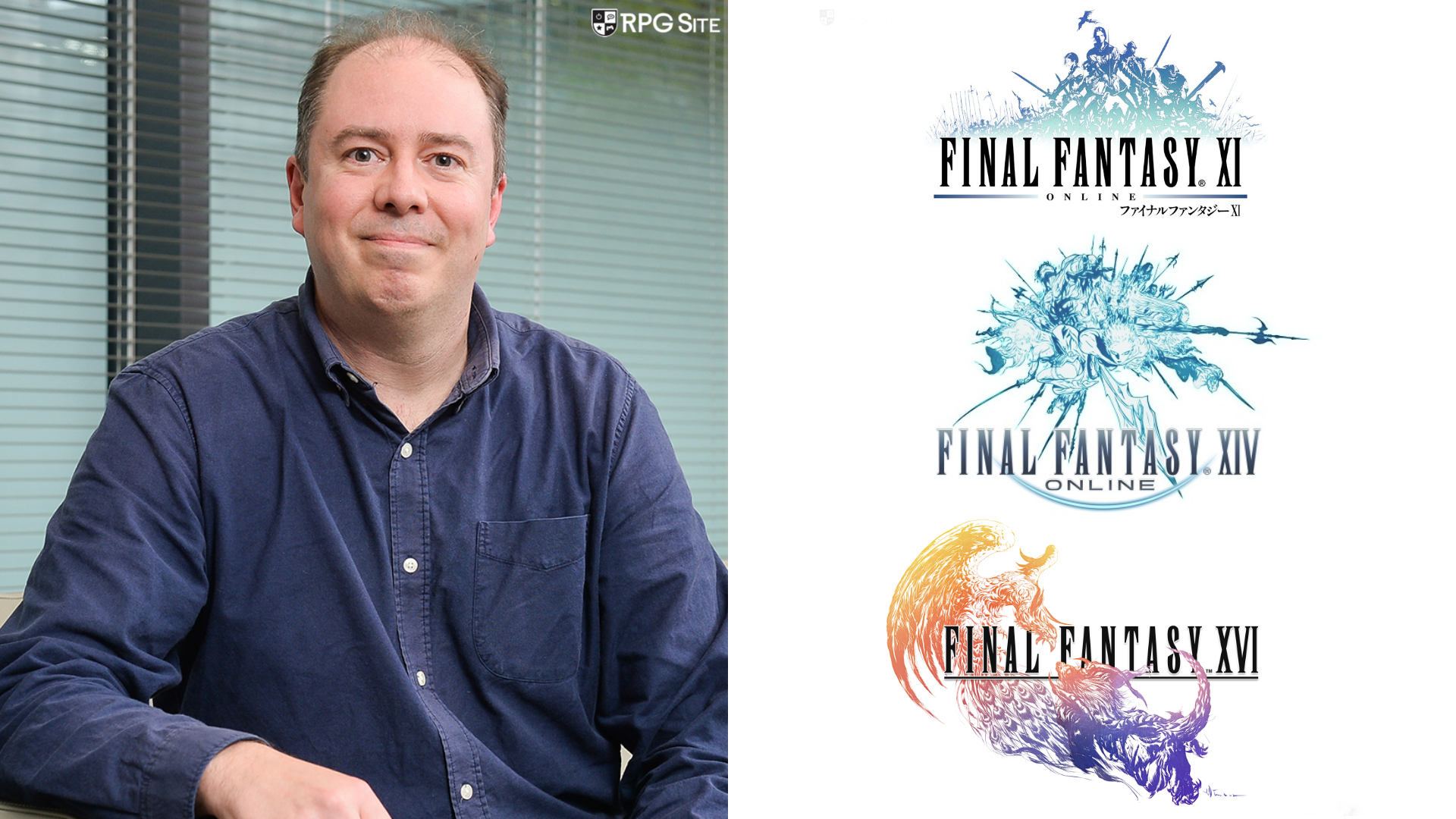
RPG Site: For those unaware, tell us a little bit about yourself and what you do at Square Enix. I'm also curious what made you want to move to Japan back then, and how it was joining when Square and Enix literally merged?
Koji Fox: I joined Square Enix on April 1, 2003—or the day the Squaresoft and Enix merger became official. By then, I had already lived in Japan for approximately seven and a half years, spending most of that time in Hokkaido, where I had attended the Hokkaido University of Education and taught in a local junior high school. The office culture I encountered at Square Enix was far different from the classroom, but both the Localization Department (which I was a member of) and the FINAL FANTASY XI Development team (which I was assigned to) were extremely welcoming.
The Localization Department was just starting to grow into its own, taking on more projects and becoming more widely accepted by the entire company—in part thanks to the efforts of Richard Mark Honeywood, one of the department’s founding members. Localizers were given desks within the development teams, granting us access to not only everything we needed to translate, but also put us in contact with the actual writers—a luxury not afforded most translators in the industry. Mostly, though, it allowed us to create bonds with the other creators—bonds that have endured to this day, while opening up paths for me that I imagine otherwise would have remained closed.
Koji Fox: I joined Square Enix on April 1, 2003—or the day the Squaresoft and Enix merger became official. By then, I had already lived in Japan for approximately seven and a half years, spending most of that time in Hokkaido, where I had attended the Hokkaido University of Education and taught in a local junior high school. The office culture I encountered at Square Enix was far different from the classroom, but both the Localization Department (which I was a member of) and the FINAL FANTASY XI Development team (which I was assigned to) were extremely welcoming.
The Localization Department was just starting to grow into its own, taking on more projects and becoming more widely accepted by the entire company—in part thanks to the efforts of Richard Mark Honeywood, one of the department’s founding members. Localizers were given desks within the development teams, granting us access to not only everything we needed to translate, but also put us in contact with the actual writers—a luxury not afforded most translators in the industry. Mostly, though, it allowed us to create bonds with the other creators—bonds that have endured to this day, while opening up paths for me that I imagine otherwise would have remained closed.
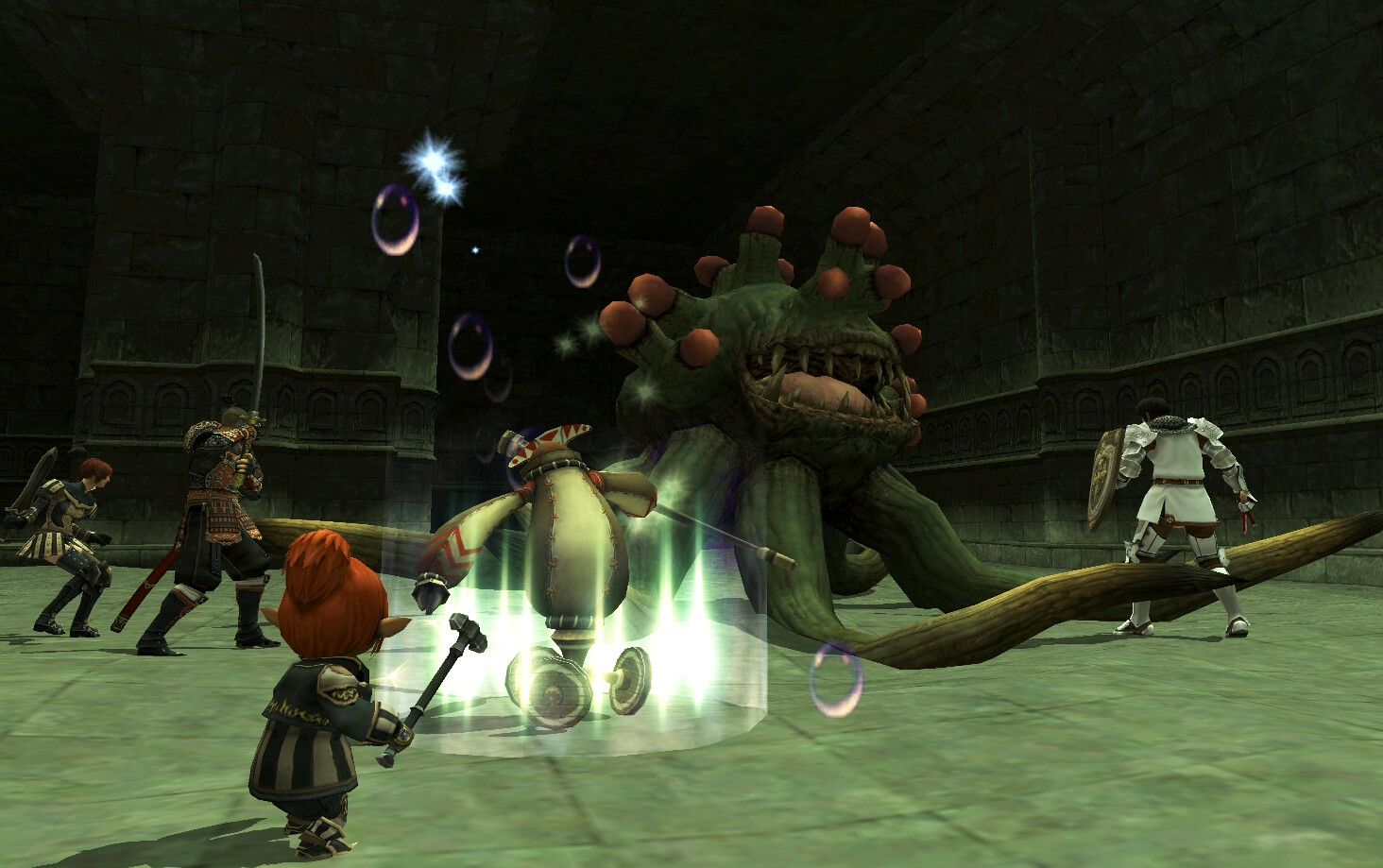
RPG Site: You've been mainly involved with Final Fantasy XI and then XIV and were responsible for Shantotto's dialogue. What was your thought process back then when it comes to adding flavor and color to your work? Can you also discuss how different it was working on XIV compared to XI?
Koji Fox: Richard (whom I mentioned above) was in charge of training me as a localizer when I joined the XI team, and I recall him placing a heavy emphasis on the importance of unique characterizations. Since the game didn’t have voiced lines, and we couldn’t rely on a voice actor’s delivery, it was up to the translator to make sure that the localization provided a clear voice that players would hear in their heads when reading the dialogue.
We ended up employing all sorts of gimmicks to make this happen, from various regional accents to special letters and symbols, from the repetition of vowels and consonants to their removal and replacement with apostrophes, and of course, with alliteration to rhyme (which was copiously applied to Shantotto’s character…for better or for worse). Looking back at some of the text now, I admit we may have gone overboard at times, but ultimately it helped make those characters impactful and memorable.
Nowadays, we have the benefit of voiced lines, so (fortunately) it isn’t as necessary to go as hard as we did before. Feedback from players has also been helpful, as once things start getting too heavy (like, say, in early Limsa Lominsa), what were intended as clever characterizations simply end up being annoyances. I like to think that now I better understand the importance of finding ways to keep things fresh and unique without putting too much of a burden on the player.
Koji Fox: Richard (whom I mentioned above) was in charge of training me as a localizer when I joined the XI team, and I recall him placing a heavy emphasis on the importance of unique characterizations. Since the game didn’t have voiced lines, and we couldn’t rely on a voice actor’s delivery, it was up to the translator to make sure that the localization provided a clear voice that players would hear in their heads when reading the dialogue.
We ended up employing all sorts of gimmicks to make this happen, from various regional accents to special letters and symbols, from the repetition of vowels and consonants to their removal and replacement with apostrophes, and of course, with alliteration to rhyme (which was copiously applied to Shantotto’s character…for better or for worse). Looking back at some of the text now, I admit we may have gone overboard at times, but ultimately it helped make those characters impactful and memorable.
Nowadays, we have the benefit of voiced lines, so (fortunately) it isn’t as necessary to go as hard as we did before. Feedback from players has also been helpful, as once things start getting too heavy (like, say, in early Limsa Lominsa), what were intended as clever characterizations simply end up being annoyances. I like to think that now I better understand the importance of finding ways to keep things fresh and unique without putting too much of a burden on the player.
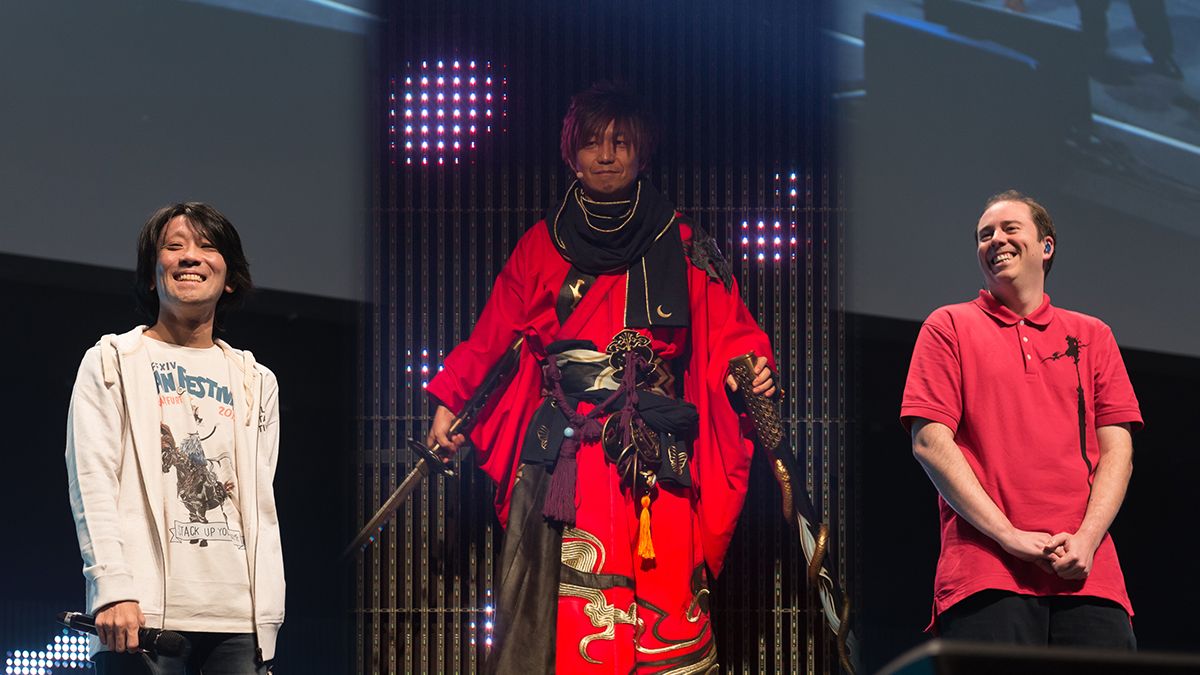
RPG Site: Ever since Final Fantasy XIV exploded globally, you've been more or less the face of the game alongside Naoki Yoshida and Soken. Having worked with them for so long now, how does it feel to move to the next stage of Final Fantasy XIV next year?
Koji Fox: Having worked with both of them for so long has given me unique insight into how their minds work, what they value, and what messages they want to relay to the players through both their words and their works. They know I understand who they are as people and what they are thinking, and so I like to think they have grown comfortable allowing me to be their voice—a voice I try to make sure represents their underlying stance, even if my exact translations don’t quite match up word-for-word. Ultimately, both Yoshida and Soken are entertainers, and (I hope!) appreciate my attempts at maintaining that sense of entertainment in my interpretations.
However, while I am honored to have been given the opportunity to represent the project and the Localization team, I do want to emphasize that ultimately that is all I am—a representative. There are far more people who contribute to the greatness of FFXIV but are never seen, and without them, the game would not exist. Working with them has been just as rewarding as my time with Yoshida and Soken.
Koji Fox: Having worked with both of them for so long has given me unique insight into how their minds work, what they value, and what messages they want to relay to the players through both their words and their works. They know I understand who they are as people and what they are thinking, and so I like to think they have grown comfortable allowing me to be their voice—a voice I try to make sure represents their underlying stance, even if my exact translations don’t quite match up word-for-word. Ultimately, both Yoshida and Soken are entertainers, and (I hope!) appreciate my attempts at maintaining that sense of entertainment in my interpretations.
However, while I am honored to have been given the opportunity to represent the project and the Localization team, I do want to emphasize that ultimately that is all I am—a representative. There are far more people who contribute to the greatness of FFXIV but are never seen, and without them, the game would not exist. Working with them has been just as rewarding as my time with Yoshida and Soken.
RPG Site: As someone who buys artbooks, Ultimania books, and lore for games I love, I very much appreciate how quickly we get XIV and XVI books compared to how things were for other Square Enix franchises. How different is it working on these sorts of releases compared to the game itself?
Koji Fox: As the Localization teams on both XIV and XVI are/were heavily involved with the naming and world building on both projects, work on the lore books ends up being much more creative than regular in-game localization—which can prove quite rewarding. Most localization involves working with content that has already been created by a third party, so the amount of freedom given to “spread our creative wings” tends to be limited. That opens up slightly with the FFXIV lore books, allowing our team to approach the writing differently.
For LOGOS, this was dialed up to 10, as there was very little Japanese source material, and it was up to me and my team of writers to create everything from scratch in English based on Creative Director Kazutoyo Maehiro’s notes.
Koji Fox: As the Localization teams on both XIV and XVI are/were heavily involved with the naming and world building on both projects, work on the lore books ends up being much more creative than regular in-game localization—which can prove quite rewarding. Most localization involves working with content that has already been created by a third party, so the amount of freedom given to “spread our creative wings” tends to be limited. That opens up slightly with the FFXIV lore books, allowing our team to approach the writing differently.
For LOGOS, this was dialed up to 10, as there was very little Japanese source material, and it was up to me and my team of writers to create everything from scratch in English based on Creative Director Kazutoyo Maehiro’s notes.
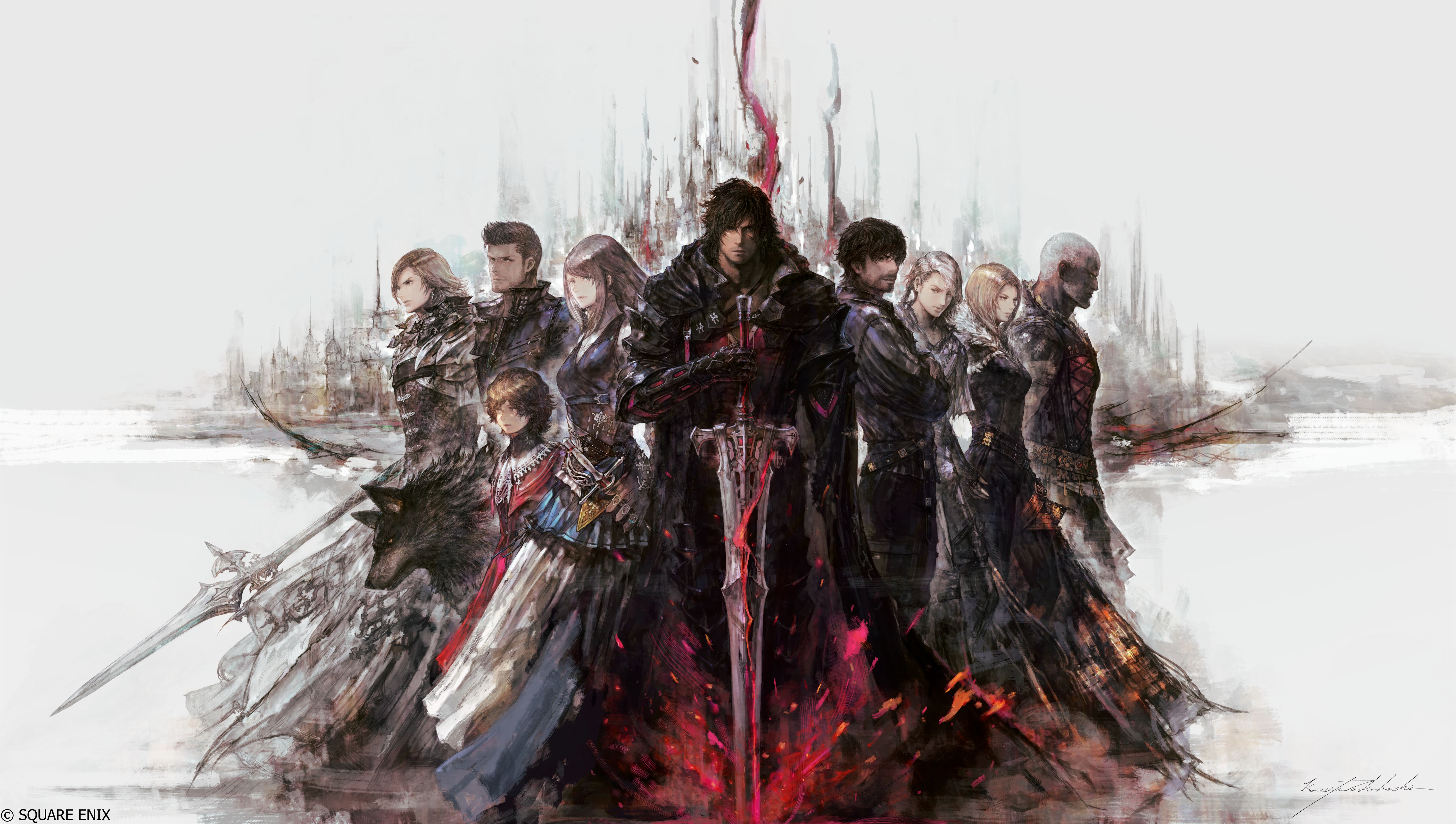
RPG Site: You were responsible for LOGOS: The World of Final Fantasy XVI. What learnings from the Eorzea books did you bring to this? In a lot of ways, LOGOS feels like the best way to cap Final Fantasy XVI until it potentially gets ported to more platforms. How was it working on both XVI and XIV for you in recent years?
Koji Fox: The three volumes (and counting) of Encyclopedia Eorzea have always been what their title says—encyclopedias. Like encyclopedias, they are receptacles of knowledge meant to be “referenced” rather than simply “read.” They are dry, informative, all-knowing…and certainly not meant to be devoured in a single sitting. And while I certainly wanted LOGOS to be as informative as the Encyclopedias Eorzea, I wanted it to be more accessible and somewhat more readable. Something that was a little more organic, and possibly even more flawed. Something that felt like it had originated in the world of FFXVI, having been written and compiled by a somewhat unreliable narrator (due to his personal connections with the world and its inhabitants). Something that wouldn’t give all the answers…because no one really has all the answers.
In the end, I don’t see LOGOS as a “cap” to FINAL FANTASY XVI, but more an invitation to go back and revisit the game. While none of the content in LOGOS is necessary to understand and enjoy XVI’s main story, I think it offers a new perspective to certain scenes and character interactions.
Koji Fox: The three volumes (and counting) of Encyclopedia Eorzea have always been what their title says—encyclopedias. Like encyclopedias, they are receptacles of knowledge meant to be “referenced” rather than simply “read.” They are dry, informative, all-knowing…and certainly not meant to be devoured in a single sitting. And while I certainly wanted LOGOS to be as informative as the Encyclopedias Eorzea, I wanted it to be more accessible and somewhat more readable. Something that was a little more organic, and possibly even more flawed. Something that felt like it had originated in the world of FFXVI, having been written and compiled by a somewhat unreliable narrator (due to his personal connections with the world and its inhabitants). Something that wouldn’t give all the answers…because no one really has all the answers.
In the end, I don’t see LOGOS as a “cap” to FINAL FANTASY XVI, but more an invitation to go back and revisit the game. While none of the content in LOGOS is necessary to understand and enjoy XVI’s main story, I think it offers a new perspective to certain scenes and character interactions.
RPG Site: One thing outsiders might not know is you also do lyrics and sing with The Primals. When you originally did a few songs, did you think The Primals would get to the stage it is at now?
Koji Fox: Absolutely not. The only reason I agreed to sing on that first Soken song (Good King Moggle Mog XII) was because he specifically assured me that via the “power of science” no one would ever know it was me singing. The whole “get up on stage and perform in front of 30,000 fans at Tokyo Dome” thing kind of goes against that. (laughs)
Koji Fox: Absolutely not. The only reason I agreed to sing on that first Soken song (Good King Moggle Mog XII) was because he specifically assured me that via the “power of science” no one would ever know it was me singing. The whole “get up on stage and perform in front of 30,000 fans at Tokyo Dome” thing kind of goes against that. (laughs)
RPG Site: How was it performing at Download Festival?
Koji Fox: Absolutely amazing. Seeing all the fans who specifically travelled to the fest to see us and show us their love was both breathtaking and heartwarming, but seeing all the other people—the ones who had no idea who we were, but were interested in our sound—seeing them come to listen, and then stick with us to the very end of the set (despite the fact that Electric Callboy was playing a kick-ass set the next stage over) was something I didn’t expect. Well, that and the dude who was crowd surfing. First time at a Primals concert ever. EPIC.
Koji Fox: Absolutely amazing. Seeing all the fans who specifically travelled to the fest to see us and show us their love was both breathtaking and heartwarming, but seeing all the other people—the ones who had no idea who we were, but were interested in our sound—seeing them come to listen, and then stick with us to the very end of the set (despite the fact that Electric Callboy was playing a kick-ass set the next stage over) was something I didn’t expect. Well, that and the dude who was crowd surfing. First time at a Primals concert ever. EPIC.
RPG Site: What books or films have you enjoyed in recent years that got you to improve your own skillset or work towards changing something?
Koji Fox: I’ve mentioned this a couple of times elsewhere, but Alex Pheby’s The Cities of the Weft trilogy (starting with the book, Mordew) was one of my inspirations for FFXVI. As it turns out, Alex is a huge FF nerd, and saw an interview where I talked about Mordew…and somehow through his agent found a way to get in touch with me to say thanks. Then, when it came time to write LOGOS, I contacted him on the off chance that he might be interested in contributing…and he said yes, ultimately writing about 10 pages of Valisthean Pilgrimage entries that appear throughout the book.
Other than that, I have recently been gobbling up anything written by K.J. Parker—not only for the dry wit and lovably hate-able (or is that hate-ably lovable?) characters, but for the amount of research that goes into his novels. Writing lore is all about focusing on details and fleshing out the mundane and giving it life, and I find that Parker is a master at this. I learn so much from his books while also having fun with the story, and hope LOGOS might help others do the same.
Koji Fox: I’ve mentioned this a couple of times elsewhere, but Alex Pheby’s The Cities of the Weft trilogy (starting with the book, Mordew) was one of my inspirations for FFXVI. As it turns out, Alex is a huge FF nerd, and saw an interview where I talked about Mordew…and somehow through his agent found a way to get in touch with me to say thanks. Then, when it came time to write LOGOS, I contacted him on the off chance that he might be interested in contributing…and he said yes, ultimately writing about 10 pages of Valisthean Pilgrimage entries that appear throughout the book.
Other than that, I have recently been gobbling up anything written by K.J. Parker—not only for the dry wit and lovably hate-able (or is that hate-ably lovable?) characters, but for the amount of research that goes into his novels. Writing lore is all about focusing on details and fleshing out the mundane and giving it life, and I find that Parker is a master at this. I learn so much from his books while also having fun with the story, and hope LOGOS might help others do the same.
RPG Site: Given you've worked on XIV from the start, can you discuss a funny anecdote from working on the game with the team in Japan that you haven't spoken about in the many interviews you've done.
Koji Fox: Oh, there is a reason most untold stories remain untold...
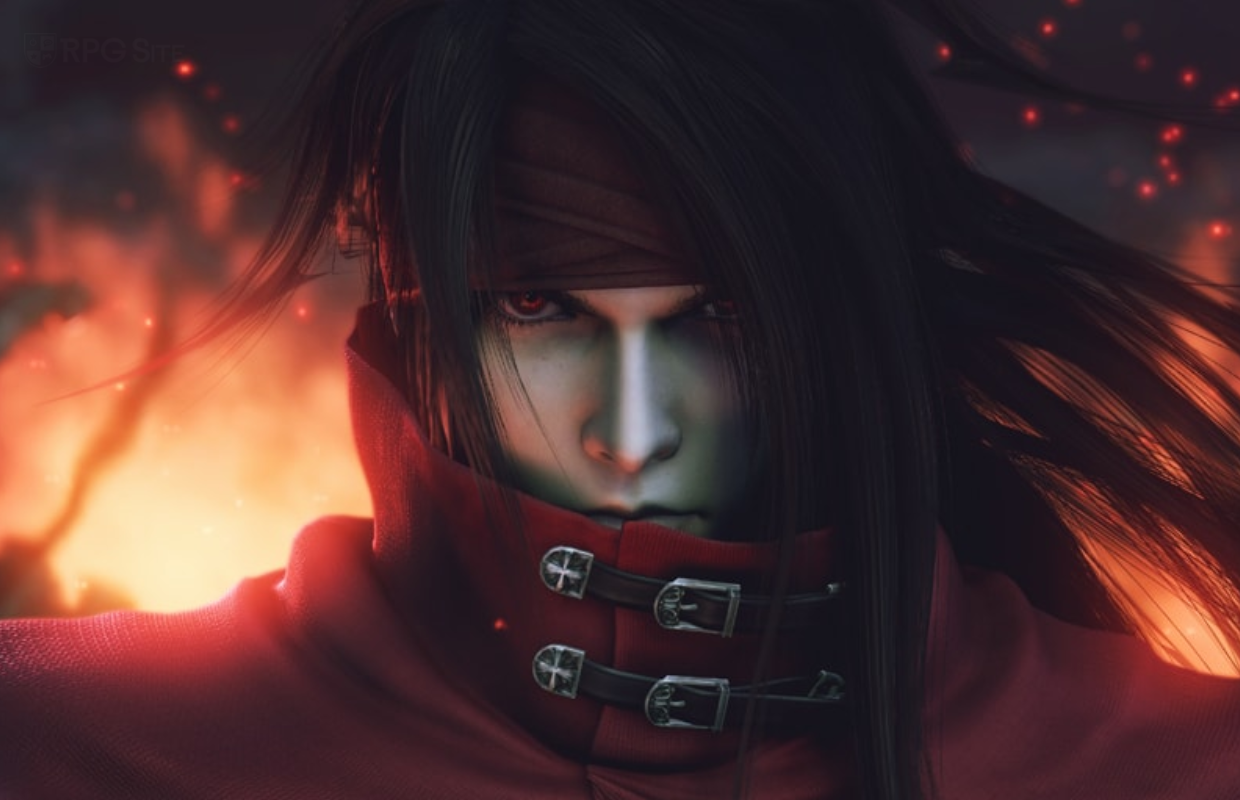
That said, there has to be something… Hmm… Let’s see… There was that one time I was living out of a hotel in Burbank while attending voice recording for Dirge of Cerberus. However, translation for the non-voiced lines was still going on while I was there, so while I was in the studio during the week, on the weekends, I would remain in my room and translate text on my laptop. However, around the 3rd week of recording this became very difficult to do…because MTV started filming a steamy reality show at the hotel pool outside my window…and it wasn’t long before scantily clad lads and ladies strutting back and forth began distracting me from the tasks at hand.
Was that interesting? Probably not? And definitely not as interesting as that time a naked guy wearing only a backpack somehow snuck past our security guards and made it up to the 8th floor of our offices in Shinjuku before having the cops called on him by The Last Remnant localization lead.
And certainly not as interesting as that time an applicant for an in-house German translator position disappeared from the room he was taking his translation test in—despite there only being one exit from the room, and the attendant stationed outside the room never seeing him leave.
But yeah.
Koji Fox: Oh, there is a reason most untold stories remain untold...
That said, there has to be something… Hmm… Let’s see… There was that one time I was living out of a hotel in Burbank while attending voice recording for Dirge of Cerberus. However, translation for the non-voiced lines was still going on while I was there, so while I was in the studio during the week, on the weekends, I would remain in my room and translate text on my laptop. However, around the 3rd week of recording this became very difficult to do…because MTV started filming a steamy reality show at the hotel pool outside my window…and it wasn’t long before scantily clad lads and ladies strutting back and forth began distracting me from the tasks at hand.
Was that interesting? Probably not? And definitely not as interesting as that time a naked guy wearing only a backpack somehow snuck past our security guards and made it up to the 8th floor of our offices in Shinjuku before having the cops called on him by The Last Remnant localization lead.
And certainly not as interesting as that time an applicant for an in-house German translator position disappeared from the room he was taking his translation test in—despite there only being one exit from the room, and the attendant stationed outside the room never seeing him leave.
But yeah.
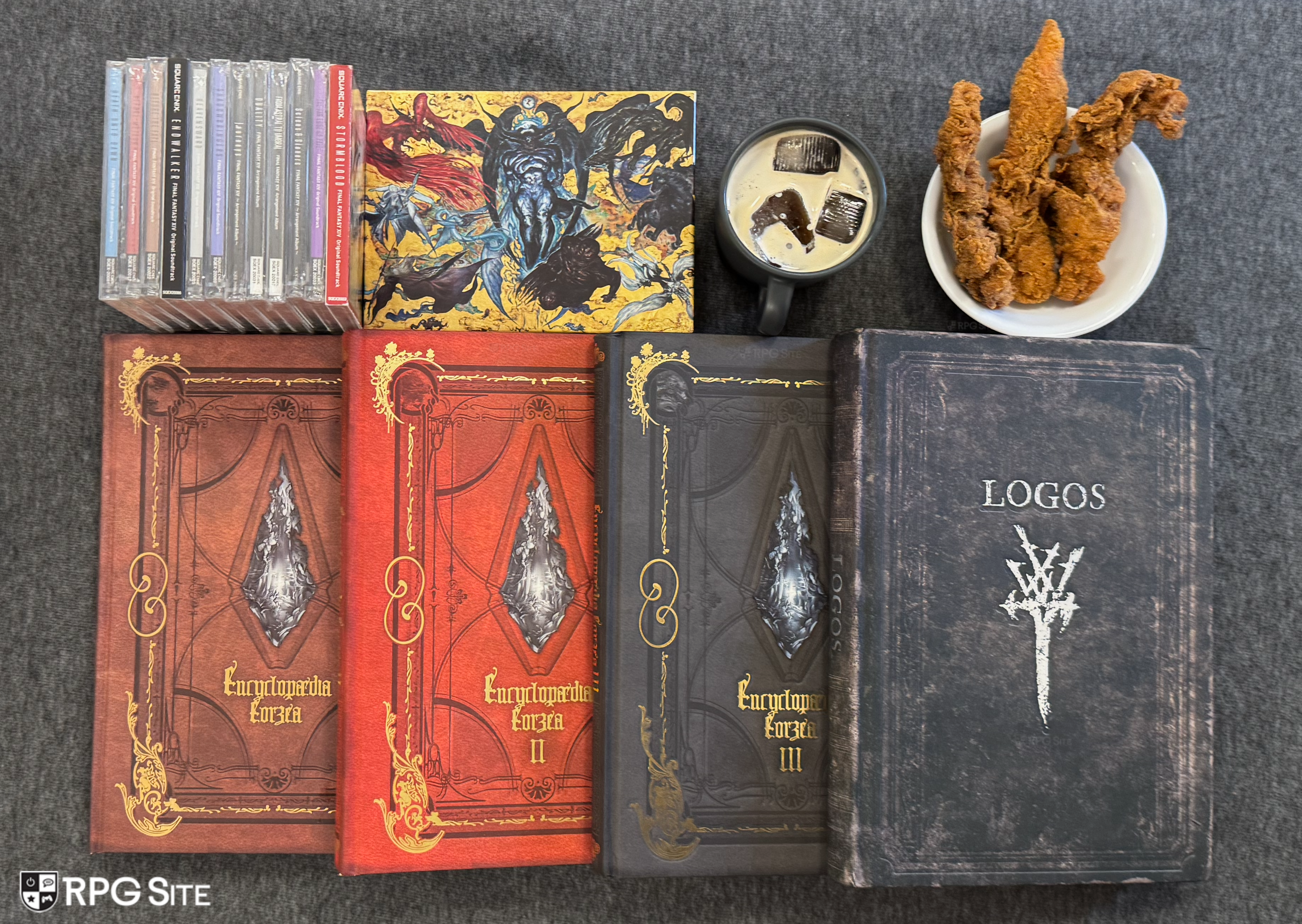
RPG Site: How do you like your coffee? Go into as much detail as possible and also tell us how you think Shantotto and Hildibrand would enjoy their coffee.
Koji Fox: For me, it would be with as much chocolate as (in)humanly possible. Shantotto would probably take hers with microdoses of random poisons so that she could slowly build up resistances to any strange substance a saboteur might slip her. I imagine Hildibrand only drinks shots of 5-hour Energy from lonely interstate gas stations.
Koji Fox: For me, it would be with as much chocolate as (in)humanly possible. Shantotto would probably take hers with microdoses of random poisons so that she could slowly build up resistances to any strange substance a saboteur might slip her. I imagine Hildibrand only drinks shots of 5-hour Energy from lonely interstate gas stations.