

"We are constructing a system that has the best of both worlds for battle systems" - Gust chats with us about Atelier Karia's combat, potential plans for a third game, how 'Maomao in an Atelier game' led to The Apothecary Diaries, and more
During Tokyo Game Show 2026, we had an opportunity to interview Junzo Hosoi and Daiki Fukui from Koei Tecmo's Gust. The two are the producer and director of Atelier Karia: The Night Kingdom & the Guide of Memories respectively. We discussed how Gust wants to evolve the battle system, player feedback from Atelier Yumia, the Switch 2 port, and whether we should expect a third entry to close out the trilogy or a brand-new series.
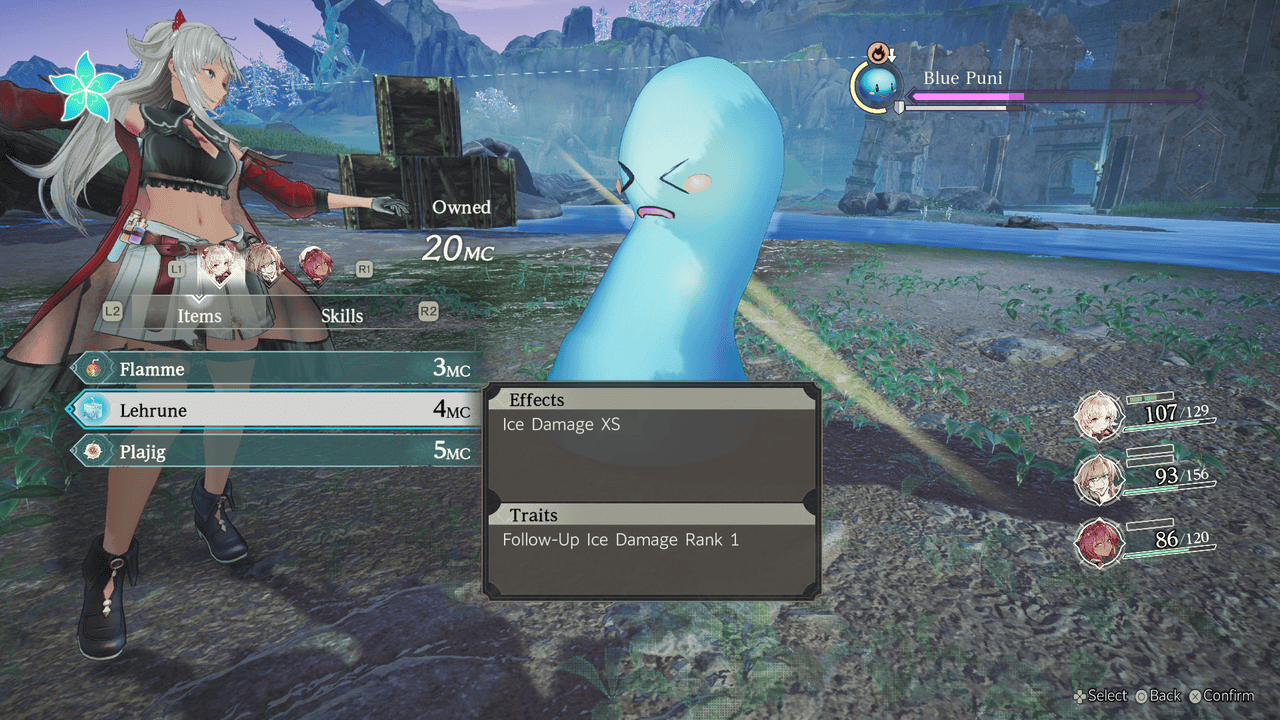
Junzo Hosoi: Atelier Yumia was developed with the concept of bringing a major evolution to the Atelier series. After we have released it worldwide, we learned that some parts were received well while some others weren't. I feel like some parts of the game have a mixed reception in the fanbase. We then went to develop Atelier Karia by extending the parts that were received well and doing major improvements to parts that were not.
Daiki Fukui: Atelier fans have also been saying that Yumia and the Ryza series had battle systems that included a lot of action elements. So there are indeed two sides of Atelier fans: people who want action-based and those who want turn-based like in the Atelier Resleriana console game.
So in Atelier Karia, since it's primarily based on Atelier Yumia, while we're keeping action as the primary axis, people also want a strategic side and the positives of turn-based elements. For example during battles, you can open the Command Menu anytime. It will stop time, and you can have all the time you need to think thoroughly. Compared to Atelier Yumia, we are adding the aspects like thinking strategically with command-based battles. We are tuning it up a bit while bringing in Yumia's battle system, so we are constructing a system that has the best of both worlds for battle systems.
Junzo Hosoi: You will know later during Tokyo Game Show.
(Editor's Note: The returning characters have since been confirmed to be Rutger and Lenja.)
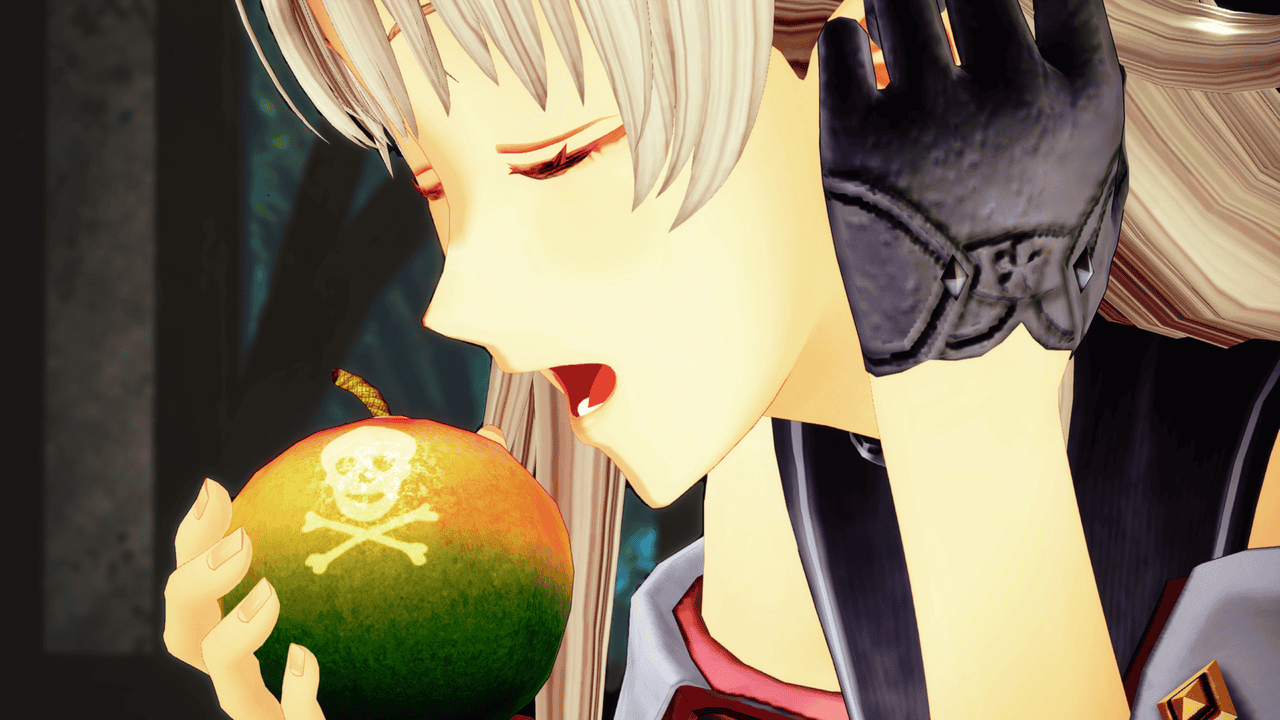
Daiki Fukui: Not even Karia would remain well by eating poison. She can still eat them, but she will receive damage for doing that. Not all kinds of poison would be bad, but when she eats things that are primarily clarified to be poisonous, her health will deteriorate gradually.
Daiki Fukui: Since we have previously released Atelier Yumia on Switch 2 as well, we are making progress on optimization as much as possible by making use of this data.
We can't really specify about Variable Refresh Rate right now, but since the Switch 2 really has a gap in its mechanical parts, we are making appropriate reductions while also trying to align the frame rate for battles in the Switch 2 version.
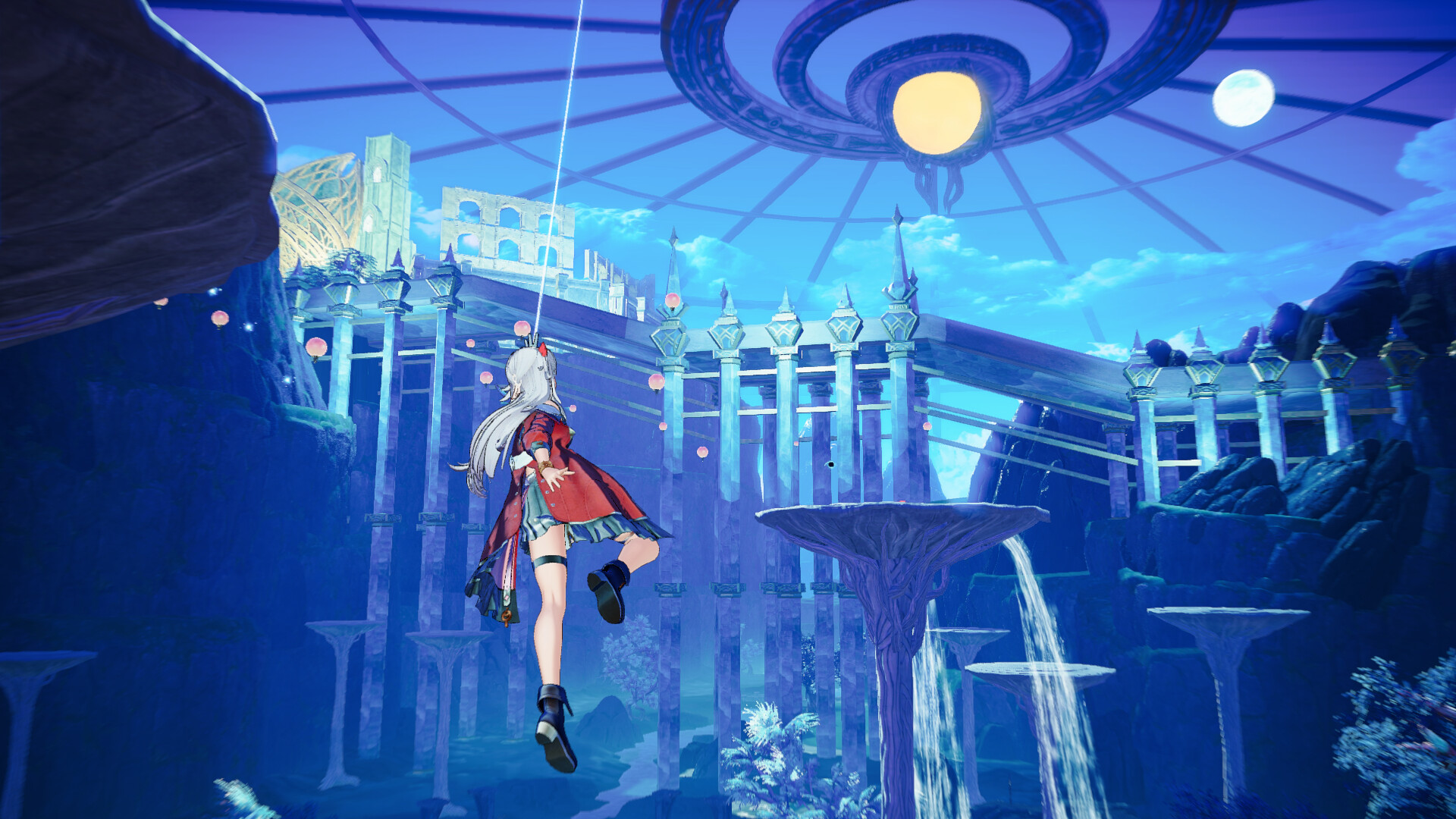
Junzo Hosoi: We are always thinking about the game mechanics we want to implement. As for the story in Atelier Karia, we do intend to create one kind of conclusion in a story that continues from Atelier Yumia, and what Yumia and Karia can do there.
That's why I'd like for us to go the direction of evolving the Atelier series' mechanics the way we want it to be. But on the other side, while we are also thinking about where to take the story next, we still do not have anything concrete yet.
At the same time, the things we evolved when we made Atelier Yumia really ended up getting major changes from our users' opinions. Right now, our thinking about whether we're making a third entry or a new series will depend on our users' opinions.
The Apothecary Diaries: The False Imperial Brother interview with Gust
In addition to Atelier Karia, we were also able to ask a couple of questions related to both The Apothecary Diaries: The False Imperial Brother and the Atelier series. Junzo Hosoi also revealed that he is the Gust-side producer of the anime-based game, which is being co-produced with Toho Games.
The Apothecary Diaries: The False Imperial Brother is being developed by Gust. Koei Tecmo and Toho Games are working together to release the game for PlayStation 5, Nintendo Switch 1&2, and PC via Steam worldwide in early 2027.
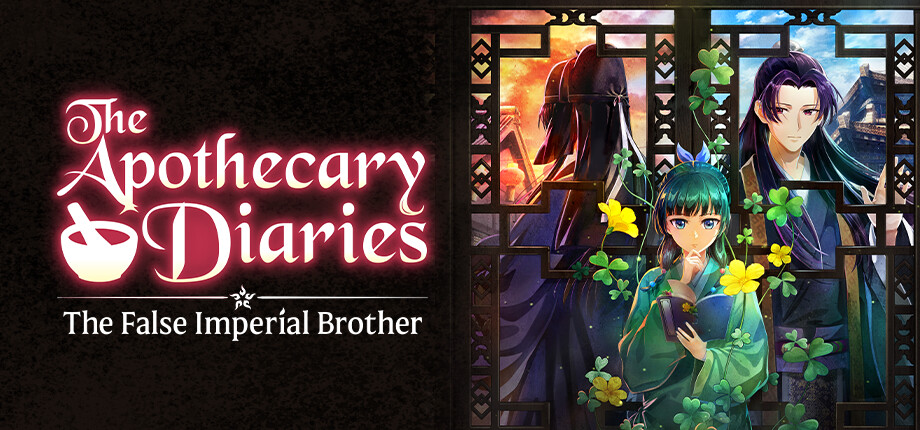
Junzo Hosoi: I was actually the one who received that proposal. I am the producer for The Apothecary Diaries: The False Imperial Brother. I also like The Apothecary Diaries, the original series itself.
So when I received the proposal from Toho Games, I also was like, "Oh, yeah, I know that too." Like, I already had that image after I have watched the anime. I also thought, "Oh, what if we make it as Maomao in an Atelier game?" That's how it all began in our discussions with Toho.
Junzo Hosoi: For compounding medicines here, of course it may have easily understandable things seen in existing Atelier titles, such as the visuals and resulting effects. But while we may be presenting it with enough depth, I think it may still leave a bit of difficulty.
However, since this time we are working with The Apothecary Diaries IP, we have the desire to make it playable for a wide range of people. So we selected a group of features from the Atelier series that would be very fun to try from the beginning, and then made a sequential order on how to play them from the beginning to the game's ending.
For example, there is a mini-game at the beginning. The items' quality levels in this mini-game are pre-determined at first, but when you insert items, the radar graph would change and hint you towards creating better items. That's the kind of sequential game planning I've been aiming for. That's why the method of implementing things in the Atelier series has served as a major reference for us here.