The Legend of Zelda: Ocarina of Time Remake Review
From waking up on Christmas morning 1998 and unwrapping the shining golden box, to taking a break from studying for an exam and going to the midnight release of the 3DS to snag the 3D remake, The Legend of Zelda: Ocarina of Time is an adventure I’ve completed many times now. After so long away, I was eager to return to Navi and the game that I’ve loved for so long.
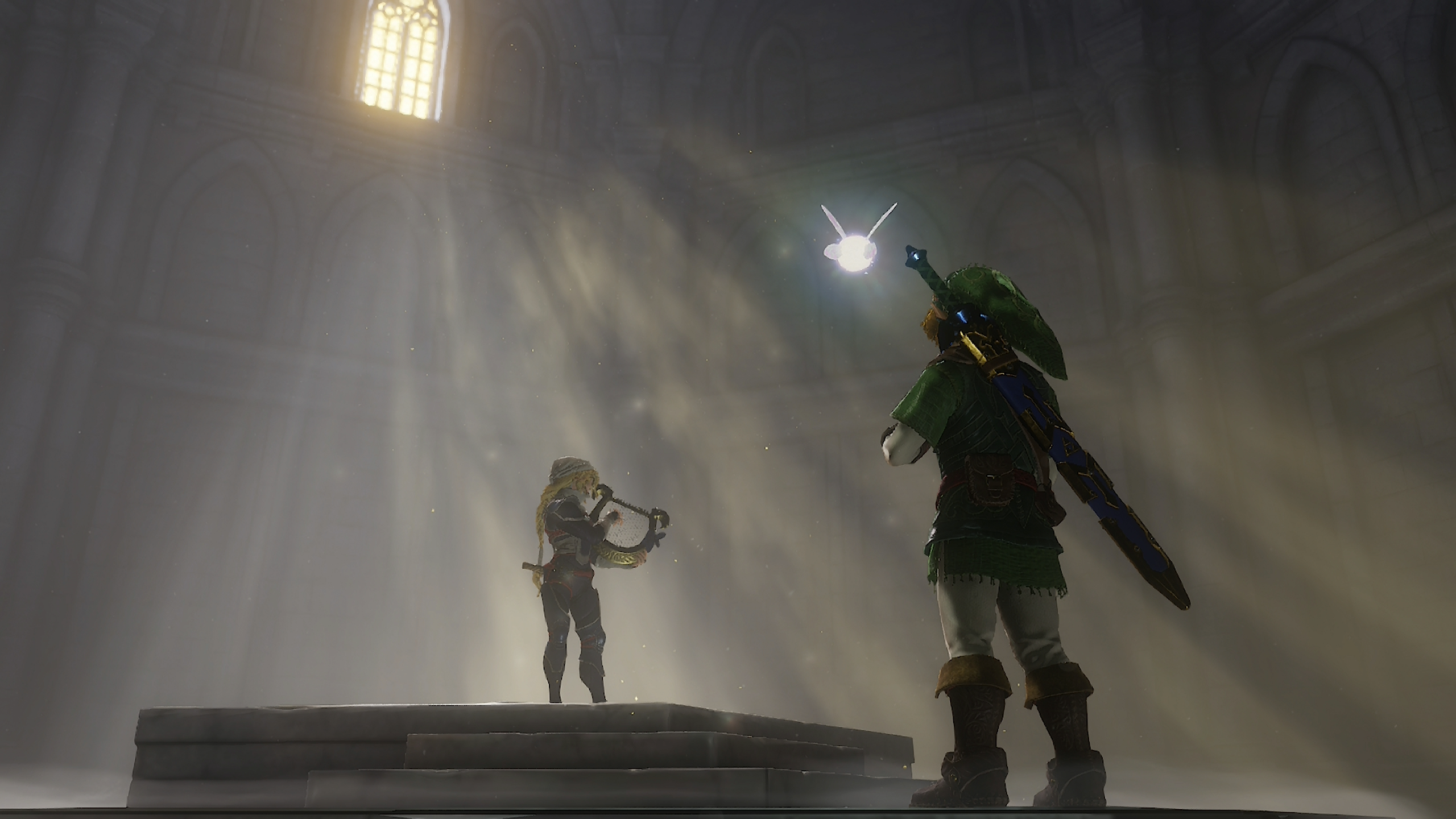
This latest remake of the fifth entry in Nintendo’s legendary franchise celebrates the green-garbed hero’s 40th anniversary. Once again, it tells the story of the small child Link, who is called by destiny to stop the evil Ganondorf. Aiding him is Zelda, the princess of the kingdom of Hyrule. With the power of the titular musical flute, the Ocarina of Time, Link will have to travel to the future and back to collect the allies and power he needs to thwart this threat. The newest version doesn’t alter it at all, but it’s a story that slapped back in 1998, and this remake proves it still slaps today in 2026.
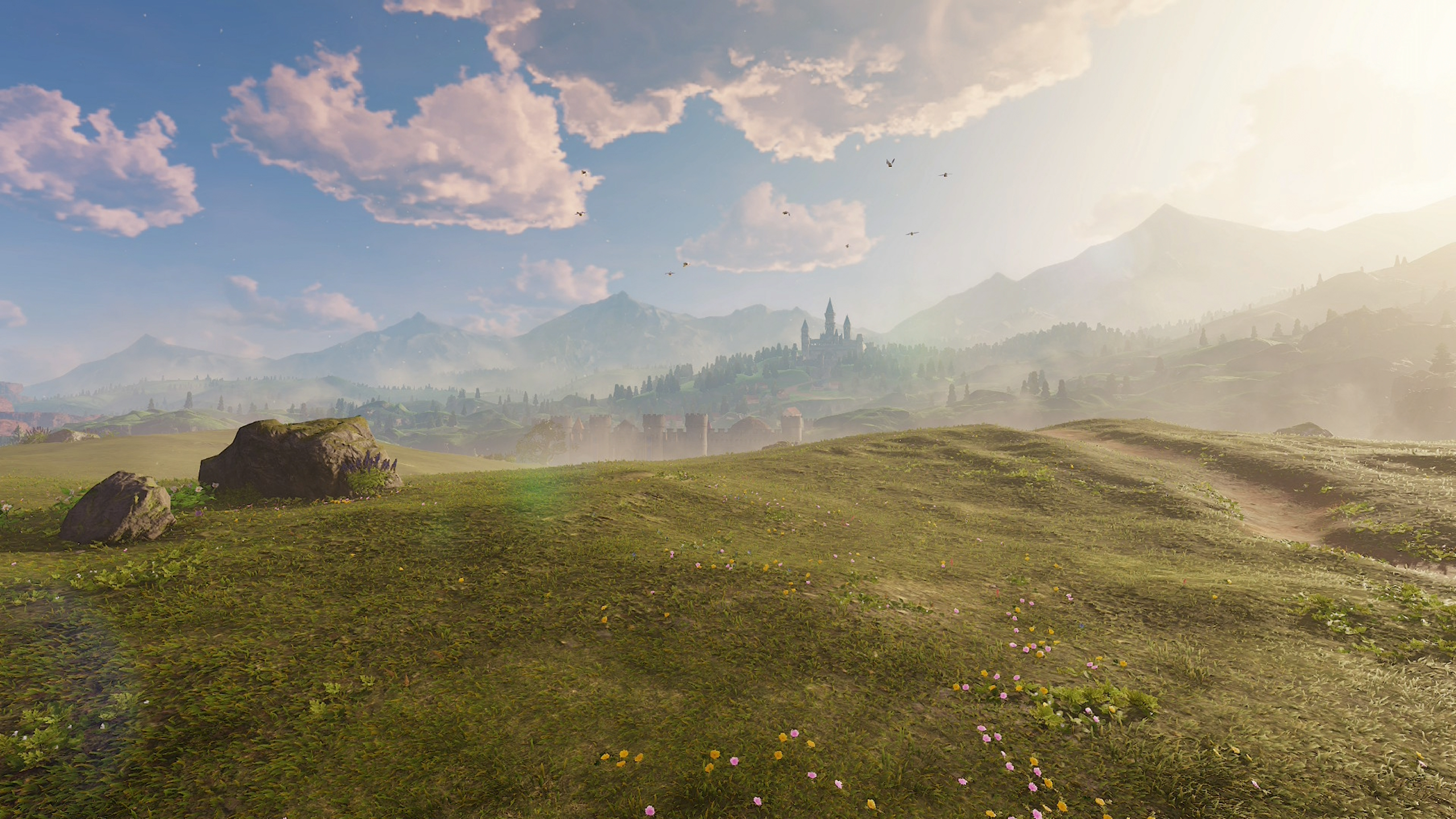
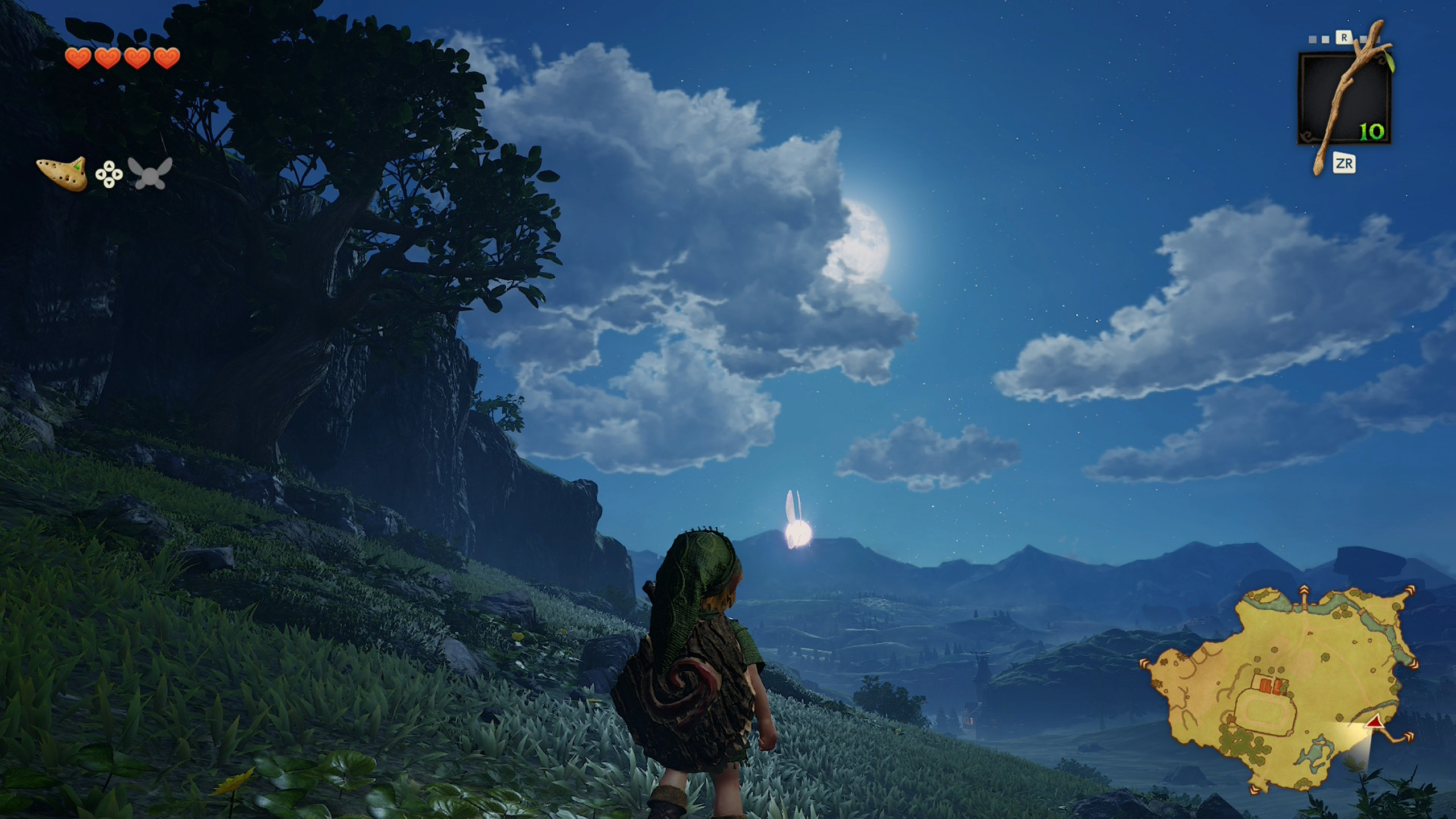
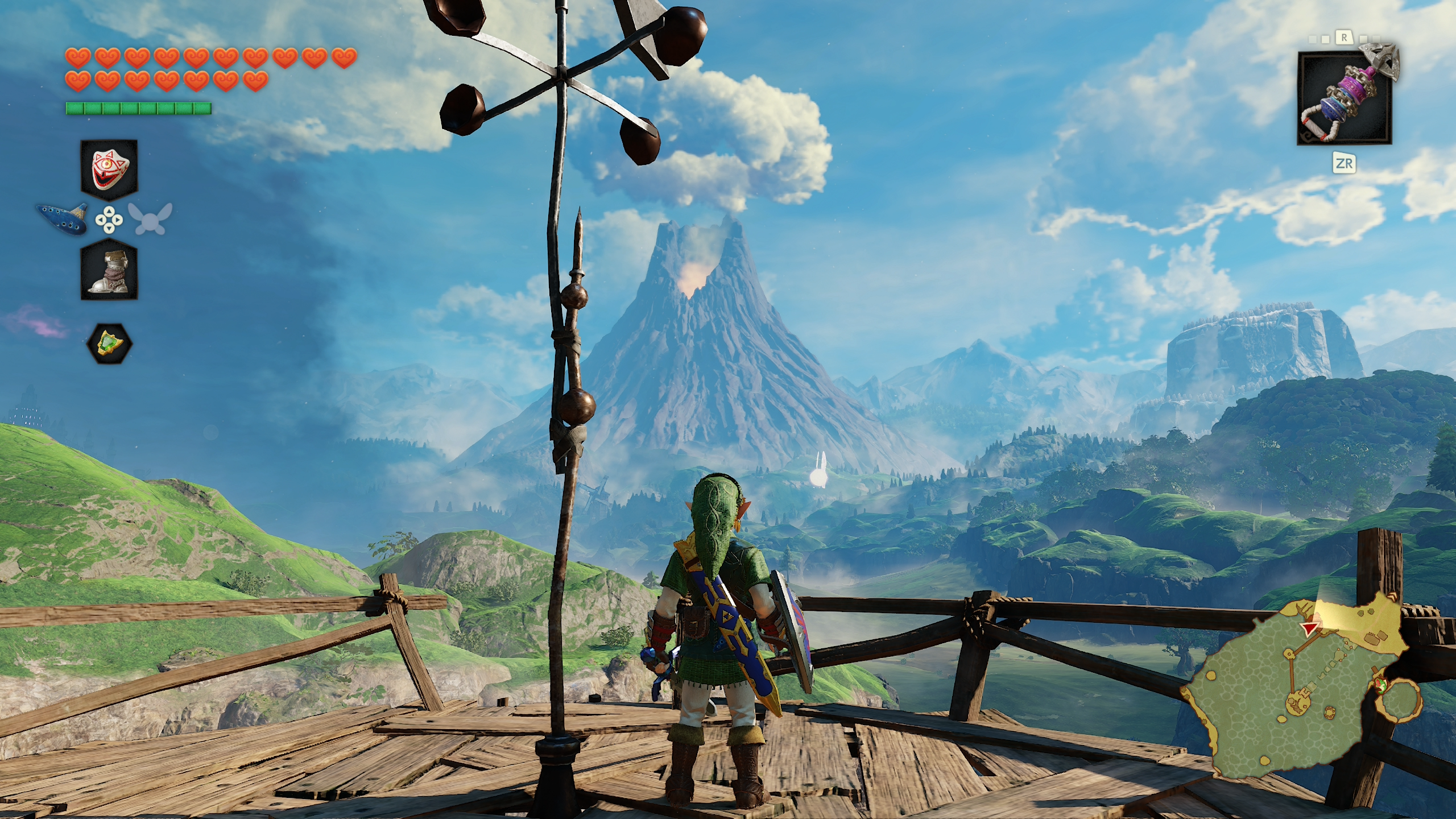
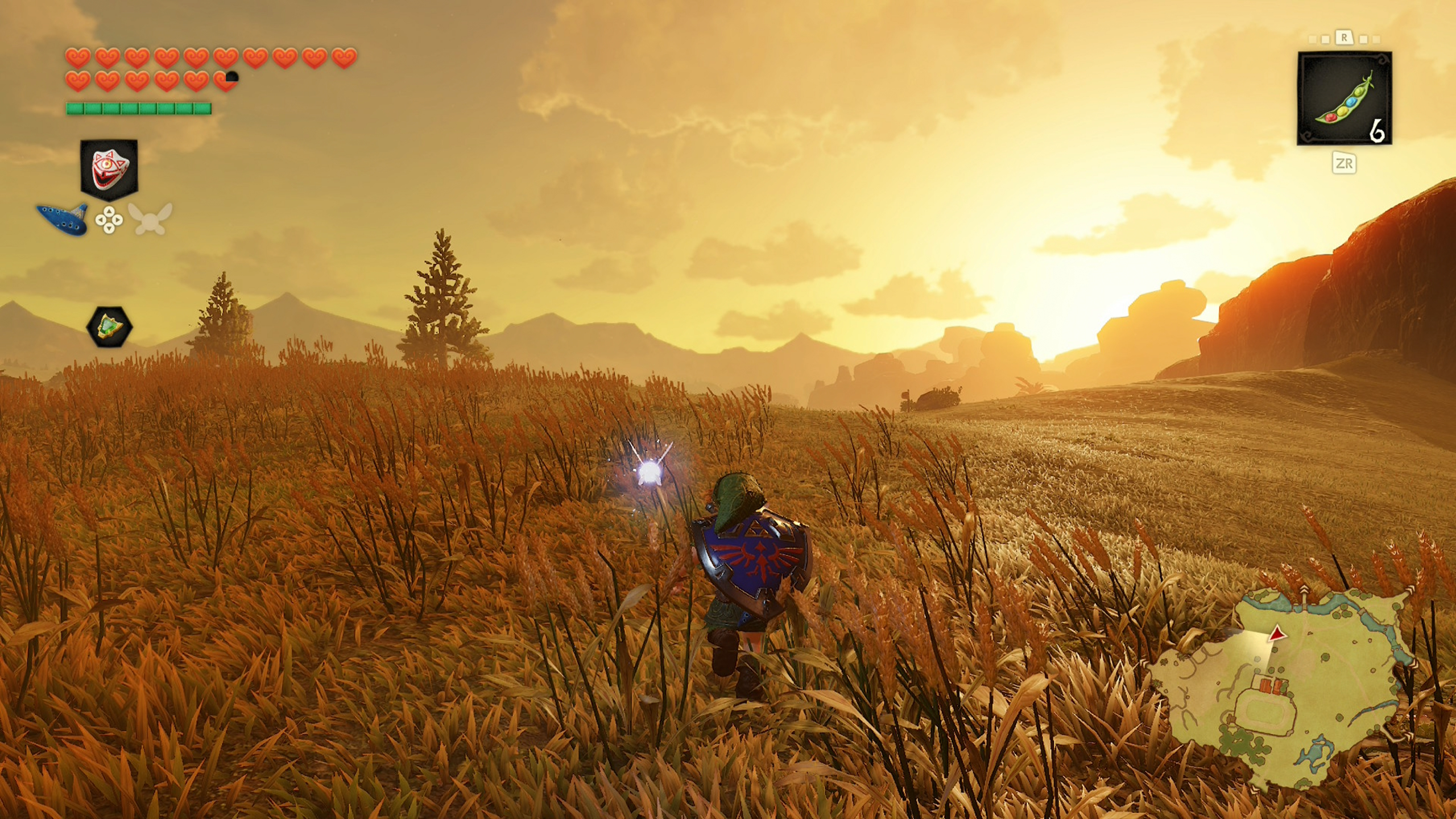
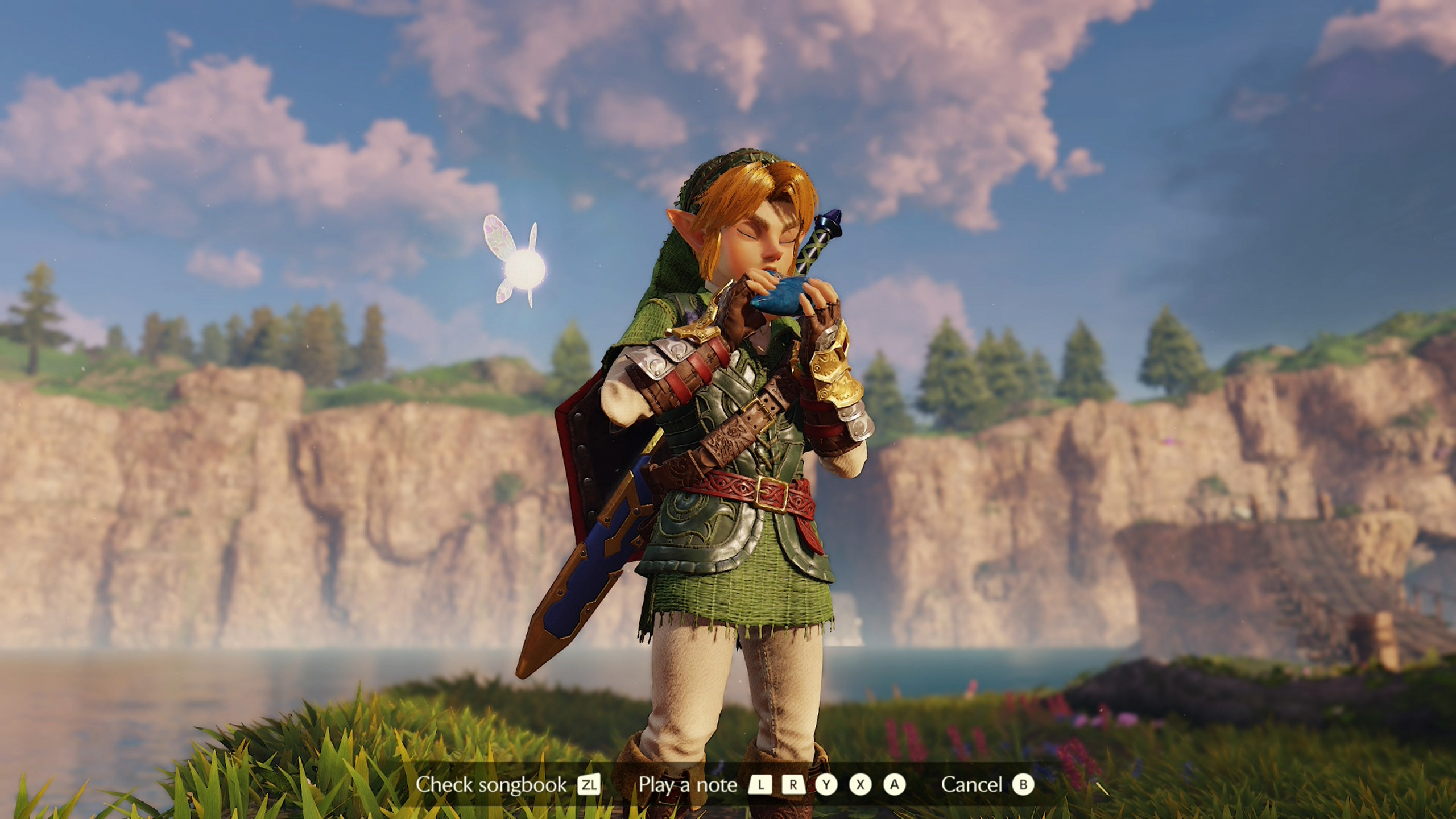
Ocarina of Time is a visual spectacle from the very first moments, with Link cold and alone in his little bed, up to the final devastating blow he delivers on Ganon. The Sages at Nintendo have delivered what is quite possibly the most visually striking title on the Switch 2 platform yet. The amount of detail that the team has included is quickly apparent. Seeing the mist hovering just above the ground as I trekked through dungeons or spilling forth out of treasure chests helped bring the world to life, as did the slight facial expressions Link makes while listening to his Ocarina, as though he is thinking back on a precious memory (strangely, though, weapons no longer clash and bounce off walls, instead passing straight through).
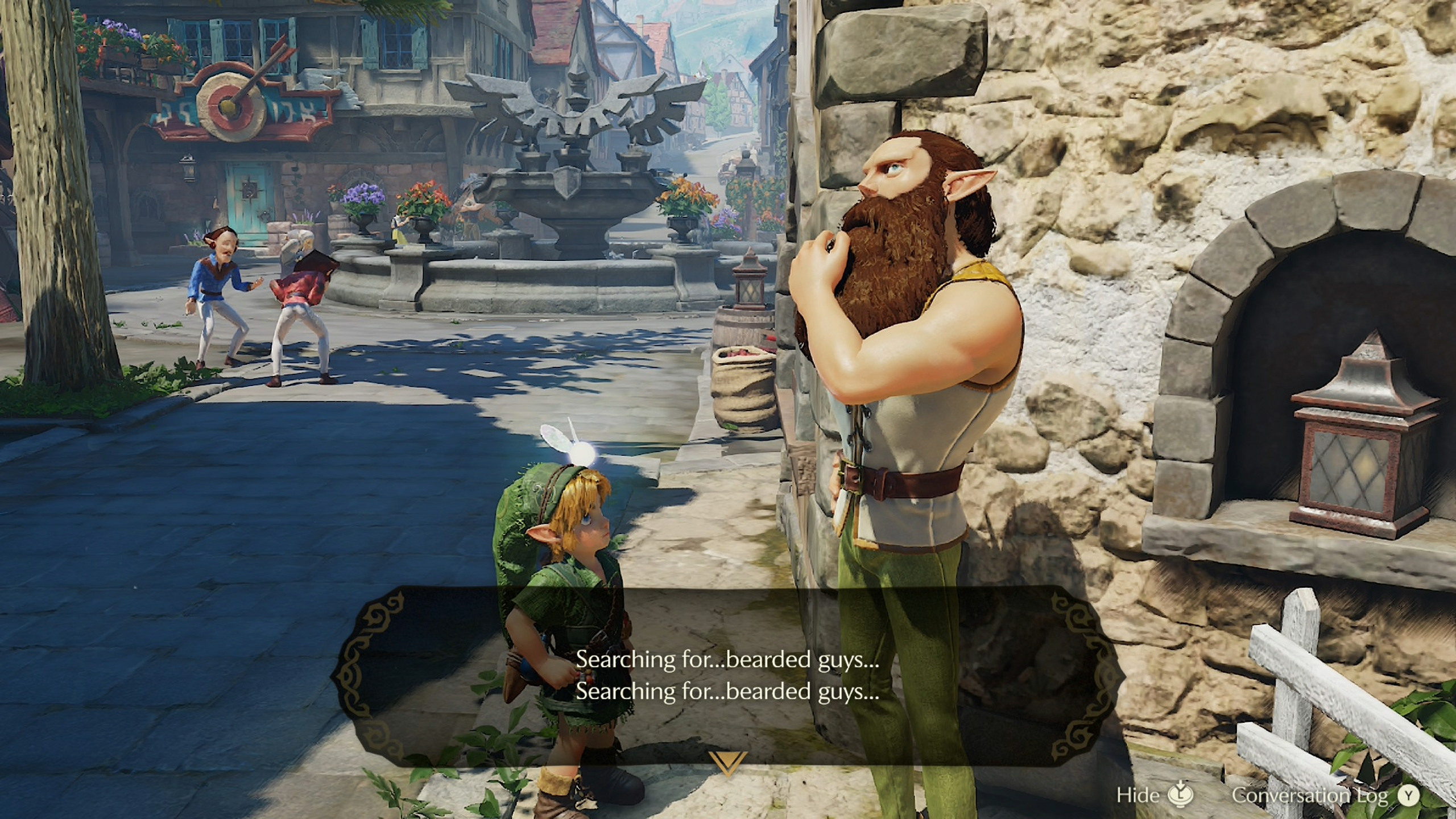
I often found myself pausing what I was doing to admire the sun coming up over the distance and just take in that sense of awe and wonder. This version of Hyrule has always lived and breathed personality; it’s just now far more vivid and richer than ever before. That feeling wasn't restricted to the scenery, but extended to the townsfolk and various villagers I encountered as well. The citizenry of Hyrule feels distinct now. By far my favorite of these was a big, burly guy you can find in Hyrule who can search for other bearded gentlemen, apparently thanks to his own majestic-looking beard. I guess that was a power bestowed by the secret fourth goddess before departing for the Sacred Realm.
This newest rendition of the classic story, as far as I could tell, doesn’t introduce any lore-altering revolutions or new twists that will cause the shifting Zelda timeline(s) to change any further. That said, some scenes are extended and make the whole story feel more fleshed out and robust. By far, my favorite of these moments comes when Link pulls the Master Sword for the first time.
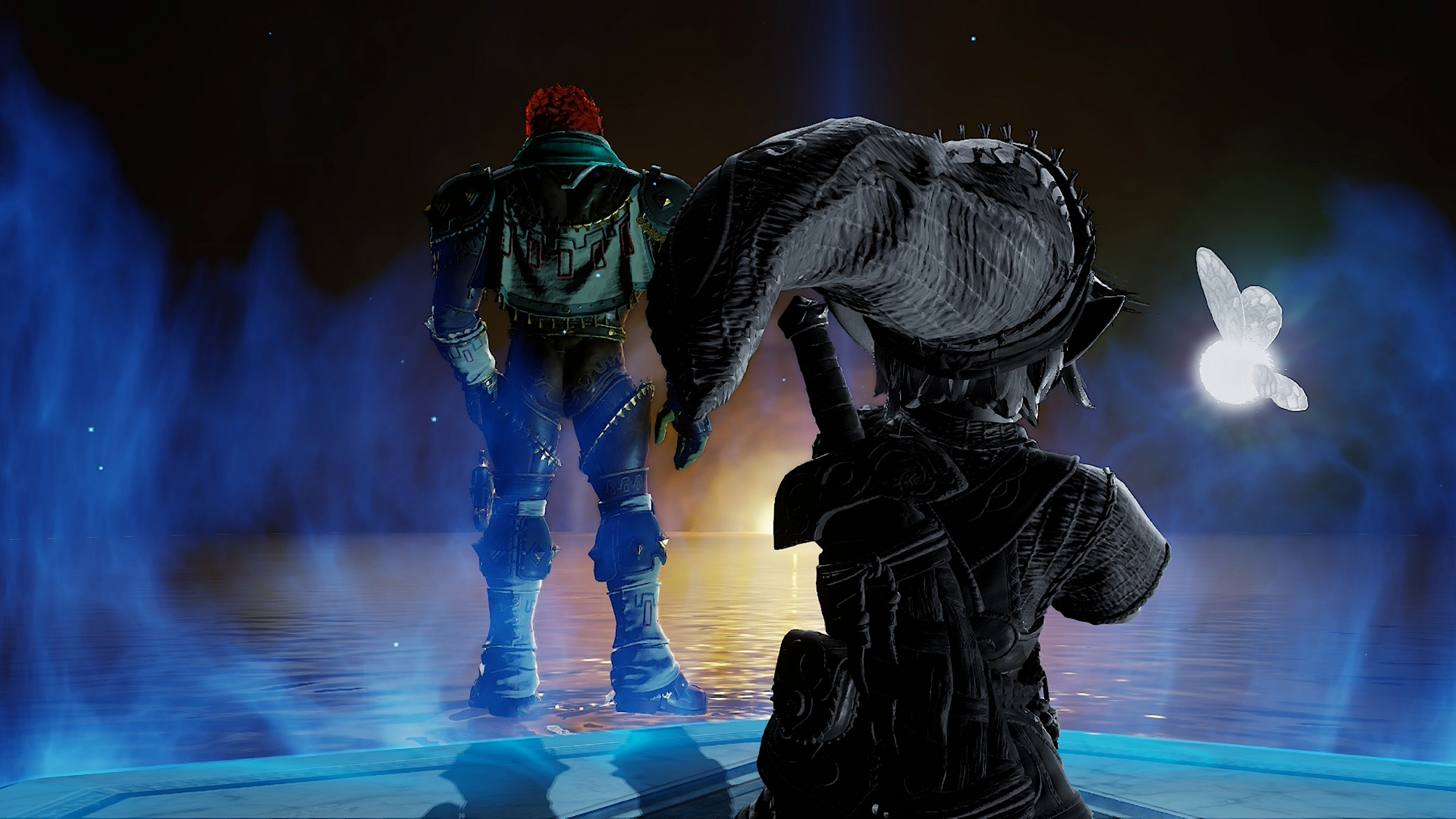
While the journey itself plays out the same as it ever has, that doesn’t mean that this is simply a carbon copy of the N64 hit with a fresh coat of paint. The occasional area and dungeon have been tweaked slightly. The short puzzle for Link to get the Kokiri Sword or sneaking through Hyrule Castle to reach Zelda have seen slight redesigns, while other locations, including the infamous Water Temple, have been adjusted to be a little less headache-inducing. Even with those tweaks, jumping back into this specific version of Hyrule was like putting on my favorite old green hat. Navigating around the dungeons, knowing where to go next, and vanquishing my foes proved little hassle, thanks in part to the smooth-as-butter framerate and updated control scheme.
Running at what felt like a constant 60 frames per second both docked and in handheld, and the inclusion of a new jump button made navigating the nostalgic dungeons a breeze, bordering on almost too much of one at that. Everything Link does now feels and comes out faster, be it hurling bombs, whacking an unsuspecting enemy with the big hammer, or nimbly jumping out of the way of an attack before returning with a jump slash of his own. Much of the time, it almost felt like Link was playing a whole different game compared to those I was fighting, making much of Ocarina far easier than I remember it being.
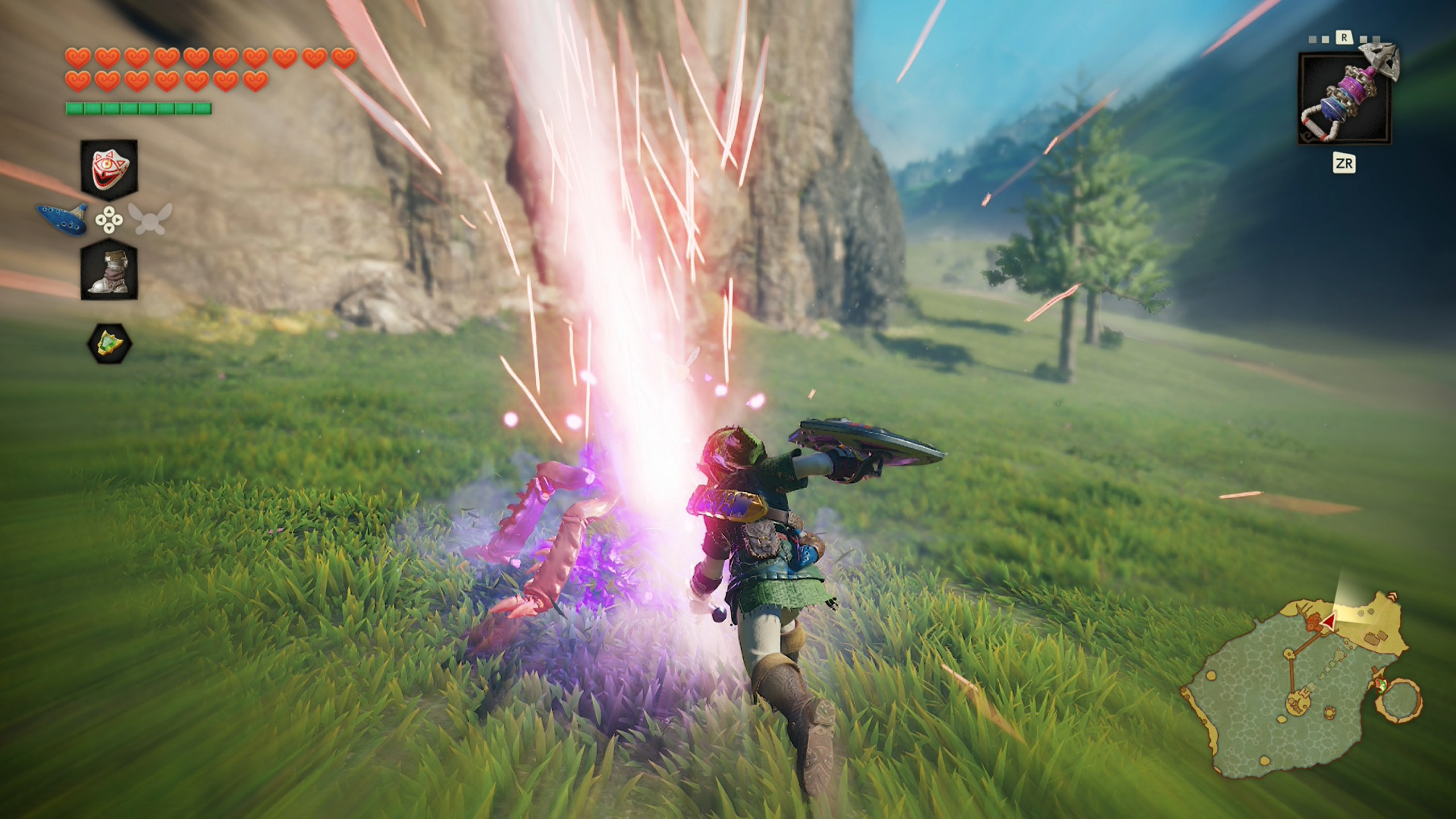
Due to both adjusted controls and some battle tweaks, I found the challenge provided by bosses to be the most diminished. With the addition of handy things like a controllable camera, the attacks of dungeon bosses have been adjusted in ways that make the fights far more forgiving. Minibosses like the Big Octo in Jabu Jabu’s belly have had their arena redesigned, removing the spikes that spin in the middle, and the boss will no longer randomly turn around and reverse directions, requiring you to quickly adjust your direction. Phantom Ganon got a similar nerf: in previous versions, he would keep moving slightly after hurling the projectile to hit back, and his movements got progressively faster with each volley. Now, the speed is consistently slow, and so long as you hit the attack, you will always direct it back at him, with the only “speed up” coming from an incredibly telegraphed final hit that, even then, sends it back at you relatively slowly. Twinrova has similar nerfs applied to her, and the new attacks that some of the bosses now have, I found, were rarely used, had long telegraphed animations, and were pretty easy to dodge. It honestly bums me out that the remake doesn’t include a sort of Hero Mode, or even better, the Master Quest variant for veteran Heroes of Time to make us sweat a little too.
A host of other adjustments and elements also proved helpful, such as being able to see how many Heart Pieces and Gold Skulltulas you've collected in a region. Having a few key items tied to specific buttons, like the Ocarina, boots, and masks, is also handy.
That said, some of the new stuff doesn’t land quite so well. A new “Hall of Fallen Foes” becomes available fairly early on and lets you test your skills against enemies and bosses you’ve previously slain, some in a 'boss rush' fashion. This is neat in concept, but lacking in substance. You get a couple of knick-knacks for Link’s bedroom shelf re-fighting some of the bosses, but not much else. It would have been neat if there was a sort of time-trial leaderboard where you could at least try and compete with friends. Having trial modifiers or the ability to make your own enemy rushes to master would have provided a fun optional mode with more life. Alas, no such luck, making the Hall feel more like a neat pit stop on a road trip as opposed to an exciting new feature.
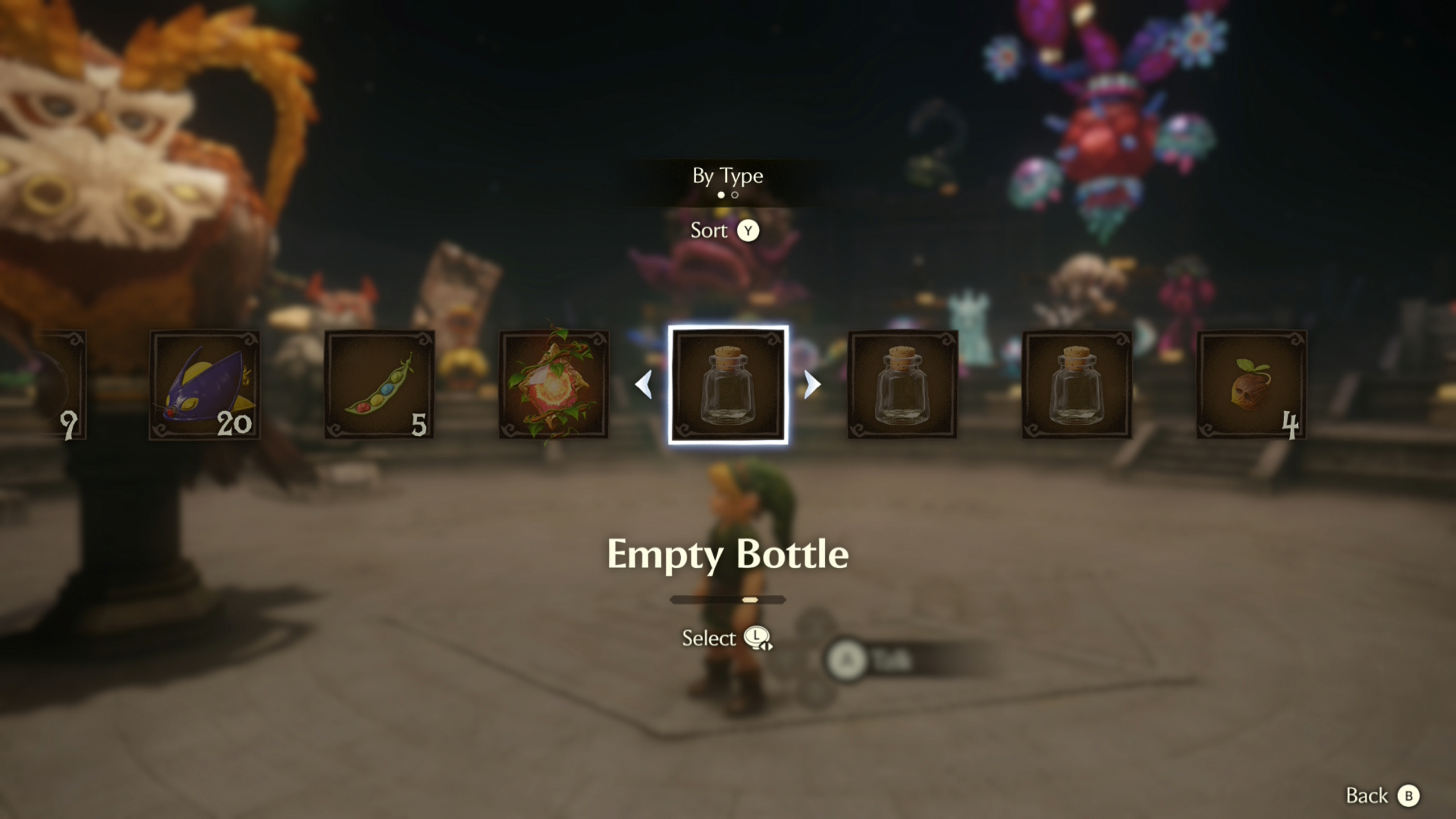
My next issue concerns the control options and item inventory — more specifically — the fact that players are given only a single active item slot. To its credit, the other specific item buttons mean you can access more items at a time, but could we not have gotten at least two item buttons to assign to? You have the two bumpers used only for bringing up the item selection menu; why not let the two bumpers and the existing right trigger all have their own items you can assign to them instead of just the trigger? You could take away the completely pointless “Put Away” dedicated button you have set to X and let that be a second active item slot. Or, if you’re set on just a single item, at least let me pick what items are included on the selection bar, or better, condense the options when you open the menu to access the rest of your items. Does every damn bottle need to be its own space? Why not nest them together? Why not — okay. Restraint, Scott. Restraint.
The second of my biggest gripes, and one that I’m legitimately upset about, is WHY IS THERE ONLY A SINGLE SAVE SLOT?! It boggles my mind, and I can’t imagine why Nintendo gave players only a single save slot, with five auto-saves per profile, in this game. I can understand the limitation in the larger open-world games like Breath of the Wild or Tears of the Kingdom, but for a remake of a much shorter classic Zelda, it just feels too restrictive and off. With the traditional three save slots, you could have your separate "100%" file that you keep safe and sound for all time, and then you do your replays or challenge replays (three-heart challenge players, anyone?) in the other slots. The fact that I need to make a new Switch profile, log into that, and make a new save there if I ever want to replay this remake without losing my complete file actively turns me off from wanting to replay this in the future, which is a shame. Honestly, I don’t think I will unless a patch down the road adds that back in.
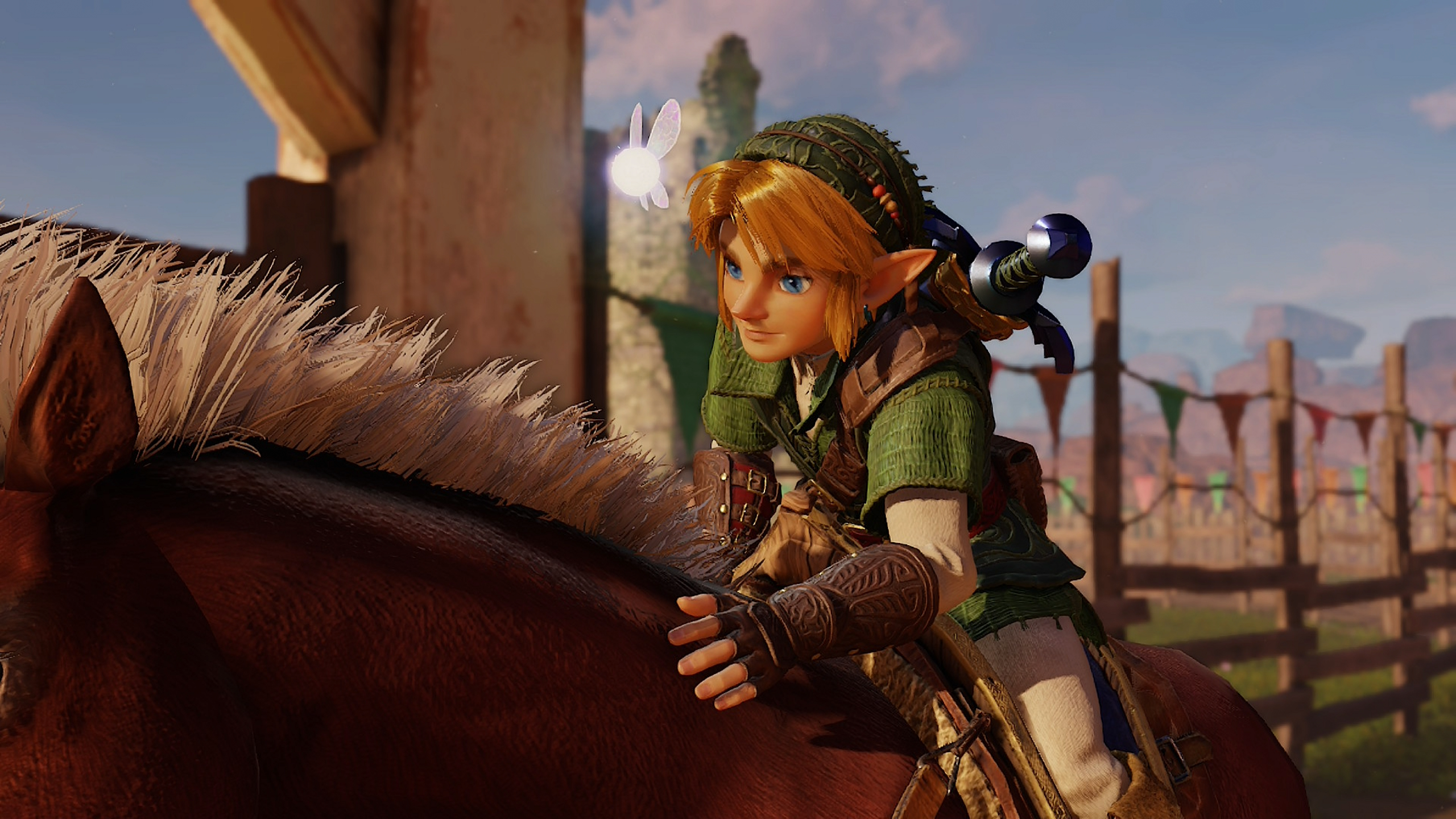
It really can't be overstated just how much of an impact the original Ocarina of Time had on gaming as a whole back when it first released in 1998, and every subsequent release of it, this remake included, further cements its impact for new generations. The core of what OoT is - its characters, the dungeons, the world, and its time-traveling epic - continues to shine even brighter thanks to breathtaking visuals and silky-smooth gameplay.
The Legend of Zelda: Ocarina of Time Remake feels like it was designed for new players first and foremost, letting whole new generations see what made us fall in love with it back in the day, and in that regard, it succeeds with flying colors. While some decisions and directions in this remake may keep me from reaching for it again anytime soon, Ocarina of Time is a classic tale and remains a standout among the pantheon of the Zelda titles, and this remake is a great showing of why, even with its blemishes.