

Beastro wants you to remind you the power of a really good meal
One of the best things about awards season is when we're given the opportunity to check out games we otherwise might not have been aware of. So much of the industry congregates in Los Angeles, and indie developers that otherwise wouldn't show up at events find an avenue to showcase their games to the press; games like Beastro from Timberline Studios, a game melding several different genres together into something unlike anything else - a mix of a farming sim, a roguelite deckbuilder, and an RPG.
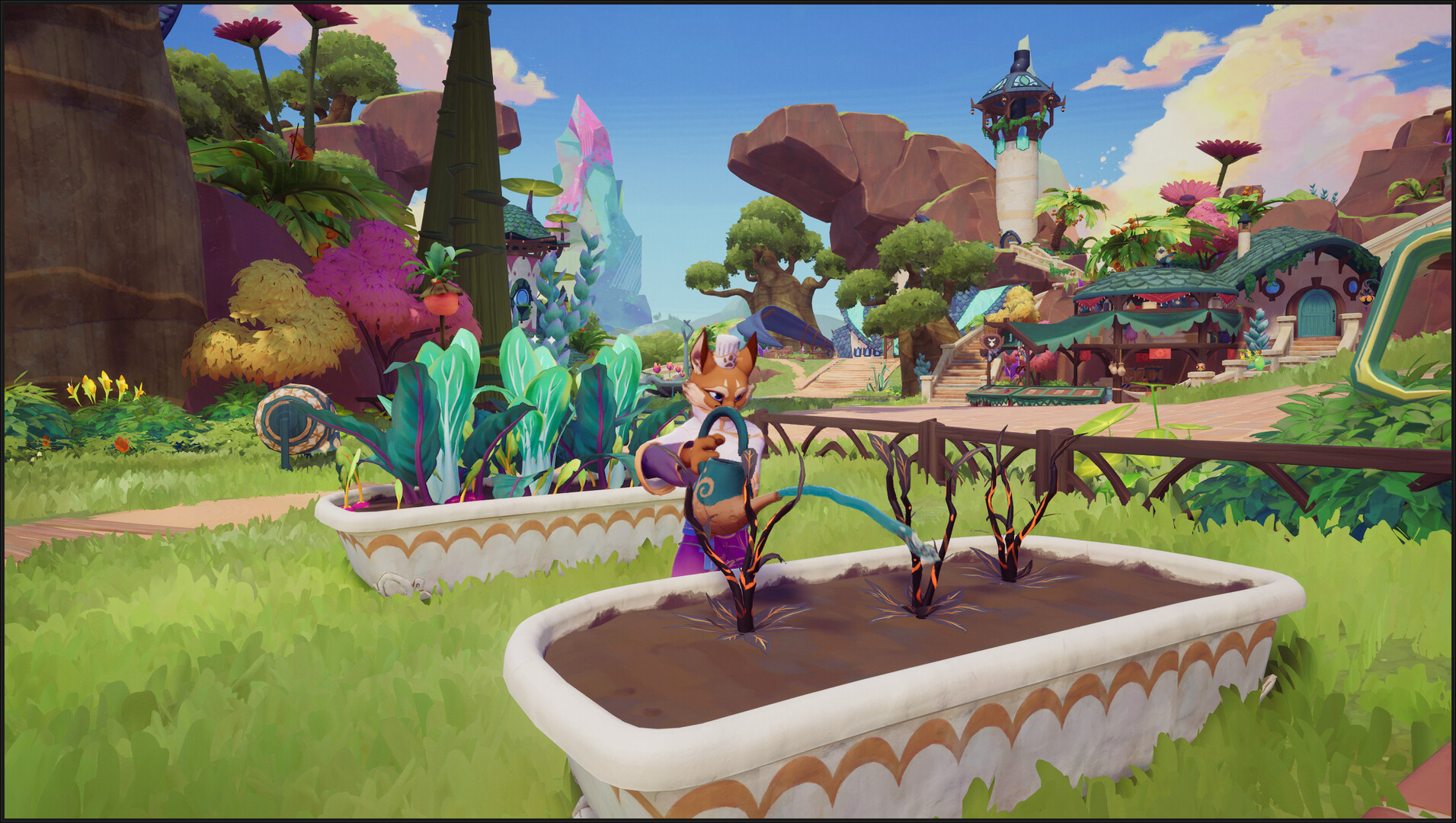
It's all a little difficult to get to grips with through a short demo; but the gameplay revolves around 3 segments. A farming segment, where you manage your animals, your plants, and purchase resources at shops. Then you use your ingredients gathered to plan your menu for the day, which you then prepare and serve in order to learn new recipes, improve your restaurant, and unlock nodes on your skill tree. Then you set aside a number of entries on a platter in order to augment a Caretaker's available cards for the roguelite RPG forays. Meals of different flavor profiles can enhance each other depending on the surrounding meals if they complement their flavors.
In practice, Beastro feels like a mix of a Story of Seasons title, Atelier, or even store management titles like Moonlighter and Recettear. Pick which ingredients to focus on, depending on what type of meals you'd like to make - and which flavors your chosen Caretaker prefers. In turn the meals you provide are represented as actions that can be used in battle. You can use attacks with flavors that can neutralize the enemies you face, attacks with a stronger value than the same value as an enemy, or even use multiple cards to enhance flavors you've already played. It's difficult to get a full grasp of what the full game can provide - at the best of times, RPGs are difficult to preview, especially ones as systems heavy as Beastro. Yet, it's impossible to deny the promise is there; if the gameplay loop can stick when all is said and done.
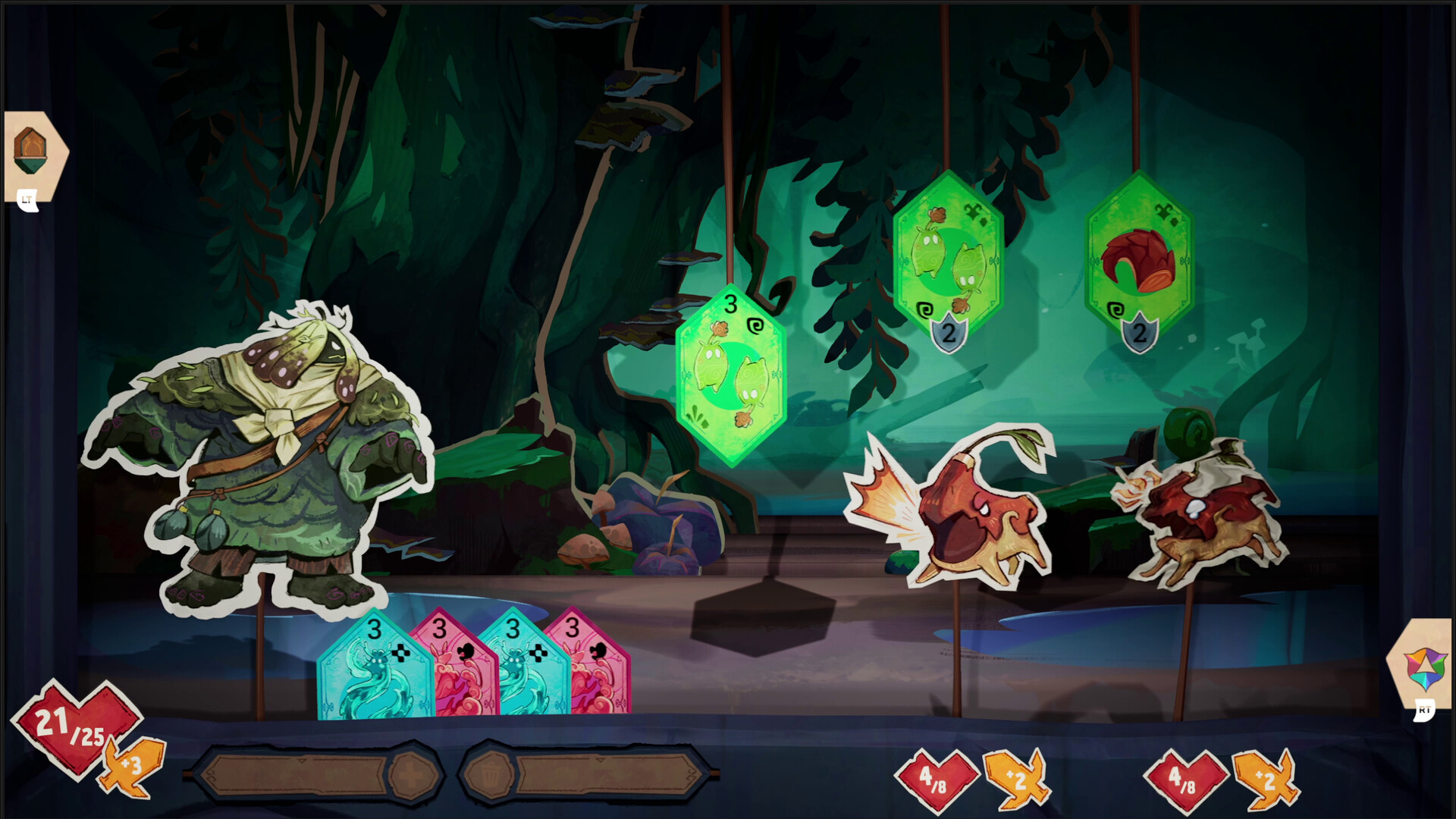
That's the rub, of course. While growing ingredients and tending to animals is all self-explanatory, it's hard to say if the card-based battles will land in the full game - and the same can be said for the Mario Party-style minigames that will determine the quality of the final meal. It's also tough to gauge the story, and whether it can keep me engaged throughout the full runtime with so much of the game contained within Palo Pori's protective walls.
Truthfully, I don't know if I'll check out Beastro with the full release to find out quite yet. 2026 is looking to be an especially packed year for RPGs, with the next few months packed with other games I'm already locked in to play - but I hope once Beastro does launch next year I'll be able to justify giving the full game a chance. With any luck, stay tuned for our further impressions in the months ahead.