

Dragon's Dogma 2: Dark Arisen Review
I'm of two minds with Dragon's Dogma 2: Dark Arisen. On one hand, I stand by my initial assertion that the type of game that Dragon's Dogma 2 was trying to be was something special, and this expansion isn't even trying to be that same RPG. What gives me pause is the acknowledgement that Dark Arisen isn't bad, and in fact I would imagine for most players it's going to deliver more or less what they wanted from it. Beyond anything else, please understand that Dark Arisen is well worth playing - doubly so for new players.
If you want to know what Dragon's Dogma 2 was, I already wrote a review about the game from a few years back. Even beyond Dark Arisen itself, Dragon's Dogma 2 is a very different RPG in some rather significant ways; some unambiguously good, while others aren't necessarily aiming to improve the type of experience the game already was but fundamentally change it.
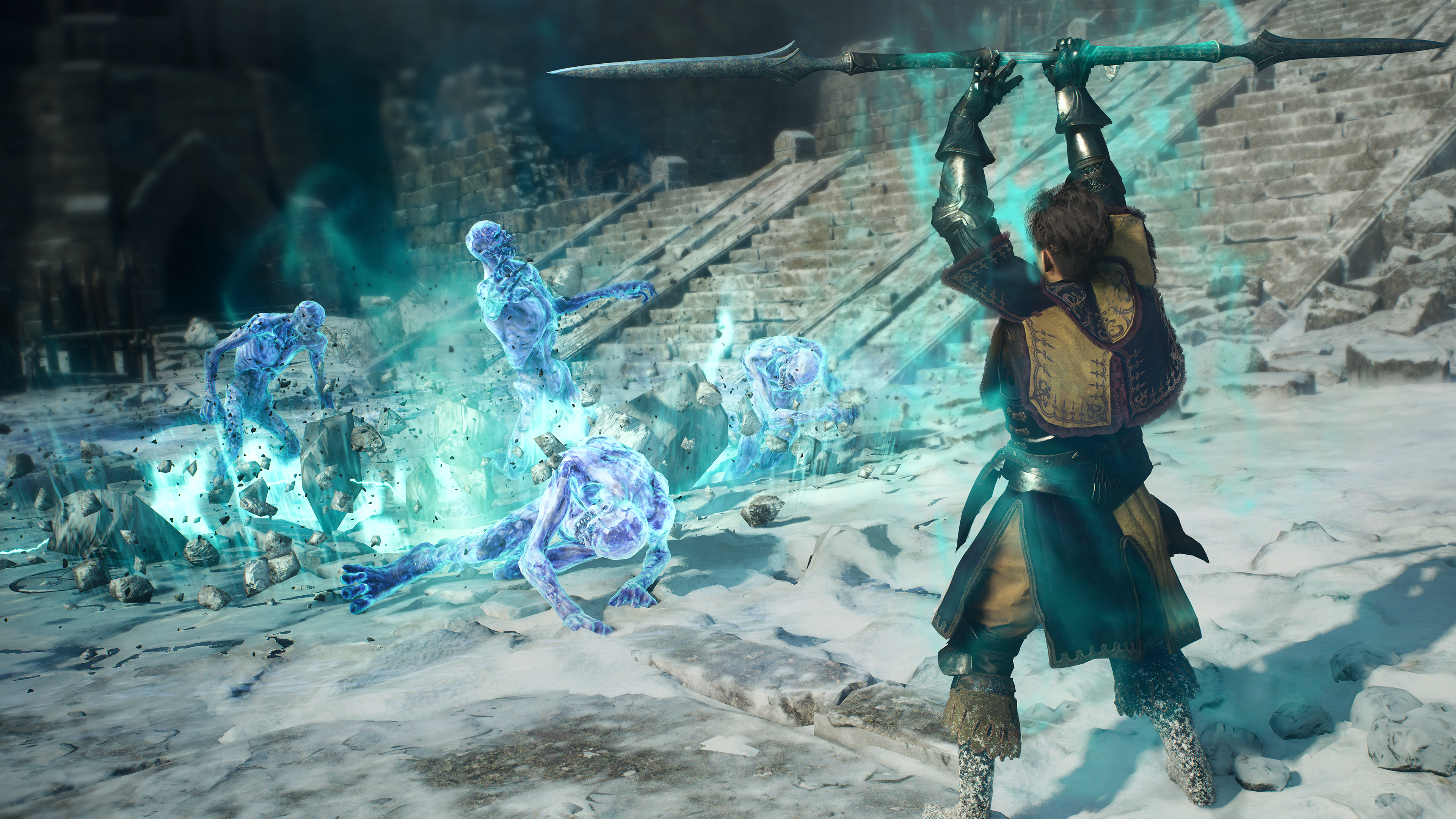
For the former, you can now equip up to 6 combat skills to your vocations, which is a very welcome change - for the latter, the idea of fast travel being diegetic and purposefully filled with friction, the addition of the eternal ferrystone means that you have very little reason to use an oxcart, especially with the increased number of portcrystals dotted across the land and available to you since launch.
These are changes that don't directly tie into the expansion, but thankfully these changes do seem to have been made with the understanding that it wouldn't just be the new region that Dark Arisen adds or changes with the game. This is where the Lost Rites dungeons come in; 12 dungeons littered across the overworld, unlocked upon obtaining the Godsbane blade. This won't mean much to anyone new to the game, but for those who have already played the game - yes, that means you're gaining access to the new content rather late into the adventure.
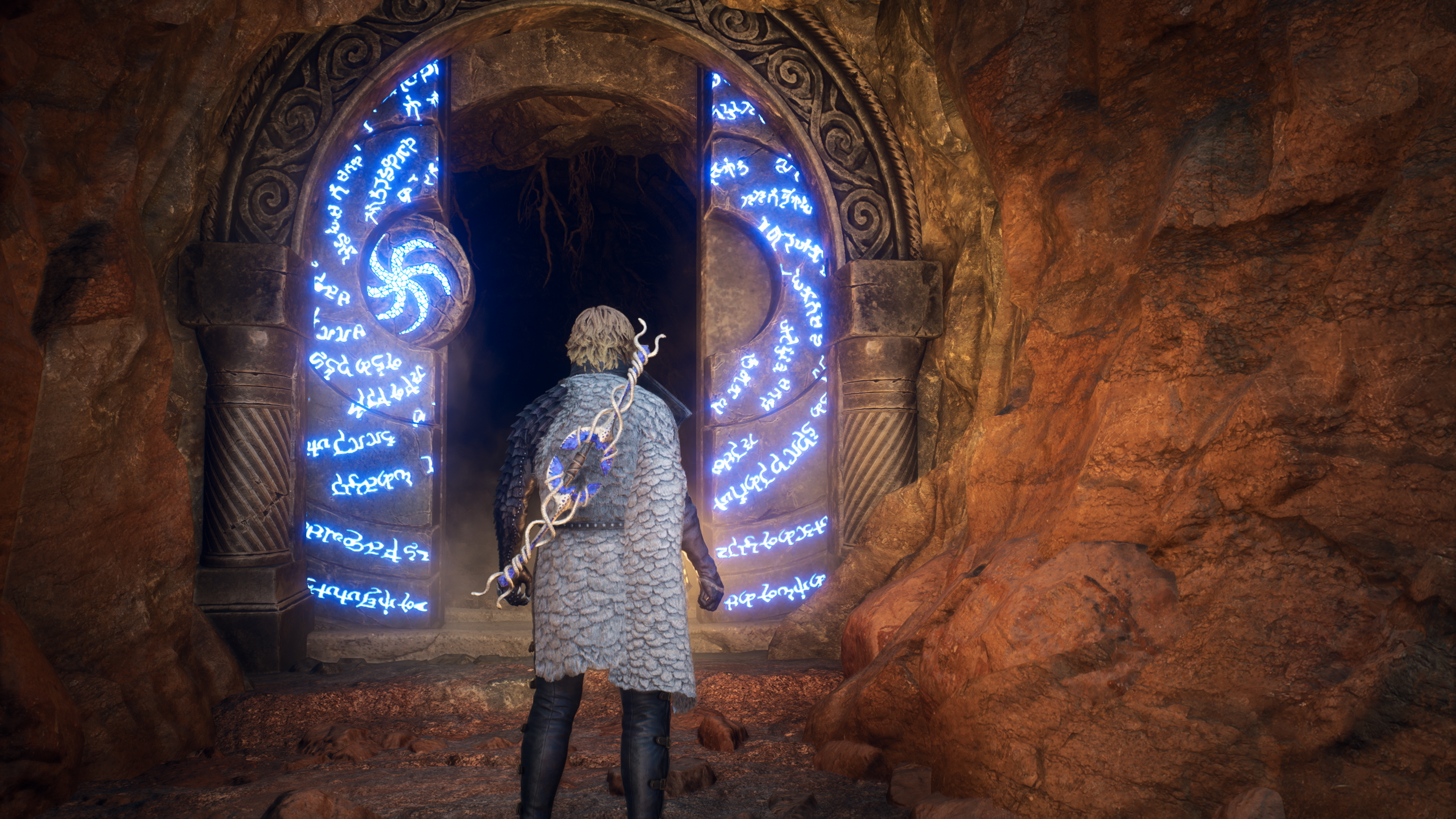
These Lost Rites offer a bit of a balance between the challenges of the new Norgan region, and what was the original endgame of the base Dragon's Dogma II. Completing these dungeons showers you with all sorts of gear, allowing you to sidestep all the hassle of building up your kit so you aren't underprepared for the new content - at least in theory. You can use blacksmiths to further enhance this gear, but it's probably not worth the hassle. By far the more important reward is how some of these dungeons will offer flames that can be used to activate Obelisks in Norgan, which offer permanent stat buffs and upgraded variants of existing combat skills.
Norgan itself is a new region that is, as far as I can tell, also unlocked upon receiving the Godsbane blade; both it and the Lost Rites dungeons are unlocked upon speaking with Brant in the Vernworth Stardrop Inn. After it points you in the right direction, you'll be transported to Norgan, an isolated tundra Northeast of Vermund. You'll have to use ferrystones to travel too and from Norgan, and it comes with its own unique set of portcrystals; you can't simply horde your own from the basegame for use here.
I think that Norgan succeeds at being a satisfying piece of new content, but it doesn't quite feel as transformative as the original Dragon's Dogma's Dark Arisen had with Bitterblack Isle. Instead of offering an entirely new style of gameplay, you have guided exploration of a new region of the map; you gather new gear, but not really in an active sense. Defeating enemies and searching treasure chests rewards you with Relics that can be exchanged back in town for a paltry cost of Rift Crystals.
While I think the overall structure of Dark Arisen is all well and good, I must admit I am not a fan of Relics. Very quickly, Relics instantly overtake any and all gear you've gathered from the basegame; even those lovingly upgraded by blacksmiths. That's not exactly a surprise, but Relics themselves cannot be further upgraded - so by the time you reach Norgan, even if you haven't messed with blacksmiths, you've lost any reason to visit them once you've made it to the DLC.
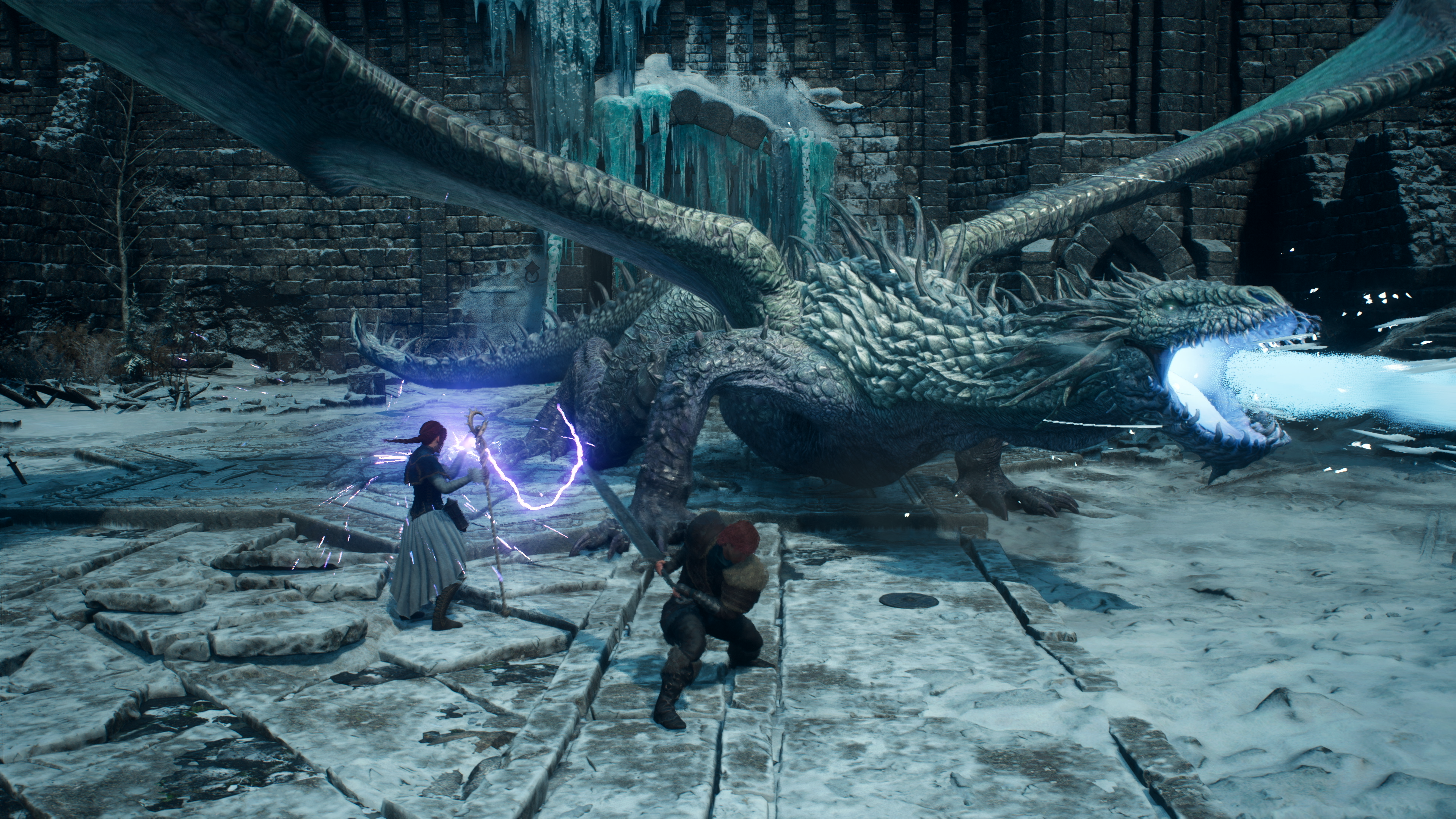
Relics are randomized, but it never feels too necessary to min-max your gear; any Relics will do, and while you'll probably struggle a bit early on before you and your pawns have received a full set of Relic gear, once you do quickly the game's difficulty once again evens out. While there's new enemies and bosses to face, I do wonder how I may have felt about the DLC if I had done an entirely fresh savefile, rather than making use of one I'd backed up back in 2024. Would I have felt burnout doing the same old song and dance, without any of the meaningful ties to progression the basegame had access to?
One of the larger ways in which Dark Arisen differs comes down to the story; I won't lie and say that the new narrative is particularly strong, but what it does offer is a far more telegraphed hook for the story to progress. There are way more NPCs at play in Norgan, and while some of them mostly take part in sidequests, many of them are tied directly to the main narrative, hitching along for the ride frequently. This will likely be a boon to many, and I wouldn't say I disliked it, but it's undeniably a much different tone to how things worked in the basegame beyond maybe the very endgame.
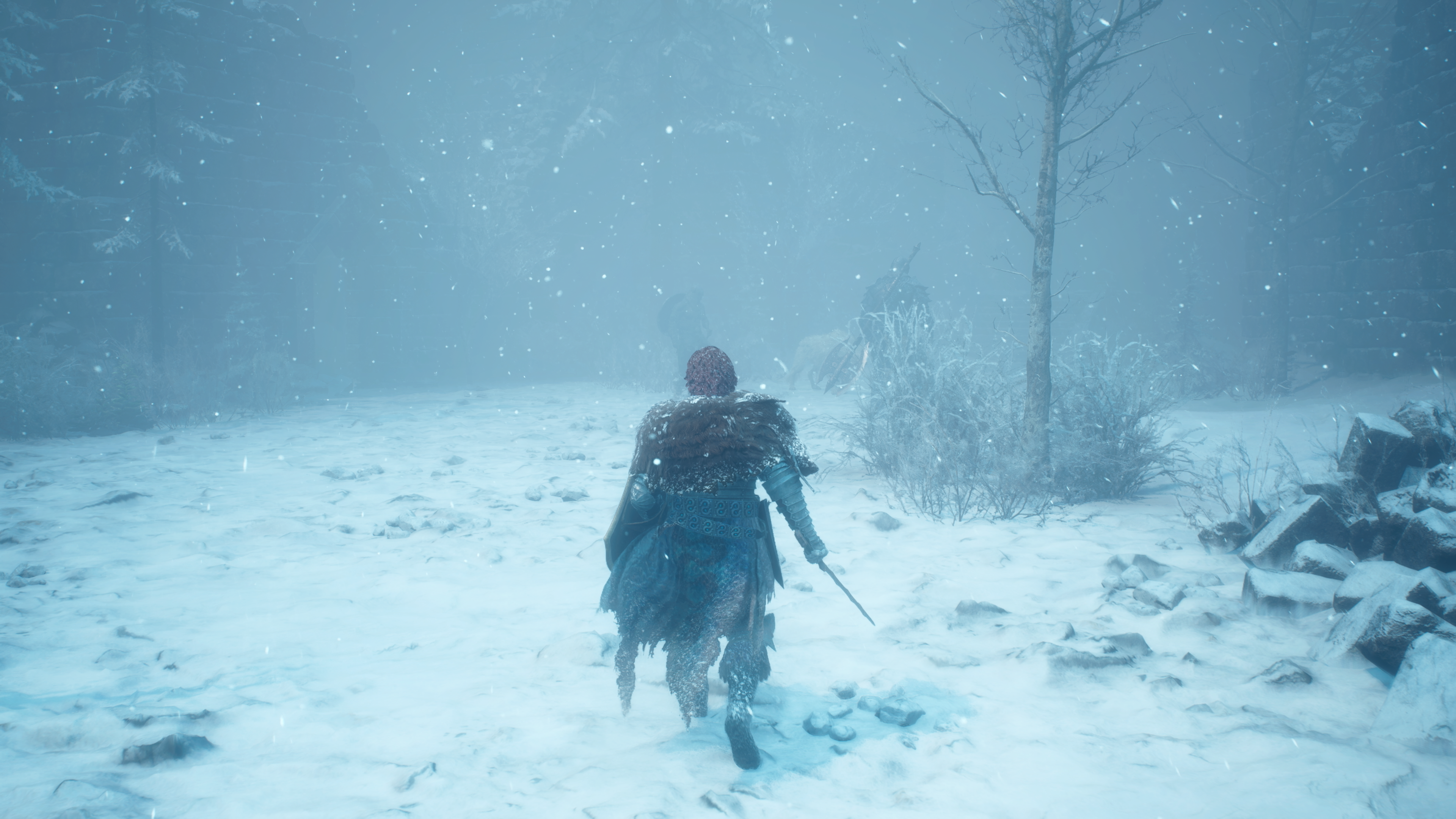
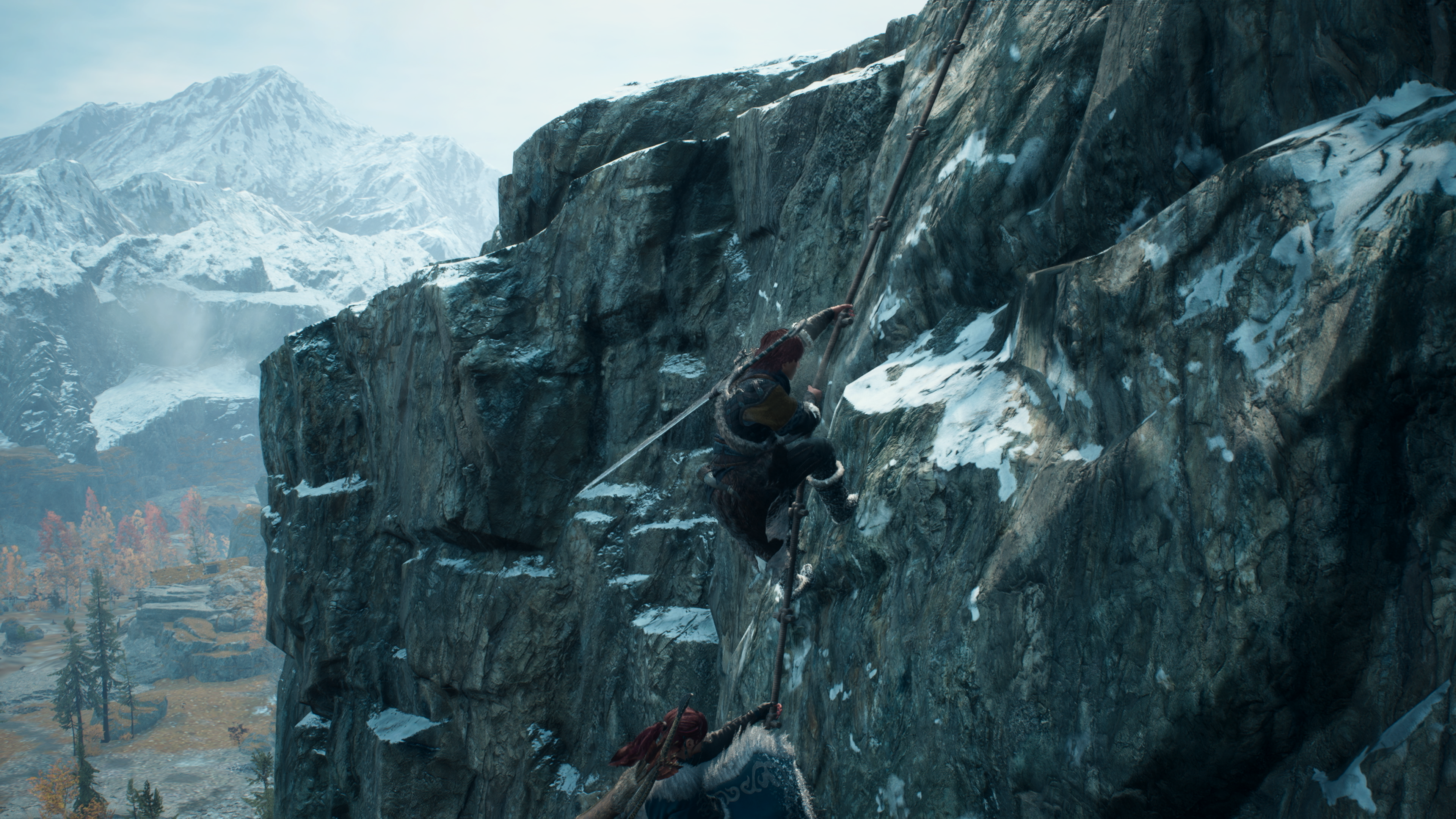
As for Norgan itself, I actually rather like its layout. There's more of a focus on verticality here, with multiple segments of the map featuring cave systems or structures that span layers of the map. It's a denser map than what was available in the original release, so while looking at Norgan on a map you might be given the impression it's rather small - in practice it doesn't feel that way. Climbing hooks offer a means to create shortcuts to and from different levels of the map in various spots, and are frequently offered as a reward for exploration.
This feels like a perfect example to highlight my main issue with the DLC; since Relics and Obelisks are your means of increasing your power, exploration doesn't feel quite as interesting when you'll almost always be rewarded with Relics that you'll roll to figure out exactly what you've actually gotten back at home base, or climbing hooks that only offer a means of exploring more of the map where you'll yet again be rewarded with more climbing hooks and Relics.
If the layout of the map wasn't so engaging, and there weren't some interesting wrinkles in elements like the blizzards that require you to protect against the cold and directly impact your ability to keep track of your map, I don't know if the DLC would have landed positively for me. Even now, while I enjoyed my time with it and think it's well worth playing; Dark Arisen undeniably feels like a DLC that restricts the scope of what Dragon's Dogma 2 was, rather than expanding upon what was already there. I could see how, for some players, this will be exactly what the game needs - but I don't quite think I can agree with that, personally.
Dragon's Dogma 2: Dark Arisen expands the content available to players, and you'll probably have a good time - but as enjoyable as my time was, I can't help but consider how this feels less like an expansion of what the original game was, but rather a restriction into a far more narrow scope of RPG. At the same time, I don't know how else you would add on top of Dragon's Dogma 2 that wouldn't also require a massive retooling of the game from the ground up.
This isn't quite the expansion I'd wanted, but I'd be lying to myself if I said I didn't have a good time with it, or that its design was poor just because its different. No, Dark Arisen's faults are all its own, just the same as its successes. It's nowhere near as memorable as the first game's Dark Arisen, and I don't know if it's enough to change anyone's mind on the game - but what we're left with is a DLC that is well worth your attention all the same.