

Branching Path: Bryan Vitale's Top 10 Games of 2025
For my ninth (!) top ten list hosted on RPG Site, I found myself mostly playing games very specifically scoped around the purview of the website itself. I always feel a little bit self-conscious about that, because it ends up making this list look like many of the other end-game lists on this site, just in a slightly different order. There were enough RPGs releasing each month on such a consistent basis in 2025 that I feel very proud that I largely kept up! But I didn't get as much time to really go out of my way with backlog or out-of-genre titles that I would have liked. Something to leave as a resolution for 2026, I suppose.
For 2026, I had high hopes for Obsidian Entertainment's two big releases for the year, as well as the out-of-nowhere energy for Sandfall Interactive's debut title. I also played a couple games based on strong word of mouth and a few others on more-or-less a whim. Looking back, I could not really have expected the resulting list to turn out as it had.
Honorable Mentions
- Pokemon Legends: Z-A - I was surprised to look back and not see Pokemon Legends: Arceus on my 2022 list. I am pretty fond of that game for successfully breaking out from the tried-and-true Pokemon formula and largely succeeding in many ways. We've seen the mainline series also take similar swings at shaking things up on that front, but Arceus, in my opinion, was the most successful. While I did also enjoy Pokemon Legends: Z-A, it didn't quite stick with me in the same way. The new battle mechanics and UI elements felt very natural evolutions of the tried and true formula, but I felt that the gameplay itself only just pushed past the "proof of concept" phase on the idea. I still hope that Nintendo and The Pokemon Company keep experimenting with revisiting old settings with a new perspective in the Legends sub-series.
- Drova: Forsaken Kin - This one is listed as an Honorable Mention by default because of its 2024 release date, but it was a game I played in 2025 based on strong word of mouth and I'm glad I did. I think it's best to probably just point to my belated review of Drova: Forsaken Kin that I only wrote a few months ago because I felt obligated to have the game see its coverage on this site. It was probably the most friction that I felt in a game this year (outside of maybe the early parts of my playthrough of Kingdom Come Deliverance) with some interesting narrative hooks and a huge emphasis on exploration and wanderlust. It didn't land quite perfectly, but it was a fun indie romp that I am glad I made time for in an otherwise packed year of 2025 releases.
10) Fantasy Life I: The Girl Who Steals Time
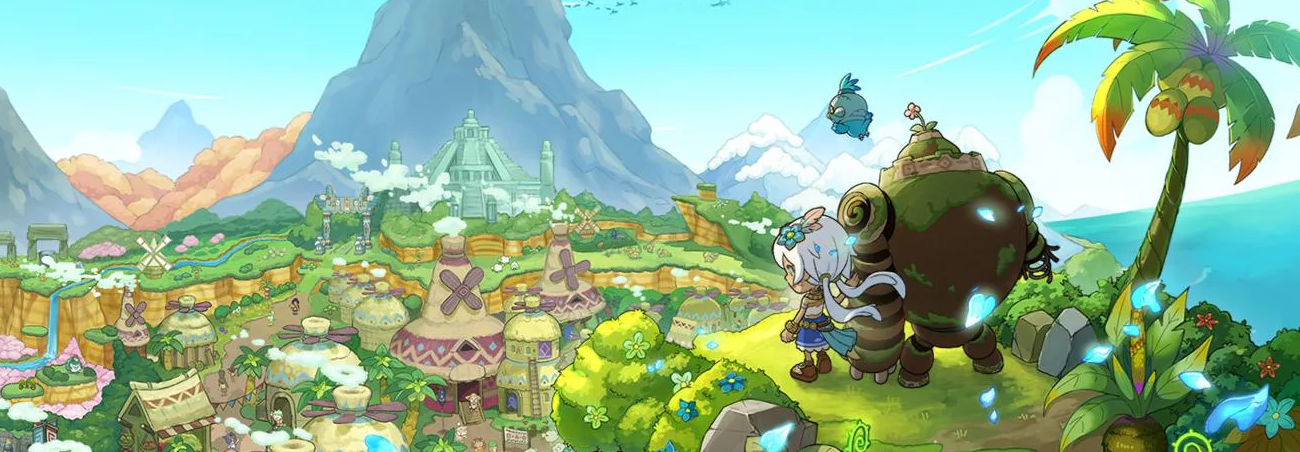
Fantasy Life I: The Girl Who Steals Time has been championed by RPG Site as a whole, making the top five of our year-end site awards! Going into the year, I had no idea what to expect from this game, and would probably fail to tell it apart from Rune Factory or Story of Seasons, even though I know now that the comparison really isn't very apt. With some very very strong word of mouth, I felt like I was obligated to give this game a try. It ended up being a perfect Steam Deck title, where I could play in bite size spurts, knocking out basic objectives and make some meaningful progress no matter what I spent my time on.
While I didn't latch onto Fantasy Life i as much as I would have liked, it has a very endearing artstyle and general presentation, and has a way of turning little 5-minute tasks into hours of gametime. I was most impressed by the sheer variety of gameplay elements, including how fleshed out each "lifestyle" is designed, a whole Animal Crossing-like gameplay mode, an open-world zone, and that's not even talking about the recently introduced roguelike elements. And it manages to incorporate all of this without feeling like anything too extraneous. I could easily see Fantasy Life i being a game I boot up a handful of times in 2026 just to revisit just for fun.
9) Tainted Grail: The Fall of Avalon
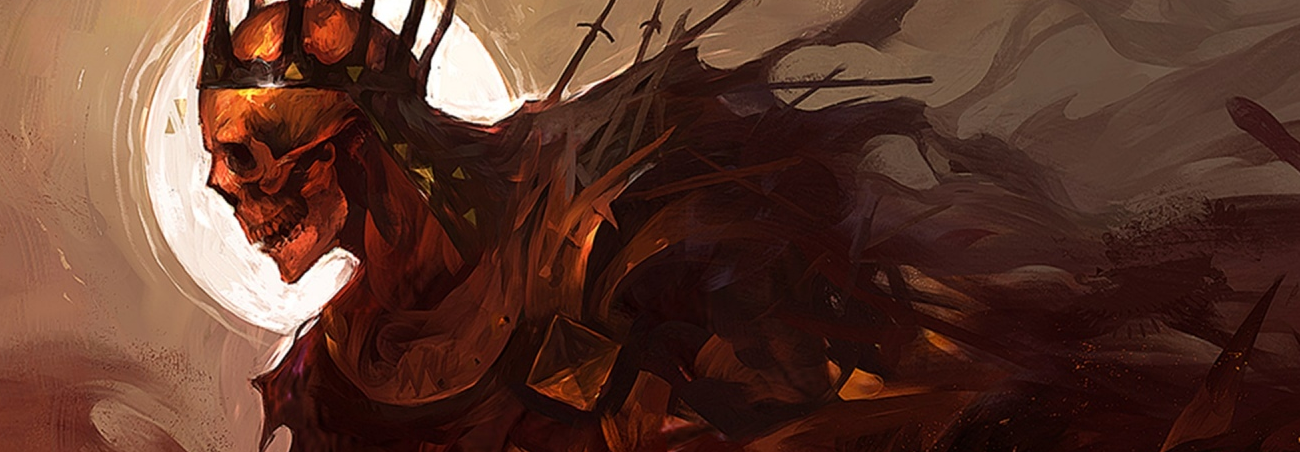
This is probably the most interesting title on this list. There have been a lot of games of all sorts inspired by general Arthurian legend that they have honestly begun to blend together for me. This makes it difficult to begin to introduce Tainted Grail: The Fall of Avalon because it is a dark-fantasy interpretation of those legends. However, what this game is moreso is what feels like a passion project from a newer studio that absolutely loved games like The Elder Scrolls: Oblivion or Skyrim and ended up making a game with that inspiration. I can again point to my review of the game since I managed to already speak to the game at length for this site.
As a summary, Tainted Grail has a lot of elements that I thought I would bounce off of, including a lot of dark, edgy set dressing and a generally dreary tonality throughout, but I ended up really enjoying my time with. I especially liked how the game managed quests, which would never be indicated by any sort of "!" symbol or otherwise until you've spoken to whatever NPC has a request of the player. Even now, as I read that the game has gotten a well-received substantial update and DLC in December, I'm already debating if I should consider reinstalling. My main reservation from July was that the game simply needed more time in the oven, and now we're a half-year past... but no promises.
8) Digimon Story: Time Stranger
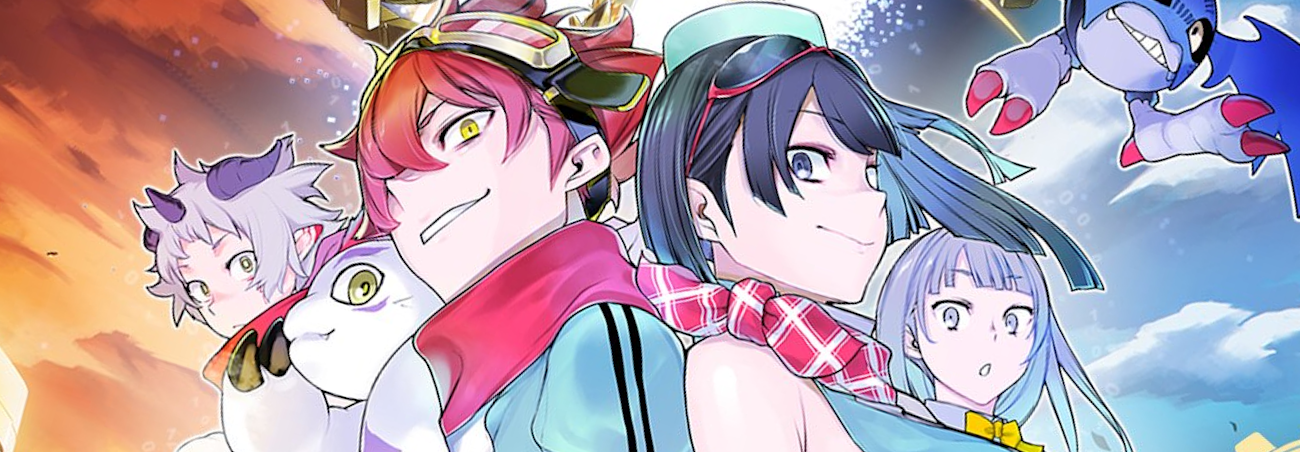
I've never really been a huge Digimon guy. I watched the first two TV shows when they aired on after-school and saturday morning tv growing up but nothing really past that. The only Digimon video game I ever put significant time into was Digimon World 2, which just happened to be the one on the shelf at the store when I was young, and I had no idea that at the time that it was effectively a mystery dungeon style game. Still, I had a little bit of nostalgia for what I did know about the IP, and Digimon Story: Time Stranger released at a time where I was eager to give it a go. I had heard high praise from other entries in the Digimon Story sub-series, so when Time Stranger also ended up being well-received, I figured I should indulge my nostalgia for better or for worse.
It was really fun to see a lot of 'mons both familiar and new (to me) throughout a pretty length and fairly entertaining RPG story. I was pretty impressed by some of the design decisions around Digimon evolution and devolution that resulted in my constantly rotating out my party of creatures throughout my time with the game. While some of the balance of types and stats were a little easy to break in my favor, it still was an enjoyable experience. I don't think this means I'll be racing to play each Digimon-flavored release from this point forward, but Time Stranger released at the right time and place for me to really appreciate it for what it was.
7) Avowed
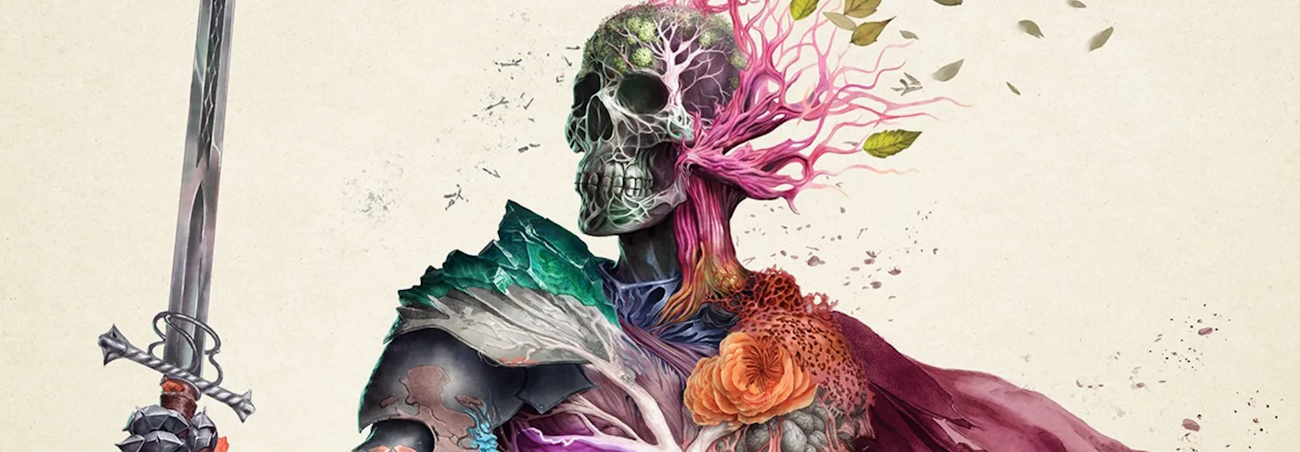
If I had known a couple years back that Avowed and The Outer Worlds II would release from Obsidian Entertainment within a few months of each other and that they would both end up on my personal Top Ten lists, I would have...probably believed you. However, I would have hoped that they'd end up much higher on this list than where they ended up. Being stuck in the bottom half of my top list here feels appropriate for both of these games. Avowed specifically had been in the spotlight for a few years trying to distinguish itself from the shadow of games like Skyrim, which is a comparison that Obsidian never really entertained but was made regardless.
Being set in a world of two previous critically acclaimed but commercially challenged CRPGs with Pillars of Eternity also put Avowed in a situation where it would be eagerly anticipated by that small, core audience but could potentially feel unapproachable by those not familiar with the IP. The result was a game that I really liked, but felt like it was a hard sell regardless. Characters were well written, but could have been more interesting. The world was really fun to explore and a really fun take on first-person combat, but the overall narrative never really gripped me. Every accolade I could levy onto Avowed feels like it comes with a small but undeniable caveat. It's a game I do encourage others to try, but I realize I was at the best place to have enjoyed it with the prior games under my belt.
6) The Outer Worlds II
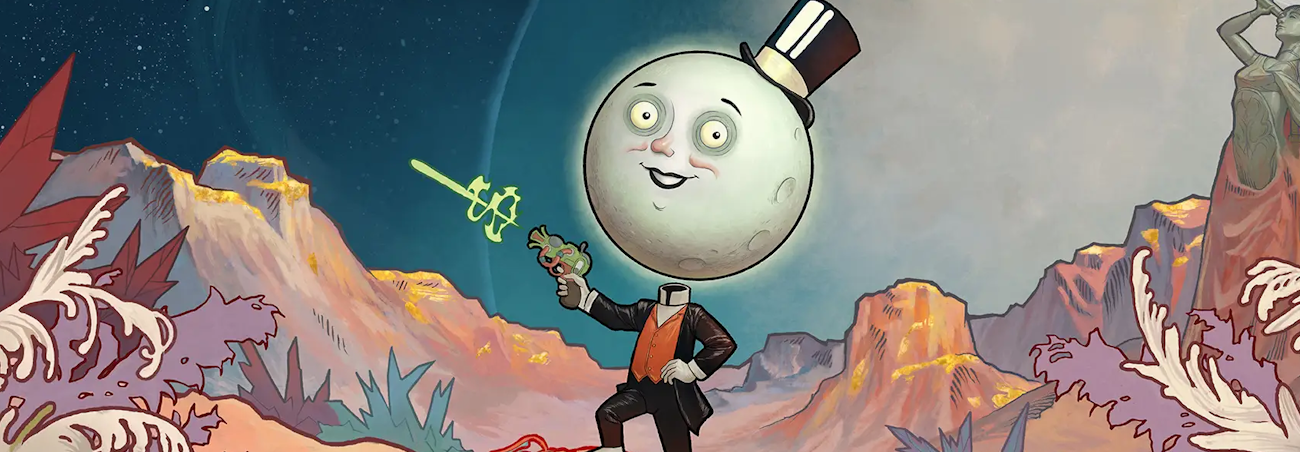
It's hard not to begin to talk about The Outer Worlds II without it really just feeling like a continuation of the last entry. I do feel that The Outer Worlds II is a huge improvement on the original in basically every measurable way. I really like how unlike many of its contemporaries, there is no method within the game to become "good at everything," to state it plainly. I found that certain quest outcomes were not available to me because my character was only good at things like Engineering and not Medicine. I also thought that the unique "Flaw" system, where the game will provide a powerful perk at the cost of a significant debuff, constantly surprised me in good ways. The strong focus on character roleplaying and "buildcraft" is what ultimately had me give the nod to The Outer Worlds II over Avowed.
However, for both of these titles, I found myself really enjoying playing these games rather than any of their narrative or storytelling, which is what I would normally have considered a strength of Obsidian Entertainment. For this game specifically, I found myself really attached to the game regardless of its storytelling. It feels like the satirical spin of The Outer Worlds really was a one-game concept stretched into two, and I wasn't really enjoying having more of it here. Still, the strength of all of the actual RPG systems under-the-hood as well as just being a really fun first-person RPG to play have this game just sitting out of my top five.
5) Saga Frontier 2 Remastered
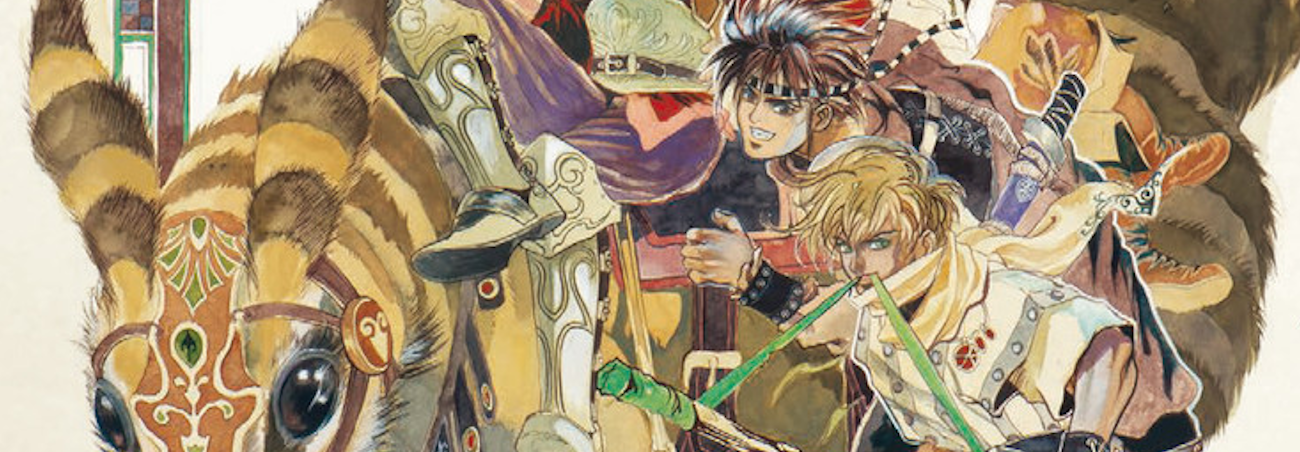
I've enjoyed a lot of Saga games over the years and they've shown up on many of my top ten lists, including Romancing SaGa 2: Revenge of the Seven ending up topping my list from last year! However, I didn't really know what to think about Saga Frontier 2 Remastered when it was quickly announced and released in early 2025, especially since I was only somewhat fond of what I had played of Saga Frontier Remastered. However, I found out that the sequel is an entirely different game in many ways and does not really share any major similarity outside of some of the most basic series axioms. By only featuring two major characters and presenting its story in a more linear anthology rather than the sandboxy and open-ended nature of the first game, I felt that Saga Frontier 2 held my attention a little better and felt a lot more enjoyable than roaming the same areas across 8 different characters in the first game.
I think what endeared me more to Saga Frontier 2 was the more conventional fantasy setting as well as telling a single cohesive story across several years. I found that a lot of the character moments in Frontier 2 felt more earned and charming with the much more significant time spent with each character. The art style I also found very unique and fitting to the tone of the game, and I found that the remastered upscaling of the water-painted aesthetic was kept largely intact. And while the original game has infamous difficulty swings due to some of the game's more eclectic systems, the updates made with the remaster really smoothed out the edges so that no point ever felt too frustrating with the constant shifts in time.
4) Trails in the Sky 1st Chapter
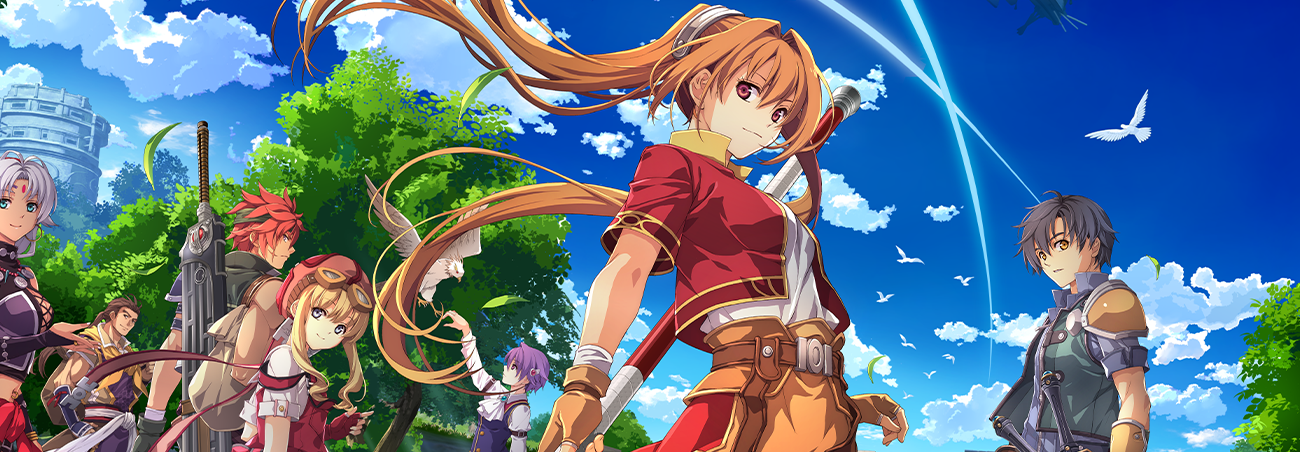
As someone who has remained up to date on all things related to Falcom's long-running series, getting to revisit the first game in the series with Trails in the Sky 1st Chapter was something that I had been anticipating ever since the first footage of the game showed up in a random montage of a Nintendo Partner Direct. This is probably going to be one of the more straightforward blurbs on this list and at the risk of being rather unsurprising. While Trails in the Sky FC is not my favorite of that era of Falcom games, it is one that I think back on fondly.
I think Trails in the Sky 1st Chapter's main victory is that it reconnects me to that period of time and reimagines the original game without much of anything being compromised. It was entirely possible that a remake of such a landmark title could have indulged too much in hinting at future events, or retconning events, characters, or story moments in the goal of general fanservice and/or subversion of expectations. In fact, 1st Chapter was so faithful to the original game that it simply felt like returning to a game that I had played before. The updated battle system feels like a natural fit, the artwork and updated presentation values feel like modern representations of characters and places without losing any of their individual identities. The only small shortcoming here is having to wrestle with an English script that felt slightly different to my memory of the game, but it was not something that significantly affected my enjoyment during my time with the game. It's amazing that we not only now have a very clear and easy-to-access series entry-point to point to, but have the followup game releasing at some point this year.
3) Dragon Quest I&II HD-2D Remake
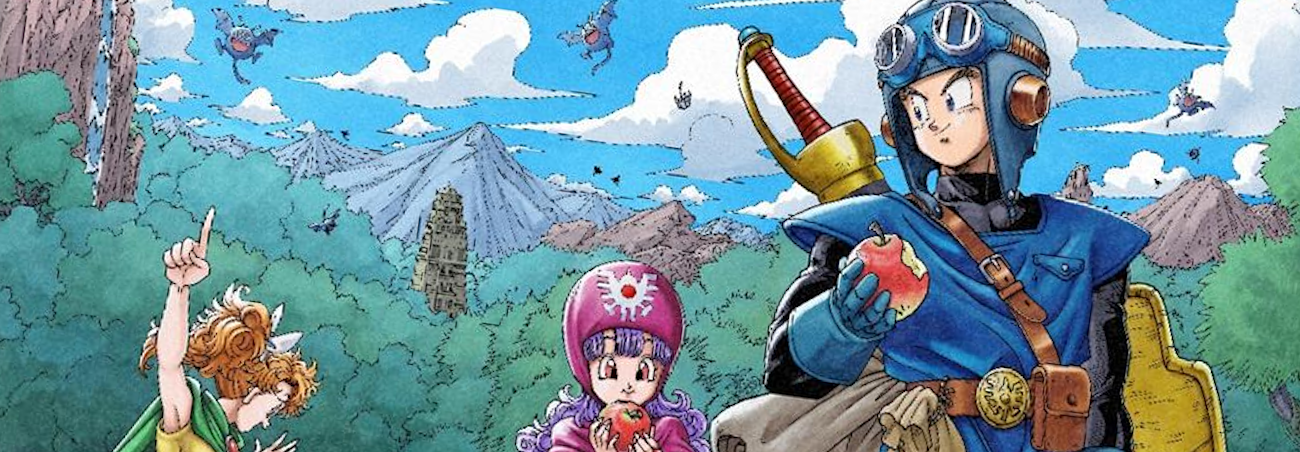
I've never really been a Dragon Quest fan until relatively recently. I started with Dragon Quest XI, and have played a smattering of series releases since. I did enjoy last year's Dragon Quest III HD-2D Remake, but more out of feeling like I had finally filled a hole in my "gaming upbringing," so to speak. With Dragon Quest I&II HD-2D Remake, I played a game that I found that I could recommend to fans of classic JRPGs of any age. Now, my experience specifically is that I had not played any other versions of this game, so my direct experience cannot readily parse how well this game represents these two titles as they originally were versus what has been revamped in the remake, beyond the broad strokes. Dragon Quest II, specifically, feels like a fully fledged JRPG in its own right, and I'm not sure that I would have been able to tell that it was a remake of a 40-year old game if I had not known ahead of time.
I think what pushed Dragon Quest I&II HD-2D Remake to make my list when Dragon Quest III did not was both the strength of the storytelling in Dragon Quest II as well as a more natural feeling difficulty curve compared to last year's entry. Now placed as the ending of the HD-2D trilogy (in the odd but somehow perfectly explainable order of 3, 1, 2), Dragon Quest II feels like a capstone of three relatively disparate RPGs: Dragon Quest 1 plays slightly differently from Dragon Quest 2 plays slightly differently from Dragon Quest 3. I guess in its own way, it's kinda a reminder that within the very broad and shifting definition of what an "RPG" is, even drawing the lines to specifically point out something as confined as "a Dragon Quest game" allows for quite a bit of leeway in how that can be interpreted. The HD-2D style really helps elevate the tone and artstyle of the game that really helps sell the idea of playing something classic and not in any way dated.
2) Clair Obscur: Expedition 33
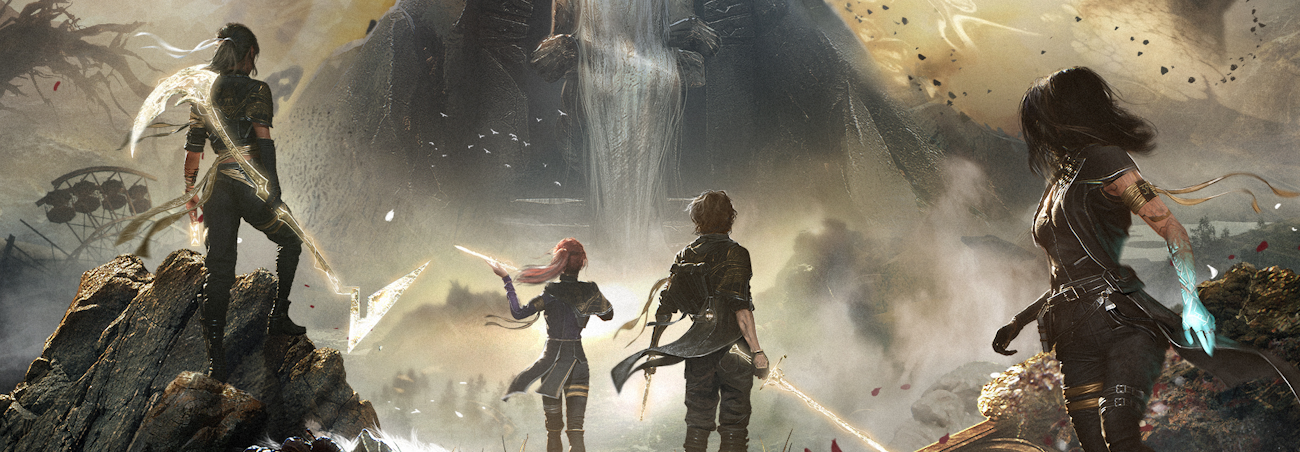
When Clair Obscur: Expedition 33 was first shown off on stage not that long ago, we all knew it could end up being something special. When I attended Denver Fan Expo in the summer, only a couple of months after the game's release, I was not surprised to see half a dozen people already geared out in homemade Expedition-style cosplay, nor to see new fan art all over the artist's alley. It's clear that Expedition 33 was a game built on clear, overt inspirations and was able to deliver a compelling and unique experience on its own merits. And not enough praise can be levied onto the game's soundtrack, in which Lorien Testard's debut project defied all expectations and delivered a track list that rivals the all-time great video game soundtracks - something I honestly believe.
Expedition 33 is more than the sum of its parts, I think. The comprising components are each well-made, of course; the story evokes themes seen in many RPGs of its type, the combat leverages both turn-based strategy as well as action-based parry execution. The buildcraft is flexible and the artstyle is fantastic even if technically uneven. But these components are put together in a way that is unlike anything we've really seen before, or at least, viewed through a lens not quite like what came before it. More importantly, there is clearly a specific theme that the game builds to, and the game truly really feels like a result of a project with a clear goal and vision -- seemingly uncompromised by external forces that could have settled for something lesser. I also really enjoy that the game's ending is poignant and somewhat messy in a way that many stories (games or otherwise) are often not allowed to be, in which they strive to be convenient and closed-ended. But I understand that this can be up to personal taste.
I don't really see Expedition 33 as replacing or upending anything that came before it, it doesn't need to and I wouldn't want it to. It seems like an obvious statement to make, but I hope Expedition 33, if anything, allows these sorts of games to continue to grow new fans around the globe, whether as a gateway for players to discover games like those that inpsired Sandfall Interactive in the first-place, or if new studios look at Clair Obscur itself for inspiration for their debut projects in turn.
1) Kingdom Come Deliverance 2
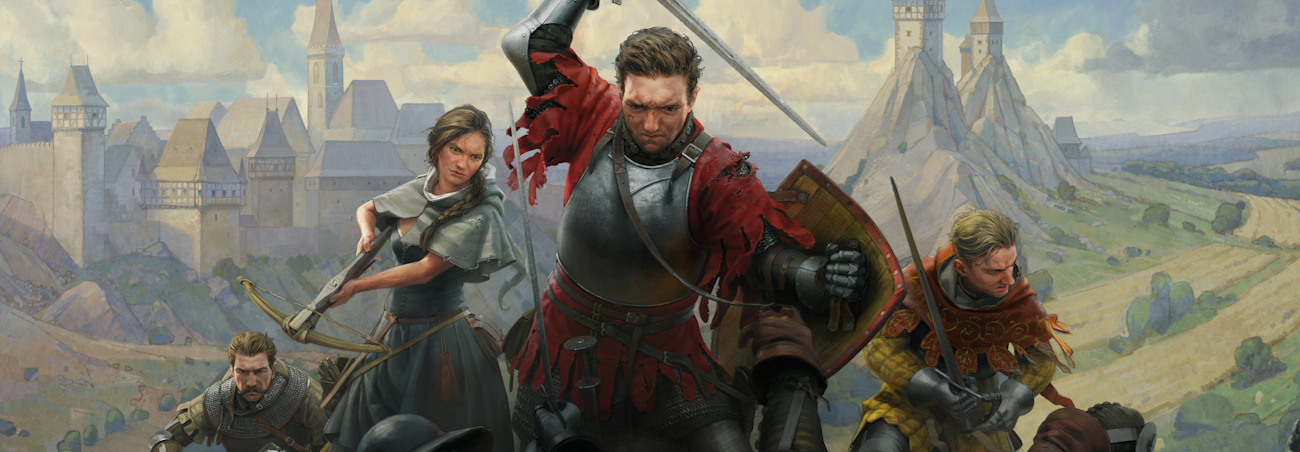
I think the very first game I played in 2025 was Kingdom Come Deliverance, the first one. Add in the experience of Kingdom Come Deliverance 2 and all DLC episodes across both games and I have probably spent about 300 total hours in the shoes of Henry of Skalitz in medieval Bolivia. Maybe it was fated that it would end up at the top of the list this year. Before January of last year, I probably would not have expected a grounded open-world RPG to really hook me like Kingdom Come Deliverance has. To basically restate what I wrote in our end of year list for RPG Site, my primary awe for this game is how it manages to be both incredibly expansive yet very focused at the same time. The overarching narrative between both games begins in earnest and yet manages to escalate into something much larger than what is originally laid out, told in a grounded and very believable way. Cutscene direction, voice acting, motion capture, no part of the storytelling feels cheaply made or poorly furnished.
And that's not even talking about the RPG and gameplay systems at play. From multiple different combat styles to neat itemization and smart resource management. Day/Night systems and lockpicking and morale and reputation and item durability. It sounds like a laundry list of terms that other games have done and many have even done very well, but no other game has quite done it as cohesively and holistically as this game. It makes sense that I will have a harder time convincing the guards to ignore my transgression when my prior actions leave me to be considered distrustworthy, or if my attire suggests I have literally blood on my hands.
A lot of typical buzzwords like immersive or lived-in or believable have been used to judge RPGs of all scales for years now, and Kingdom Come Deliverance 2 I truly feel can be considered a sort of new benchmark for all of these things from this point forward. Sure, world maps in other games have been larger or cities have been bigger, but no game has made me forget about the monitor between my keyboard and the game more than this one, if that makes sense. Whether it is the sound design of the ambient chatter running through the streets of Kuttenberg, or the intricate small moments like flipping through the pages of a book to hand-craft some healing potions at an alchemy bench. When combined with the excellent storytelling mentioned previously which make merely city-altering stakes feel more impactful than universe-altering stakes of other games, it is a testament to what a complete package Kingdom Come Deliverance 2 truly is.