

Lies of P on Switch 2: Even with a few technical hiccups, a great way to play what might be the best Soulslike ever made
The Switch 2 version of Lies of P was my second full time through the game, and I think it's made me decide something — Lies of P isn't just the best "Soulslike" out there; it might be the best Souls game period, even above and beyond the genre's creators, FromSoftware. Much like a good movie, Lies of P is an experience that I enjoyed drastically more the second time through, gaining an increased appreciation for the subtle little narrative beats it lays out, the ingenious way its gameplay systems click together, and perhaps most fascinating of all, the case it makes for video games as adaptations (we'll get into that). And although the Nintendo Switch 2 does have some technical hiccups, it's a solidly competent version of the game that doesn't rub off any of its sheen.
Before I dig into what I truly love about Lies of P, I do want to get the basics out of the way about the Switch 2 version, for anyone interested in that. The bulk of my playthrough was in handheld mode on Performance settings, as Quality settings struggled at times to keep a solid framerate. As my colleague Mikhail noted, there is a day one patch coming that's supposed to add an additional performance mode that targets 60fps, but I obviously can't comment on that yet.
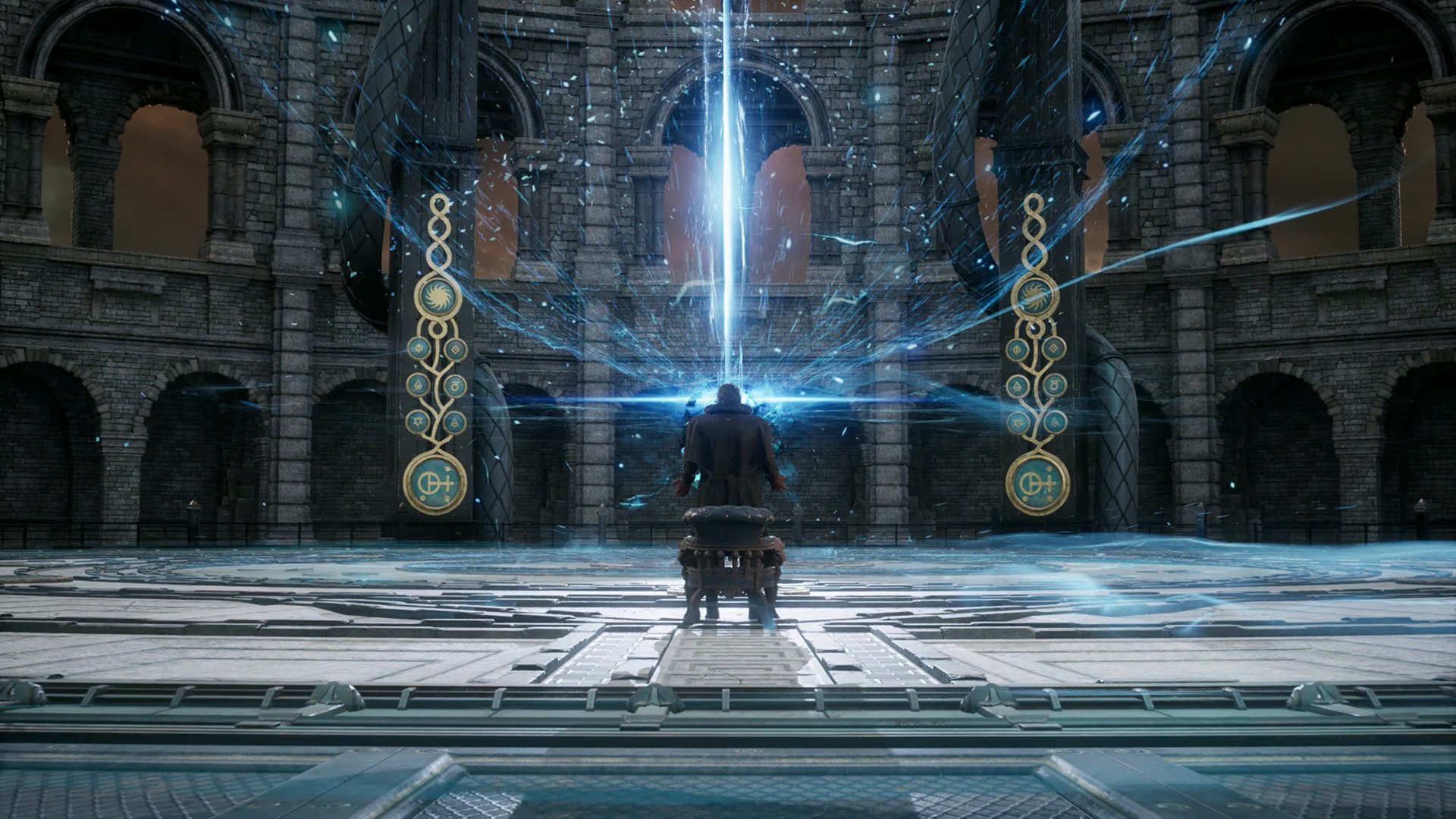
We will be doing a full comparison once the patch goes live, but for the purposes of this, I had very few issues playing the game in handheld mode. The game kept a consistent framerate the entire time, no matter the business on-screen, but there is some noticeable texture pop-in on some of the more complex areas of the game. Texture quality takes a hit overall as well, but there are no drawbacks that, in my opinion, ruin the experience in any way. For all intents and purposes, this is nearly the same game, and outside of initially noticing those differences, I quickly settled into the game. The addition of HD Rumble is a nice bonus, and if day-one patches only improve the experience, I'm even more sold on this version. There are compromises, yes, but similarly to Final Fantasy 7 Rebirth earlier this year, it's still impressive how robust this Switch 2 version feels.
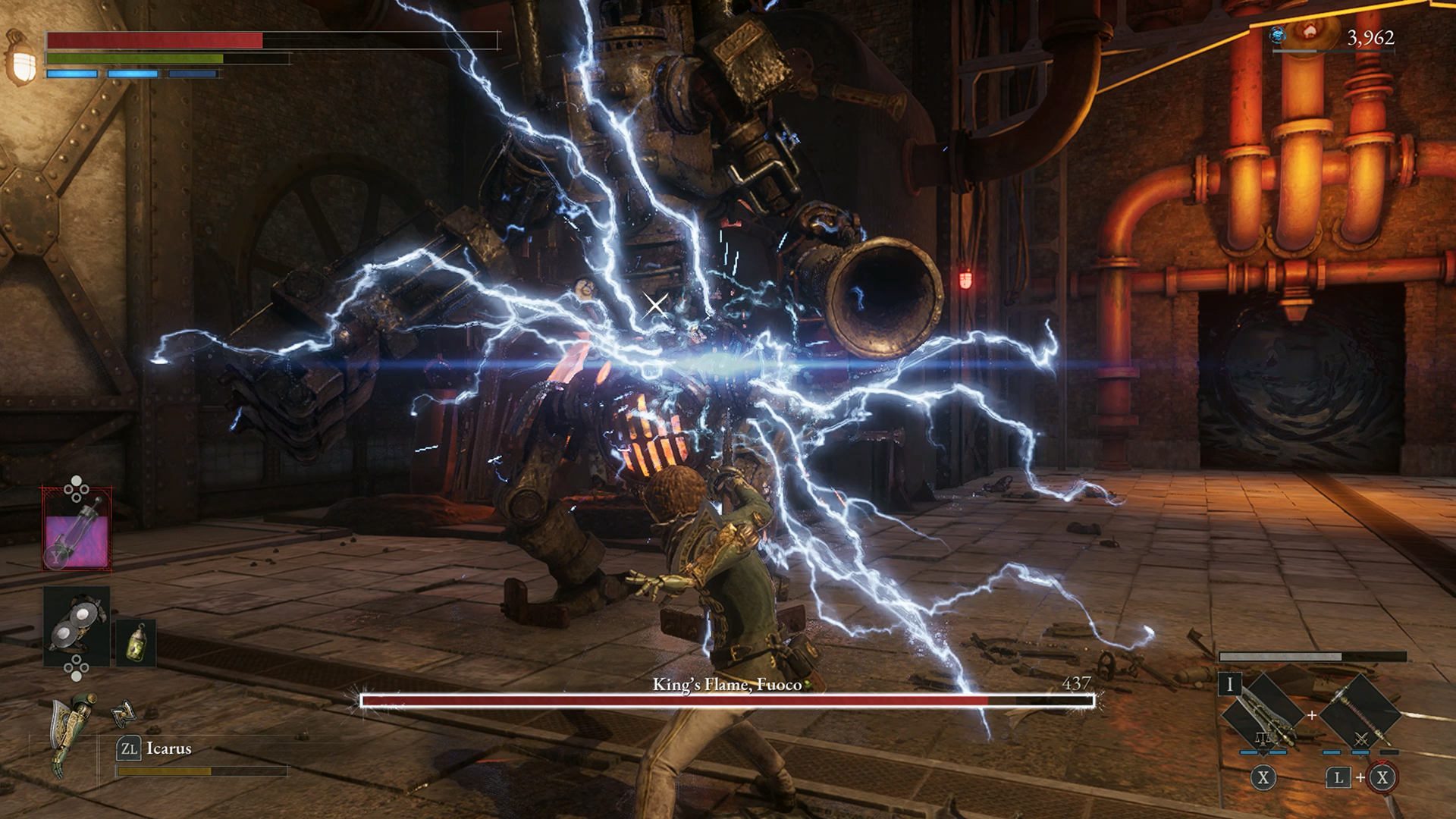
Originally released in 2023, you might know Lies of P as the Pinocchio Soulslike, and I mean that literally. Yes, this is a game about Pinocchio, and more specifically, Lies of P functions as an extremely liberal adaptation of the original The Adventures of Pinocchio novel written by Carlo Collodi in 1883. Taking place in the fictional Industrial Revolution-esque city of Krat, you awaken as a nameless Puppet created by Giuseppe Geppeto, who used a resource called Ergo to invent the greatest technical innovation the world has ever seen: lifelike machines. Not knowing who you are or what your purpose is, you set out into the city to find answers, a city that's turned apocalyptic.
Much of Lies of P's narrative plays out in typical cryptic Soulslike fashion, through environmental details, notes, optional dialogue, and even weapon descriptions. There's a lot of that sort of non-linear narrative approach, but what's remarkable, the further you get into the game, is how Lies of P blends all that with a more traditional, direct, and cutscene-driven storytelling approach. Lies of P immerses you into its world with those understated elements, then slowly pulls at threads as you grow attached to characters, resulting in something that's genuinely moving in more than one way. At my previous job at Inverse, I wrote extensively about the narrative of the game, and you can read that, so I won't dig too much deeper.
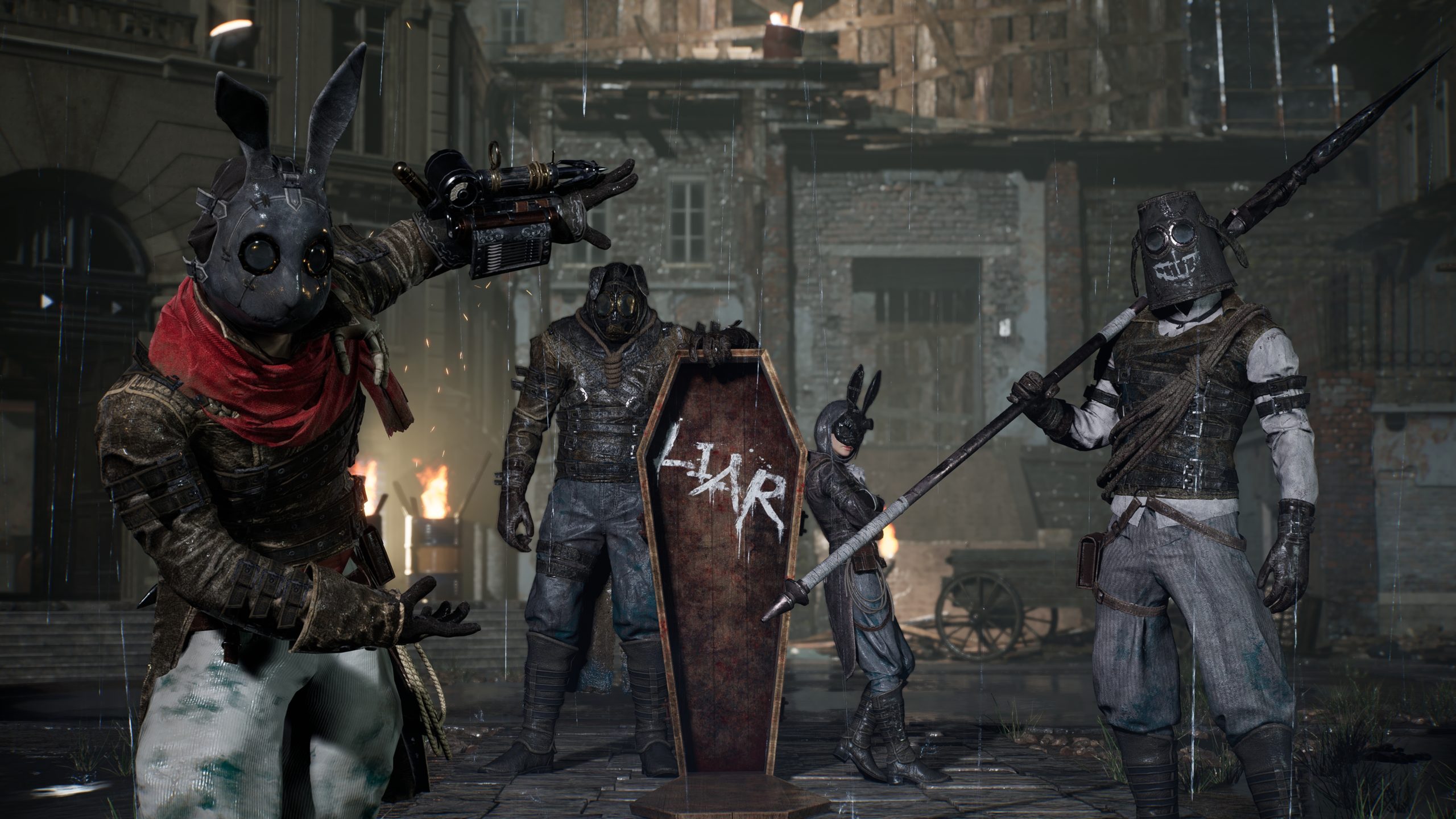
But what was really fascinating this time through, and stick with me here, is that I was playing it at the same time I saw Christopher Nolan's The Odyssey. That film made me think deeply about the nature of adaptations, and how different mediums are used to modernize or reinterpret the messages of classic stories. And for all intents and purposes, Lies of P feels like a true, meaningful adaptation, done in a way you only could with a video games.
There are some hefty themes at play in the original story of Pinocchio: do the sins of the father affect their children, the importance of selflessness, and the nature of recklessness and lying and how those things alter our lives, even inadvertently. Each of these themes is smartly woven into Lies of P's narrative, but also emerges through dynamic gameplay systems. Twists in the story and endings literally depend on how much you've lied across the game, and equally the puppet's own physical appearance changes in accordance. The Quartz system is a smartly complex build system that gives you tons of freedom, but also digs into elements of body modification and how much you're willing to sacrifice your humanity. Optional records you collect can be listened to at your base, and if you really dig into the lyrics, they impeccably expand on specific characters and plot beats.
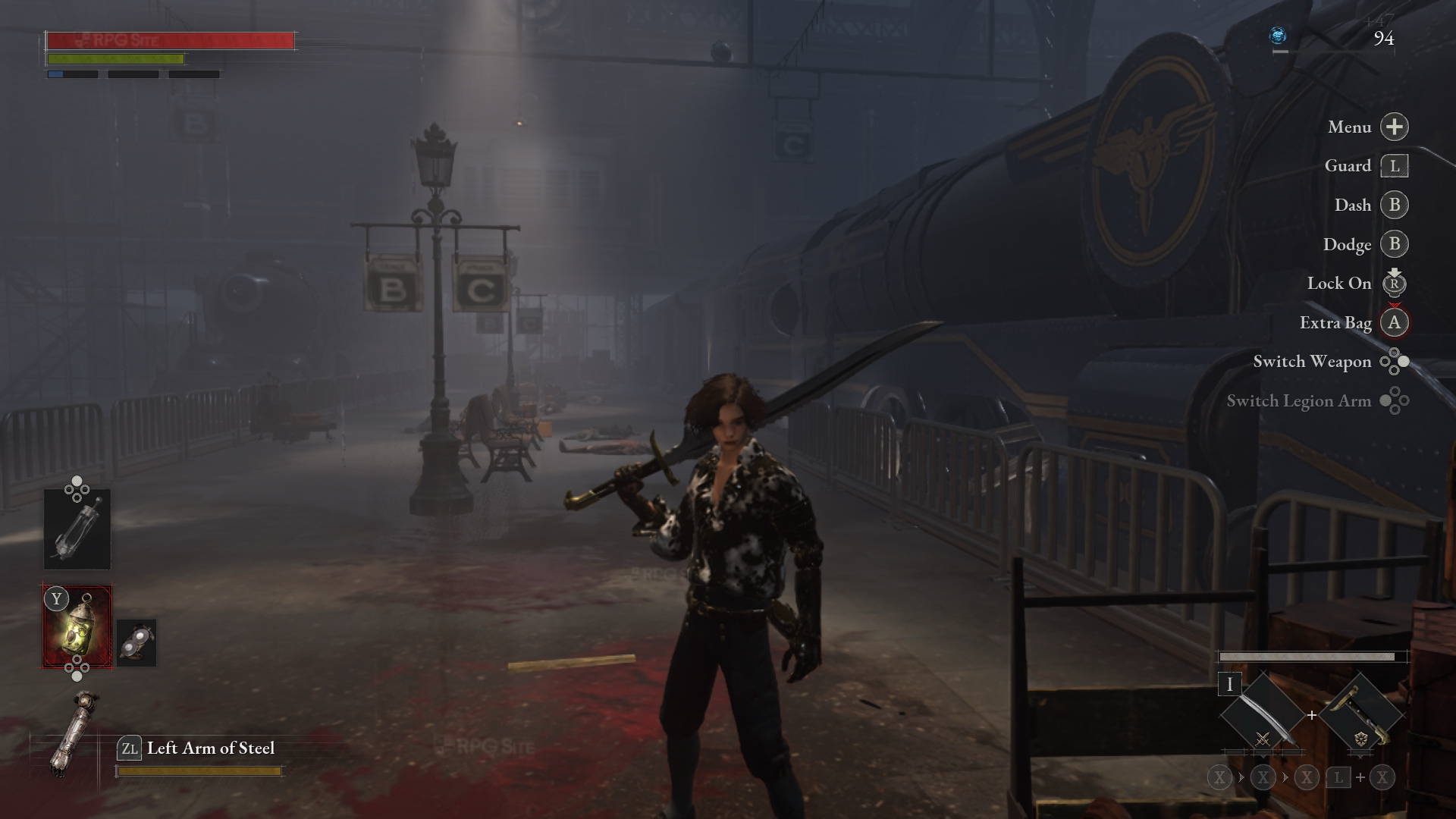
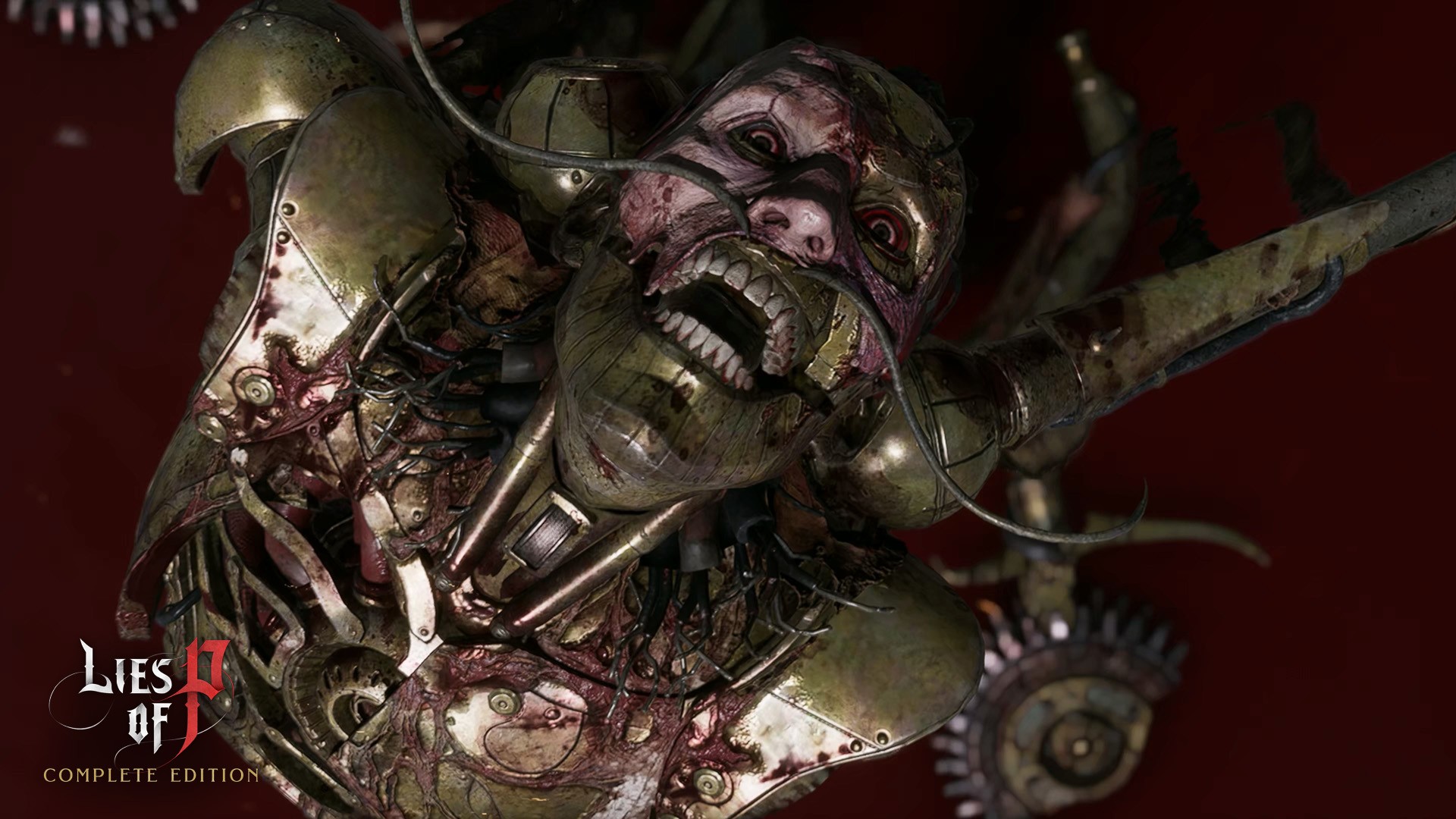
Even the game's enemies reflect narrative and thematic bits, from once docile butler puppets turning into mindless machines, to hapless villagers twisted into grotesque creatures by a plague, and a once cheerful circus clown warped into a nightmarish visage.
The more I play Lies of P, the more I marvel at how nearly every single piece of the game is tuned to fit together just right, while still playing into that overarching idea of what people "expect" from a Soulslike game — intense difficulty, labyrinthine levels, and dynamic character builds. On that last note, Lies of P has legitimately the best combat of any Souls game out there; I'd even put it above Bloodborne. And that's mainly because of how smart the weapon assembly and Legion Arm systems are.
A majority of the weapons in the game come with two parts: head and handle. These parts can be mixed and matched in absolutely any manner you desire; you might put an axe head on a spear handle, giving you a long-range weapon that really packs a punch. Or you can put a fire dagger head on a giant pipe wrench handle, letting you ignite enemies while winding up for big attacks. Legion Arms then expands on this by giving you a sort of secondary weapon to diversify your arsenal — a grapple hook that can pull in enemies, a cannon that fires explosive shells, a shield that lets you pull off perfect parries, and more. Then the DLC expands on all this with wildly creative new weapons, including a Gunblade straight out of Final Fantasy 8.
In a lot of ways, Lies of P feels like the platonic ideal of what a Souls game should be: crunchy combat systems, complex, wildly customizable character builds, and cryptic storytelling that all weave together into something larger. And the icing on top is the deep reverence the development team clearly has for the story of Pinocchio, while still being ambitious enough to provide something genuinely new to one of the most well-known fables in the entire world. It proves the power of how interactivity can reshape even the stories we're familiar with.
To be honest, I simply think more people need to play Lies of P, even just on the level of seeing what a true interpretation of the "Soulslike genre" can be, one that draws on the legacy set by FromSoftware, but pushes into new territory. I've had plenty of conversations with people feeling burned out on Soulslikes, how everything feels too same-y and cookie-cutter. Lies of P proves, beyond a shadow of a doubt, that there's still plenty of water to draw from that well.