

Which is the best version of The Elder Scrolls IV: Oblivion Remastered? Switch 2, PS5, PS5 Pro, Xbox, or PC
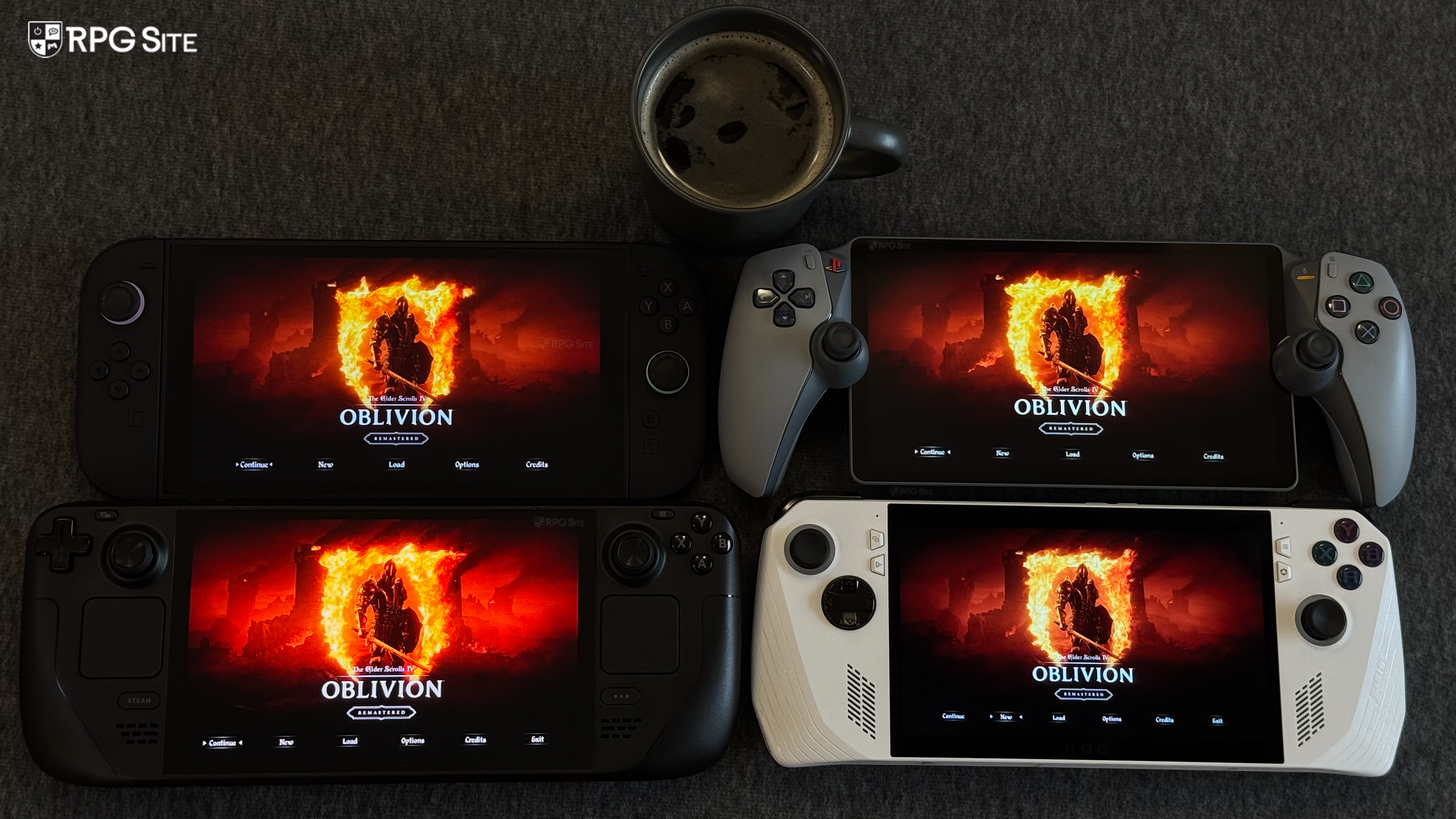
Bethesda Softworks and Virtuos' The Elder Scrolls IV: Oblivion Remastered recently launched for Nintendo Switch 2. I've played it since its debut last year across PC handhelds, Xbox Series X, PS5, and even PS5 Pro as of earlier this year. For the Switch 2 launch, I focused on the portable experience in my initial article given how awful it is on PC handhelds. I've now had a chance to revisit Oblivion Remastered on home consoles as well. I wanted to see how it felt to play on all consoles I have, how the Switch 2 port looks and feels docked, and also generally highlight the issues still present with the remaster on all platforms.
The Elder Scrolls IV: Oblivion Remastered issues present on every platform
The Elder Scrolls IV: Oblivion Remastered has some notable issues that have not been fixed on any platform, including the original systems it launched on last year. I want to stress that these issues affect every single platform, but the performance degradation issue appears to only happen in the 60fps target and not the 30fps target modes based on what I've seen. I'm not sure if it gets worse after additional hours on top of how long it takes to appear in the 60fps target mode.
These major issues right now are memory leaks, crashes, a badly implemented 30fps cap, traversal stuttering, general hitching, optimization issues where it can't maintain its target frame rate regardless of mode and console, and more. The other issue is more of a visual one where the image quality in the 60fps target mode on the base PS5 and Xbox Series X is poor in general given what you'd expect on those systems, and the Switch 2's docked output feels the same to me. I thought it looked bad even on my 1440p monitor when playing on the base PS5 and Xbox. This is when I opted to play in the Quality mode, but had to tolerate the frame pacing issues thanks to the 30fps cap not being implemented correctly.
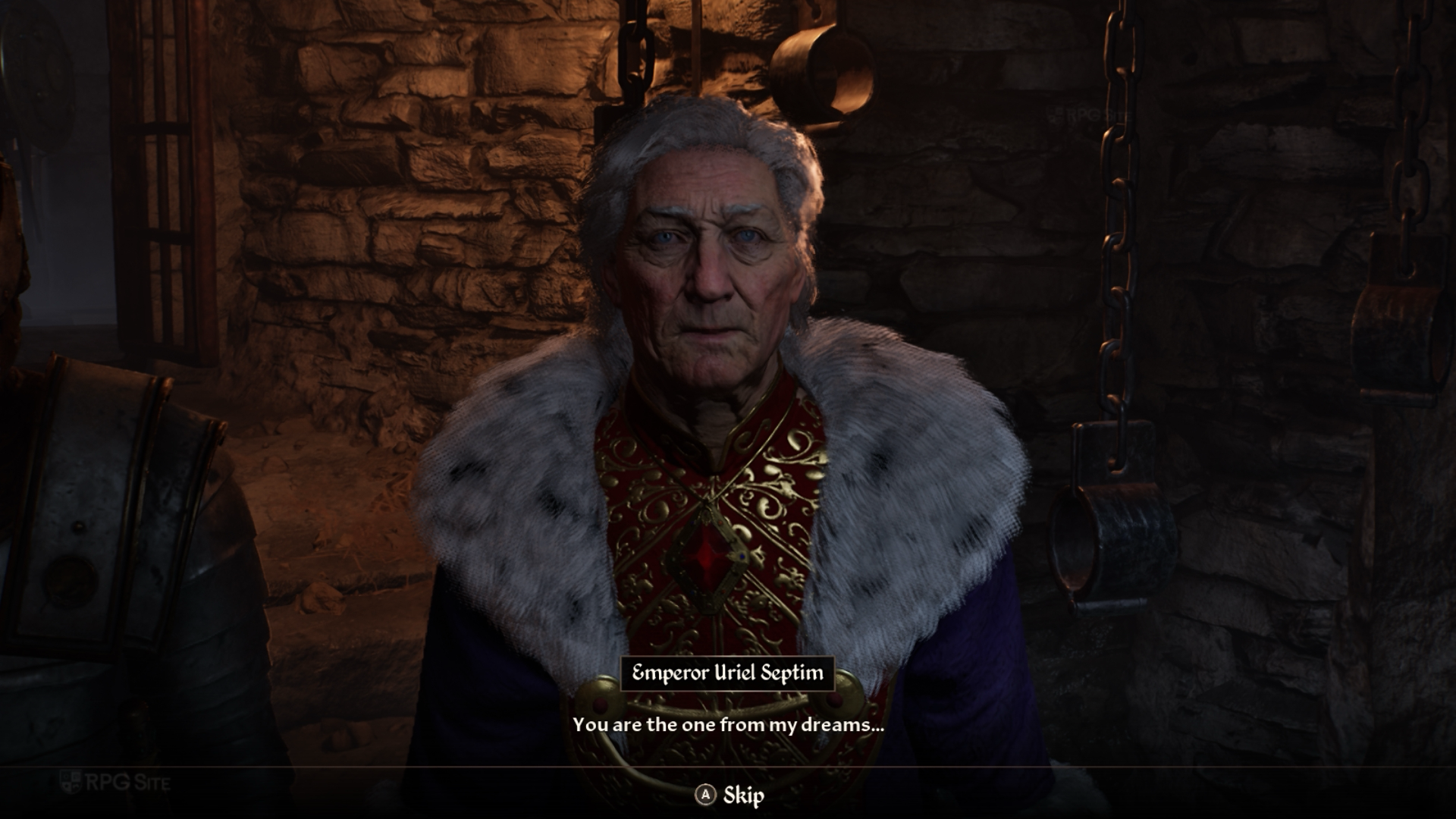
Right now, The Elder Scrolls IV: Oblivion Remastered is not a good technical experience on any platform. You can get over some of the issues by brute forcing of course when it comes to image quality (PS5 Pro or high spec PC), but the performance issues are present on every single platform I tested. There is no fix and it remains to be seen if Bethesda will improve performance. Beyond this, the Switch 2 suffers more compared to PS5 and Xbox Series X with image quality being worse (though DLSS does help in some ways compared to TSR on other platforms) and the hitching lasting longer. I've never had multiple second freezing on PS5 or Xbox like I have on Switch 2. I also had more crashes on Switch 2 during open world combat.
That covers the major technical issues in The Elder Scrolls IV: Oblivion Remastered on all platforms. I wanted to give you context before getting to the comparison section of this article.
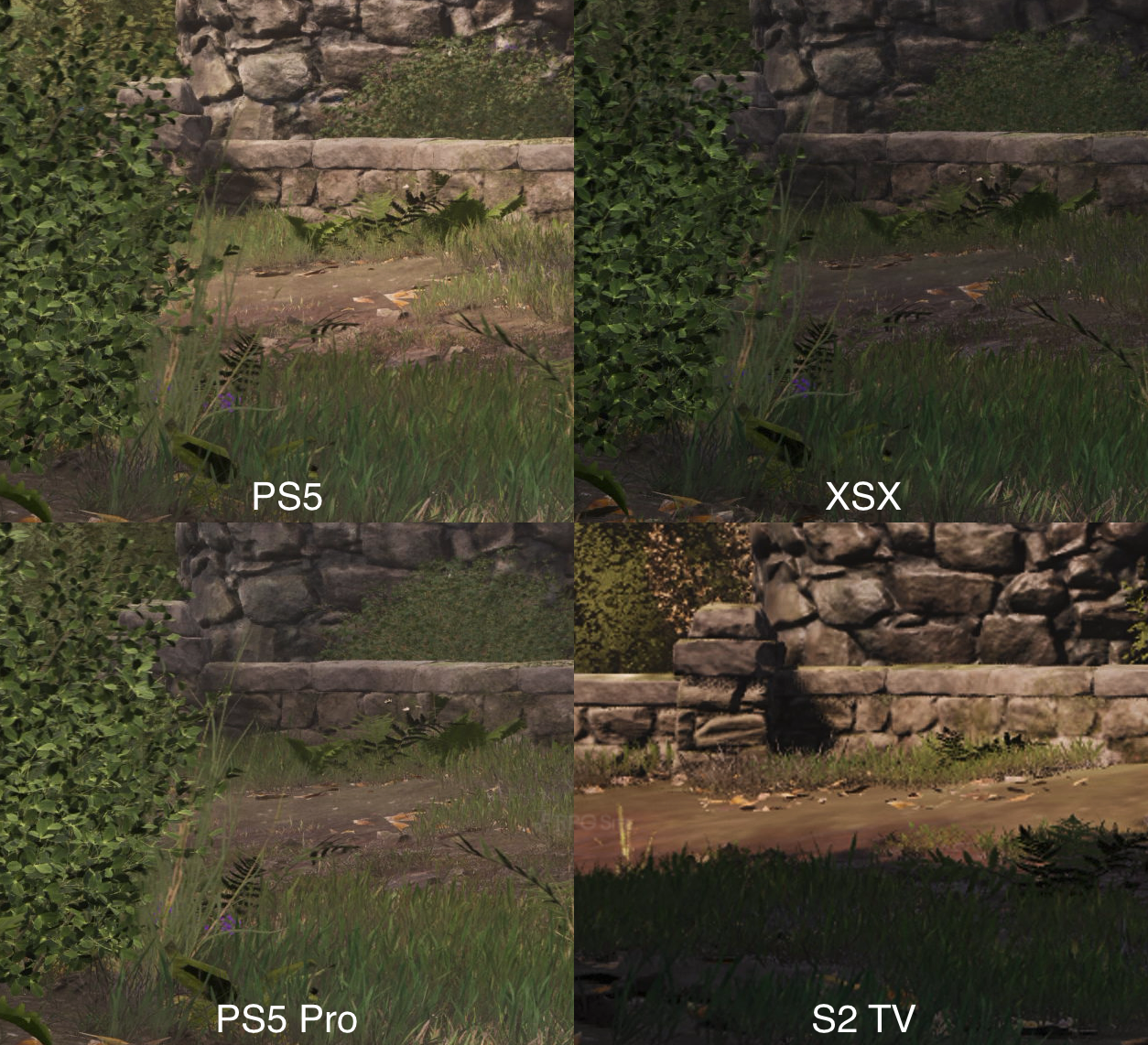
Oblivion Remastered visual comparison across PS5, Switch 2, Xbox, and PS5 Pro
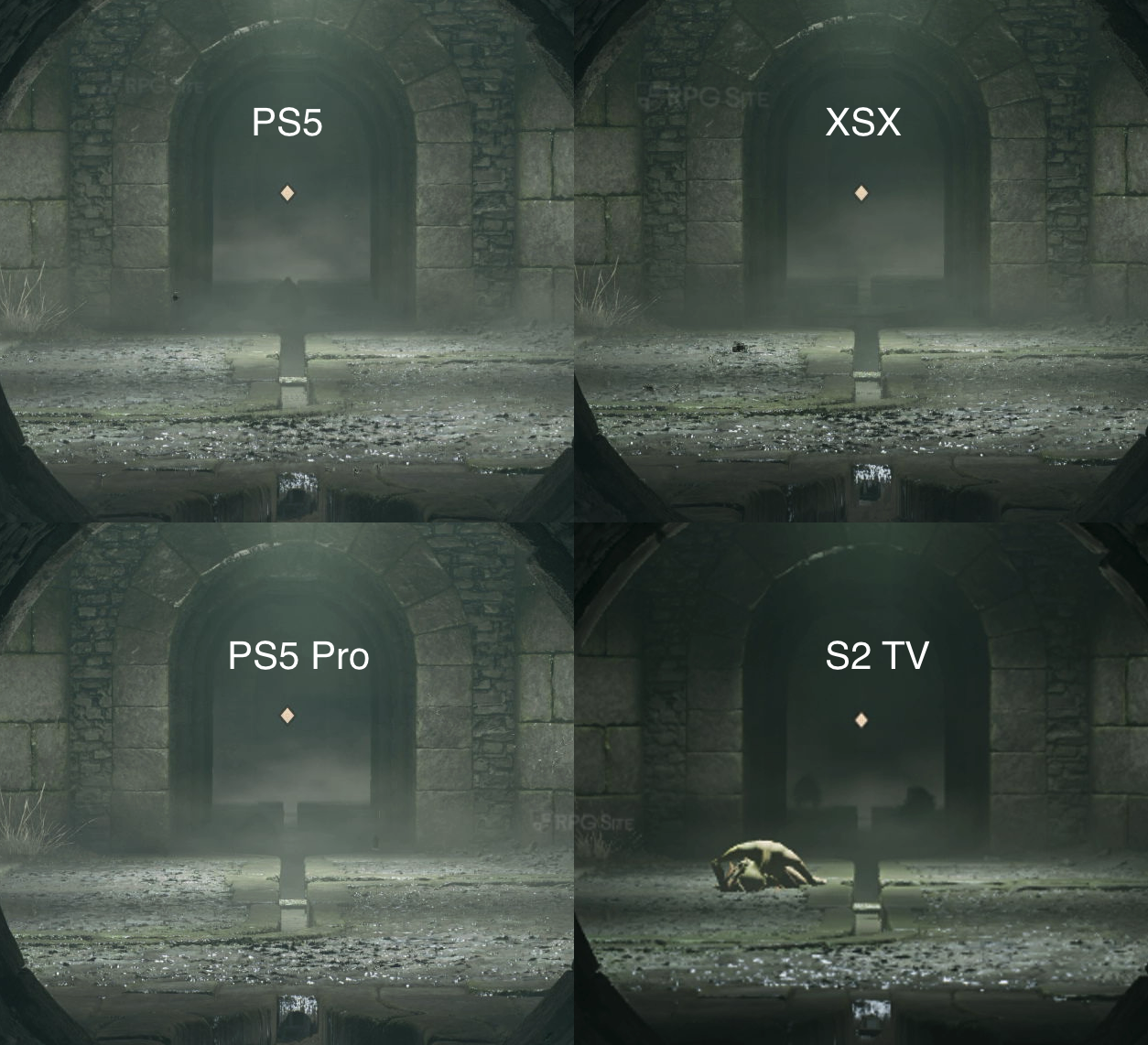
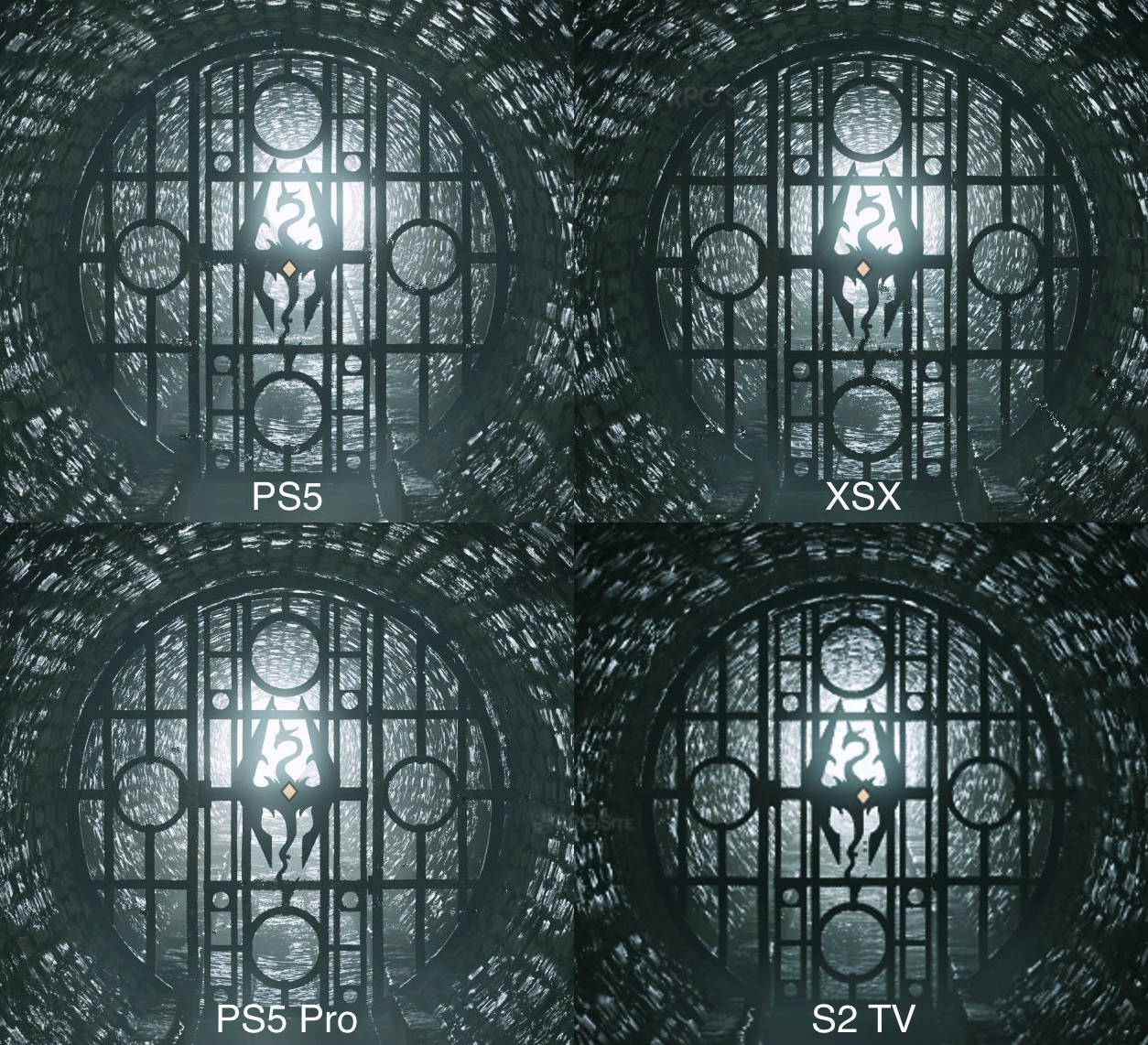
Given how much I dislike the performance mode image quality (and unstable performance) in Oblivion Remastered across PS5/Xbox, I've focused on the quality mode or 30fps target for all platforms. PS5 Pro provides a much higher internal resolution over PS5 and Xbox Series X which also results in other improvements to the overall image as upscaling (UE's TSR) has a better input resolution to work with. I didn't notice other improvements on PS5 Pro when it comes to graphics settings. The Switch 2 version docked shows big cuts to foliage, textures (compared to PS5/XSX), and of course the actual resolution which upscales to 1080p on Switch 2 from 540p (according to Digital Foundry).
Note: For the docked/TV comparisons above, I used a 4K capture card and then cropped the captured images to showcase visual differences. The game was running with a 30fps target / quality mode on all platforms. As you can see, DLSS on Switch 2 sometimes delivers a better overall image resolve for distance objects, but it can only do so much with a low input resolution. The texture and foliage cuts are quite bad on Switch 2 as well compared to other consoles I own.
The PS5 Pro's internal resolution boost over base PS5 and Xbox Series X makes for a much better image even when played on a 1440p monitor. The base PS5 and Xbox Series X versions in quality mode look good on my 1440p monitor, and deliver a big boost over how soft the performance mode looks on those platforms. Even in their performance mode, they look a lot better than the single 30fps target mode docked on Switch 2. The texture quality and foliage cuts really hold the Switch 2 version behind when played docked. The DLSS implementation is good when standing still, but you can clearly see the limits when moving the camera in busier areas around characters or specific objects in the environment.
Oblivion Remastered on Switch 2 has a lot of issues even now, but these have to do with the game itself. Taking into account the troubles on other platforms, the Switch 2 version retaining UE5's feature set well enough on Switch 2 is commendable as a port. It is just held back by issues on all platforms and also a much lower input resolution right now.
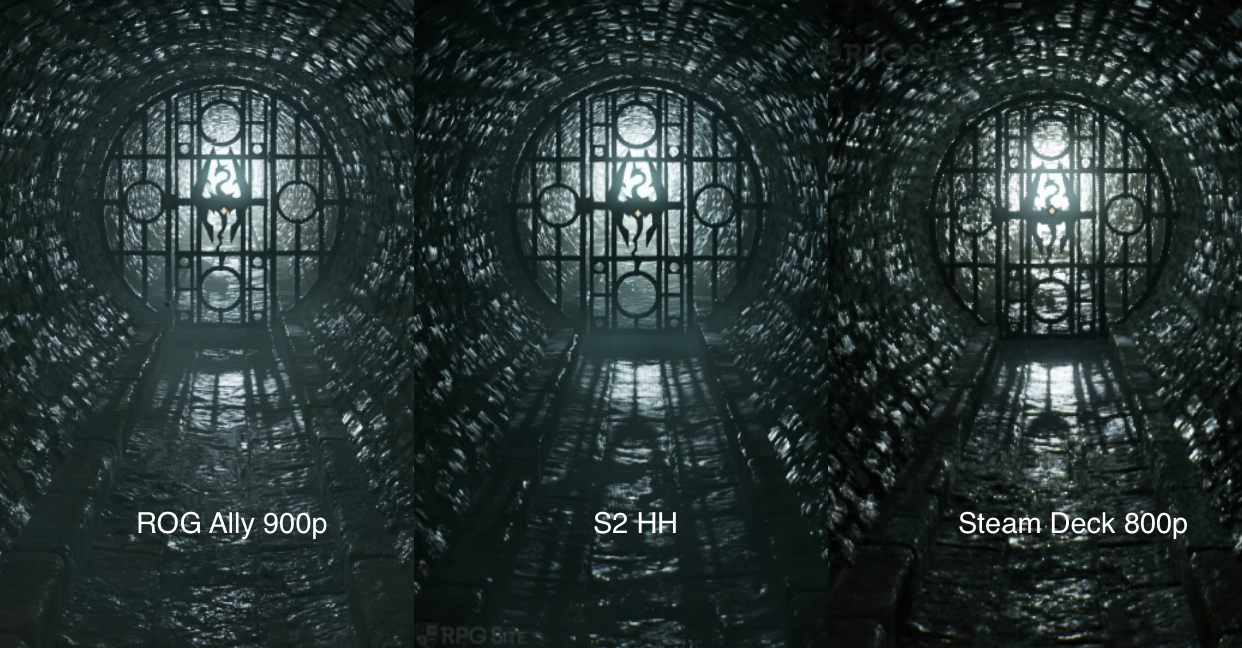
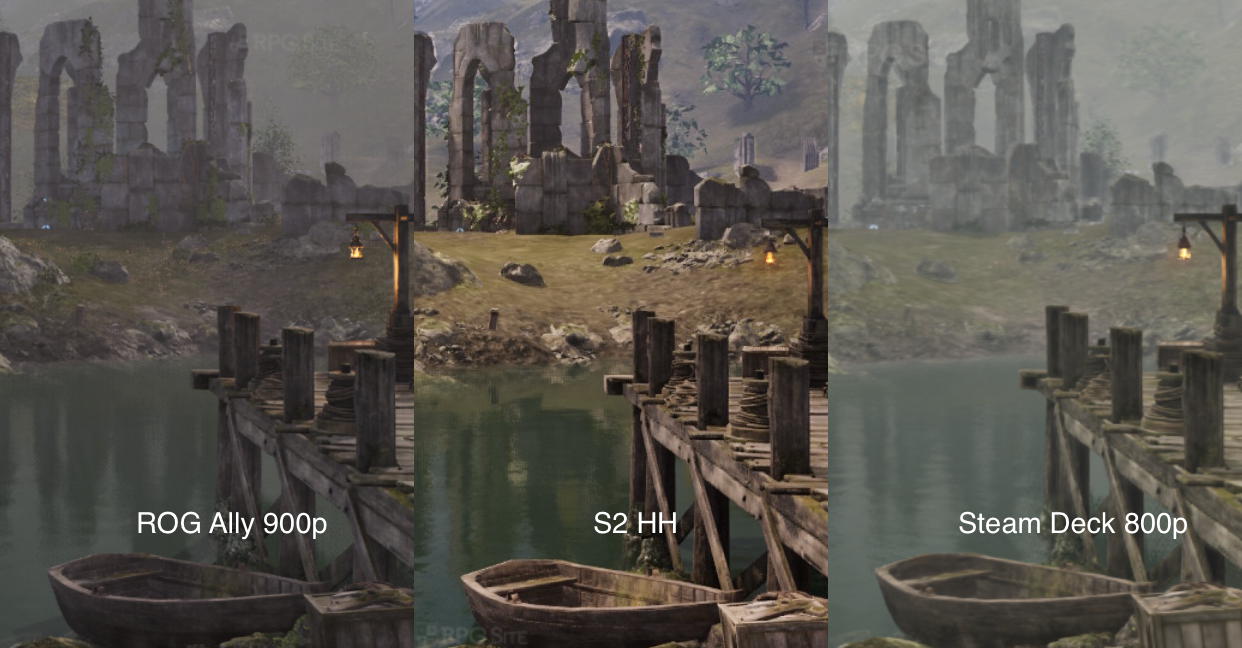
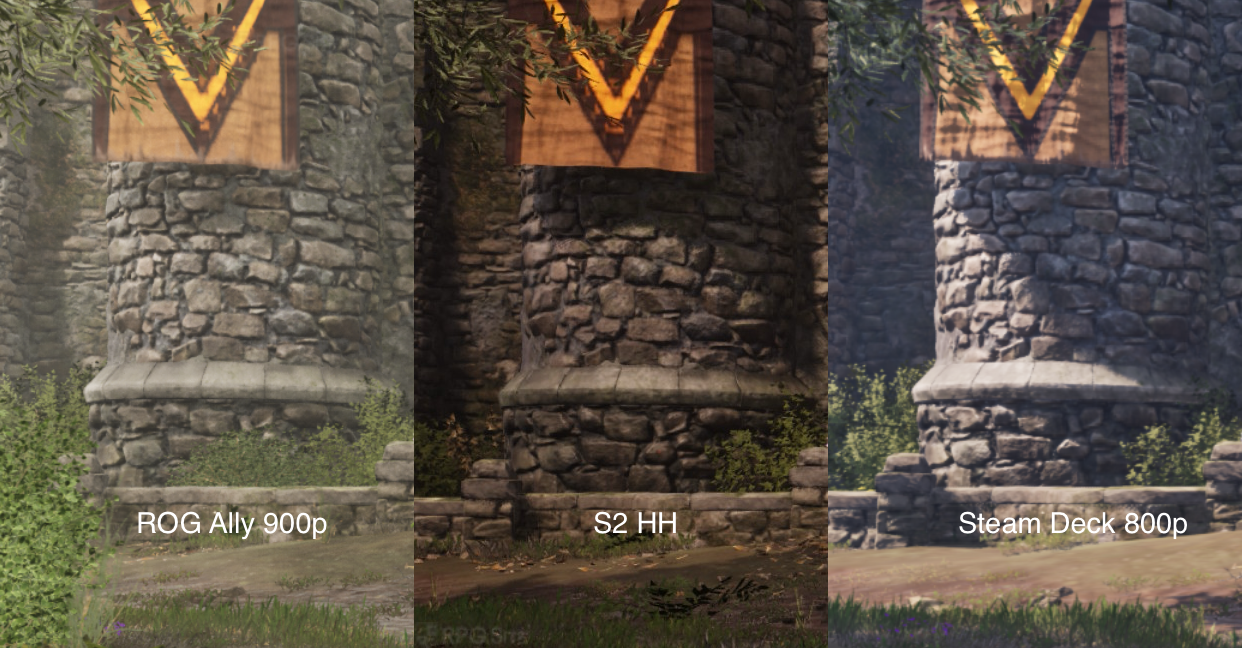
Note: For the comparison above, I used the system screenshot function on Switch 2 and Steam's screenshot tool on Steam Deck and ROG Ally. The Deck is using the default preset while the Ally I turned to Medium and 900p since the default was 1080p and high which is beyond unplayable. It was hard to sync up things with the dynamic time of day system and weather, but this comparison shows how Switch 2 with DLSS resolves well all things considered, but has added cuts to foliage and textures.
Oblivion Remastered portable comparison: Switch 2, Steam Deck, and ROG Ally
Moving over to playing on the go, Oblivion Remastered on Switch 2 has cuts compared to the PC handhelds on the low preset in foliage and even textures (in parts), but its use of DLSS makes for a dramatically better overall image compared to Steam Deck and even ROG Ally given the latter's major performance issues even when rendering below 720p. Even if the ROG Ally can push well above the Switch 2 in settings and resolution, there is no situation where I'd recommend playing Oblivion Remastered on the Z1 Extreme model over the Switch 2 right now. Oblivion Remastered is still a miserable experience on ROG Ally and Steam Deck today. It remains to be seen if any patch makes it better. Right now, I can recommend Oblivion Remastered on Switch 2 for portable play with big caveats, but the only way I'd recommend it on ROG Ally or Steam Deck is if you stream it from a more powerful system. The PC version is still a mess.
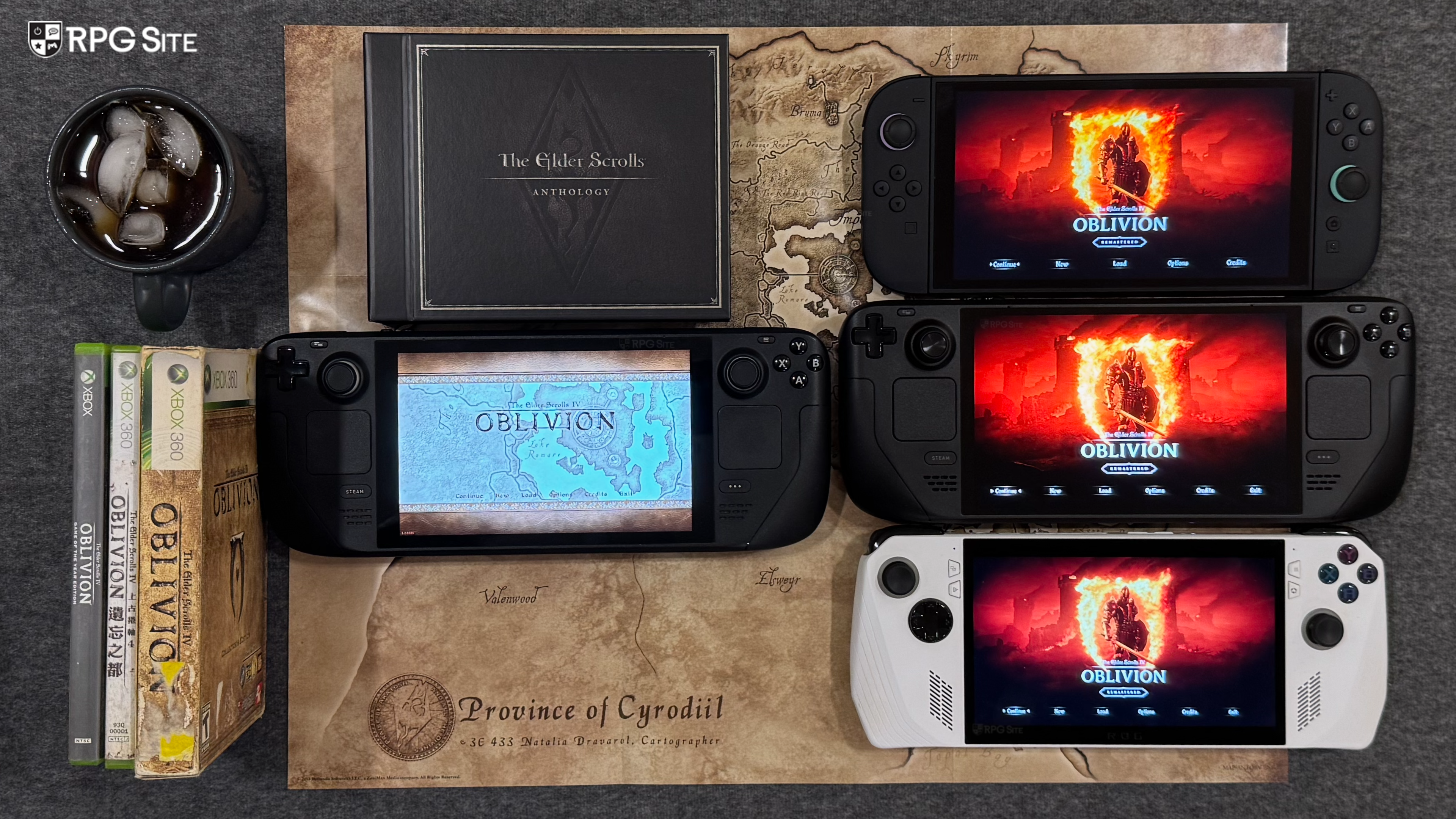
Oblivion Remastered performance on Switch 2, PS5, Xbox, and PC handhelds
Oblivion Remastered's performance is not good on any platform right now, but it is worse on Switch 2 thanks to the freezing being more pronounced. The only way you can get an acceptable experience (all things considered) is the 30fps target mode on PS5, Xbox Series X, and PS5 Pro. The 60fps mode degrades and the PC version is just miserable on my handhelds. If Bethesda can sort out the major freezing on Switch 2, it will be easier to recommend on Nintendo's hybrid console. One last thing to note is the animation culling on Switch 2 happens a lot closer than other platforms. This means you will see NPCs or enemies in the distance animate at a lower frame rate compared to those on other platforms.
Oblivion Remastered load times tested across Switch 2, PS5 Pro, Xbox, PS5, Steam Deck, and PC
When testing load times, I measured the time taken to get to the title screen from the platform dashboard, the time taken to load an early game save (and verified this three times giving the ranges below in some cases), and finally a fast travel test. For fast travel, I measured the time taken to fast travel from the map at the Imperial Prison Sewer exit where you arrive into the open world to Castle Bravil. Oblivion Remastered was installed on the internal storage on Switch 2, internal storage on PS5 Pro, M2 SSD on PS5, internal storage on Xbox Series X, internal storage on ROG Ally (Steam version), and internal storage on Steam Deck OLED. The load times below are in seconds.
| Platform | Title screen | Load save | Fast travel |
| Switch 2 | 23-24 | 27 | 17 |
| PS5 | 12 | 9 | 8 |
| PS5 Pro | 12 | 8 | 7 |
| XSX | 24-38 | 13-14 | 9-10 |
| Steam Deck | 21-23 | 22-23 | 15 |
| ROG Ally | 22-29 | 19-20 | 18 |
As you can see, the Switch 2 load times are comparable to PC handhelds, but a lot slower than the PS5 versions. The Xbox version was tested five times over the last week after rebooting and also after booting up other games. I'm not sure why there was so much variance, but I included the ranges here. The Switch 2 taking that long for its initial load is also disappointing. The PS5 version is a massive improvement over the others when it comes to load times.
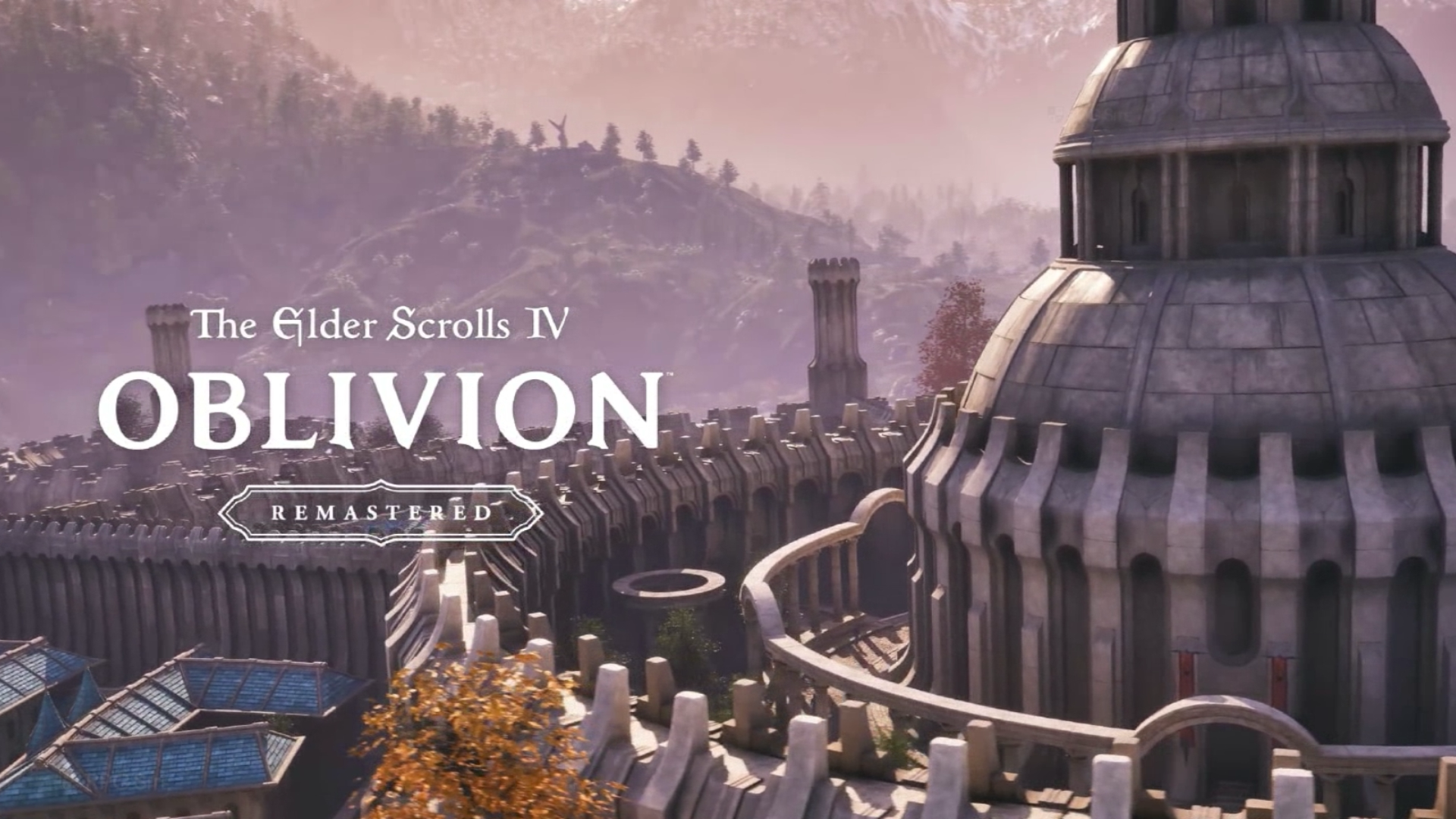
Which is the best version of The Elder Scrolls IV: Oblivion Remastered?
As much as I like the visuals and the remaster over the original, there are too many technical issues holding it back on every single platform. Normally I like highlighting what I consider the best version of any game in these comparison articles. For Oblivion Remastered, I can only comment on what I consider the version where the issues are not as bad as other systems. For portable play, even with the visual cuts below the lowest settings on PC, the Switch 2 is the only version worth considering based on the three handhelds I tested. The ROG Ally Z1E is a miserable experience right now and the Steam Deck, while above Switch 2 in some areas, has too many issues with worse image quality.
For playing on TV, if you have a PS5 (base model) or Xbox Series X, I can only recommend the quality mode despite the uneven frame pacing. The performance mode degrades over time and isn't stable. If you are ok playing for an hour or two at most and quitting, the performance mode is tolerable with the big caveat about the image quality. On PS5 Pro, both modes are a lot better than on the base consoles, but it isn't close to perfect.
Which version of The Elder Scrolls IV: Oblivion Remastered should you play
Everyone has their own priorities for what they want, so I'm going to list the advantages and disadvantages of every single version of The Elder Scrolls IV: Oblivion Remastered as a conclusion to this feature below. I want to stress that my recommendation is to go in with those big caveats or wait for an update that might not fix the major issues at this point.
The Elder Scrolls IV: Oblivion Remastered on Switch 2: If you want a physical version of The Elder Scrolls IV: Oblivion Remastered or play exclusively handheld, this is the version to get. It still has major technical issues like other platforms and I absolutely do not recommend playing it docked if you have a PS5 or Xbox Series X.
The Elder Scrolls IV: Oblivion Remastered on Xbox: The Xbox version supports Xbox Play Anywhere on Xbox Series consoles and Xbox on PC. It also supports cloud gaming. Performance and visuals are sadly very similar to the base PS5 release. I also do not recommend Quick Resume in this given the memory leaks and stability issues.
The Elder Scrolls IV: Oblivion Remastered on PS5: This is only worth buying if you value trophies or own a PS5 Pro. I don't really recommend it on the base PS5.
The Elder Scrolls IV: Oblivion Remastered on Steam: If you have a powerful PC and are willing to use mods to fix the issues, this is the version to get. I wouldn't bother with it on PC handhelds natively though.
Hopefully this helped you decide where you should play The Elder Scrolls IV: Oblivion Remastered if you still want to after all the technical issues it has. It remains to be seen if any of these issues will be fixed, but given Bethesda finally commented on the optimization issues, we might see some fixes. I will revisit this when any potential patches arrive.
The Elder Scrolls IV: Oblivion Remastered is now available on Xbox Series X|S, Nintendo Switch 2, PlayStation 5, and Windows (Steam, Game Pass).