

Ys X Proud Nordics and Trails beyond the Horizon Interview with Durante – Switch 2 DLSS, PS5 Pro, the Challenging Switch 1 Horizon Port, Steam Machine, and More
Ys X: Proud Nordics is launching later this week worldwide from NIS America across PS5, Nintendo Switch 2 and PC platforms. Last month, the publisher released The Legend of Heroes: Trails beyond the Horizon for PS5, PS4, PC, Switch 2, and Switch. Given how close the release dates are, I've been able to tackle both of them and much more in my newest chat with PH3's Peter Thoman AKA Durante. As with my past interviews, we discuss PH3's newest releases, Falcom's engine, the state of PC ports, what he has been playing, implementing PC-exclusive features, and much more.
Note: I recommend reading my interviews with Durante covering Ys X: Nordics PC here and Trails Through Daybreak II here for added context.
Peter 'Durante' Thoman: While we already started dipping our toes in console ports with the Crossbell duology of games in 2022, these were improved ports of relatively old titles, so there weren’t any huge platform-specific challenges in terms of performance to overcome. Trails beyond the Horizon was completely different – in particular getting it onto Switch 1. The game was clearly primarily built for Playstation 5, and that platform is, in performance terms, not just one but two entire generations removed from Switch 1 as a portable.
For this reason, we spent a huge amount of time and effort getting this game to work on Switch 1 at all, and even more to get it to an acceptable level of performance. It really dominated the year 2025 for us in terms of challenge. The result is still far from perfect, but we’re very proud of what we achieved with it.

Durante: It’s not wrong to assume that a project like this is less work overall than something completely new, but due to the way in which we are involved in these projects it is still somewhat more effort than you might think. For example, one thing that we always do try to deliver (and that I’m still frequently disappointed by games with a budget that’s an order of magnitude higher just ignoring) is support for arbitrary aspect ratios, and if a game has some new UI features that will have to be taken care of again.
In terms of learnings from the base game, I’d say that, more than that, we benefited from the baseline technology work we put into adding TAA, DLSS and XeSS into Daybreak 1 and 2. While the games’ renderers are somewhat different, quite a bit of that can carry over with some adjustments.
Durante: This one was actually quite a bit later than our average timelines before release. We only signed the contract on Proud Nordics in early October 2025. I usually wouldn’t be comfortable with such a short timeline, but since we were already very familiar with both the original game and the target platforms it was doable.
In terms of console releases, since we now have experience with the target platforms, it just makes sense to keep everything centralized – especially in a case such as this where the ports already exist at a basic level and it’s more of a matter of polish and feature-add for us.
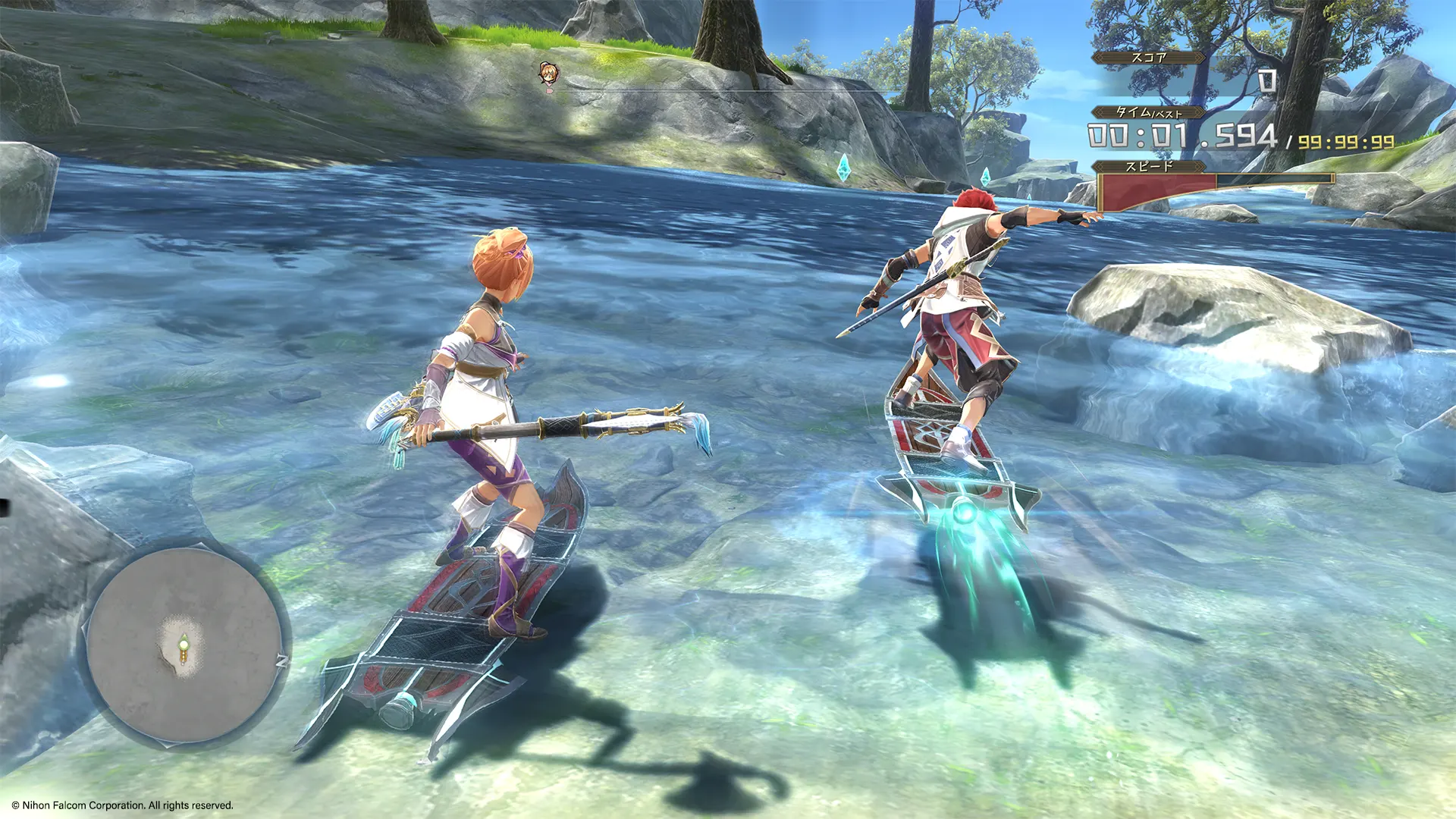
Durante: For Switch 2, our primary contribution was adding DLSS support to the game. We also provide continuous integration and delivery for all consoles – with a daily automated build of both development and release versions – to make it easier for NISA to perform efficient localization testing and quality assurance.
Durante: I don’t know any specifics for the Japanese releases of Proud Nordics. The Crossbell games on Switch and PC were actually a very different case, since for those it was really us who built both the English and Japanese versions, so for that we were about as involved as you can be.
Durante: Yes, Proud Nordics was the first project where we were directly involved with the Switch 2 version.
Durante: I’d say that it’s a bit different: the work we did for the PC release of Proud Nordics helped both the Switch 2 and the PS5 version – in particular PS5 Pro. All the core renderer changes to enable TAA/DLSS/XeSS on PC are really the largest part of the effort, resulting in the availability of high-quality motion vectors. Once that is in place, implementing DLSS on Switch 2 and PSSR on PS5 Pro just makes sense.
Durante: The overall engine and game code are quite similar, as you would expect from an extended version of a game released within a relatively short timeframe. The most impactful technical improvement Falcom made between the two games is actually quite interesting. For the base game PC version, we implemented some CPU parallelization for actor updates – I wrote about this in some more detail in this Steam post. After porting all of our improvements to Proud Nordics, we realized that our method of parallelization no longer makes any sense, since the particular aspects that we applied it to were now handled in a natively parallel way at the engine level. So that is a very substantial change in terms of effectively utilizing more parallel CPU hardware.
Durante: I think, for modern games, this question doesn’t really make sense. At least if those games are developed in a way that I’d consider appropriate. There’s just one version of the game – all platforms share 99% of the code (discounting platform-specific backends at the engine level). The differences between versions boil down to three aspects: scalability settings such as resolution and draw distance, tweakable parameters such as the number and placement of computational threads, and asset quality.
For the first two, on PC, we always keep all of those configurable by the user, and as for assets, we’d never even consider limiting the PC version to anything other than the best available across all platforms.
Durante: I don’t think I can talk about the details here, but it has already been publicly reported and discussed that DLSS on Switch 2 is different in terms of presets compared to PC, with a “light” mode that is more appropriate for the performance and power envelope available on a handheld device.
Overall, I think it’s great to have good temporal upscaling available on a platform, and it’s especially nice for developers that the API to access it is very familiar if you’ve worked with DLSS on PC already. That makes it rather seamless to transfer the effort over, and it’s frequently just a lot more convenient to do implementation work and tuning on PC.
Durante: It was, overall, pretty smooth sailing (sorry). As I mentioned, new features and UI will always require new manual handling for things like mouse input and aspect ratio support, but for once there weren’t any unexpected surprises lurking somewhere in the project.

Durante: I already talked a bit about this earlier, but in short, it was by far the most challenging port we have worked on to date, performance-wise. When we first managed to get the game working on Switch 1 at all, it ran at roughly 5 FPS on our initial testing map.
We had to dig deep and hard in order to get from that to the playable version that eventually shipped. I wanted to write a technical blog post at some point going over the things we did, but I didn’t have time so far. We (i) extended the culling system to be more fine-grained and efficient, (ii) made fundamental changes to the renderer to improve GPU early-Z effectiveness, (iii) re-implemented the main draw call generation in the renderer to be much more parallel, (iv) implemented an entire custom model simplification pipeline with editor integration and applied that to many maps, (v) decoupled the rendering and resolution of visual effects from the main game resolution, (vi) optimized NPC updates and inverse kinematics, (vii) replaced complex dynamic lighting with much simpler but visually similar approximations, (viii) looked at every single bit in the deferred renderer’s G-buffers and reduced the total G-buffer footprint by 1/3rd by packing only what’s strictly necessary into the smallest possible space, and (ix) utilized a pre-baked far shadow system to save on shadow draw calls and fill rate.
And that’s just the really large points I remember off the top of my head. Ultimately, we actually lost money on the Switch 1 port, if you look at the man-months spent on all of this (I should note that this has nothing to do with sales; our porting fees are agreed on before project start). What’s really sad is that even with all that, the Switch 1 version still has obvious concessions and rough edges – but getting rid of those entirely would almost require a remake-level (or demake-level?) effort.
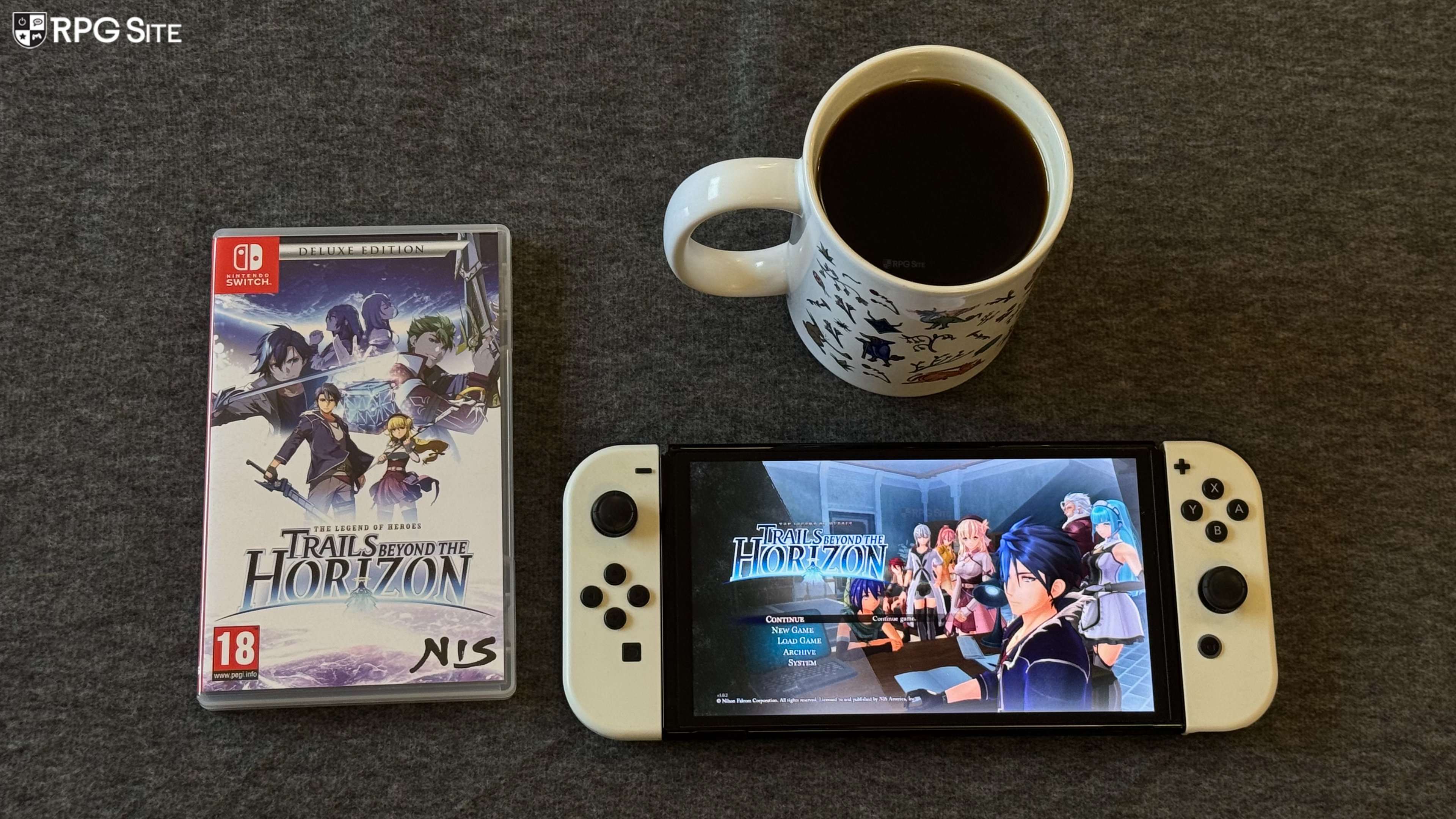
Durante: First of all, thanks for noticing the uptick in quality with Horizon on Switch 1. As I just said, we put a ton of work into that – and it’s still far from perfect. But I do think our team can be proud of what we achieved.
We started working on the Switch 1 version of the game in October 2024, and kept working on it for basically a full year. I do not know about the Japanese release plans for this one.
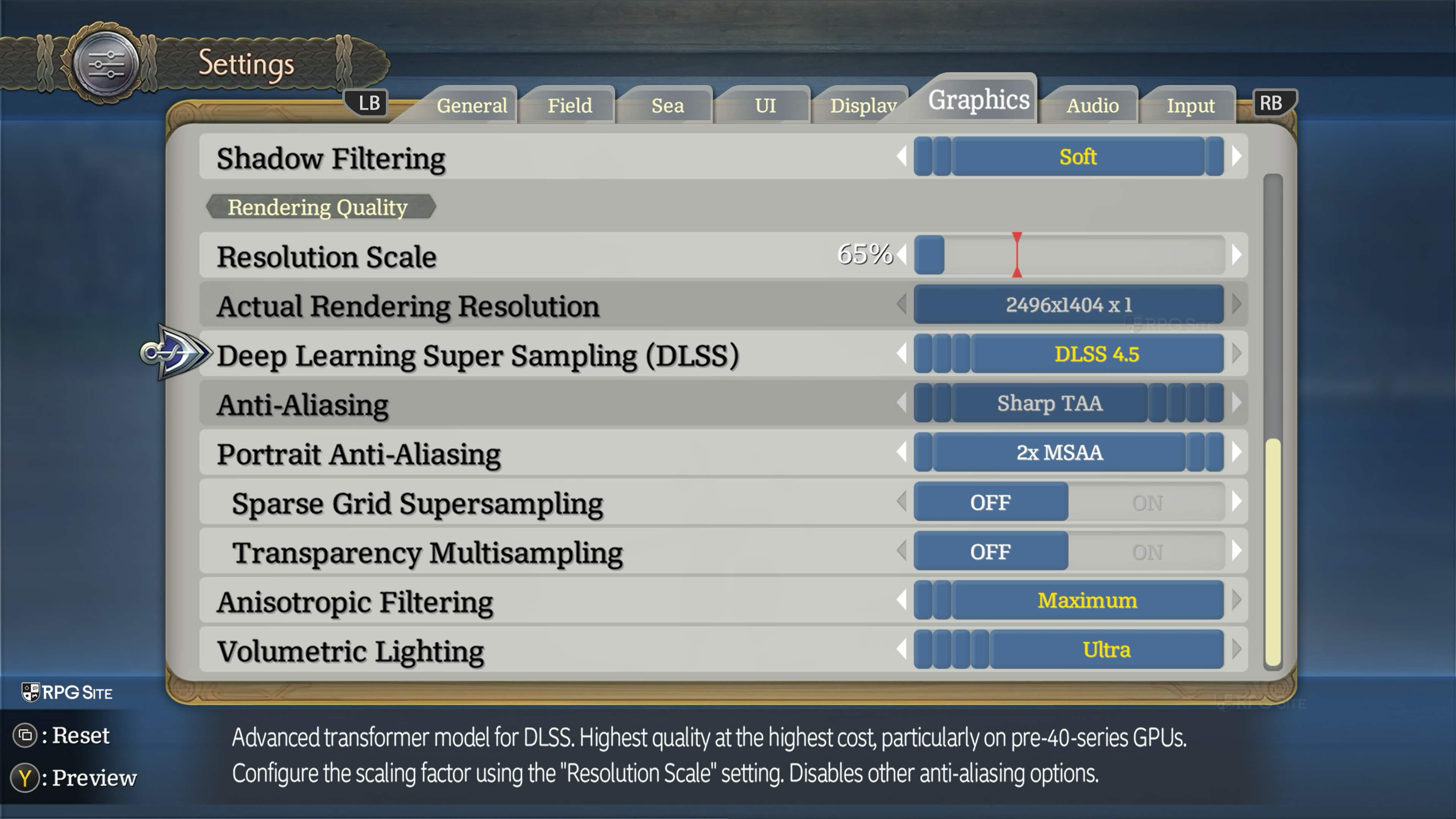
DLSS 4.5 in Ys X: Proud Nordics' PC release from PH3 and NIS America
Durante: Adding DLSS 4.5 support was almost trivial. It just required upgrading to the latest SDK version and implementing the UI and functionality for a new option. I think we are one of the very few developers who already had an in-game DLSS 3 / 4 switch, so it was a straightforward task to extend that to also feature DLSS 4.5.
In more general PC upscaling terms, our biggest issue right now is that AMD does not support DX11 with FSR. For various reasons, DX11 is still by far the best choice of API for our releases on PC, and both NVIDIA and Intel support that API with their best superresolution technologies. I’d love to add support for the latest FSR, but not if doing so would require unsupported, complicated and brittle hacks.

Durante: Thanks for this question! This is my wheelhouse and I’m very happy to talk about it. First of all, while this might be obvious to some, I should clarify that this kind of thing is very clearly not part of any contract. Our porting contracts generally just contain a barebones (or, what I would consider barebones) list of things that the port must absolutely feature. Everything else is up to us.
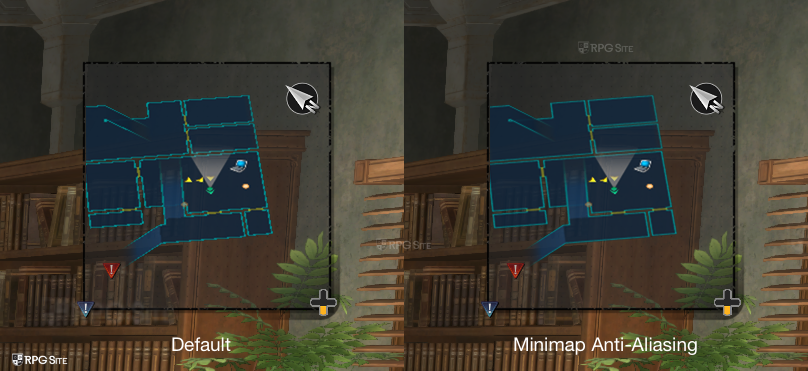
This feature, which, as you say, is absolutely an incredibly niche thing, is a good way to discuss how these kinds of things come to be. In this case, it turned out that using temporal AA methods (TAA/DLSS/etc.) generally provided by far the best image quality results for a given level of performance. However, they only cover opaque geometry, not UI elements that are drawn in a different pass. That is usually not an issue, as the UI elements are composed of artwork that is already anti-aliased, but one of our testers pointed out that specific visual effects draw what’s ultimately just colored triangles with pretty obvious aliasing.
Ideally, we’d like to solve all such issues, even if they are niche, but there are also real-world constraints to consider. In this case, I looked into the feasibility of adding some basic screen-space anti-aliasing for these elements. Luckily, the rendering pass was quite self-contained, and screen-space AA actually works remarkably well for large single-color screen-aligned triangles. Ultimately I probably spent around one work day on that, and I can justify that – at least to myself.
Durante: These are a bit more effort, but I’d still say that it’s no more than one week of work for both of them combined. Regarding the Steam Deck, I actually spent most of my time for that not on coding but on testing various filtering and sampling algorithms and peeking at pixels to see what looks best.
Durante: That doesn’t surprise me. And I don’t want to single out Trails 1st here – a lot of games just do linear filtering on UI elements and that’s it. And in most cases, that’s fine. But with the relatively low resolution of the Steam Deck in particular, the quality of every output pixel really counts – and there are far better resampling algorithms than linear filtering when it comes to both aesthetic appeal and readability.
Durante: It’s not that much work – obviously we need to keep a testing system around, and sometimes make some minor API usage adjustments. I’d rather say that annoyance goes into it, in particular when it comes to Windows SDK version selection and support. But let me stop myself there before going on another rant.
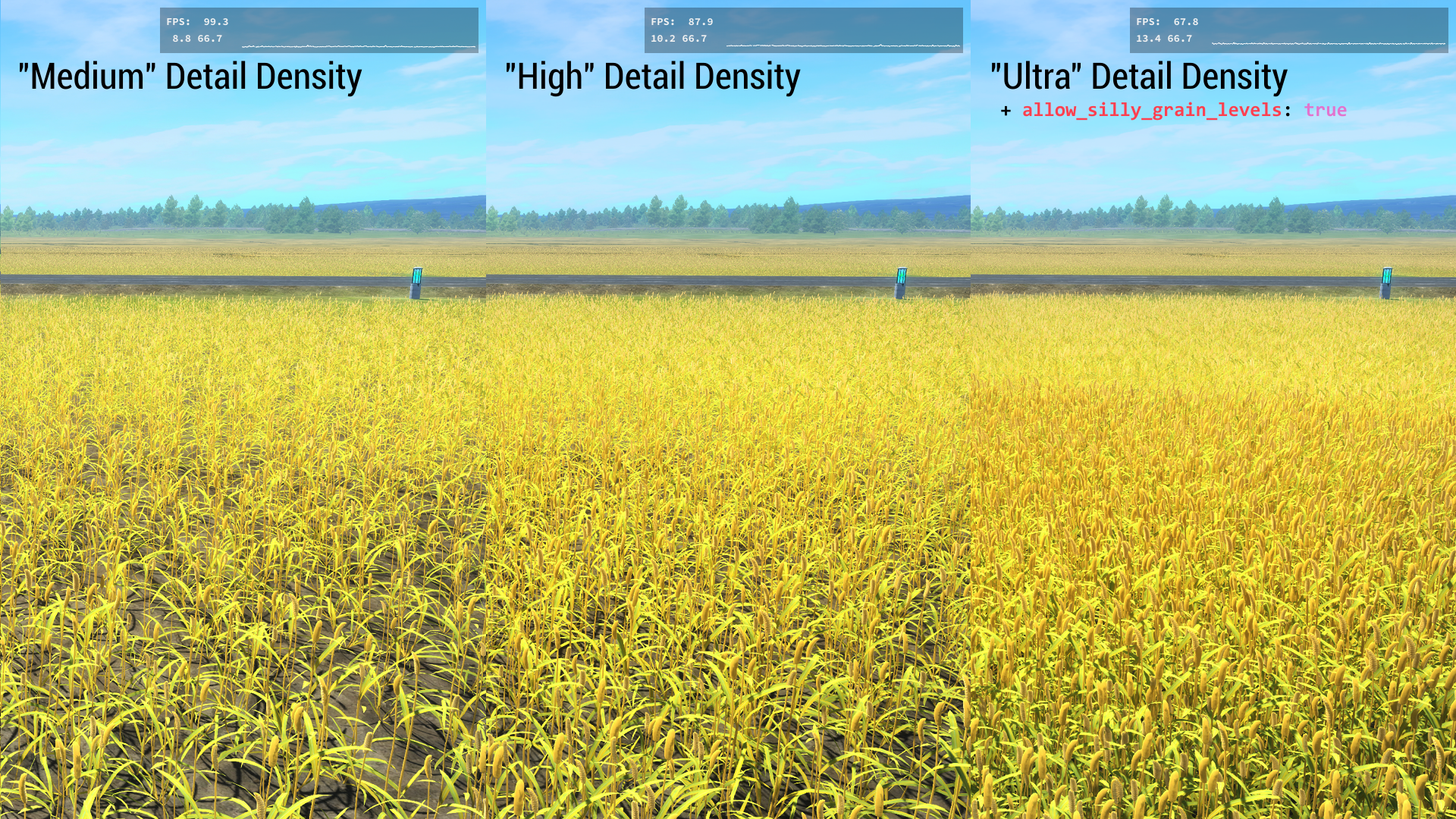
Durante: I don’t think it’s “a lot” of players, but this does happen. And it is very annoying – not (just) because it’s our work, but because it’s genuinely counter-productive. Let me explain. We try very hard to implement a huge amount of settings in order to make our PC versions scale from low-power devices like the Steam Deck all the way to an RGB-riddled gaming rig with a 500 Watt monster GPU.
Now, as you know, there are also lots of PC ports which don’t put in that effort and basically top out at console settings. And that’s the crux: as a developer, we get to decide what e.g. “Ultra” means. And people judging the “optimization” of a game based on how it runs at “Ultra” settings creates perverse incentives for this. Taking this to its logical conclusion, if we were to remove the “Ultra” settings, rename “Very High” to “Ultra”, and make no other changes, then this metric would say that our game is now much more “optimized”.
This is obviously ludicrous, but it certainly doesn’t make it easier to argue for offering very highly scalable settings. But personally, as a PC gaming enthusiast for over 20 years now, going back to older games with new hardware and seeing them in a new light is something I greatly enjoy – and disincentivizing developers from adding high-end options goes directly against that.
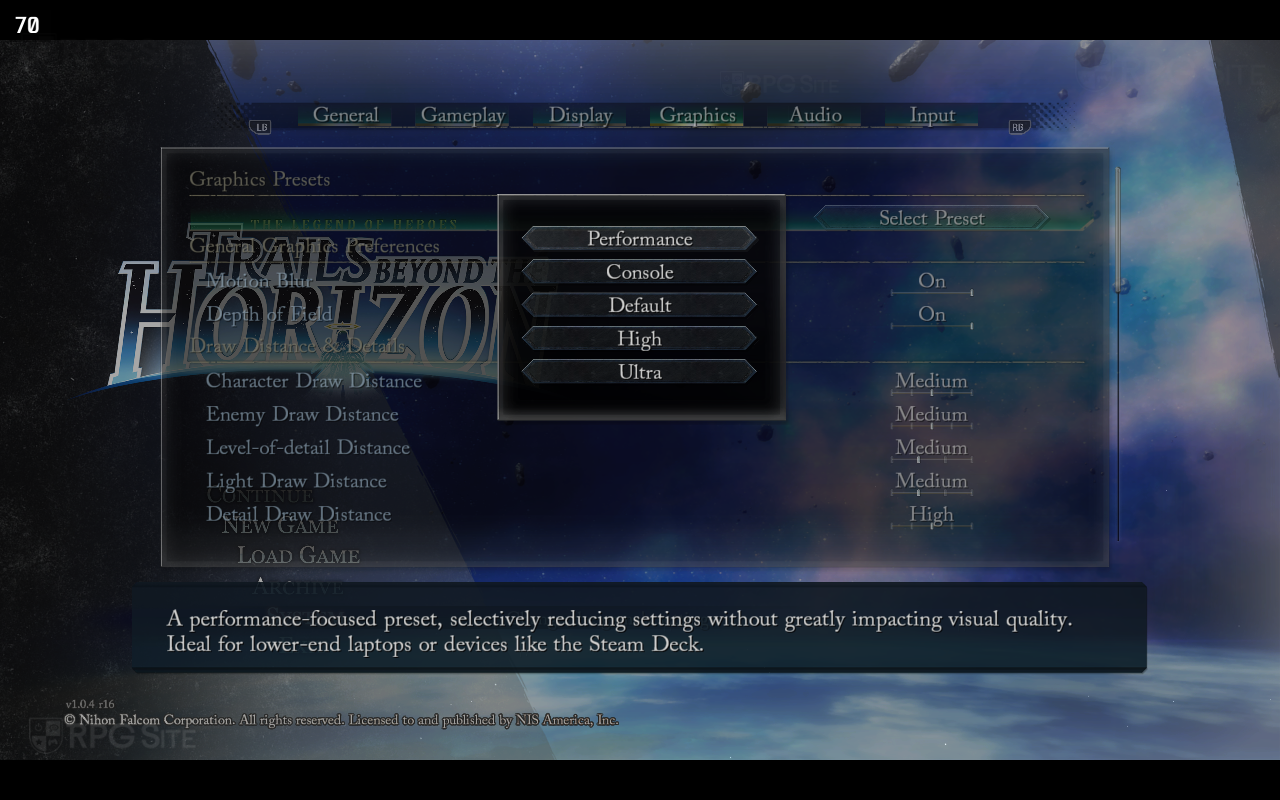
Durante: Setting the presets is usually not too much work, regardless of the concrete project. In practice, a few weeks before release, we usually gather some feedback from testers on performance impact, and I put that together with my own intuition and thoughts on performance/quality tradeoffs to derive the final presets.
Durante: I don’t think much has changed in the large scheme of things regarding this topic in the past year. I am still disappointed that games with budgets in the millions don’t ship with PC features that cost, at worst, thousands to implement.
On a positive note, amongst the games I played over the year, pre-compilation of shader pipelines was a lot more common than it used to be, leading to less stutter for that particular reason at least. Now if only everyone would fully parallelize that pre-compilation step so it doesn’t take 15 minutes…
Durante: Nightreign is in that particularly egregious category where it has a 60 FPS lock, and still doesn’t quite consistently maintain even that on some high-end systems. Which (together with no ultrawide support) is an even greater shame because it is also an extremely fun game, and one I spent tons of time with in 2025.
More generally, I think the bare minimum on PC for a modern game should include arbitrary aspect ratio support, variable framerate support at least to something like 240 FPS, a field-of-view slider, and some decent anti-aliasing and anisotropic filtering options. On the inputs side, full rebinding with correct dynamic prompts in-game and in tutorials, and a secondary binding option for mouse and keyboard controls. Don’t let anyone tell you that any of this is something that a publisher can’t afford for any large game.
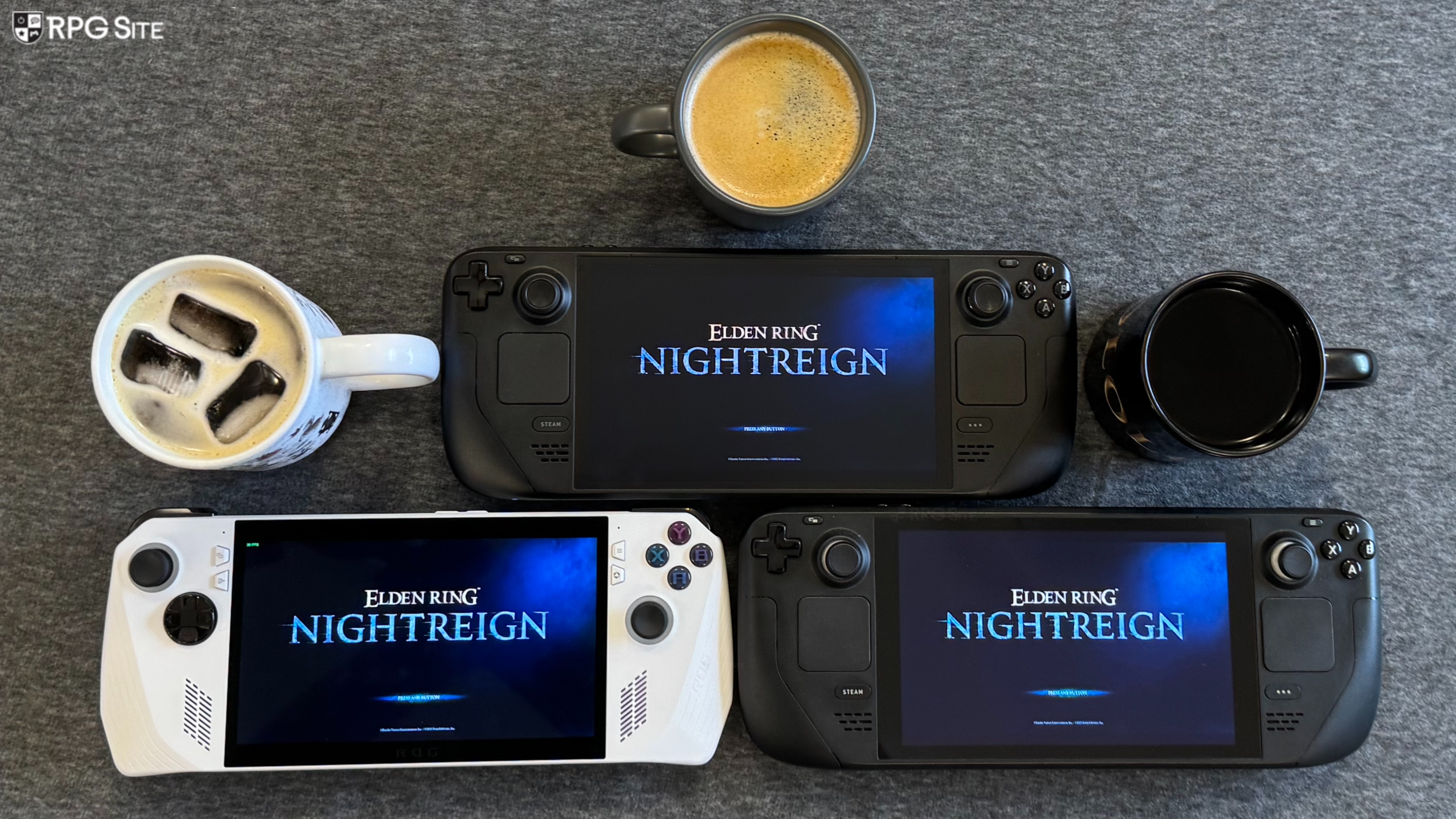
Durante: NIS America handles things like creating the store front pages and materials. We create and upload all the builds. A few years back, we did that manually, and given the fact that we like supporting our releases for a long time, that did become more work with all these platform options.
These days, we have fully automated continuous delivery. Basically, I can tag a version in our source control, and the CI server will create a build and package and upload it for Steam, GOG, and EGS directly to the respective platforms, and also build ROMs for e.g. PS5 and Switch 2 in the case of Proud Nordics and upload them to NISA, who handle console submissions.
Setting all of that up and keeping it running smoothly is an up-front investment both in terms of hardware and in terms of per-project initial overhead, but it’s more than worth it in the long run with these large build and delivery matrices.
Durante: I have not actually played it myself – I played the originals, and I’m generally not someone who plays remakes or remasters of games that I have already completed. I can just echo what I heard, which matches what you are saying: the port is absolutely competent and above the industry standard for PC JRPG – but I like to think that ours go beyond that still.
Durante: I know for a fact that the team does not want to work on another high-end-PS5-to-Switch-1 port. That was just too draining, mentally, financially and even emotionally. Everything else is absolutely on the table – and that would also include Switch 1 for less demanding or older games.
Durante: Well, you can unsurprisingly expect at least a few ports – though if some publisher or developer in need of a good port happens to be reading this, as of now, we still have some capacity, so drop us an email if you are interested.
If all goes well, you should also see the release of something very different from us this year. I’ll leave it at that since I don’t want to spoil it yet.
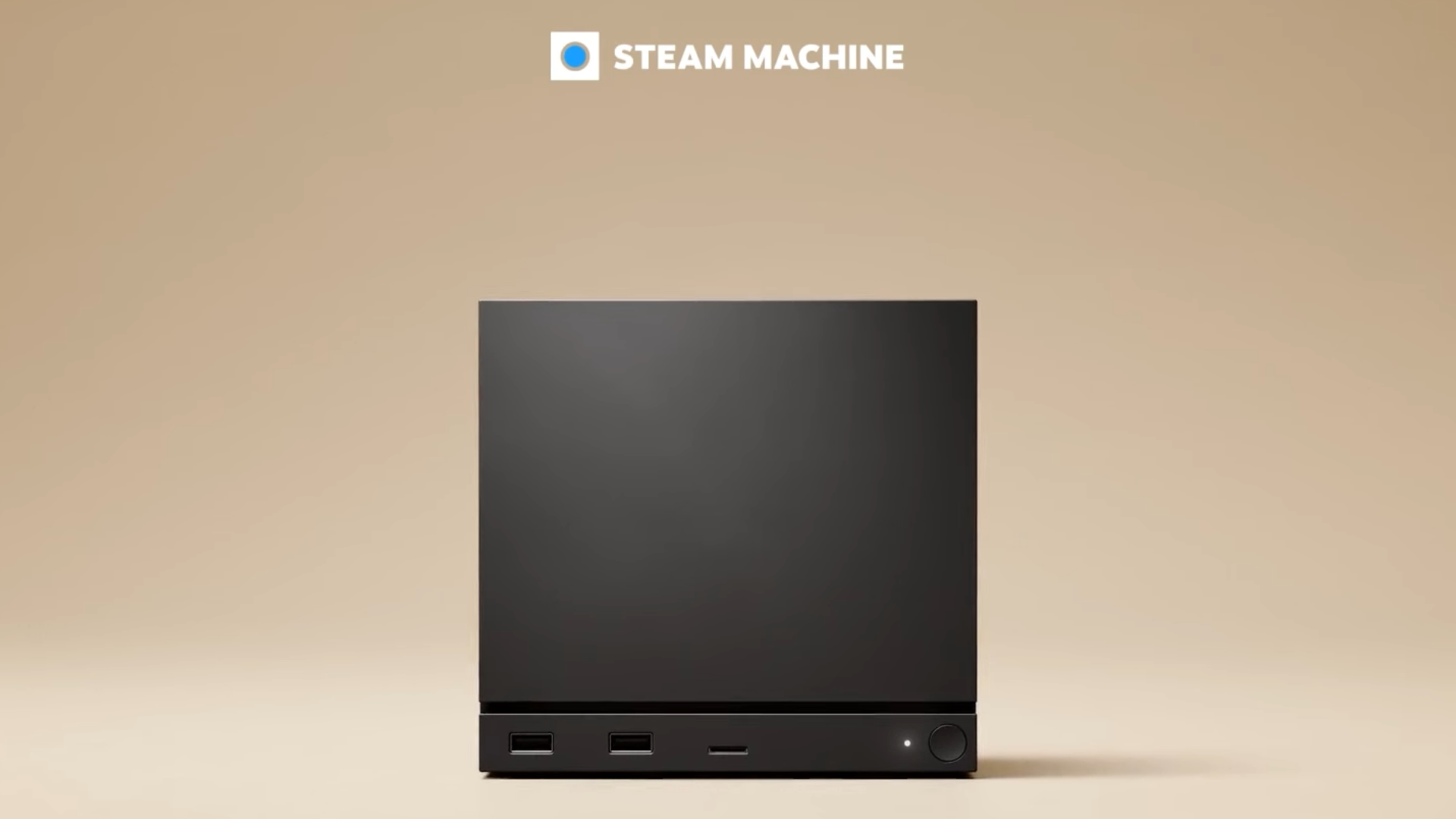
Durante: Always, but just like every time you mention it, I have to tell you that it’s the publishers who decide on things like this.
Durante: I think it’s very reasonable, and if it was not for the current ridiculousness with memory costs, it could provide a fantastic baseline for PC gaming. There are a lot of discussions about the precise specs, and as a technology enthusiast I understand that completely, but I think it may miss the point a bit. Would it be nice to have access to better upscaling than RDNA 3 supports? Yes. Is the memory bandwidth and capacity somewhat limited compared to a general-purpose PC you’d build today? Also yes. But are these factors fundamentally detracting from its appeal as a small, silent, well-designed box with long-term support that someone can just buy, connect to their TV, and start benefiting from the massive Steam ecosystem? No, I don’t think so.
Durante: Still the Steam Deck OLED. I’ve used it for hundreds of hours of gaming in 2025, and I don’t see why 2026 would be any different. Note though that “modern” there doesn’t mean super high fidelity games. When I play one of those I’d rather use my PC. But the Steam Deck OLED is perfect for newer games with lower demands – e.g. Silksong was a fantastic fit.
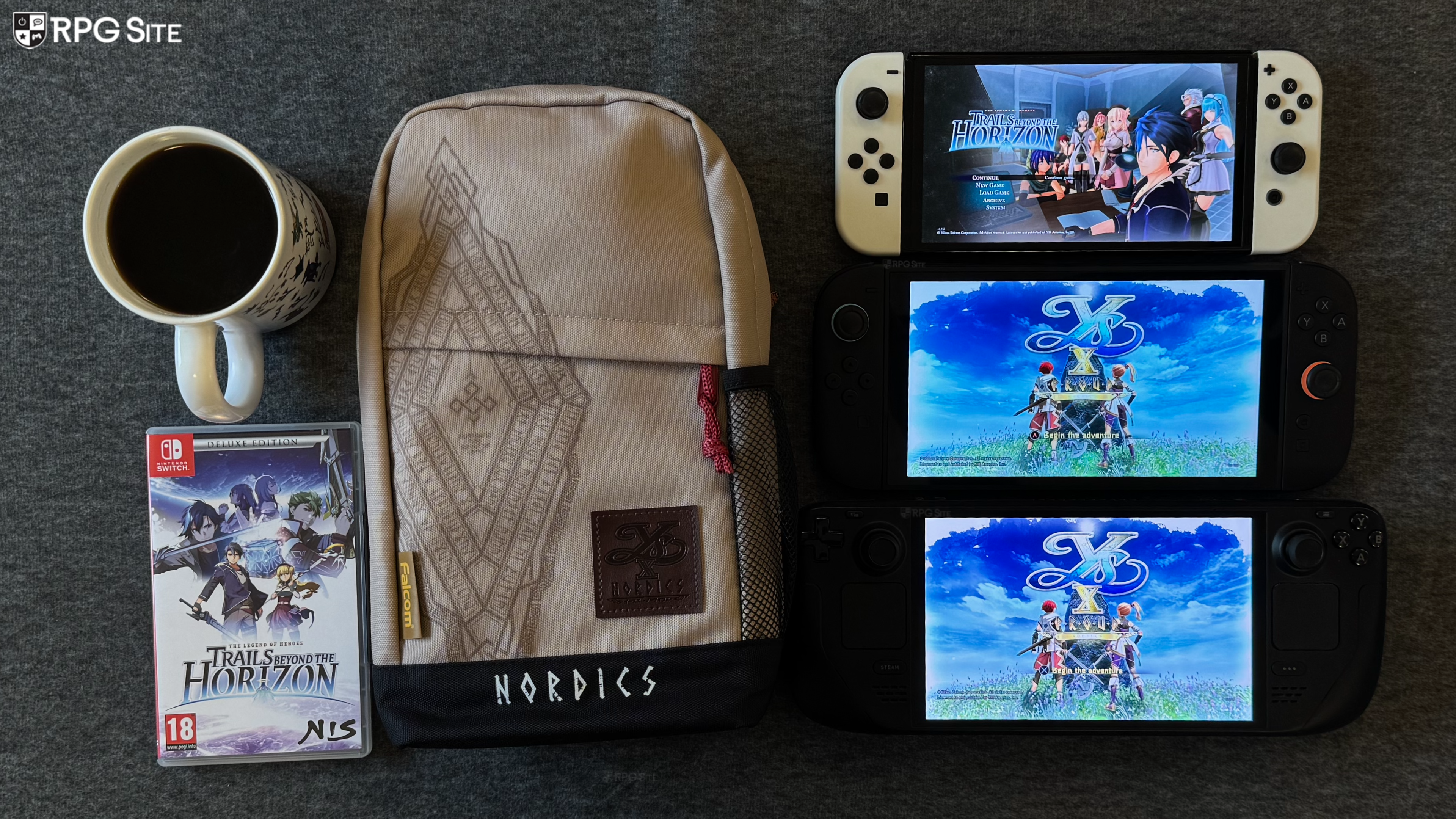
Durante: And I’ll still just skip over the coffee part – not habitually drinking it, and not planning on starting now (or ever).
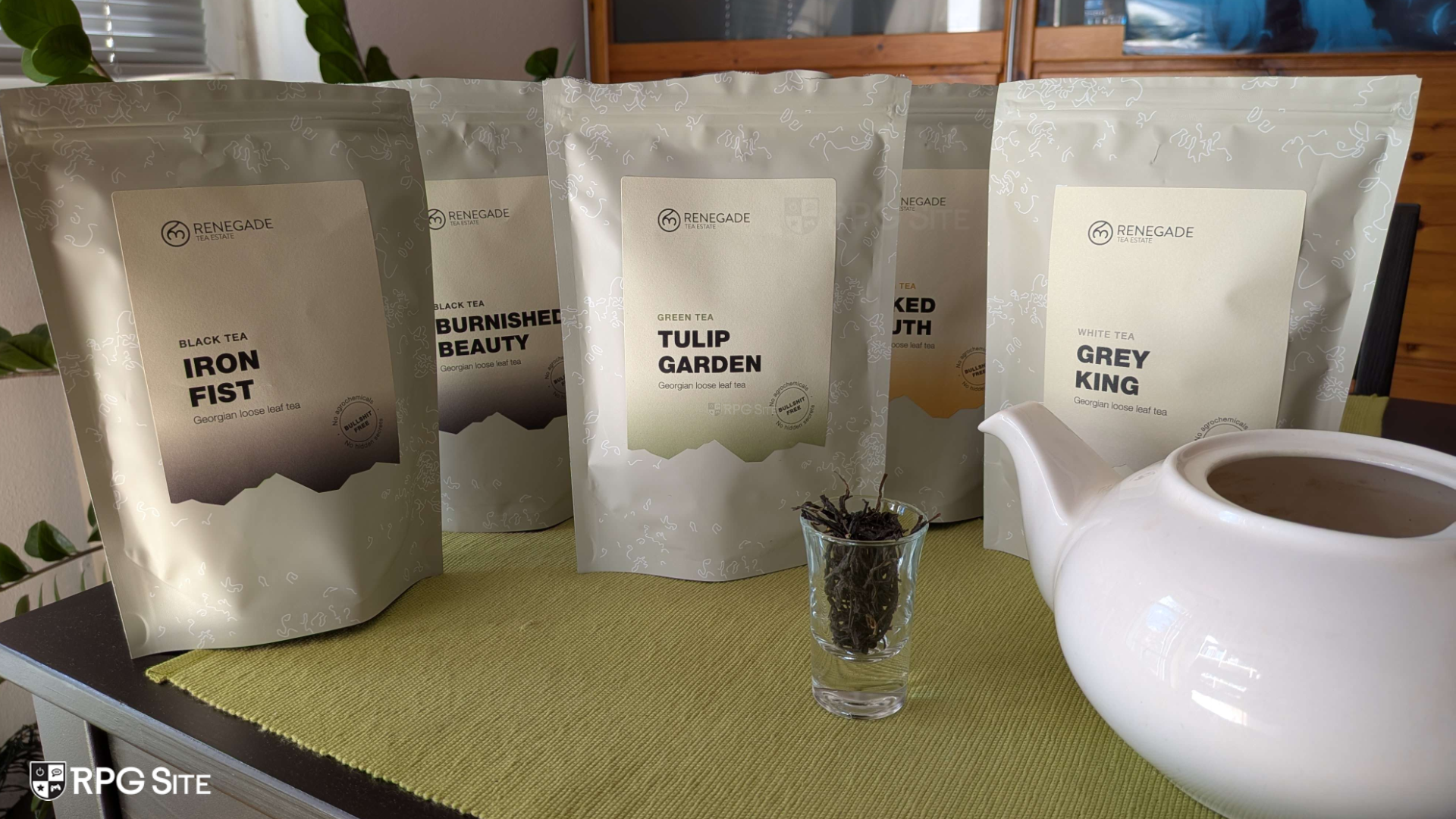
The most exciting thing in the world of teas that happened in the last year is that I discovered that they actually grow tea in Europe at the Renegade Tea Estate. I got their 2025 collection and it features some great, unique teas – although none of them satisfies the craving for e.g. a dark Assam. No, this is not a sponsor. (laughs)