

Zero Parades Interview - ZA/UM writers discuss moving on from Disco Elysium, literary genres, and changes in the creative team
Zero Parades - For Dead Spies finds itself in an uneviable position. Swapping out detective noir stylings for a spy thriller atmosphere, not only does the narrative RPG have to follow in the footsteps of Disco Elysium, which seems well on its way to becoming an all-timer of an RPG, but it also has to do so in the shadow of an ongoing controversy surrounding the potentially unlawful removal of the original creative staff.
In a 2022 message from Robert Kurvitz and Aleksander Rostov — the game director and art director of Disco Elysium — the pair describe their perspective on how the studio that made Disco Elysium has shifted hands, summarily leading to termination of their employment. Despite the hurdles and perception surrounding Zero Parades, along with the current state of studio ZA/UM, the narrative RPG is nearing completion. Zero Parades is set to launch in the court of public opinion later this year for PC, with a demo currently available on the Steam page for anyone to try.
Ahead of that looming release, at GDC 2026, I had a chance to sit down with ZA/UM writers Siim “Kosmos” Sinamäe and Honey Watson as we discussed ZA/UM's sophomore title, changing genre styles, the intersection of role-playing and narrative writing, literary inspirations, and the controversial changes in the creative team.
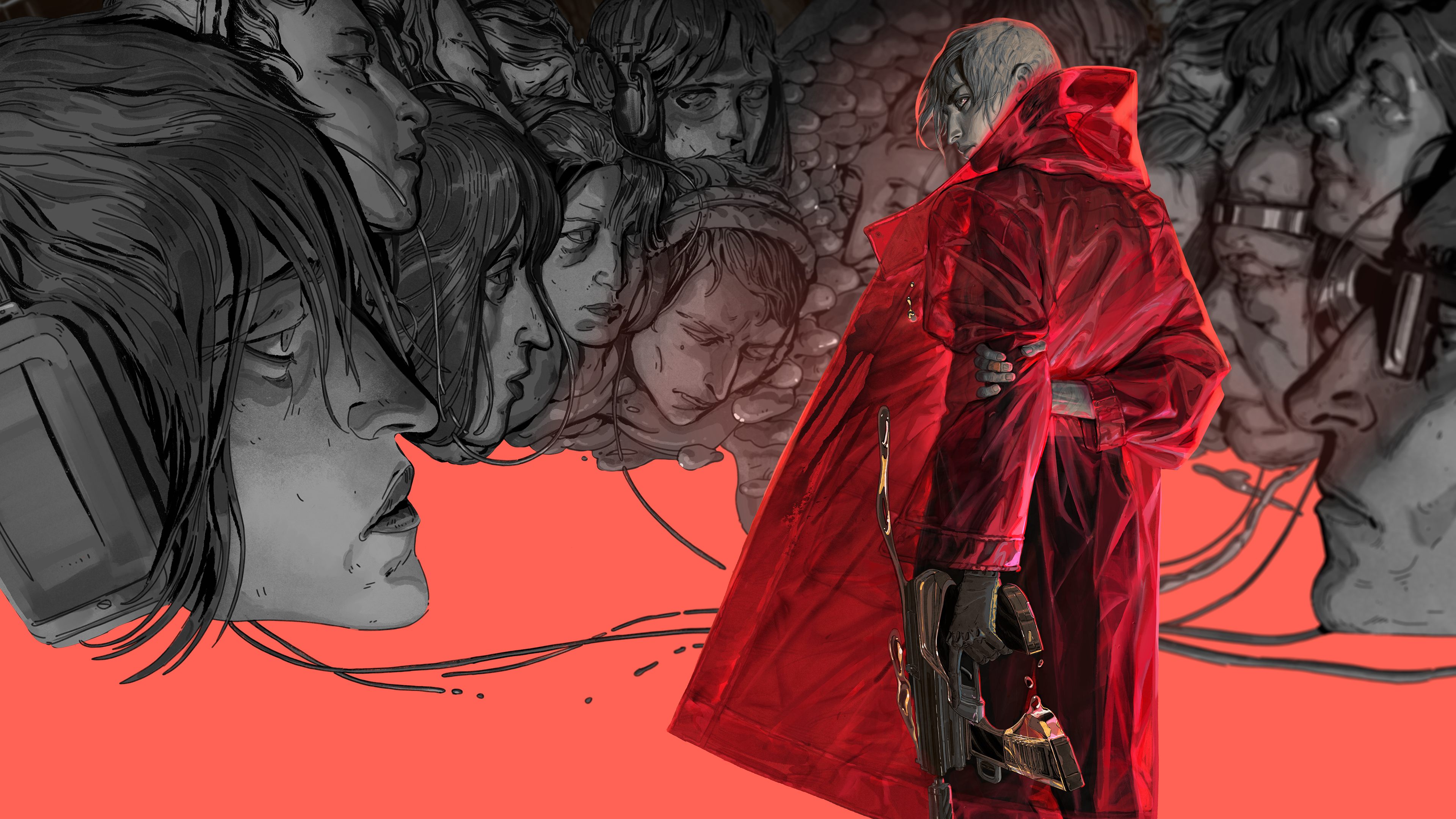
Siim “Kosmos” Sinamäe: I am Siim Sinamäe. On Disco Elysium, I worked in the capacity of a producer. I also wrote some text, some characters like Idiot Doom Spiral and Mega Rich Light-Bending Guy. On Zero Parades, I have worked in the capacity of a lead producer and as a principal writer.
Honey Watson: And I'm Honey, I'm new to ZA/UM. I've been with the company for about 18 months now. And so I've exclusively worked on Zero Parades.
Sinamäe: I would say that we did not really look into the community player feedback specifically. One big thing we got from some places was complaints that 'There's is no combat in Disco Elysium, will the next game have combat?' Then we put out the demo for Zero Parades, and I saw a comment, 'Fuck this game, there's no combat!' I was very happy to see it.
Truthfully, it's that we would rather look at how we approached Disco Elysium and consider what we would do differently today, notwithstanding the direct feedback. If you look at the criticism and feedback when the original game came out in 2019, the world was a very different place then. Taking all the feedback from 2019, years later ... it's maybe not the most efficient way of doing things. We knew what we wanted to do. We want to change the genre. We want to challenge ourselves, foremost as writers — writing it as members of the writing team — alongside the other departments. But in the same way, it's like, let's push ourselves on what we can do.
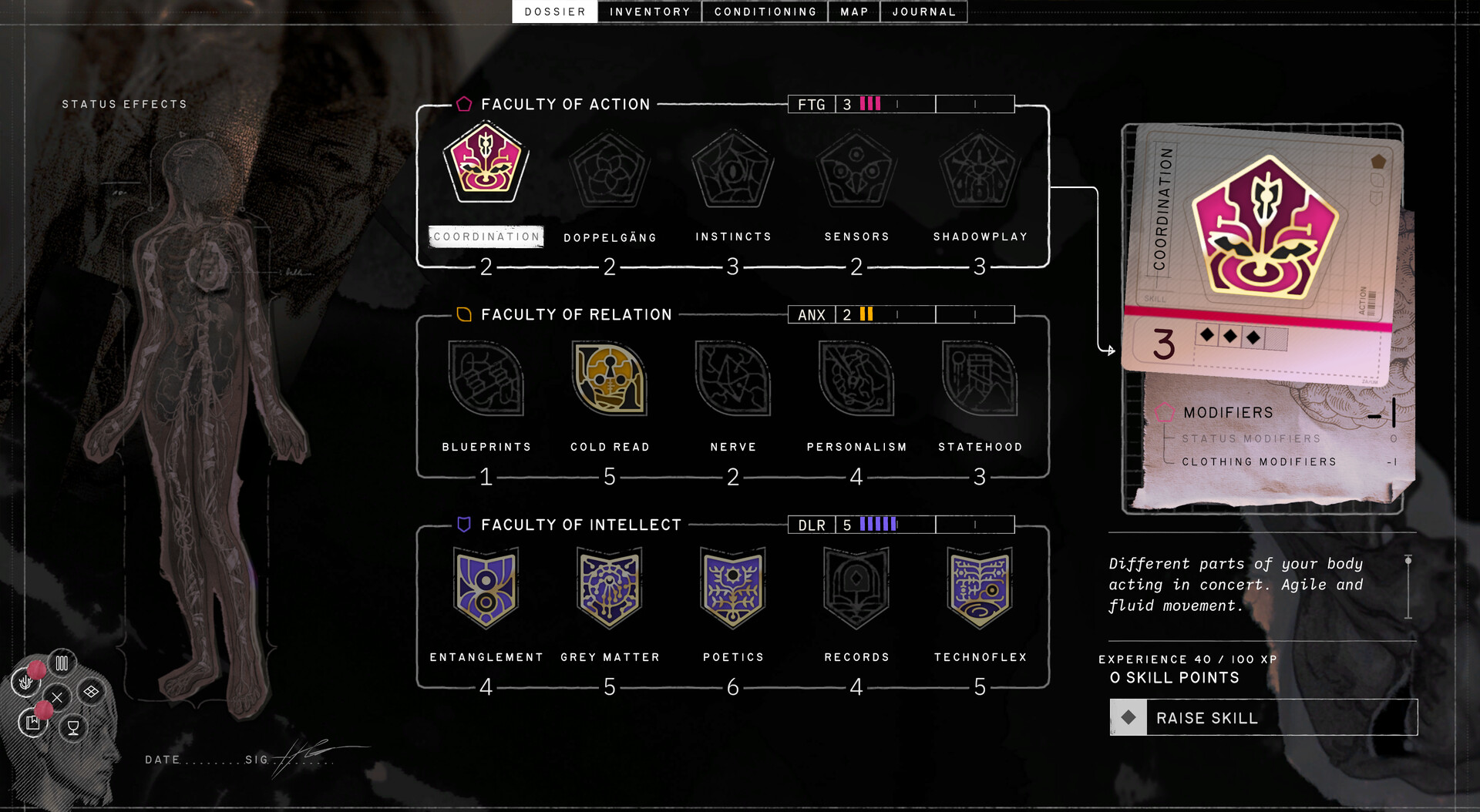
Watson: Well, it's a completely different genre for one. The detective noir genre and the spy genre are well-established and quite different. I think when you look at the face of it, you can get cops and spies confused when you're thinking of, like, James Bond and Jason Bourne and guns and explosions and whatnot. But, really, what spycraft is, is normal people trying to manipulate things in sneaky, sly ways. The moment a spy outs themselves and their true motives, they're doing a bad job. So you are coming at this in a very different way. As Harry in Disco Elysium, you have authority. You can go around demanding things. As Herschel in Zero Parades, as a role player, you have to go undercover. You have to hide your true intentions and your true identity. And so there are a lot more ... how many more skill checks is it?
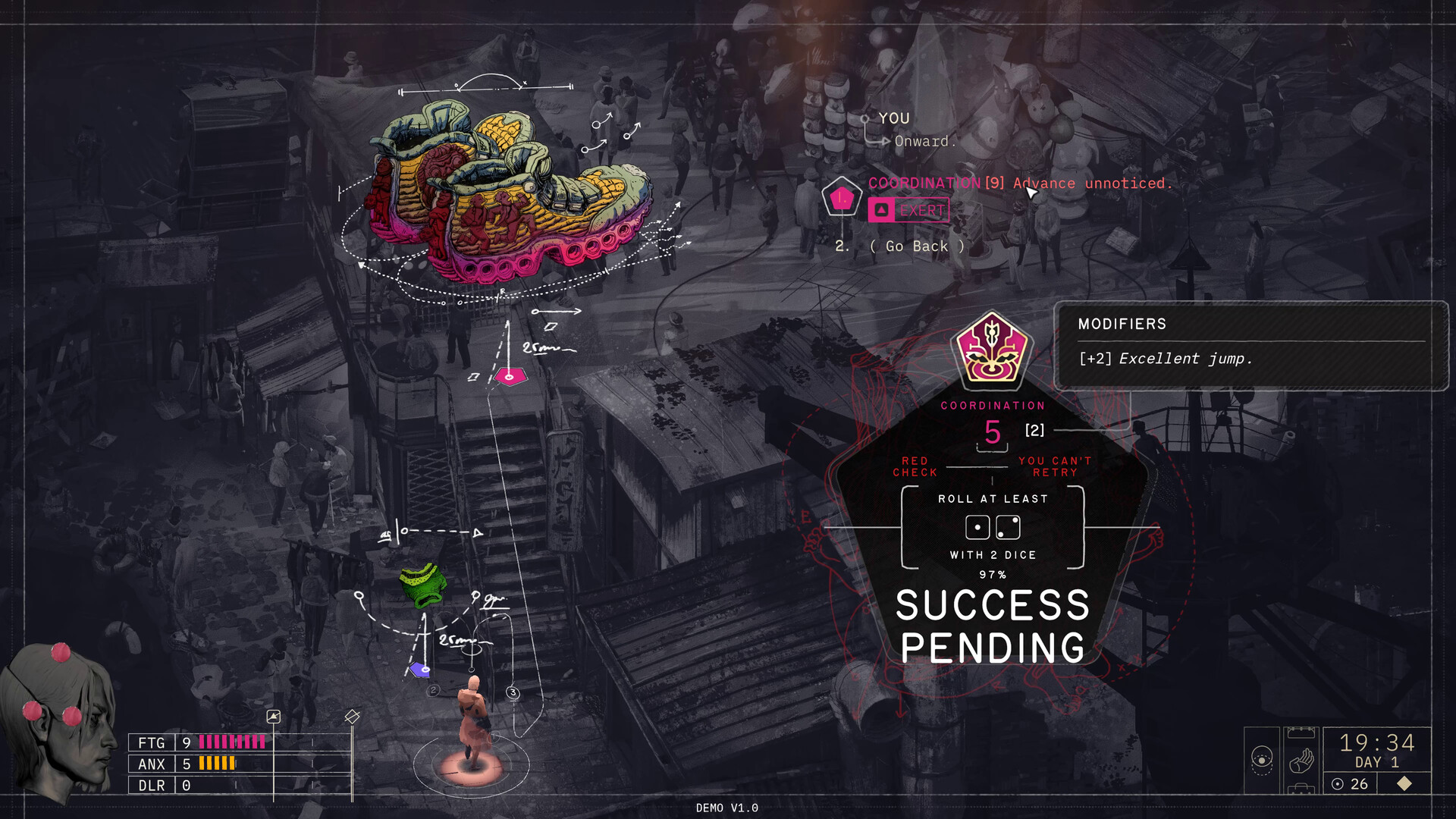
Sinamäe: We have skill checks about every 3,000 words in Zero Parades, whereas in Disco, it was about every 6,000 words. So essentially, because there are more checks, that means your character build matters even more. There are fewer skills in Zero Parades — 15 compared to 24. So your individual skills matter more as well.
I agree with Honey here that when we were like, 'Hey, like, let's make a new game, let's make it in a new genre.' At first, you might think 'What do you mean by new genre? Are we gonna make a shooter and...'. No, no, we're gonna make an RPG, but we're gonna do it in an espionage setting because espionage fiction is so different, but potentially more action-oriented. It can mean much drier stakes, but usually higher stakes. Everything is a lot more murky ... it is even murkier than a dead body without a head, even if espionage may contain such instances as well. There may be no right or wrong. There are definitely interests at play, competing interests, vying for it on an international stage.
Watson: There are also more role-playing opportunities because, as I was saying, as a spy, you have to think more about. You don't have a badge that you can walk up and show to people and demand information. You have to think more about how you're going to tactically approach people to get information, how you're going to get what you want, and maybe how you're going to get to certain places. So the role-playing is a technique as much as your character.
Watson: Yeah, hugely.
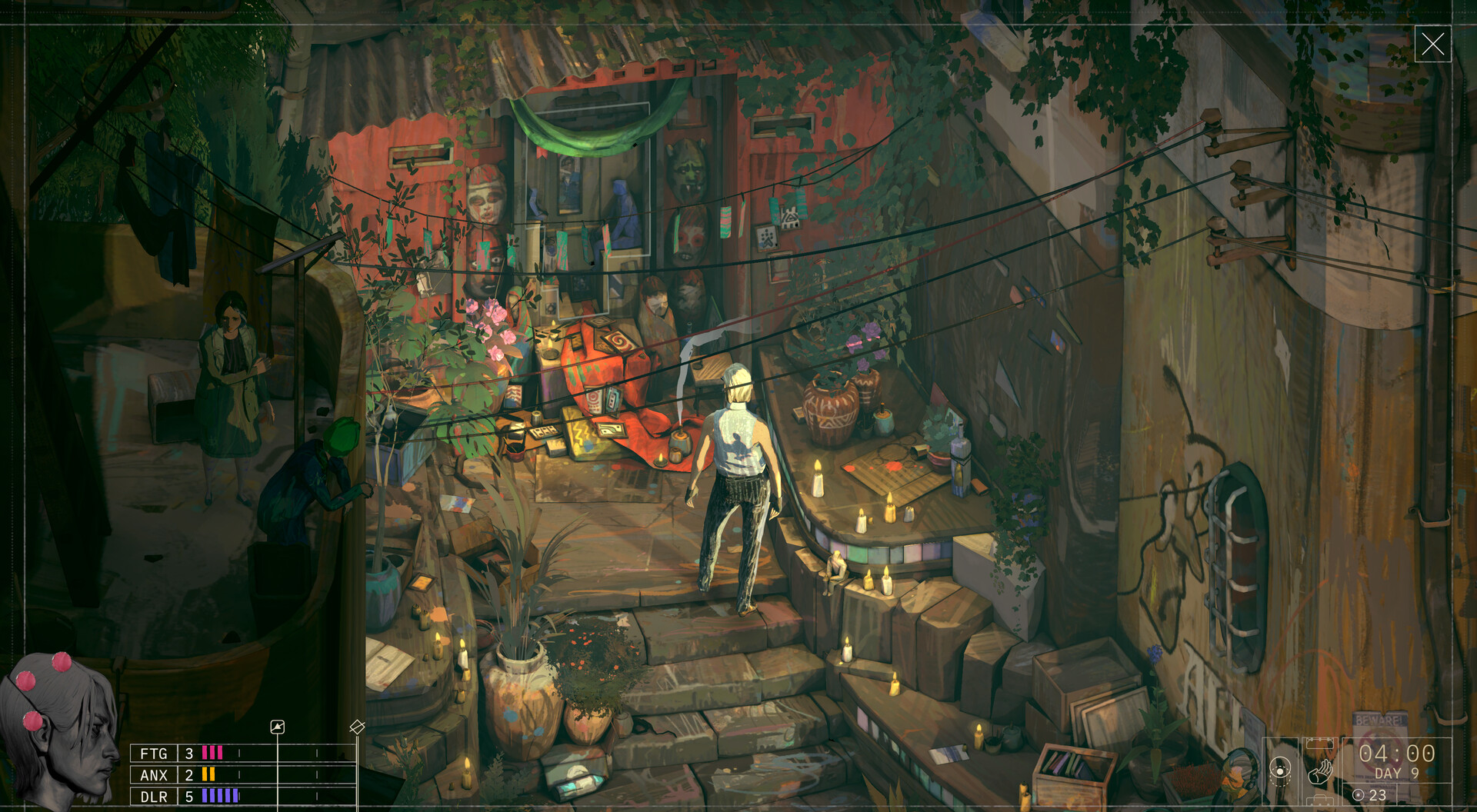
Sinamäe: That's a good point to make. I would say it branches more than in Disco, definitely considering the scope of it. Let's say there's a secret holding facility into which you need to gain access, and the ways you can do this are very different. Depending on your player type, depending on what you're good at, what you're bad at, and what you like to do, how do you want to approach it? Who do you speak to, and what information do you get? You can try for a very sneaky approach, or you can do an approach that makes you very vulnerable as you lay your heart on the table in some ways.
Watson: And depending on which one of these options you choose, it's going to affect not only how you access that facility at that time, but also the information that you obtain. It's going to affect your later gameplay, basically. I think there are lots of radically different ways to experience this game.
RPG Site: So, from what you are telling me, can the overall ending to the game change?
Sinamäe: There is variation, but we cannot really spoil it. Depending on what you did during your playthrough, there may be some fuller context you did not get to see. But at the same time, these variations are not like 'the earth is destroyed' or 'everyone lives happily ever after'.
Watson: With great difficulty and pleasure. That's the most fun for me. Kosmos is also a poet, and I'm a novelist. So we come from, you know, more "traditional" modes of writing or narrative storytelling. However, we're really drawn to games. I've seen people describe games like Disco Elysium as sort of a novel with dice rolls in it. I feel really strongly that what we are doing as the narrative team is taking the game format seriously as its own new mode of storytelling and of narrative art. What can we do with the game that you cannot do with any other mode of storytelling? That's where really the excitement is for us. So tracking all those different branching things that the player can do, that's the most thrilling thing. And the game remembering something that you did 30 hours ago and it coming back to get you later is just the most satisfying thing for me as a writer and hopefully as a player.
Sinamäe: For us as developers, even if there are a lot, there are actually only a finite number of possibilities, right? But for the player, it feels infinite as they step into it and meet the characters in the world. This is the great feeling we want to impart, right? At the same time, there is a lot more reactivity than you might expect. We don't account for every single click that a player makes, but we account for the clicks that matter and what the player really feels.
Watson: The game isn't just tracking simple binary choices like the character is, you know, you tell a character you like apples rather than bananas, and they're going to remember that. There are certain choices that you make that are going to raise your character's anxiety, or they're going to raise your delirium. If you say things that contradict each other or contradict certain aspects of your role-playing conditioning, the game is going to, you know, remember that, notice it, and punish you for the dissonance for things that you have committed to earlier.
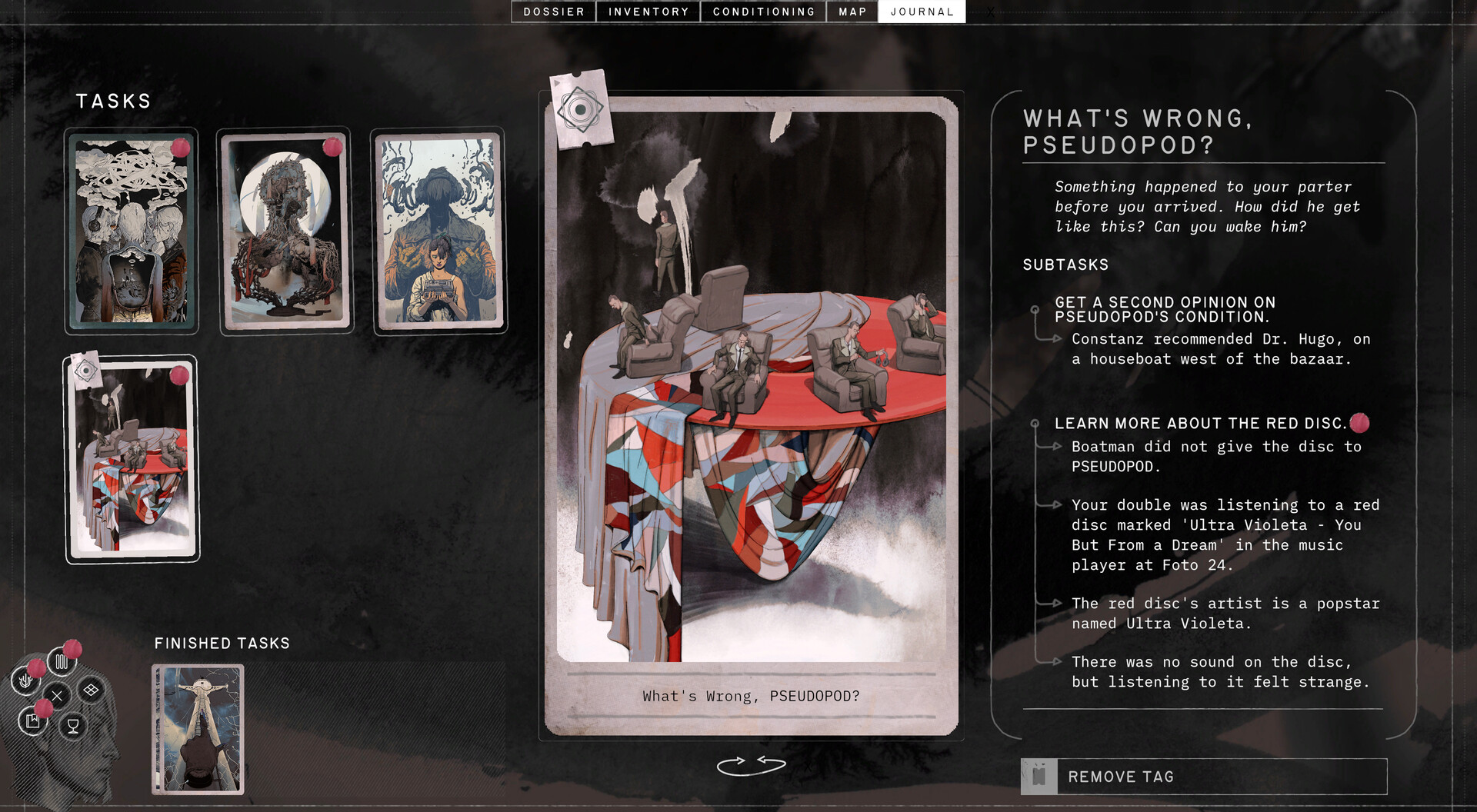
Watson: That's part of the joy of the narrative capacities of the game. When writing an interaction with a company computer, for example, a player who has put a lot of skills into Technoflex is going to be greatly rewarded by additional content with like high-level Technoflex passives. They're going to have more of an interaction in this particular scenario. Another player who has put a lot of skill points into Instincts, for example, is going to have a very different experience navigating a computer, because Instincts is, like, intrusive thoughts in their head telling them to punch it or something like that.
Sinamäe: Then the question of balancing as well is ... it's a lot of iteration. We do use an Excel sheet at some point to see how it all matches up. We also feel that when constructing the story, if I am this sneaky type who wants to break into things, I'm noticing that I probably put points into certain skills to be able to do that. So we have measured that. In Disco, we had 24 skills. While I wouldn't say that we have a completely symmetrical representation in Zero Parades, there still is something for each type of player and, let's say, the player archetypes that we expect to encounter. We have gone through the work of estimating what the player fantasy spies might have. What would the player expect to do? And then just put them in the places where you feel it sees fit. But of course, we don't always simply adhere to the player. In the end, it is very much an iterative process. Put a number in; we may change some of the resultant texts. It's very difficult to explain, but it requires diligent work, and it takes a lot of time.
Watson: It's a really fun authorial challenge, though, because with every single dialogue, there is no correct way to approach it. There isn't simply a static manuscript that sits at the middle of this that the player can mess with. There are multiple legitimate ways to do everything. It's not like a right way and a wrong way that the writer has in their head. This is a conversation between the player and the game. And you can deviate from it if you like.
Sinamäe: I am very much into classic RPGs ... but ... I'm from Estonia. We didn't really have gaming consoles when I was growing up. You got, like, fake Nintendos coming in and stuff. So I've played a lot of RPGs on emulators. I've played all of the classic Final Fantasy games, Chrono Trigger, you know, the first few Pokémon games. I really lived and breathed those types of games. I'm also a fan of Diablo and action RPGs, back in the day. I like the first one the most. I was very lucky that my father saw in the '90s in Estonia that a computer was something we needed for the future, you know? And we got one when I was four, which was quite unheard over there. As for now, I'm busy working on Zero Parades, but I think the last big RPG I played was Final Fantasy VII Rebirth. I enjoyed the original one on the original PlayStation. I enjoy the remake with its style of retconning the original story, all of that.
Watson: I'm really interested in games as a mode of narrative art, as I was saying earlier. One that I've been constantly most obsessed with is actually Elden Ring because I'm really interested in how the narrative format of a video game can be used to tell stories in ways unique to the format. So Elden Ring is .... that's not to say Elden Ring is similar to Zero Parades, but..
RPG Site: I'm writing that down.
Watson: No! [laughs] Just in the sense that you can only tell this type of story in the format of a game. It's doing stuff that you can uniquely use the format for. You could say we're basically going in opposite ways to treat a game as a narrative art form. With Elden Ring, it's all environmental exploration and player-driven. How much of or how little of the story can you get into? I just love seeing what you can do and only do with games and the different ways you can approach them.
Watson: There's like big-time Pynchon as a huge influence. We're constantly referencing Pynchon, le Carré, Le Guin, lots of science fiction writers.
Sinamäe: Philip K. Dick. There is a type of vibe that goes into the game that is hard to like, kind of describe..
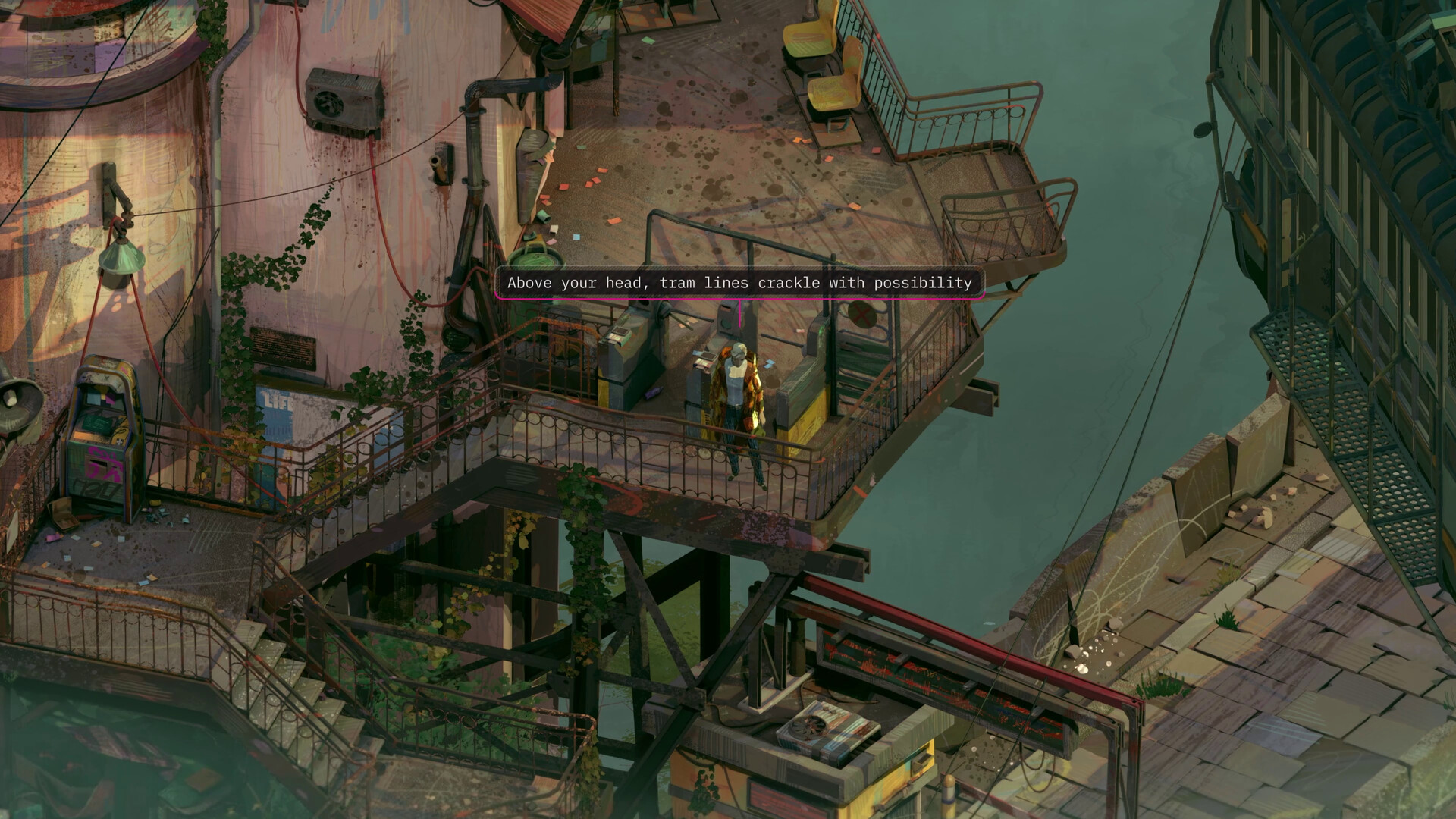
Watson: It's very nostalgic in a way. A lot of stuff in the game is inspired by '90s technology. There are a few interactions in the game where it's capturing the feeling of, like, memorizing cheat codes and things like that. Like, operating the locks, for example. You have to work out how to manipulate all the levers and cogs in this machine that you don't understand at all, just by pulling them in order and seeing what goes right and what goes wrong.
RPG Site: I could even tell from the art direction, like a lot of the notes are like handwritten notes and scribbles and things like that.
Sinamäe: The best spies are like mid-level bureaucrats, paper pushers.
Watson: James Bond really is the worst spy in the world. Like you see him going miles away, everything's on fire.
Watson: I think the game can speak for itself. Just ... play it.
Sinamäe: Honestly, if you don't like it, you don't like it. We are not making Disco Elysium. We are making Zero Parades. It's a different game in a different universe, in a different literary genre. With an expanded team, many people who worked on the original Disco Elysium, including me, are still on the team.
Watson: We're less interested in arguing that we are able to make a good game than in actually making one.
Sinamäe: Exactly, that's well put. As writers, we would like to have our art and craft speak for itself. We could also get into so-called, let's say, mud-flinging competitions. But we are not simply interested in that.
[Editor's Note: ZA/UM public relations noted here that, for ongoing legal reasons, certain subject matter surrounding the topic could not be commented on.]
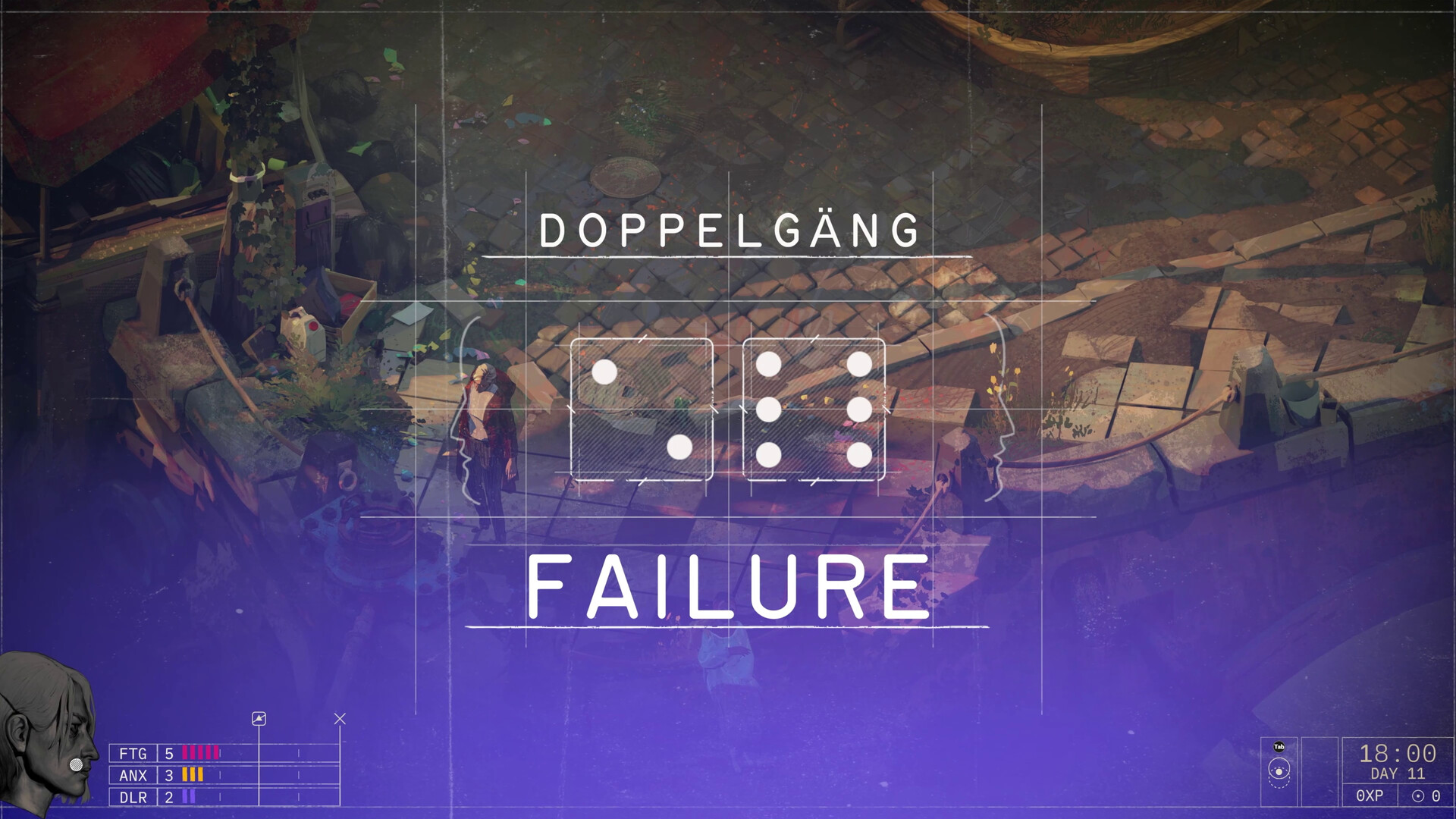
Sinamäe: We have this feature called Dramatic Encounters. So the currently available demo ends with a Dramatic Encounter, which is like an evolution of the dice-based gameplay. Of course, we still don't have combat per se, but we still have 'story combat'. There are many, let's say, set pieces in the game in which your dice rolls determine 'Will you make it?' or 'Will you not make it?' This is something that we really wanted to add.
Watson: Basically just those high-stakes moments where the tension is really heightened and time stops for a moment.
RPG Site: Can these Dramatic Encounters be like failed outright?
Sinamäe: Yeah, but the game doesn't necessarily stop.
Watson: We're very pro-failure as a studio.
Sinamäe: It's much bigger. I would say the belief time for a run of Zero Parades will be around 30 to 50 hours.
RPG Site: Thank you for your time.
Zero Parades: For Dead Spies is set to release in 2026 for PC (Steam).