

"We're very proud of how the game has come along" - We speak with Obsidian Entertainment about Grounded 2's first year
Obsidian Entertainment had a busy 2025, releasing two big console role-playing games in Avowed and The Outer Worlds 2. Although a bit outside of the traditional RPG scope that we've come to expect from the studio, Obsidian also launched Grounded 2 for Steam and Xbox in Early Access about one year ago.
Coming shortly after the game's one-year anniversary is a new update and a new platform, as Obsidian announced that Grounded 2 will launch for PlayStation 5 on August 11, still in Early Access.
At Summer Game Fest Play Days 2026, I had a chance to sit down with Senior Producer Miles Winzeler, where we discussed the game's first year in Early Access, working with Eidos Montreal, the recent Beat the Heat and upcoming Into the Deep updates, the PlayStation 5 version, Roach Milkshakes, and more.
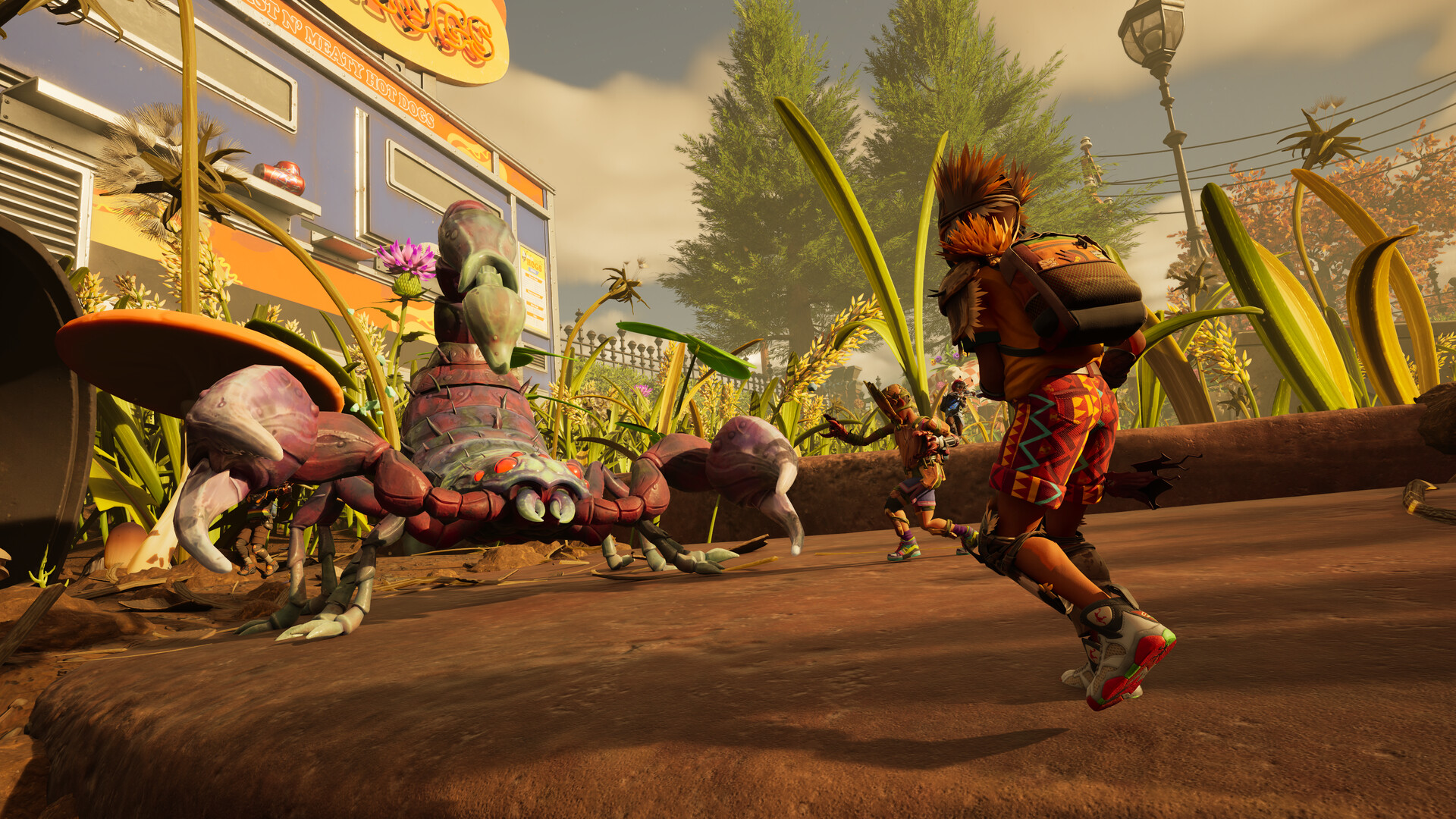
Miles Winzeler: My name is Miles Winzeler. I'm the senior producer at Obsidian on Grounded 2. I've been at the studio for a little over two years, starting on the first Grounded, around its last 'Fully Yoked' update, and then moving over to Grounded 2 full-time.
RPG Site: What did you work on before you were at Obsidian?
Miles Winzeler: I've been in production and design roles across the board on different things. I worked at Activision for some time. One of my favorite projects ever gone there was Sekiro. After that, I also spent some time in the sports RPG space working on NBA 2K as a designer on their single-player campaign mode that actually has a lot of RPG elements in it.
RPG Site: Hah, we've actually had discussions, somewhat jokingly but somewhat seriously, "Does anyone want to review NBA 2K on RPG Site?" because those career modes are actually similar to role-playing games in a few ways.
Miles Winzeler: That's a really good question because I guess I haven't really thought of it in those terms. I think it's a mix of ... I'm glad with the progress we've been making, what we've been pushing towards, and what we want the game to be. However, we've had a lot of good opportunities slow down to be like, all right, let's take a moment, really get this feature right, because maybe it came out and we got some feedback on it, maybe it wasn't connecting the way we wanted to. On the flip side, we also have positive examples where we put a feature in, like, let's just throw this in and see how it goes, and then it becomes a fan favorite or otherwise gets a lot of nice attention we weren't initially expecting. For example, we had these unique weapons that you can find throughout the park that are from this mysterious character, and then we'd see people on Reddit and Discord and everywhere just talk about the unique weapons and really get invested in how it plays into their builds. It was great to take a little starting line, a small piece of it, and then turn it into a bigger feature that is threaded into the full park as the game is moving forward.
RPG Site: So that was initially more like, let's just try it and see what happens, and then it grew from there?
Miles Winzeler: Exactly. It was originally like, 'Oh here's this optional space we have here, and there should be some sort of reward at the end of it.' We wondered, 'what if it's this weapon from this character we don't know a lot about?' And then it spun out from there.
To answer the initial question of where we think we'd be, we're very proud of how the game has come along, and it's getting really nice attention from our community. We hope they're excited about summer coming soon. There's also so much stuff that we never had planned in the initial internal roadmap, because we're getting feedback from the community. We're getting those suggestions that come in, and that's the fun part, really.
Miles Winzeler: Yeah, I think the unique weapons I mentioned is a fun one, but a more chaotic one that I can give you is uh ...... well ... cockroaches produce milk, and there was a loot item in the game called Roach Milk. The fans, the community were like, 'we need to know more about Roach Milk. How does this play into the game ... is this a key item?' It got to the point where our economy designer, one of our lead designers over at Eidos Montreal was like, all right, we have to give people what they want, and they want a Roach Milk Milkshake, and so Roach Shakes are now in the game, and that's a terrifying example of the power of unity.
RPG Site: So it's like a consumable item now?
Miles Winzeler: Yes, it's a consumable item, but it also had to have interesting effects. It has to meaningfully fit into the systems of the game, and those are some of the funniest professional conversations you can have. It's like, all right, how is Roach Milk gonna help in gameplay?
RPG Site: Gotta balance the Roach Milk.
Miles Winzeler: Yeah (laughs).
Miles Winzeler: It's a super unique kind of setup that we have in terms of the way that the teams are split up. What's been awesome about working on Eidos Montreal is all the new perspectives they bring to the project. We have the more institutional knowledge of working on Grounded at its heart within Obsidian, and then we have a great new fountain of inspiration and ideas from Eidos. Many of them were fans and players of Grounded who were a part of those community discussions themselves before actually becoming developers on Grounded, literally. The original Grounded was made by a team at Obsidian that cut their teeth on RPGs, with their history being all RPGs. Grounded was deliberately a step towards survival and something of a challenge to do something different; to make a game in this new genre space that the team loved playing and learning how to flex those skills from genre to genre. I think Grounded, at its core, is built on developers who want to go outside of their comfort zone, work on something new, and see how it goes. Eidos, I think, brings a whole new layer of that from their own experience, which are projects that are alike but different from Obsidian. This wealth of new perspectives, and also a love and respect for Grounded, has been really solid.
RPG Site: How did that partnership start? Before it happened, I would have never put Obsidian and Eidos together.
Miles Winzeler: They've had a lot of shared DNA to Obsidian, but they've had some pretty big differences in the types of games they've worked on. Those differences have been what have made Grounded 2 a lot of fun to work on. The Eidos story begins right around when I was working on the original Grounded, where we were looking at what would become the final updates to the game, looking for support to keep that game going or explore new concepts. Ultimately, what happened was that Eidos was in those support conversations, but then we were like, 'Y'know what would be even cooler than more updates? Grounded 2. A full sequel.' I think those elements came together, along with some conversations that were already happening internally at Obsidian, and that genuine enthusiasm and want to be a part of a project like this that wasn't even fully conceived yet; that was the genesis of that partnership.
On the Obsidian side, the original team is always very involved, and we have a good combination of kind of leadership on both sides. Just a good constant dialogue back and forth. We do remote calls to Montreal all the time, and it feels like we're one giant team.
Miles Winzeler: There are lots of other elements that are in play there. At the end of Grounded's release schedule, when we added PS4 and PS5 versions, we did put cross-play in there, so that you could play your Shared Worlds with anyone who had Grounded. So are the types of considerations that go into Grounded 2 on PlayStation 5, as well. How do we make sure we keep the community as close together as possible? How do we make sure that those experiences are mirrored on different platforms, and how do we embrace this new group of players that haven't had a chance to play yet? For everyone who's on PlayStation, this will be their first time playing Grounded 2, in addition to all the new content launching alongside the PS5 version. On our end, there's a pretty serious pass on what's already there, making sure that, to fresh eyes, everything we've built so far in the last year is still appealing and exciting to a new audience. We know we have all these new eyes on the game for the first time, and we want to make sure we do right by them as well, give them a great first impression.
Miles Winzeler: We were looking at the park, considering a watery area again. The original Grounded had its pond with its own vibe and reputation. As with anything, when we're adding something similar that was in Grounded, we want to find a way to add an extra layer to it; add some extra mechanical depth. When we were putting together the area that'll be featured in the Into the Abyss update, it was, 'How can we make underwater exploration and combat a little more interesting or add a little more nuance to it.'
RPG Site: Just to be clear, is there any underwater combat exploration in the game presently, or is that all part of this update?
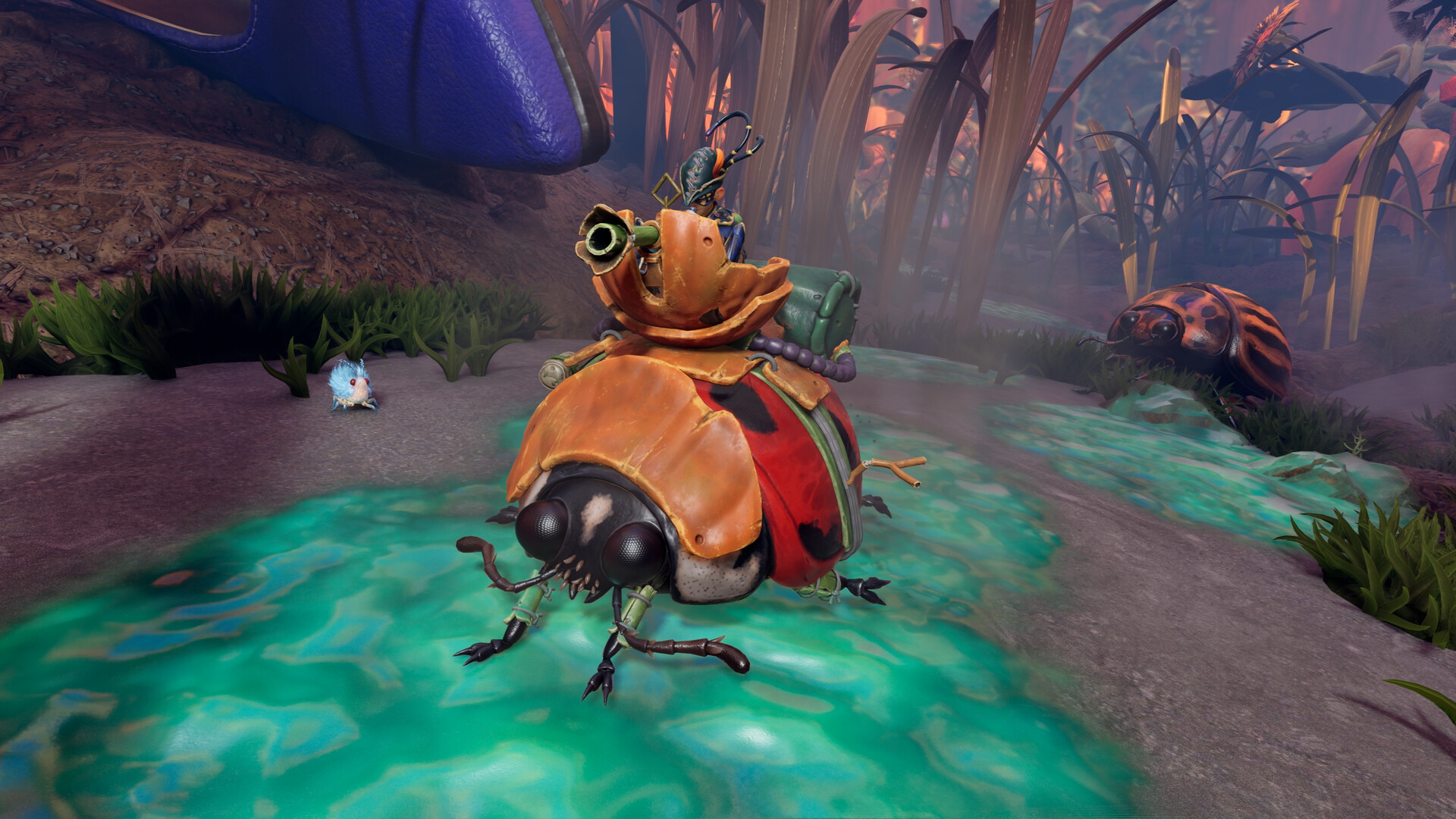
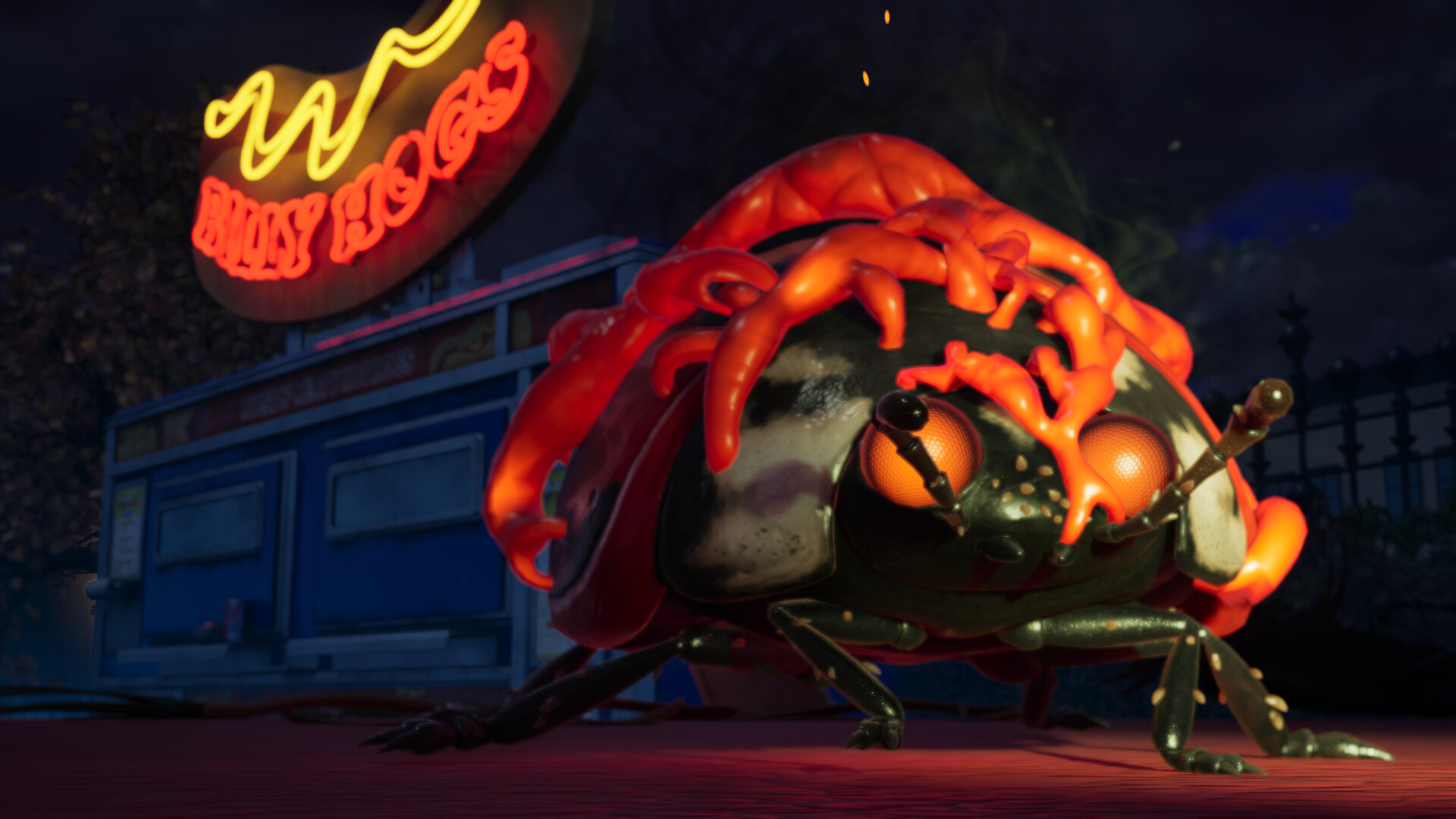
Miles Winzeler: There are some underwater areas you can go to. Our most recent update, Beat the Heat, there's a main anthill that's got some pools you dive through ... a little more traversal-based. In Into the Deep, this will be on a much bigger scale, with many more mechanics focused on being underwater, like the mutations of weaponry in that space. When considering any new bugs and components that way, it's mostly just trying to find new experiences that players haven't had yet. We also want to have a lot of fun with the scale of the game, like the literal world scale of you being tiny. What is intimidating and horrifying at that size, especially being underwater. The new bug you may have seen already. We've also released our roadmap for what will be included in the summer, and I saw a handful of sharp-eyed fans and players saying, 'Oh, there's gonna be a Toe Biter Buggy.' Maybe you know what a toe biter looks like in real life, which I actually don't recommend, because it's pretty gruesome to look at.
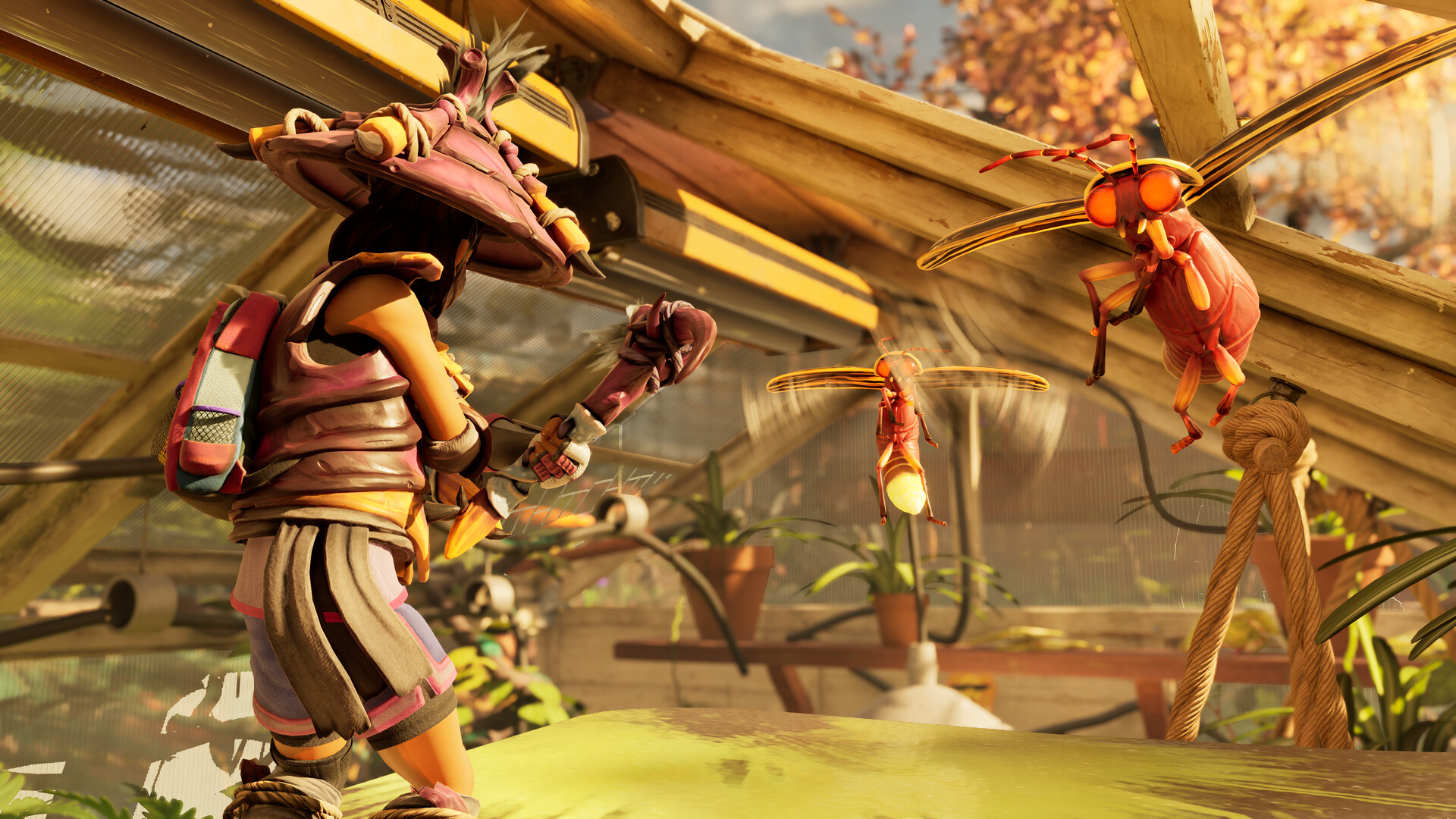
Miles Winzeler: You know, it's funny. It just kind of crawls into your brain .. which I did NOT mean to make a pun there ... but I think it's one of those things where, if you want to approach it from a design standpoint, you go 'All right, if we want this bug that would exist in this habitat, what can we do that will give it character and be interesting for the player?' For example, the Bombardier Beetles in Grounded had these sorts of acidic attacks, also cockroaches famously can live quite a long time without their heads, so we have these sorts of jump scare moments where you, even though you think the cockroach is dead, it gets up, shakes its head off, and comes charging at you. It's like finding this caricature cartoon version of these bugs and finding out how to make them fun for gameplay and combat. I think you learn a lot about bugs in the process of deciding what's plausible, exaggerate a little bit, and it's also really fun. It's a fun way to learn something new.
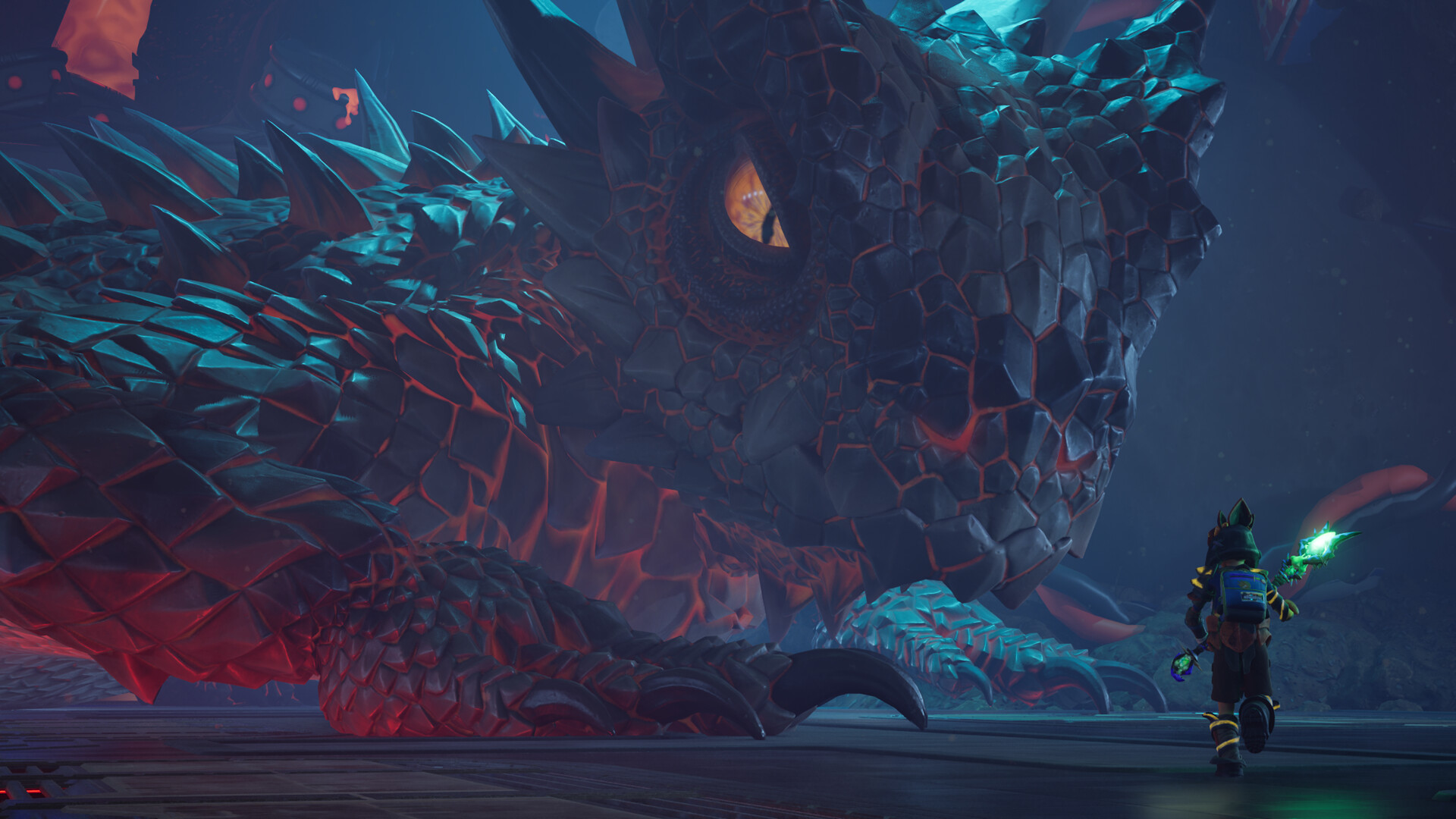
Miles Winzeler: It's interesting to look at it from different disciplines, because everyone has a different challenge to solve there. From conception, the lizard was a very highly sought-after creature from Grounded. It was like, all right, how can we bring this to the community, do right by them? We know we're doing a lizard; we know roughly what size it's going to need to be to sell that idea of fighting a lizard that feels like a dragon at that scale, even if it is actually just a little guy when considered at normal size. Then there's the engineering problem to solve there: this is a really big creature, how do we make sure the camera feels right? How do you make sure that you know its attacks are readable on the animation side ... how do we build out an arena that accommodates that size appropriately without being cumbersome and annoying to navigate for the player? Then it's also ... we have this arena, we have a lizard here. Hey, narrative, how do we justify this? Oh, it maybe could be someone's pet. We also have to make sure this simultaneously looks like a lizard that, at an average human scale, would look tiny, but looks like a ferocious, terrifying dragon to a shrunken player. Once you have that initial concept of 'I want a lizard to be in the game,' then everyone starts planning and scrambling to determine how they can solve that puzzle, and it's a ton of fun to see everyone put it together, and then play-test it to death.
Miles Winzeler: Good question. I think for me, I really enjoy the Early Access component. I have a background in design and play testing a lot, and having the ability to have the game playable and able to get constant feedback from a community that loves the series and thinks with positive intent. That's what you want when you're making anything in games. You wonder, 'Does this work together harmoniously, all the pieces?" You want that critical feedback, and you also want to see those pie-in-the-sky ideas from people, too. For me, having a development set up in place where you're constantly making new changes and small adjustments based on what people are actually doing within the game, how they're responding to it, is a ton of fun. Being able to keep hanging out in this very specific world and mess around with its lore, systems, fictional brands, and stuff like that is just a ton of fun.
Miles Winzeler: Of course, that's a tough balance to strike. I think what helps is like, on Discord, we have a suggestions channel there, and so we're always combing through the ones that are most upvoted. We're also combing through feedback and discussions everywhere else. Oftentimes, it comes down to seeing a suggestion or seeing a piece of critical feedback and understanding the root of the issue. Maybe the feedback is, "I hate this weapon", and we have to consider, 'all right, do you hate this weapon because it was too hard to get, or do you hate this weapon because you don't like how it looks, you don't like the mechanics tied to it?' We try to find the root of the issue, like, where's the pain coming from, or where there is an opportunity. I think what it comes down to is it's not always taking feedback in a really direct, literal way of, like, hearing 'you should add this to the game', so we add to the game. Not like that. It's more like that speaks to a feature that we could flesh out, and then design how this could actually be a part of that.
One of the harder parts, too, when looking at the short-term changes we can make, like, 'I want this status effect to work differently,' or 'I want the damage done in a different way,' ... those are quicker changes we can make in the next patch. But when we hear something like, 'I want my Buggy to progress with me and to be more tailored to my play style,' that's a much bigger system that has several implications on all parts of the game. Those sorts of things are totally something that we take feedback on, but we had to spend some more time in the oven compared to other changes. It took some time to sort out those details in taking that feedback. Ultimately, it's that element of communicating with people, saying that we do hear you, and we do want to do this cool idea. Just the nature of game development means that might something may not be feasible or come a little bit later on.
Miles Winzeler: For the RPG side of it specifically, understanding how survival can feel more like conventional RPGs. I think I Grounded 2 does this in more subtle ways, like we have the mutation system where you can gain permanent skills or buffs, sometimes passive and sometimes active. There's also the archetype system we have in place as well, where you can tailor your play style to be more like analogous to a mage or a rogue, a ranger, or a fighter.
That was one thing, going from Grounded to Grounded 2, one of our goals was to make it more accessible to different play styles. So, if you like ranged combat, or if you're a single player that doesn't want to have to take on the entire world by themselves. It's like, all right, you can, you can get the bow & arrow and make sure it's got the right balance, so it's as viable as any other build. And then if you're a single player that doesn't want to have to do it alone, like the Buggy system is built that way, so you can have this companion that can take the aggro for you, or fight side by side with you. I think for anyone that really bounced off of Grounded, for some of the more harsh survival genre lines, there, I think we've tried to soften those up without removing its spirit in Grounded 2.
RPG Site: Thank you for your time.