

"Making games for work and making games for fun. In a sense, it was heaven" - Yoshio Nishimura on Veritas Tales: Witch of the Dark Castle, Vanillaware, Capcom, and more
This week, Yoshio Nishimura is releasing the gamebook-inpsired RPG Veritas Tales: Witch of the Dark Castle for PC. Ahead of the release, I had a chance to chat with Yoshio Nishimura about his career at Vanillaware, joining Capcom, art, lighting, how he got into the industry, the pandemic, remote work, inspirations, challenges, potential console ports, DLC, coffee, and much more.
RPG Site: For those unaware, tell us a little bit about yourself and what you do.
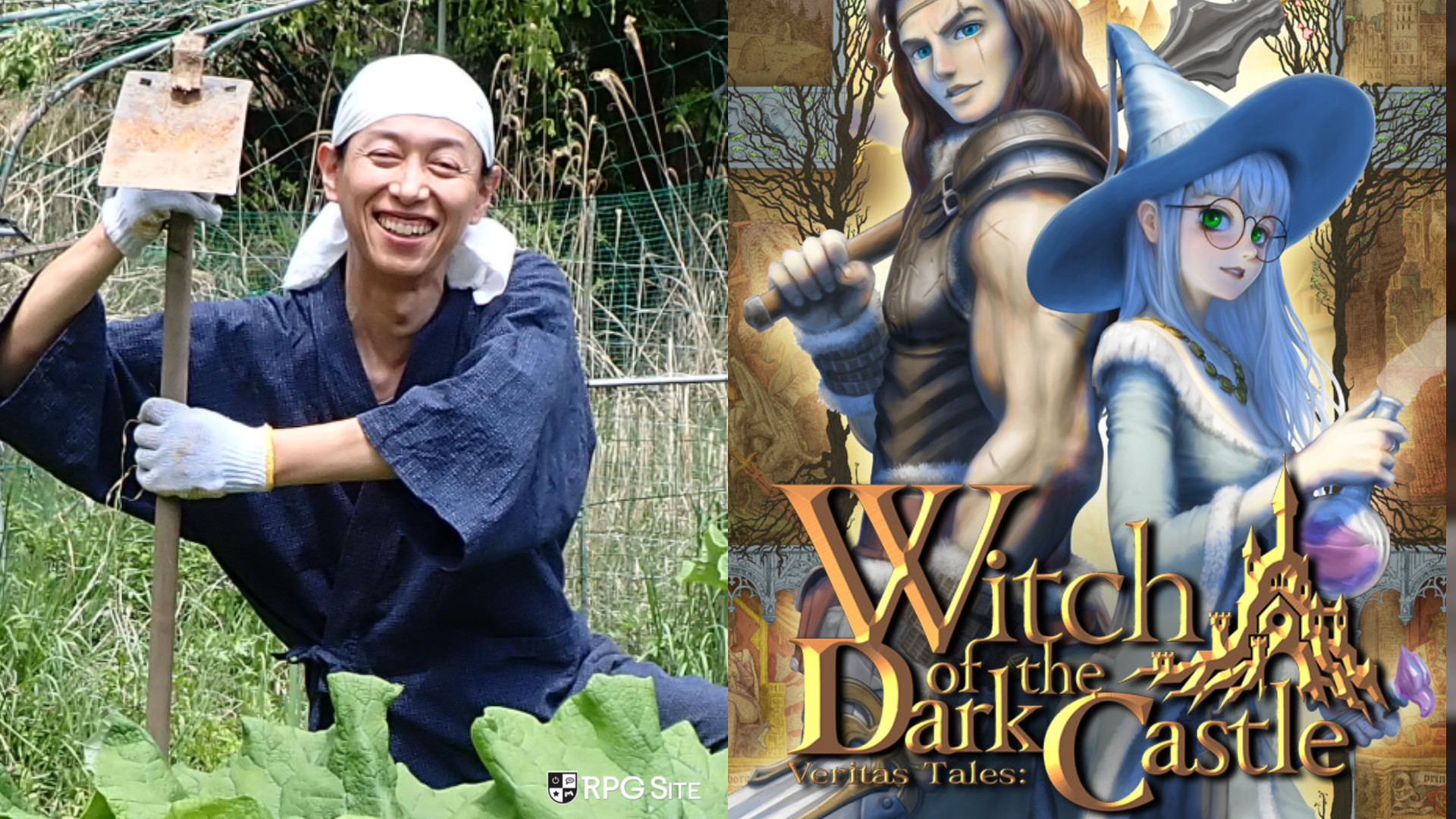
Yoshio Nishimura: My name is Yoshio Nishimura. I live in Soni Village, Nara Prefecture, Japan. This year marks 32 years in game development. I worked as a background graphic artist at Capcom Co., Ltd. and Vanillaware Ltd.
Currently, under the label "Digitalis Publishing," I create digitized gamebooks. For Veritas Tales: Witch of the Dark Castle, releasing now, I handled the direction, planning, scenario, and graphics.
Yoshio Nishimura: My name is Yoshio Nishimura. I live in Soni Village, Nara Prefecture, Japan. This year marks 32 years in game development. I worked as a background graphic artist at Capcom Co., Ltd. and Vanillaware Ltd.
Currently, under the label "Digitalis Publishing," I create digitized gamebooks. For Veritas Tales: Witch of the Dark Castle, releasing now, I handled the direction, planning, scenario, and graphics.
RPG Site: Before getting to Veritas Tales: Witch of the Dark Castle itself, your career has been very interesting, moving from Capcom vs SNK and Monster Hunter to Dragon's Crown and 13 Sentinels. You've worked on many titles people all over the world love. How did you end up joining Capcom all those years ago?
Yoshio Nishimura: My place at Capcom was decided 33 years ago, the year I graduated from art school. Japan was in the middle of what was called the "collapse of the bubble economy," and there were almost no jobs to be found. Even so, Capcom had real momentum and was recruiting a large number of people—it was around the time Vampire (Darkstalkers) was nearing release.
The situation around me was very tough, so when a friend invited me along, I took the entrance exam in a casual "nothing to lose" spirit. That's roughly how it came about. I really do think I was very lucky.
Yoshio Nishimura: My place at Capcom was decided 33 years ago, the year I graduated from art school. Japan was in the middle of what was called the "collapse of the bubble economy," and there were almost no jobs to be found. Even so, Capcom had real momentum and was recruiting a large number of people—it was around the time Vampire (Darkstalkers) was nearing release.
The situation around me was very tough, so when a friend invited me along, I took the entrance exam in a casual "nothing to lose" spirit. That's roughly how it came about. I really do think I was very lucky.
RPG Site: What made you want to join Vanillaware after working at Capcom for many years?
Yoshio Nishimura: The trigger was an inferiority complex about my own art. During the development of Monster Hunter, there was a colleague who was extremely skilled at drawing, and I felt both respect and envy toward him. I wanted to become better myself.
After leaving Capcom, I wanted to spend just half a year doing what I liked, so I did all sorts of things—drawing, studying CG, making games, writing short stories, traveling, and building websites.
After all that, I found that I still wanted a job drawing. Around then, a friend told me that a company called Vanillaware was hiring. When I looked at their recruitment site, it was filled with extremely high-quality artwork—pieces drawn by Mr. Kamitani. I thought, "If I work under this person, maybe I can finally draw art that satisfies me," and so I came to want to join Vanillaware.
Yoshio Nishimura: The trigger was an inferiority complex about my own art. During the development of Monster Hunter, there was a colleague who was extremely skilled at drawing, and I felt both respect and envy toward him. I wanted to become better myself.
After leaving Capcom, I wanted to spend just half a year doing what I liked, so I did all sorts of things—drawing, studying CG, making games, writing short stories, traveling, and building websites.
After all that, I found that I still wanted a job drawing. Around then, a friend told me that a company called Vanillaware was hiring. When I looked at their recruitment site, it was filled with extremely high-quality artwork—pieces drawn by Mr. Kamitani. I thought, "If I work under this person, maybe I can finally draw art that satisfies me," and so I came to want to join Vanillaware.
RPG Site: Vanillaware's gorgeous art draws many people to its games. While the character designs are important, the background art is equally important. What learnings from Capcom did you bring to Vanillaware in the beginning, and to each project you've worked on since?
Yoshio Nishimura: There's so much I could write a whole book about it (laughs). To give one example: at Capcom back then, we would put blue into the shadows, or render art as if a blue light were being cast on it.
It's a technique of adding color information even to the shadow areas—which would normally sink into darkness and lose visual interest—to make them rich and beautiful and to give the artwork a sense of unity.
At Vanillaware, we did an evolved version of this: "casting a fake light onto the shadows." We colored them with light in a complementary relationship to the lit areas.
And because it's a "fake light," accurate three-dimensional accuracy is ignored in favor of drawing in a way that intrigues the viewer. I applied these kinds of artistic techniques to each project.
Yoshio Nishimura: There's so much I could write a whole book about it (laughs). To give one example: at Capcom back then, we would put blue into the shadows, or render art as if a blue light were being cast on it.
It's a technique of adding color information even to the shadow areas—which would normally sink into darkness and lose visual interest—to make them rich and beautiful and to give the artwork a sense of unity.
At Vanillaware, we did an evolved version of this: "casting a fake light onto the shadows." We colored them with light in a complementary relationship to the lit areas.
And because it's a "fake light," accurate three-dimensional accuracy is ignored in favor of drawing in a way that intrigues the viewer. I applied these kinds of artistic techniques to each project.
RPG Site: When the COVID pandemic began, you discovered how good remote work was, right? A lot of companies started wanting more employees to come back as restrictions lifted, you decided to leave Vanillaware. Did you consider applying to any other company at the time, or were you fully committed to finishing your own project?
Yoshio Nishimura: I wasn't considering joining another company. I think I was fully committed to completing my own project—after all, I was the person in this world who most wanted to play Witch of the Dark Castle.
That said, I did strongly feel that "if I don't hurry and finish Witch of the Dark Castle, I'm going to be in financial trouble" (laughs).
Yoshio Nishimura: I wasn't considering joining another company. I think I was fully committed to completing my own project—after all, I was the person in this world who most wanted to play Witch of the Dark Castle.
That said, I did strongly feel that "if I don't hurry and finish Witch of the Dark Castle, I'm going to be in financial trouble" (laughs).
RPG Site: A lot has been said about how you moved to a remote mountain village to finish your passion project for six years, but I believe you also worked on Veritas Tales: Witch of the Dark Castle prior to leaving Vanillaware. Is that right?
Yoshio Nishimura: Yes. Right after producing the Dragon's Crown Pro early-purchase bonus DLC — the digital gamebook "Akuryōtō no Hihō" (Japanese version only) — I immediately began working out the concept. While doing my Vanillaware work, I advanced production on my days off, drawing illustrations and writing the scenario for Witch of the Dark Castle. Days of making games for work and making games for fun. In a sense, it was heaven.
Yoshio Nishimura: Yes. Right after producing the Dragon's Crown Pro early-purchase bonus DLC — the digital gamebook "Akuryōtō no Hihō" (Japanese version only) — I immediately began working out the concept. While doing my Vanillaware work, I advanced production on my days off, drawing illustrations and writing the scenario for Witch of the Dark Castle. Days of making games for work and making games for fun. In a sense, it was heaven.
RPG Site: How was it handling the actual development of the game rather than just background art?
Yoshio Nishimura: It's not as though I had only ever made background art, so it didn't feel like much of a change. Even at Capcom I often had the chance to make UI and effects, and after joining Vanillaware my experience expanded to include enemy character animation and planning support.
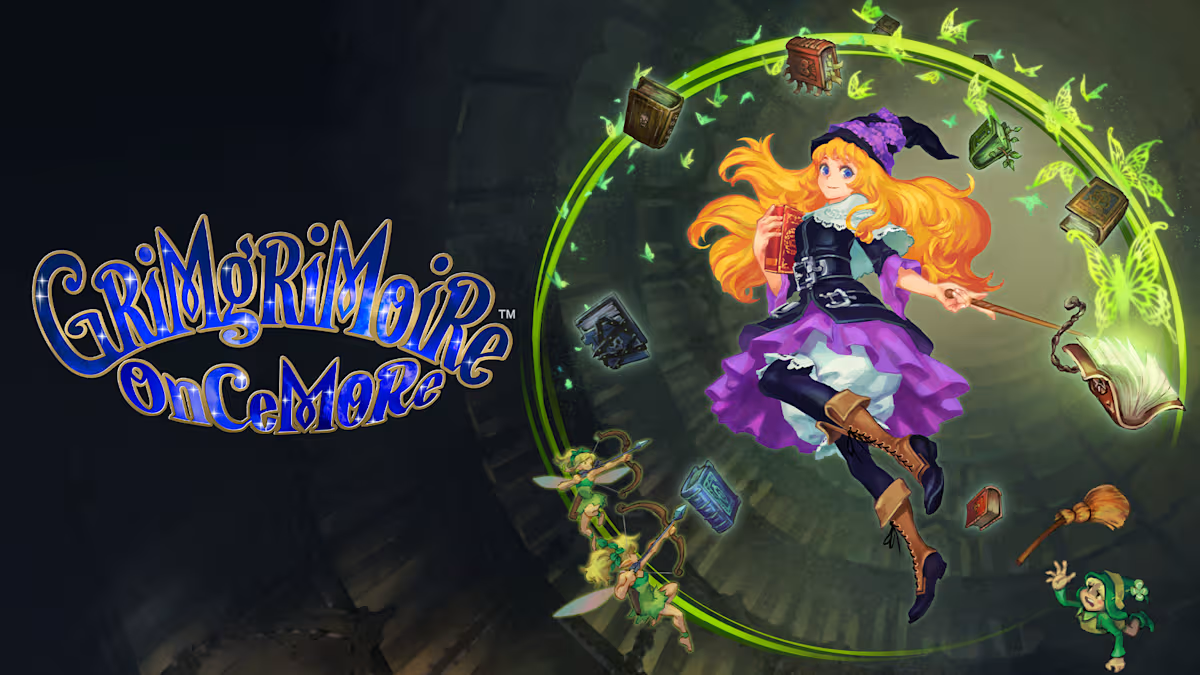
Finally, I was also given the experience of directing (GrimGrimoire OnceMore). I had also tried making a game solo in the past and gave up partway through, so I've learned firsthand just how important it is to keep your motivation up.
Yoshio Nishimura: It's not as though I had only ever made background art, so it didn't feel like much of a change. Even at Capcom I often had the chance to make UI and effects, and after joining Vanillaware my experience expanded to include enemy character animation and planning support.
Finally, I was also given the experience of directing (GrimGrimoire OnceMore). I had also tried making a game solo in the past and gave up partway through, so I've learned firsthand just how important it is to keep your motivation up.
RPG Site: What sort of support did you have from George Kamitani and other Vanillaware staff with Veritas Tales: Witch of the Dark Castle?
Yoshio Nishimura: I'm still receiving tremendous support even now. I won't go into detail here, but I've been given a great deal of love. I'm truly grateful!
Yoshio Nishimura: I'm still receiving tremendous support even now. I won't go into detail here, but I've been given a great deal of love. I'm truly grateful!
RPG Site: On the Steam store page, you mentioned Sorcery! as an influence. I'm curious what other games you played that made you want to develop Veritas Tales: Witch of the Dark Castle? Did you try games like Six Ages or King of Dragon Pass?
Yoshio Nishimura: Sorcery! I cited as an influence the gamebook from 40 years ago. Many things made me want to develop a game, but I loved Wizardry and Might & Magic! I haven't played Six Ages or King of Dragon Pass. If they ever get a Japanese translation, I'd absolutely love to play them! On Steam, I enjoy sandbox titles like Terraria and Core Keeper!
Yoshio Nishimura: Sorcery! I cited as an influence the gamebook from 40 years ago. Many things made me want to develop a game, but I loved Wizardry and Might & Magic! I haven't played Six Ages or King of Dragon Pass. If they ever get a Japanese translation, I'd absolutely love to play them! On Steam, I enjoy sandbox titles like Terraria and Core Keeper!
RPG Site: Before you started full production on the game, how did you decide what genres to blend in while still making it feel like a modern choose your own adventure-style RPG?
Yoshio Nishimura: I decided the core of the game through pure reasoning: it had to be my single favorite genre, something I could produce almost entirely by myself, and a type of game I had experience making. That's how I settled on making a gamebook-style video game with a fantasy theme.
For the modern gamebook-like RPG experience, I decided to prepare two playable characters that you can start from either side, but structured so that the character you play first influences the character you play later.
I also wanted players to experience how their own actions change on a second playthrough. These too were decided by reasoning: starting from "what is hard to achieve in a paper gamebook?", I concluded that "things that produce an enormous number of combinations" are the hardest, and deliberately chose this form.
Yoshio Nishimura: I decided the core of the game through pure reasoning: it had to be my single favorite genre, something I could produce almost entirely by myself, and a type of game I had experience making. That's how I settled on making a gamebook-style video game with a fantasy theme.
For the modern gamebook-like RPG experience, I decided to prepare two playable characters that you can start from either side, but structured so that the character you play first influences the character you play later.
I also wanted players to experience how their own actions change on a second playthrough. These too were decided by reasoning: starting from "what is hard to achieve in a paper gamebook?", I concluded that "things that produce an enormous number of combinations" are the hardest, and deliberately chose this form.
RPG Site: A colleague of mine had a few questions for you. What are some aspects when developing Veritas Tales that you initially thought was going to be easy, but turned out to be difficult? And vice versa, what was an aspect that you believed was going to be difficult, but turned out to be easier than you imagined?
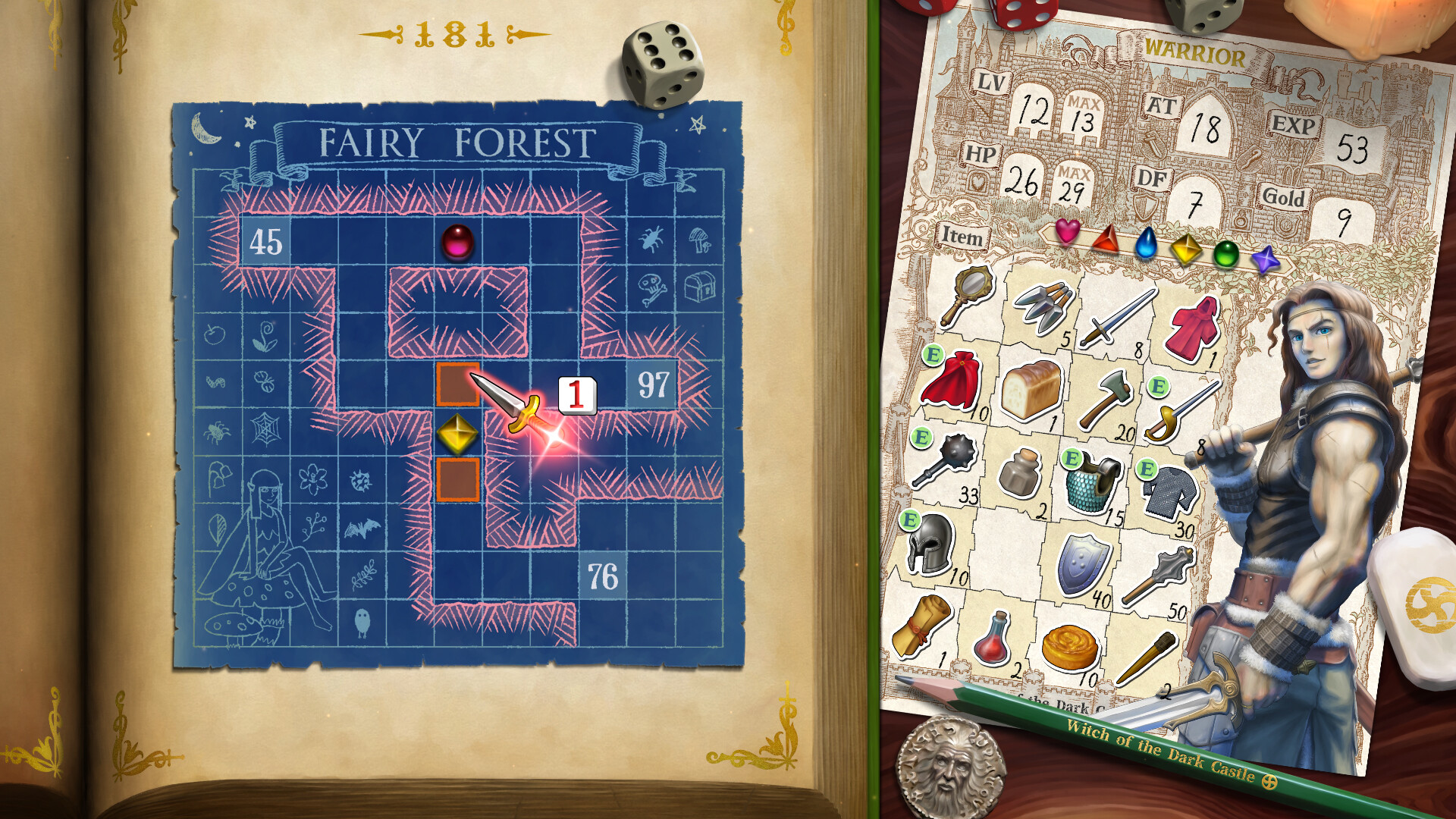
Yoshio Nishimura: What was harder than I imagined was managing the branches.
Since it's digital data, I'd assumed searching and checking would be easy—but I was terrified by the number of bug checks, which grew exponentially with every added branch.
What was easier than expected was the screen layout; what I first pictured became the finished product as-is.
Yoshio Nishimura: What was harder than I imagined was managing the branches.
Since it's digital data, I'd assumed searching and checking would be easy—but I was terrified by the number of bug checks, which grew exponentially with every added branch.
What was easier than expected was the screen layout; what I first pictured became the finished product as-is.
RPG Site: Veritas Tales is strongly inspired by tabletop RPGs in its visual presentation and gameplay mechanics. What are some of your favorite tabletop RPGs to play, and what are some of the creative & technological challenges you faced when crafting a tabletop RPG experience into a video game format?
Yoshio Nishimura: My favorite tabletop RPG is D&D. I was overjoyed to get to work on Dungeons & Dragons: Shadow over Mystara during my Capcom days!
But there were a lot of overnight stays—it was the second-hardest job of my life! I also love The Lord of the Rings and Phantasm Adventure!
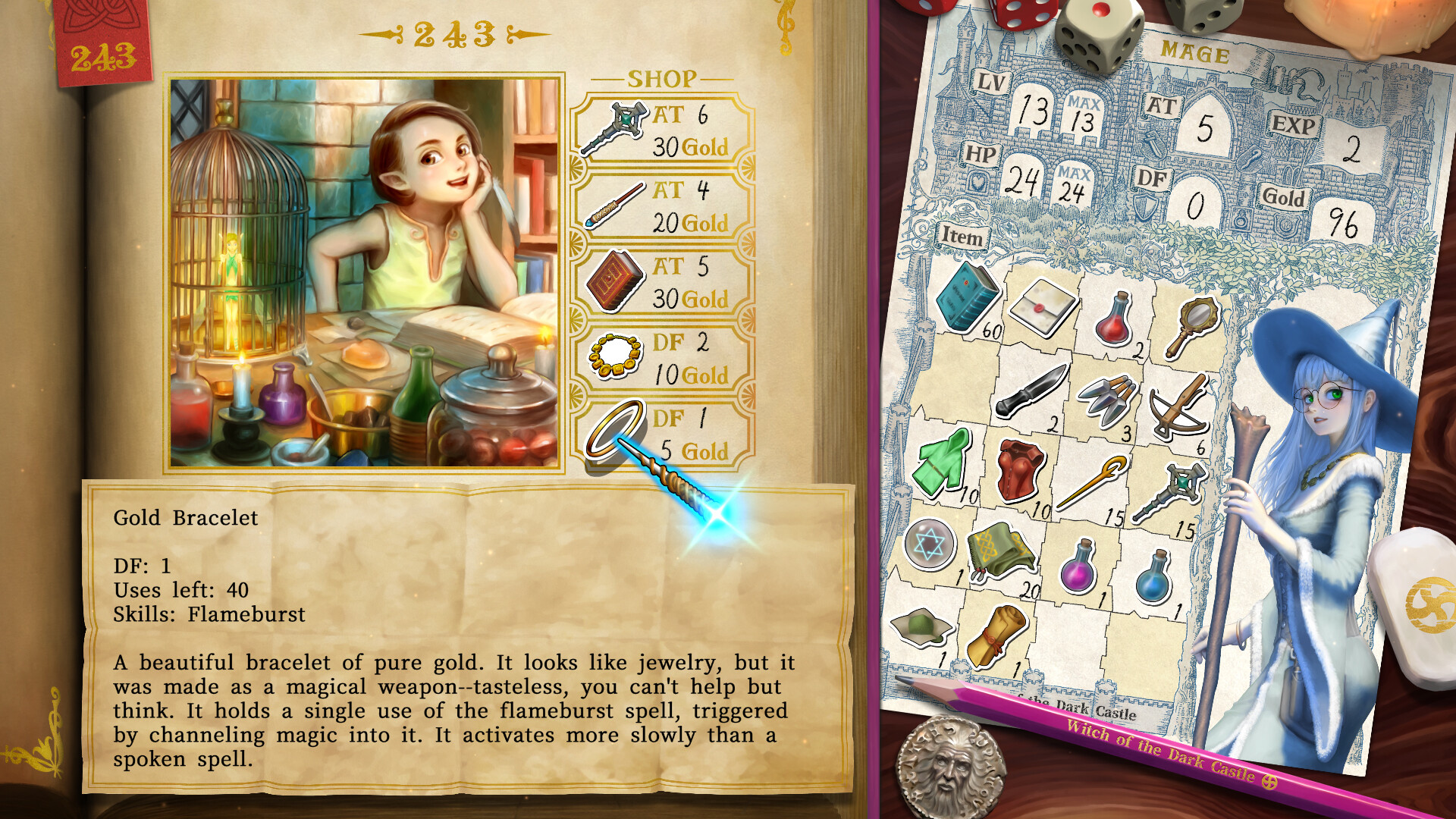
As for the challenge of translating a tabletop RPG experience into a video game, it was "how to express the game master." I believe Wizardry, Might & Magic, and Ultima expressed the game master as the laws of the world itself.
That approach is more immersive and lets you truly enjoy the world. But what I wanted to express was something not fully immersed in the fantasy world, but more on the realistic side.
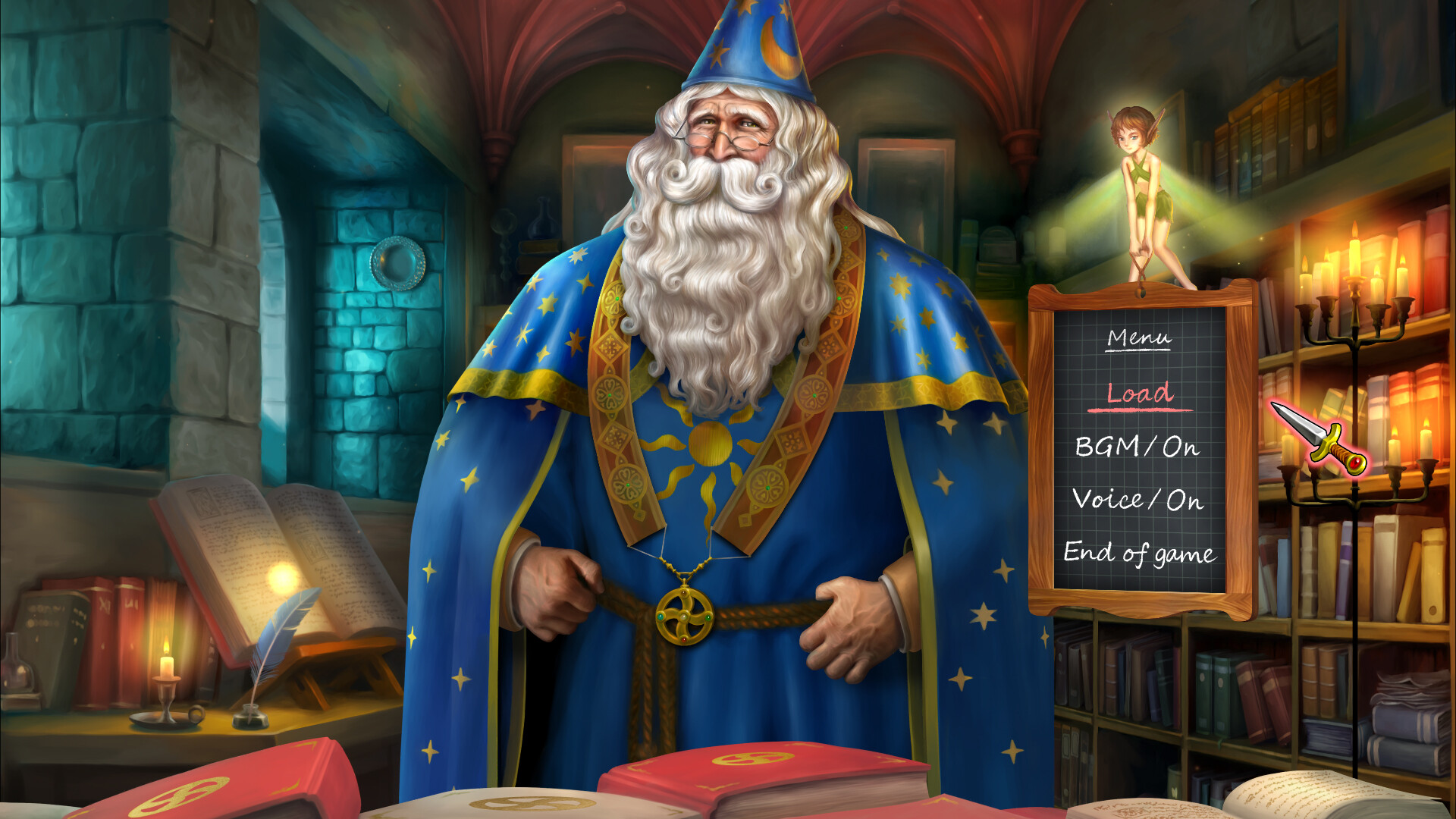
So I had an old man act as a guide, standing at the back of the table—a presence neither too close nor too distant, who doesn't intervene much in your adventure but rescues you in a pinch. Expressing that kind of ideal game master, one who gently and quietly watches over you, was the challenge.
Yoshio Nishimura: My favorite tabletop RPG is D&D. I was overjoyed to get to work on Dungeons & Dragons: Shadow over Mystara during my Capcom days!
But there were a lot of overnight stays—it was the second-hardest job of my life! I also love The Lord of the Rings and Phantasm Adventure!
As for the challenge of translating a tabletop RPG experience into a video game, it was "how to express the game master." I believe Wizardry, Might & Magic, and Ultima expressed the game master as the laws of the world itself.
That approach is more immersive and lets you truly enjoy the world. But what I wanted to express was something not fully immersed in the fantasy world, but more on the realistic side.
So I had an old man act as a guide, standing at the back of the table—a presence neither too close nor too distant, who doesn't intervene much in your adventure but rescues you in a pinch. Expressing that kind of ideal game master, one who gently and quietly watches over you, was the challenge.
RPG Site: At what point did Hitoshi Sakimoto get involved with Veritas Tales: Witch of the Dark Castle? Can you discuss how it was working with him on your solo project compared to while in Vanillaware?
Yoshio Nishimura: From the planning stage, I'd thought that if I could ask anyone, it would be Mr. Sakimoto, so I made the request as soon as full production began. I'd had chances to speak with him while at Vanillaware, but those were purely business matters, so honestly, this time I was very nervous. However, Mr. Sakimoto has such a gentle voice that I think I was able to relax to some extent while we talked.
When he delivered the music to me, I felt like I was ascending to heaven! At that moment, I might have been ready to die happy. Just kidding—I can't die yet. I exaggerated just a tiny bit.
Yoshio Nishimura: From the planning stage, I'd thought that if I could ask anyone, it would be Mr. Sakimoto, so I made the request as soon as full production began. I'd had chances to speak with him while at Vanillaware, but those were purely business matters, so honestly, this time I was very nervous. However, Mr. Sakimoto has such a gentle voice that I think I was able to relax to some extent while we talked.
When he delivered the music to me, I felt like I was ascending to heaven! At that moment, I might have been ready to die happy. Just kidding—I can't die yet. I exaggerated just a tiny bit.
RPG Site: As a solo indie developer, you are getting a lot of attention because of your prior work at Vanillaware and Capcom, but how has it been for you handling all aspects of your game from the development to marketing and promotion overseas while in the final stretch leading into the game's release?
Yoshio Nishimura: Thank you for the attention! I've developed games for a long time, but I had no knowledge of or connections in marketing or promotion whatsoever.
This time, through a fortunate connection, I'm in a position where people are supporting and cooperating with me. So, as with the development itself, I'm not always entirely on my own.
I think there are people who handle every single task completely alone, and I find that truly amazing. If it were just me, I think I'd be crushed by anxiety — but with the reassurance of having help, plus a moderate amount of busyness, I'm getting to enjoy this unknown experience with a racing, excited heart.
Yoshio Nishimura: Thank you for the attention! I've developed games for a long time, but I had no knowledge of or connections in marketing or promotion whatsoever.
This time, through a fortunate connection, I'm in a position where people are supporting and cooperating with me. So, as with the development itself, I'm not always entirely on my own.
I think there are people who handle every single task completely alone, and I find that truly amazing. If it were just me, I think I'd be crushed by anxiety — but with the reassurance of having help, plus a moderate amount of busyness, I'm getting to enjoy this unknown experience with a racing, excited heart.
RPG Site: Are you planning to implement any new features or fixes based on player feedback from the PC demo?
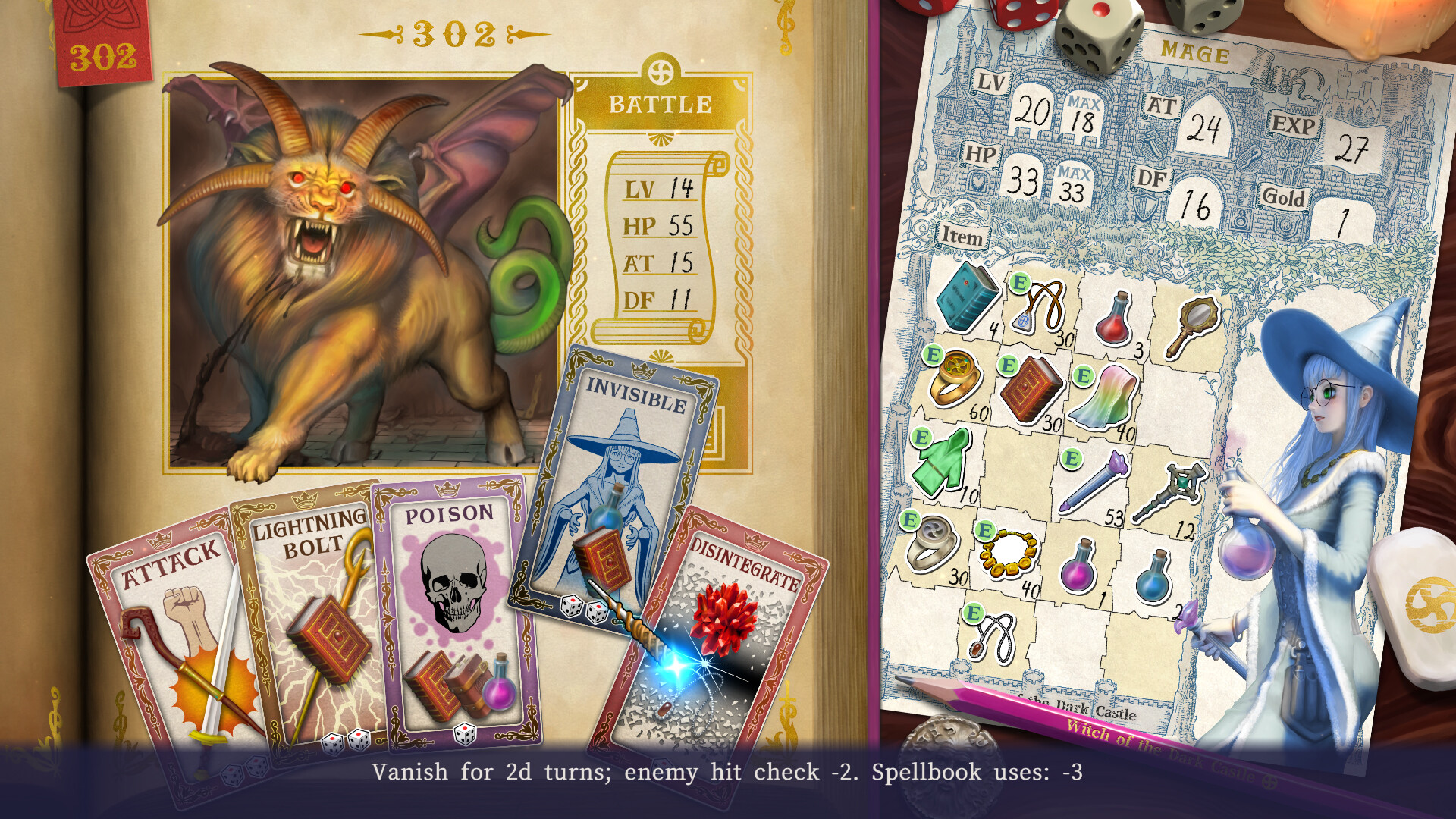
Yoshio Nishimura: Yes. If something is strongly requested, I'd like to make some kind of addition or fix. That said, my development budget has run dry, so I can't help thinking about how to keep things as low-cost as possible. My apologies. Conversely, if sales grow, additions and fixes will become much easier.
Yoshio Nishimura: Yes. If something is strongly requested, I'd like to make some kind of addition or fix. That said, my development budget has run dry, so I can't help thinking about how to keep things as low-cost as possible. My apologies. Conversely, if sales grow, additions and fixes will become much easier.
RPG Site: Will Veritas Tales: Witch of the Dark Castle support Steam Deck fully at launch?
Yoshio Nishimura: I'm right in the middle of considering support for it now. So as of launch, I'll have to leave it undetermined.
Yoshio Nishimura: I'm right in the middle of considering support for it now. So as of launch, I'll have to leave it undetermined.
RPG Site: A friend of mine was curious if there will be any romance between Havelock and Paneri?
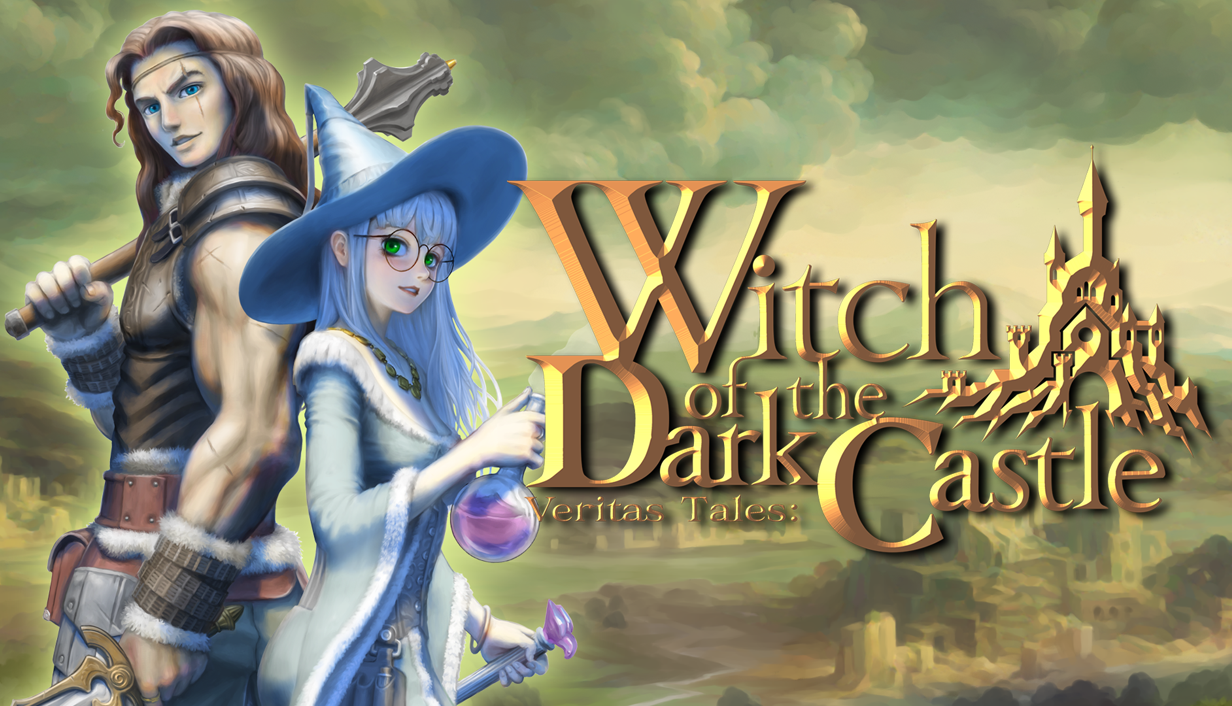
Yoshio Nishimura: Personally, I wrote the story so that love does grow between Havelock and Paneri. However, since they're in the middle of taking on a dangerous castle and this adventure covers a short span of time, a major development may not be possible.
Yoshio Nishimura: Personally, I wrote the story so that love does grow between Havelock and Paneri. However, since they're in the middle of taking on a dangerous castle and this adventure covers a short span of time, a major development may not be possible.
RPG Site: What are your plans for Veritas Tales: Witch of the Dark Castle beyond launch? Do you want to do any paid DLC or free content updates?
Yoshio Nishimura: I do have ideas for DLC and the like. I love creating, so I've even started making it. But unless I reach a certain level of sales, I can't secure the production budget, so it could end up fizzling out. I'd be grateful for your support.
Yoshio Nishimura: I do have ideas for DLC and the like. I love creating, so I've even started making it. But unless I reach a certain level of sales, I can't secure the production budget, so it could end up fizzling out. I'd be grateful for your support.
RPG Site: Are there any plans to bring Veritas Tales: Witch of the Dark Castle to console?
Yoshio Nishimura: Yes. Once I've managed to release on Steam first, I'd like to consider expanding to consoles.
Yoshio Nishimura: Yes. Once I've managed to release on Steam first, I'd like to consider expanding to consoles.
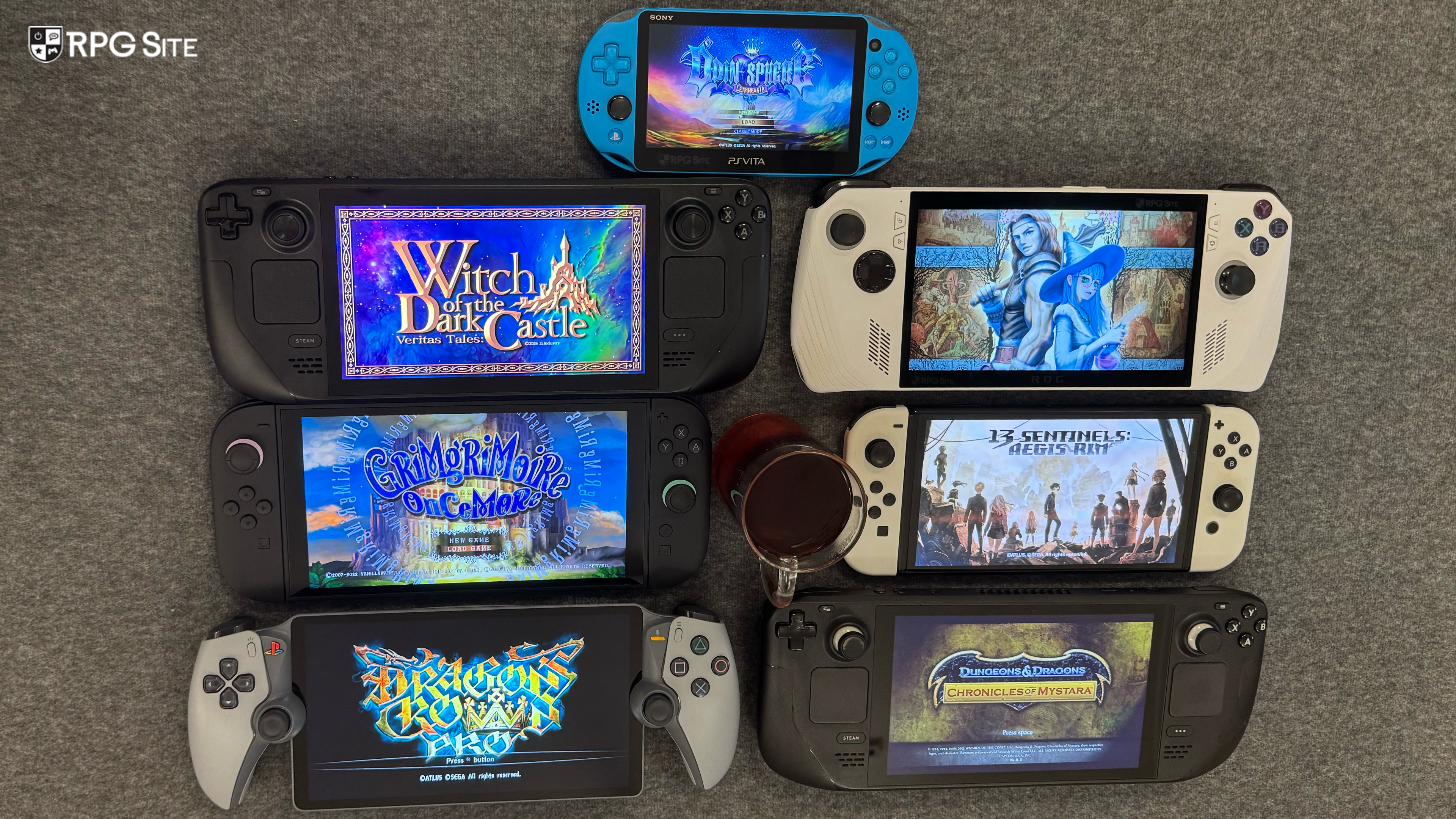
RPG Site: Final question. How do you like your coffee? Go into as much detail as possible.
Yoshio Nishimura: I take my coffee black, and enjoy it as light/weak as possible. The Ethiopian coffee I had recently was excellent. Also, I seem to be quite sensitive to caffeine, so coffee works wonders when I want to fend off drowsiness—at night, it leaves me unable to sleep. Thank you so much for taking the time to hear my story!
Yoshio Nishimura: I take my coffee black, and enjoy it as light/weak as possible. The Ethiopian coffee I had recently was excellent. Also, I seem to be quite sensitive to caffeine, so coffee works wonders when I want to fend off drowsiness—at night, it leaves me unable to sleep. Thank you so much for taking the time to hear my story!