

"We want to keep classic gaming experiences alive and relevant - for the people who grew up with them, for players discovering them for the first time" - SNEG co-founder Artem Shchuiko on game preservation, Warhammer, Dungeons & Dragons Classics, and more
I recently had a chance to interview GOG about game preservation, one-click mods, and much more. Just like GOG, a company that not many people know of, SNEG, has been working on preserving many classics through new releases on PC and more. I had a chance to chat with Artem Shchuiko, co-founder of SNEG, to discuss how SNEG formed, the relationship it has with GOG, Pool of Radiance, Warhammer classics, the Gold Box, more D&D games, PC handhelds, the possibility of expanding to Switch 2 and iPad, coffee, and more.
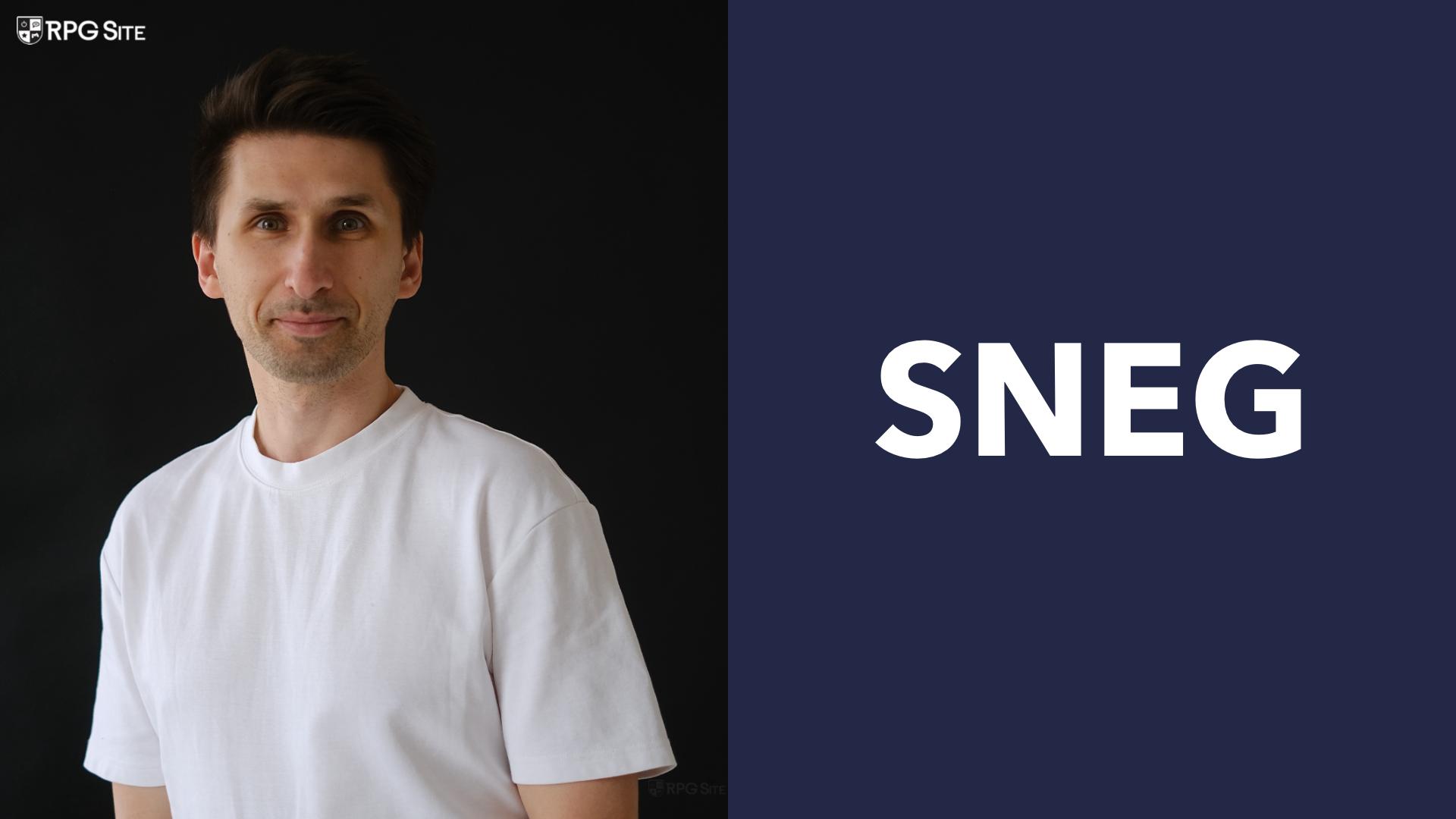
RPG Site: For those unaware, tell us a little bit about yourself and SNEG.
Artem Shchuiko: I’m Artem Shchuiko, co-founder of SNEG. Before starting SNEG, I spent around seven years at GOG.com, initially working on bringing classic games back to market and later helping develop the GOG Galaxy ecosystem.
SNEG started with a simple idea: to bring classic games back to modern players. There are thousands of great games that, for one reason or another, are no longer legally available. Some disappeared because of rights issues, some because of technical challenges, and others were simply forgotten over time.
We felt that somebody should do something about it, so we decided to give it a try ourselves.
Today, our mission has evolved beyond simply re-releasing old titles. We want to keep classic gaming experiences alive and relevant - for the people who grew up with them, for players discovering them for the first time, and hopefully for developers who might find inspiration in their ideas, mechanics, and creativity. Every game we bring back is another piece of gaming history given a chance to live on and, perhaps, inspire something new.
Artem Shchuiko: I’m Artem Shchuiko, co-founder of SNEG. Before starting SNEG, I spent around seven years at GOG.com, initially working on bringing classic games back to market and later helping develop the GOG Galaxy ecosystem.
SNEG started with a simple idea: to bring classic games back to modern players. There are thousands of great games that, for one reason or another, are no longer legally available. Some disappeared because of rights issues, some because of technical challenges, and others were simply forgotten over time.
We felt that somebody should do something about it, so we decided to give it a try ourselves.
Today, our mission has evolved beyond simply re-releasing old titles. We want to keep classic gaming experiences alive and relevant - for the people who grew up with them, for players discovering them for the first time, and hopefully for developers who might find inspiration in their ideas, mechanics, and creativity. Every game we bring back is another piece of gaming history given a chance to live on and, perhaps, inspire something new.
RPG Site: Can you discuss how SNEG formed?
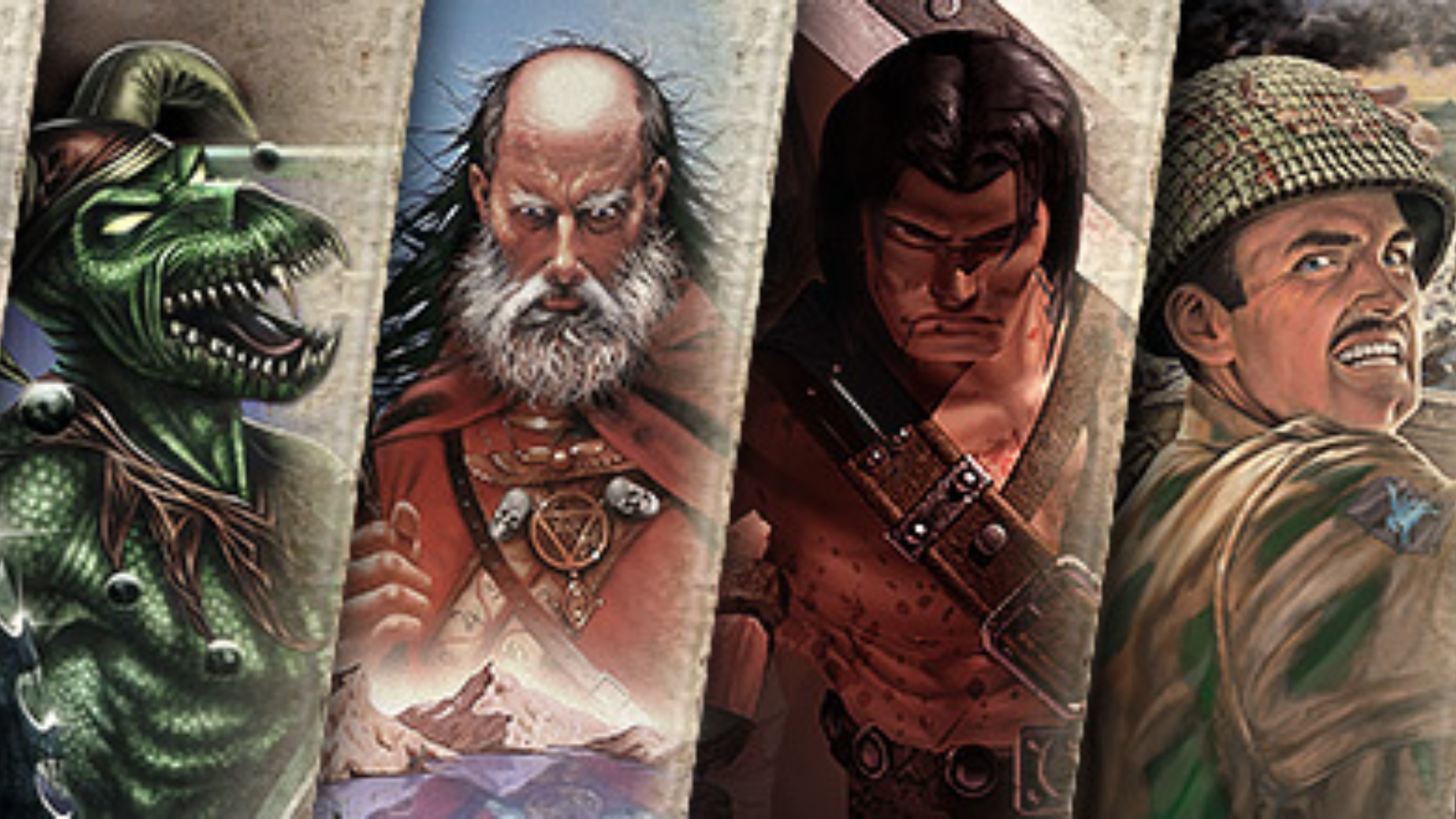
Artem Shchuiko: SNEG actually started as a small side project during the lockdown in 2020. My wife was on maternity leave at the time and started looking into bringing back games she felt nostalgic about. That’s how Diggles: The Myth of Fenris became SNEG’s first project. Seeing her take an old game, figure out what was needed to make it available again, and actually bring it back to players was a huge inspiration for me. She did what I was actually dreaming about.
At the same time, Oleg and I had reached a point in our careers where our jobs had become increasingly focused on managing people, teams, and processes. We were spending less and less time actually working directly with games, which was the part of the industry we had always enjoyed most. We missed being hands-on - finding the right holders of the lost gaming gems, solving problems, working directly with developers and partners, and seeing something tangible come out of that work.
So the timing was perfect. What started as my wife’s side project showed us that there was both an opportunity and a real need for this kind of work. It gave Oleg and me the push to get involved and, eventually, turn SNEG into something bigger. In many ways, it was also an opportunity for us to go back to our roots and work directly with games again and to have fun doing it.
Artem Shchuiko: SNEG actually started as a small side project during the lockdown in 2020. My wife was on maternity leave at the time and started looking into bringing back games she felt nostalgic about. That’s how Diggles: The Myth of Fenris became SNEG’s first project. Seeing her take an old game, figure out what was needed to make it available again, and actually bring it back to players was a huge inspiration for me. She did what I was actually dreaming about.
At the same time, Oleg and I had reached a point in our careers where our jobs had become increasingly focused on managing people, teams, and processes. We were spending less and less time actually working directly with games, which was the part of the industry we had always enjoyed most. We missed being hands-on - finding the right holders of the lost gaming gems, solving problems, working directly with developers and partners, and seeing something tangible come out of that work.
So the timing was perfect. What started as my wife’s side project showed us that there was both an opportunity and a real need for this kind of work. It gave Oleg and me the push to get involved and, eventually, turn SNEG into something bigger. In many ways, it was also an opportunity for us to go back to our roots and work directly with games again and to have fun doing it.
RPG Site: I'm curious about the relationship between SNEG and GOG because there were a few classic games from the Forgotten Realms Archives that were originally published by GOG, but since then, everything like that is under SNEG including those older games. I've seen some speculation that SNEG was originally going to be GOG's internal publishing label for these external titles, including on forums.
Artem Shchuiko: We understand where this speculation comes from. There is definitely some history behind it.
Back in our GOG days, we were involved in acquiring rights to quite a few classic games, including parts of the Dungeons & Dragons catalog (including the Forgotten Realms Archives), Warhammer classics, and a number of other SSI titles.
The difference was more about philosophy. GOG was naturally focused on its own platform, while we always believed that classic games should be available everywhere gamers might be looking for them. If someone prefers Steam, why shouldn’t they be able to discover and play these games there?
So when we started SNEG, we made a deal with GOG to get the rights to these classics and bring them to other platforms. That’s really the whole story, nothing as mysterious.
We have a great relationship with GOG - we’re friends with the team, and obviously there’s a lot of shared history there. But SNEG and GOG are completely independent companies.
Artem Shchuiko: We understand where this speculation comes from. There is definitely some history behind it.
Back in our GOG days, we were involved in acquiring rights to quite a few classic games, including parts of the Dungeons & Dragons catalog (including the Forgotten Realms Archives), Warhammer classics, and a number of other SSI titles.
The difference was more about philosophy. GOG was naturally focused on its own platform, while we always believed that classic games should be available everywhere gamers might be looking for them. If someone prefers Steam, why shouldn’t they be able to discover and play these games there?
So when we started SNEG, we made a deal with GOG to get the rights to these classics and bring them to other platforms. That’s really the whole story, nothing as mysterious.
We have a great relationship with GOG - we’re friends with the team, and obviously there’s a lot of shared history there. But SNEG and GOG are completely independent companies.
RPG Site: When it comes to many of these games, preservation is important, but I also think people underestimate the value in introducing new players to them. I hadn't played most of SNEG's titles on Steam before, or even heard of many of them, but buying some of them led to eventually grabbing many more through bundles and discovering some classics. I have a few questions about your preservation initiative. Can you discuss how you decide on what titles to work on bringing back?
Artem Shchuiko: There isn’t really a strict formula for choosing the games we work on. It’s usually a combination of several things. First of all, we look for games that still mean something to people - titles that are remembered, that still have a community around them, or that players have been asking to see return. But popularity alone isn’t enough. Sometimes a game might be relatively unknown today, but it introduced interesting mechanics, did something genuinely original, or simply represents a particular era of game development that we believe is worth preserving. And, of course, there’s a very personal element to it. We’re gamers ourselves, so sometimes the starting point is simply: “We loved this game - why can’t anyone buy it anymore?” Quite a few of our projects have started with conversations like that!
Artem Shchuiko: There isn’t really a strict formula for choosing the games we work on. It’s usually a combination of several things. First of all, we look for games that still mean something to people - titles that are remembered, that still have a community around them, or that players have been asking to see return. But popularity alone isn’t enough. Sometimes a game might be relatively unknown today, but it introduced interesting mechanics, did something genuinely original, or simply represents a particular era of game development that we believe is worth preserving. And, of course, there’s a very personal element to it. We’re gamers ourselves, so sometimes the starting point is simply: “We loved this game - why can’t anyone buy it anymore?” Quite a few of our projects have started with conversations like that!
RPG Site: What does the general workflow look like for approaching a developer or rights holder on an older game for SNEG?
Artem Shchuiko: Each case is different, but the general workflow usually starts with research. We try to reconstruct as much of the game’s history as possible - who developed it, who published it, who owned the trademarks and copyrights, and whether those rights changed hands over the years.
From there, we often try to contact people from the original development team. They can be incredibly helpful in explaining how the original publishing deal was structured, who controlled which rights, and what may have happened to them later.
Then comes the harder part - identifying the current rights holder, or in many cases several rights holders. We need to understand how the rights were split, whether they were sold, transferred, inherited through acquisitions or bankruptcies, and who actually has the legal authority to make a deal today.
It’s very much detective work. There are usually a lot of variables, and one new piece of information can completely change the picture and send you in a different direction. Sometimes it’s straightforward, and sometimes it can take months or even years before the rights situation becomes clear enough to move forward.
Artem Shchuiko: Each case is different, but the general workflow usually starts with research. We try to reconstruct as much of the game’s history as possible - who developed it, who published it, who owned the trademarks and copyrights, and whether those rights changed hands over the years.
From there, we often try to contact people from the original development team. They can be incredibly helpful in explaining how the original publishing deal was structured, who controlled which rights, and what may have happened to them later.
Then comes the harder part - identifying the current rights holder, or in many cases several rights holders. We need to understand how the rights were split, whether they were sold, transferred, inherited through acquisitions or bankruptcies, and who actually has the legal authority to make a deal today.
It’s very much detective work. There are usually a lot of variables, and one new piece of information can completely change the picture and send you in a different direction. Sometimes it’s straightforward, and sometimes it can take months or even years before the rights situation becomes clear enough to move forward.
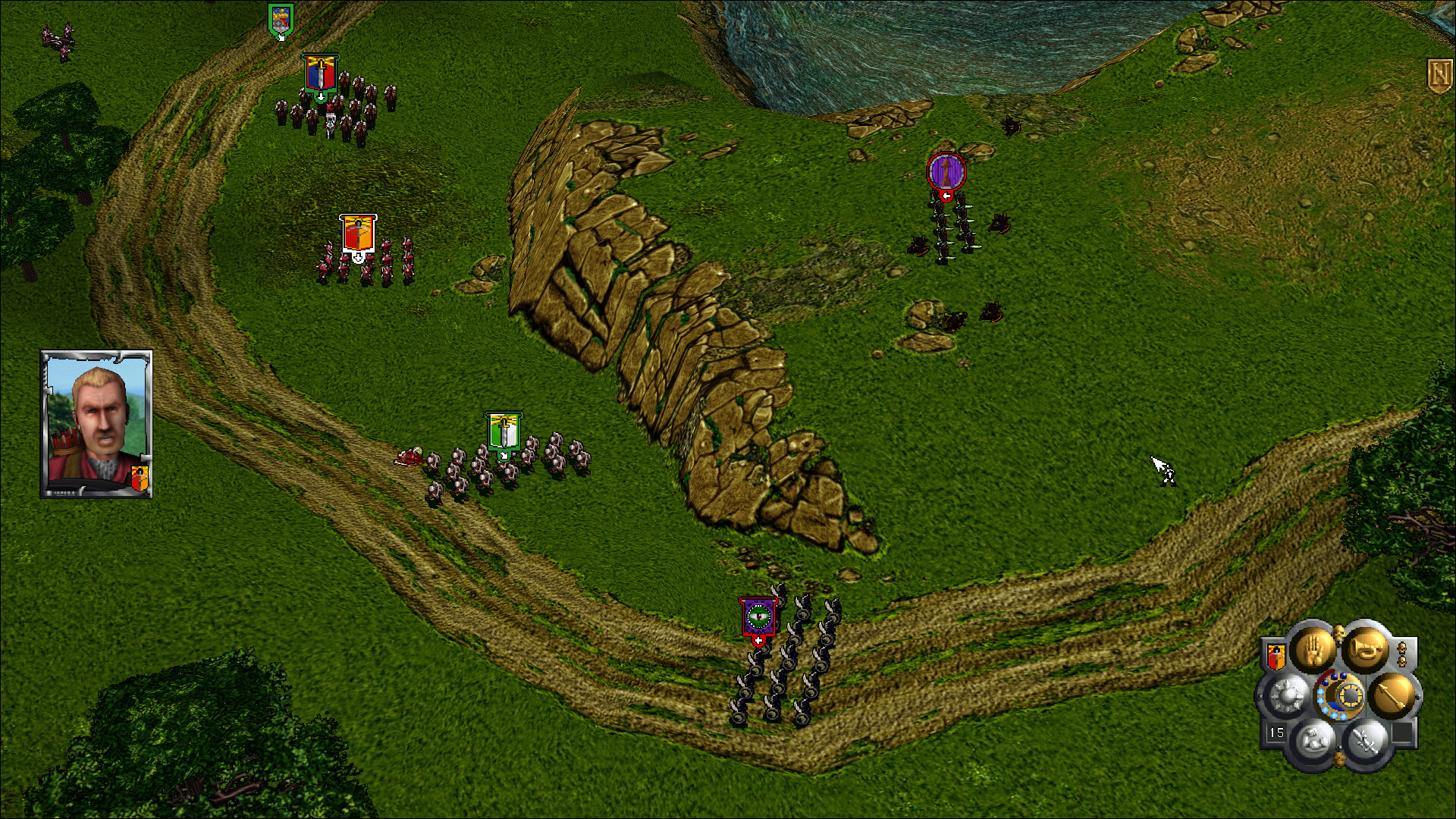
RPG Site: I assume the Gold Box classics and D&D games helped secure Warhammer which in turn will help you do even more. Can you discuss how it was working on games like Pool of Radiance?
Artem Shchuiko: We also believe that our experience creating the Dungeons & Dragons Classics initiative together with Wizards of the Coast played a role in eventually launching the Warhammer Classics label. But I think the bigger factor is the experience we’ve built over the years bringing classic games back to players across different platforms (and our genuine love for these games). Most importantly, there’s the trust you build with partners over the years. That’s something you can’t create overnight.
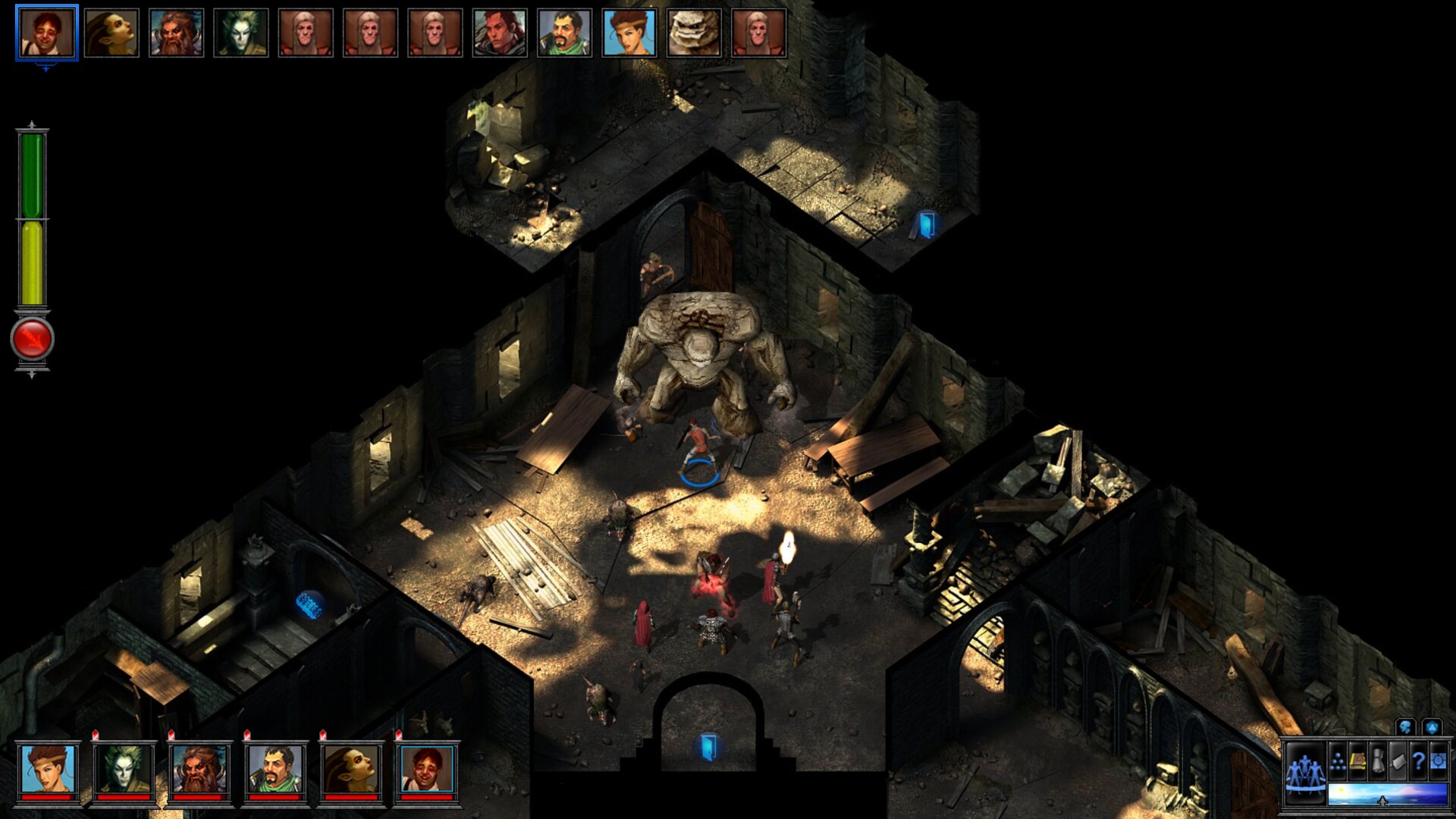
Working on every classic is a bit of an adventure. With a game like Pool of Radiance, you start with your own memories of it - what made it special, what worked really well, but also what was frustrating or problematic even at the time. Then you compare those memories with years of community feedback: what players still love, what they’ve been complaining about, and what they believe should be improved.
That helps us define the scope of what we want to do with the game. The challenge is always finding the right balance. We want someone who played it 20 years ago to come back and immediately recognize the game they loved, while removing enough technical barriers and historical frustrations that someone discovering it for the first time today can enjoy it as well.
For us, that balance between respecting the original and making it approachable for a new generation is probably one of the most important parts of working with classic games.
Artem Shchuiko: We also believe that our experience creating the Dungeons & Dragons Classics initiative together with Wizards of the Coast played a role in eventually launching the Warhammer Classics label. But I think the bigger factor is the experience we’ve built over the years bringing classic games back to players across different platforms (and our genuine love for these games). Most importantly, there’s the trust you build with partners over the years. That’s something you can’t create overnight.
Working on every classic is a bit of an adventure. With a game like Pool of Radiance, you start with your own memories of it - what made it special, what worked really well, but also what was frustrating or problematic even at the time. Then you compare those memories with years of community feedback: what players still love, what they’ve been complaining about, and what they believe should be improved.
That helps us define the scope of what we want to do with the game. The challenge is always finding the right balance. We want someone who played it 20 years ago to come back and immediately recognize the game they loved, while removing enough technical barriers and historical frustrations that someone discovering it for the first time today can enjoy it as well.
For us, that balance between respecting the original and making it approachable for a new generation is probably one of the most important parts of working with classic games.
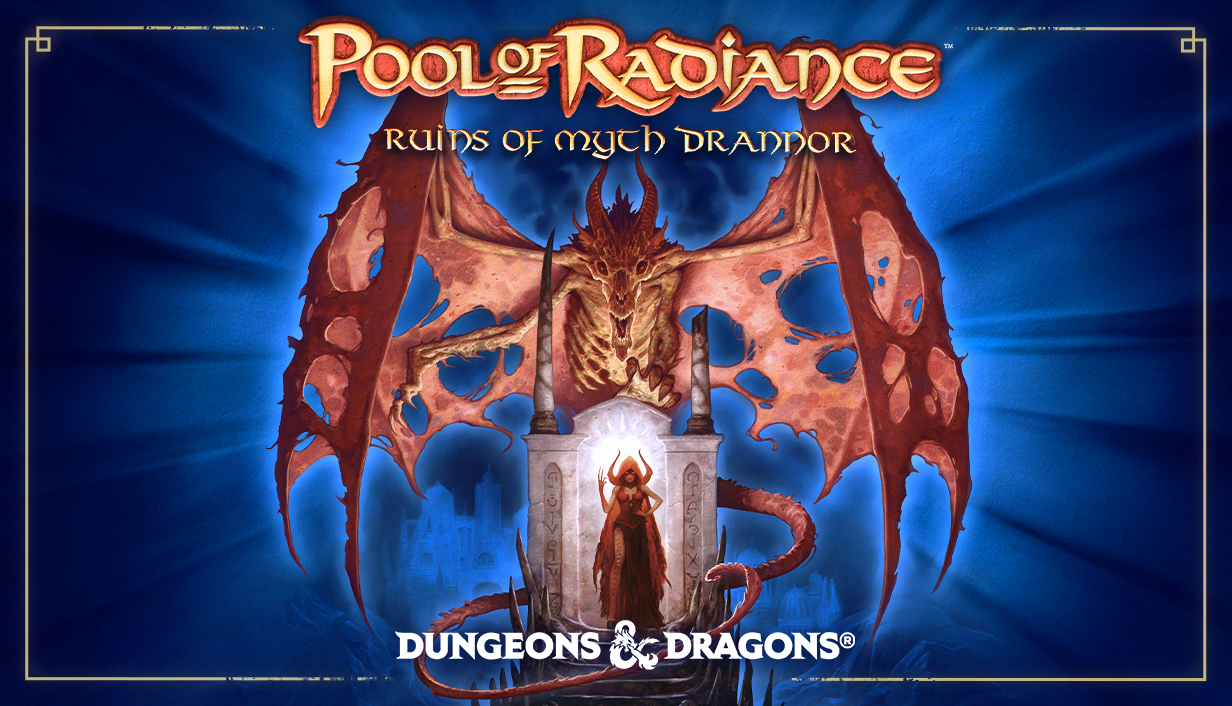
RPG Site: You are now working on Pool of Radiance: Ruins of Myth Drannor, Ecstatica 1 & 2, Dark Earth, Warlords IV: Heroes of Etheria, and Soldiers at War. What learnings from prior games helped with these releases?
Artem Shchuiko: There are always benefits and learnings that carry from one project to another, even though every game brings its own challenges.
Soldiers at War was developed by the same team and on the same engine as Warhammer 40,000: Chaos Gate. That means the work we’ve already done on Chaos Gate, combined with the additional knowledge we’re gaining from Soldiers at War, helps us understand both games better. As a result, we can introduce additional quality-of-life improvements and potentially improve both releases.
The same applies to the technology we develop along the way. Certain technical modules or solutions we create for one game can later be enhanced, adapted, and reused on another project. For example, Pool of Radiance: Ruins of Myth Drannor will benefit from some of the work and solutions we developed while working on Warhammer: Mark of Chaos.
That’s one of the advantages of working with a growing catalog of classic games. Every project teaches us something new, and that knowledge doesn’t disappear when the game ships 0 it becomes part of a toolkit that can help us solve problems faster and do more with future releases.
Artem Shchuiko: There are always benefits and learnings that carry from one project to another, even though every game brings its own challenges.
Soldiers at War was developed by the same team and on the same engine as Warhammer 40,000: Chaos Gate. That means the work we’ve already done on Chaos Gate, combined with the additional knowledge we’re gaining from Soldiers at War, helps us understand both games better. As a result, we can introduce additional quality-of-life improvements and potentially improve both releases.
The same applies to the technology we develop along the way. Certain technical modules or solutions we create for one game can later be enhanced, adapted, and reused on another project. For example, Pool of Radiance: Ruins of Myth Drannor will benefit from some of the work and solutions we developed while working on Warhammer: Mark of Chaos.
That’s one of the advantages of working with a growing catalog of classic games. Every project teaches us something new, and that knowledge doesn’t disappear when the game ships 0 it becomes part of a toolkit that can help us solve problems faster and do more with future releases.
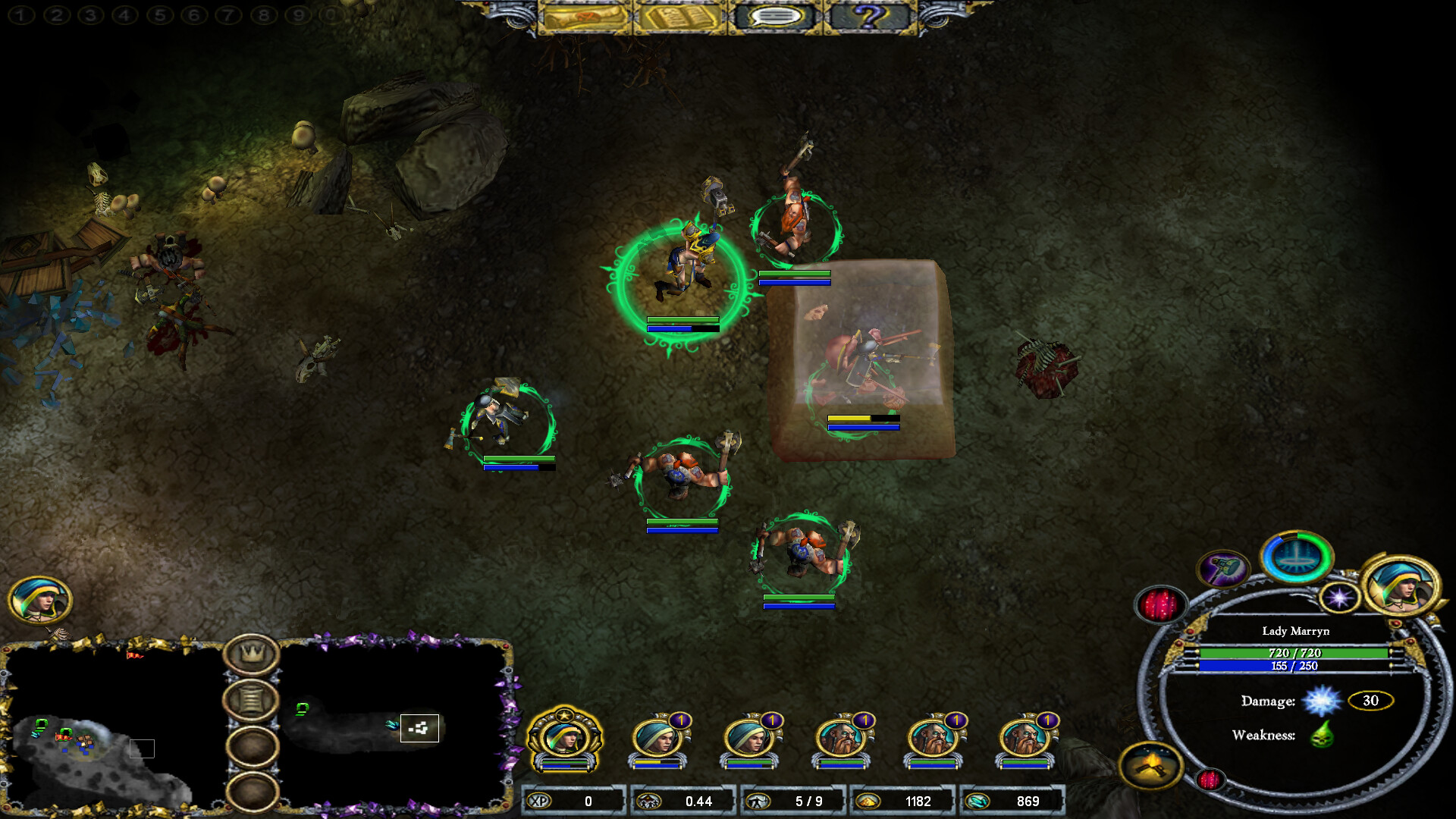
RPG Site: I think the Warhammer games SNEG brought back were a huge deal for so many people. They likely put you on the map. I'm curious how it has been operating as a publisher and company that just works out of Steam and GOG publisher pages and from behind the scenes. You don't really have a front facing presence.
Artem Shchuiko: Our passion has always been games, and that’s where we’ve wanted to put most of our time and energy. We’re a small team and probably a little crazy when it comes to quality, so whenever there was a choice between spending time building a corporate website or putting that time into another classic game, the game usually won.
For a long time, Steam and GOG publisher pages, together with the communities around individual games, were enough for what we were doing. We were quite comfortable working behind the scenes and letting the games speak for us.
That said, as SNEG and our catalogue have grown, we clearly see that the community wants a place where people can follow what we’re doing, learn more about our projects, and see what’s coming next. We hear that, and it’s something we want to improve. Hopefully, by the end of this year, we’ll have a proper space where we can communicate with everyone more directly.
Artem Shchuiko: Our passion has always been games, and that’s where we’ve wanted to put most of our time and energy. We’re a small team and probably a little crazy when it comes to quality, so whenever there was a choice between spending time building a corporate website or putting that time into another classic game, the game usually won.
For a long time, Steam and GOG publisher pages, together with the communities around individual games, were enough for what we were doing. We were quite comfortable working behind the scenes and letting the games speak for us.
That said, as SNEG and our catalogue have grown, we clearly see that the community wants a place where people can follow what we’re doing, learn more about our projects, and see what’s coming next. We hear that, and it’s something we want to improve. Hopefully, by the end of this year, we’ll have a proper space where we can communicate with everyone more directly.
RPG Site: Did you run into any additional rights-related hurdles when bringing the D&D classics to Steam after GOG?
Artem Shchuiko: Nope.
Artem Shchuiko: Nope.
RPG Site: Should we assume every game you work on will launch for both Steam and GOG together?
Artem Shchuiko: That’s always the goal, but sometimes we simply might not have enough resources to support a simultaneous release on both platforms. Hopefully, that won’t be the case, though.
Artem Shchuiko: That’s always the goal, but sometimes we simply might not have enough resources to support a simultaneous release on both platforms. Hopefully, that won’t be the case, though.
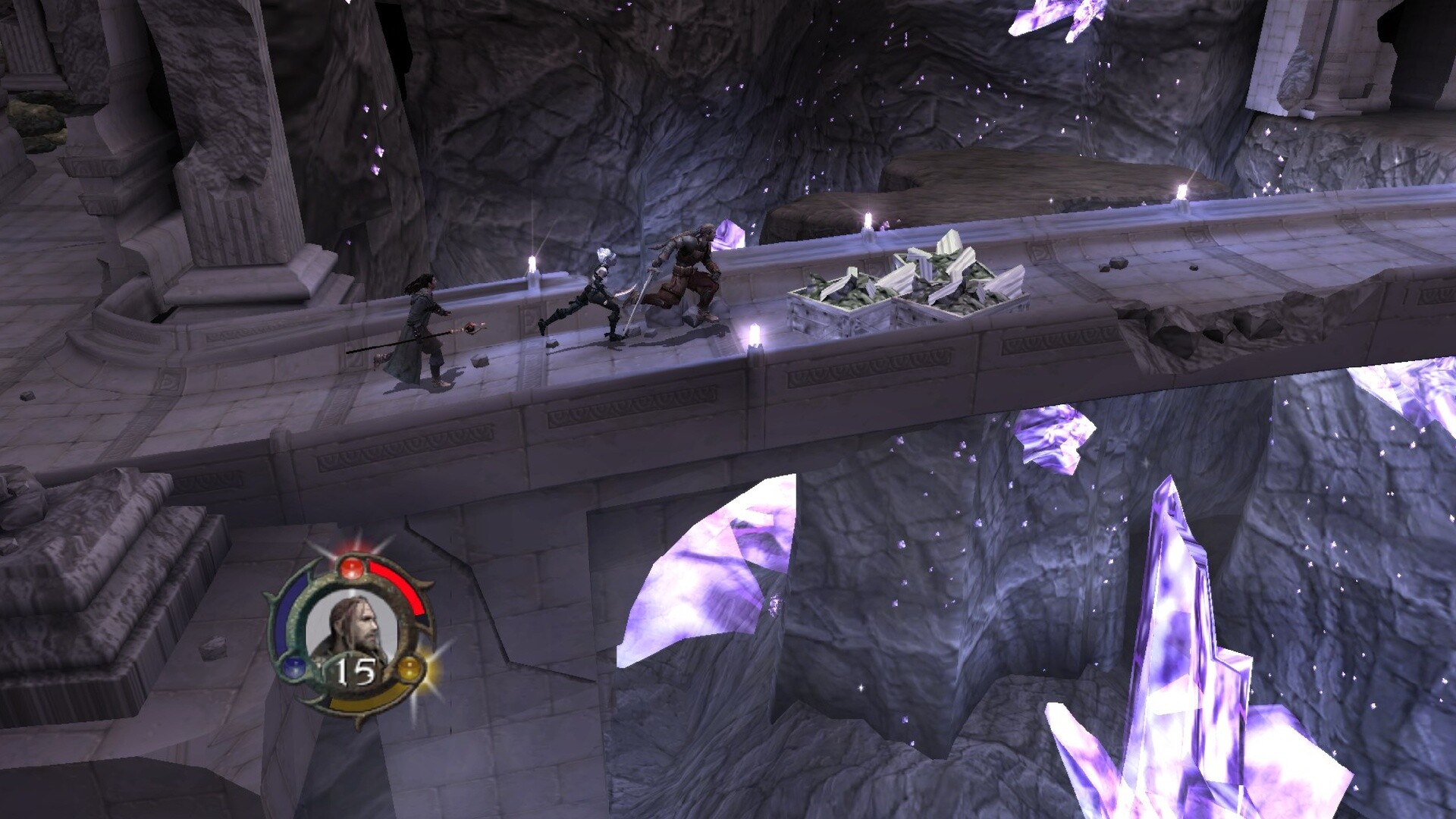
RPG Site: Are there any plans to expand into consoles or mobile? With the Switch 2 offering mouse controls out of the box and iPads being a great fit for the games, I think they could work.
Artem Shchuiko: We’re definitely looking at consoles, and we’ve already brought some of our games there (e.g. Blade of Darkness, Chasm: The Rift or Captain Blood). We believe that many classic games can work really well on modern consoles when they’re adapted properly.
We actually have several more console projects in development right now, although it’s still too early to announce any details. The only thing I can say for now is that these are true classics that will be making their return to consoles after many years.
Artem Shchuiko: We’re definitely looking at consoles, and we’ve already brought some of our games there (e.g. Blade of Darkness, Chasm: The Rift or Captain Blood). We believe that many classic games can work really well on modern consoles when they’re adapted properly.
We actually have several more console projects in development right now, although it’s still too early to announce any details. The only thing I can say for now is that these are true classics that will be making their return to consoles after many years.
RPG Site: Having published over 60 games in recent years on Steam and GOG, can you discuss how the publishing side has been for SNEG?
Artem Shchuiko: It has definitely been a great experience. Publishing classic games is a bit different from traditional publishing because every title comes with its own history, community, expectations, and sometimes 20–30 years of feedback that you need to take into account.
One of the biggest things we’ve learned is that almost every release is different. Sometimes a relatively niche title finds a surprisingly large new audience, while another game that you remember as a huge classic might remain mostly interesting to its original fans.
Having 60+ games in the catalog also means we’re starting to see how these titles can support each other. Someone might discover SNEG through a Warhammer or Dungeons & Dragons game, then come across another classic they’ve never heard of, give it a try and hopefully discover something they love. That’s exactly the kind of journey we want to encourage - not only bringing games back for the people who remember them, but helping a new audience discover them as well.
At the same time, we’re still a small team, and I think we approach publishing in a somewhat less traditional way. We’d rather put our resources into the games themselves than build a huge publishing organization around them. We like staying hands-on, working closely with each project, and learning from every release.
Ultimately, the goal is quite simple: keep improving what we do and use everything we learn to bring back more games that deserve another chance.
Artem Shchuiko: It has definitely been a great experience. Publishing classic games is a bit different from traditional publishing because every title comes with its own history, community, expectations, and sometimes 20–30 years of feedback that you need to take into account.
One of the biggest things we’ve learned is that almost every release is different. Sometimes a relatively niche title finds a surprisingly large new audience, while another game that you remember as a huge classic might remain mostly interesting to its original fans.
Having 60+ games in the catalog also means we’re starting to see how these titles can support each other. Someone might discover SNEG through a Warhammer or Dungeons & Dragons game, then come across another classic they’ve never heard of, give it a try and hopefully discover something they love. That’s exactly the kind of journey we want to encourage - not only bringing games back for the people who remember them, but helping a new audience discover them as well.
At the same time, we’re still a small team, and I think we approach publishing in a somewhat less traditional way. We’d rather put our resources into the games themselves than build a huge publishing organization around them. We like staying hands-on, working closely with each project, and learning from every release.
Ultimately, the goal is quite simple: keep improving what we do and use everything we learn to bring back more games that deserve another chance.
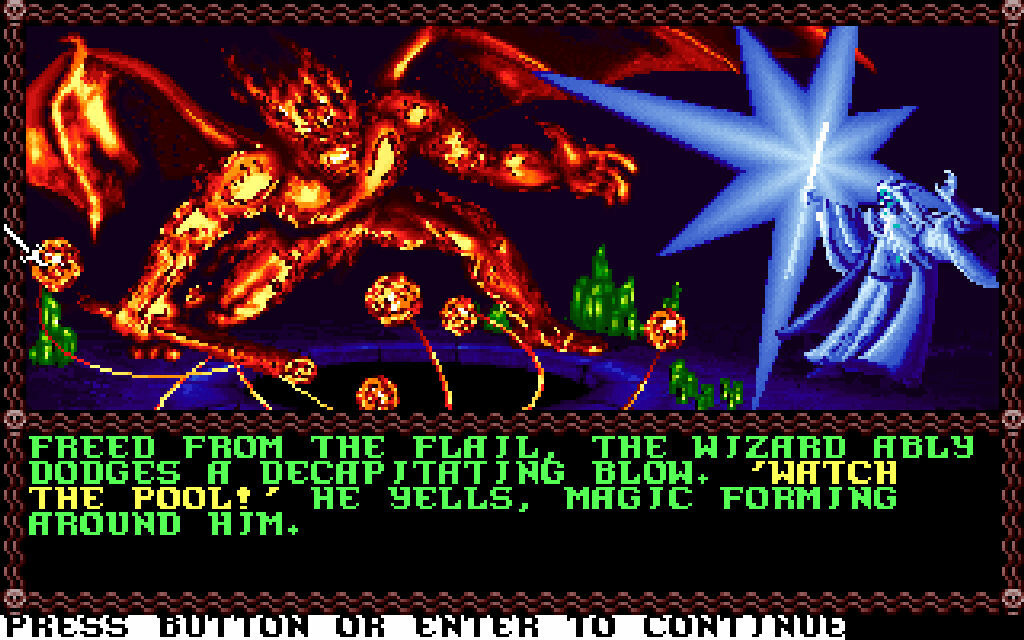
RPG Site: As for development and maintaining, do you have people working regularly on older published titles and making sure they remain stable and playable on modern operating systems?
Artem Shchuiko: That’s a good question. Our work on a game doesn’t necessarily end when it’s released. We regularly monitor community feedback across our published titles, especially for new issues that might appear after operating system updates or on less common hardware configurations.
We have people who take care of this on an ongoing basis, investigating reported problems and preparing fixes when needed. We also sometimes use this opportunity to make additional improvements based on community feedback.
With older games, compatibility is never really a finished job - modern operating systems and hardware continue to evolve, so part of keeping these classics alive is making sure they continue to work as that environment changes.
Artem Shchuiko: That’s a good question. Our work on a game doesn’t necessarily end when it’s released. We regularly monitor community feedback across our published titles, especially for new issues that might appear after operating system updates or on less common hardware configurations.
We have people who take care of this on an ongoing basis, investigating reported problems and preparing fixes when needed. We also sometimes use this opportunity to make additional improvements based on community feedback.
With older games, compatibility is never really a finished job - modern operating systems and hardware continue to evolve, so part of keeping these classics alive is making sure they continue to work as that environment changes.
RPG Site: How much support do you get from GOG with testing? I imagine a lot of the older work carried over into how good the Steam versions are.
Artem Shchuiko: To be honest, we don’t get any support from GOG with testing. Sometimes they QA the builds we provide for distribution on their platform, just as a platform holder would, or they might check specific improvements we’ve introduced to a game if they’re interested in them, but that’s pretty much it.
All QA for the games we release is organized by us and handled by external QA teams we work with. So while our years at GOG obviously gave us a lot of experience with classic games, the development, testing, and quality control of SNEG releases are completely on our side.
Artem Shchuiko: To be honest, we don’t get any support from GOG with testing. Sometimes they QA the builds we provide for distribution on their platform, just as a platform holder would, or they might check specific improvements we’ve introduced to a game if they’re interested in them, but that’s pretty much it.
All QA for the games we release is organized by us and handled by external QA teams we work with. So while our years at GOG obviously gave us a lot of experience with classic games, the development, testing, and quality control of SNEG releases are completely on our side.
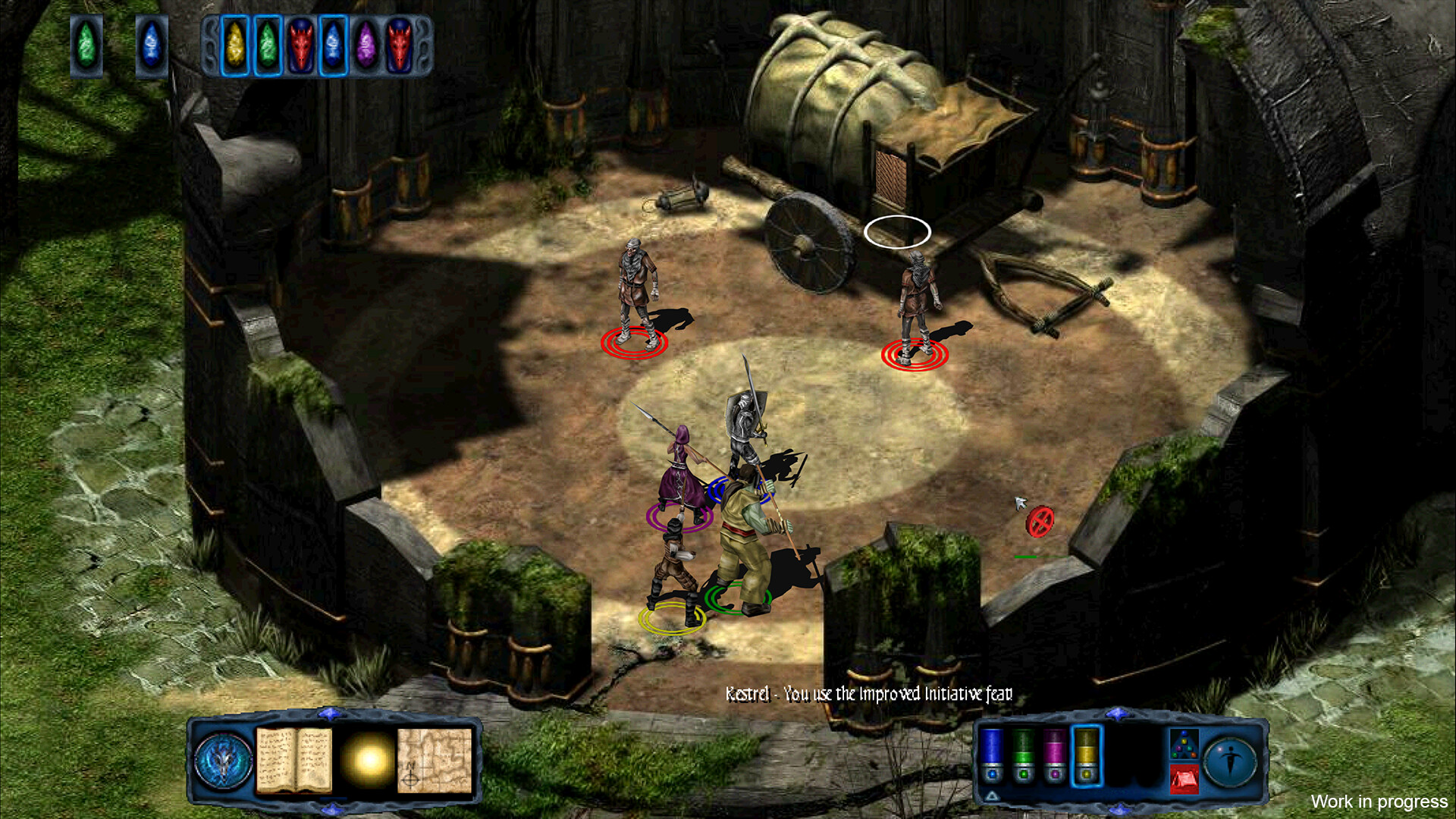
RPG Site: Do a lot of folks play your games on PC handhelds now? The trackpads on the Steam Deck and touchscreen would be good alongside the Steam Controller of course
Artem Shchuiko: There are not that many of them yet, but the number of Steam Deck players across our games is constantly growing. We definitely see the trend.
Whenever possible, we try to make our games compatible with Steam Deck and the trackpads obviously help a lot with games originally designed for mouse and keyboard. That said, sometimes it’s a real challenge. Making a 20-30 year-old game work properly on a handheld is one thing. Doing it without having the source code is a completely different adventure.
But as more gamers move to handhelds, it’s definitely something we’ll continue paying attention to.
Artem Shchuiko: There are not that many of them yet, but the number of Steam Deck players across our games is constantly growing. We definitely see the trend.
Whenever possible, we try to make our games compatible with Steam Deck and the trackpads obviously help a lot with games originally designed for mouse and keyboard. That said, sometimes it’s a real challenge. Making a 20-30 year-old game work properly on a handheld is one thing. Doing it without having the source code is a completely different adventure.
But as more gamers move to handhelds, it’s definitely something we’ll continue paying attention to.
RPG Site: Over the years, what is the most important bit of feedback players have given that helped future releases of classic PC games?
Artem Shchuiko: I don’t think there was one specific piece of feedback that changed everything for us. All feedback is important, whether it’s about a particular game, a feature, or our overall approach.
Every voice helps us in one way or another, and with every release we learn something that we can apply to the next one. That’s probably the most valuable part of having such passionate communities around these games.
Artem Shchuiko: I don’t think there was one specific piece of feedback that changed everything for us. All feedback is important, whether it’s about a particular game, a feature, or our overall approach.
Every voice helps us in one way or another, and with every release we learn something that we can apply to the next one. That’s probably the most valuable part of having such passionate communities around these games.
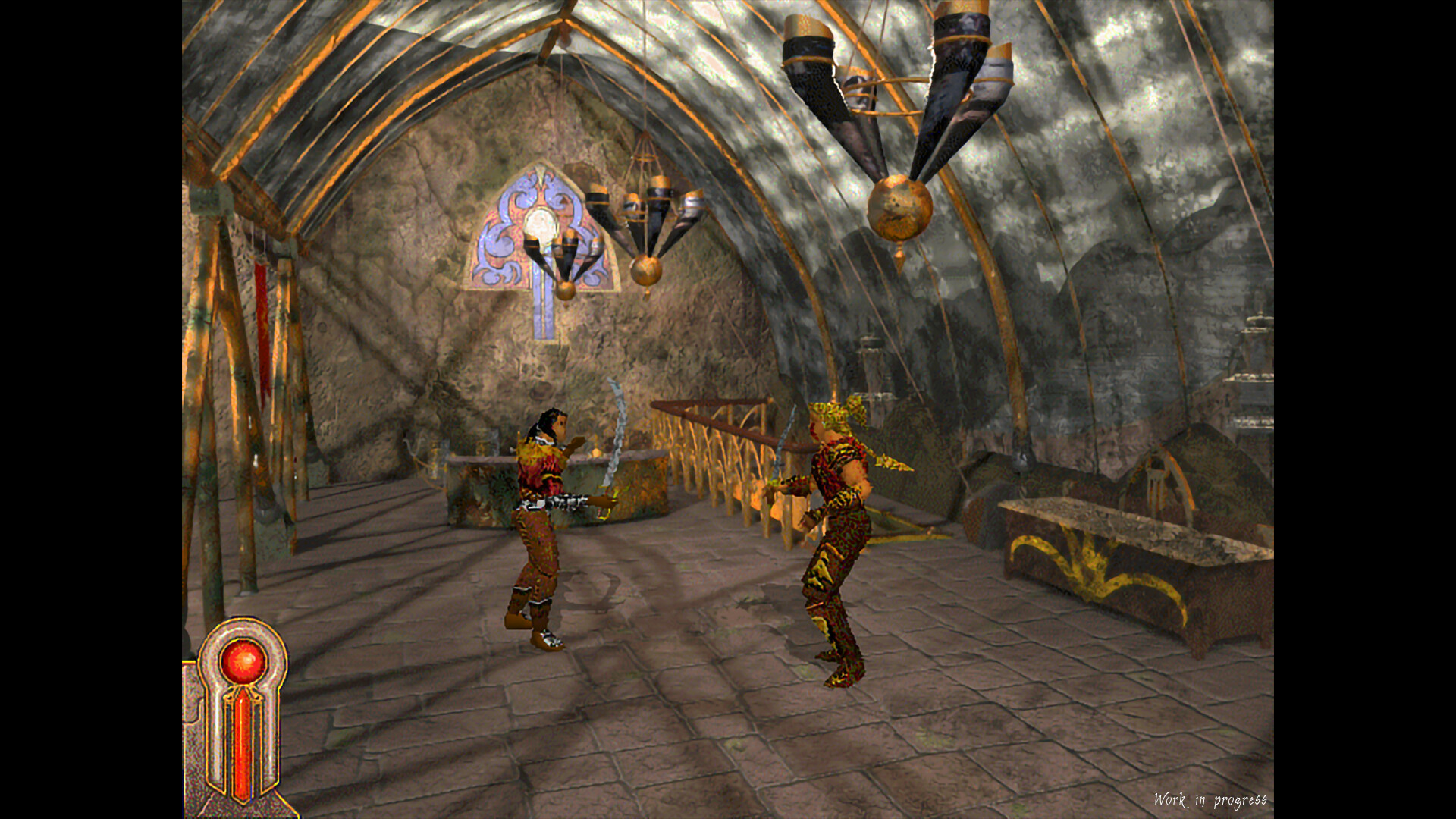
RPG Site: Hypothetical situation. If you could bring back any game right now, what would it be? If money and rights weren't an issue.
Artem Shchuiko: No One Lives Forever and Black & White series.
Artem Shchuiko: No One Lives Forever and Black & White series.
RPG Site: Are there plans to expand your catalogue to bringing some games from Asia or Japanese titles that never got localized to modern PC audiences?
Artem Shchuiko: That’s definitely something the community has been asking us about. We thought about it and even made a few steps in that direction, as there are obviously many great Asian and Japanese games that deserve to be discovered by modern PC audiences.
For now, though, we’ve decided to put those plans on hold and concentrate on the projects we’ve already secured or kicked off. But it’s certainly something we might come back to in the future.
Artem Shchuiko: That’s definitely something the community has been asking us about. We thought about it and even made a few steps in that direction, as there are obviously many great Asian and Japanese games that deserve to be discovered by modern PC audiences.
For now, though, we’ve decided to put those plans on hold and concentrate on the projects we’ve already secured or kicked off. But it’s certainly something we might come back to in the future.
RPG Site: What does a day in your life look like right now at SNEG?
Artem Shchuiko: That’s the beauty of being a small company - there isn’t really a typical day. Every day brings new challenges, new solutions, fun and something unexpected.
One day you might be discussing rights for a game, the next reviewing a new build or working through a technical issue, and then suddenly you’re trying to track down someone who worked on a game 25 years ago. That variety is part of the fun and one of the reasons we started SNEG in the first place.
Artem Shchuiko: That’s the beauty of being a small company - there isn’t really a typical day. Every day brings new challenges, new solutions, fun and something unexpected.
One day you might be discussing rights for a game, the next reviewing a new build or working through a technical issue, and then suddenly you’re trying to track down someone who worked on a game 25 years ago. That variety is part of the fun and one of the reasons we started SNEG in the first place.
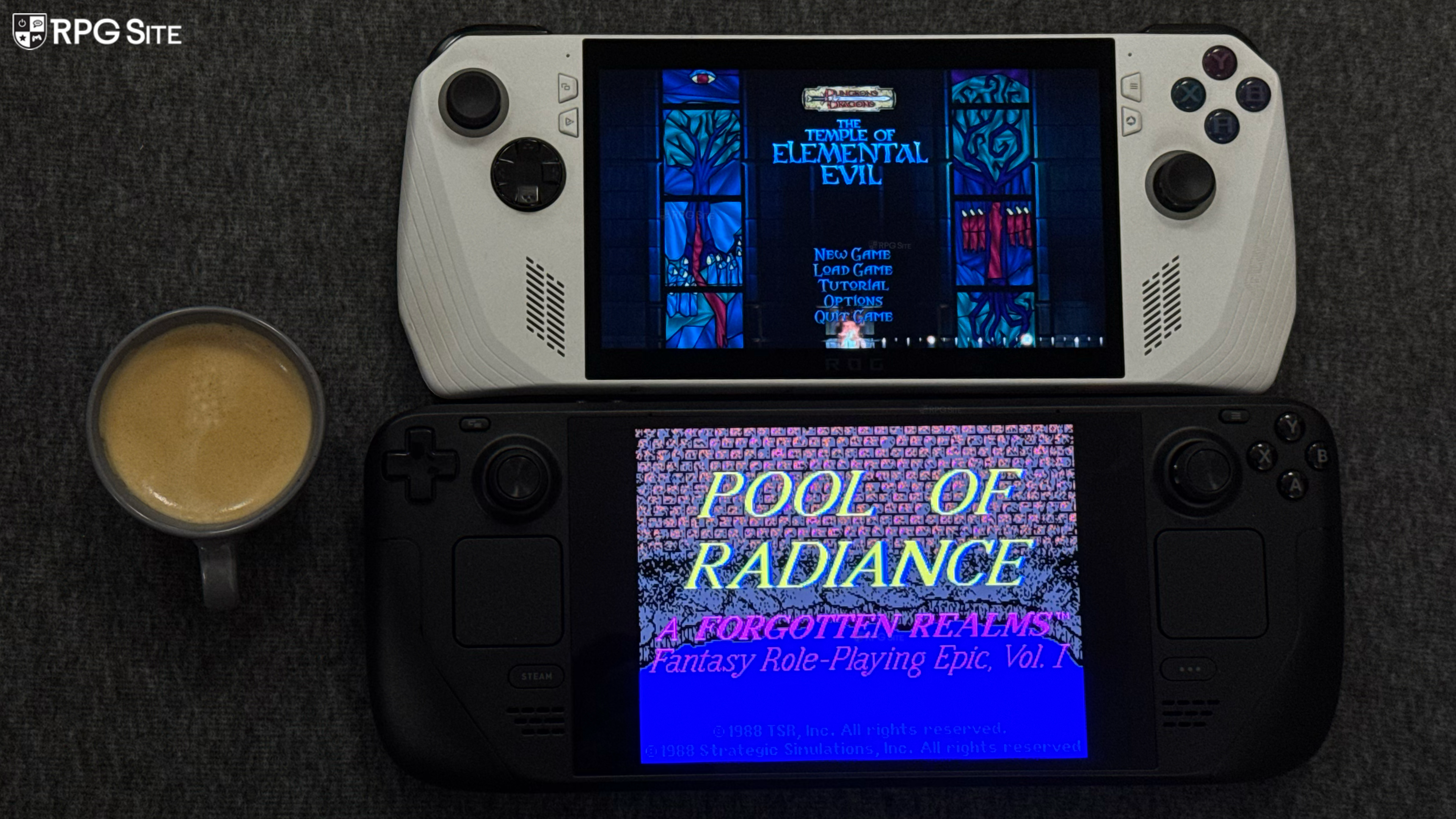
RPG Site: Final question: How do you like your coffee? Go into as much detail as possible. Feel free to ask everyone on the team this.
Artem Shchuiko: Nice question. We obviously love our coffee thick and honey-laden, if you get the reference.
More seriously, tastes differ across the team, but black coffee is probably the most popular choice. Flat whites and cappuccinos follow closely behind. So there is no single SNEG coffee standard yet, although maybe we should add one to the internal documentation.
Artem Shchuiko: Nice question. We obviously love our coffee thick and honey-laden, if you get the reference.
More seriously, tastes differ across the team, but black coffee is probably the most popular choice. Flat whites and cappuccinos follow closely behind. So there is no single SNEG coffee standard yet, although maybe we should add one to the internal documentation.