

"One of the challenges with Metaphor was that the length of each battle could vary quite a bit" - composer Shoji Meguro on Metaphor's orchestra tour, crafting the battle theme, and more
If there's one thing that Atlus' games are known for outside of snazzy menu design, it's absolutely the soundtracks. The Persona series has long been beloved for its music, from the pop anthems of Persona 4 to the acid jazz of Persona 5. Shoji Meguro has been the composer responsible for most of that, but 2024's Metaphor: ReFantazio represented a unique challenge for him, splitting off from the high-energy soundtracks of Persona into something more grounded, orchestral, and fantastical. But that different style paid off in droves, between the rhythmic chanting of the battle theme, the gorgeous melodies of towns, the intense anthem of traveling on the Gauntlet Runner, and more.
Now, Metaphor's soundtrack is being taken to an even bigger stage with an orchestral tour travelling across the United States. This tour features a hand-picked set list along with a full orchestra, vocals, and more. It kicks off on October 6 in Chicago, Illinois, before traveling to a number of other locations including Los Angeles, Taiwan, London, Paris, and more.
Ahead of the tour, we had the chance to speak with Meguro on how the orchestra came together, a bit of his process on making Metaphor's soundtrack, where the idea for that iconic battle theme came from, and more.
Meguro: I think the setlist really resonates with people who have played the game. If I were choosing the songs myself, I would also want to create a setlist that allows players to relive their experience of the game through the music. I would also want to include as many songs with vocals as possible, as I think they are particularly interesting and enjoyable to listen to.
Meguro: Basically, I wouldn’t say there were any tracks that didn’t work particularly well.
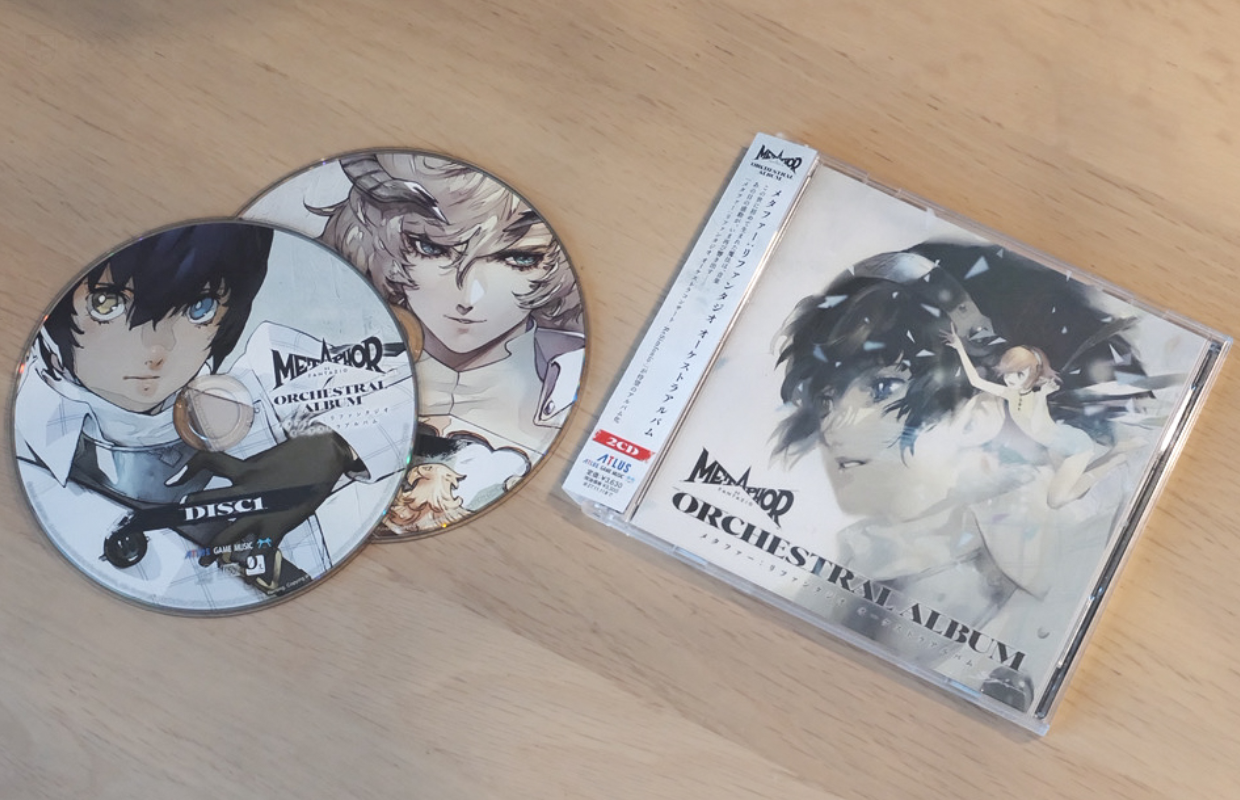
Meguro: I was very grateful that the arrangers who worked on the orchestral arrangements treated the original music with such great respect.
I learned a great deal from their work. They had a very good sense of how to use the woodwinds, for example, and the arrangements were extremely detailed and carefully crafted, right down to the smallest details.
Meguro: There weren’t really many unexpected reactions from fans with this game. With the music for Virga Island, for example, I had expected people to be surprised by it, and their reaction was pretty much exactly what I had anticipated. So I felt a little bit like I had pulled it off when I saw their response.
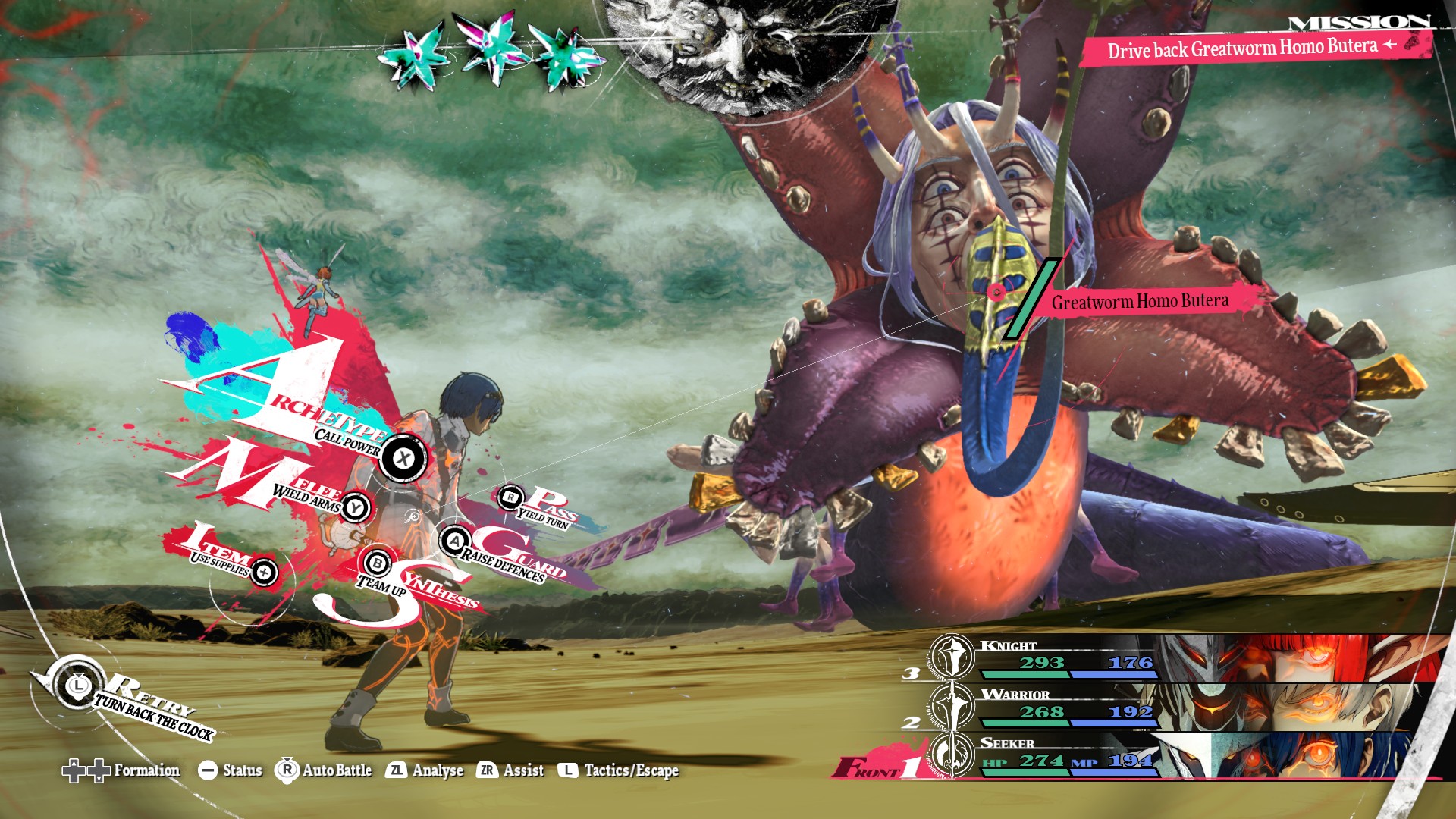
Meguro: I’m still learning myself about what makes a good battle theme, so I’m not sure I have a definitive answer to that. One of the challenges with Metaphor was that the length of each battle could vary quite a bit. Because of that, I had a difficult time figuring out how to structure the music and determine the appropriate length for each track.
As for the decision to feature Keisuke Honryo, that came from the overall musical theme of the game. The music throughout the game was based on the idea of religious music from the world of Euchronia, and I wanted to incorporate something that felt close to the chanting found in Japanese Buddhist sutras. That’s what led to the idea of bringing Honryo into the project.

Meguro: With Persona 5, there was clearly an intention to create music influenced by Jamiroquai, or more specifically, the kind of music Jamiroquai was making in their early days.
But with my other works, I haven’t intentionally drawn inspiration from any particular artists. In fact, if any of my music has been interpreted as being influenced by a specific artist, I would honestly find that rather unfortunate. I’m always striving to create music that has a strong sense of originality.
Meguro: I usually start by deciding what kind of music I want to make—what genre it should be, and what kind of musical theme it should have—and then I simply get to work on it from there.
In my previous projects with director and producer Katsura Hashino, I was generally given free rein to work as I wanted, without much involvement from his side. This time, though, which was unusual, I did receive a few specific requests. At first, he asked me to make the music orchestral and distinctly fantasy-like, but with a bit of the sharp edge that you would associate with Atlus. Later in development, though, his requests changed to things like, “Make it bigger! Bigger!” That was a little challenging for me. But in the end, I think those requests helped the music arrive at a good place.
Meguro: I feel a little presumptuous saying that our creative styles complement each other. What I’m always thinking about when creating a project is how I can add something extra to Hashino-san’s work. I’m constantly thinking of different ways to do that and hopefully surprise him.