Stranger than Heaven plays nothing like Yakuza and I appreciate that
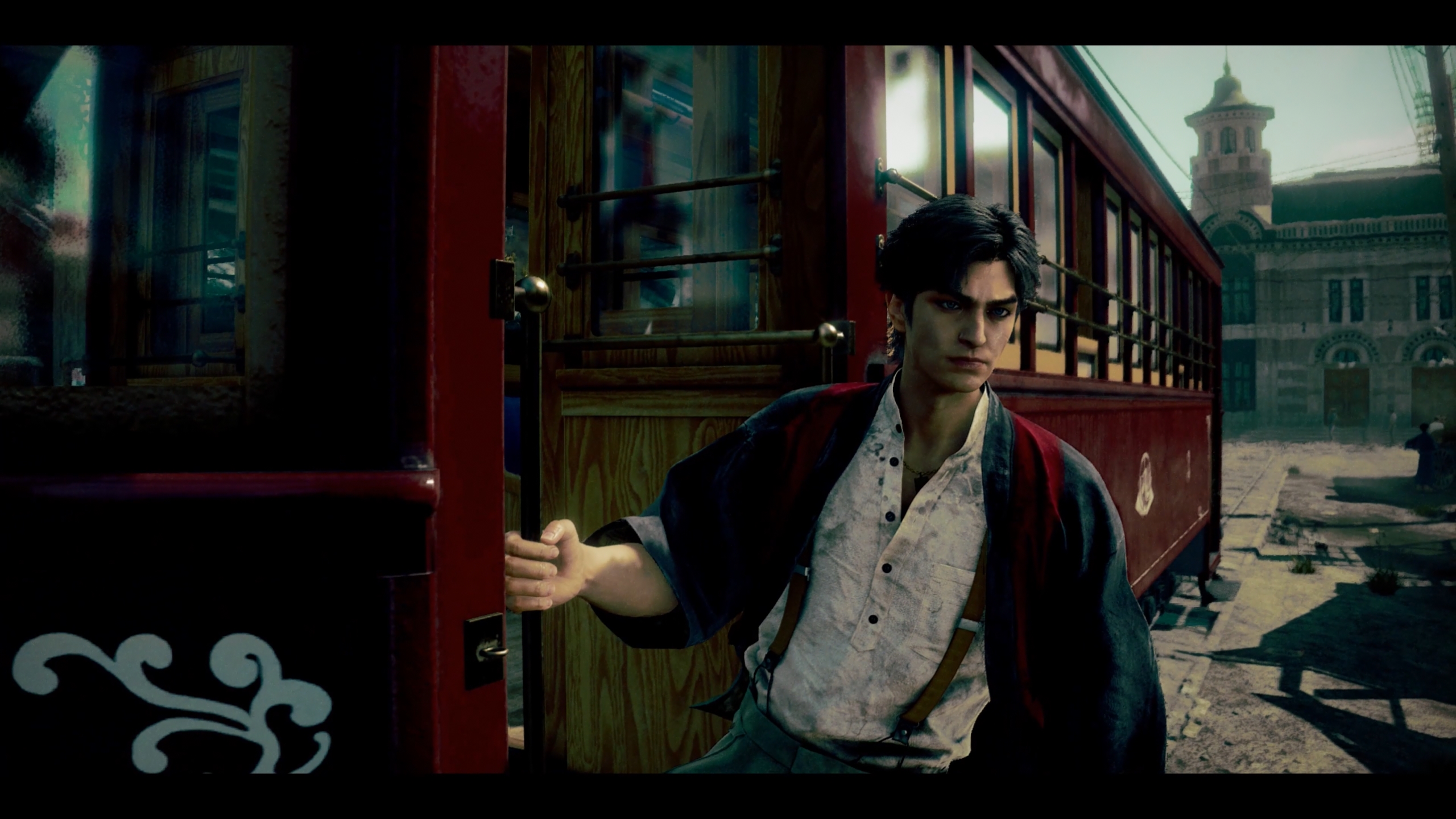
Recent info drops on RGG Studio’s next title Stranger Than Heaven have been well, stranger than fiction in some ways. While the inclusion of the late Japanese actor Bunta Sugawara seemed more acceptable after hearing that Sega received formal consent from his family to include his likeness into the game, the inclusion of yet another late iconic figure with Tupac Shakur is another can of worms, due to the more complicated state of his family estate after his passing.
These are only just a few aspects that have made Stranger than Heaven strange to talk about. I’ll admit that I personally haven’t been too fond of RGG Studio’s recent releases either with Yakuza 3 Kiwami & Dark Ties and Yakuza 0 Director’s Cut for multiple reasons. Nevertheless, I want to keep an open mind with Stranger than Heaven. At Summer Game Fest 2026, I got the chance to go hands-on with it to see how its combat system is shaping up.
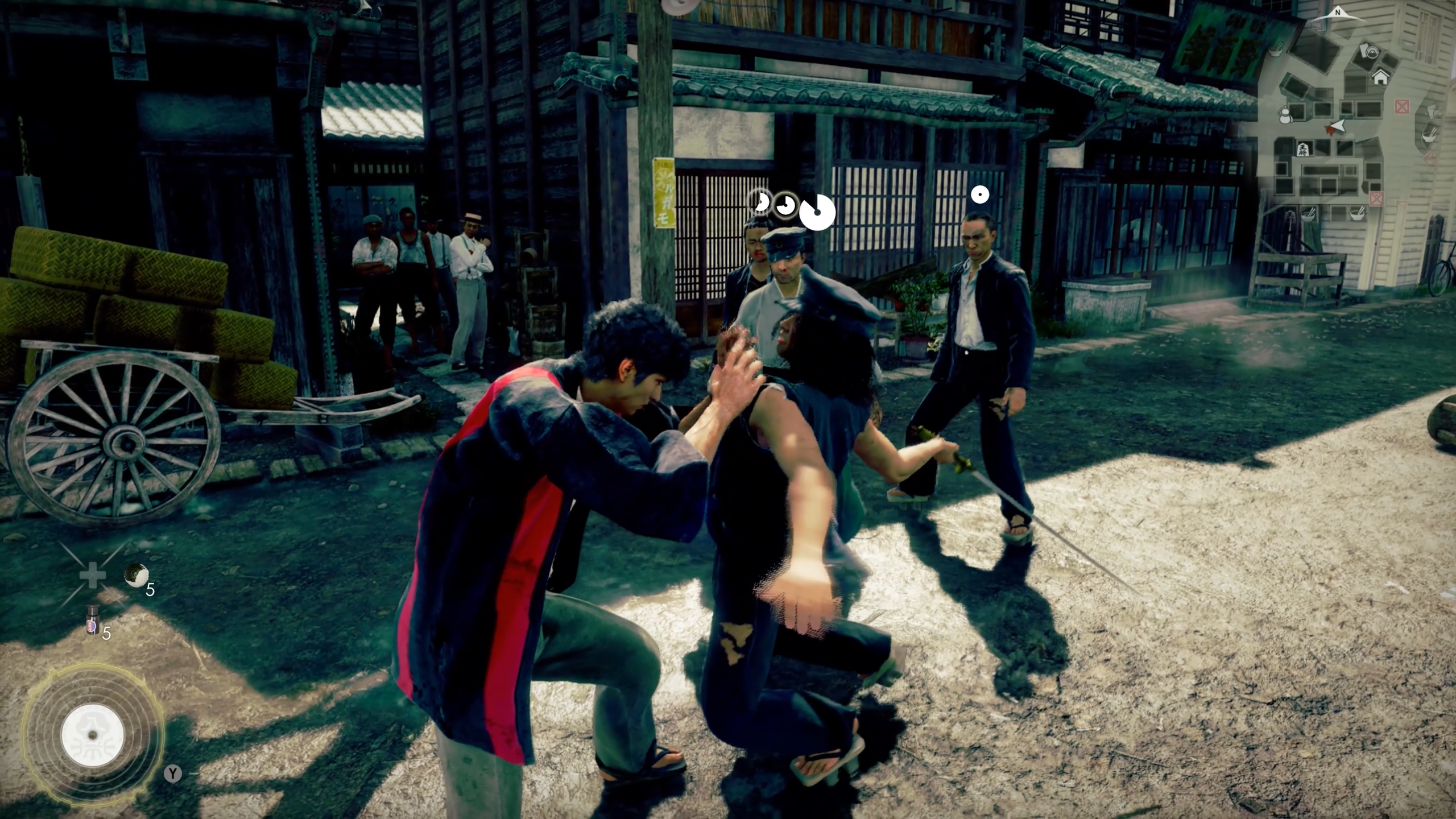
I was only given 30 minutes to test out Stranger than Heaven’s battle system and I’ll do my best to describe what I learned, though half an hour is by no means enough time to fully understand the intricacies of it. Do not expect Yakuza’s combat system going in. It is entirely different.
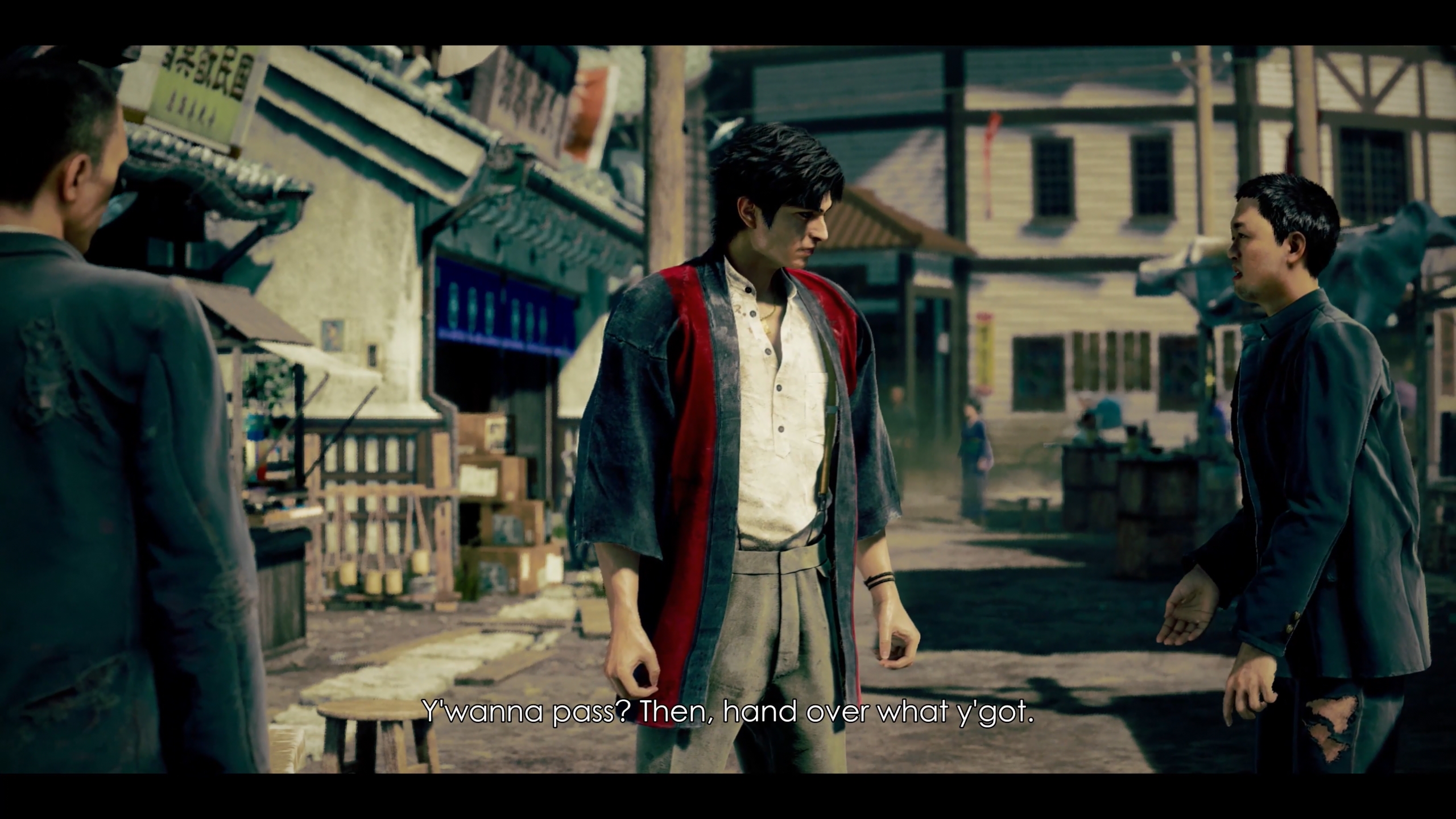
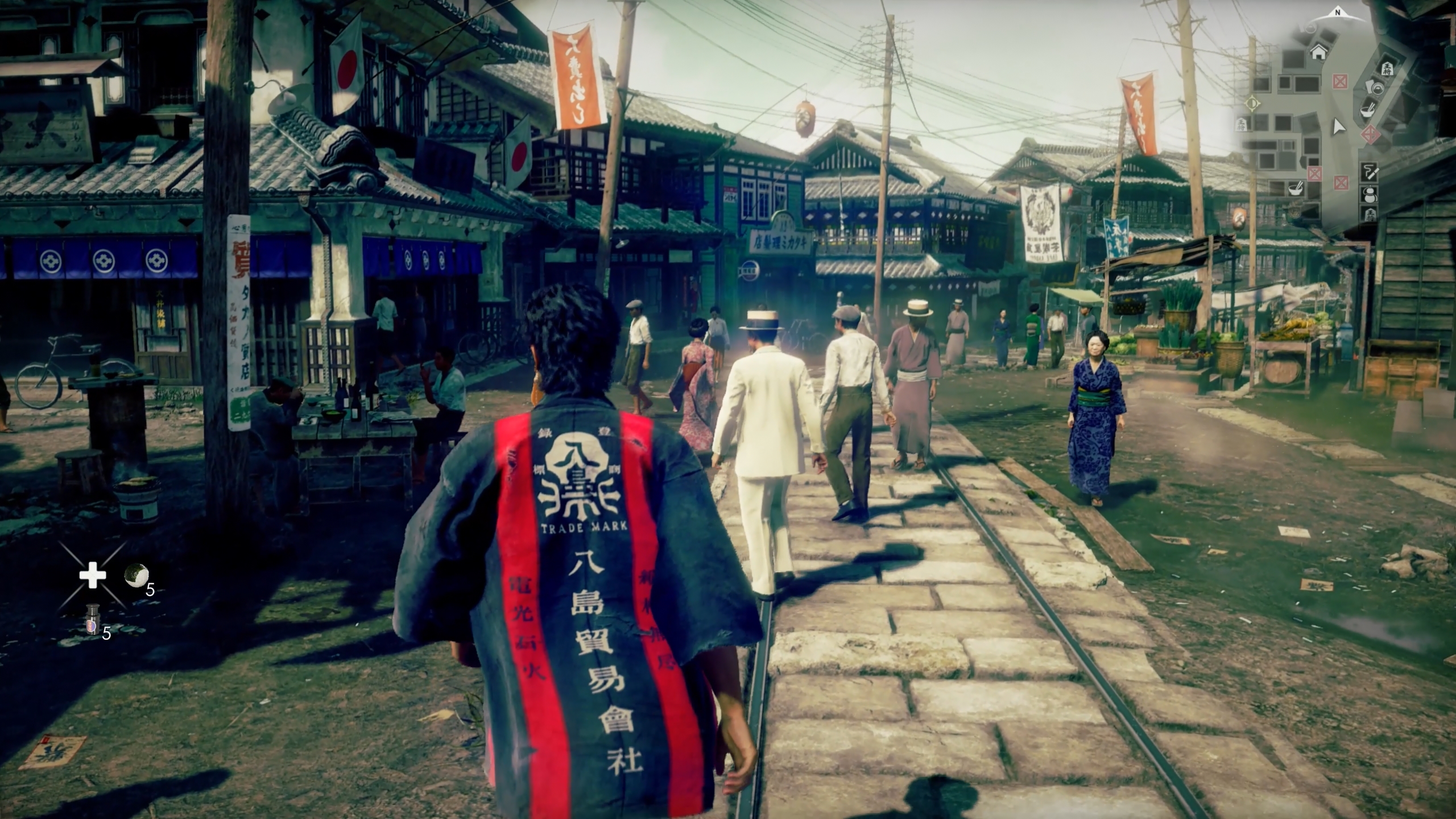
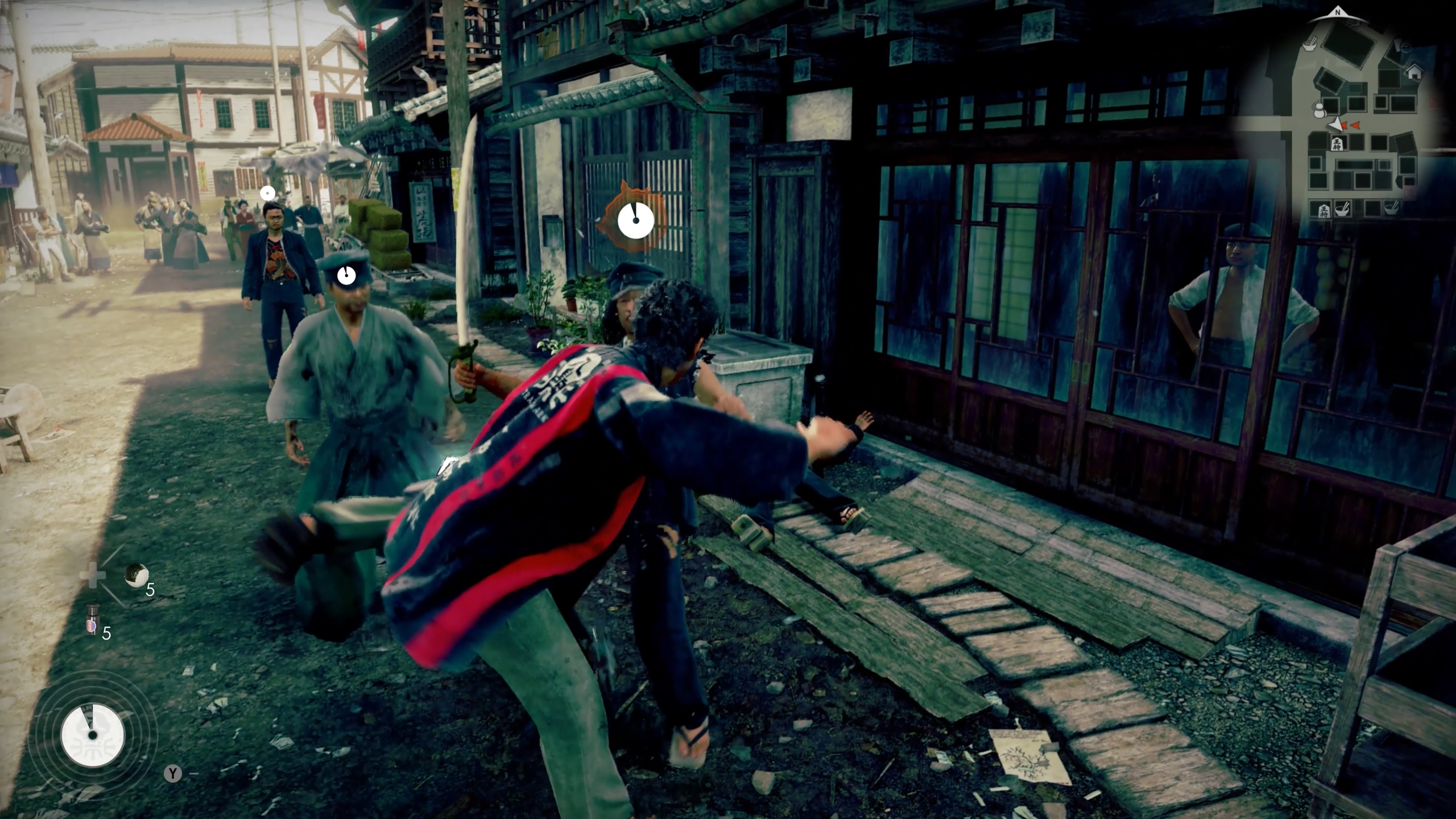
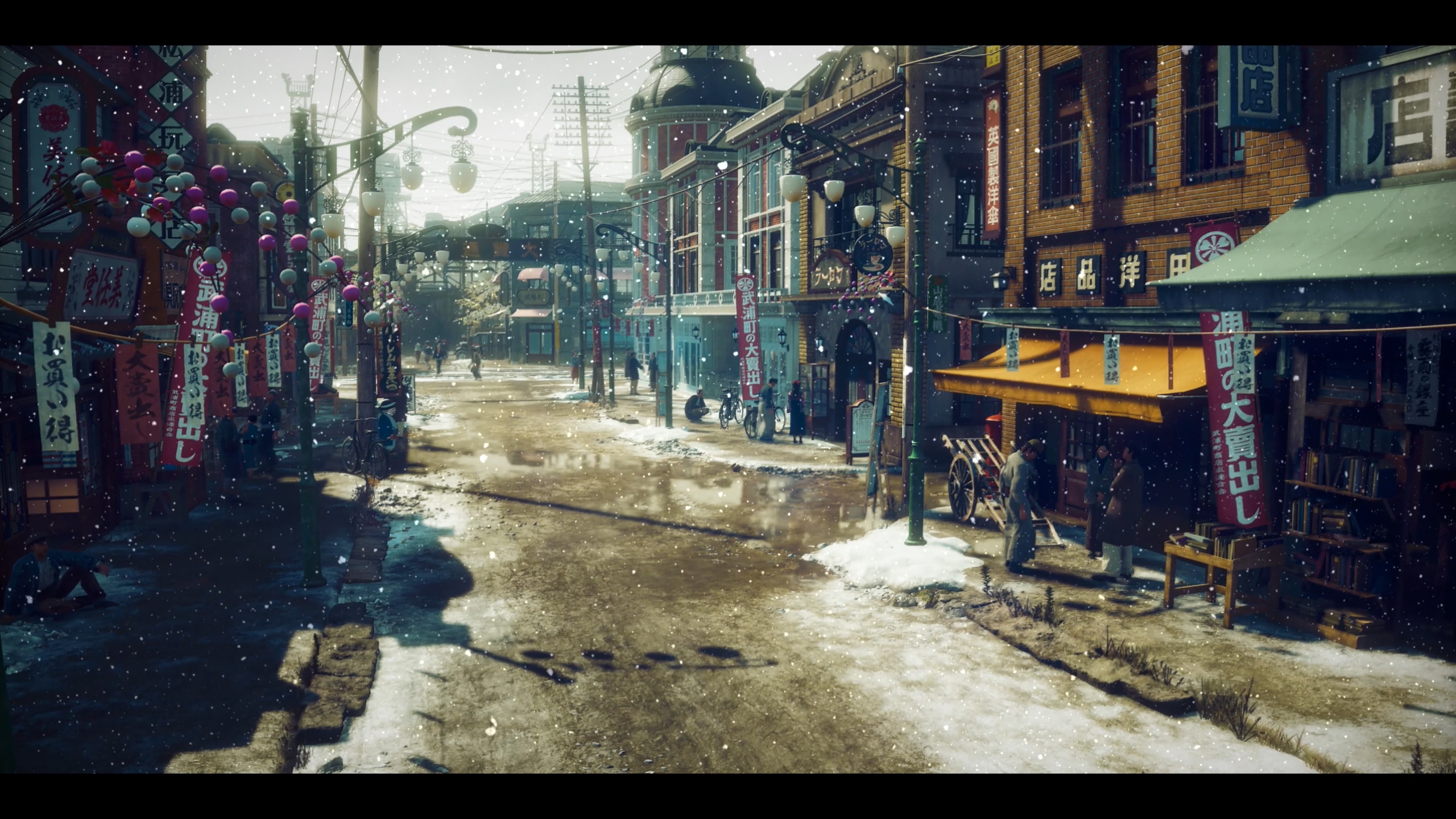
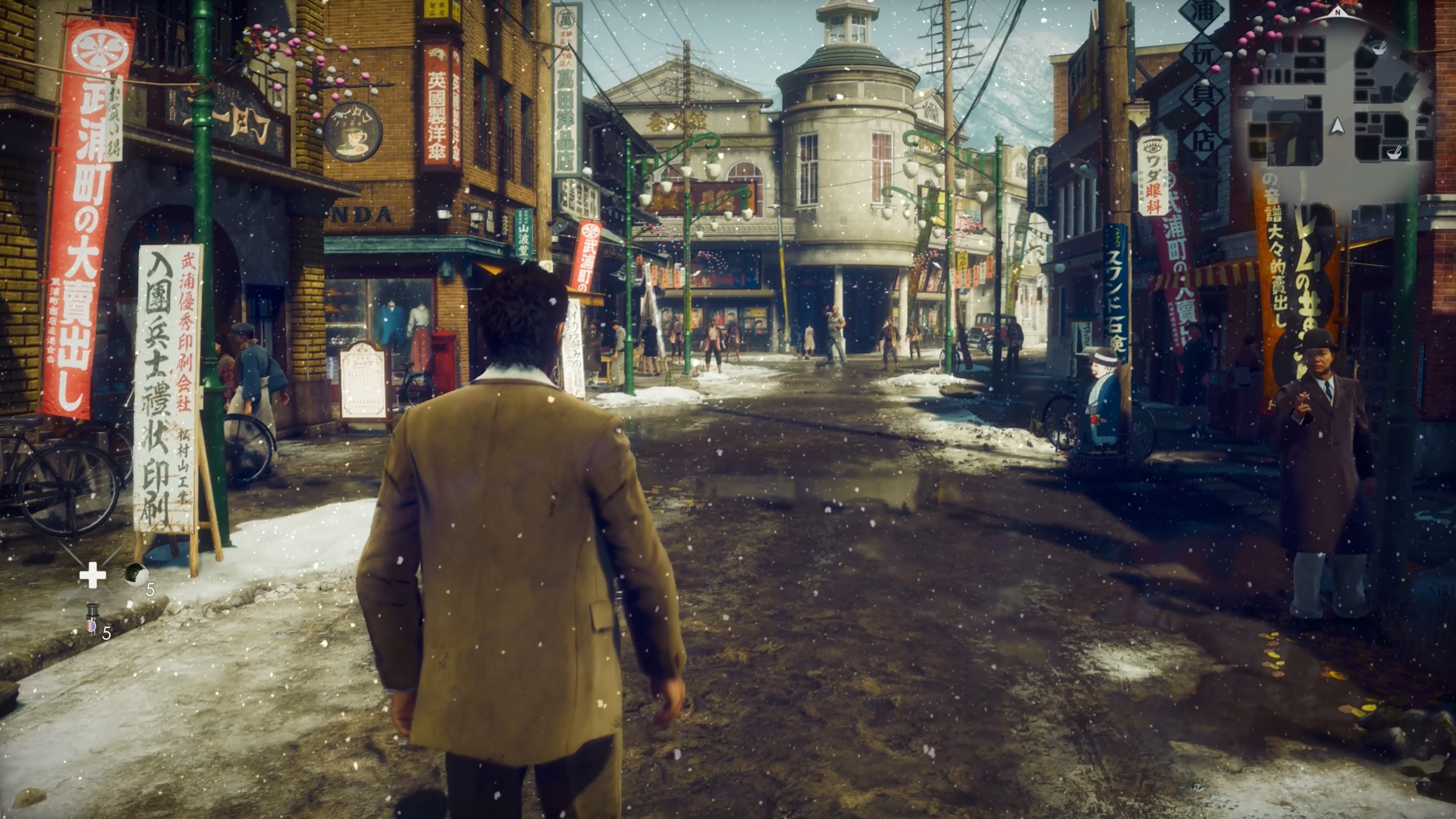
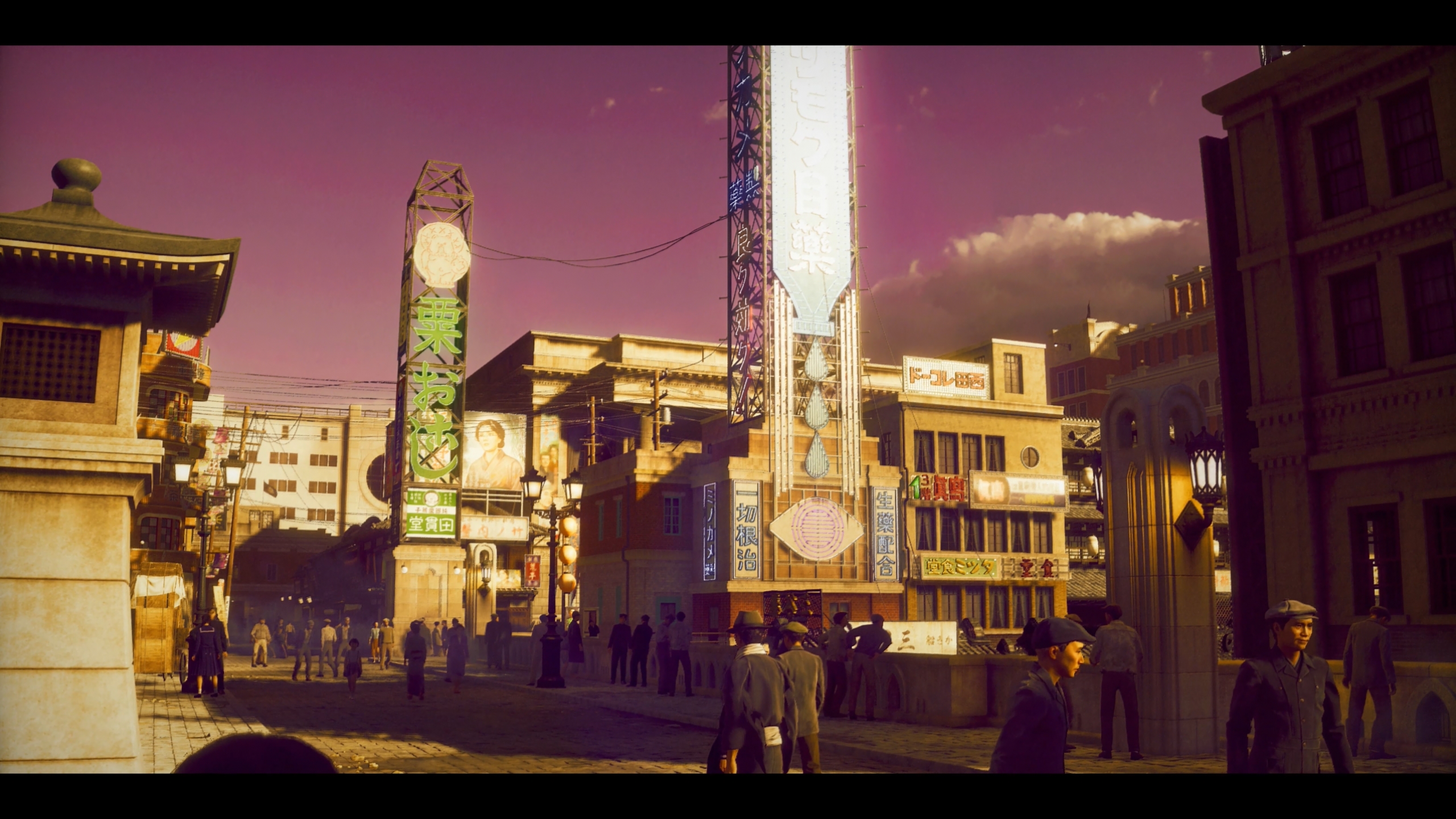
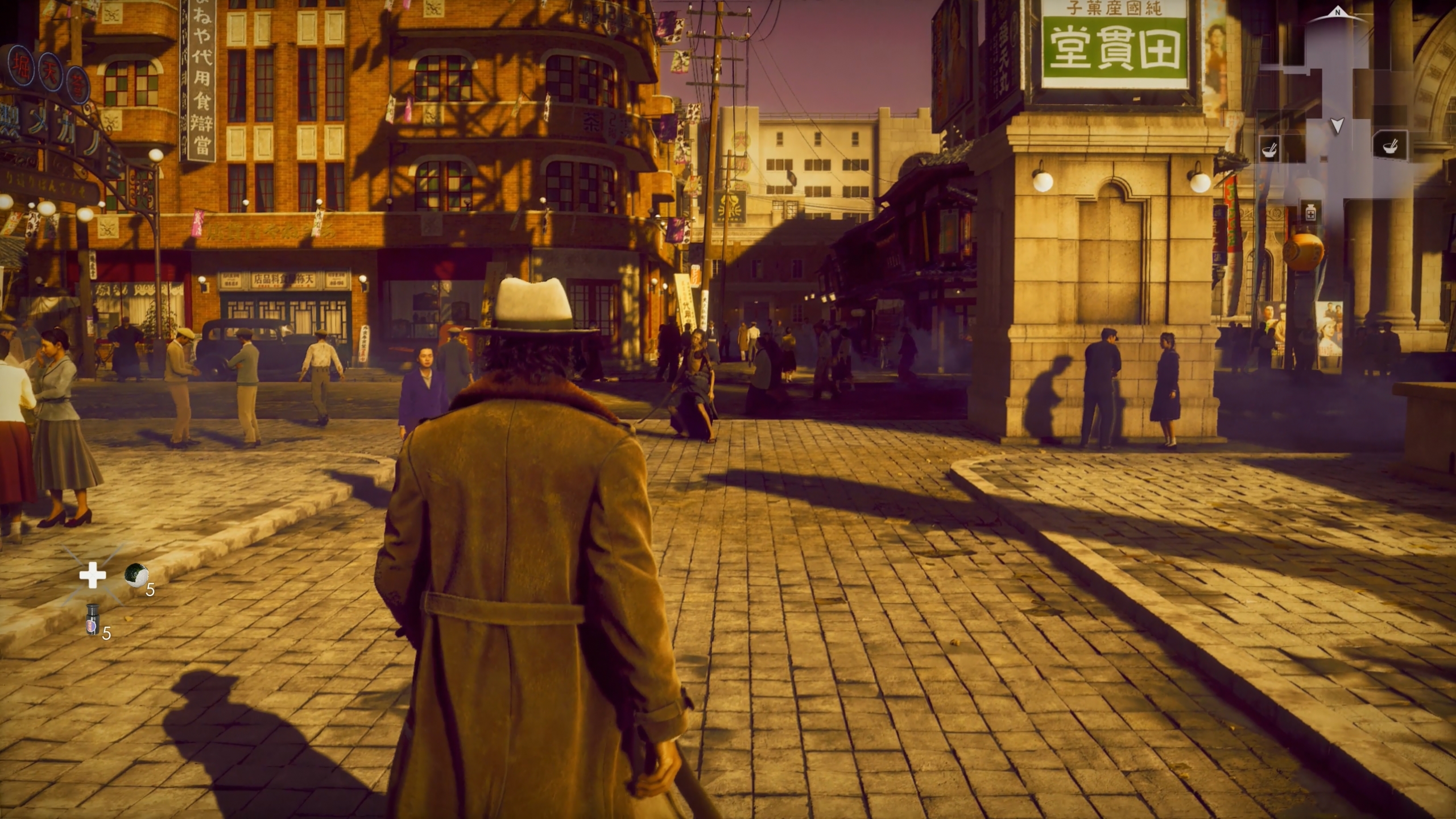
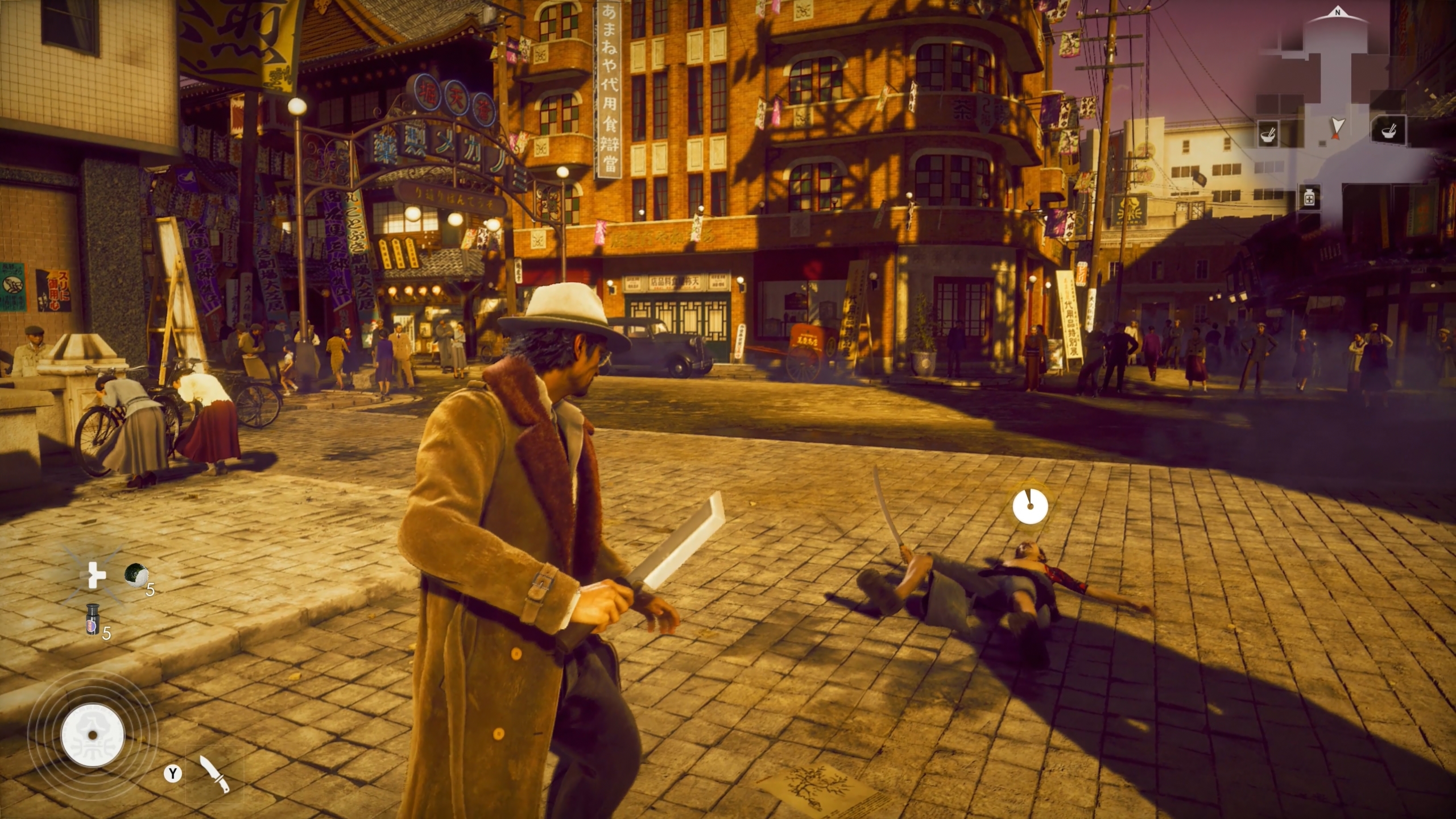
The demo showcased three different eras from Stranger than Heaven - the years 1915, 1929, and 1943, but they were only tiny slices of each and served as beginner, intermediate, and advanced battle training stages. Not much exploration was possible, because the demo funneled the player into the fights almost immediately. Plus, there were invisible walls that prevented poking into places you weren’t meant to be.
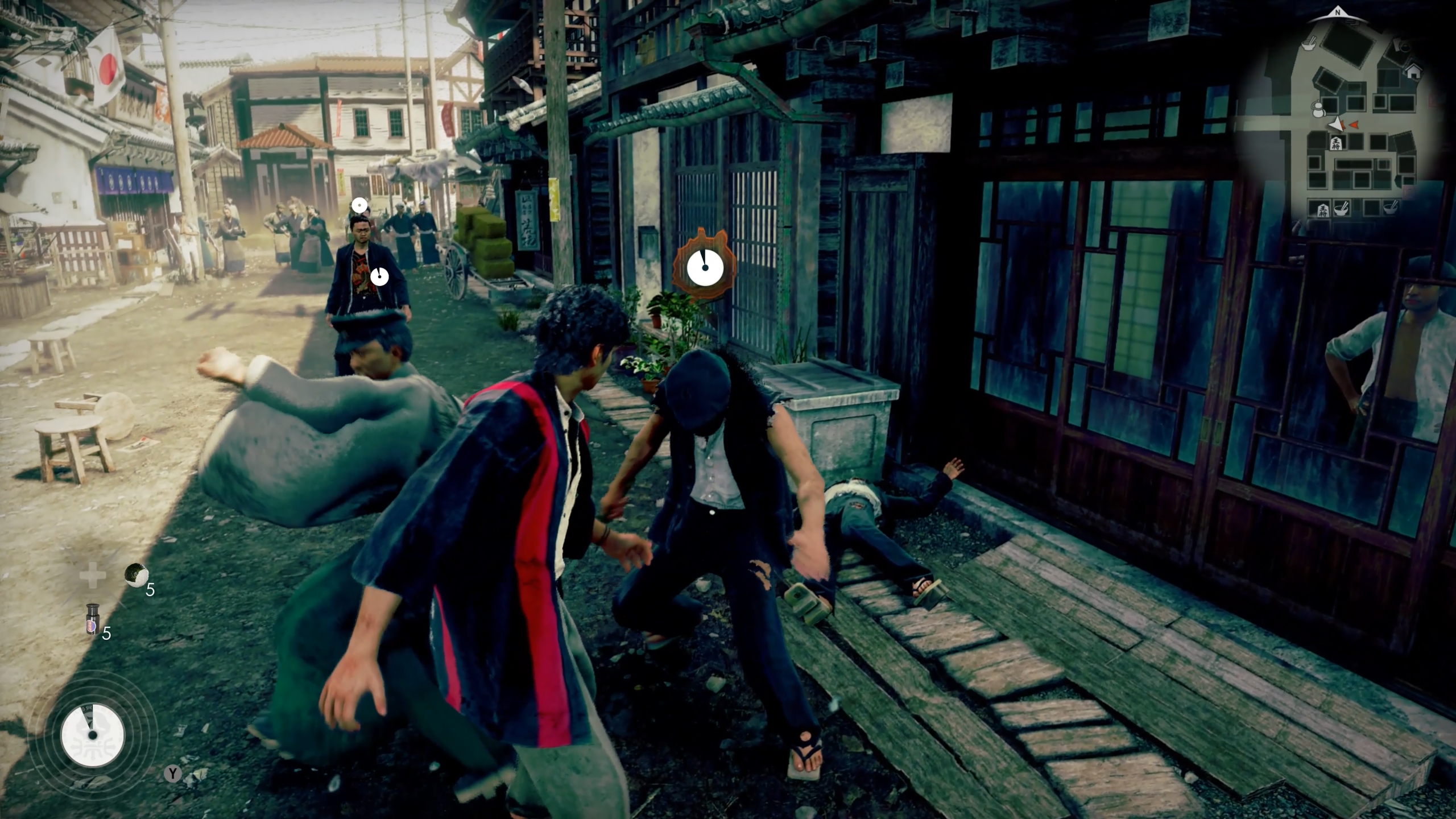
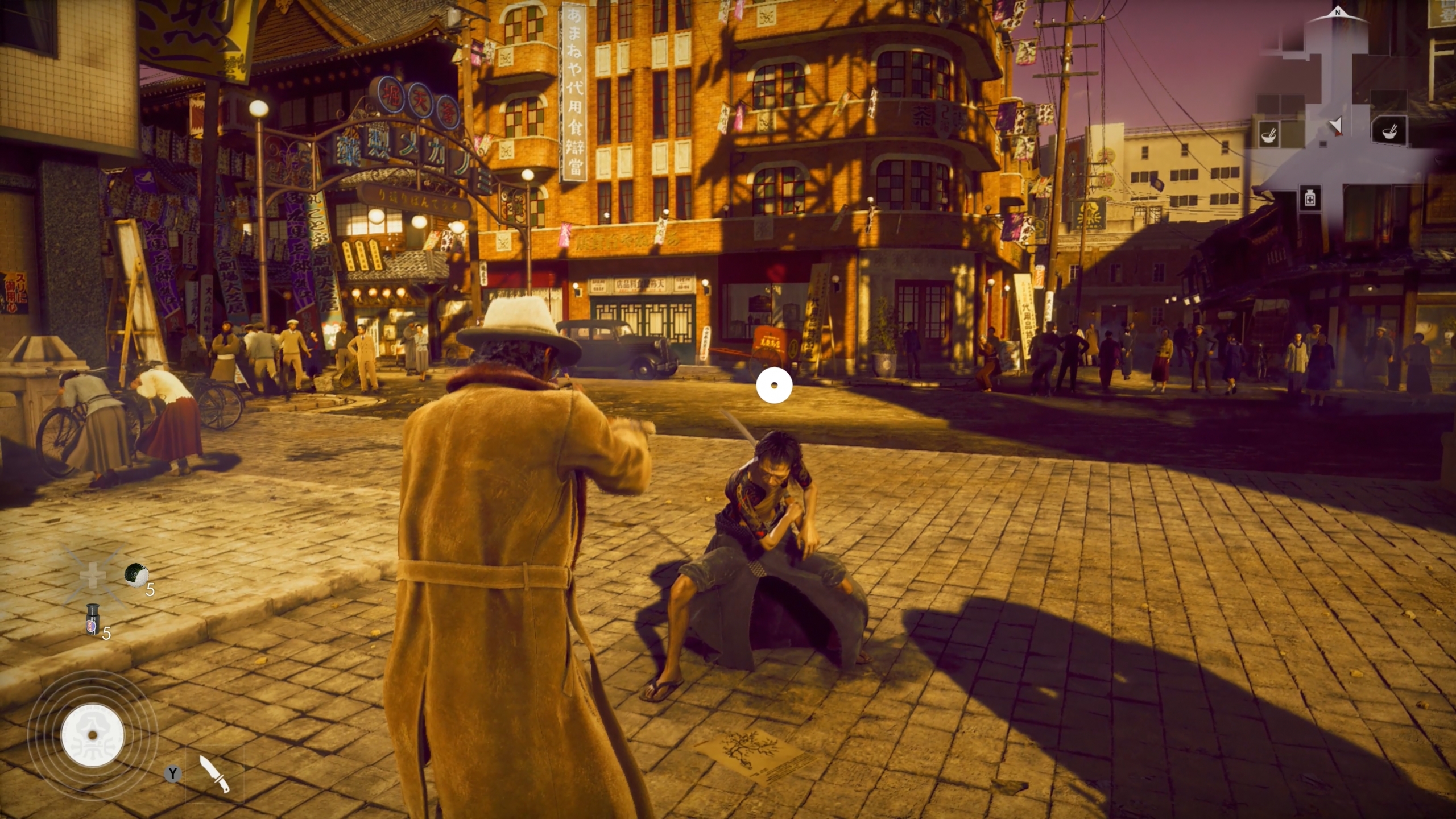
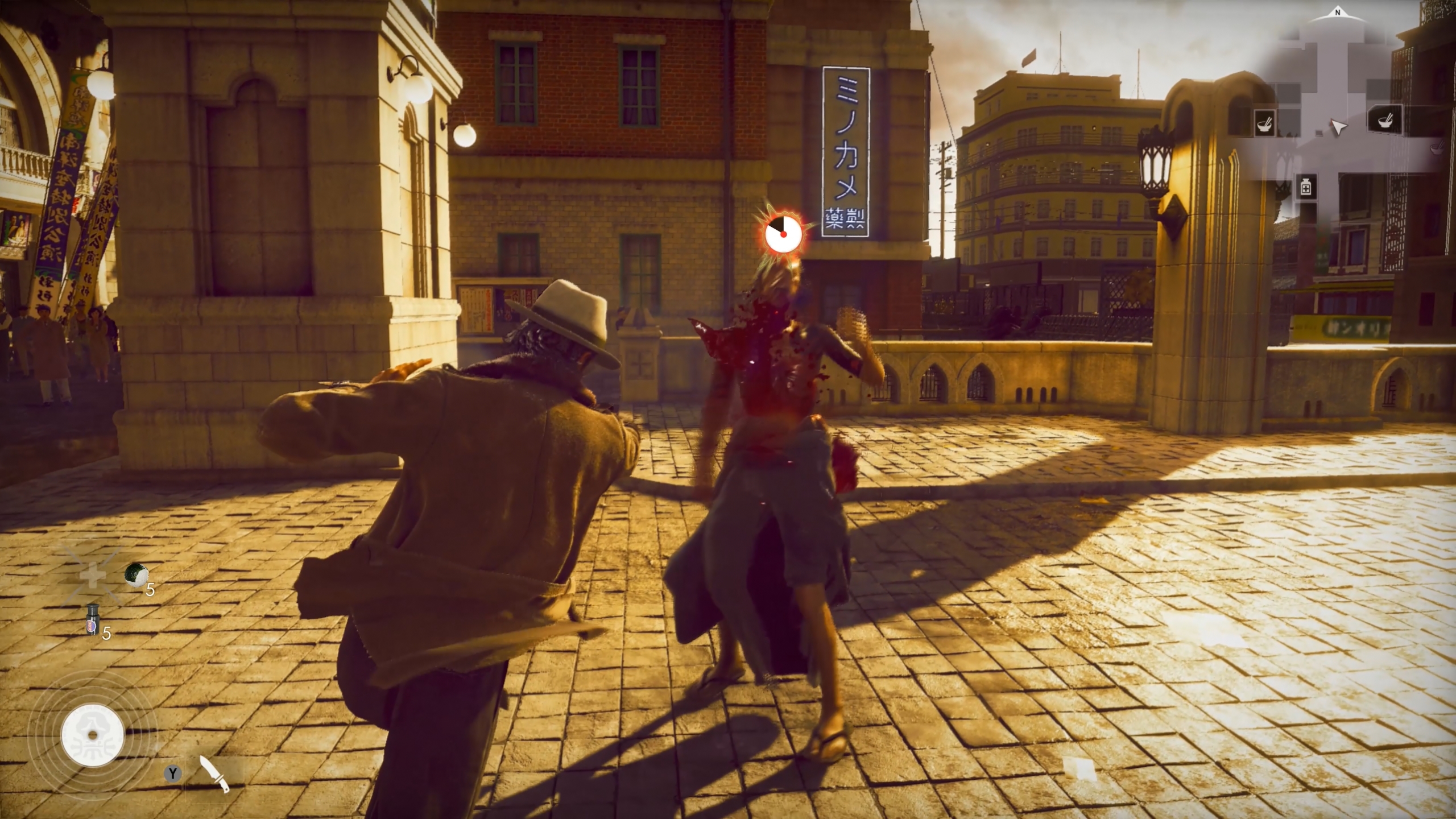
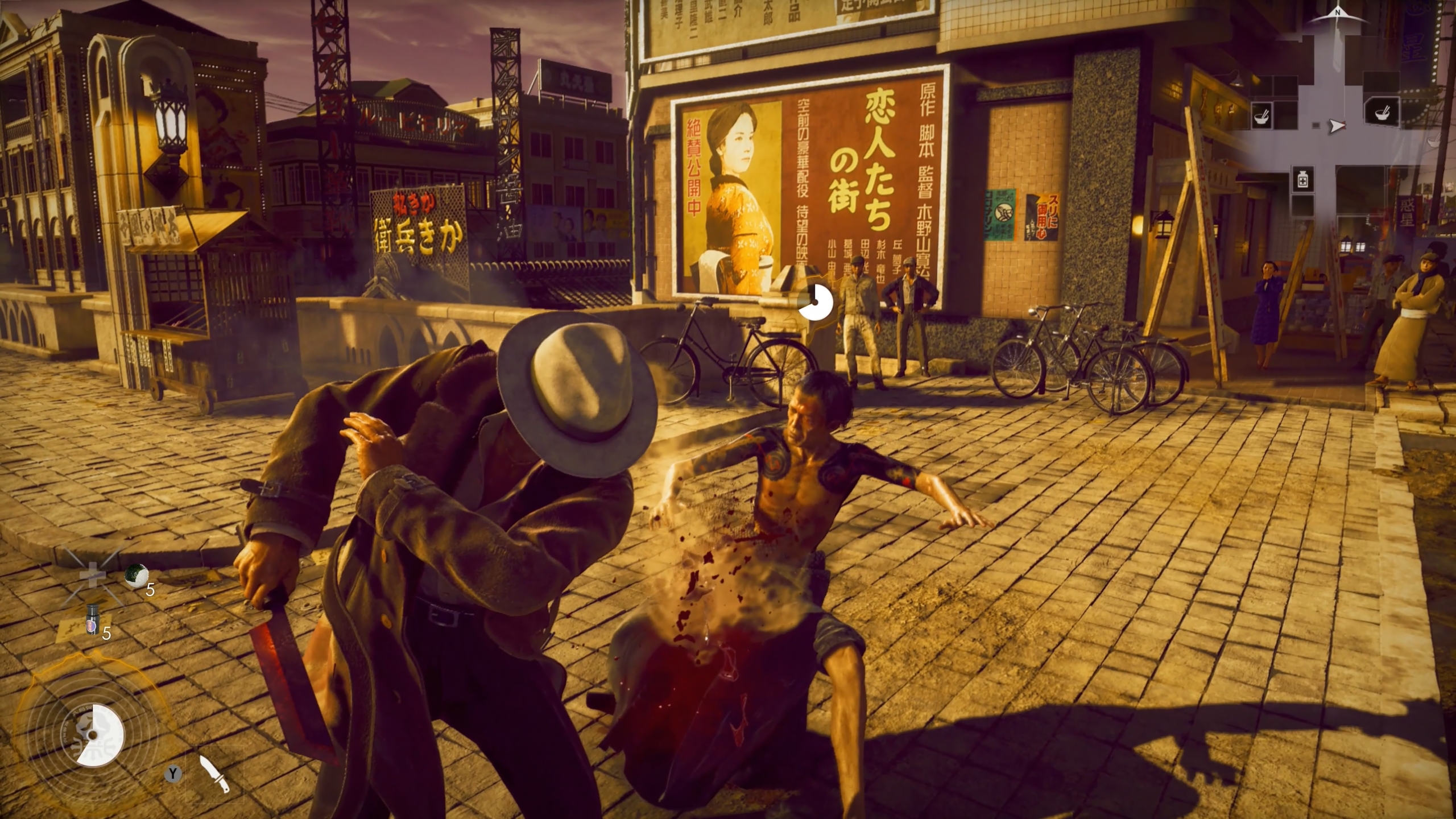
Previous trailers of Stranger than Heaven briefly touched upon how its battle system revolved around using the left bumper, left trigger, right bumper, and right trigger to control the protagonist Makoto’s limbs. I initially thought of Tekken, since that fighting game mapped face buttons to a character’s limbs in a similar manner. Stranger than Heaven’s approach is much more rigid, grounded, and at first, quite clunky when I first tried to wrap my head around it.
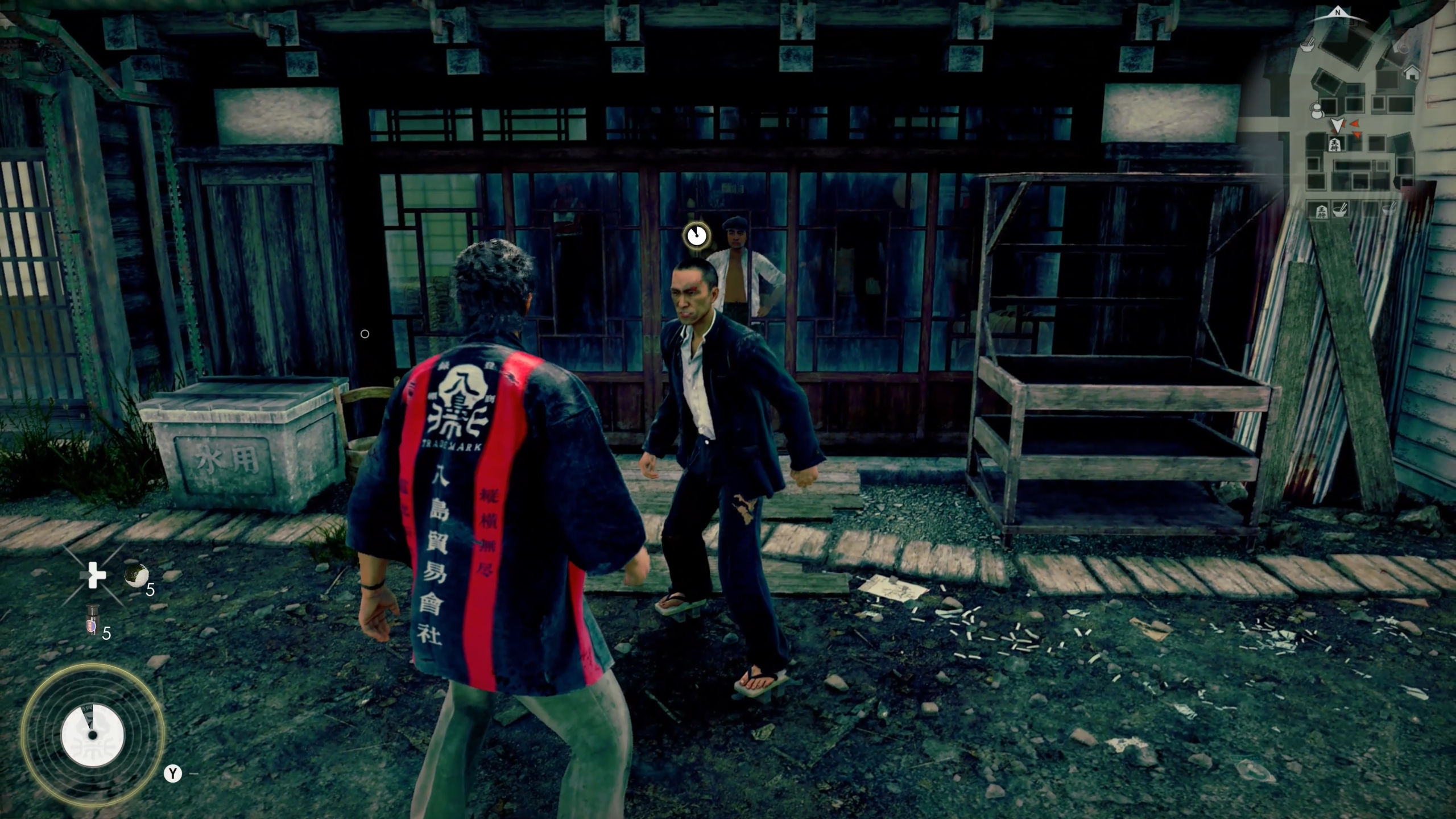
In Yakuza, Kiryu would smoothly go into a string of punches and kicks alternating between the light and heavy attack buttons. Stranger than Heaven is much more involved, and the player has to be much more attentive in how they want to approach every attack. Is the enemy visibly guarding their left side? Strike their right. No obvious openings at their upper torso? Give them a kick to force them to shift their guard elsewhere. While a typical Yakuza combo string might be something like X/X/Y/Y, Stranger than Heaven looks more akin to LB/RB/LB/RT.
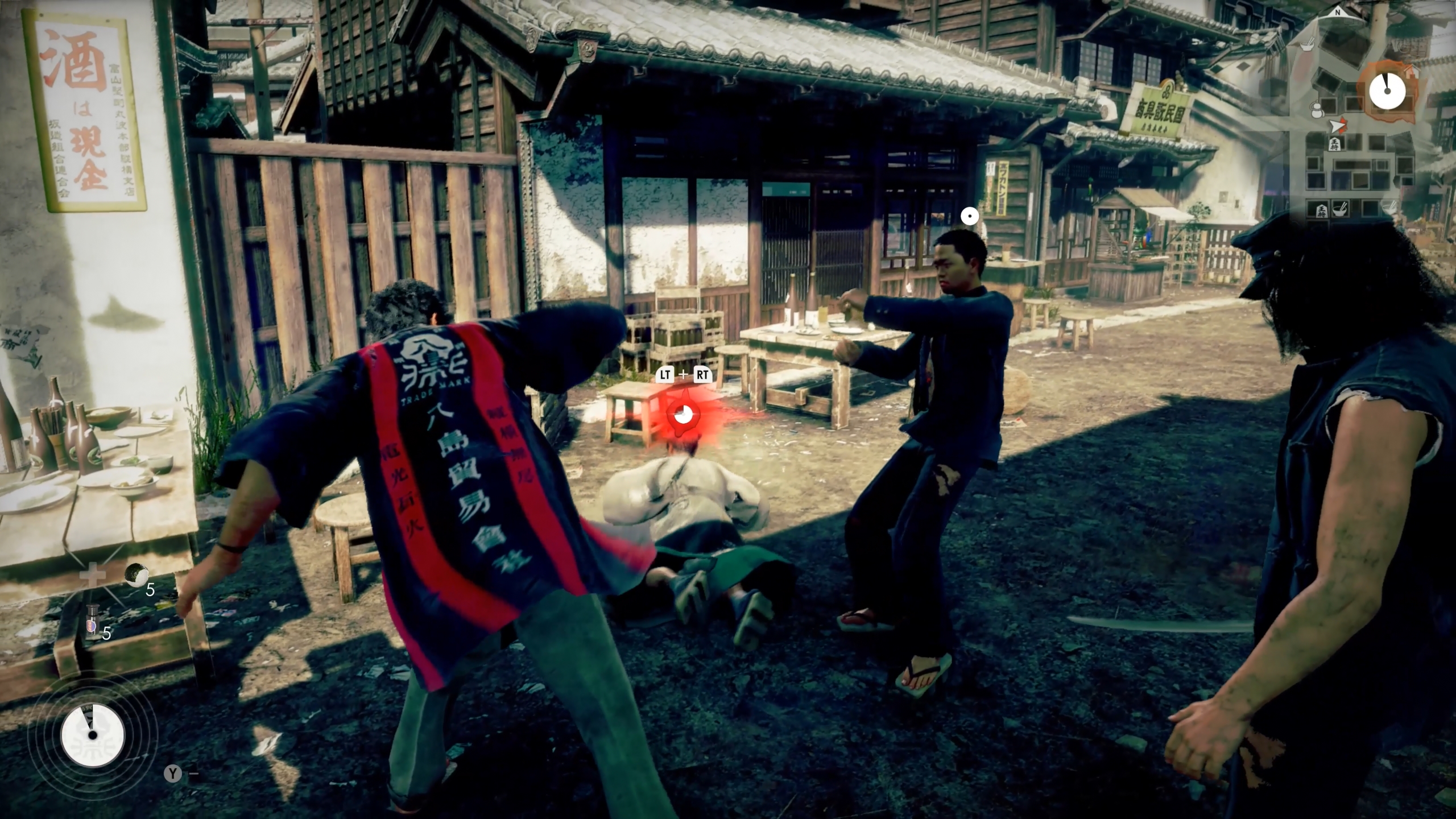
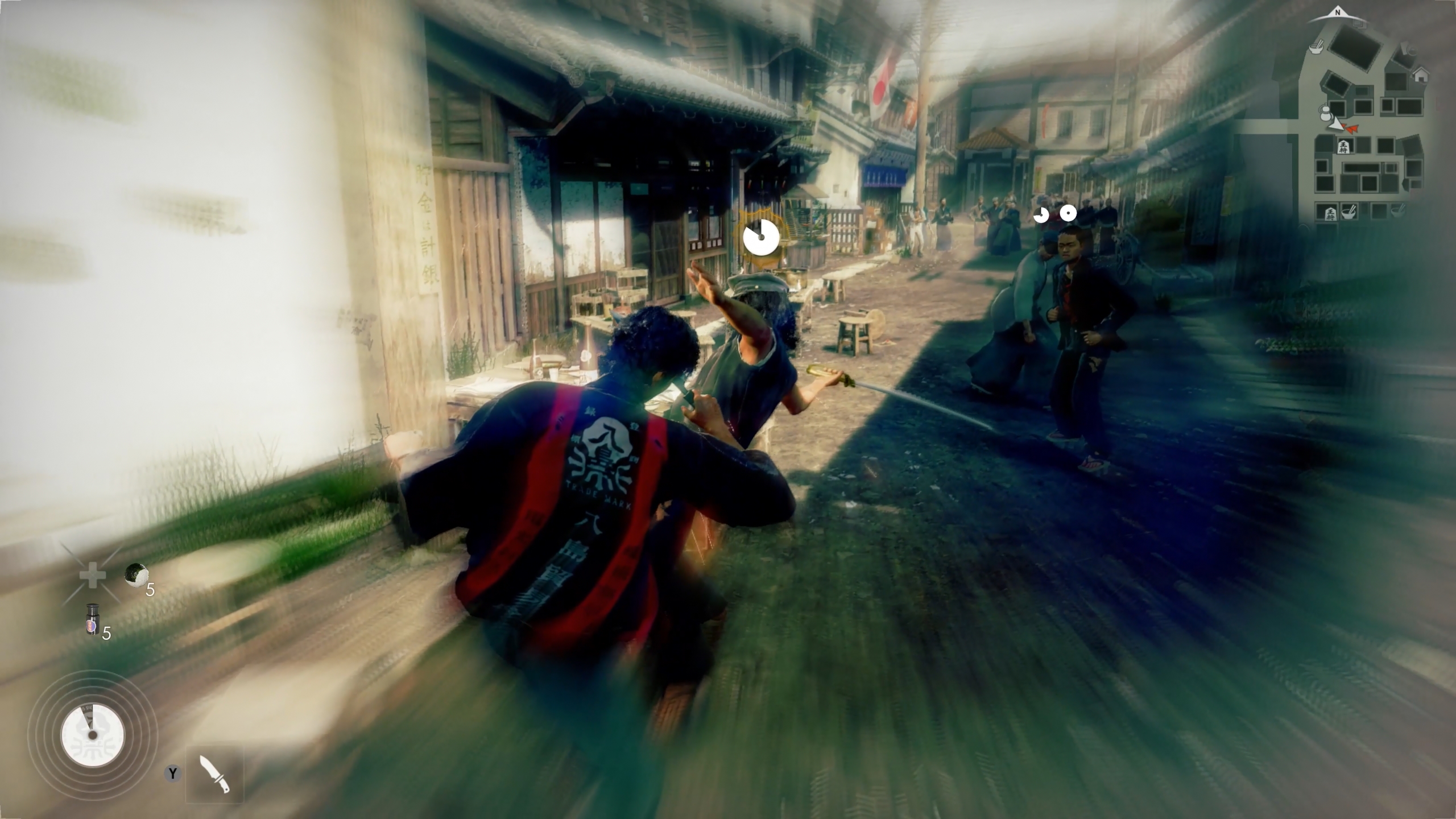
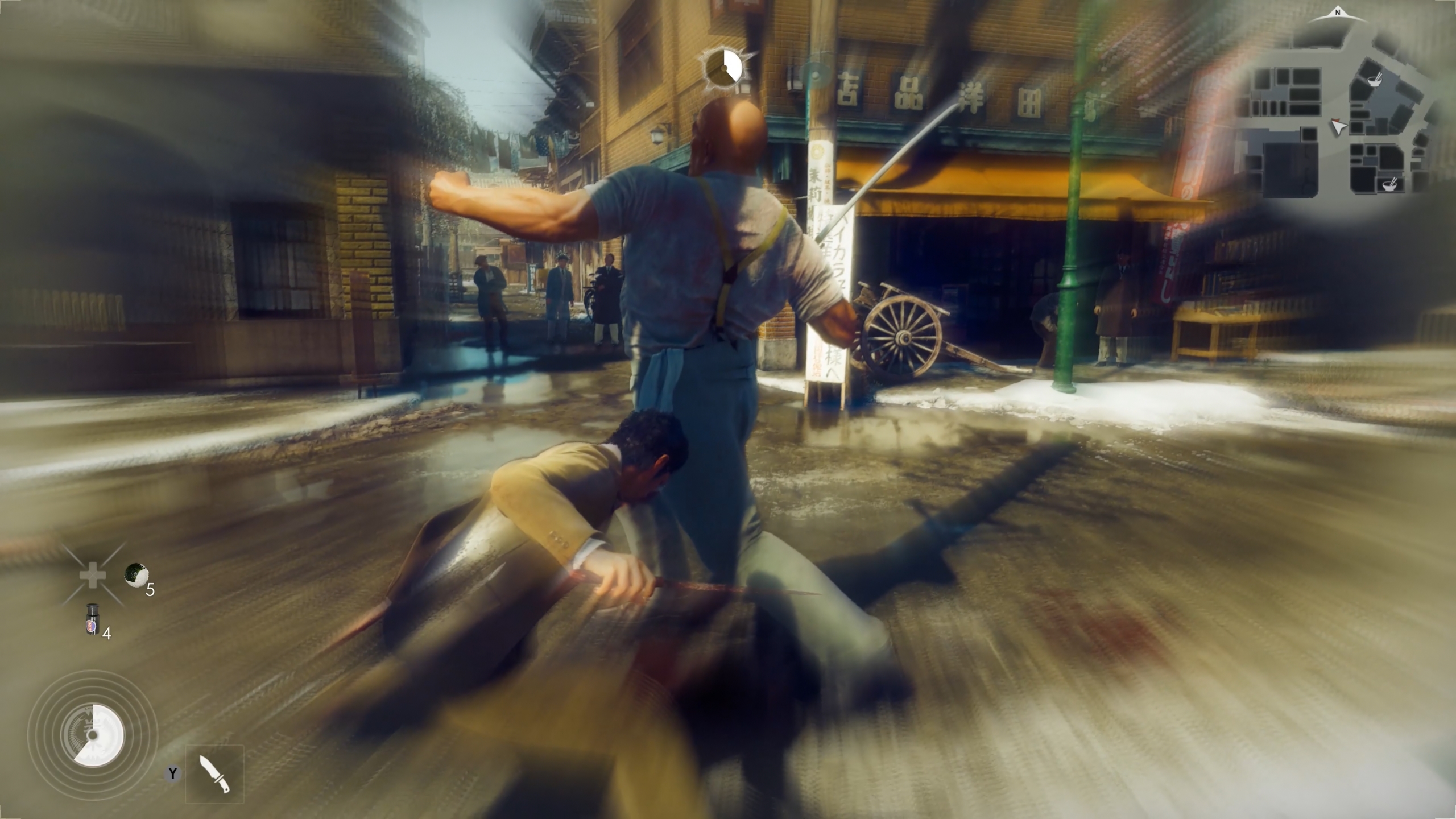
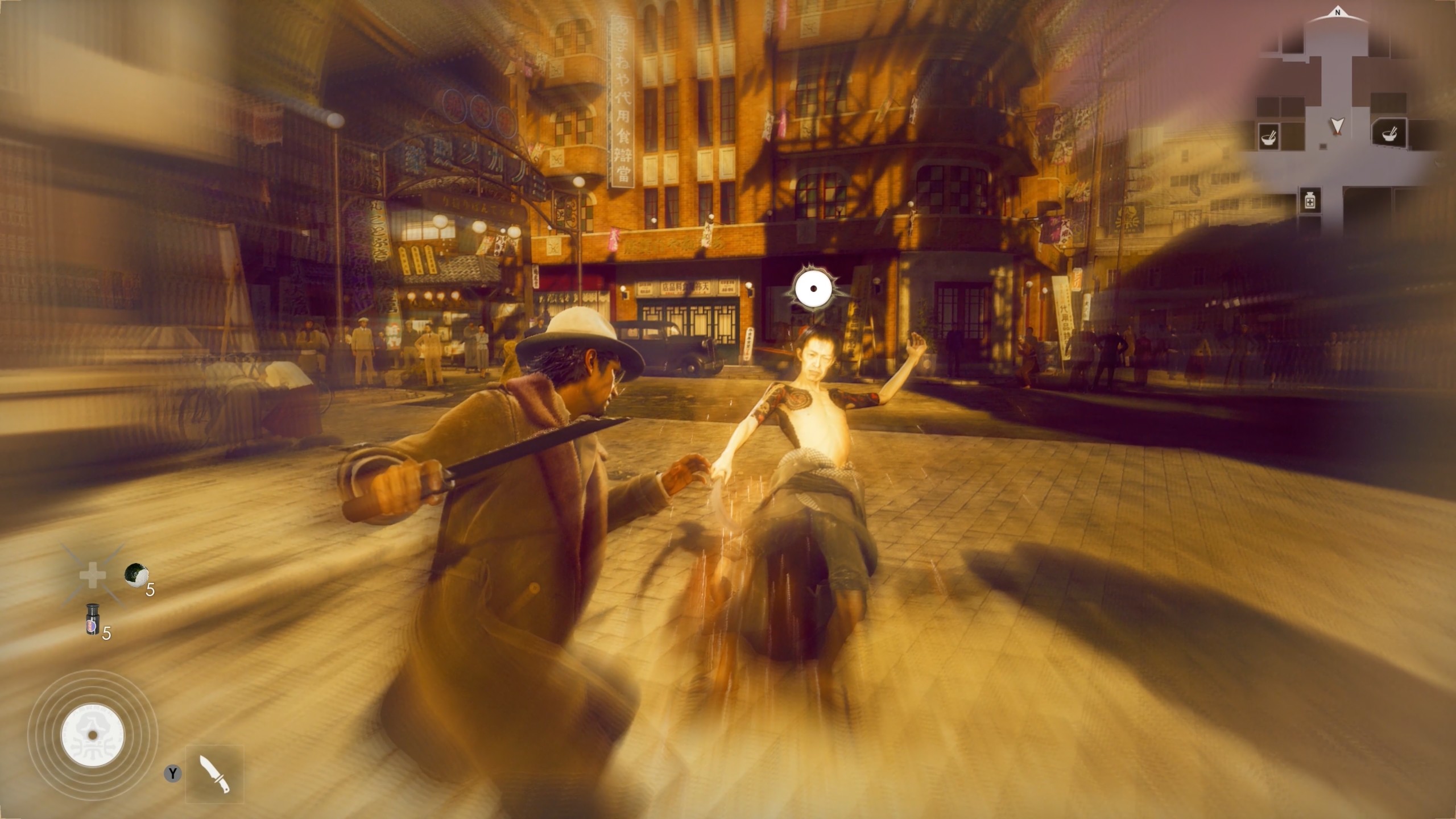
Makoto also has guard and dodge maneuvers. Continually blocking incoming attacks will drain his stamina, which makes his defenses more susceptible to getting breached - though this applies to enemies, as well. Managing Makoto’s stamina and finding ways to tire out your opponents, especially tougher ones, makes battles make more sense. Perfect dodging slows down time briefly as well, which allows players to either commence a counterattack or sneak in a health item.
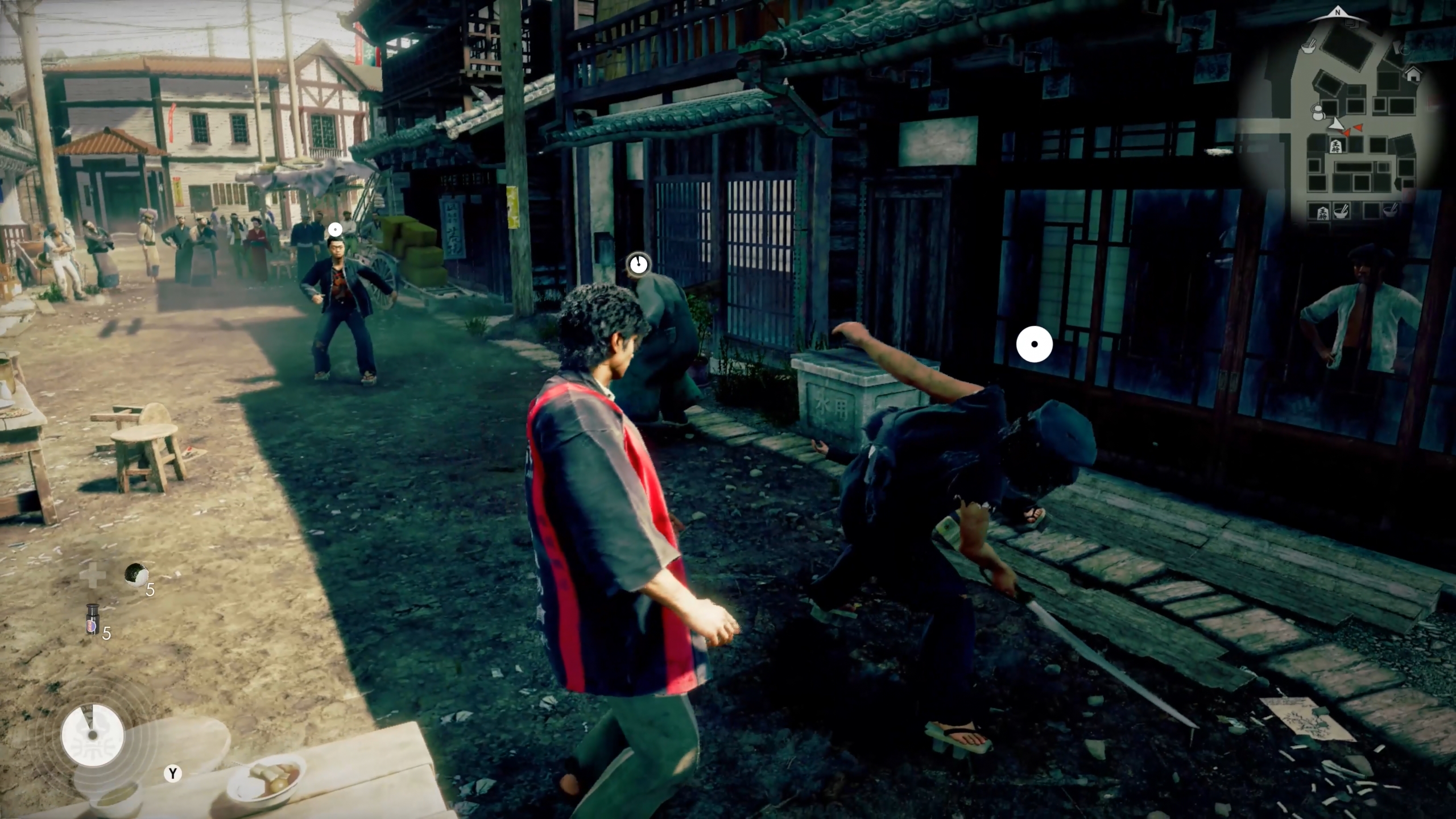
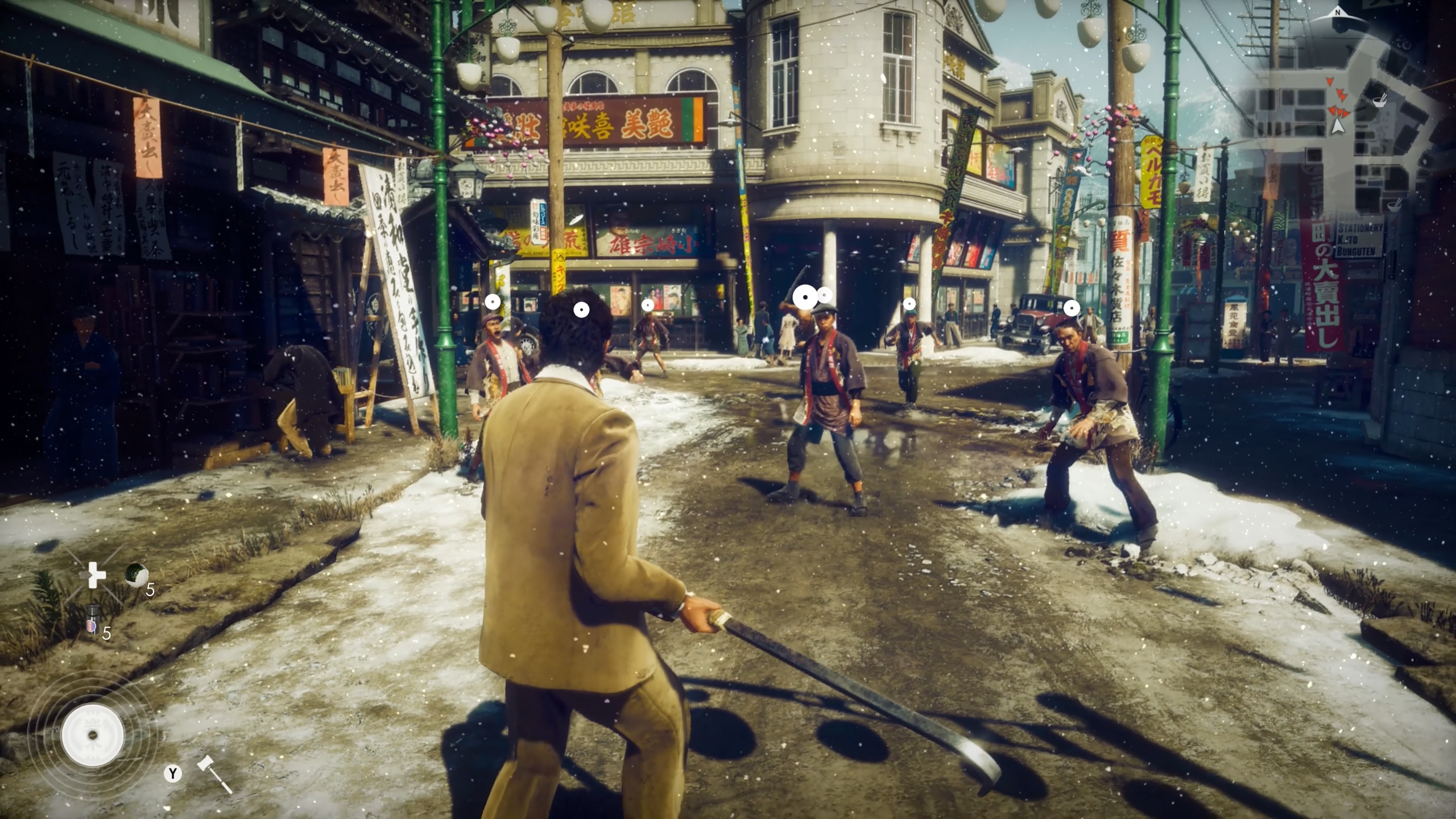
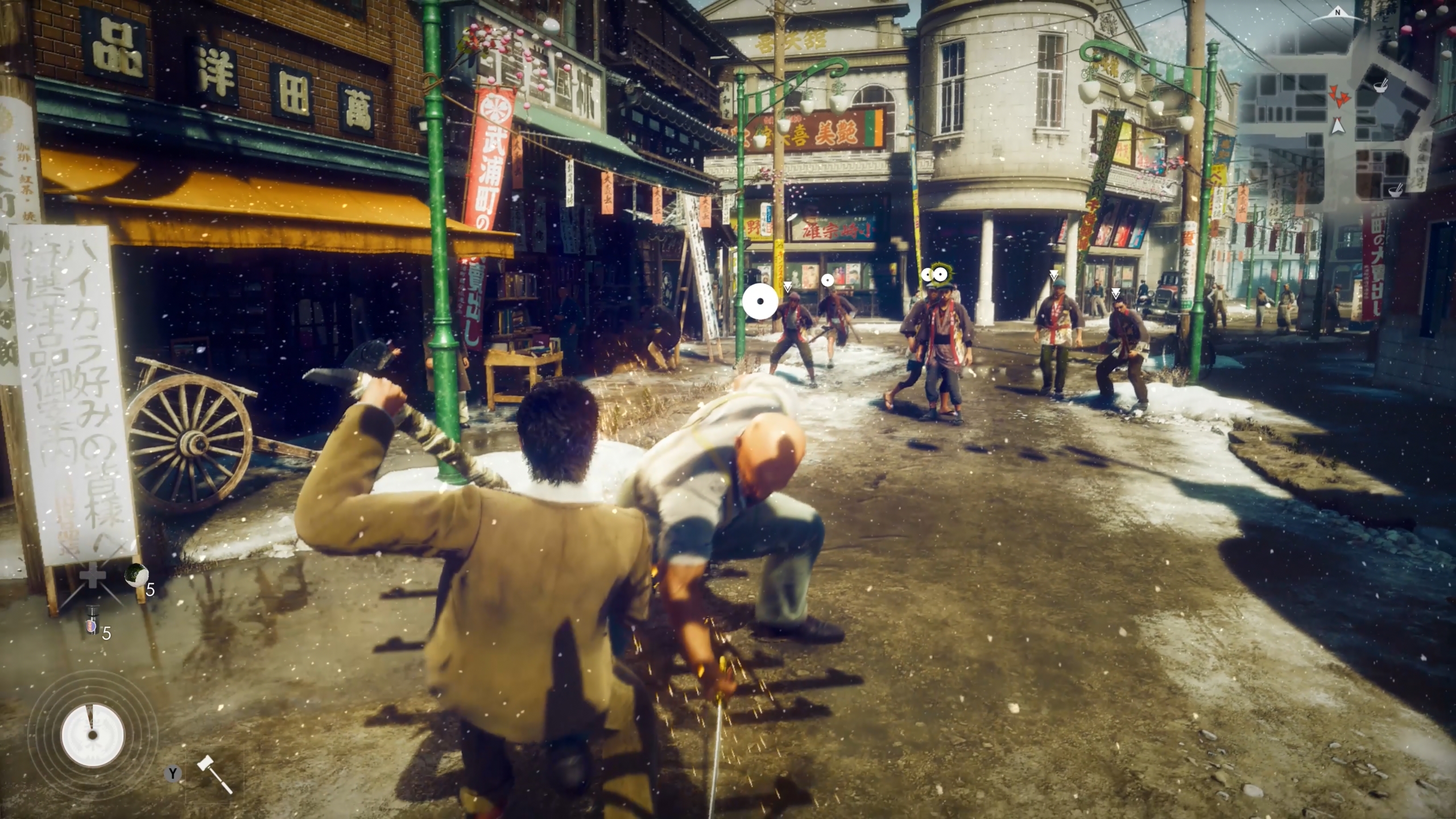
Fighting more than two opponents in Stranger than Heaven is tricky, since I think maintaining an offensive momentum is key to making its battle system click. Having to ease off a foe I was trying to dispose of quickly sometimes proved fatal.
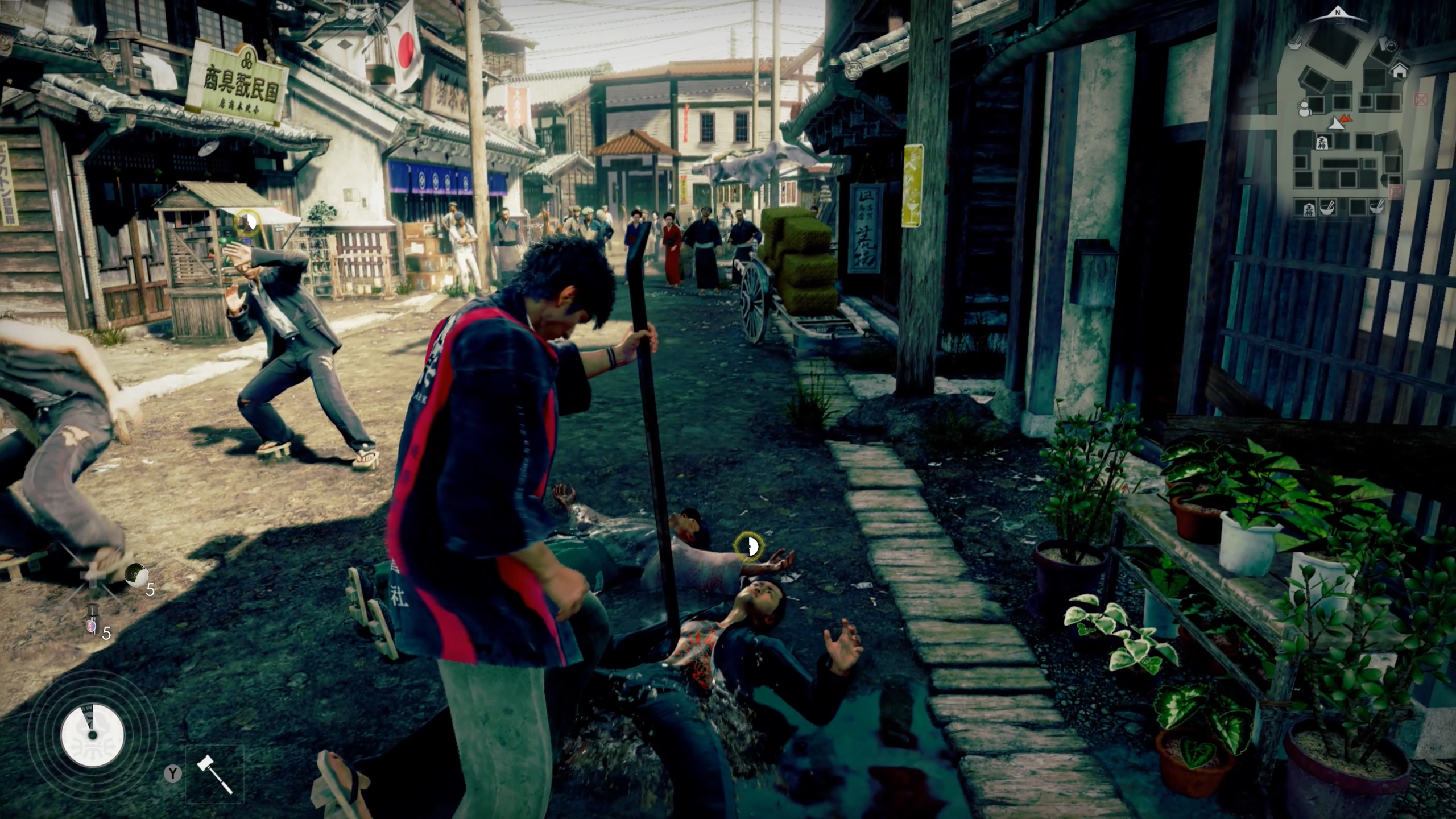
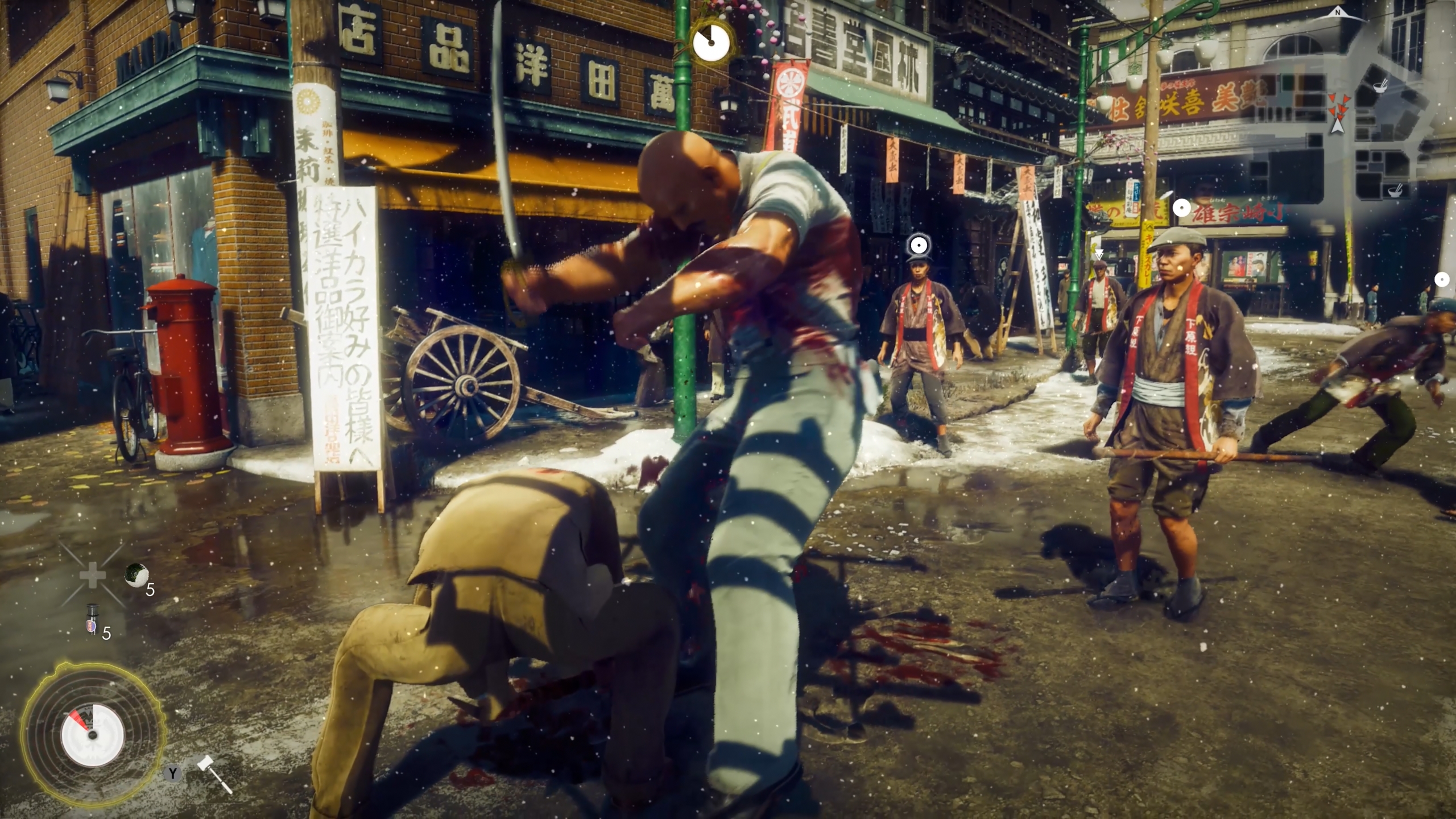
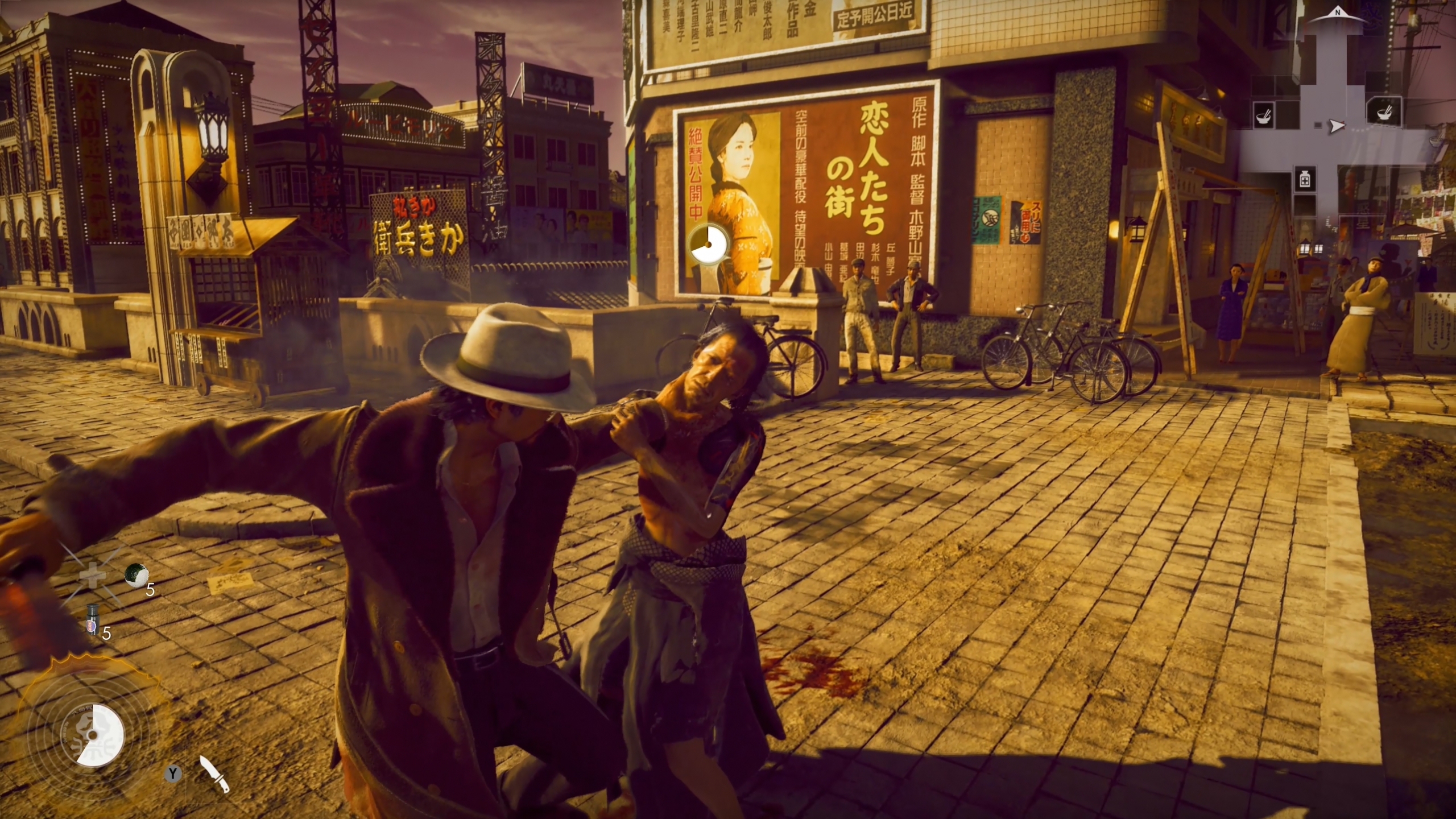
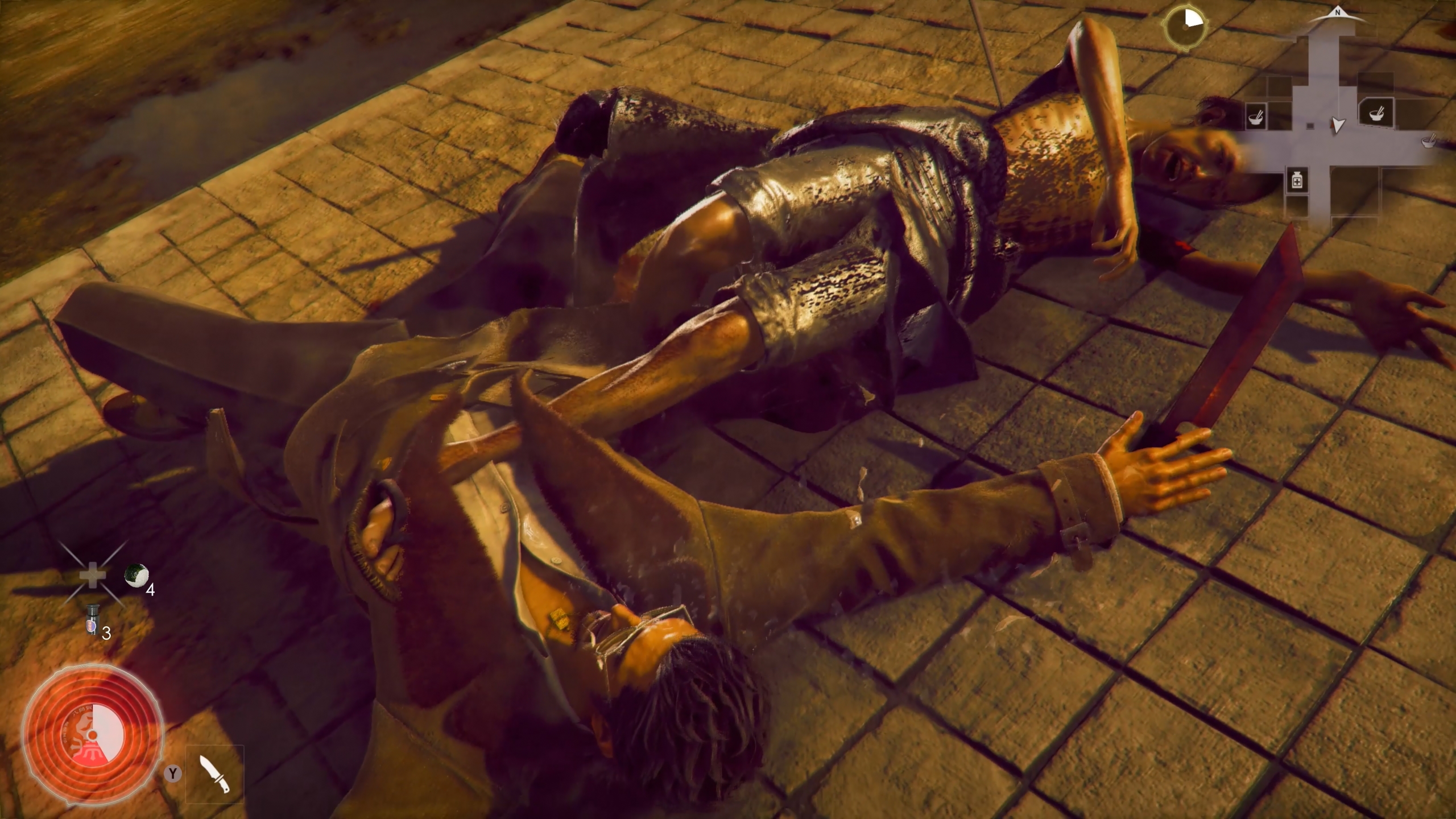
Stranger than Heaven possesses one of the most brutal knocked down states for players I’ve seen in a game lately. When a player gets knocked down by an enemy attack, they cannot get up immediately; they must wait till they have enough stamina to actually get back up. Enemies are free to continually attack them while they’re on the ground, and their only options are guarding (though they’ll still take a bit of damage per block) and rolling to a side.
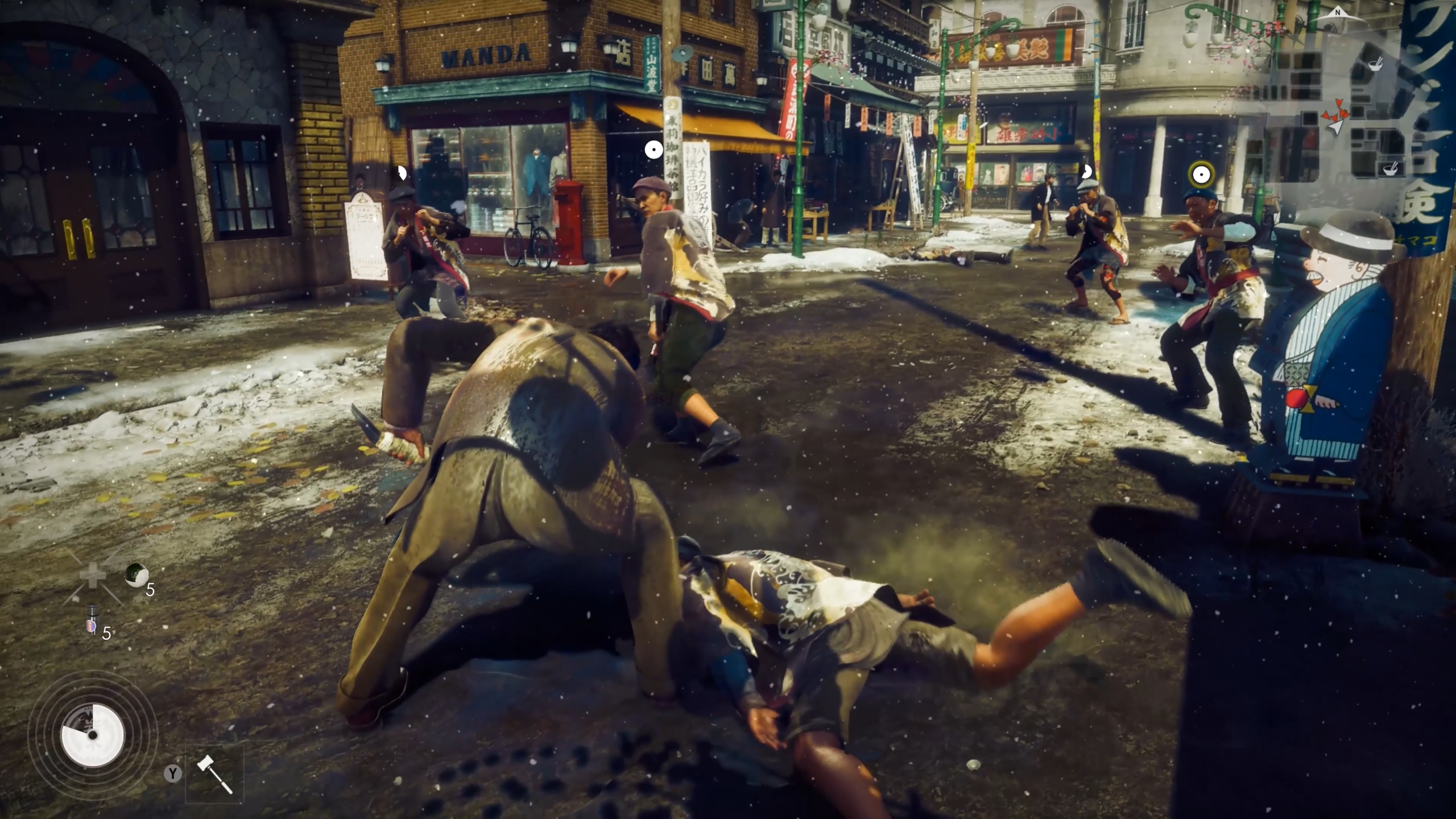
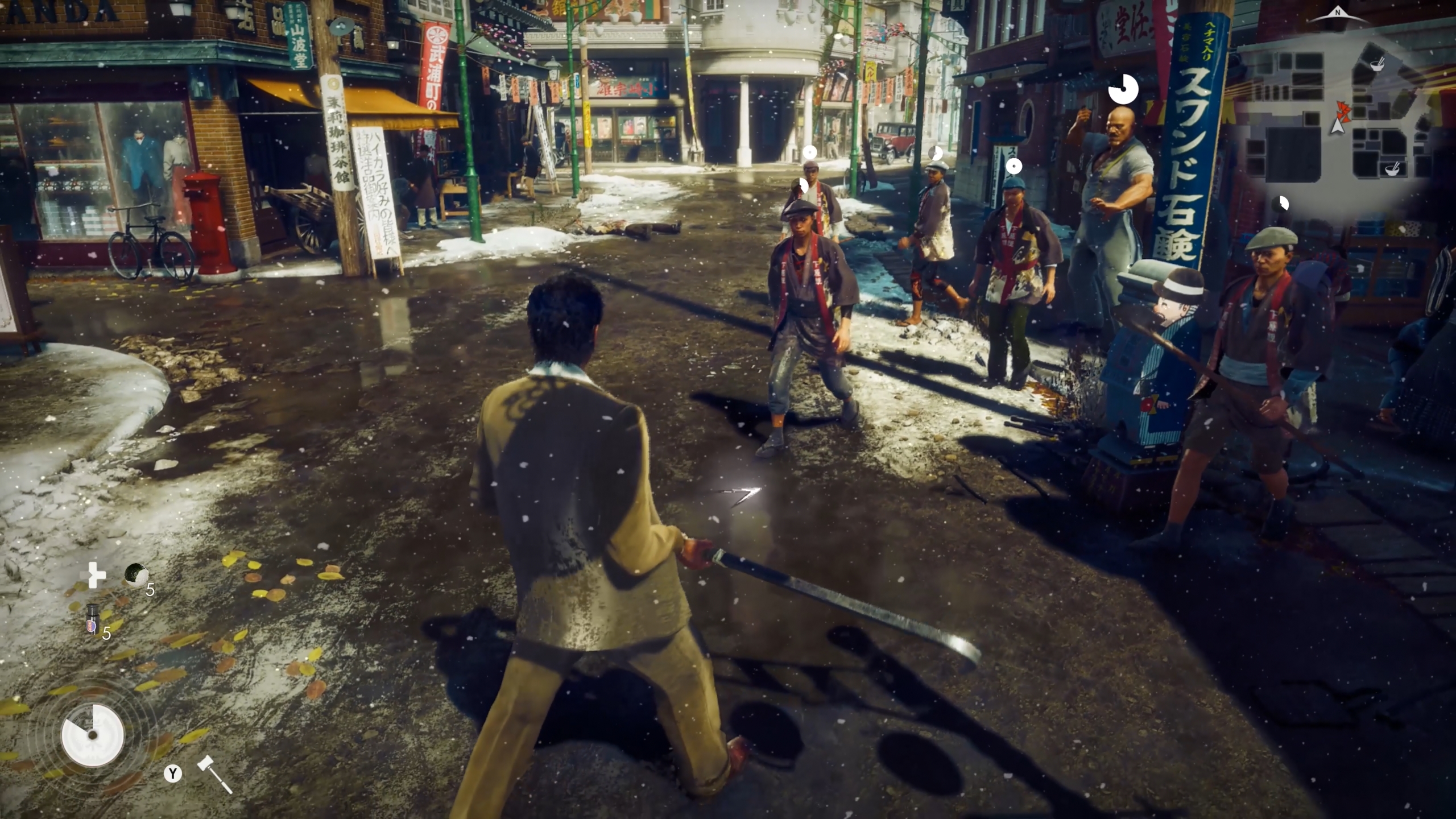
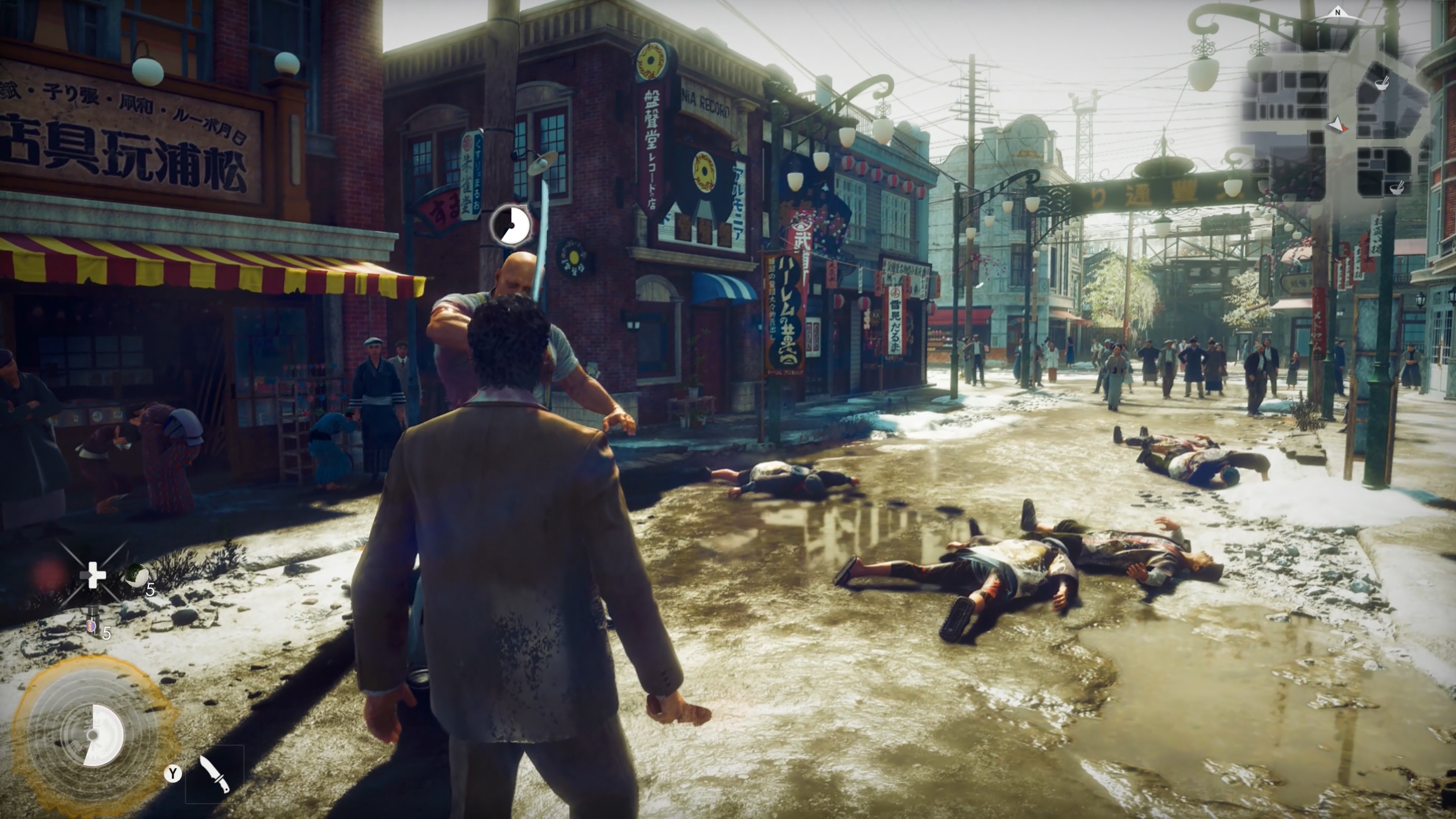
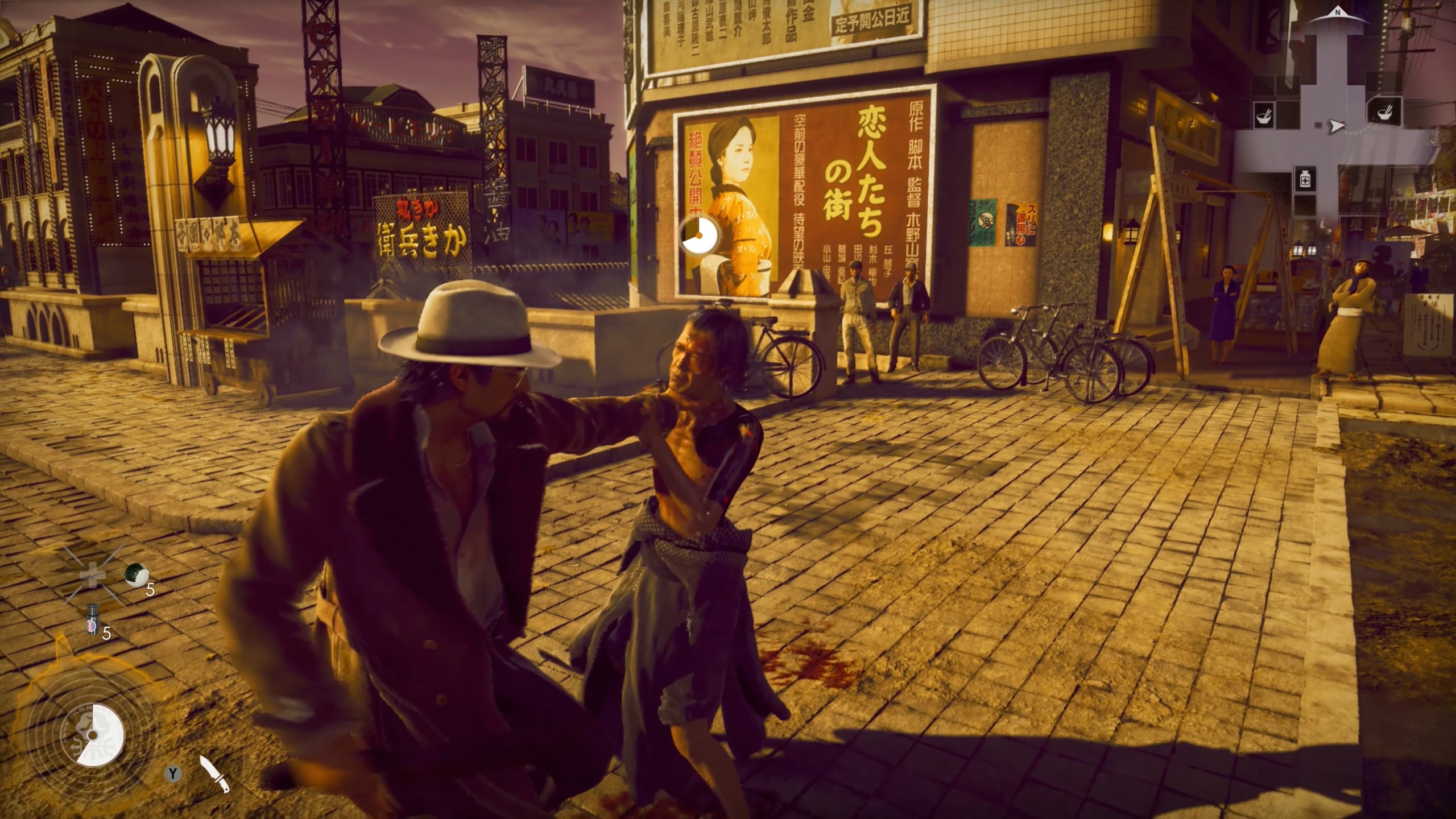
Getting knocked down did instill a sense of helplessness every time it happened. Stamina recovery isn’t that quick, and the current build I played of Stranger than Heaven conveyed stamina in an unconventional way. Instead of a stamina bar or meter, stamina is displayed through a color-coded circle that ripples every time it is depleted. When the circle is white, that means that Makoto’s stamina is “healthy” but as it turns orange, it means he is running out. This circle must become white in order for Makoto to get back up.
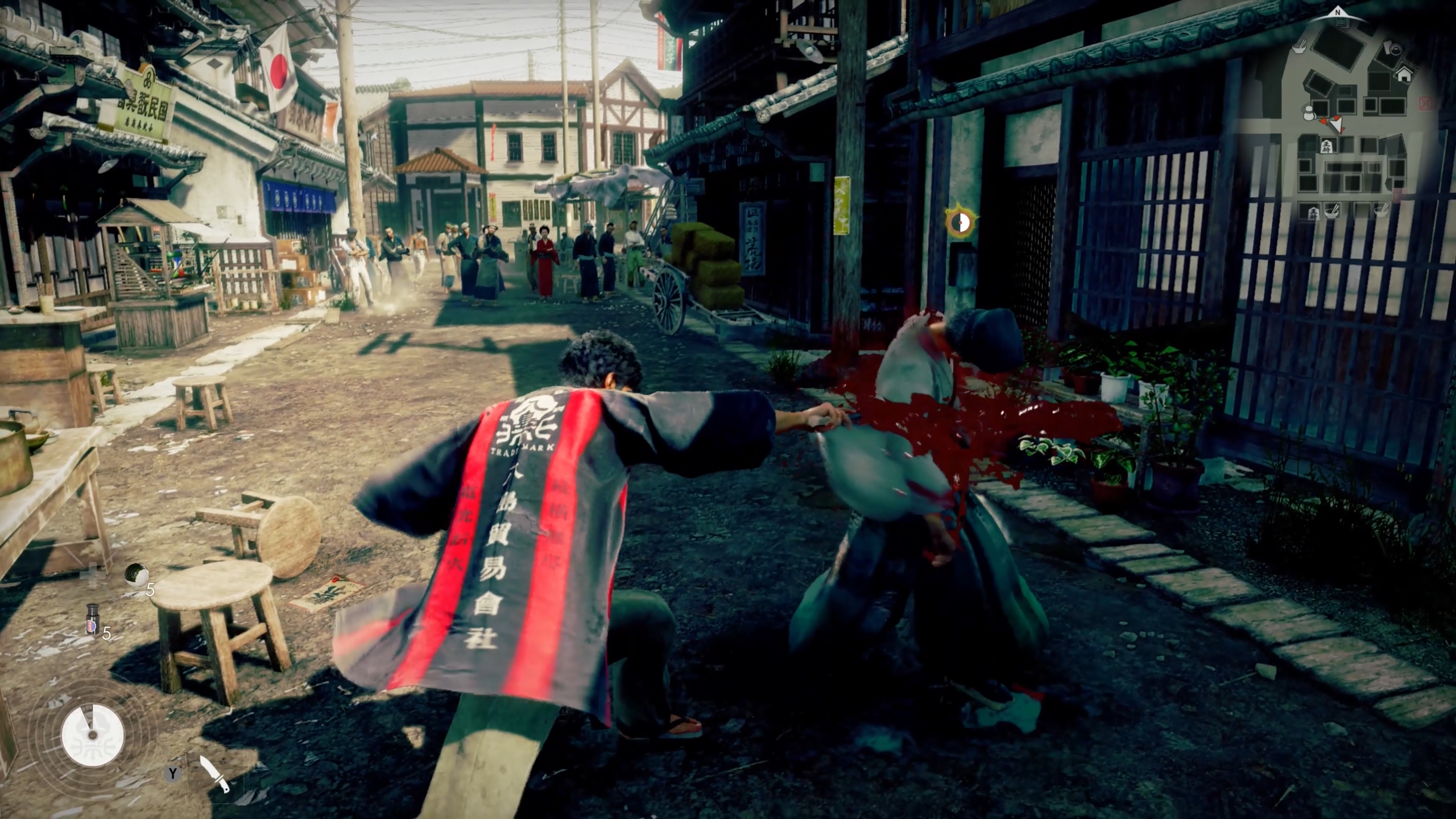
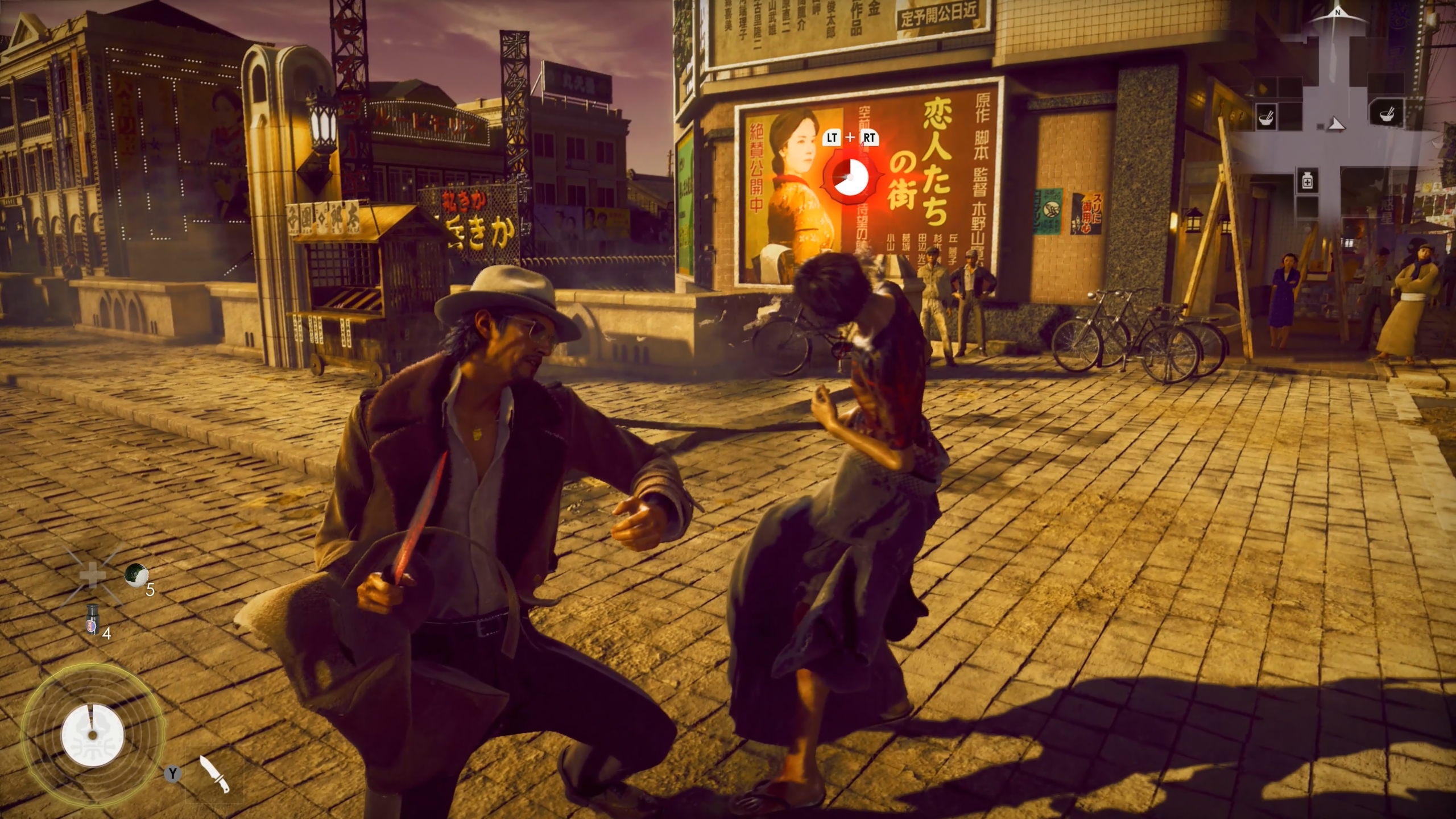
Makoto can increase the power of his attacks by holding down a bumper or trigger for a charged attack. Pressing both bumpers will have Makoto attempt to grab the enemy. While blocking, players can parry an incoming attack if they block into the correct direction or angle of an attack. For instance, if a hook is coming from the left, properly countering the left punch will knock the enemy off-balance and deal significant damage to their posture. Depleting a common enemy’s posture will usually put them in a finisher state, while tougher enemies or bosses will initiate an attack that will deal a lot of damage.
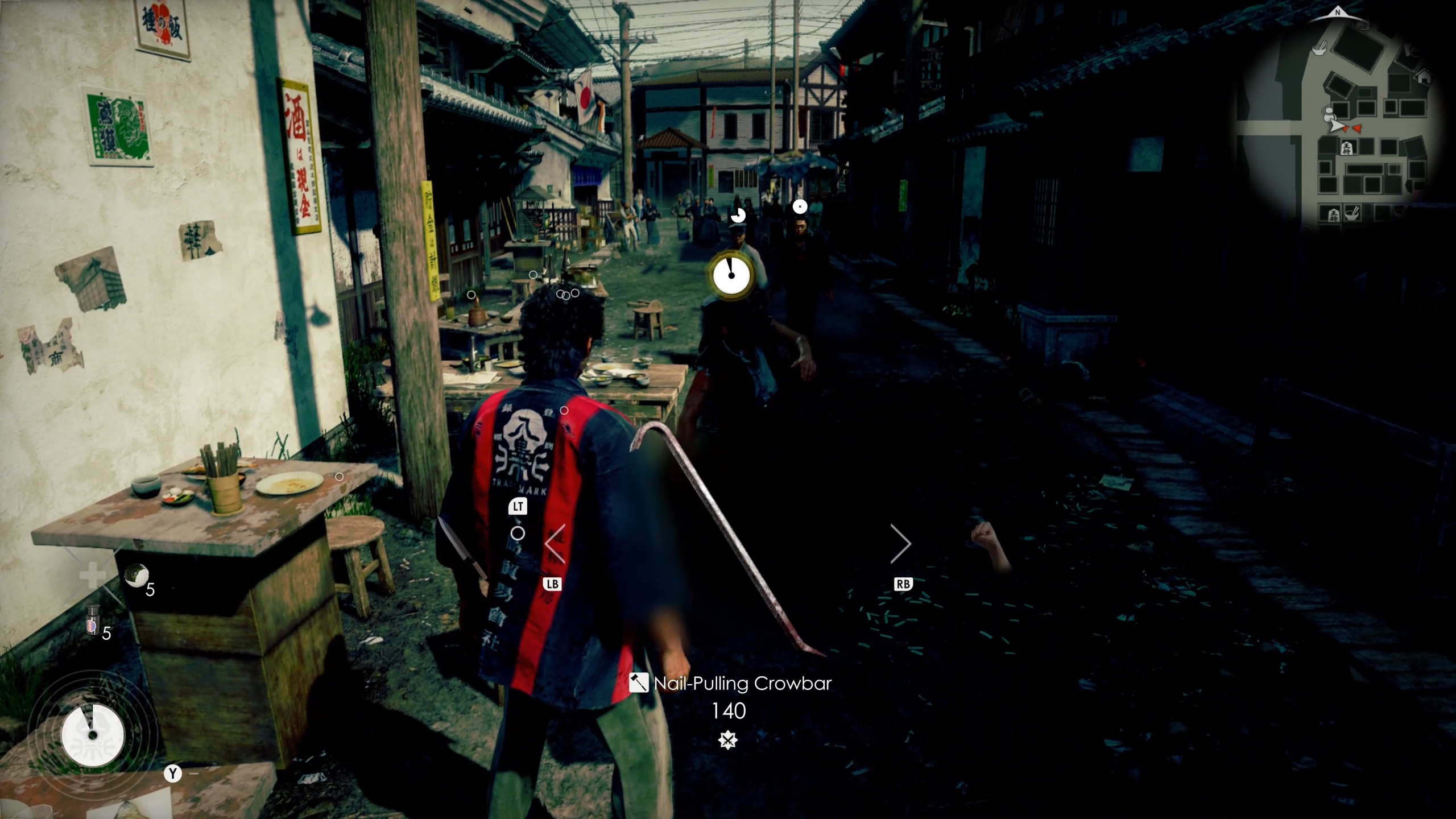
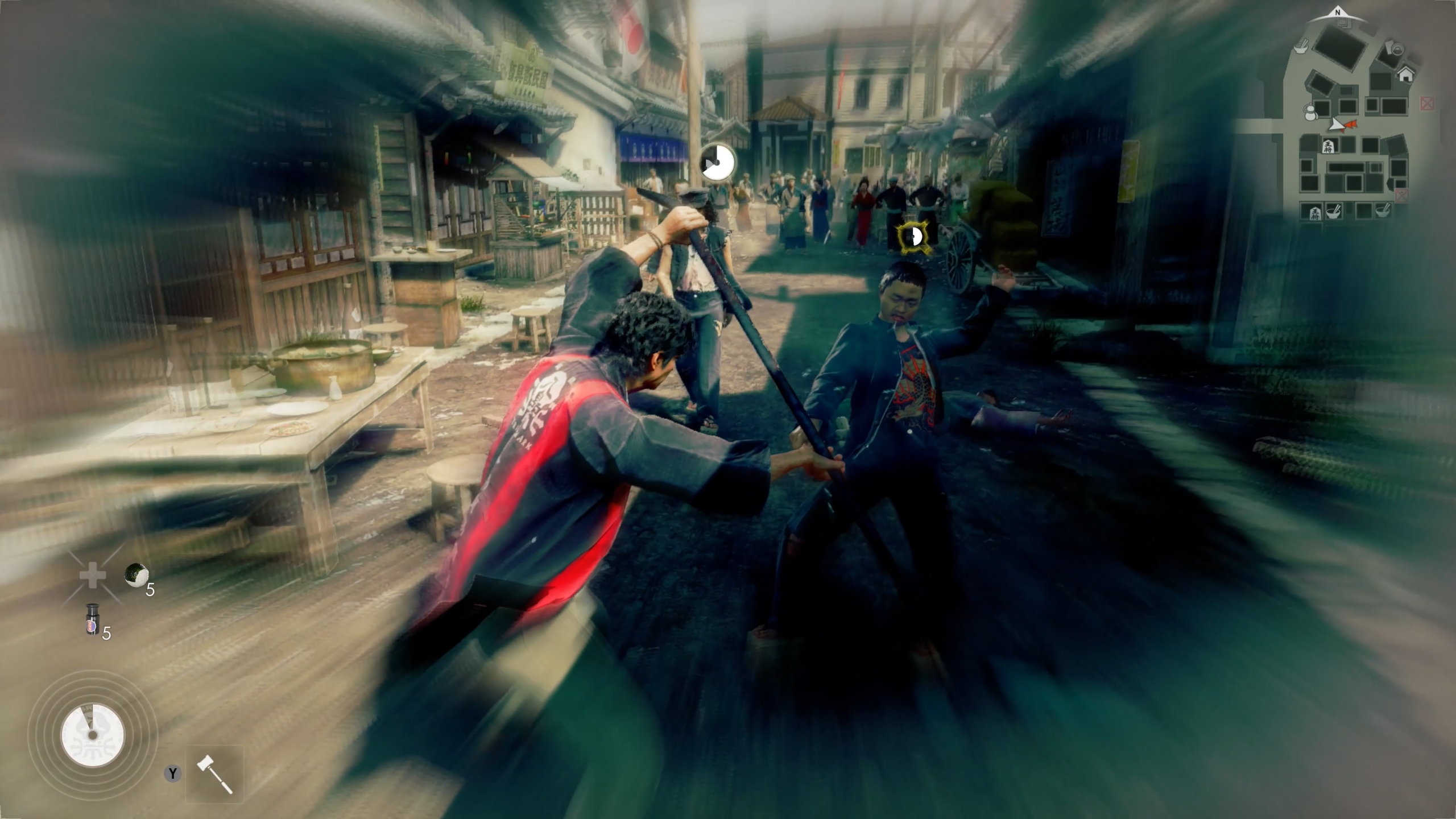
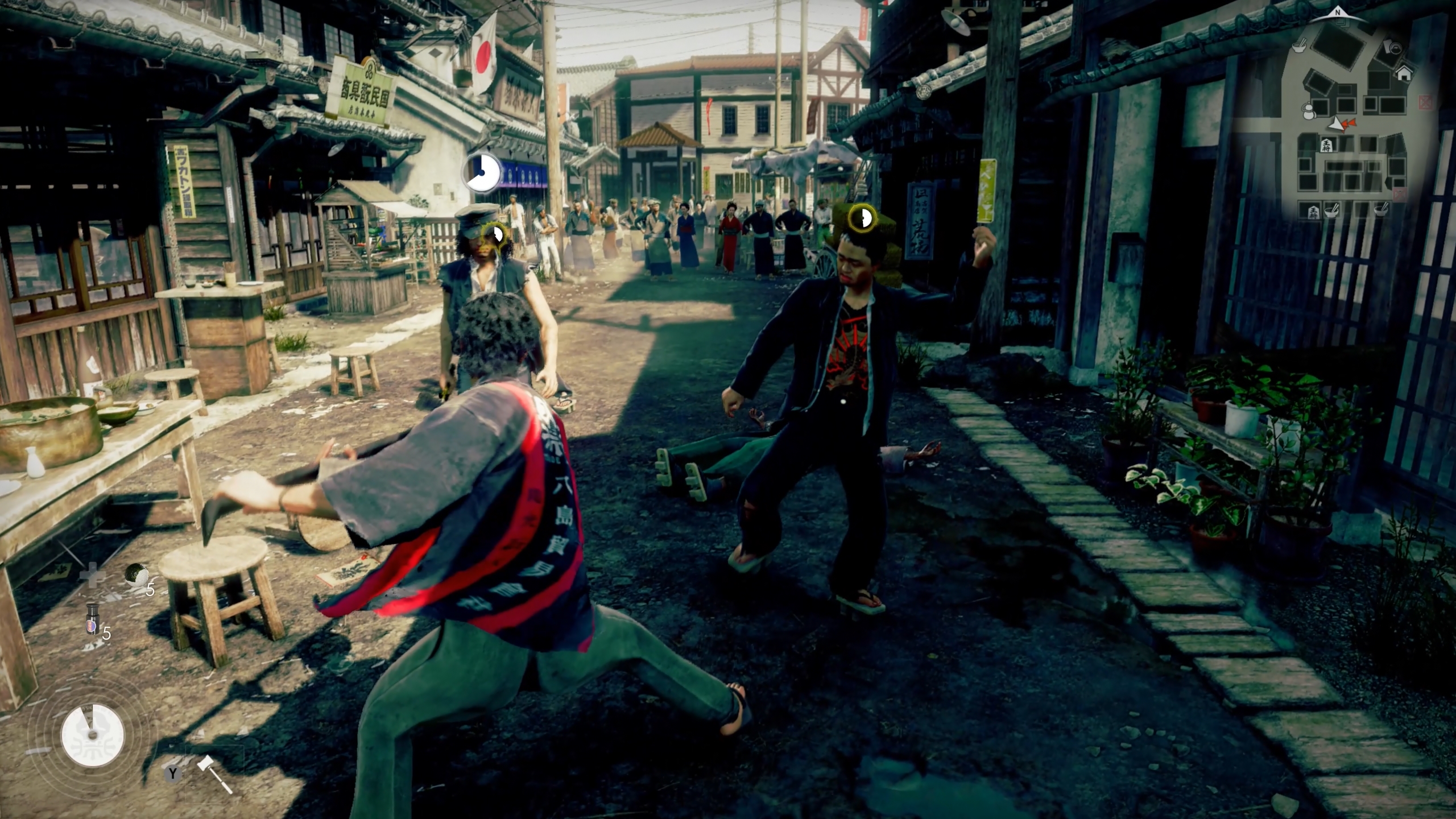
While Stranger than Heaven has been heavily highlighting hand-to-hand combat so far, I think that it’ll actually lean more towards a weapon-based fighter in its full release. The presentation to press before the hands-on preview mentioned that there will be 13 weapon types, and the hands-on demo featured a small knife and huge crowbar as alternative weapon options.
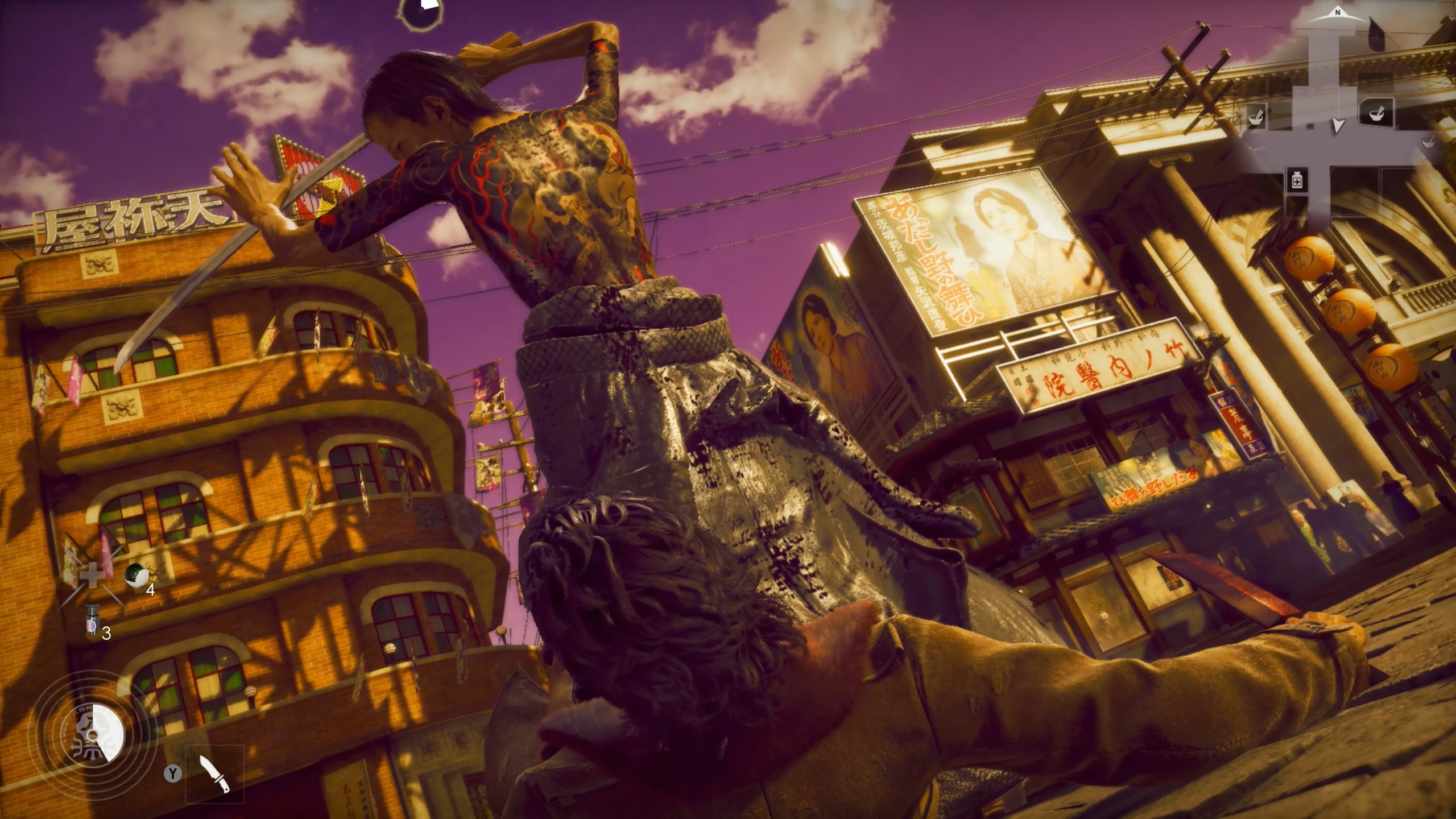
Unlike the Yakuza games, there is no durability degradation on weapons in Stranger than Heaven. Players will also have the option to upgrade them, as well. The knife in particular was extremely handy against the lone swordsman boss in the final advanced stage. It took me quite a few tries to beat, because the swordsman had some nasty moves up its sleeve that required a solid defense after learning what they all looked like and which enemy stances executed them.
Since Makoto wields the knife with his right hand, the right bumper would primarily dictate when to utilize it. His left hand is still unarmed, so a useful tactic I developed is sucker punching the boss with Makoto’s left hand to interrupt his action and putting him into hitstun. This created a brief opening for me to get in a few stabs before backing off and waiting for a safe opportunity to attack again.
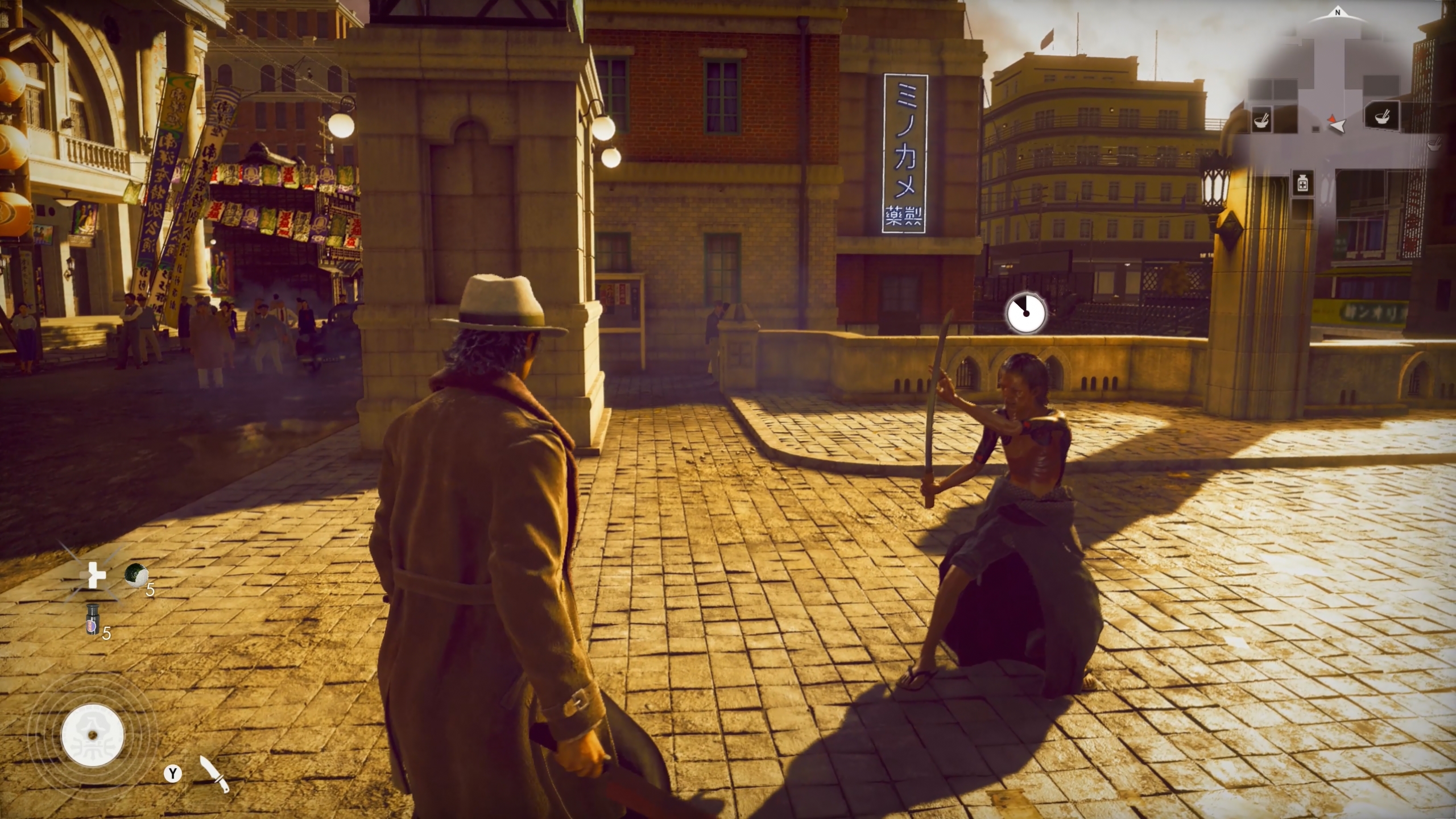
Meanwhile, I found the big crowbar useful in the intermediate demo; it involved a group of enemies with a larger foe among them. It was useful in managing the crowd at the cost of having a significant wind-up time to execute each attack and both of Makoto’s hands were occupied in lifting it.
I think Stranger than Heaven’s combat system won’t click immediately for the vast majority of folks. It does take a bit of time to learn and wrap your head around it. The ebb and flow of combat took about 15-20 minutes to click for me. I appreciate that Stranger than Heaven exhibits a more unconventional combat design and control scheme, instead of what most other action games are doing.
Once I began to grasp what Stranger than Heaven’s combat was going for, I quite liked that I could create my own attack openings and opportunities, rather than waiting for the “your turn” / “my turn” dance that tends to dominate the cadence of some other battle systems.
As I mentioned earlier, Stranger than Heaven is already carrying some baggage though. I’m still not sure what to make of it and I’m crossing my fingers that RGG Studio doesn’t plan to… surprise people in a similar manner going forward as Stranger than Heaven releases on January 15, 2027 for PlayStation 5, Xbox Series X|S, and PC.