

Roguelike shooter Armatus is fun in the moment, but I'm not sure if it has staying power
During Summer Game Fest, RPG Site was invited to check out a selection of games played on Nintendo Switch 2 in a Nintendo-branded area of the Play Days campus. There was a fairly wide selection of third-party games available to demo, including Trine 6, My Time at Evenshine, and Demi and the Fractured Dream. Another one of the games on display was Armatus, developed by Counterplay Games (Godfall) and published by Fictions.
I had only vaguely heard of Armatus before playing the on-site demo, and I was not immediately familiar with what the game was about, what genre lines it generally followed, or who was behind its development. After getting an exceedingly brief introduction by a Counterplay Games representative, I took a Switch 2 and started playing in handheld mode, not really certain what I was getting into.
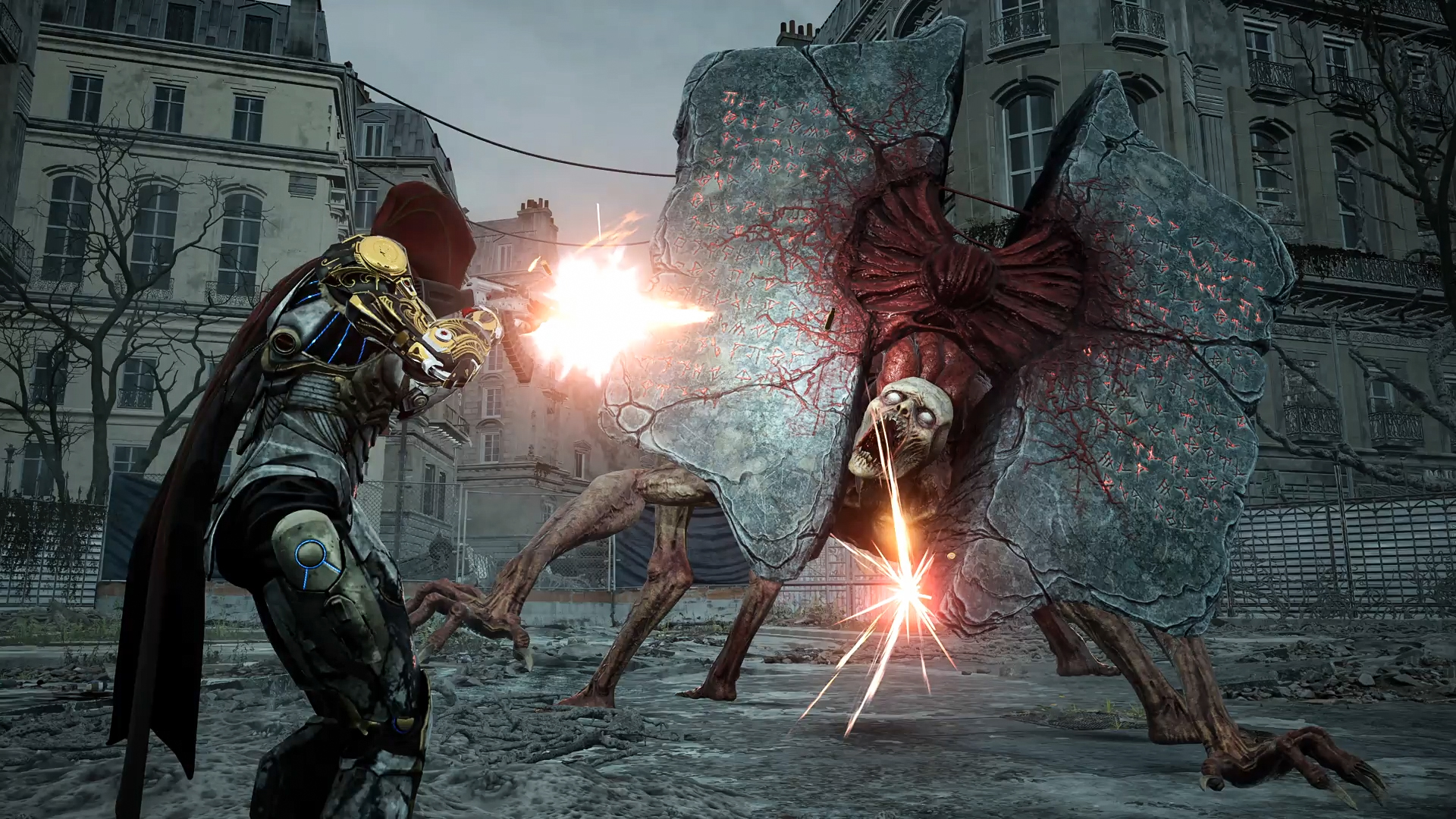
To start the short demo period, I was placed in the shoes of a seemingly nameless non-living warrior, armed with a submachine gun and a magic scythe. I didn't get to see much in terms of cutscenes or story, but as I understood it, Paris has been overrun with demons, and it was my job to fight them. Rule one of fighting is, like, kill the bad guys. So I started blasting.
Armatus is a roguelike third-person shooter. That means you'll start at a hub world, jump into the battle sequence to get as far as you can through semi-randomized rooms, eventually die, and return to the hub to try again. Rather than crouching behind chest-high walls, most of the time, I was running and gunning, trying to stay at a distance, kiting around enemies and dodging attacks. Enemies are constantly chasing you, shooting projectiles, and respawning. Being aware of your environment so as not to get surrounded or caught in a corner seemed to be the first key to success, followed by learning how to cull the onslaught of foes before it became overwhelming.
While you do get a melee attack with your scythe in addition to your primary gun, it seemed best used only in a pinch to get out of danger, rather than being the most effective way to dish out damage. Apparently, there are other weapons that you can choose instead of the submachine gun, such as a shotgun, but I didn't get a chance to try this out during my demo session.
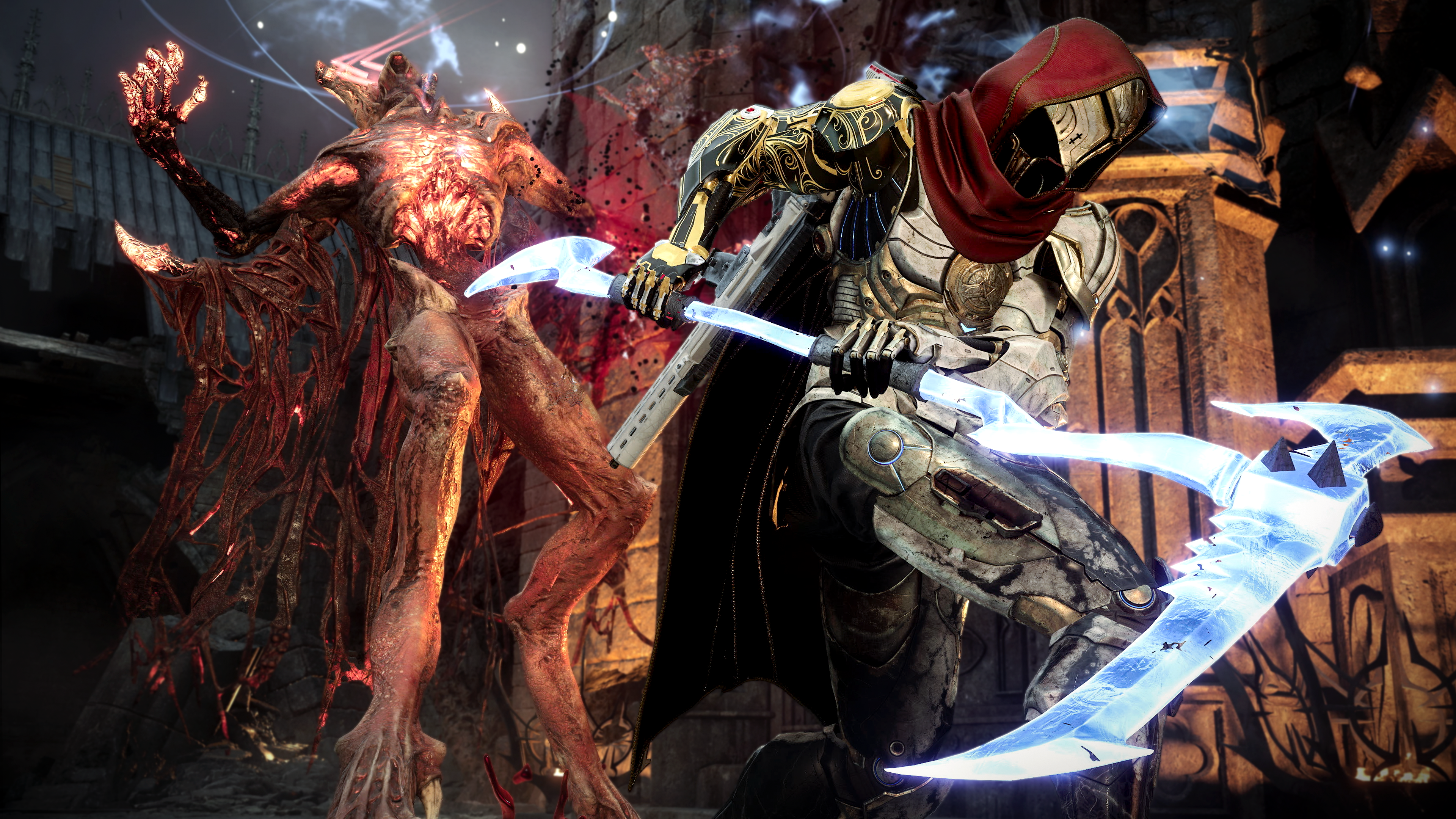
As with many roguelike or run-based games, there are boons you can pick up during your run, which probably act on some sort of semi-random selection system. One of the boons I obtained, for instance, turned my close-range scythe melee attack into a three-hit combo, making it easier to deal damage if enemies got too close, and also made focusing on melee a little bit more viable compared to the single-attack swing it was before.
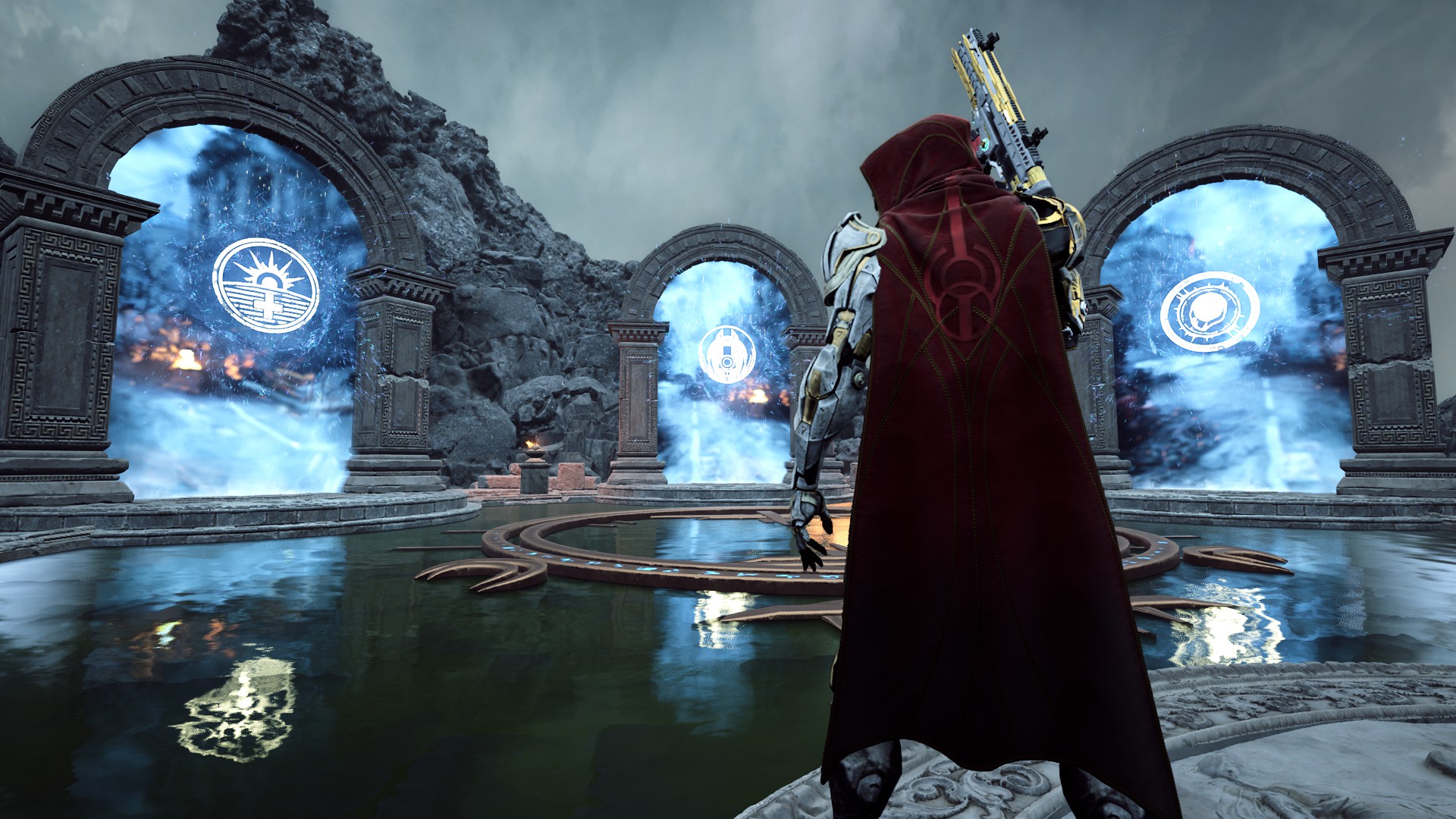
Also similar to various other roguelike games, in between 'rooms', you can choose what type of room you want to enter next, at least to some degree. For example, if you are running low on health, you may want to choose a restorative room, even though you won't get any rewards like you would if you were to fight more enemies.
During my demo, I was not able to finish a run in the time allotted, nor did I die. That means I wasn't able to grasp how a run may end, how long a run may be (longer than 20 minutes, I suppose), or how the run reset works, exactly. I didn't really even get to try out a boss encounter; my run ended during a room that spawned multiple waves of enemies, when the demo timer kicked me out.
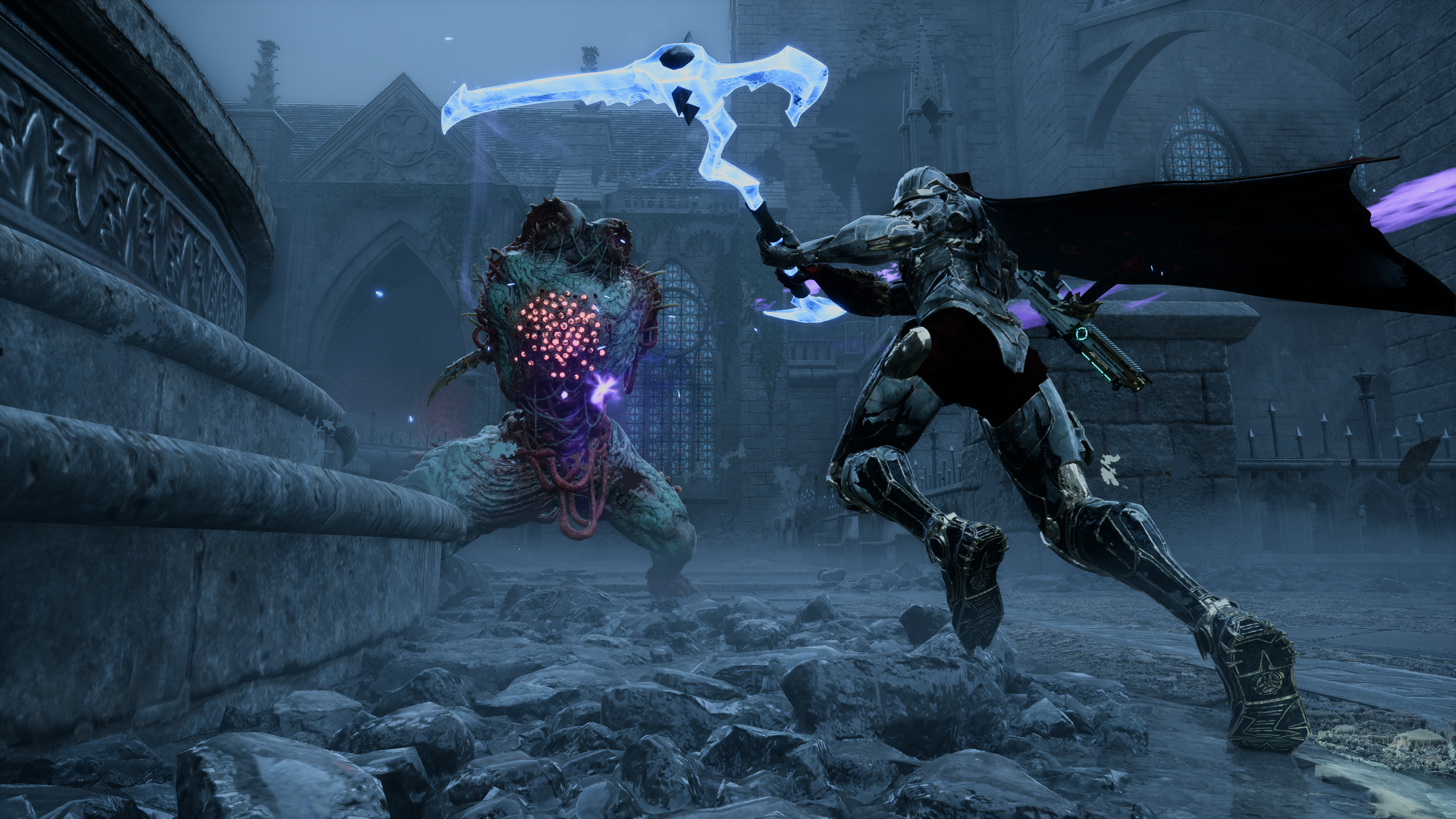
As a demo, Armatus was one of the highlights in the Nintendo area of Play Days. The game felt fluid, performed well, and seeing how far people would get before inevitably falling in combat (or losing to the demo timer) was enjoyable. I got to see a glimpse of the types of challenges available, as well as the types of weaponry and skills available to deal with the demons. If Counterplay Games can get the build theory-crafting part of the game nailed down, it could be something special.
As is always the case with previewing roguelike games, it's difficult to get a grasp of the larger loop structure of the game in such a short demo period. How does the run-to-run progression work? What variety of boons can I find, and do they make each run feel unique? Is there an enjoyable level of randomness to the runs so that they don't feel repetitive?
In that way, my takeaway is similar to what I said about mission-based action RPG Crimson Moon, which I also demoed at Summer Game Fest Play Days. Armatus felt good to play, and even playing in handheld mode on a Nintendo Switch 2, I quickly got accustomed to the game's visuals and controls. Armatus was enjoyable in the moment, but what typically makes or breaks these games is the longer form structure. We'll have to see how it shapes up when the game launches later this year.
Armatus is set to release in 2026 for PlayStation 5, Xbox Series X|S, Nintendo Switch 2, and PC (Steam).