

Dynasty Warriors: Origins - Visions of Four Heroes Review
Last year, I celebrated Omega Force’s revitalization of the Dynasty Warriors series with the excellent Dynasty Warriors: Origins. It introduced many new ideas that felt refreshing and engaging to play. I don’t see Origins as a replacement for the mainline series; instead, I think it’s the foundation of a new Dynasty Warriors series that’s more narratively focused while emphasizing its RPG progression systems. Nearly a year after its release, Koei Tecmo and Omega Force have revisited Origins with this Visions of Four Heroes story DLC that consists of “what-if” mini-story arcs for four individuals – Zhang Jiao, Dong Zhuo, Yuan Shao, and Lu Bu.
Some other games in the Dynasty Warriors series have flirted with a similar premise. Those often consisted of a few stages that delved into scenarios like “what if the Yellow Turban Rebellion was more successful in its pursuits”, and such. Origins handles this in a much more subdued manner – almost as if it was a character study on these four individuals, if they didn’t lean into their worst tendencies that brought about their downfall. It’s admittedly an elaborate fanfiction that presents the “best” idealistic version of these leaders if they unlocked their full potential as heroes.
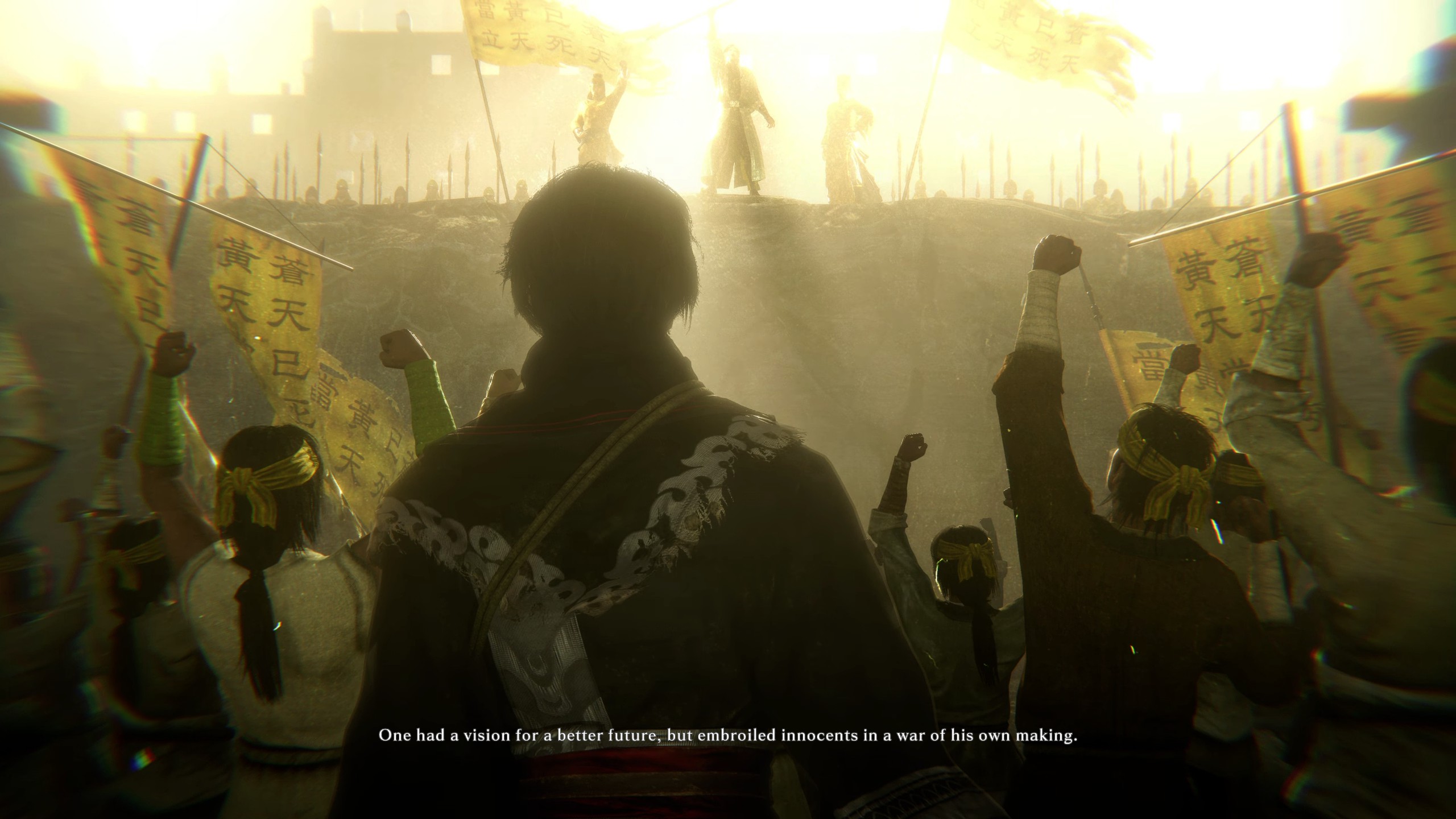
The Visions of Four Heroes DLC is accessed at the inn menu within the base game. Each of the DLC arcs is sectioned off from the base game and from one another, but all of the player’s levels, stats, items, weapons, and skills are carried over within them. They’re all narratively linear; there isn’t a branching point in their stories, unlike Origins’ base game when selecting between the Wei, Wu, and Shu routes.
Zhang Jiao’s Yellow Turban story arc kicks off the Visions of Four Heroes DLC. It must be completed first before any of the others; once it’s done though, people can freely select between Dong Zhuo, Yuan Shao, or Lu Bu’s DLC story campaigns. The first stage begins at the open area where the silent protagonist Ziluan fights Zhang Jiao for the final time in the base game. Of course, Ziluan mysteriously appears to aid Zhang Jiao this time before he faced his demise.
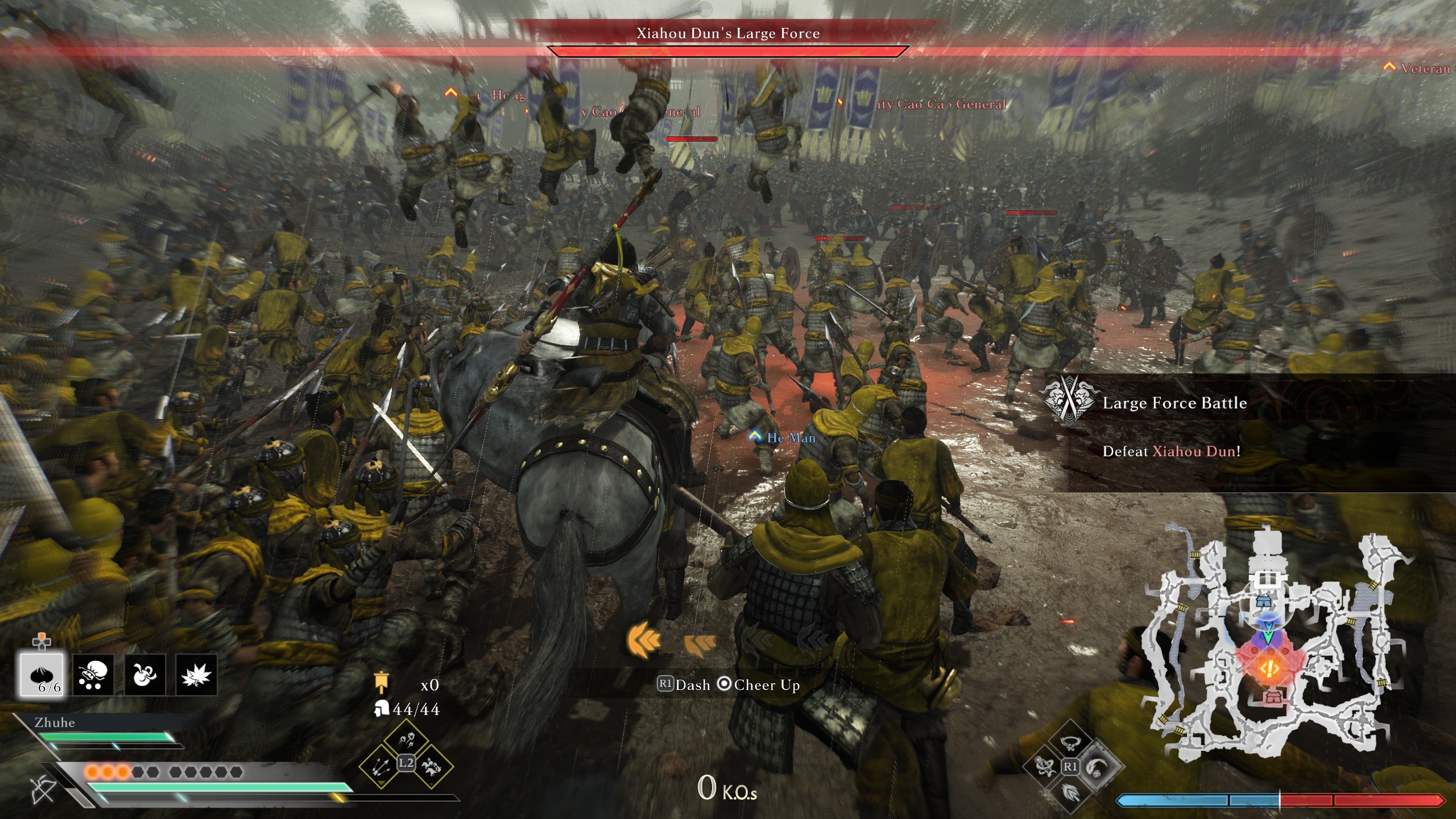
There aren’t any brand-new maps as far as I can tell, unfortunately. While it’s cool to see a bunch of remixed maps with different times of day, weather conditions, and enemy formations, all of it is familiar ground. The game is quick to note that all the stages in the story DLC are dynamically scaled to a player’s level, so even my post-game level 70 character save file couldn’t simply steamroll through everything effortlessly. I also decided to keep the difficulty level to the max Ultimate Warrior unlockable difficulty.
Since this story DLC ostensibly has Ziluan side with all the major “villains” before the land was truly divided between the Wei, Wu, and Shu factions, players will often be facing off against multiple formidable characters that fell into one of those sides. Visions of the Four Heroes excels in the “all killer, no filler” philosophy, in which it is quick to take players from one battle to another with little downtime in between them.
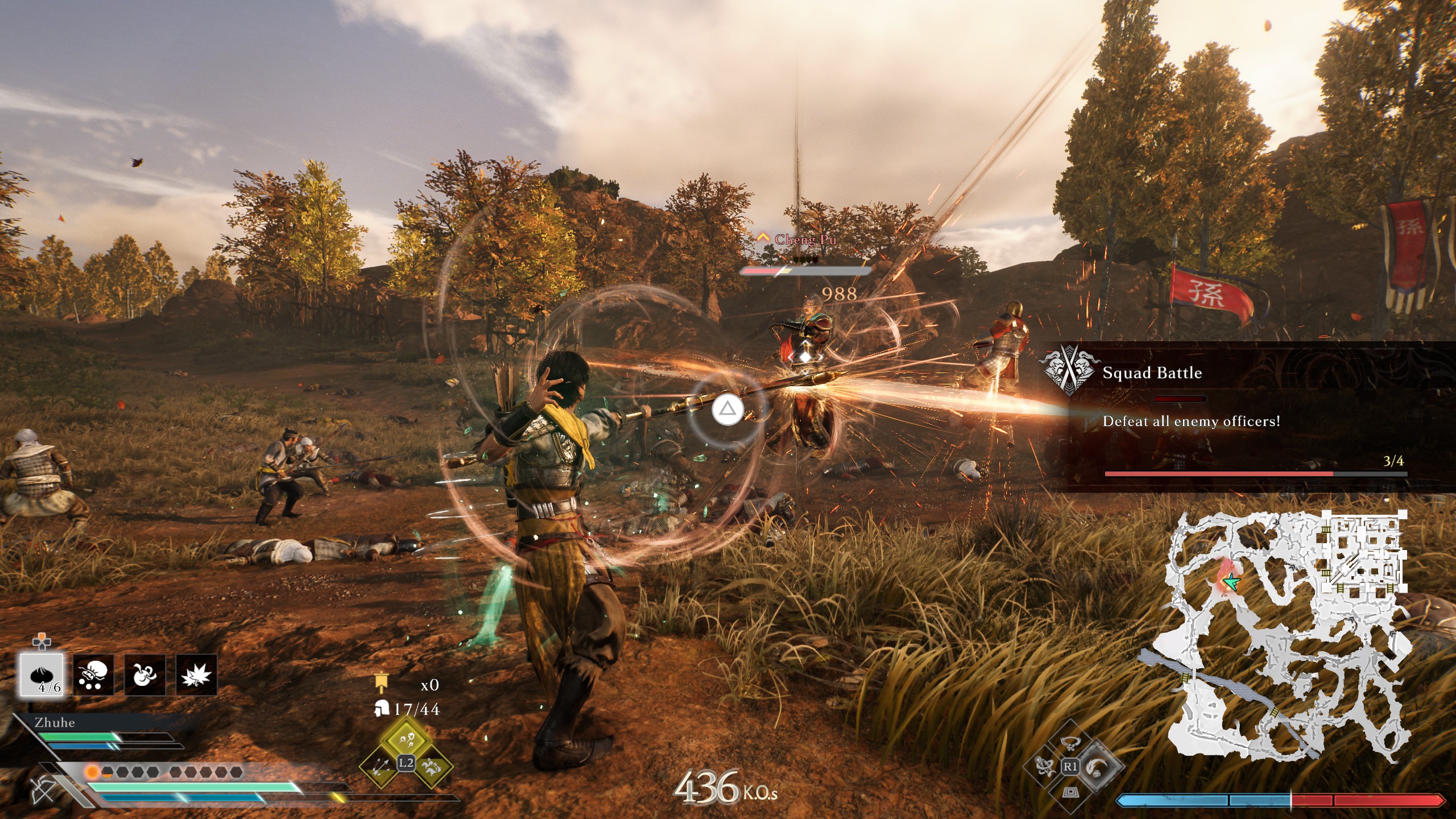
A few new elements do shake up the story DLC experience from the base game. There are two new weapon types added – the bow and rope dart. Both are obtainable via weapon drops from defeating enemy officers; it seems like the bow is a guaranteed drop within the first two stages of Zhang Jiao’s campaign. Meanwhile, the rope dart is a truly random drop. I spoke with RPG Site contributor Kite Stenbuck, and he obtained the rope dart far earlier than I did, since the rope dart finally dropped for me… at the very final stage of the final DLC campaign. I’m not sure if this will be a common scenario, or if I just happened to be the extremely unlucky edge case.
Nevertheless, the bow and rope dart do add new ways to spice up Ziluan’s arsenal. They’re both relatively technical compared to most of the base game’s weapon types. Each has additional follow-up actions that can be executed in each of their move set strings and after evading. Leveling these new weapons up grants Ziluan additional stats and new skills for them; they can be taken to the base game too, so they aren’t confined to just the DLC stages. Additional skills can be purchased at a shop with in-game currency, just like the other weapon types in the base game.
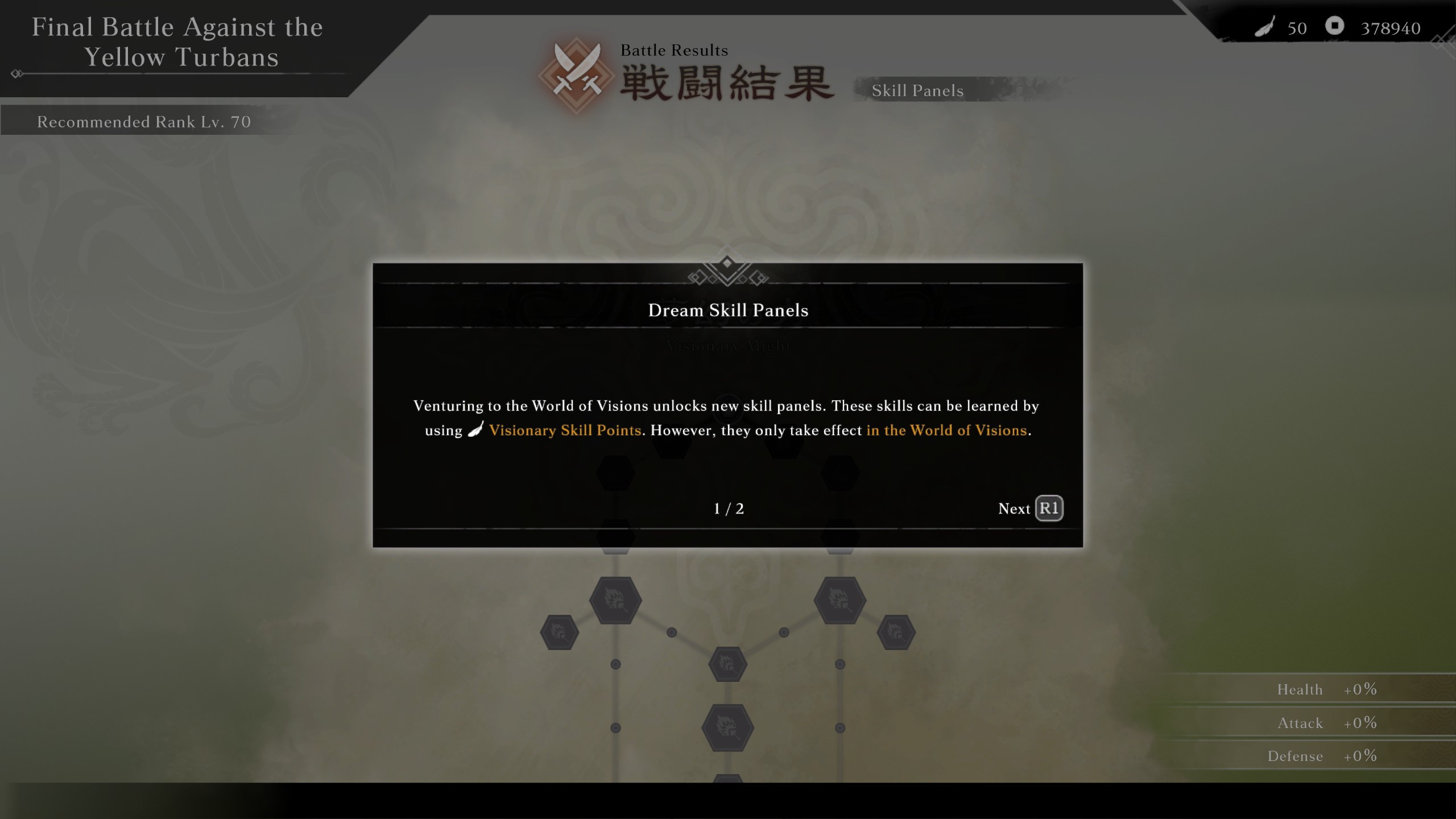
An entirely new skill tree is added to the Vision of Four Heroes DLC, but the caveat is that all the stat enhancements and special skills unlocked on it are only applicable to DLC stages. This makes some sense to me, because the skills on it pertain to a new mechanic that was added only for the DLC campaigns that I’ll delve into soon. The additional stat enhancements being applied exclusively to the DLC are implemented in such a way to avoid potentially ruining the balance of anything in the base game. It is a bit of a bummer that the new skill tree doesn’t quite offer anything substantial or exciting beyond those two node types, along with being able to carry more restorative meat buns.
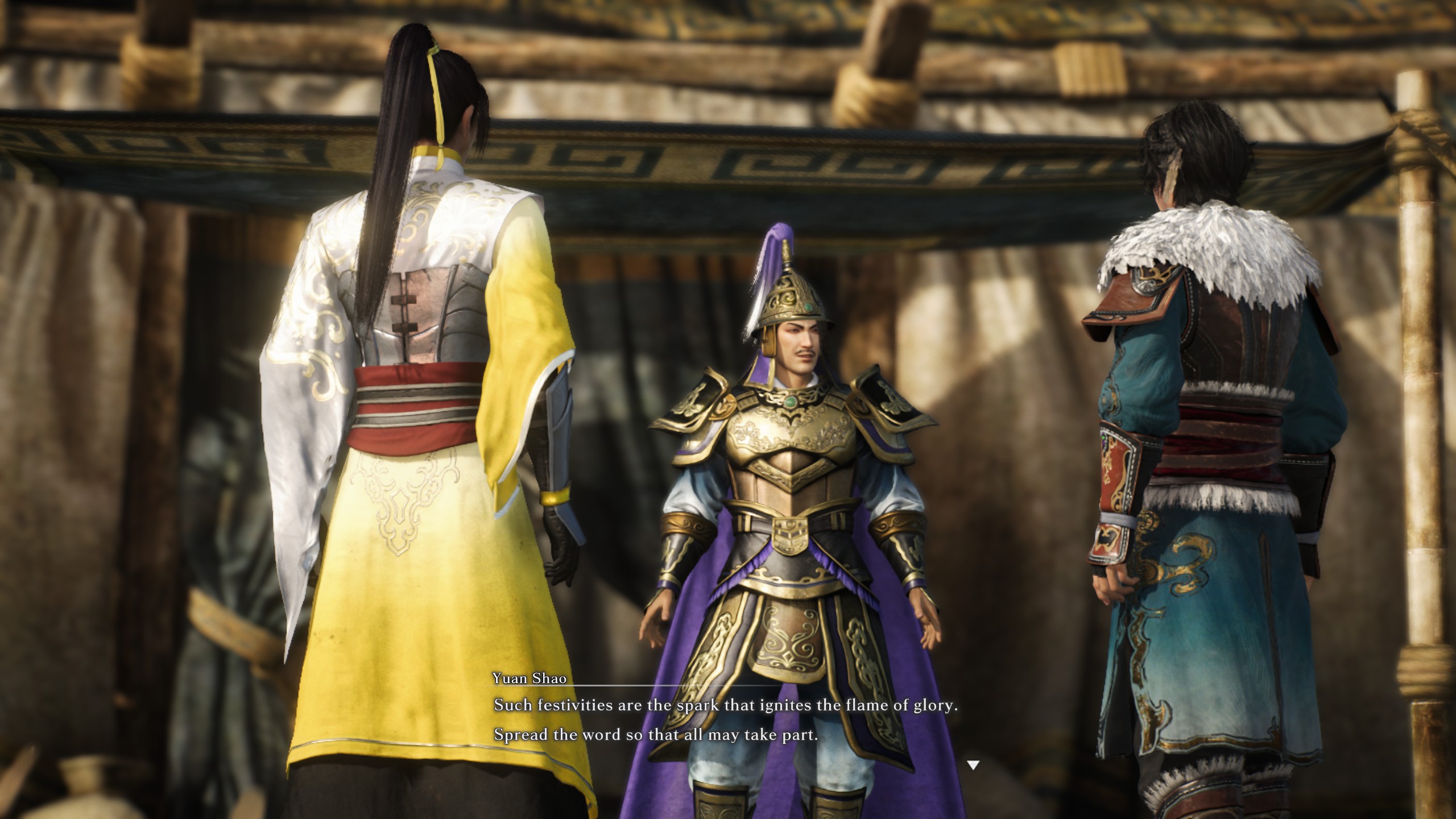
Ziluan obtains a few new companion characters in some of the Vision of Four Heroes DLC stages, such as Zhuhe, Diaochan, and an enigmatic new character. While the latter two are only selectable for a few stages, Zhuhe is pretty much stuck to Ziluan's hip throughout all the DLC routes. Just as a reminder, companion characters in Origins are only temporarily playable once a meter fills up that allows a player to swap Ziluan out for their chosen compaion for a short amount of time. Unfortunately, Origins is still stubborn about letting people play as other characters besides Ziluan; Omega Force never added some sort of mode that allowed players to freely choose other characters to permanently control in battle.
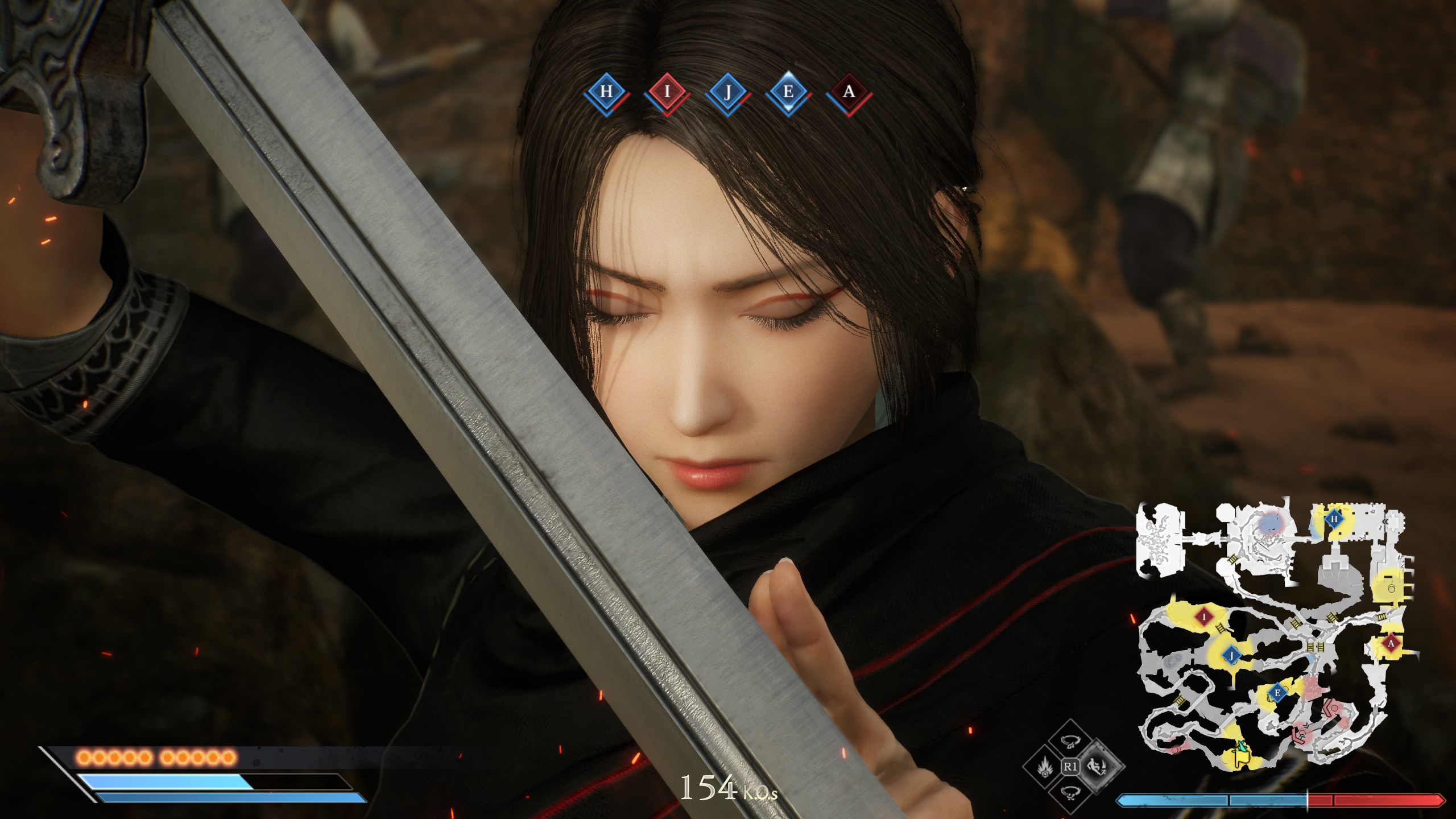
The isolated nature of each DLC campaign also means that the world map’s locations and features from Origins’ base game aren’t available either. There are a few instances where the player has to run to the next stage via the world map, but its main utility in the Visions of Four Heroes DLC is to engage with the new Strategic Battle mechanic.
In order to fill in the gap between significant battles, the DLC repurposes the world map and smaller skirmish battles from the base game into a more tabletop game-esque framework. There’ll be multiple groups of allies and enemies that populate the world map with a HP bar over them, along with numerical values at the top left corner that dictate the overall strength of each side. The goal is to reduce the enemy’s strength as much as possible before the turn limit is up, at which point it will automatically start the Strategic Battle’s final encounter.
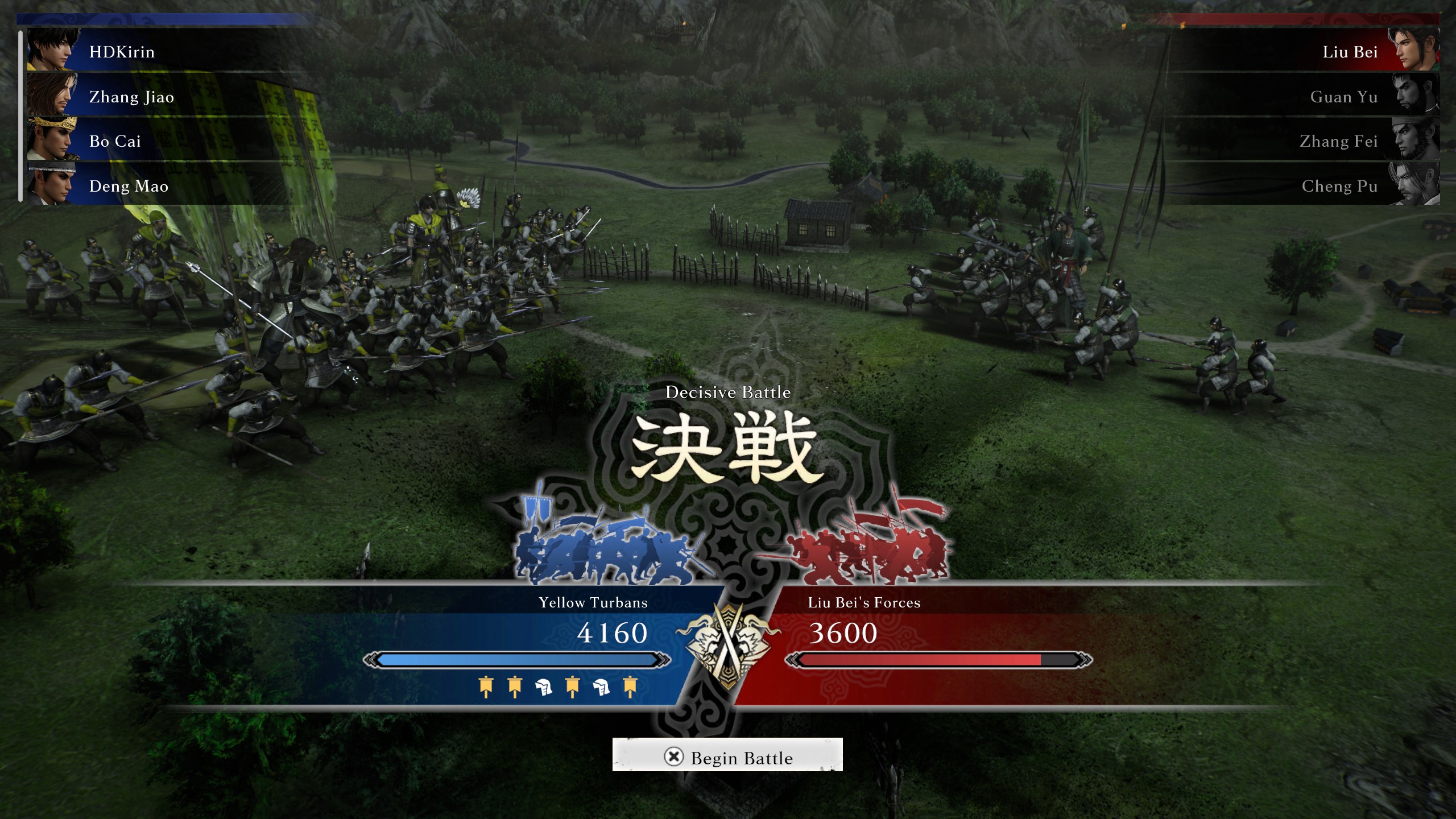
While it may sound complex on paper, the underlying systems for Strategic Battles are fairly simple. Every time Ziluan emerges victorious from the smaller-scoped skirmishes with each enemy group, it will reduce that enemy group’s HP to 0, then it’s the enemy’s turn to act. Their turn will deal some damage to any allied group that is directly engaging with them on the world map.
Defeating an enemy group will give players an energy resource to activate special skills on the world map; the new skill tree for the DLC contains nodes that expand and strengthen this repertoire. Some skills can paralyze a group of enemies, so they’re unable to attack Zilaun’s allies when it’s their turn, and another can replenish the health of a selected group of allies.
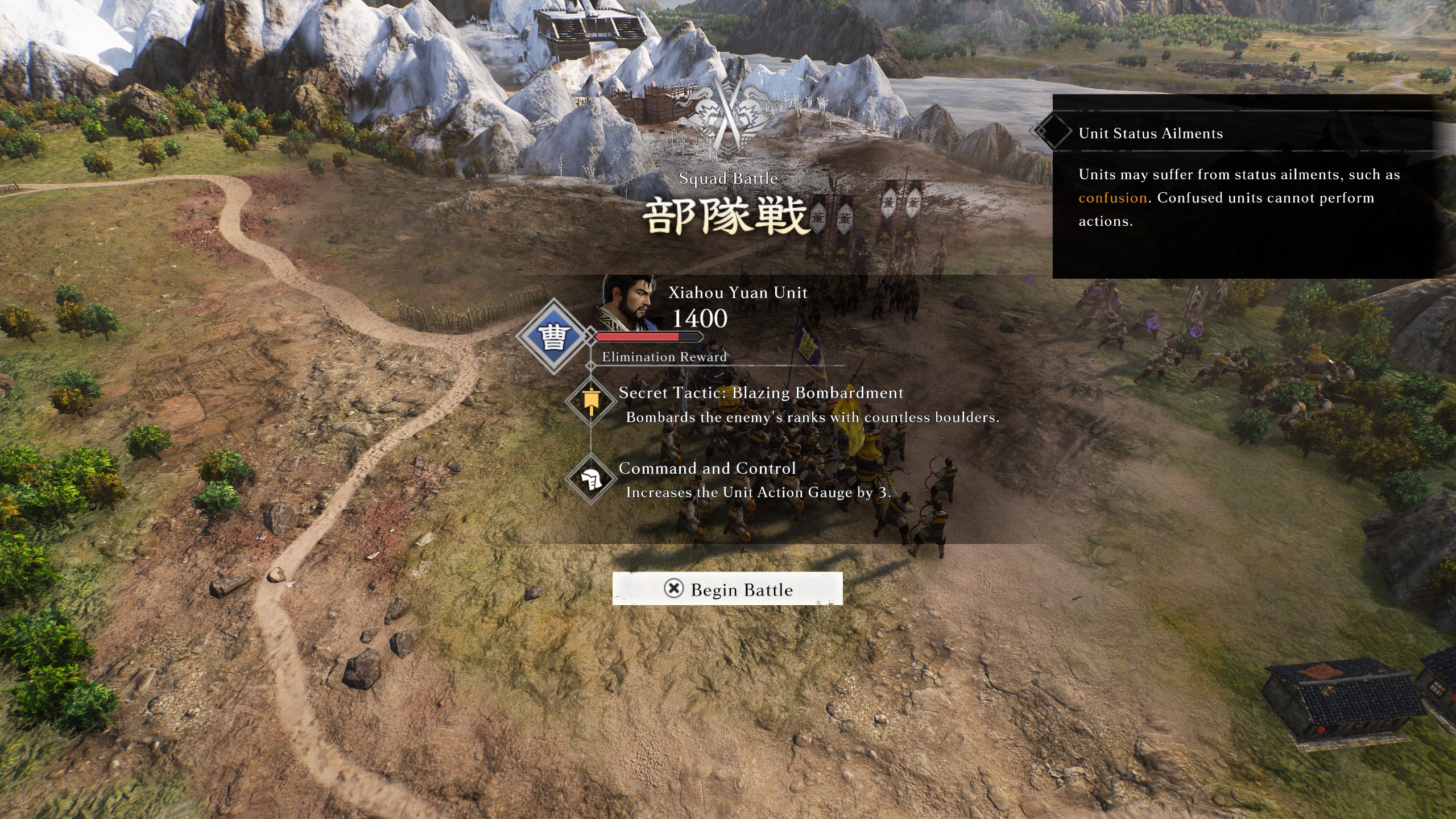
One of the more amusing skills that activate instantly is that the next enemy group Ziluan engages in will be resolved through a duel. There was an instance in which my game bugged out, and had that skill apply to all enemy encounters for the entire Strategic Battle, so I simply fought out five to six consecutive duels to topple the entire enemy’s army.
Once again, the implementation of this new system is rather rudimentary; I think it’d be a more interesting mechanic if it was further fleshed out. I can see a hypothetical sequel to Origins including them in a much more involved, intertwined manner.
Anyway, Strategic Battles also reward new temporary bodyguard abilities called Secret Tactics. These can be utilized even if Ziluan’s bodyguard count in battle is dwindling. They can create designated zones that buff stats or recover health, as well as manipulate the environment to deal damage to foes.
I believe the biggest strength of the Visions of Four Heroes DLC lies in capitalizing on what made Origins a captivating game to play. It constantly puts players into battles with huge armies that constantly face off against one another. The sheer number of army versus army faceoffs is highly concentrated, so there’s usually a steady amount of thrilling situations that have dozens of enemy officers to navigate through a massive ocean of bodies. Plus, some of the DLC campaigns contain the best final battles in Origins.
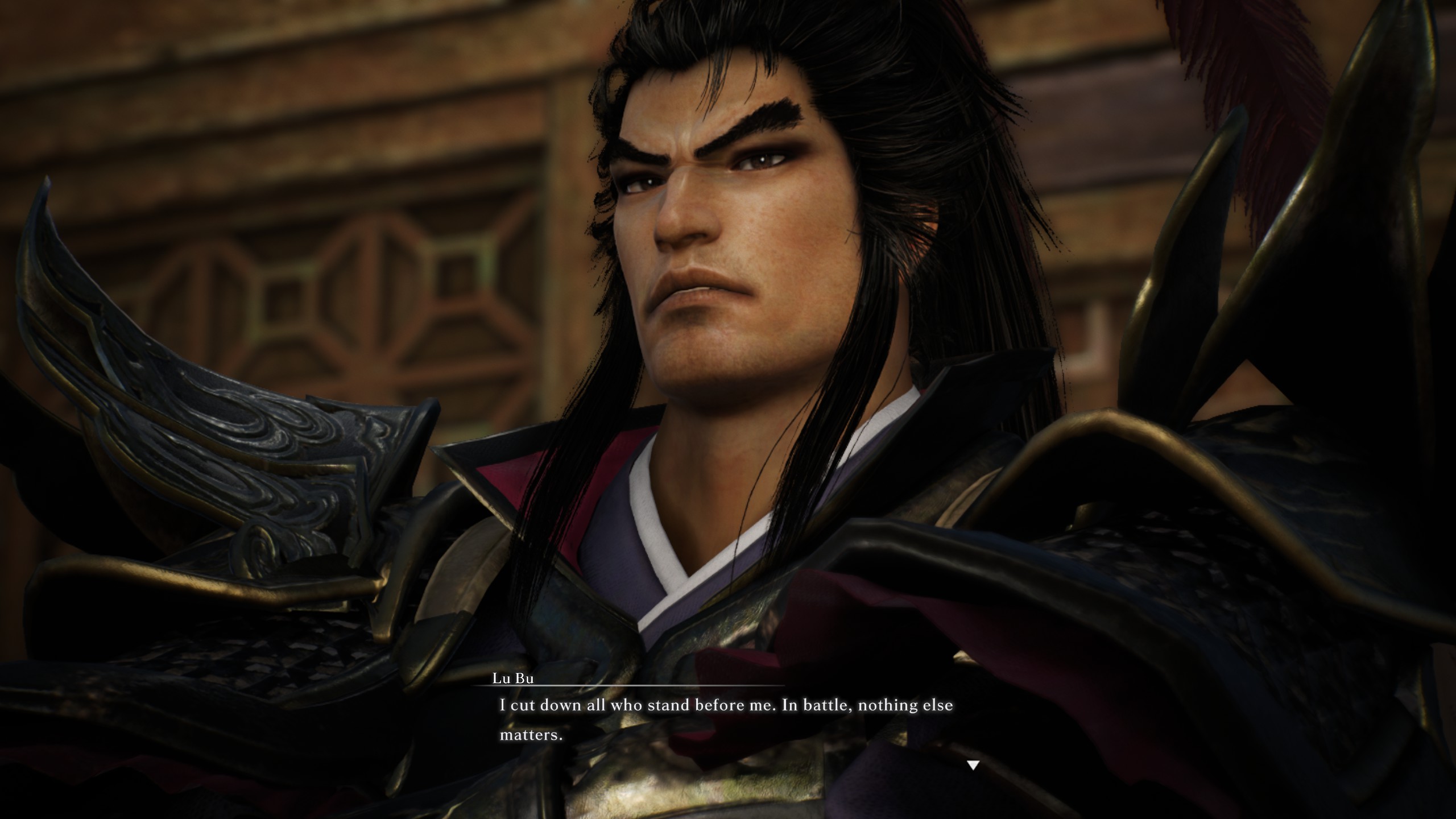
Although there’s little downtime if people want to go from battle to battle, there are still a few things people can do to break up the action. A new, small, explorable hub gives access to the familiar inn and shop menus. There is also a training ground for every weapon type that rewards a few generic weapons with different traits, if people want to power up their favorite weapon types through the Reforge feature that was added in an update after the game’s initial launch. There’s even a training ground feature that unlocks at level 102, which contains even harder challenge trials.
The Visions of Four Heroes story DLC for Dynasty Warriors: Origins capitalizes on what made the game great. It constantly throws players into battles against overwhelming odds, and they have to find a way to lead their allies to victory. Grand army versus army confrontations never got old in Origins, and this DLC serves them up regularly. The constrained and isolated nature of each DLC campaign does make its fanfiction story beats inherently hollow, though its skewed perspective on alternative “what-if” scenarios does provide some amusing moments for those tapped into the Romance of the Three Kingdoms narrative.