

Fire Emblem: Fortune's Weave Review
My time with the latest Fire Emblem felt like an exercise in examining the value of what I might call a “super game”. I don't necessarily mean that necessarily as a commendable superlative. I mean, for better or worse, those massive behemoth RPGs that pop up at least once a year, designed to dominate your free time. The sweet spot for length when it comes to a long RPG, in my opinion, is around 80 to 100 hours. Fire Emblem: Fortune's Weave laughs at that notion. It tells you to hold its ghosh, then roll up its sleeves. This might be the longest and most complex game I’ve ever reviewed, topping off my full playthrough at 161 hours. To be frank, most video games do not justify that level of investment. How Intelligent Systems and Nintendo pulled off designing an experience where I spent most of those hours adoring every second of the run, I have no idea. If nothing else, that’s a bit of an achievement.
It’s admittedly hard to find a Fire Emblem game that I haven’t enjoyed to some extent. I don’t need to litigate the modern games (say, Nintendo 3DS onward), but they all have various strengths and weaknesses that give the series a pretty interesting texture overall. The franchise is experimental, never really settling in one style or tone for too long, but iterating on various ideas with each game. After Three Houses was a landmark success, Engage was a complete tonal departure that honed the team’s expertise into focusing on a wonderfully tight gameplay experience instead. Fortune’s Weave feels like it pulls from everything that came before, reframing all of it in a fresh — and gigantic — new package.
In terms of visuals and audio, just about everything from the previous two HD console Fire Emblem games is improved on. Three Houses felt like it was held together by paper clips and love, but it had outstanding art style, voice performances, and music to pick up the slack. Engage was a substantial improvement visually, being a really impressive-looking Switch game. The Switch 2 seems to have given Intelligent Systems all the headroom they needed to make a gorgeous SRPG. It’s really nice to see a Fire Emblem game that looks great in both handheld and docked play, with character artist Chinatsu Kurahana's designs being adapted wonderfully in these stylized 3D models. There are also much larger-scale environments and maps, all with minimal loading. Battles and exploration have never looked better in a Fire Emblem game.
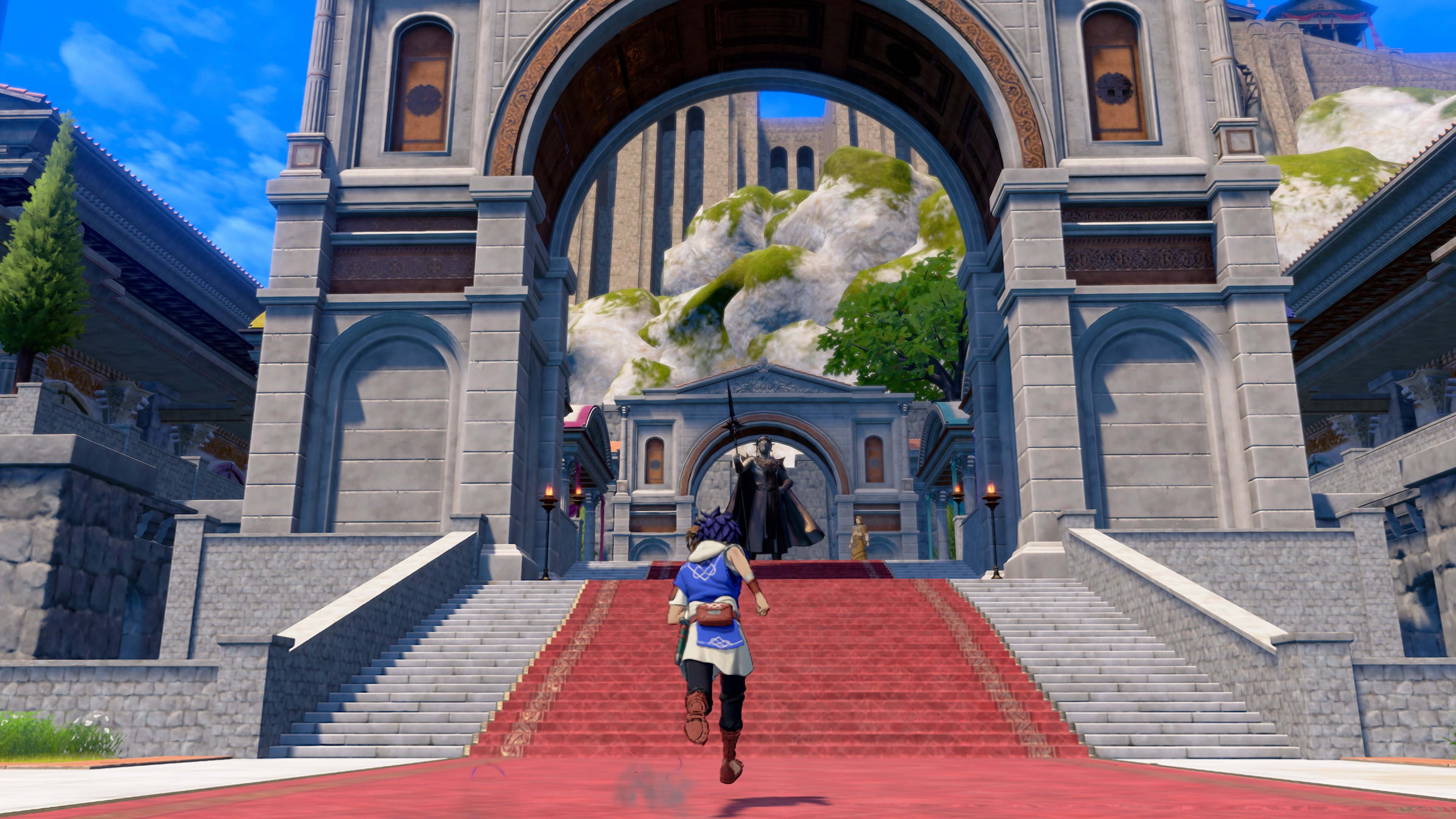
Fortune’s Weave takes place in the same world as Three Houses, letting you play the stories of characters in the land of Dagda. You start by designing an Avatar character, who was brought to life to bring an apocalyptic land back from the brink of despair. After a tutorial, you find yourself thrust into the pasts of four pivotal players in the capital of Dagsion five years prior. The goal is to gather strong warriors before fighting the forces of the underworld lord Balor, and you’re given the freedom to save as few or as many of these four as you want.
The four Flame Lords who you will be spending most of the game with are Cai, Dietrich, Theodora, and Leda. They each take part in the Heroic Games: a tournament in Dagsion that promises a wish to whoever wins at the end. By guiding these four protagonists through their stories and fixing their causality, you can recruit them in the final campaign against the forces of darkness. It’s fascinating to see a game where you create an avatar protagonist, then have that character completely take a back seat for up to 100 hours of game time. In the Heroic games section — the first part of Fortune’s Weave — the focus is entirely on your chosen Flame Lord. That’s a natural consequence of this game’s structure, since you’ll be spending a lot of time in the past if you’re committed to recruiting all four lords.
It seems like Intelligent Systems didn’t take criticism of people finding it hard to finish more than one route of Three Houses lightly. Each of those story paths was full-featured, massive games told through different perspectives. The problem, though, was that those four ‘games’ had generally the same flow and same features, which lessened the experience of playing other paths beyond your first one. The time management system in Three Houses encouraged you to choose what and who mattered most to you, and led to the ability to bond with the characters in ways I’ve never done with any other Fire Emblem game. However, when trying to do other routes after that on New Game+ I quickly found myself getting bored. The gameplay was not only solved, but made trivial by NG+ features. I was content with my single path, and I even think that experience served that game’s thematic goals.
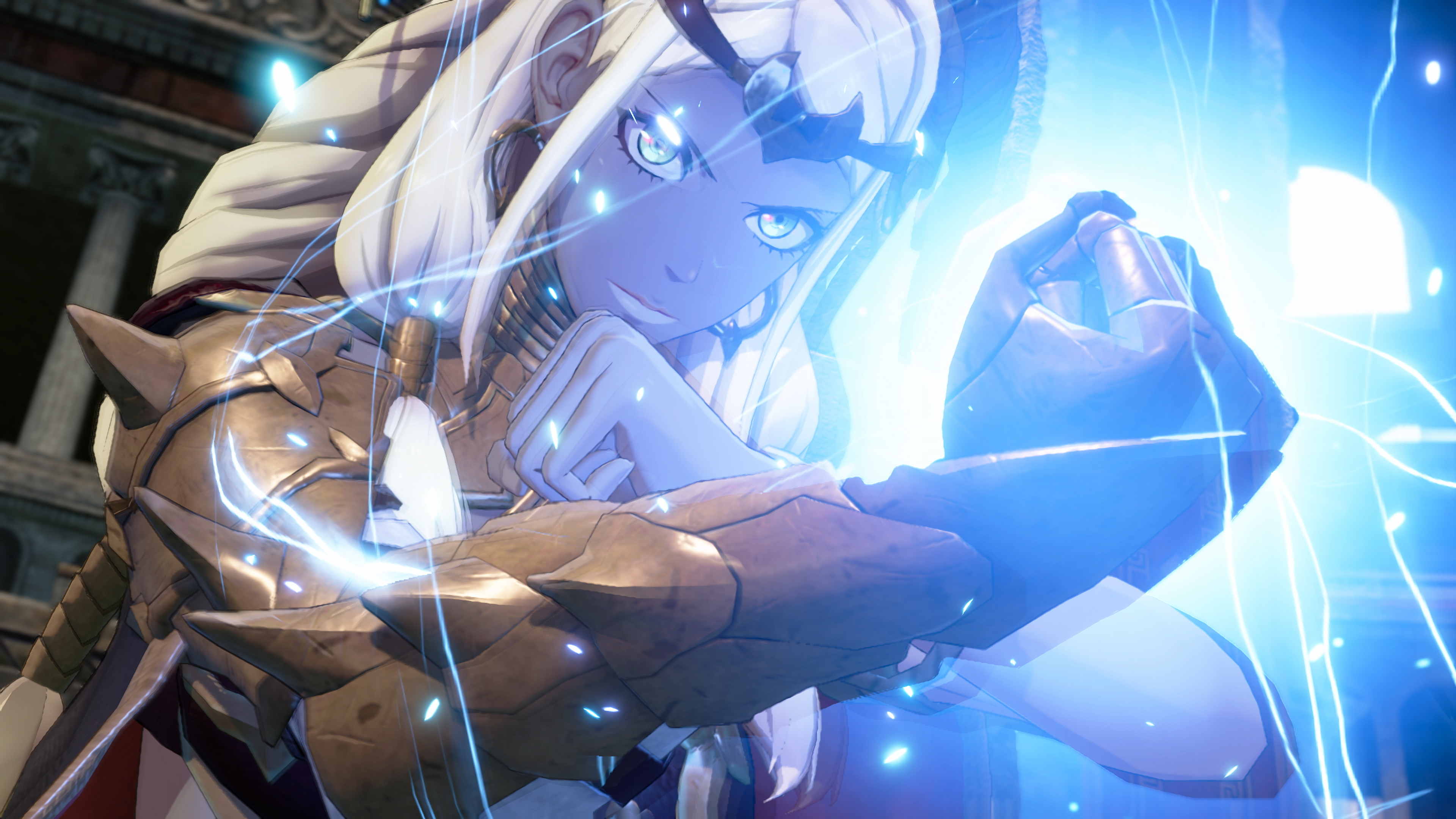
Fortune’s Weave aims to offer a more full-featured gameplay experience across multiple protagonists. All the routes are both smaller and more varied than each full playthrough of Three Houses. My first one, Cai’s Path, took me about 35 hours. Each subsequent route took me less time, with the shortest being, I think, around 20 hours. So, to do all four of them, it took me roughly 100 hours. They’ve incorporated some traditional NG+ features as an in-game achievement system that gives you points that can be spent in a bonus shop called the Boons of Salvation. Smaller bonuses, like improved skill progression or discounts in item shops, are available early on by saving up points. Big buffs, like improving the EXP gain rate up to 50% more, are only obtainable after completing a full route. Side quests shared between all routes will auto-complete, and places you’ve charted on the game’s world map will be filled out if you start a new route after finishing another.
Each protagonist interacts with the world in unique ways, which guide your playthrough. Each hero has their own unique gameplay systems in place, which, combined with a good amount of unique quests, means you're rarely doing the same things in each of the playthroughs. Cai can farm for materials or even catch animals for mounted units to use in battle. Being a young man eager to help those around him, he has quests dedicated to helping out citizens and can mentor under older characters to unlock new classes. Dietrich is more single-minded and focused on battles, so you track down high-level foes in dungeons to duel. Defeating them will net you new combat arts you can level up, and even teach to other characters in your party. Theodora not only has a boat, massively expanding where she can go in the overworld compared to the other protagonists, but she can also recruit Battalions in each town you visit. These squads can be deployed to gather resources on the field, but they're also able to be assigned to units in battles as Gambits (like in Three Houses). Since she’s a queen of another nation, she can send supplies and battalions back to gain renown and keep her nation happy. Leda is a dancer, so she's able to go to various towns to perform dances. Admittedly, she has a bit less going on regarding her unique gameplay gimmicks, but gets a unique Dancer class and the ability to craft stat-increasing beverages.
The goal of engaging with all of these systems is to improve your Renown, because that's the best way you're able to recruit new characters and unlock new features in town. The first thing I noticed when getting the chance to explore Dagsion for the first time was all the recruitable mercenaries around town. They all have requirements to get them to join you that vary depending on the character you play as, with some even being unrecruitable. I found it quite funny that Seteth is immediately untrustworthy of Dietrich for casually brandishing a Heroes Relic, and he refuses to be recruited in only Dietrich's Path.
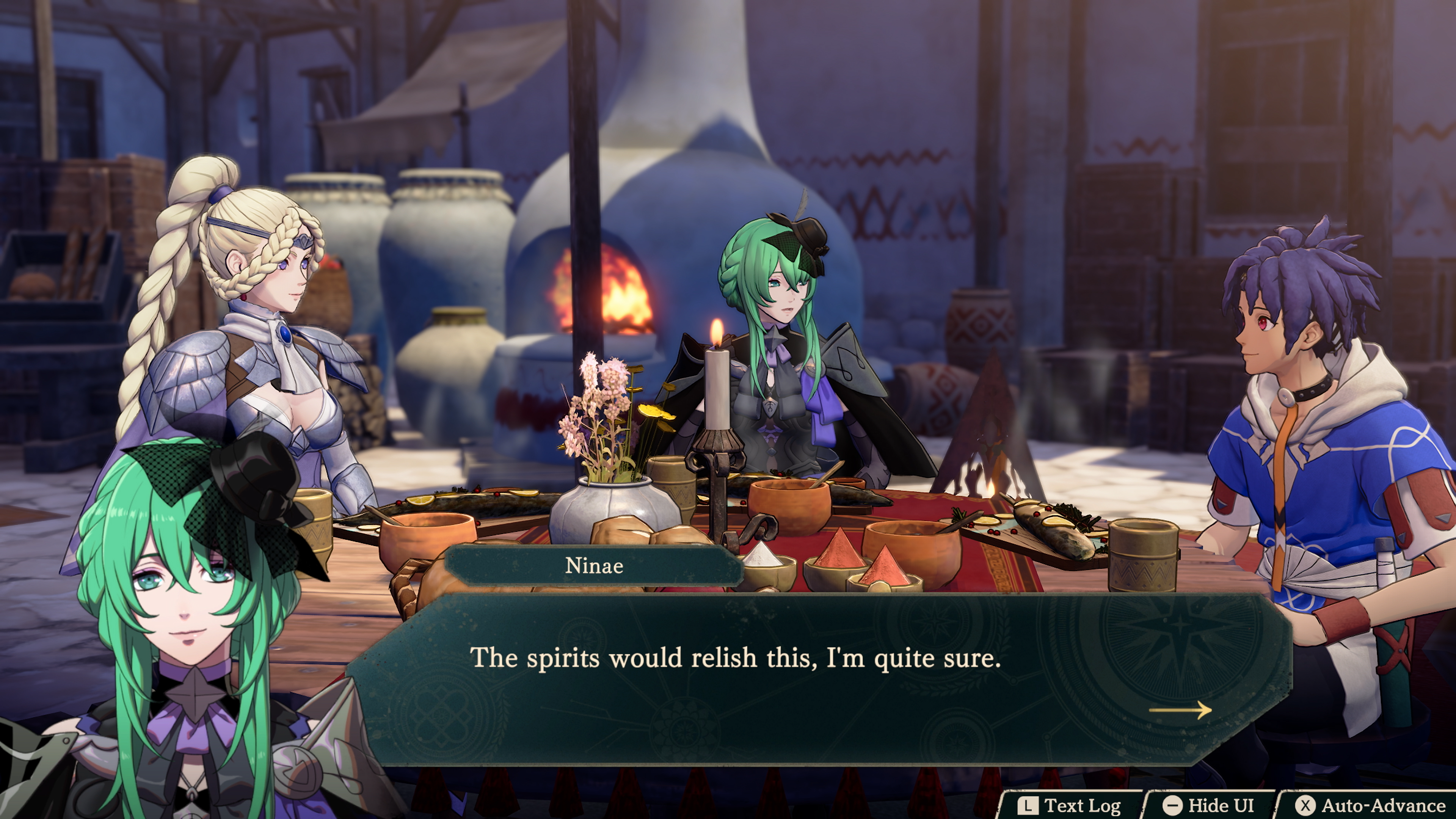
Every recruitable character requires a specific level of both Support and general Renown. You need to both prove yourself in Dagsion with your good deeds to get their attention, and grow closer to the recruit by spending time with them. This comes in the form of gift-giving and eating meals, which pulls you back from spending every waking moment out in the overworld (which was difficult for me; it’s a really well-designed map). Once you hit these requirements, you might even have to take on an additional quest for them or pay a fee to get them to join you. Because every character has different requirements across routes, you’re encouraged to mix up your play style. Some will even need you to do Paralogues from other Flame Lords, if you want to put the effort into recruiting characters from other teams. Like, for example, if you acknowledge that Esmeralda is the best tank in the game and feel like you need her in every other army.
The great thing about all these little systems is that they encourage you to go out into Dagda and just explore. As a follow-up to Three Houses, I never expected most of my time to be spent outside of the hub town. I always loved Fire Emblem games with world maps, but Fortune’s Weave integrates exploring it with the time management system to wonderful effect. At the beginning of every chapter, you’re given a set amount of “turns” of free time before you need to do the Main Quest of the chapter. A day on the calendar is made up of four turns. Facilities in Dagsion either use up turns for large actions that take up time, or motivation and money for things to improve your characters. You can get a lot done in Dagsion at the start of a week, then come back the next week to check in for any new events, turn in quests, and try to build up your support levels.
Most of your turns will be spent outside of the city in Dagda. The map is filled with dungeons, towns, and spots to gather resources — all connected with dots. It takes one turn to move around three dots, with specific terrain like deserts requiring you to take things slower. You can either go out and explore the continent of your own volition or focus on completing the quests you were given. You can go uncover resources, which can be traded back in town or used to improve your gear at the blacksmith. You could go visit towns (largely presented as menus to navigate), talk to townsfolk to hear rumors, and unlock hidden paths with new gathering points. Maybe you want to hit all the dungeons, which will be great for leveling your characters up and finding strong new gear. Or if you want to make your time easier, you can make an effort to unlock all the posthouses, which will let you take a carriage across large distances on the map for a fee. Regions are gated by Renown level, so I found myself using the quests to dictate a general path and using the remaining free time to fill out paths and tackle whatever dungeons I would come across.
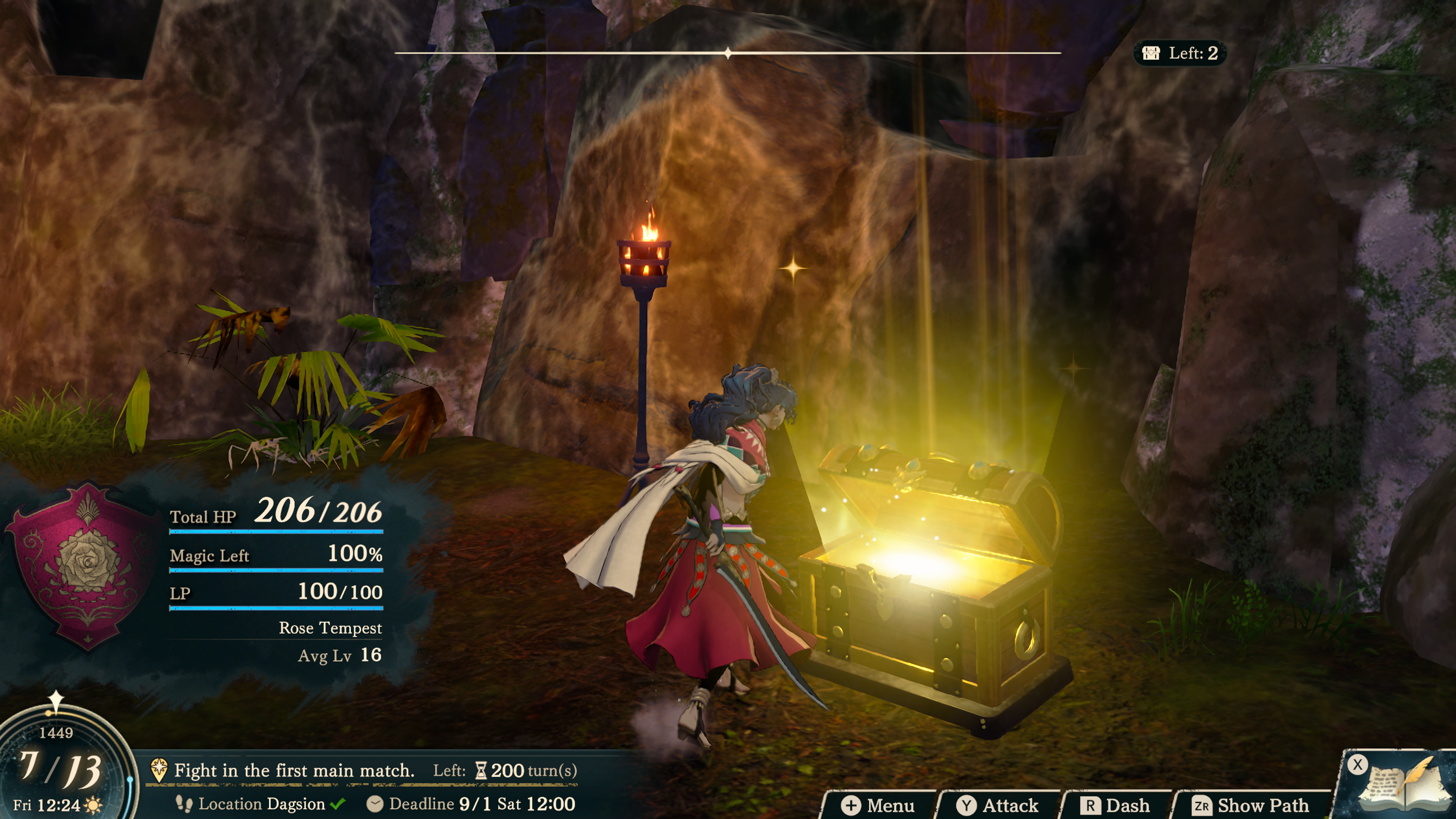
Dungeons make their return from Shadows of Valencia, in a way, but this time being much shorter on average. This works to their benefit, since they don’t offer you any dungeon maps. I’ve been so accustomed to dungeon crawlers where I’m spending the entire time staring at the minimap instead of what is in front of me. Here you are able to see a path on the ground where you’ve been, and a general direction of a possible exit up at the top of the screen. You’re told how many chests are in the dungeon, and everything else is left up to you.
Instead of full-on SRPG battles here, Fortune’s Weave has introduced traditional turn-based battles. The five characters you take into a dungeon are lined up, and you need to pick a main unit to best counter one of the enemies. Both you and the enemies share health pools with your total party, so the ideal scenario is to always find a counter that leaves you doing the most damage and taking the least. You can get battles done quickly by linking up with other units, but this gauge is a resource you need to manage called LP. On average, I think I only found each map hid about 30 LP for you to restore, so making sure not to waste all this early and be at a disadvantage to tough enemies in dungeons was important. This is a pretty thoughtful way to adapt Fire Emblem strategy into turn-based combat, and makes it so dungeons don’t feel overly long. They only take about 5-10 minutes on average, which makes redoing them in other paths a nonissue.
Skirmishes also make up most of the overworld encounters, with specific spots on the map triggering small-scale SRPG maps. There’s just so much extra game here that you might think that, looking from the outside in, it all drowns out the core gameplay that defines Fire Emblem. While there’s definitely more things to do than ever, IntSys has really refined their SRPG mechanics. The weapon triangle is absent here, but in its place is a system where weapons have a variety of different boons and banes depending on who you are facing. Swords give you extra damage for follow-up attacks, spears are good against cavalry, axes are slow but always guarantee at least 5 damage, bows are good against flying units, and gauntlets have high AVO.
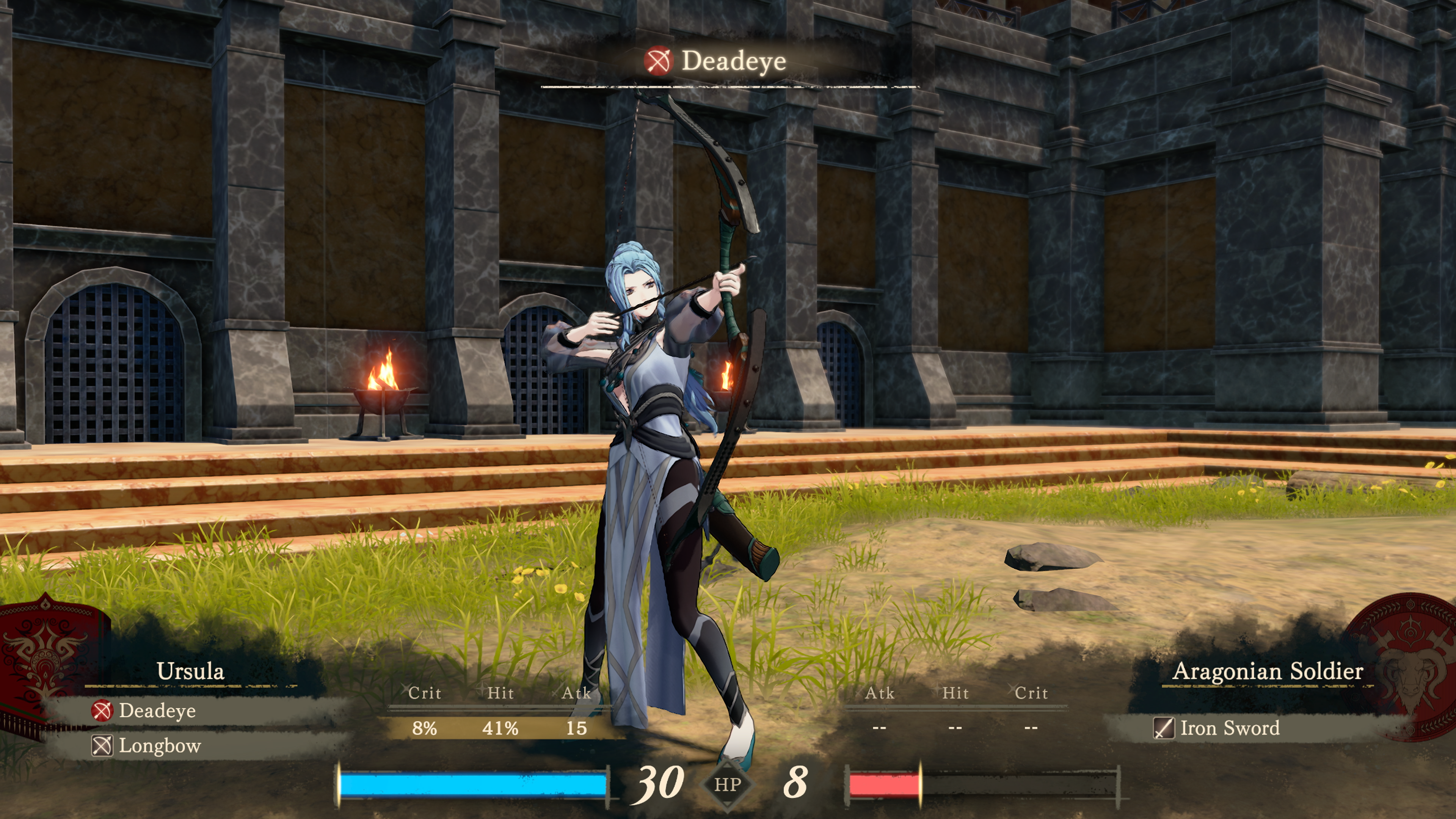
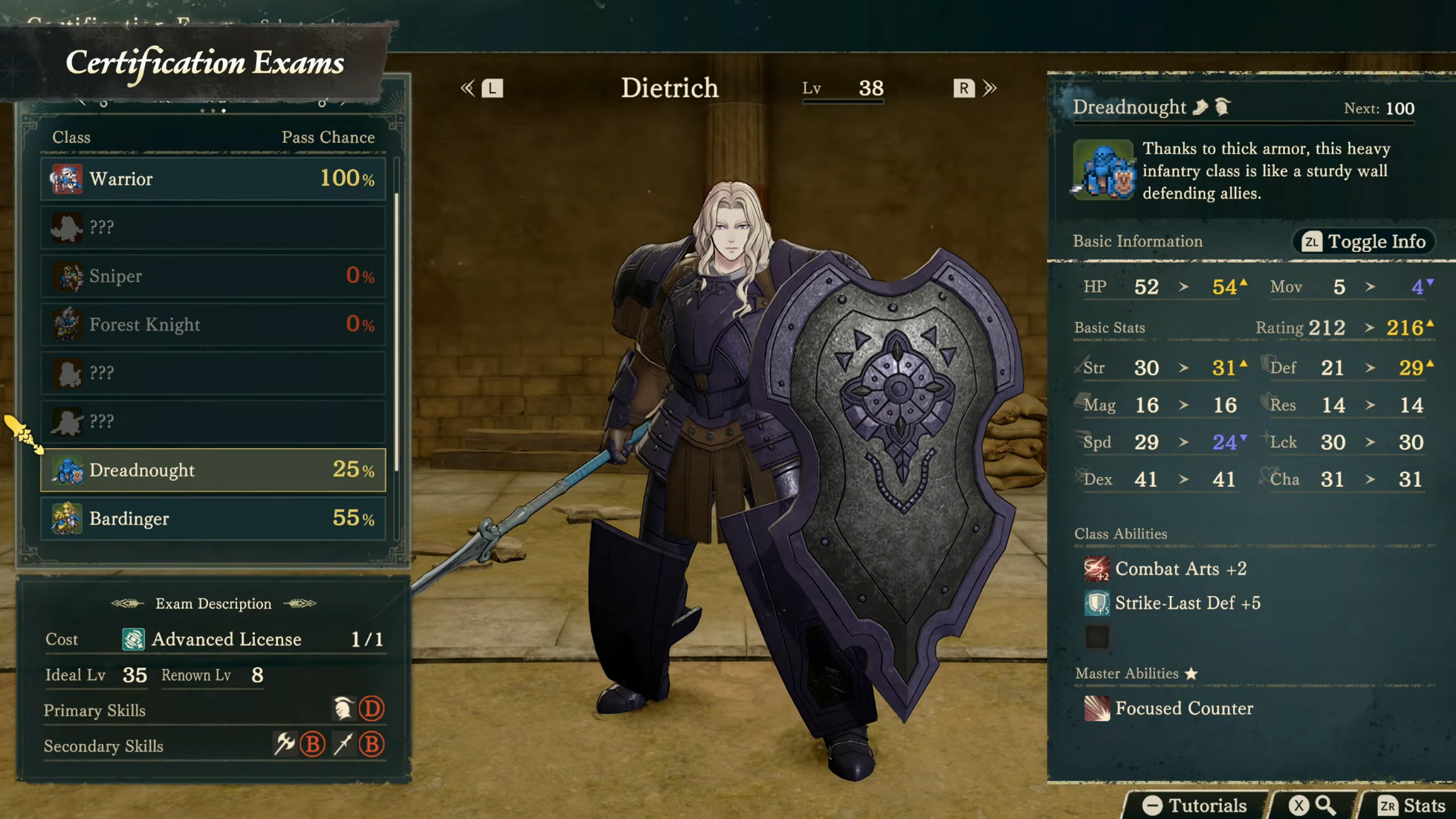
Picking the right gear for a unit is crucial, but so is training your units to get the most out of a specific weapon type. There’s also an in-depth class system, where you spend a limited amount of class rank seals to take characters down specific paths that prioritize specific play styles. Towns in the overworld will even sell you class seals, adding to the gameplay loop and encouraging you to get out there and explore. These and separate weapon experience will give that character new abilities they can equip on units, of which you can equip five at a time to fully customize every unit. Hell, there are even unique skills for mounted units depending on the bond they form with their steed of choice. It’s an overwhelming amount of depth in the game, and combining that with flashy combat just created a recipe for success.
Unique to the Flame Lords are Blaze Arts, special attacks that fill a meter by using them. These can be powerful AOE attacks, getting to warp across the map, long-distance attacks, or powerful buffs. Using them fills up a Blaze Gauge, and if you cap it out, you take a health reduction for the rest of the turn. However, if you get them in a sweet spot of the gauge, you can go into Overblaze. This will give you a buff, but also unlock extra Blaze Arts to use that will guarantee you cap the gauge out. I am a massive sucker for risk/reward systems in SRPGs, and it exists over already really strong mechanics.
There are also cursed weapons with unique and powerful weapon arts. You’ll have to delve deep into dungeons to find these, but I think they’re well worth it. These function on a similar blaze meter to blaze arts, with the caveat that normal units have about half the blaze cap before they start losing health. Undead enemies can also block these attacks outright if you’re unlucky, so you need to pick the ideal time and place to use these. I like the idea of bringing up normal units
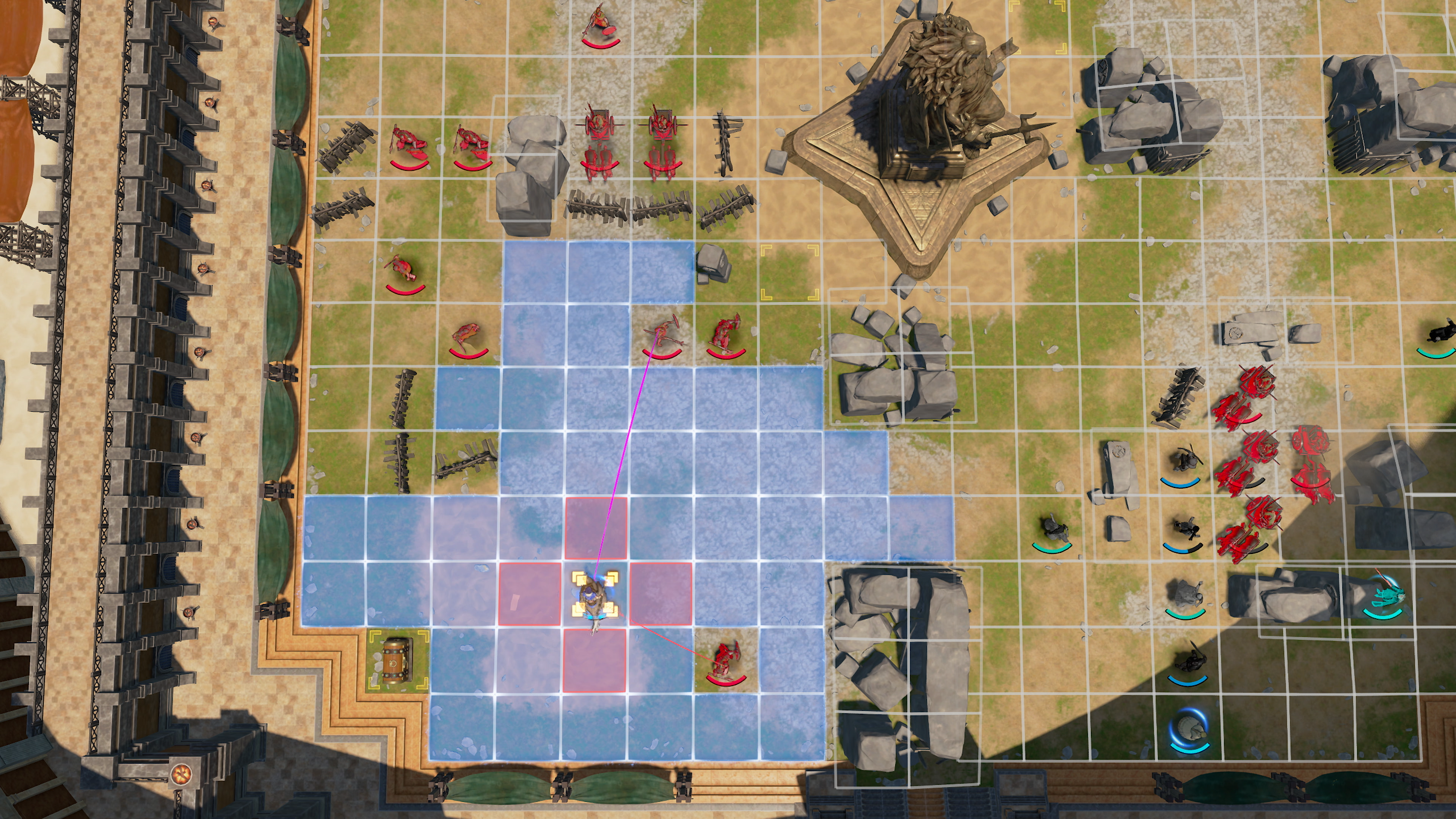
For all of the main quests, I found the map design to be really varied. Most of your objectives will be to rout the boss enemy, but they do a good job incorporating terrain, chokepoints, or map gimmicks in trying to keep things fresh with enemy patterns. For this being a proper HD console game on a powerful new system, maps are both complex in design and can be pretty massive when they need to convey proper scale. The map designers clearly had the most fun with the optional Paralogues, which all introduce the most fun gimmicks. You’ll have to juggle multiple objectives and threats at once, defend points, or compete in a monster-slaying contest. Even with standard “Kill The Boss” objectives, there’s always wonderfully timed reinforcements continuing to whittle away at your team to discourage overly defensive play.
What really makes the map design work for me is the game’s difficulty. You only have two options as of launch: Normal and Hard. I’ve played every previous Fire Emblem game on Normal, but I’ve had a bone to pick with a lot of RPGs that have come out this year about just being too easy on all difficulties. So I decided to experiment and make this my first game in the series played on Hard after noticing the Prologue felt a bit on the easier side. In short, I had a delightful time with the game on Hard. The Main Quests in the Heroic Games act felt perfectly balanced on this difficulty.
On Hard mode, battles feel genuinely stressful, and careless moves can get your units killed very quickly. The rewind system requires you to use up Divine Sand in this mode, so I couldn’t use it as a crutch too much to get out of poor strategy on my part. It also got me to try out blessings from other gods, which give buffs at the cost of much more Divine Sand that could be used to get me out of a bad move. The challenge has a gradual progression across each act of the game, getting much harder as the stakes increase. I had to turn the game back down to Normal in the endgame, and even then I felt it still offered an engaging and fun challenge.
There's a little weirdness with how they implement the game's overall structure. You have a single save file, but the game will also keep track of progress made of each protagonist in their respective Paths. I can only assume how this works, but it seems like each character gets their own ongoing save once you start one of their paths. When you initiate this save getting created, it runs a check on what you’ve done in other completed paths.
I think that the Heroic Games section of Fortune's Weave — the first part of the game — is the strongest section overall, and it feels like the most polished act. The following act, which I have to deliberately be somewhat vague about, keeps the multi-route structure awkwardly. While there’s only a single set of missions in Part 2, and you get to decide which protagonist army participates in the section, there’s no difference between protagonists besides some small bits of dialogue. Despite this, the map design continues to be absolutely incredible, beyond stressful and a delight to pull victory out of the jaws of defeat every single time.
However, I can’t help but feel that the game introduces Part 2 to the player in a confusing way. You can play this part of the game 4 times in order to bring all routes together into Part 3, but you’re going to be replaying the same maps 4 times with minimal differences in each route. The game does give you the option to “skip” these if you want, which I might recommend after you run through it once. Doing this auto-levels that army up and readies them for the final campaign, so I found this to be worth it after it became clear that I would be doing the same missions every time.
There’s probably a question burning in your minds: “Is it really worth playing all the routes?” This is a bit difficult, but as a guy who just played a 161-hour game, I have to say ultimately, yes. The gameplay rewards from putting all this investment in were ultimately worth it, but doing so, you have to acknowledge that you’re going to be redoing content between each path and act. Dungeons are fun, but doing each of them at least four times does show a limit of texture sets across them all.
What I think allows this content re-use to work in their favor is giving you a steady stream of tasks to do in every chapter. By asking players to gather specific resources, go visit certain dungeons for items, or go fight specific battles at a steady pace, I was able to spend around 140 hours just not minding it too much. Main Quests are typically unique, outside of some battles where multiple characters worked together in the same match, and it kept me going and feeling the game was fresh. Unfortunately, I eventually hit a point in the last 10-15 hours of free time where I actually did run out of “stuff to do”, and that’s when the burnout really began to set in. At that point, I had been to everywhere on the map, done all the dungeons, and completed every side quest. I’m relatively impressed that the gameplay loop had its hooks in me for so long, but maybe they should have either introduced new quests in the last few chapters to keep players invested, or trimmed down the free time in the endgame. You can auto-complete activities to skip ahead to the main quest, but it’s hard not to hope for a bit more in a game densely packed with things to do in every chapter.
Many games these days feel the need to placate the uncurious and remove the whimsical sense of discovery that defines epic adventures. Color me genuinely surprised to say that Fortune’s Weave has kept in more than enough fun hidden content to make engaging with the world feel really worth something. Paralogues are a big one, showing up at specific times back at Dagsion. If you’re not there at those times, and if you don’t fit them into your already packed schedule, you’ll just miss out on them until another character’s path (if it’s even there at all). There’s a handful of quests you’re left to just figure out on your own, and in the late game I even found myself with a powerful weapon upgrade just from talking to an unmarked (but important) NPC.
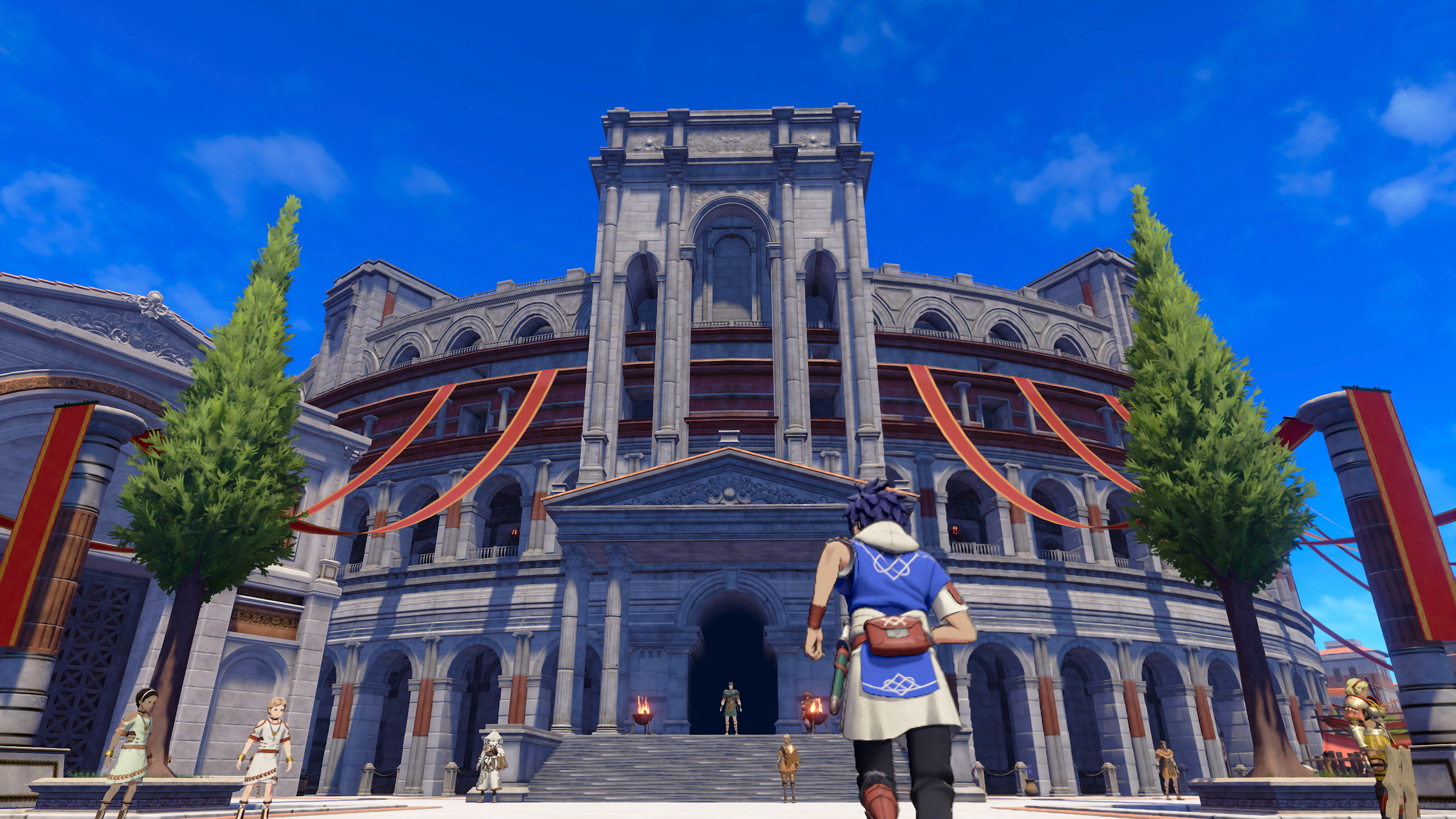
Little moments like that make me feel like I’m rewarded for thoroughly engaging with the world. If I missed something on a character path, it also inspired me to go seek it out in another. It gave variety to each of the four routes of the Heroic Games act, which I felt was a big weakness in trying to be a completionist in Three Houses. The level of friction here feels deliberate, and I always appreciated it. You’ll always be pointed in the right direction for story quests, but knowing when to spark imagination in players is important for making the world feel like it doesn’t fully exist to serve the player.
The aspect of this game I find myself thinking the least about, shockingly, is its story. I adored the ideology-fueled drama of Three Houses, feeling the fractured perspectives gave me a lot to chew on. The way that world was developed by learning more about the characters in their supports is still some of the best world-building I’ve seen in a game. Three Houses' main plot had its issues, but it was a memorable story told in a way that the series hadn’t really tried before. I like Three Houses despite my problems with its storytelling, but I didn’t ever need Fortune’s Weave to run that back.
This game frankly has different priorities, and I think enjoying it requires accepting this early on. This is a more traditional Fire Emblem story about charming characters battling the forces of evil. Fortune's Weave sets up numerous interesting ideas in the Heroic Games segment of the game, which initially had me really excited as the game slowly leads you to the eventual cause of the ruined present. Unfortunately, due to some awkward time jumps, crucial moments happening off-screen, and strange holes in the story throughout, I felt that much of the intrigue didn’t pay off the way I would have liked. Each act of the game has a contained, interesting story overall that just doesn't feel cohesive with each other. In some ways, Fortune's Weave felt disjointed or even missing plot in places, despite its length.
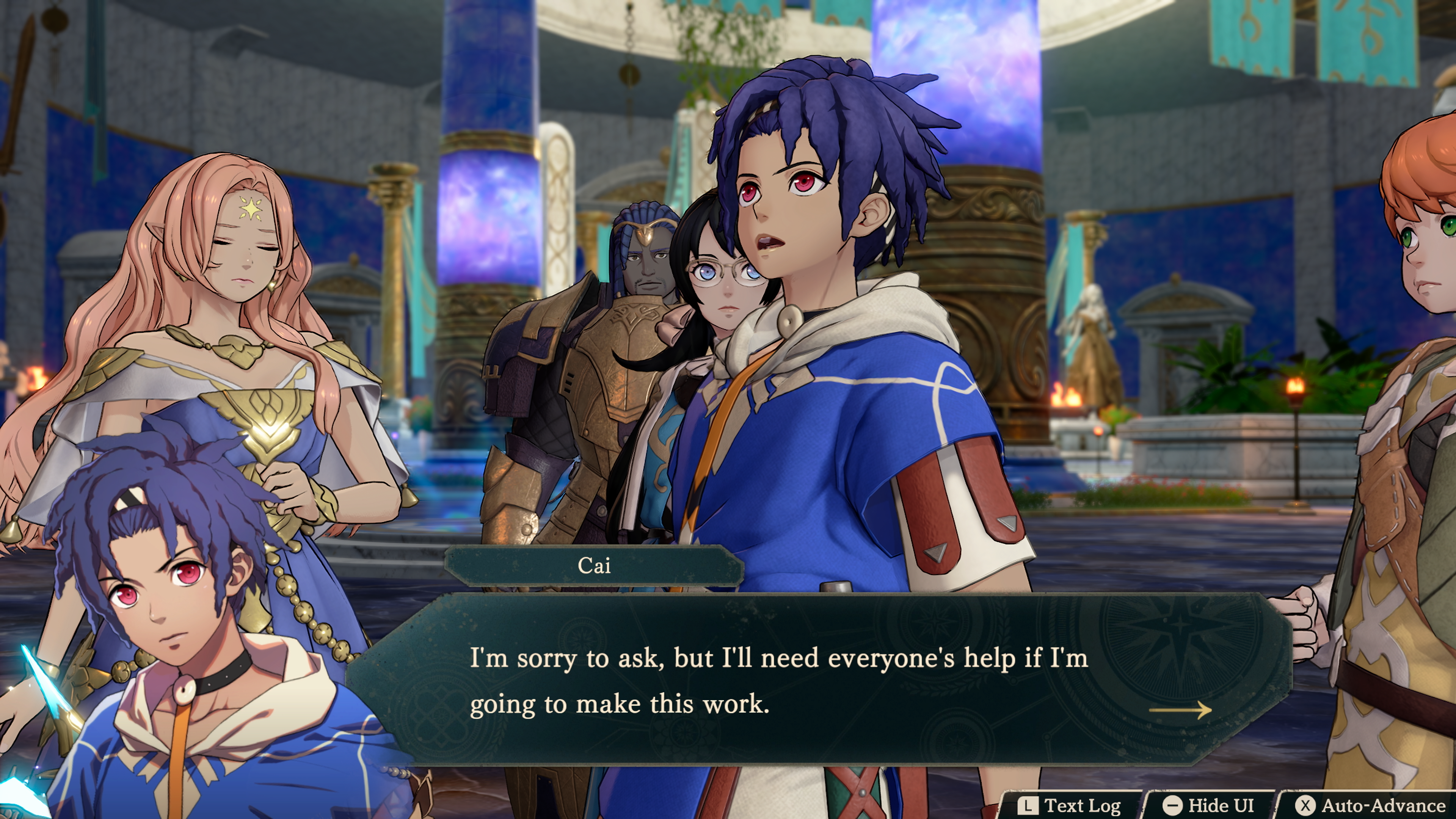
What I find most interesting, though, is how the developers decided to expand on the lore of the world from the previous game. Intelligent Systems take extremely wild swings with how they build out this world, larger than I ever expected, given the hints we got previously. They’ve been open about all the new laser guns, and they do quite a good job of justifying that sort of technology existing in the setting. There are a ton of details you get to find yourself or put together, and I was overwhelmed with how much straight-up 'lore' was written for Dagda. I’m genuinely not sure people are going to vibe with some of the directions they took, but I just found the choices so outlandish that I couldn’t help but enjoy it to some degree. It takes some guts to do some of the things they do here, especially in a setting many people might consider too sacred to take these kinds of risks. I’d genuinely love IntSys to take this energy and experiment further in a new world next, since they really got to flex their creativity in creating fantasy worlds without feeling too constrained by what was set up in Three Houses.
I think I’d have more of an issue with some of the plotting if the ratio of gameplay to cutscenes didn’t skew so heavily in the favor of gameplay. I ultimately valued the gameplay experience over the story being told, but it still took the wind out of my sails a bit to see the initially compelling set-up not always get a satisfying payoff. Sure, I thought the lore was really cool, but lore itself can't tell a compelling story. At times, it feels like there’s just a chunk of plot missing. It’s a bit hard to be able to tell if stuff was cut, or if mysteries have been left open to tackle in an expansion.
While the front-to-back plot left me wanting, where I think the game really works is in the character writing. This is a fun group of characters, with approachable personalities and strong voice acting. The main parties for each route are especially strong, but the recruitable characters are a charming bunch despite having less going on. It’s kind of great that I remember them mostly for their feats in battle; it feels like I finally “get” classic Fire Emblem titles. Noctula always became my go-to monk in most of my playthroughs, Catania dominated the skies with high AVO, and Io was my favorite cavalry unit because he was just so cool. If I had one regret, it was that I was swept up in the other aspects of time management that I didn’t see enough support conversations across all the paths. If I ever replay it, it’ll be to focus hard on getting more A Rank supports unlocked.
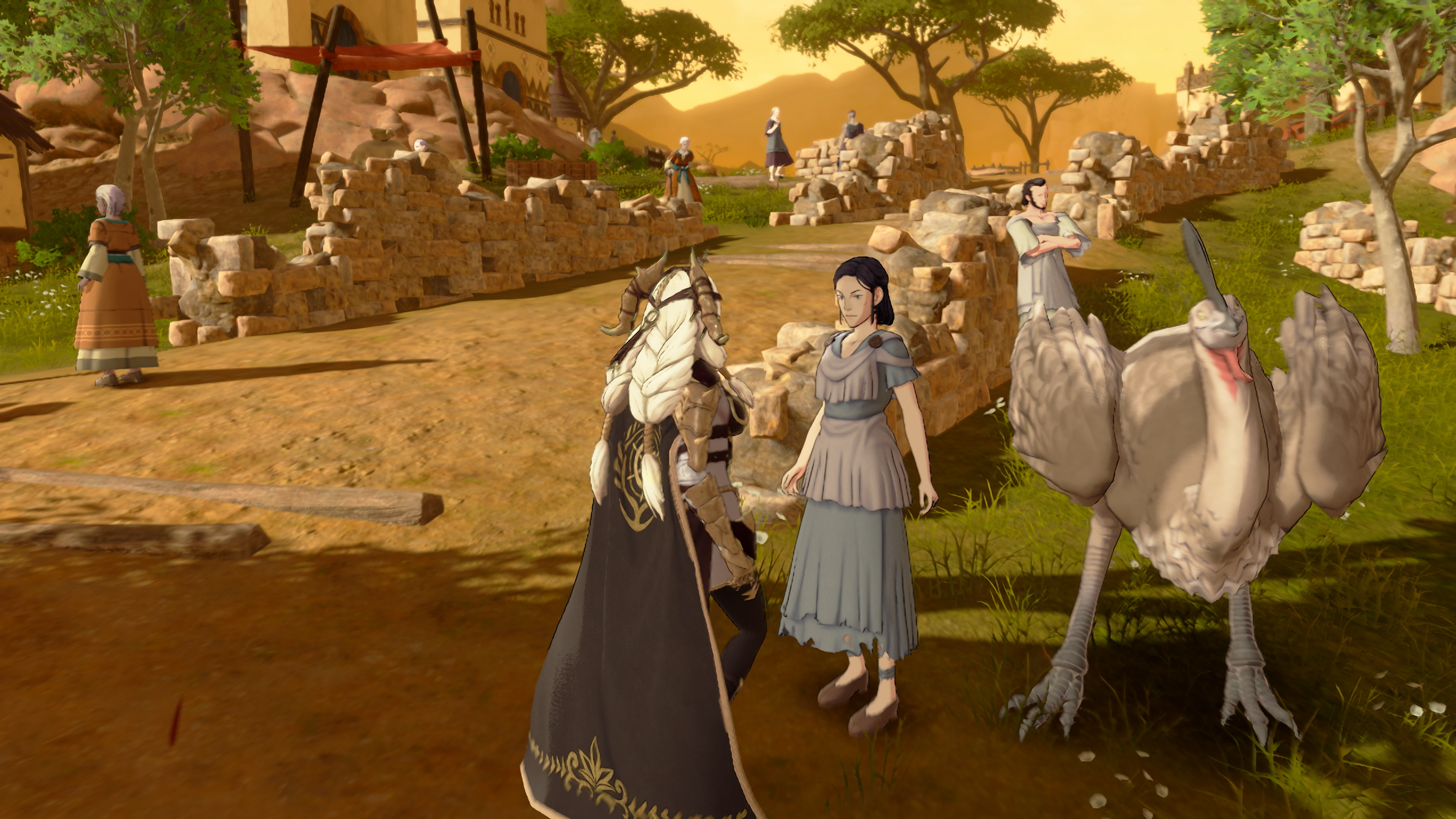
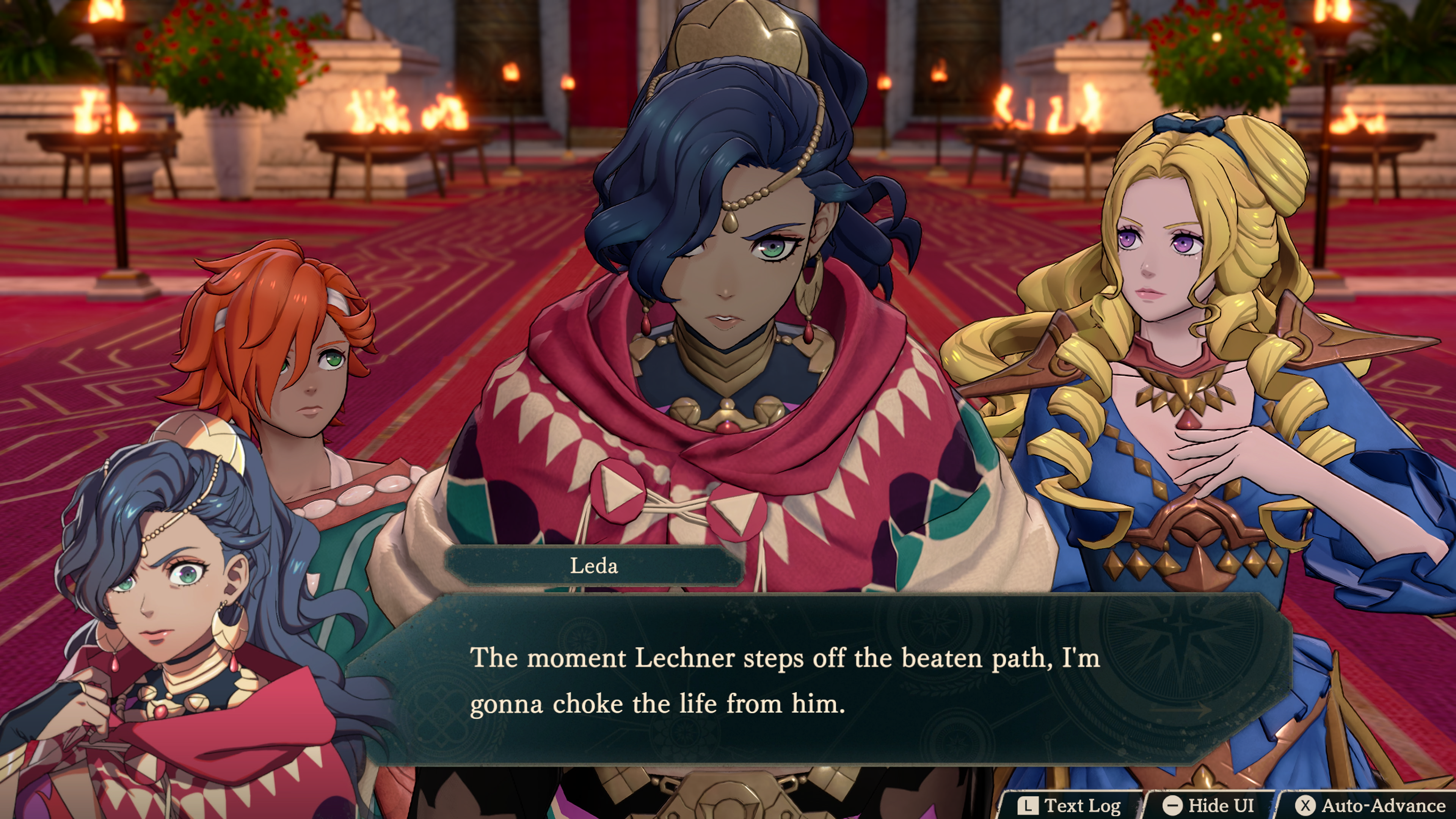
Of the four groups that we spend most of our time with, I’d say Leda and Dietrich’s parties were standouts. Leda’s group has the most interesting dynamic between them, but the trio of Dietrich, Fabio, and Esmerelda is easily the most fun thing the game has going for it. Theodora and Cai might have overall stronger plots that play an important role in where the story is going, but I felt myself more endeared to the banter with the other parties. Leda’s team is also just great in combat, with most of them making it into my final party. It’s hard not to also love Dietrich, who I pumped full of Crit and Speed stat boosts and set him loose as the perfect dodge tank. I never got tired of him, or his wonderful battle theme.
For most of my time playing Fortune’s Weave, I was on cloud nine. The game completely took up all the free time I had in the month and a half I played it; I couldn’t get enough. It was fascinating to see Intelligent Systems’ ambitious new take on the mechanics that defined Three Houses. I loved most of my time with the game, but it’s hard not to find the game just a bit too long for what it has to offer. The story, while showing promise, is disjointed enough to not stick with me as much as I wish it could have. The game’s structure is fun and extremely ambitious, but it can be a bit awkward to navigate after the polished first act wraps up.
For me, Fire Emblem: Fortune's Weave ended up being something of an inversion of Three Houses. I loved the characters and world of that game, and thought the tactical gameplay was just fine. For Fortune’s Weave, I spent so many sessions just unable to put the game down. The time management system has been designed to satisfyingly feed into just about everything you do, and battles feel polished, stressful, and exciting. It doesn't nail everything that it sets out to do, but I think this is an exceptionally strong SRPG for most of the run time. I’ll just need to take a long break from huge RPGs to try to get my sleep schedule back on track.