

The Best Switch RPGs to Play Using Switch 2 Handheld Boost Mode
After testing dozens of games following the launch of the Nintendo Switch 2 in my backward compatibility features, I usually lament how most Switch 1 games scale on the Switch 2 screen when playing in handheld mode. Today's system update added handheld boost mode to run Switch 1 games as if in TV mode when playing on Switch 2. This is a massive upgrade for the platform and it also will dramatically improve how many games look on the go when played on Switch 2. With how notable some of the upgrades are, I've put together a list that I will maintain and update over time to cover the best Switch RPGs to play using Switch 2 handheld boost mode. As for the games featured, I've included any relevant games that we have covered on RPG Site so far including the likes of Ace Attorney so it will not be pure RPGs.
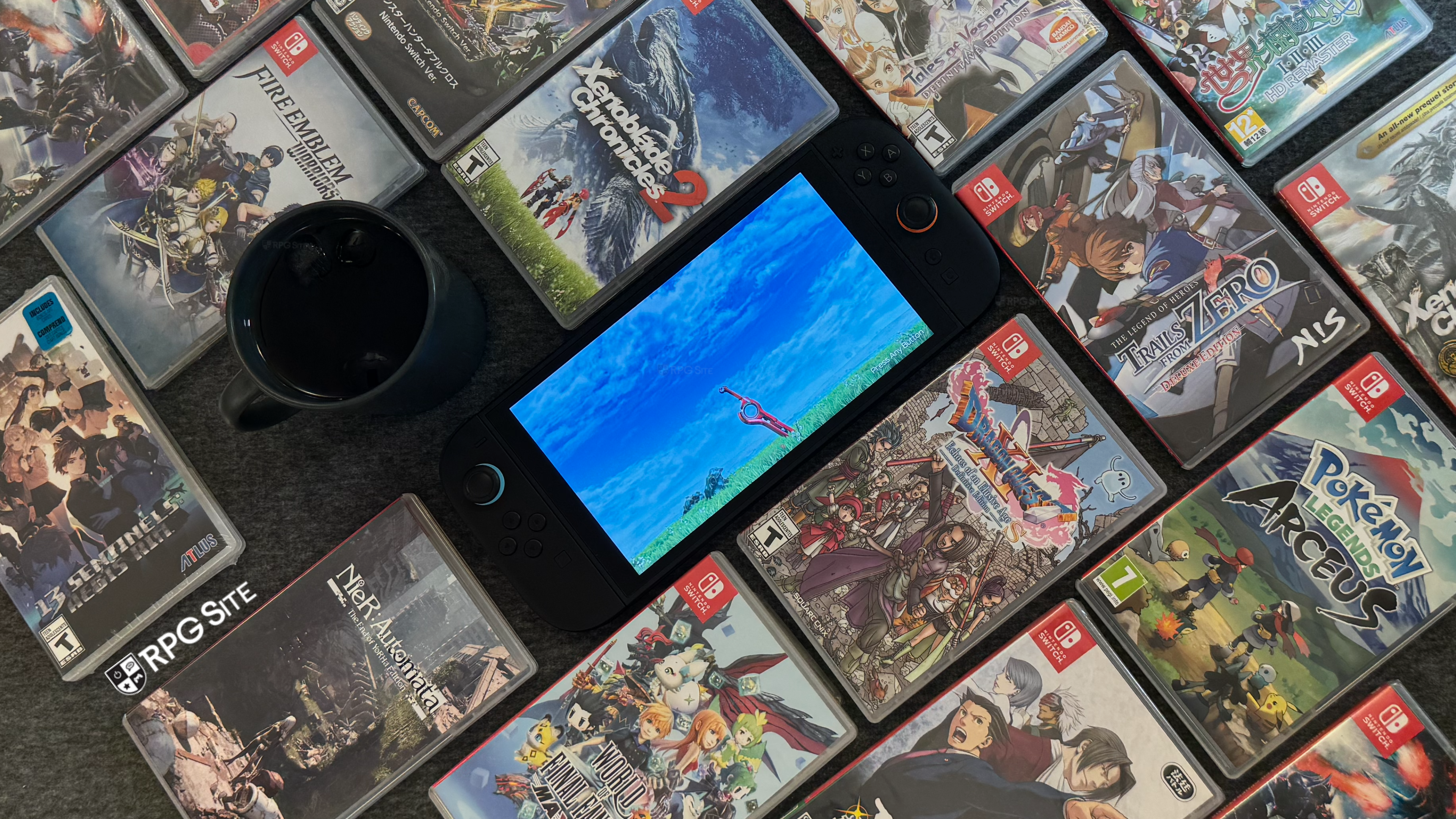
Note: Before getting to the actual games, I initially used Switch 2 handheld capture which is still capped to 720p (and does not use PNG images) for Switch 1 games. This meant the comparison images in the initial set of games I tested in March 2026 will not give you the full picture, but they still showcased some good upgrades. I recommend loading all the images below fully and zooming in to see differences in resolution, clarity, edge smoothness, and in some cases even visual settings that I describe in the text. For new games tested from April 2026, I have a better way to showcase improvements. This article has been updated on May 25 2026 to add more games.
The best Switch RPGs to play with handheld boost mode on Switch 2
13 Sentinels: Aegis Rim
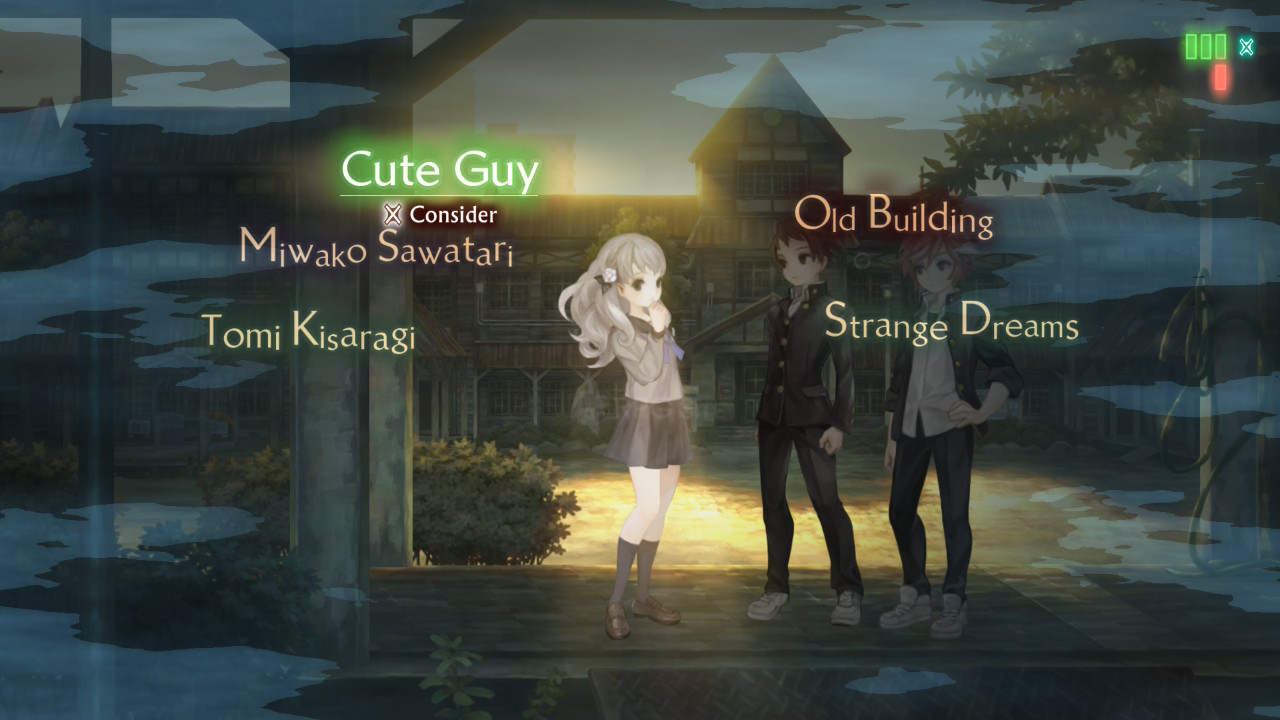
13 Sentinels: Aegis Rim already benefited from the Switch 2 backward compatibility with performance boosts to the combat sequences that had major issues on Switch 1. On Switch 2 using boost mode in handheld, you get a higher resolution experience, but it isn't game-changing outside of select locations. 13 Sentinels has always looked good even on Switch 2 with how its aesthetic scales, but the boost mode's major change is in having all the font and UI elements also crisp now.
Ace Attorney Trilogy
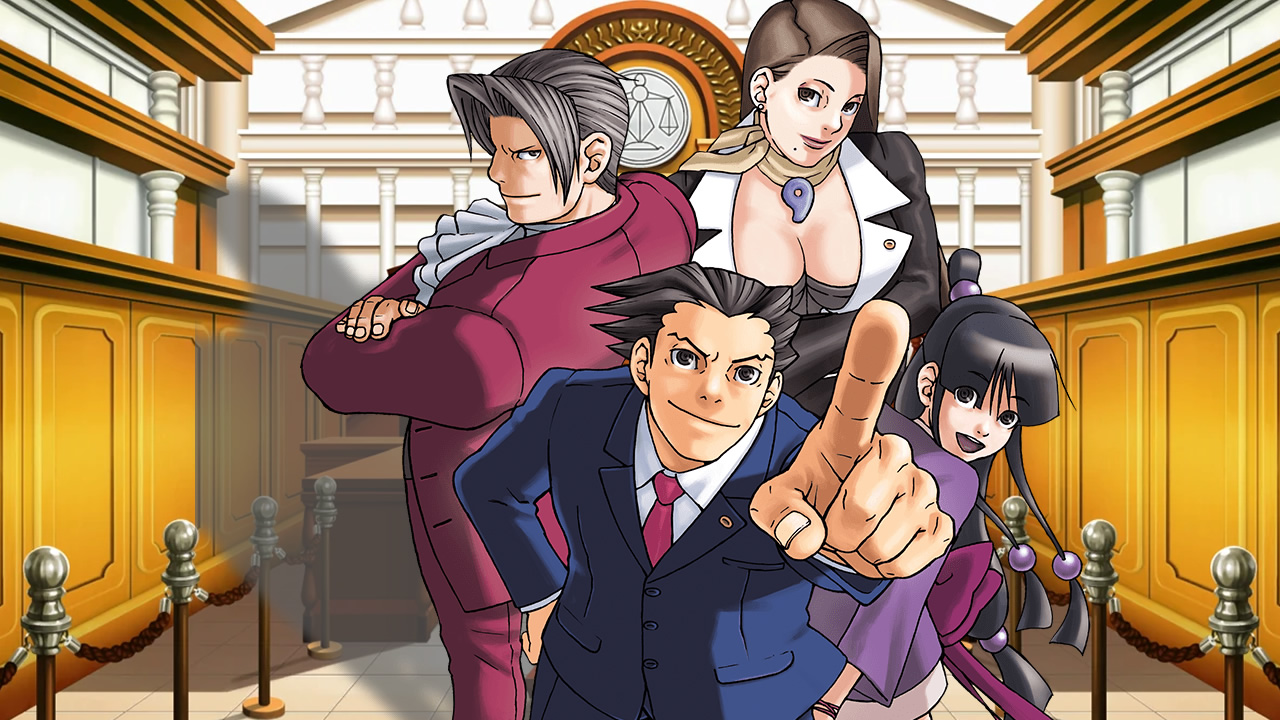
Phoenix Wright: Ace Attorney Trilogy on Switch 1 was my favorite version of the game. It unfortunately looked soft when played on Switch 2 through backward compatibility since it was using the 720p Switch 1 handheld profile on Switch 2 with its 1080p screen. With boost mode, you get a full 1080p image, but lose out on touchscreen support. That may or may not be important to you, but I value touchscreen support in the Ace Attorney games a lot (whenever implemented). Touchscreen aside, this is a good boost to playing handheld.
Dragon Quest Builders 2
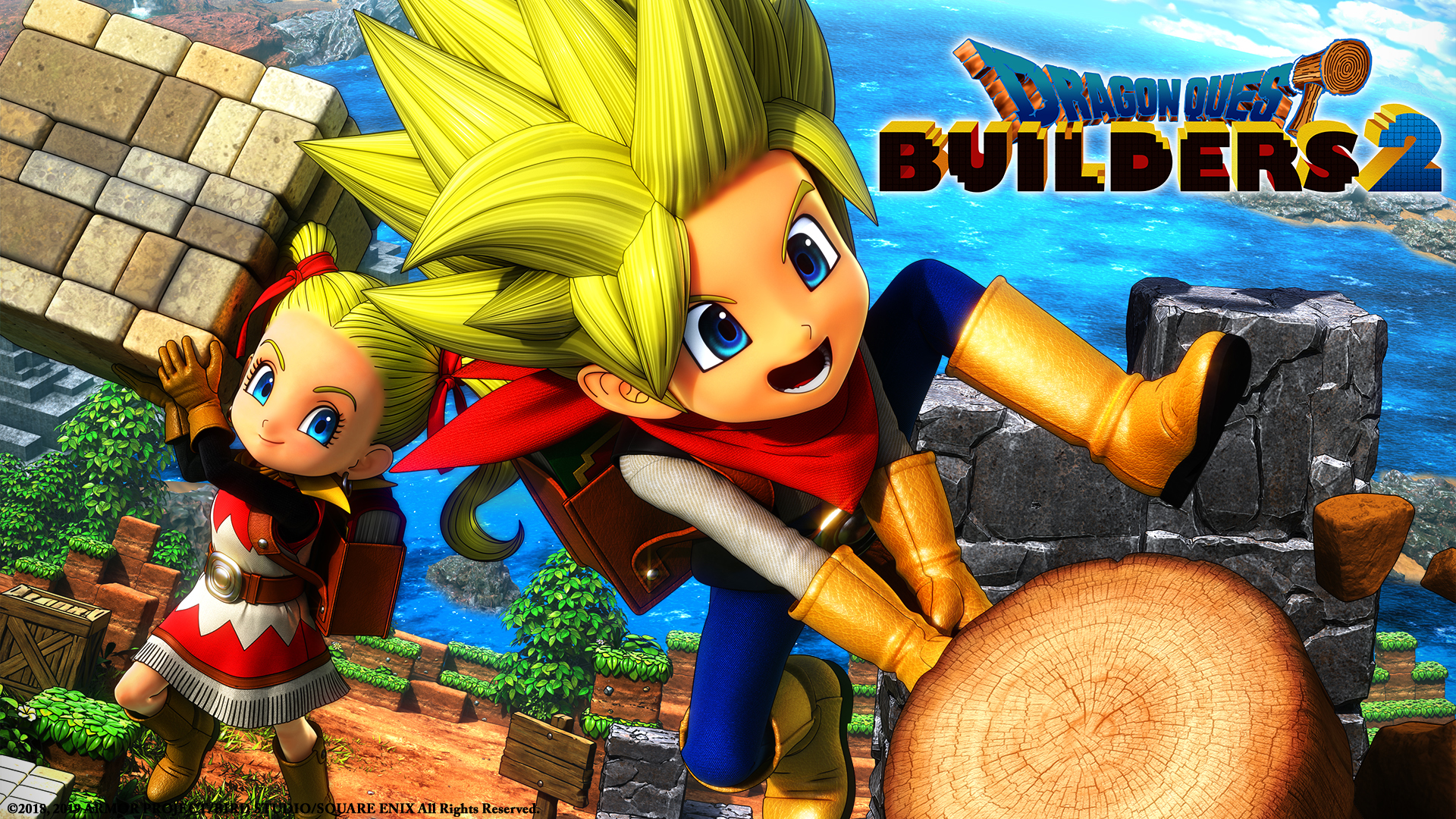
Dragon Quest Builders 2 notoriously ran poorly on Switch 1. When I covered it via Switch 2 backward compatibility, I noted the performance boost. While it wasn't 60fps locked, it was a huge improvement over the game on Switch 1. When using boost mode, you get a bump in resolution making it look perfectly crisp on the 1080p screen in the areas I tested, but the frame rate takes a hit with noticeable drops even early on. I'm not sure if VRR is enabled and working, but I could tell the frame rate was fluctuating. I would stick to playing this without boost mode in handheld mode right now.
Dragon Quest XI: Echoes of an Elusive Age
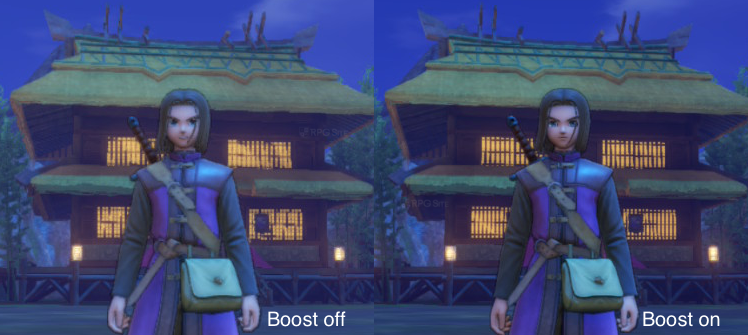
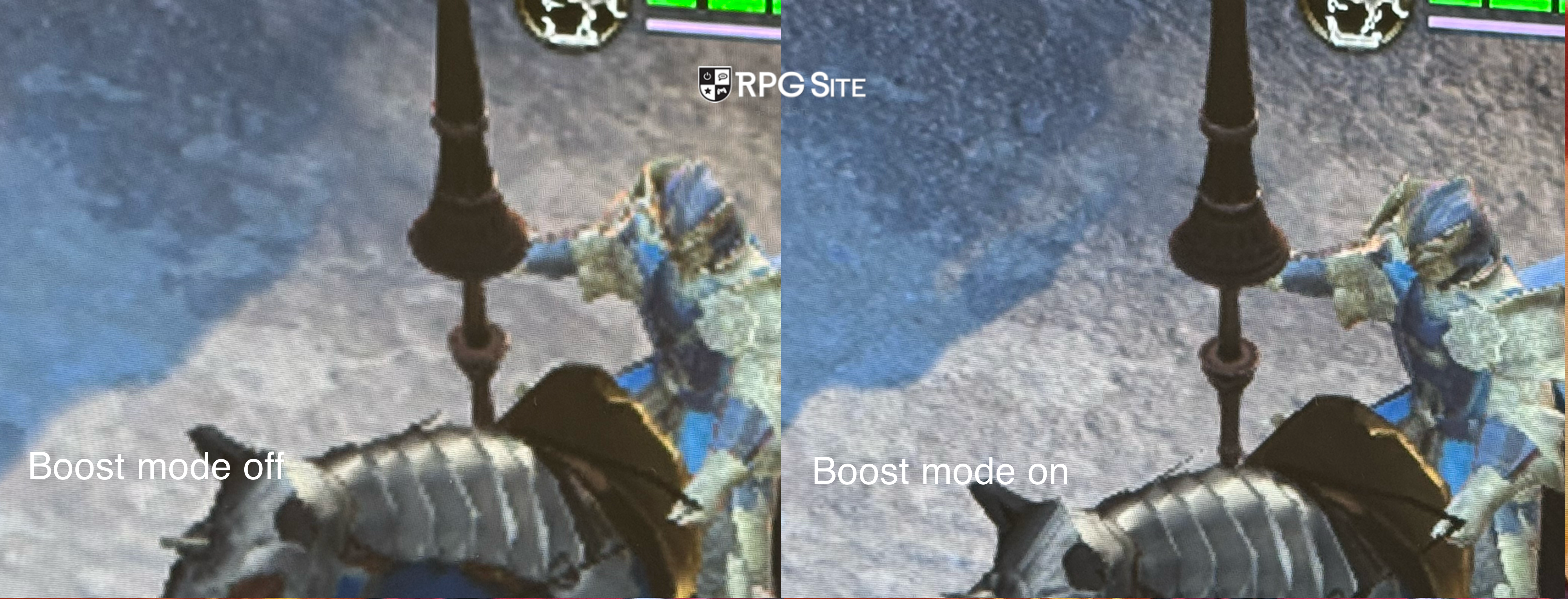
Dragon Quest XI S was a great port on Switch despite its image quality and other cuts. It had a subnative resolution both docked and handheld on Switch 1. When played on Switch 2, it didn't suffer from any performance issues, but the handheld Switch profile did not look even close to good on the Switch 2's 1080p screen. Using boost mode, you get quite a big bump in resolution taking it above 720p now. It was quite a bit below 720p when played on Switch 1 and without boost mode on Switch 2. With the higher resolution in boost mode, I also noticed distant objects in the environment resolve better as you can see in the image below.
Etrian Odyssey Origins Collection
The Etrian Odyssey Origins Collection had no real issues on Switch 1, but when playing the remasters on Switch 2 on the go, there were some elements like portraits and other images that weren't as crisp as they should be. When using boost mode, not only is everything crisp, but even the backgrounds look a bit nicer. There is one downside though. When using boost mode here, the touchscreen is disabled. If you played with a stylus for the map, you will not be able to do that when boost mode is enabled.

Fire Emblem Warriors
Fire Emblem Warriors back on Switch 1 offered a 720p 30fps target when handheld and 1080p 30fps or 720p 60fps options when played docked. On Switch 2, it already always ran at the frame rate cap, but now with boost mode, you can get access to the 720p 60fps performance mode while playing handheld or opt for a crisp 1080p 30fps experience. The docked profile for Fire Emblem Warriors was a big upgrade over handheld play back when it debuted, and it is great to see it available now on Switch 2 handheld via boost mode.
Fire Emblem Warriors: Three Hopes
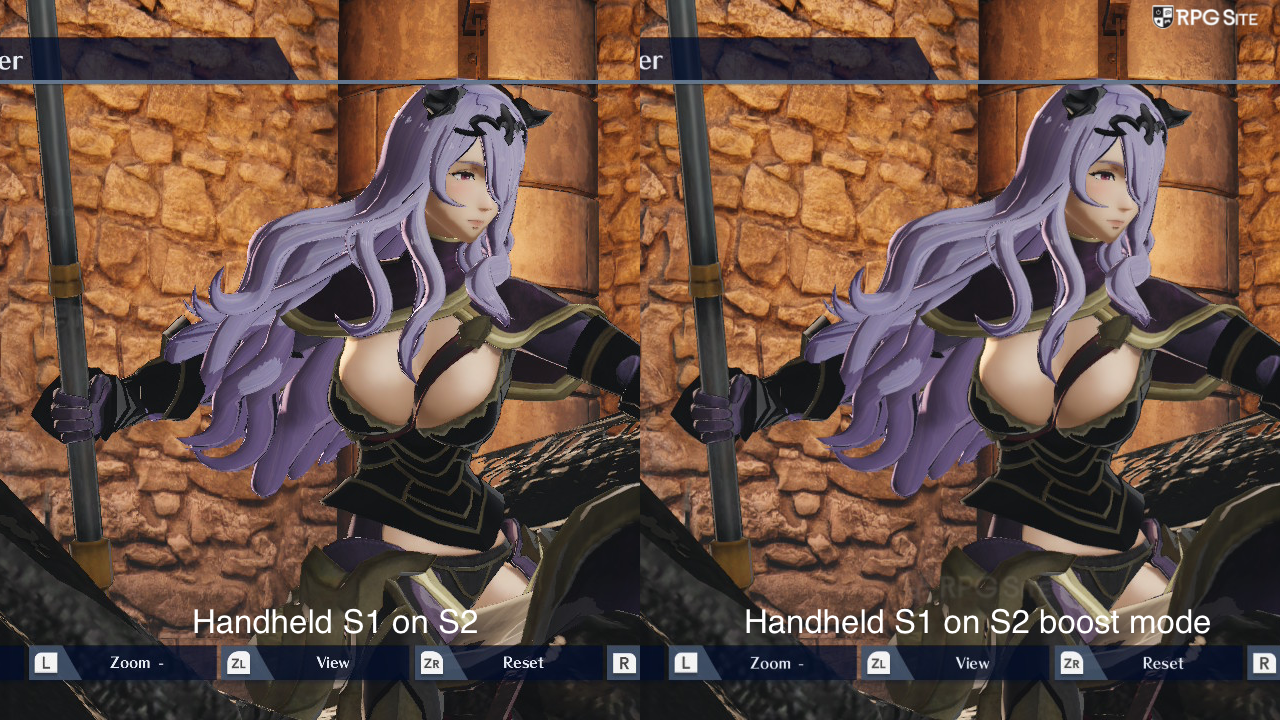
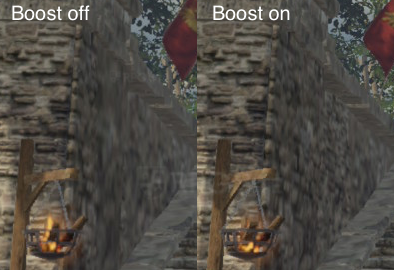
Fire Emblem Warriors: Three Hopes was a subnative resolution release both docked and handheld on the original Switch. It also ran at an uncapped frame rate. With Switch 2 backward compatibility, it was a nice 60fps experience both docked and handheld, but the image quality handheld wasn't great. With boost mode, it looks crisper handheld with 1080p UI, but I noticed some regular dips early on while testing in a few locations. I will revisit this over the coming days and play more to see how it holds up performance wise. The lack of good anti-aliasing is still very noticeable, but the resolution bump is definitely welcome using boost mode. There are also other changes like texture filtering and shadows with some of it being visible below:
Fire Emblem: Three Houses
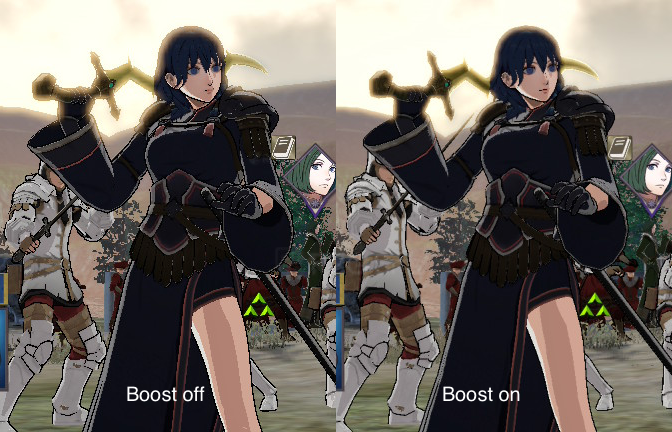
Fire Emblem: Three Houses was a fantastic game that was quite rough technically. Not only did it have performance issues, but the raw image had a lot of jagged edges and shimmering throughout. When played on Switch 2, it ran fine with a 30fps target, but the visuals left a lot to be desired. Using boost mode on Switch 2 handheld, you get a much-nicer image, though it still has jagged edges. It is a big improvement as far as I'm concerned even during conversations let alone in battles.
Monster Hunter Generations Ultimate
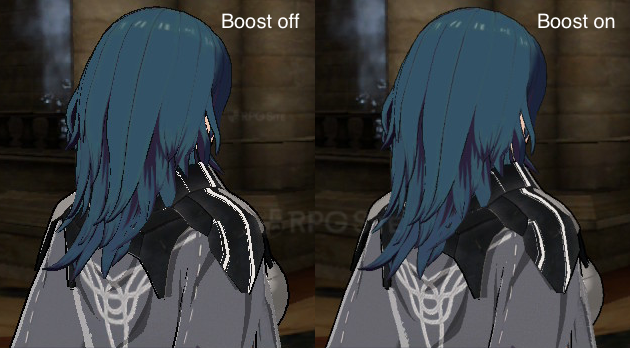
Monster Hunter Generations Ultimate on Switch had a 720p 30fps target handheld and 1080p 30fps target docked. The UI used lower resolution assets though for some 2D elements. When played on Switch 2, it didn't look bad, but was a bit soft handheld. With boost mode, it is a proper match for the panel screen and is now the best way to play one of the best Monster Hunter games out there.
Monster Hunter Stories 2: Wings of Ruin
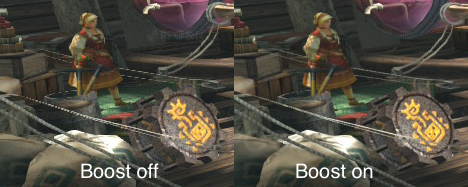
Monster Hunter Stories 2 was not a great experience on Switch 1 with its uncapped and very variable frame rate both docked and handheld. When played on Switch 2, it got a nice boost to hitting its frame rate cap at all times whenever I checked. With boost mode, not only do you get the performance boost via backward compatibility, but also a much crisper experience. The Switch 1 release wasn't a full 1080p throughout, but it does look very good (despite the lack of proper anti-aliasing on Switch 1 docked) when played on Switch 2 handheld using boost mode.
NieR: Automata The End of YoRHa Edition
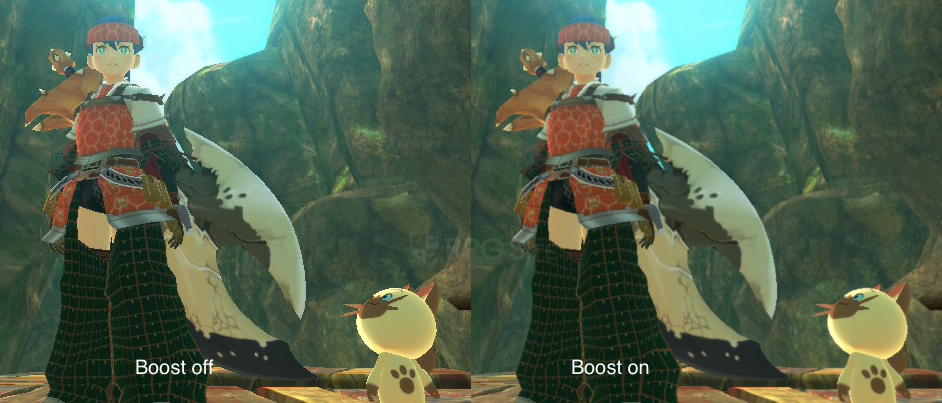
NieR: Automata on Switch 1 was a very impressive port all things considered. When playing on Switch 2 via backward compatibility, it saw more stable performance, but nothing notable beyond that. Using boost mode, you get a much nicer handheld image with a 1080p target, but there is still a lot of shimmering and the low resolution textures from before are still very visible even when using boost mode handheld. If you do plan on playing this on Switch 2, boost mode is definitely the way to go though.
Paper Mario: The Thousand-Year Door
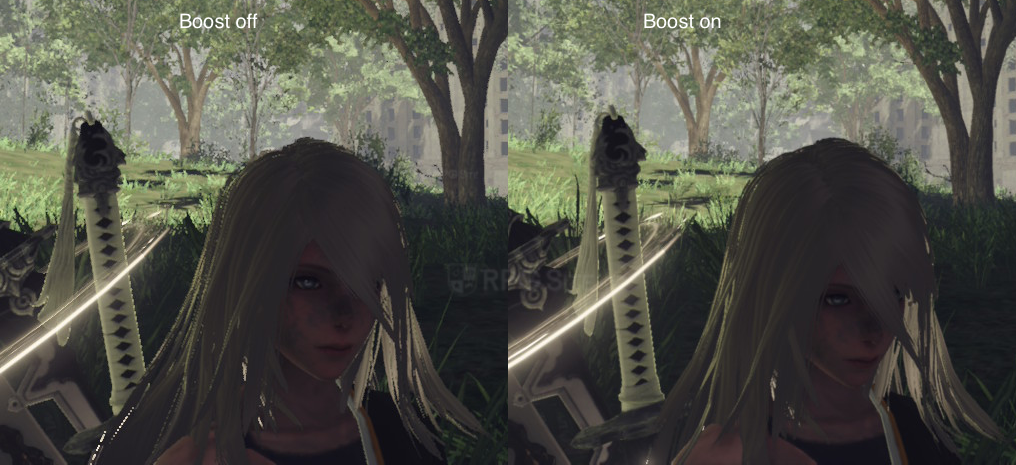
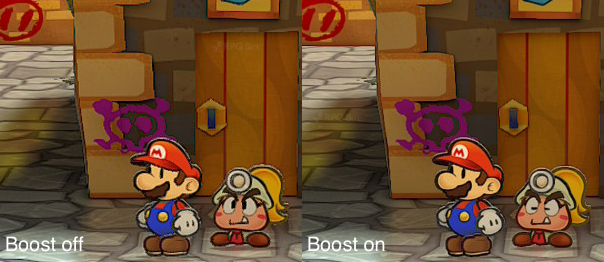
Paper Mario: The Thousand-Year Door was a great-looking remake already, but when playing it handheld on Switch 2, the 720p didn't scale up as well as I had hoped. It didn't look bad, but I kept hoping for a Switch 2 upgrade. With boost mode, not only are the characters crisper, but the UI is now a proper match for the handheld panel. While it isn't the 60fps upgrade I wanted, boost mode is more than enough of an upgrade for me to replay this remake.
Persona 4 Golden
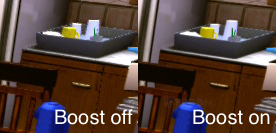
Persona 4 Golden now looks a lot better handheld with it matching the 1080p panel. There is also less shimmering while moving around since it isn't a 720p game running at 1080p anymore, though the lack of good anti-aliasing results in some shimmering even with boost mode enabled. The UI and other 2D elements are also crisp now across the board.
Pokemon Legends: Arceus
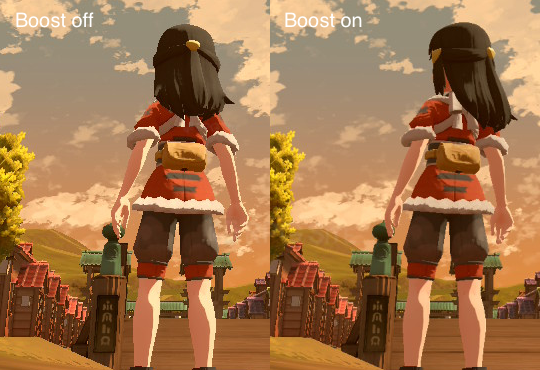
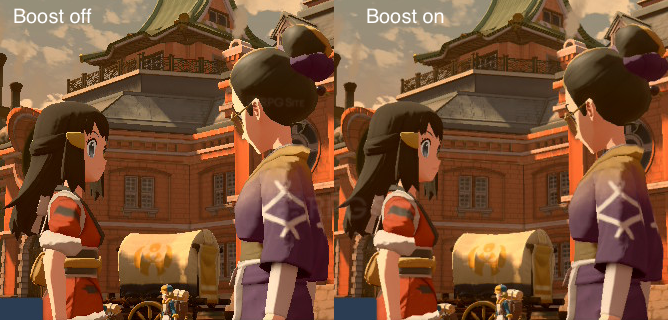
Pokemon Legends: Arceus on Switch 1 ran at a good resolution for Switch 1 games, but it had no anti-aliasing resulting in an experience that had jagged edges and shimmering. When played on Switch 2 handheld, the jagged edges are more noticeable with it running at the Switch 1's 720p profile, but this sees a nice increase using boost mode to the dynamic 1080p experience the game featured docked. It still has jagged edges, but there are less issues than before when playing on the go. There are no other improvements to the game's visuals on Switch 2.
Tales of Vesperia: Definitive Edition
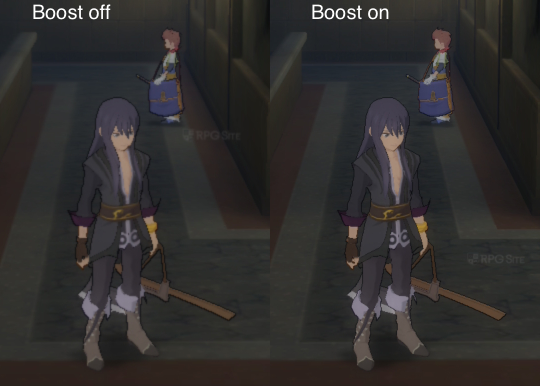
Tales of Vesperia already saw a big boost to performance when played on Switch 2 as I covered in my Tales of series feature. The visuals when played handheld were not great though. With boost mode, you get much better image quality and the same boost to performance making this a fantastic way to play Tales of Vesperia on the go.
The Hundred Line -Last Defense Academy-
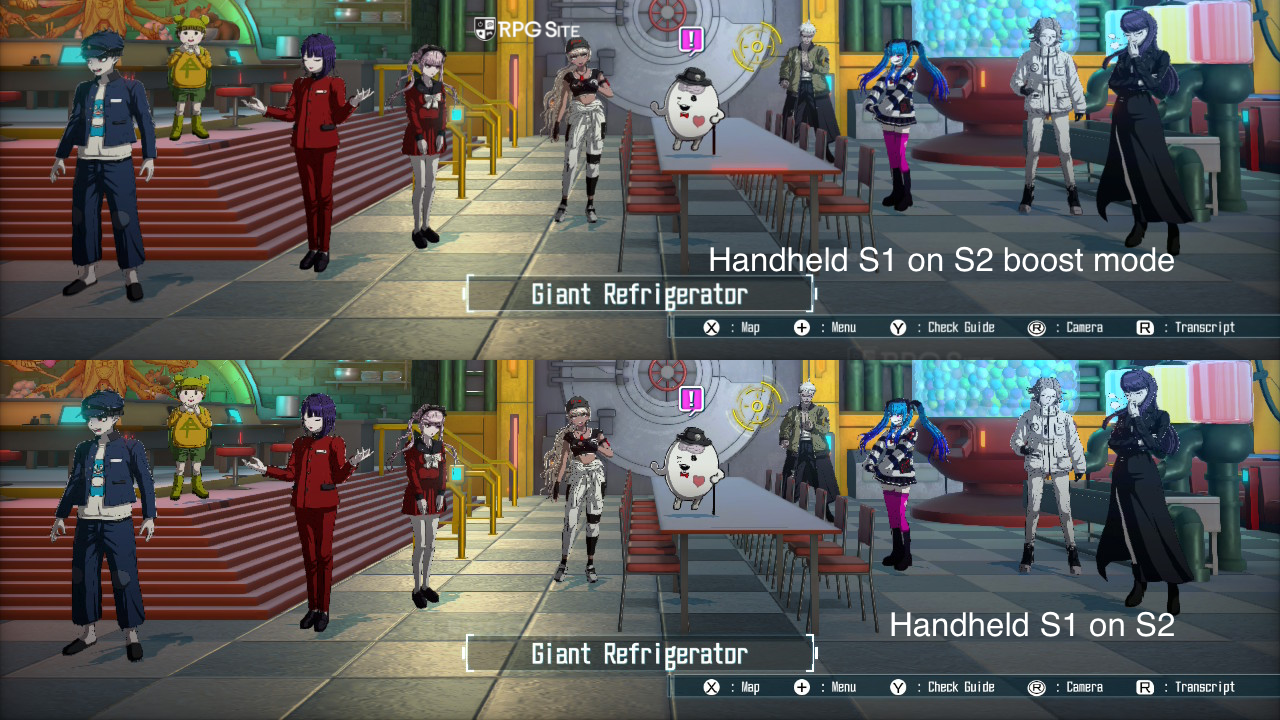
The Hundred Line has issues with how it scales portraits on both PC and Switch, but it suffered even more when rendered on the Switch 2 handheld screen when it came to portraits. With boost mode using the docked profile while playing on the go, not only do you see stable 30fps, but also portraits and other 2D elements look a lot better than before. It is now a much better handheld experience on Switch 2 and I still hope we see a 60fps official native release in the future.
The Legend of Heroes: Trails from Zero and The Legend of Heroes: Trails to Azure
Both Trails from Zero and Trails to Azure on Switch were already better than the PS4 versions thanks to PH3/Durante handling the Switch ports. These ports had the PC-specific features and visual improvements over PS4. They also rendered at a native resolution on Switch docked and handheld. When played on Switch 2, they were 720p handheld, but are now 1080p with boost mode. This applies to not just the 3D models and effects, but also the UI and portraits that look nicer with crisp fonts.
Unicorn Overlord
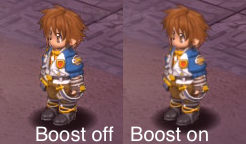
Unicorn Overlord was already essentially perfect on Switch OLED with native (or close) resolution with a 60fps target. On Switch 2 with boost mode, Unicorn Overlord gets a similar upgrade as 13 Sentinels with crisper visuals. I've not noticed anything out of the ordinary here and having all the text and UI elements look better when playing handheld is a welcome change.
Xenoblade Chronicles: Definitive Edition
Xenoblade Chronicles: Definitive Edition was already a nice upgrade over Xenoblade 2 and Torna when it comes to the image you see on the console both docked and handheld. With boost mode, not only do you get an increase in resolution when playing handheld, but also screen-space reflections from the Switch 1 docked mode while playing handheld on Switch 2 using boost mode.
Xenoblade Chronicles 2 and Torna
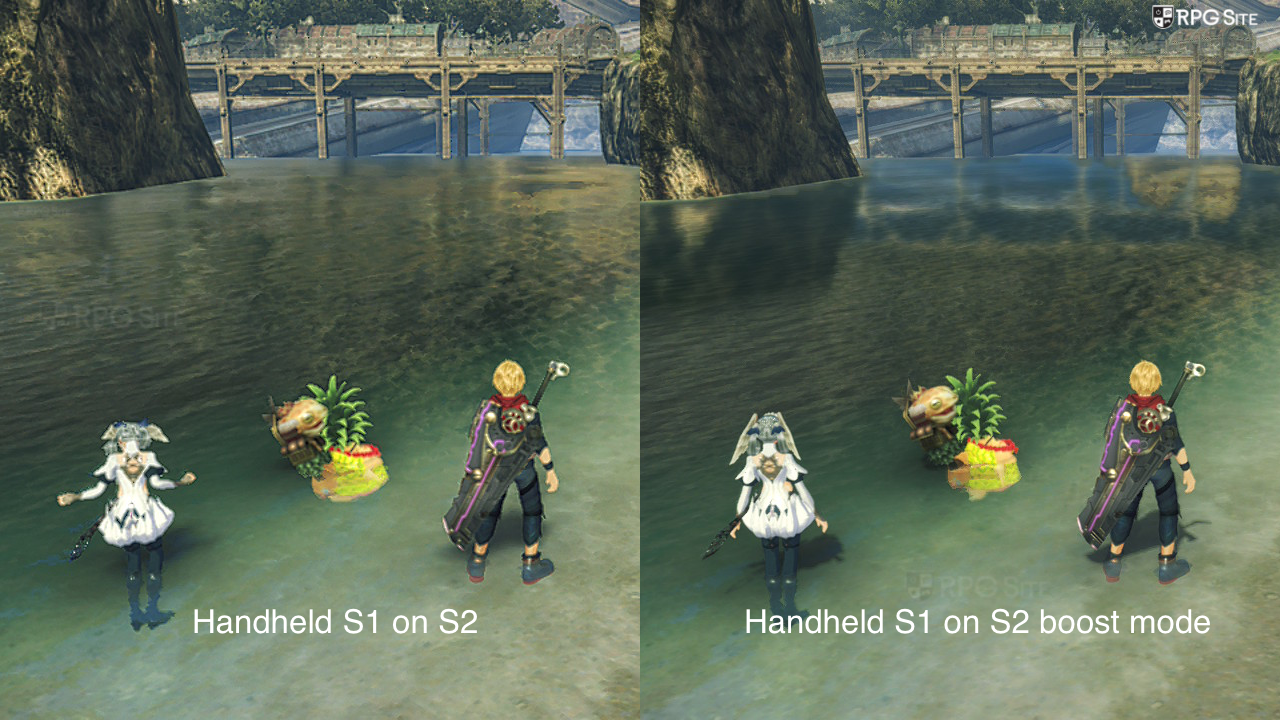
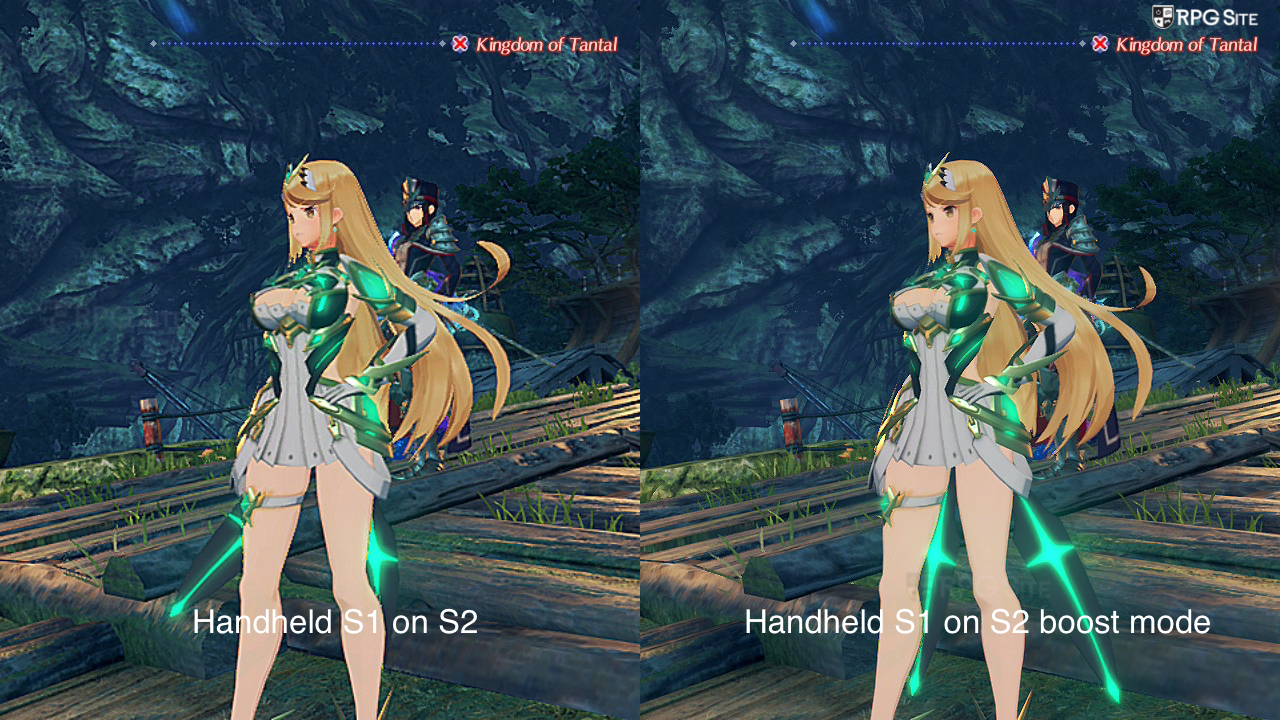
Xenoblade Chronicles 2 is notorious for how it looked handheld and with boost enabled, you see improvements right from the title screen. While it obviously doesn't look as clean as newer Xenoblade games, boost mode helps a ton with post-processing making characters look less oversharpened as you can see with Mythra in the image below. The UI in Xenoblade 2 is also now properly 1080p when playing handheld. Torna also benefits from boost mode, though it already improved on what Xenoblade Chronicles 2 did visually.
April 2026 Update
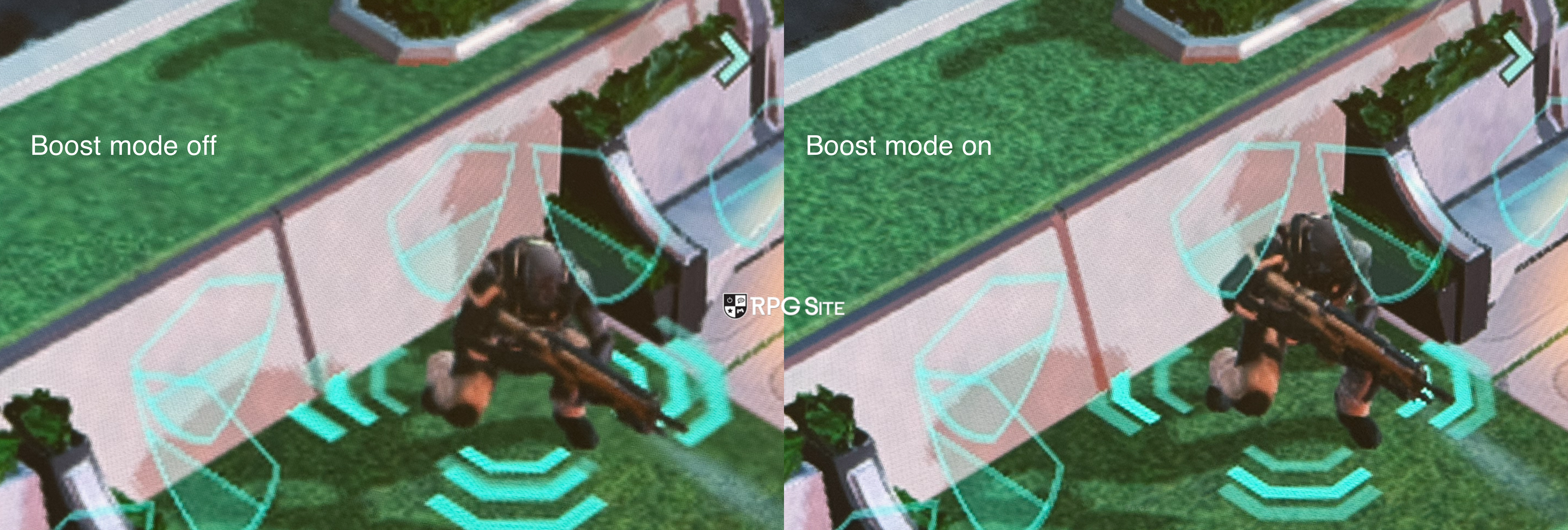
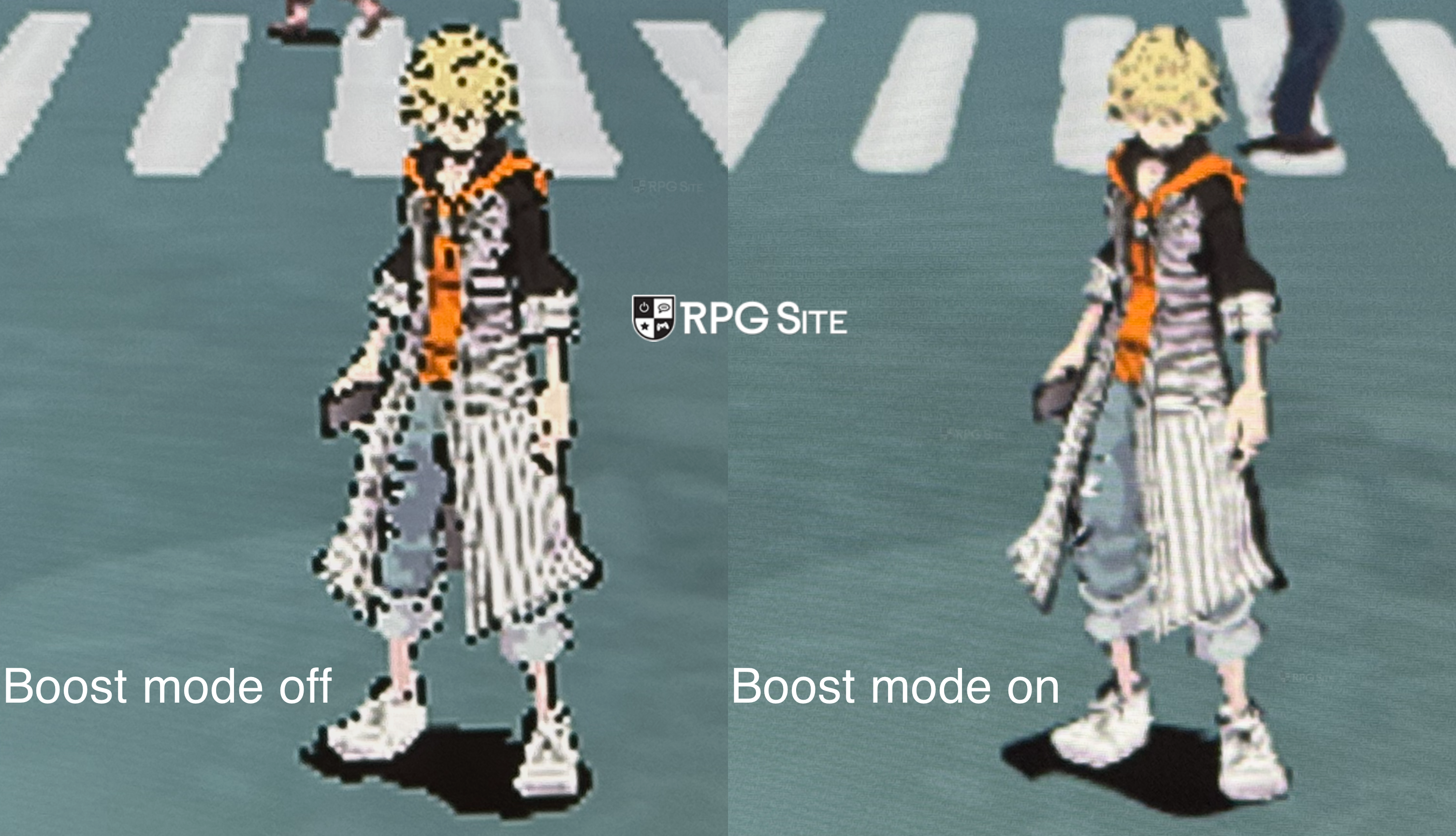
For the comparison images below, I've used off-screen photos and the Switch 2 accessibility zoom options to properly show the differences given the handheld capture limitations on Switch 2. While this is obviously not how you will see things on the console since they will not be as zoomed in, it is a great way to showcase the differences and visual improvements using handheld boost mode.
XCOM 2 Collection
XCOM 2 Collection for Switch was already very interesting on Switch 2 through backward compatibility since it ran with a 60fps target now. While not the same, it is similar to how the original Mario + Rabbids game felt like a 30fps target game on Switch 1, but it runs well above that on Switch 2. XCOM 2 rarely hit a solid 30fps with it mostly well below that, but also a bit above sometimes. It never felt good. On Switch 2, it is a much better experience basically nearly topping out at its resolution and frame rate caps. I noticed the frame rate drops a bit more with handheld boost mode enabled though on Switch 2, but you do get improved resolution, textures, foliage, and filtering.
NEO: The World Ends With You
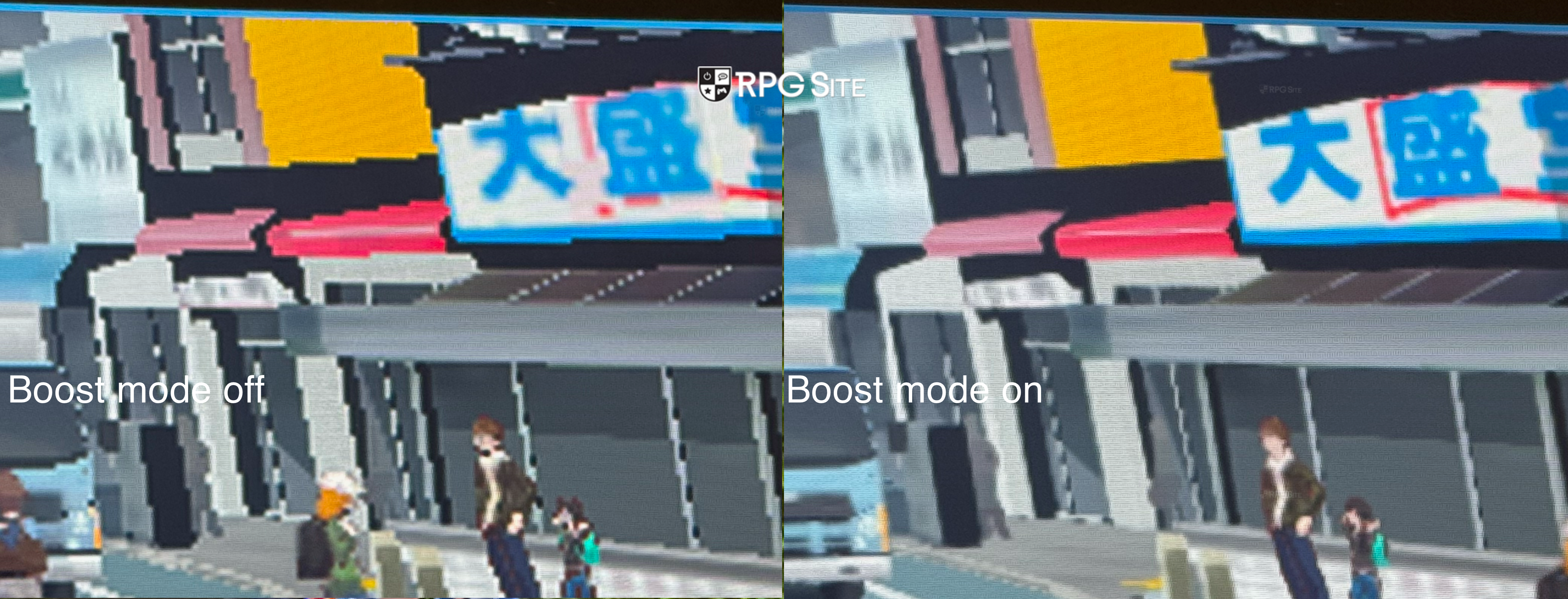
NEO: The World Ends With You was quite a rough experience on Switch 1 with lots of jagged edges and an unstable frame rate. It already improved considerably on Switch 2 through backward compatibility improving the frame rate. With handheld boost mode, it also looks a lot better when playing on the go. While it still isn't as clean as it should be, this is a big improvement and I can now recommend playing it on Switch 2 without big caveats.
SaGa Scarlet Grace: Ambitions
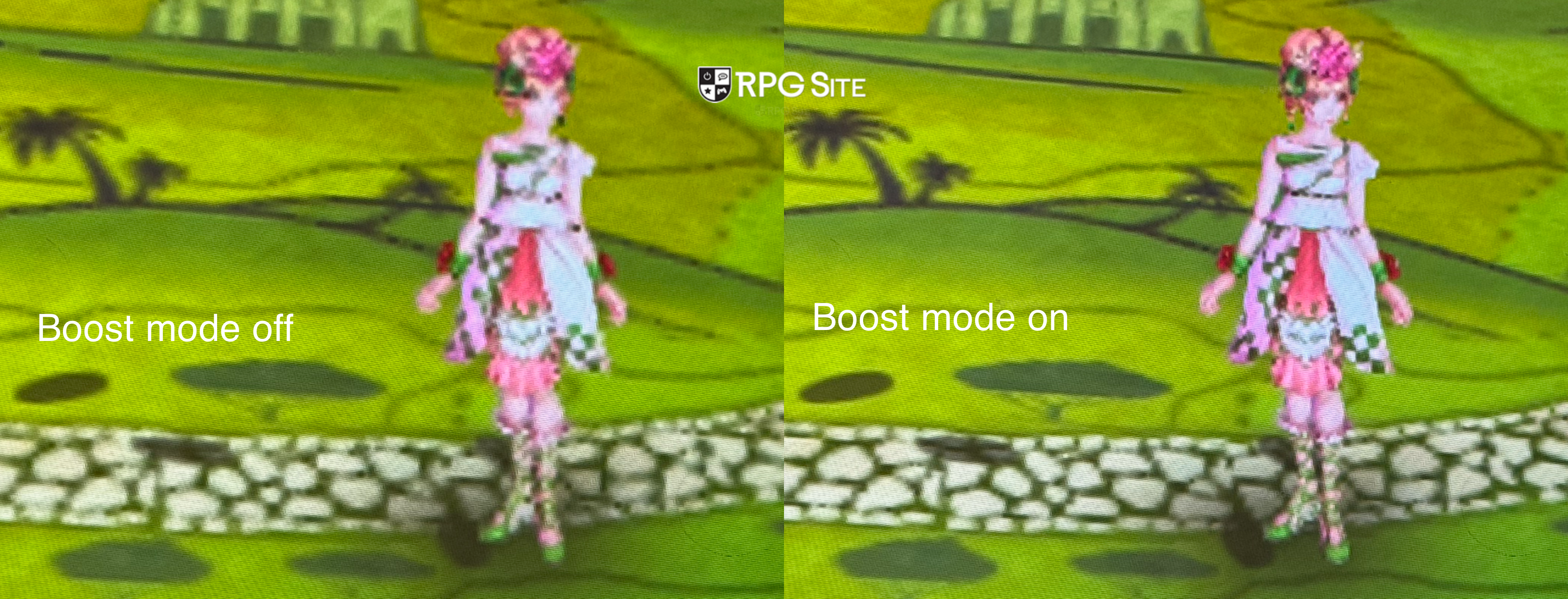
When SaGa Scarlet Grace: Ambitions finally released in the West, I remember being disappointed with the constant hitching on Switch 1. It ran worse on Switch than it did on a much older iPhone I tested on back then. Thankfully, the performance issues were sorted via Switch 2 backward compatibility. With handheld boost mode, not only do you get the solid performance, but also improved visuals across textures, character models, and the UI matching the screen resolution. Since it is unlikely that Square Enix will ever revisit this, I'm glad to have a good portable version I can recommend on Switch 2, especially since this has a physical release as well that I bought in Asia.
Shin Megami Tensei V: Vengeance
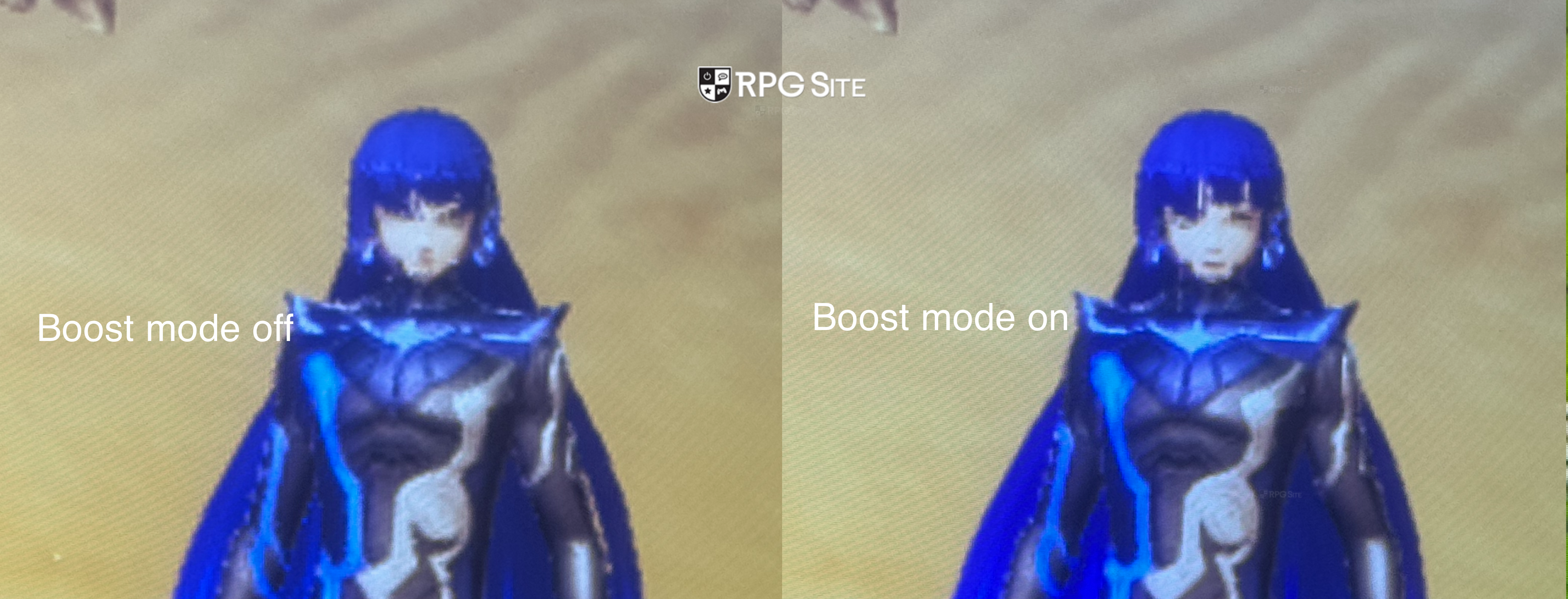
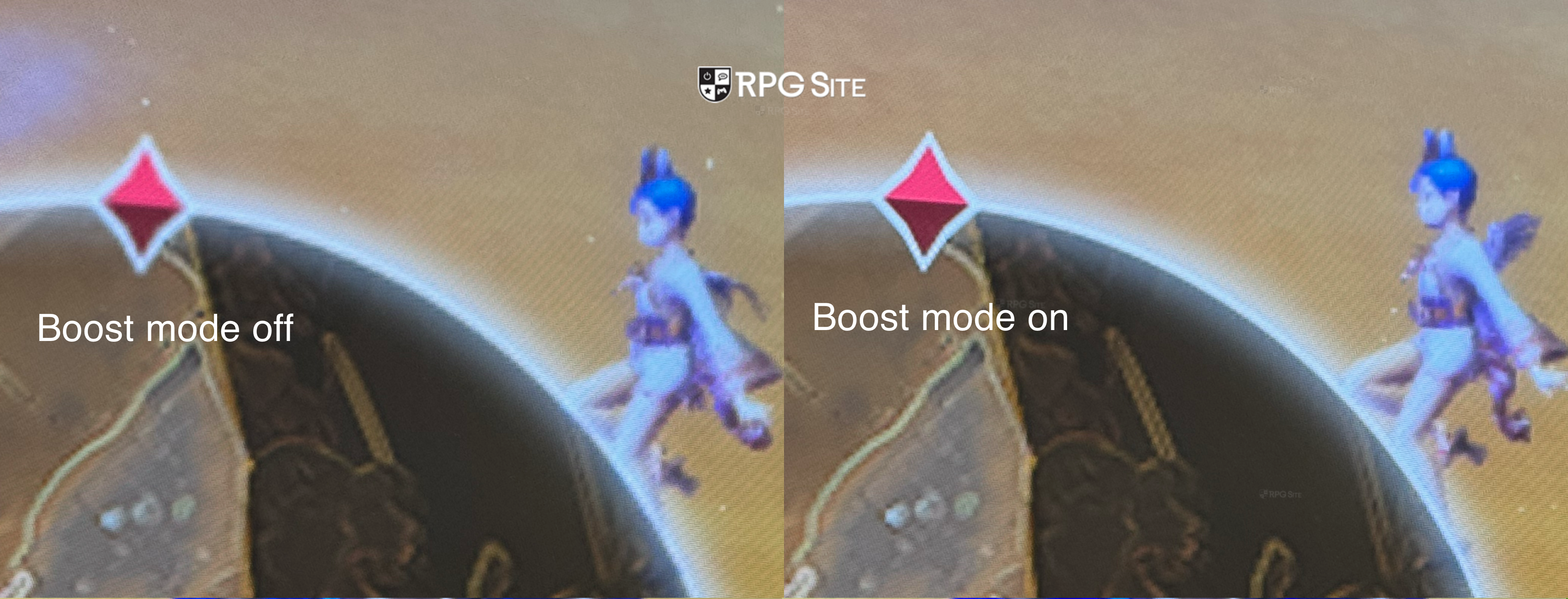
Shin Megami Tensei V: Vengeance benefited from Switch 2 backward compatibility with stable performance and more as I covered here. Using handheld boost mode on Switch 2, you get better resolution (but not by too much) and a native UI match for the 1080p screen. I've included two comparison images for this one to show the bump in resolution and for the UI:
Ys IX: Monstrum Nox
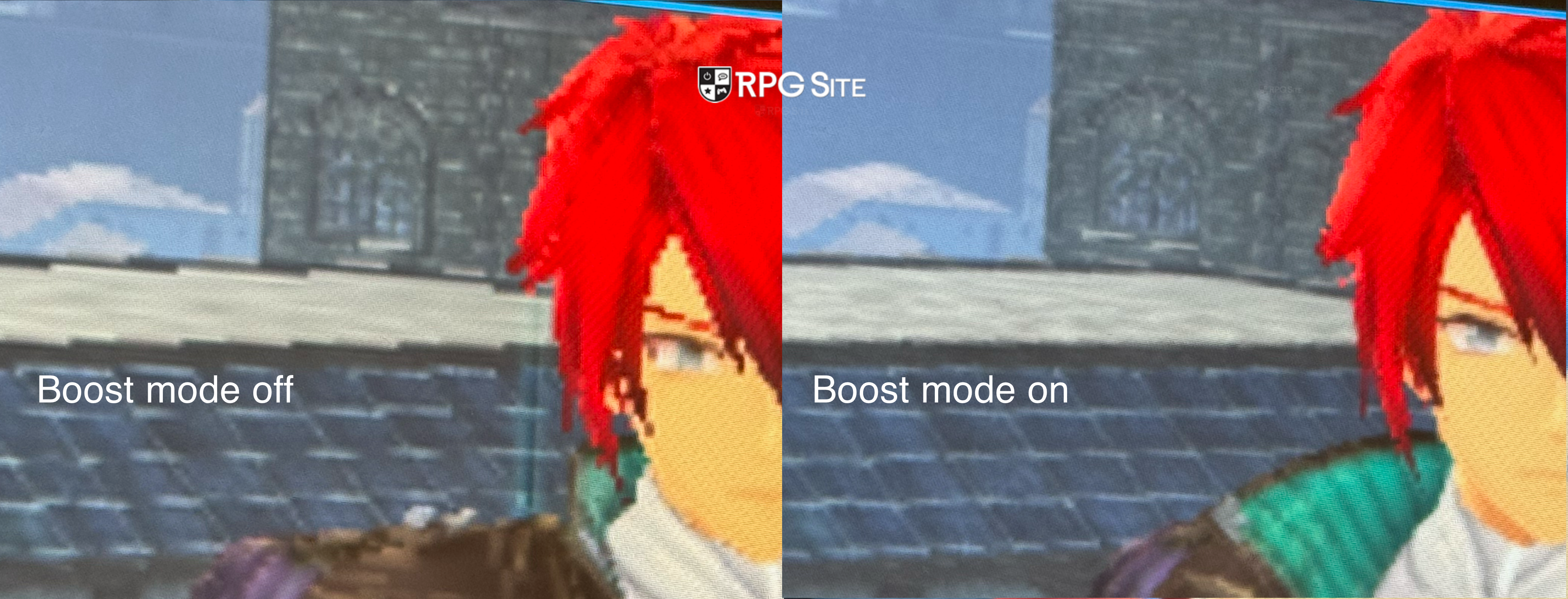
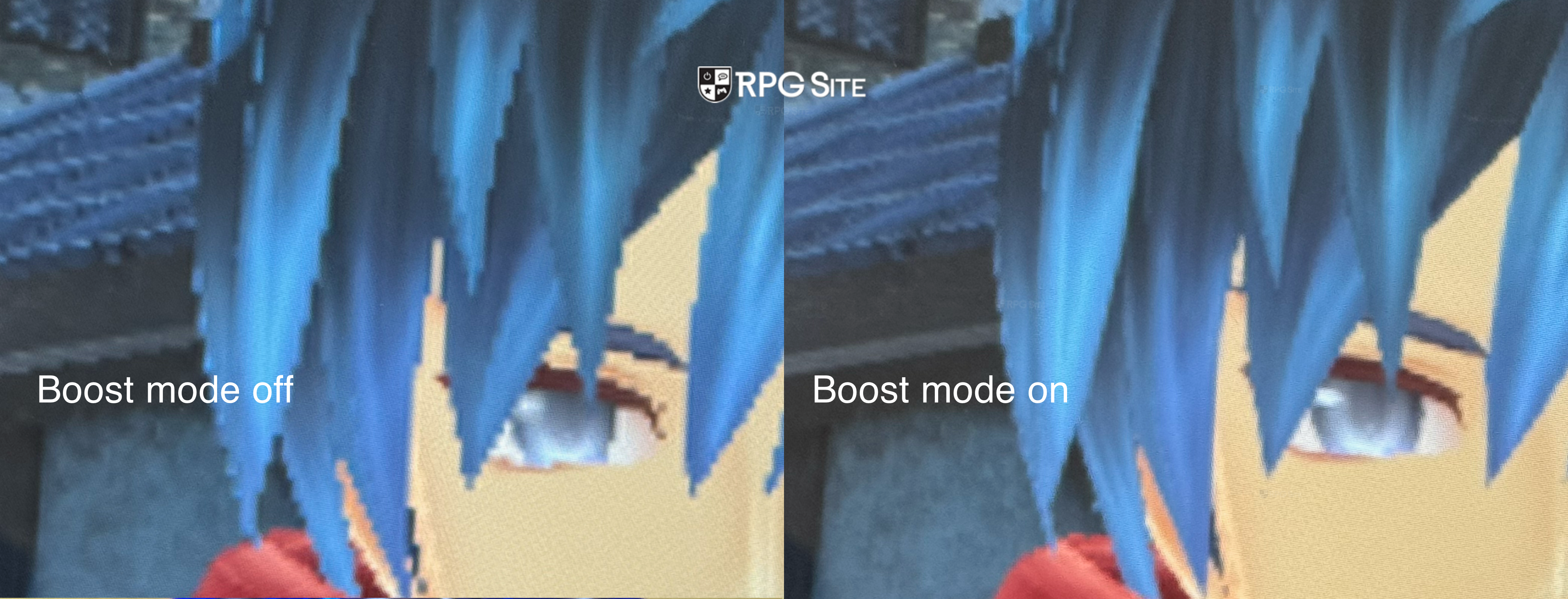
Ys IX: Monstrum Nox was not even close to a good experience on Switch and it was just about playable on base PS4 when it released. It saw improvements via Switch 2 backward compatibility already as I covered here, but still looked quite bad handheld. With handheld boost mode on Switch 2, you get a good visual upgrade. I've included two comparison images to show the resolution upgrade, but it also helps with UI and other aspects.
Ys VIII: Lacrimosa of Dana
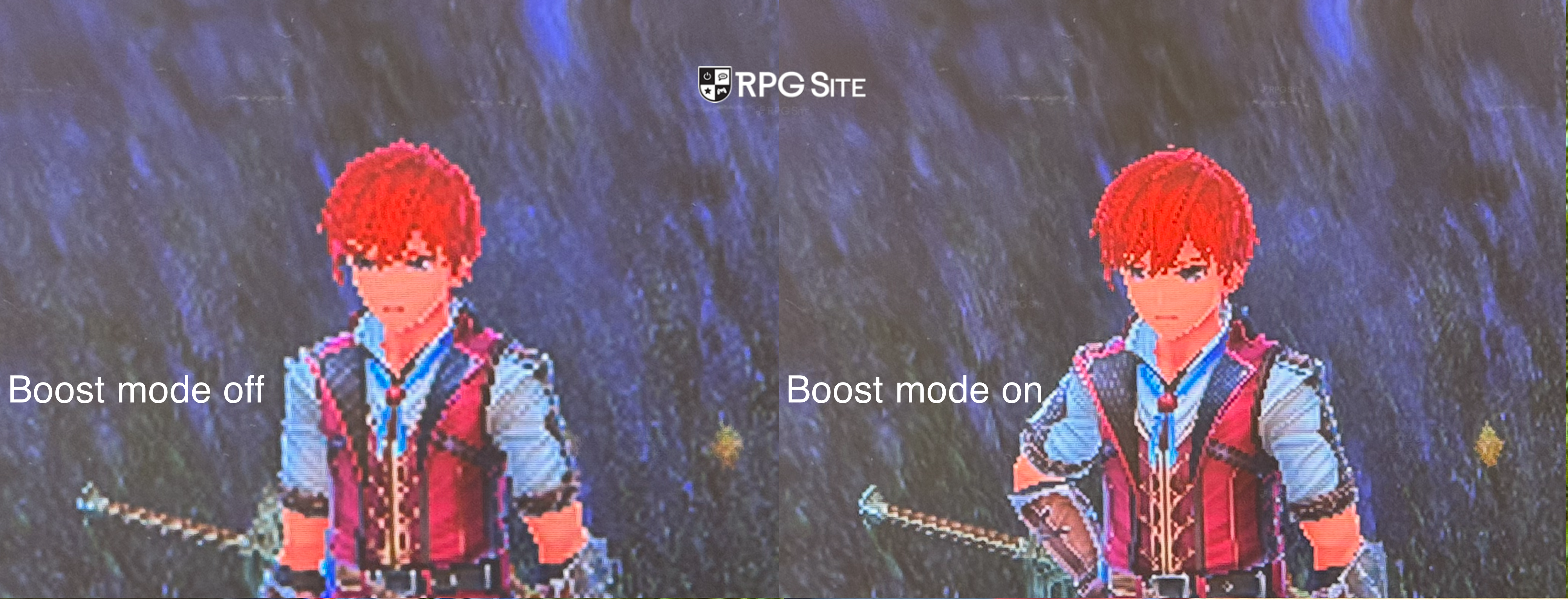
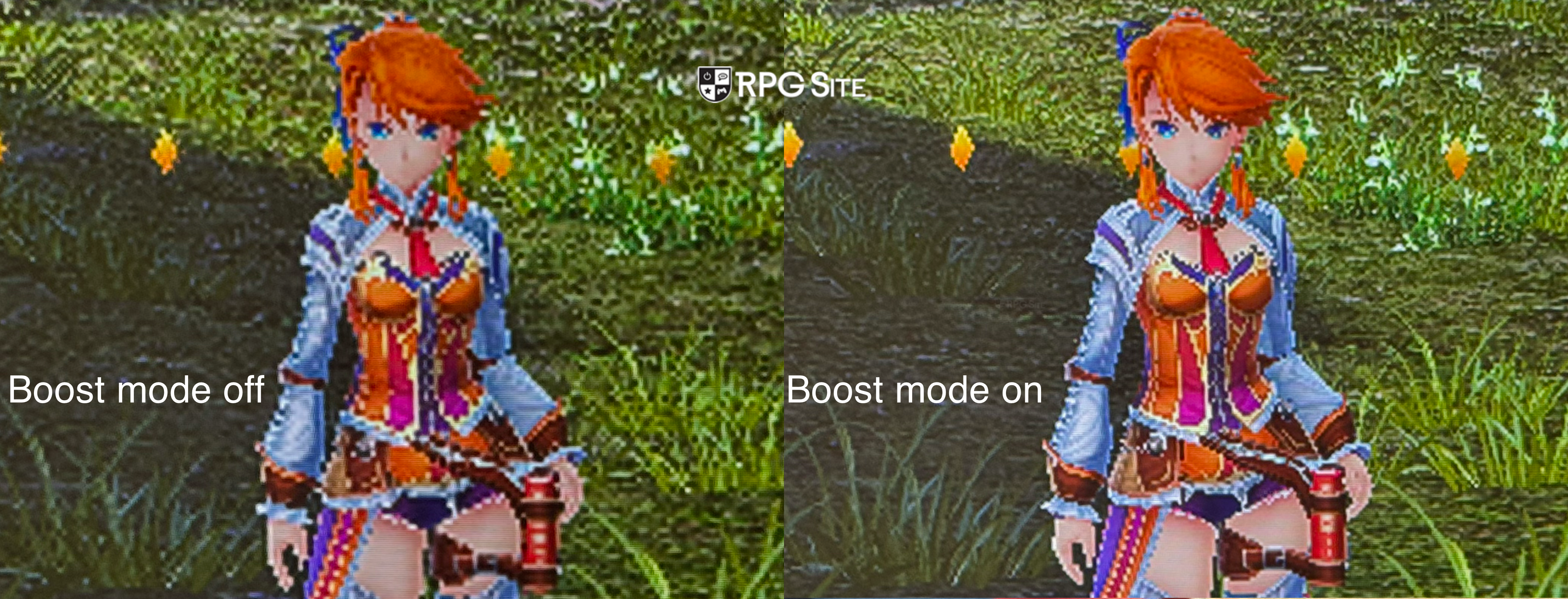
Ys VIII: Lacrimosa of Dana suffered from a lot of shimmering and flickering issues on Switch both docked and handheld. It also had performance issues that got sorted when played on Switch 2 via backward compatibility as I covered here. When using handheld boost mode, the resolution increase is very good, but there is still a bit too much shimmering and flickering in the foliage and shadows for my liking. This is still a good improvement over the Switch version handheld. Hopefully PH3 and NIS America do a native Switch 2 release for both Ys VIII and Ys IX in the future.
Fate/Samurai Remnant
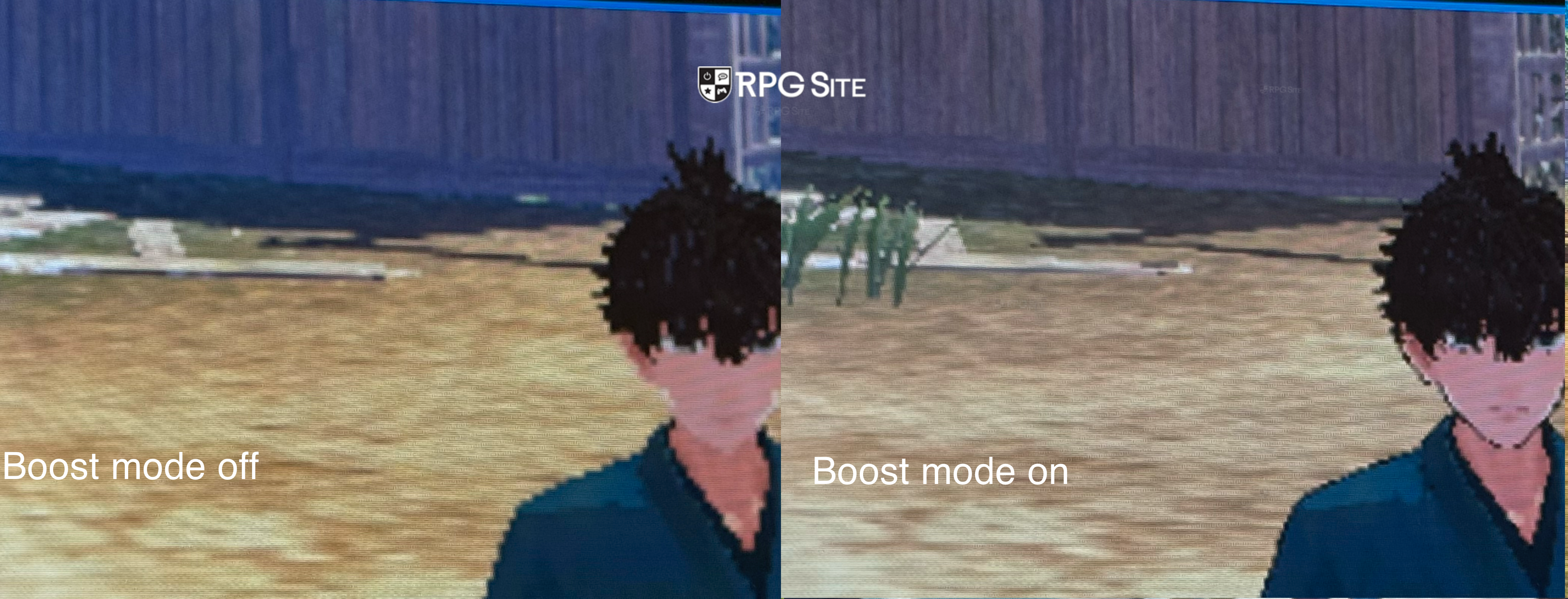
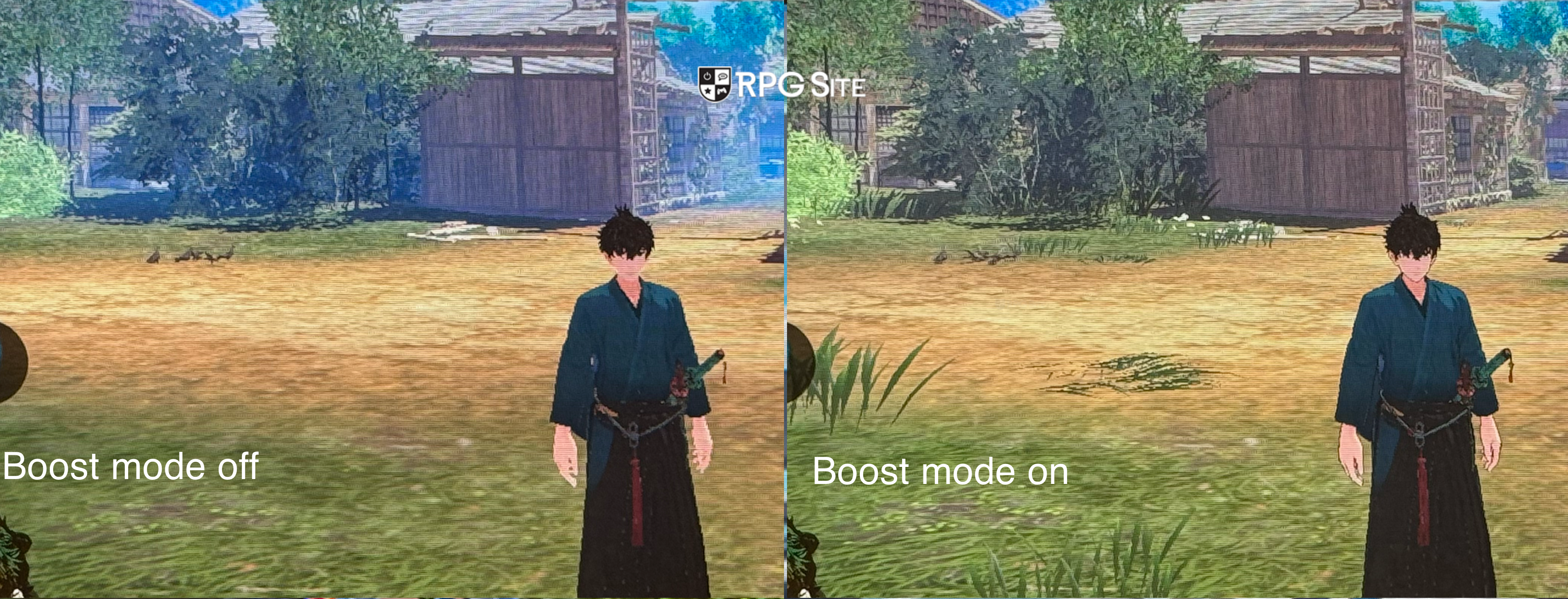
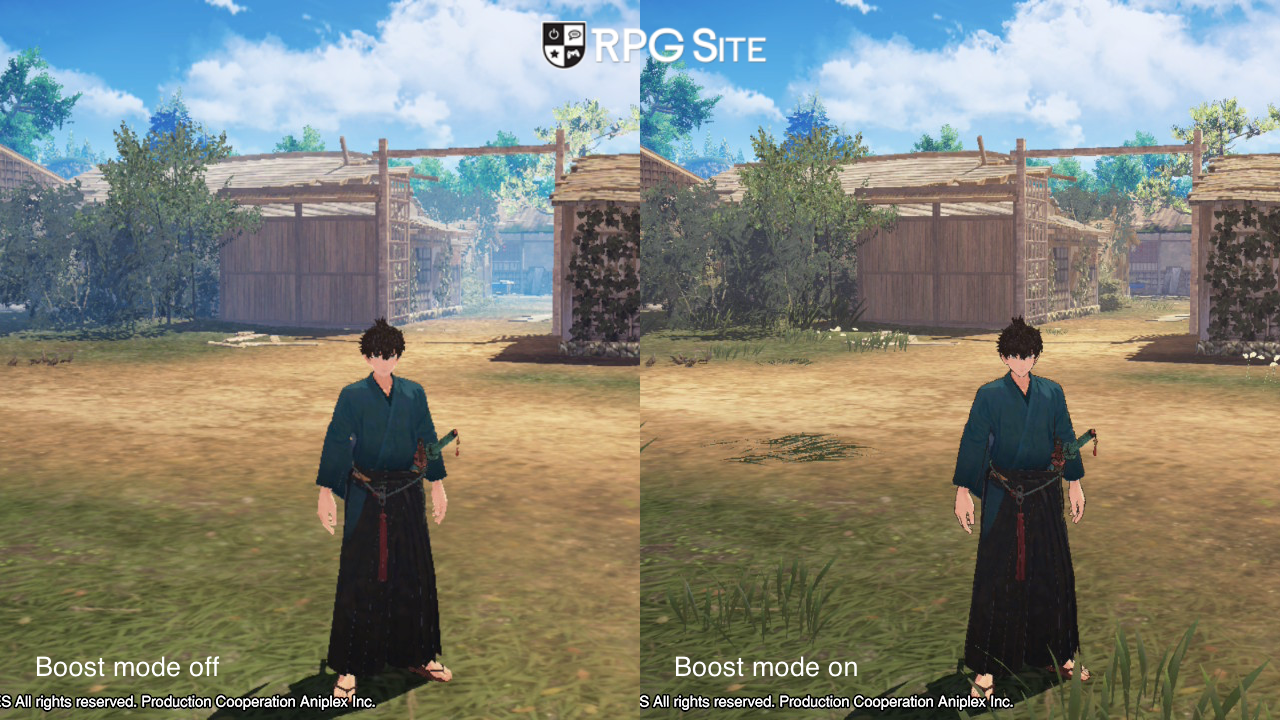
Fate/Samurai Remnant gets one of the biggest upgrades through handheld boost mode on Nintendo Switch 2. Not only is the resolution improved, but a lot of foliage that was cut for handheld mode is now present when playing on the go. It also has a better level of detail compared to before. Hopefully Koei Tecmo can do a native Switch 2 release with 60fps though. I've included three comparison images below. Two of them are zoomed in, but one uses handheld capture.
Etrange Overlord
I have not tried the PS5 version, but Etrange Overlord on Steam Deck was excellent with the highest settings and locked performance going well above 60fps as well. The Switch port on Switch 2 looked rough, but handheld boost mode gives it a notable image quality upgrade. It still could use better anti-aliasing and a 60fps target instead of being capped right now to 30fps, but this is now a solid way to play Etrange Overlord on the go.
The DioField Chronicle
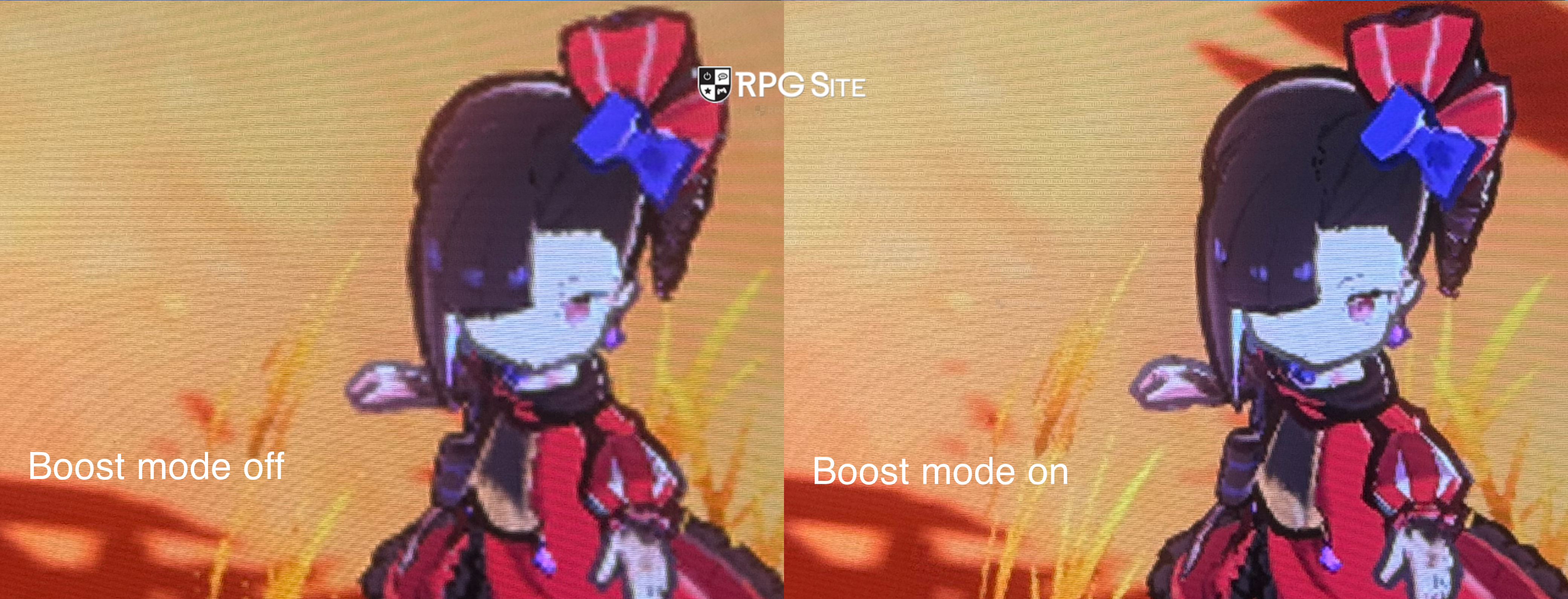
The DioField Chronicle was a competent experience on Switch when I first played it. It was capped at 30fps, but ended up being my preferred way to play it on the go back then. With Switch 2's handheld boost mode, the resolution is notably better alongside improvements to textures and shadows in certain scenes when playing handheld. Hopefully we get a sequel in the future and a Switch 2 patch for 60fps.
Super Mario RPG
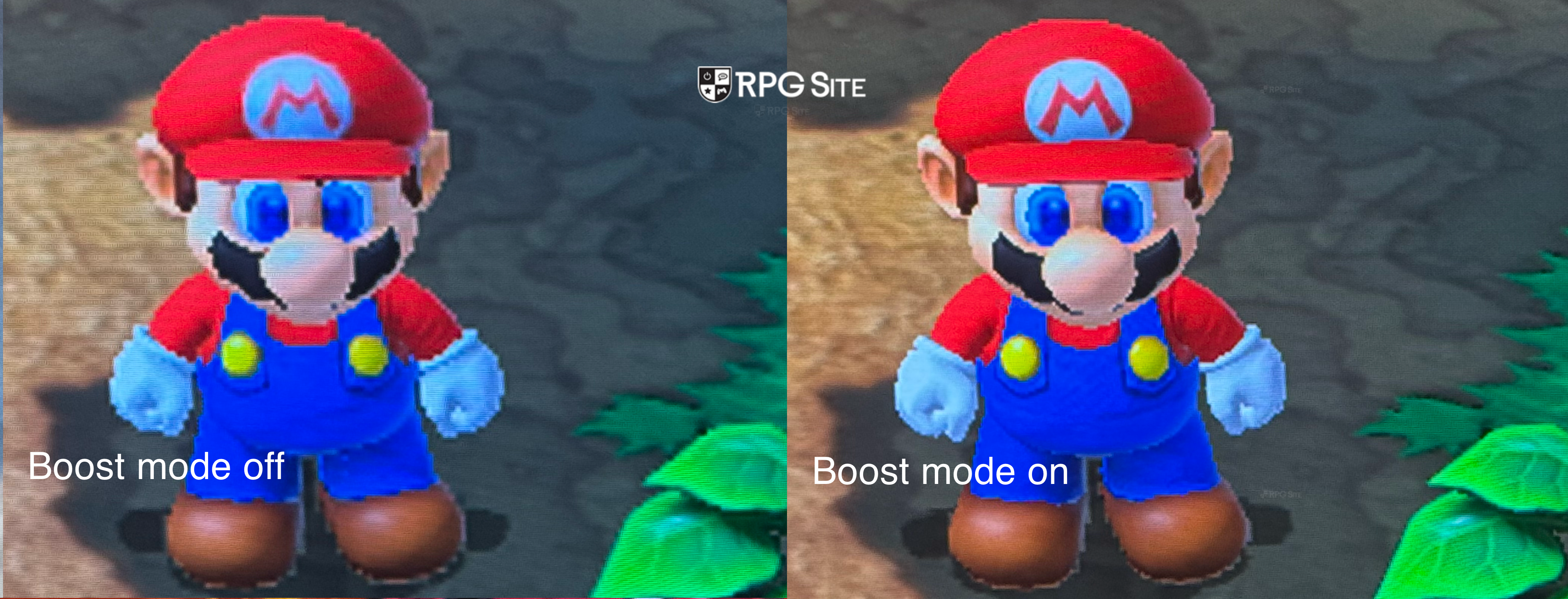
Super Mario RPG on Switch 1 targeted 60fps both docked and handheld with native resolutions, but there wasn't any anti-aliasing. With handheld boost mode on Switch 2, you get a 1080p 60fps experience with no drops like on Switch 1. This is a bare-bones upgrade, but it is great for portable play. The comparison below shows the resolution upgrade when using boost mode, but ignore the color differences as I ran into a lighting issue taking a photograph of the screen.
Pentiment
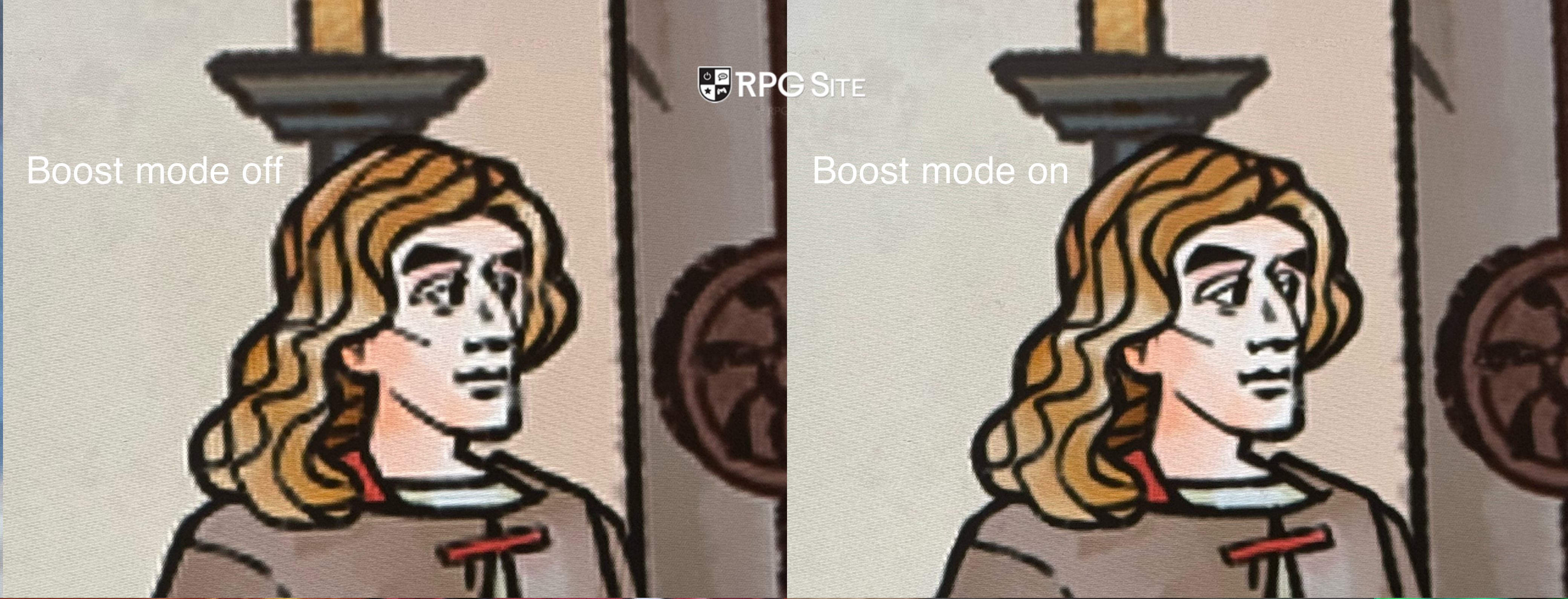
Pentiment already was a great Switch port delivering a native resolution both docked and handheld on the original Switch. On Switch 2, it looked a bit soft, but boost mode makes it perfect. There isn't anything else of note here. It is an incredible portable experience now.
Monster Hunter Rise: Sunbreak
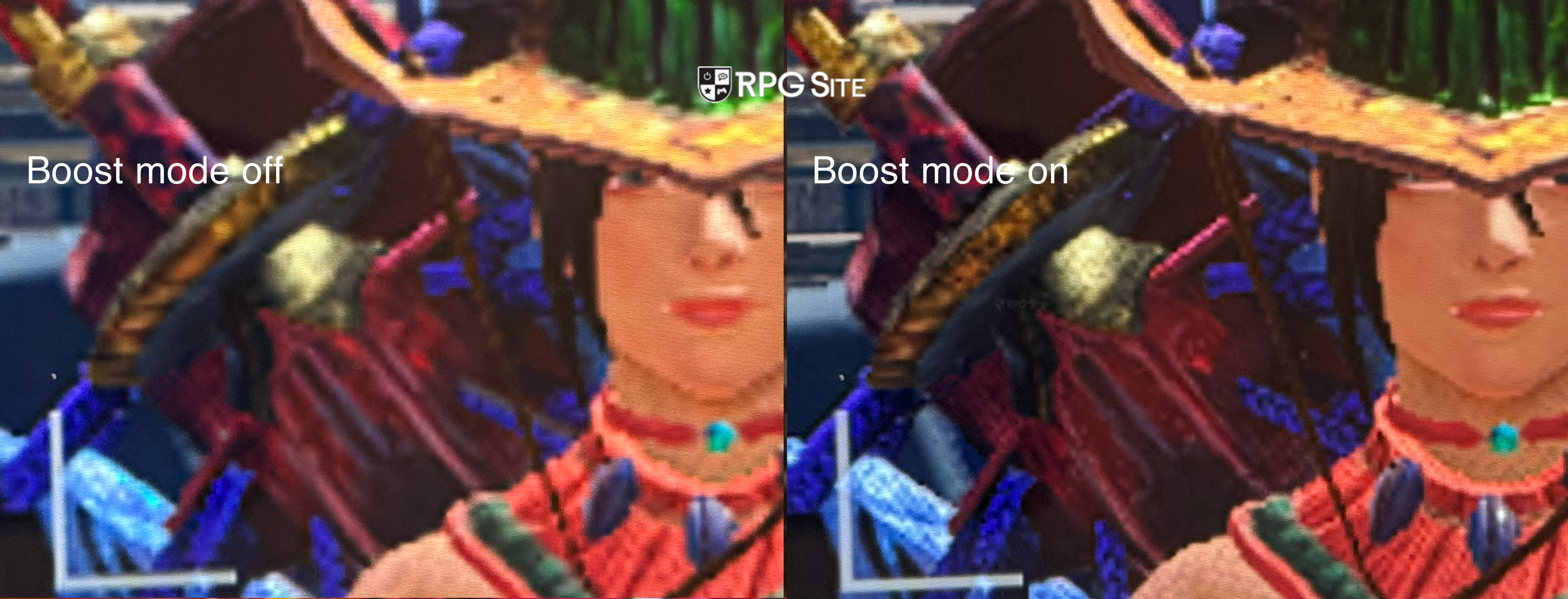
Monster Hunter Rise and Sunbreak had regular drops below 30fps when playing online, with even solo play suffering in maps like the Flooded Forest. On Switch 2, the frame rate got sorted with it hitting the 30fps cap, but the image quality was not even close to great when playing handheld. With Switch 2 handheld boost mode, it runs at a higher resolution, but it isn't close to the panel's 1080p, barring the UI. It also lacks anti-aliasing so you have jagged edges regardless of how you play Rise on Switch or Switch 2. This is still a welcome upgrade since Capcom appears to not be interested in revisiting Rise.
The Centennial Case: A Shijima Story
The Centennial Case: A Shijima Story on Switch wasn't a bad experience, but it was a lot better on PS5 even over PC. Square Enix released a high resolution video pack post-launch for PC, but the Switch version was always capped to 30fps and 1080p. For a game like this, that was not a huge issue, but it did look quite soft when it comes to the 3D elements and UI on Switch 2. With handheld boost mode, this is no longer an issue and it is now worth playing on Switch 2 portably. Hopefully it gets a Switch 2 upgrade with 4K video and 60fps gameplay support though.
The Legend of Nayuta: Boundless Trails
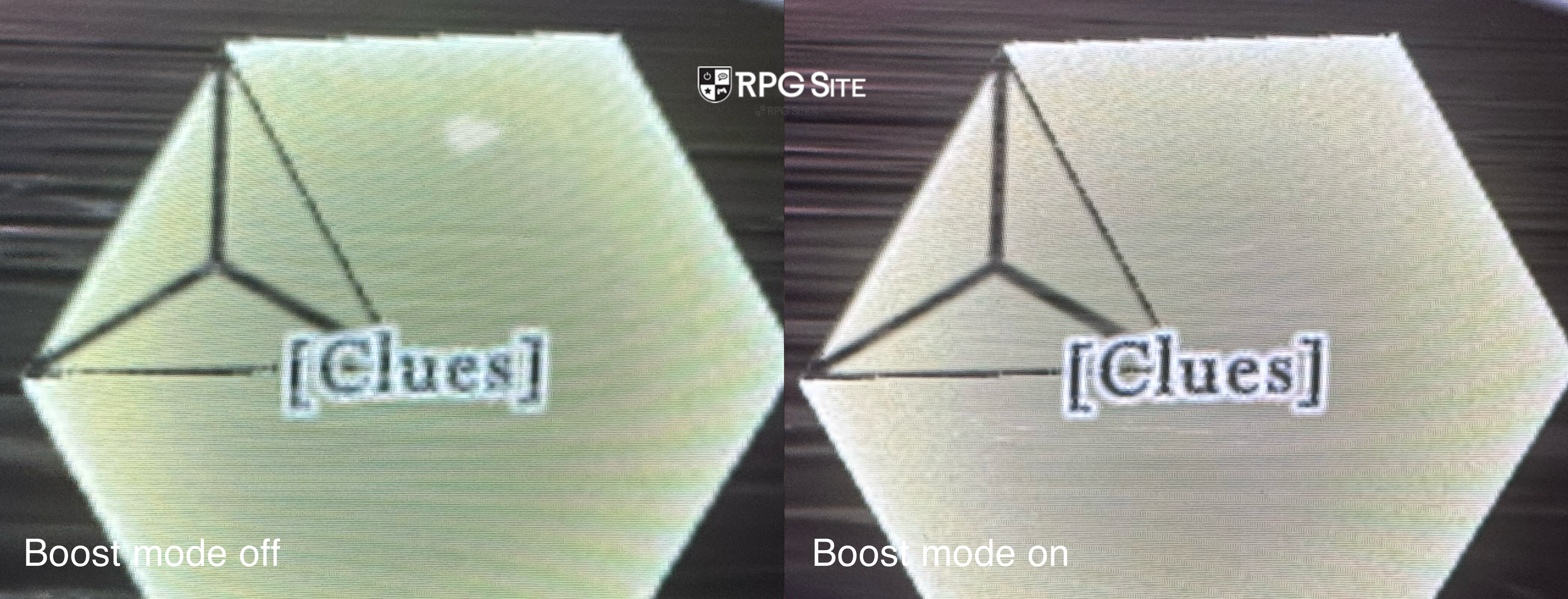
The Legend of Nayuta: Boundless Trails was notable for being Falcom's first internal Nintendo Switch port ever. It was a competent port, but the draw distance and lack of good anti-aliasing were disappointing. With handheld boost mode on Switch 2, it looks a lot better when played handheld thanks to the resolution boost, but could still use good anti-aliasing to remove the jagged edges since there is some shimmering while running around.
Transistor
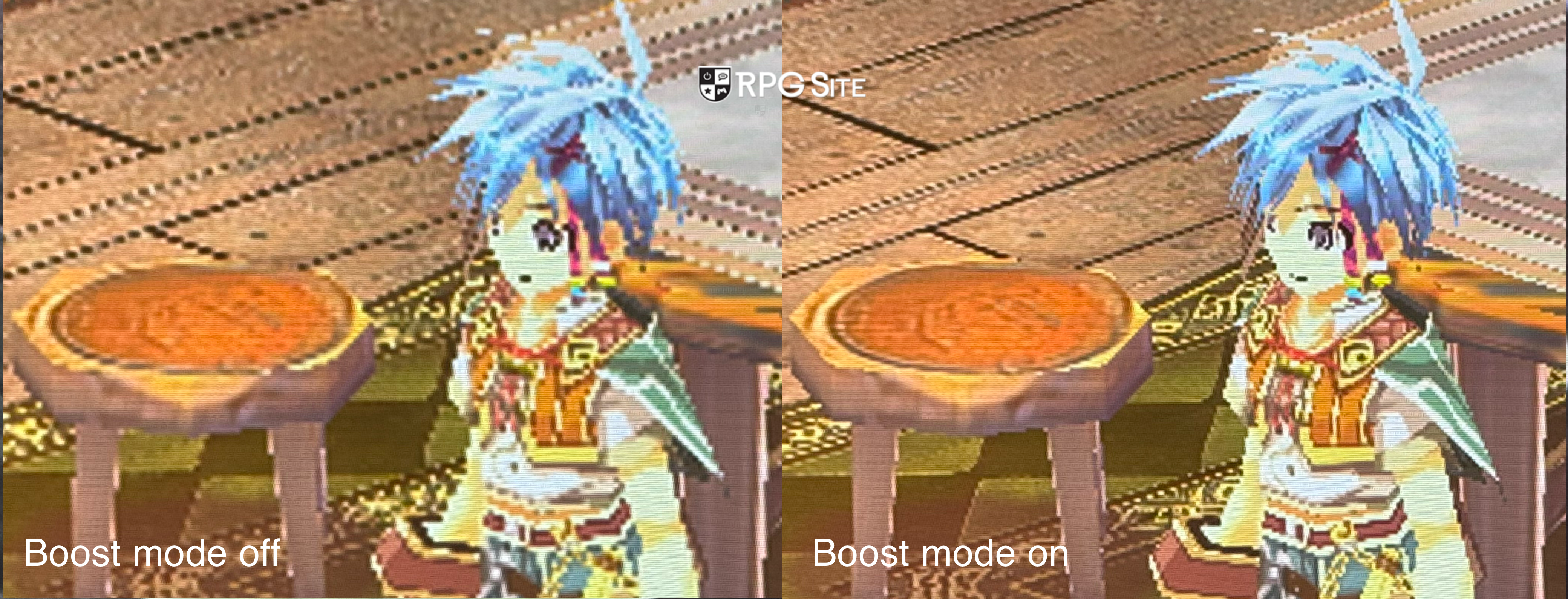
Supergiant Games' amazing Transistor was one of my favorite indies on Switch. I had only minor complaints with the performance, but it looked amazing on the Switch OLED. The Switch 2 already sorted the performance issues via backward compatibility, but handheld boost mode makes the handheld experience much better.
Xenoblade Chronicles 3
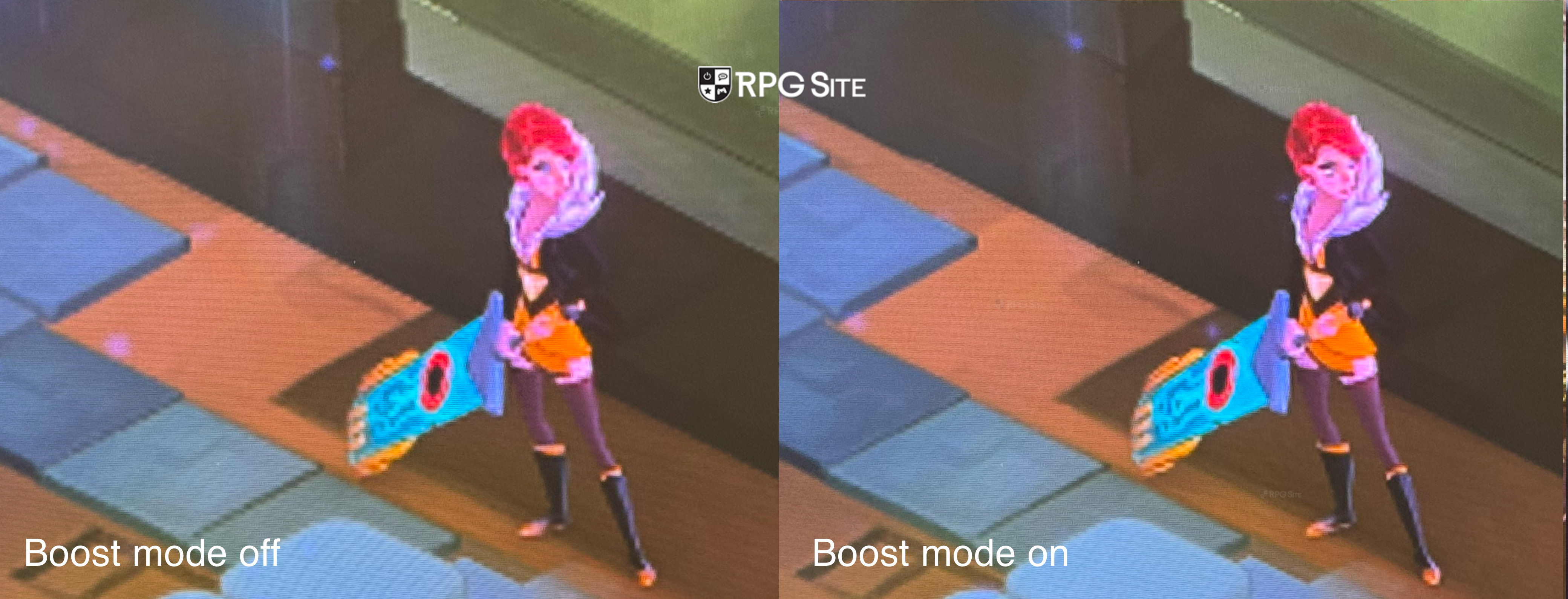
Xenoblade Chronicles 3 was already a big step up over other Xenoblade games on Switch when it comes to image quality, and this helps with how much better it can look using handheld boost mode on Switch 2. While both docked and handheld saw boosts to performance by reducing the drops almost completely, it now also looks a lot better handheld. To showcase the difference, I used two different scenes featuring the most important character in the game.
Quartet
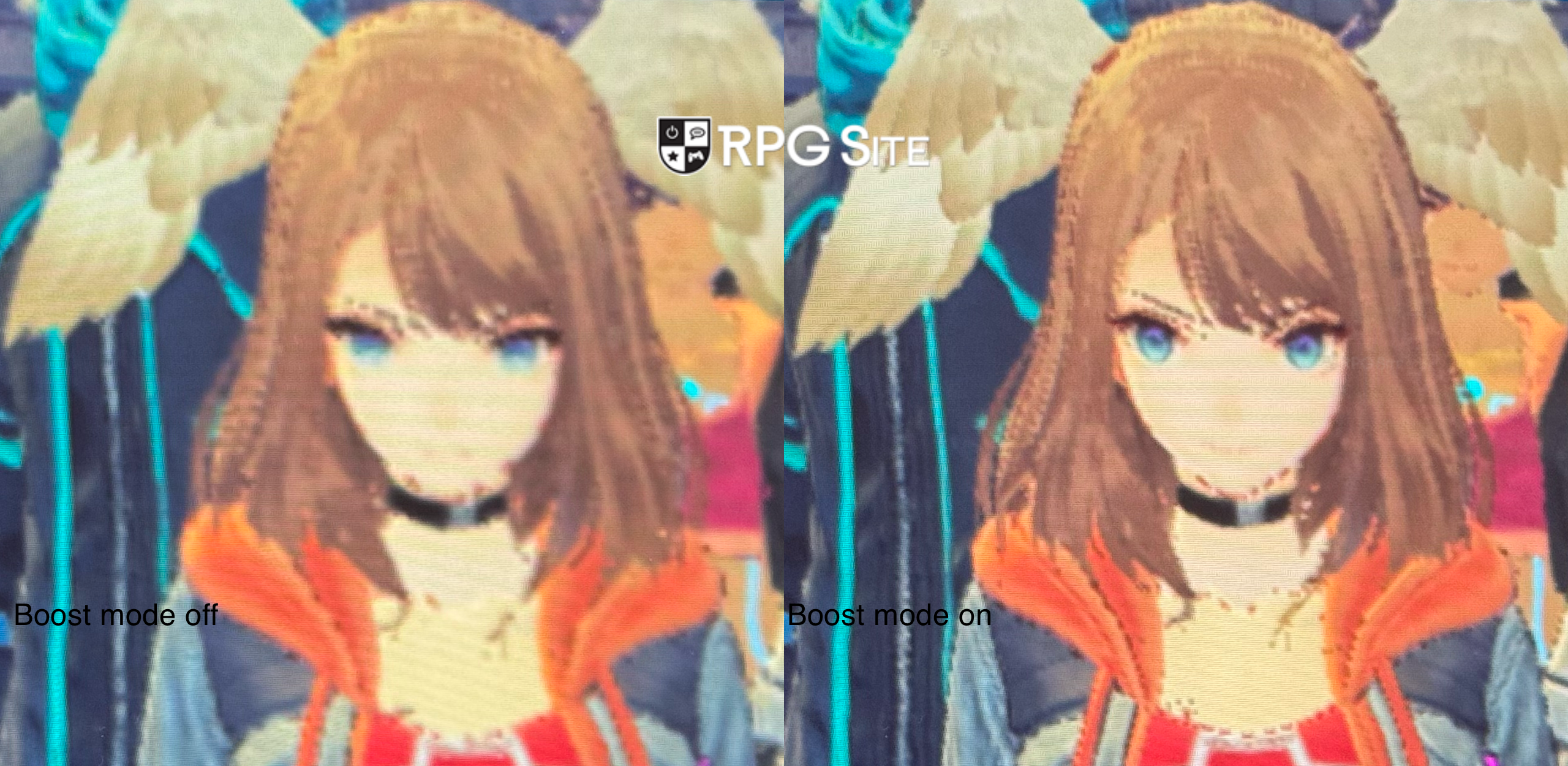
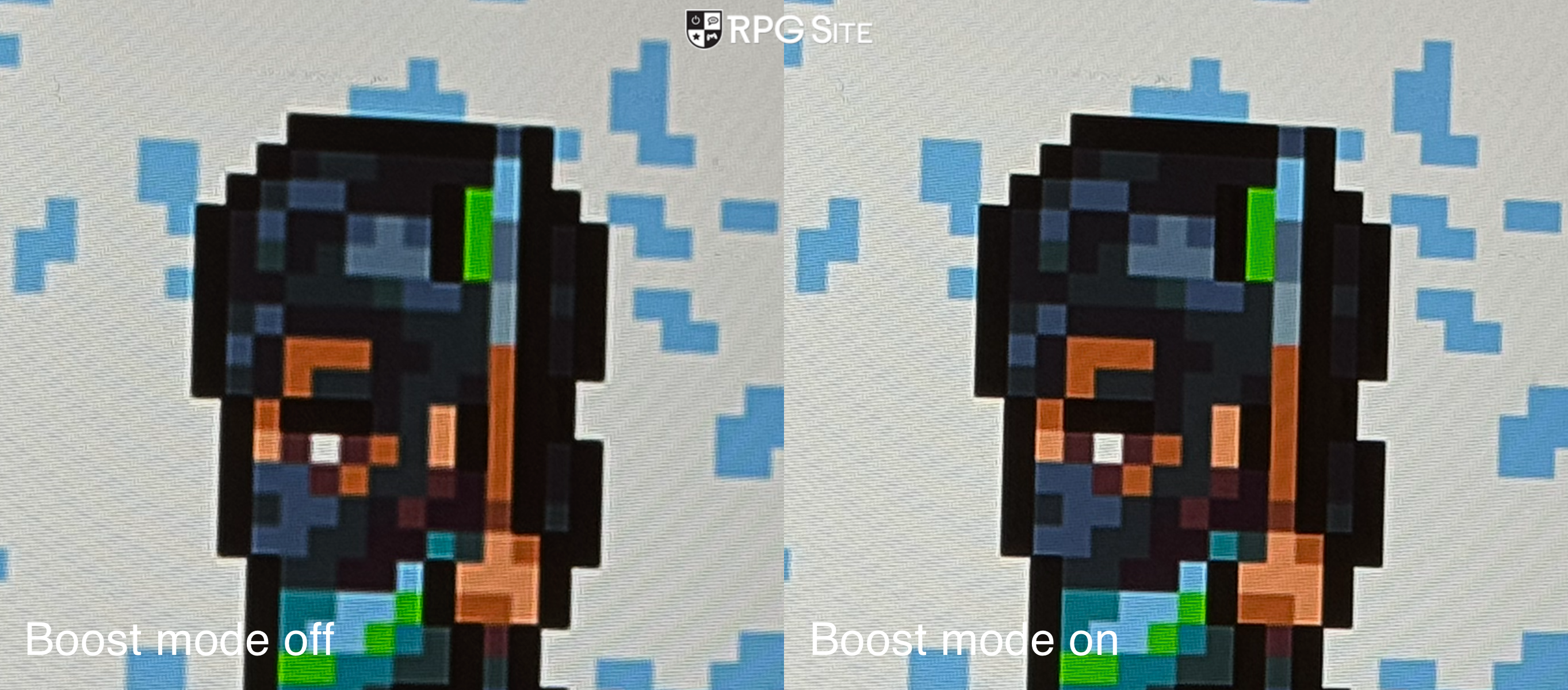
Quartet finally had its console debut on Switch, and it plays great on the original Switch OLED. When playing on Switch 2, you have two options, but I recommend sticking to boost mode. Boost mode means it perfectly matches the 1080p screen on the Switch 2 with the Switch 1 docked visuals. Without boost mode, you can use a 'Pixel Perfect' or 'Stretch to Fill' option for handheld play to ensure you don't have poorly scaled pixels. Boost mode really helps pixel art games like Quartet for handheld play.
Darksiders Warmastered Edition
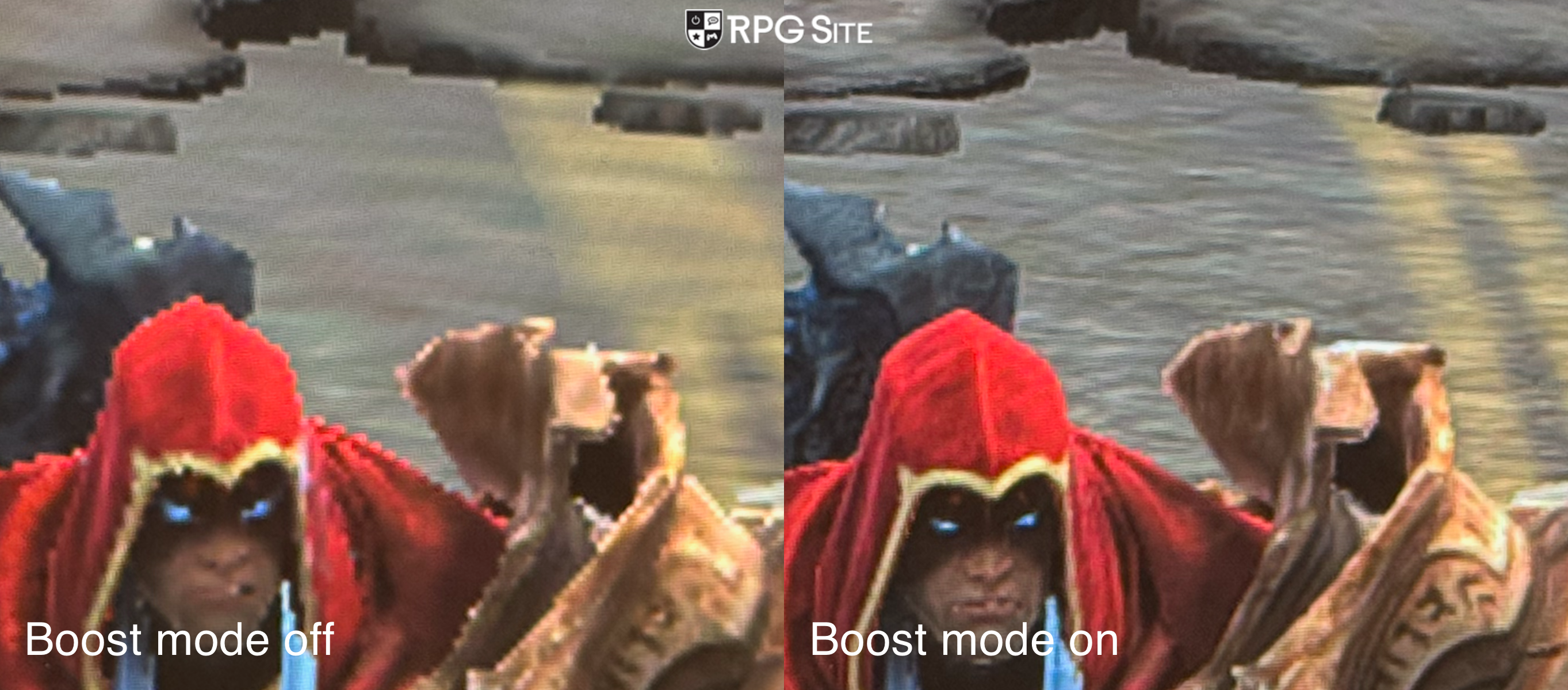
Darksiders Warmastered Edition on Switch delivered a massive upgrade over the PS3 original, but it was a step down from the PS4 version. Darksiders Warmastered Edition on Switch has a performance or quality mode. The performance mode's drops below 60fps were already cleaned up on Switch 2, but now with boost mode, you get a much higher resolution while running at a 60fps target in handheld. If you want a crisp presentation, you can also play in the quality mode which will be 1080p 30fps. Darksiders Warmastered Edition has aged really well and it is good to see it get a nice boost here. Hopefully it gets a native Switch 2 version with full 1080p 60fps support for handheld play.
Darksiders II Deathinitive Edition
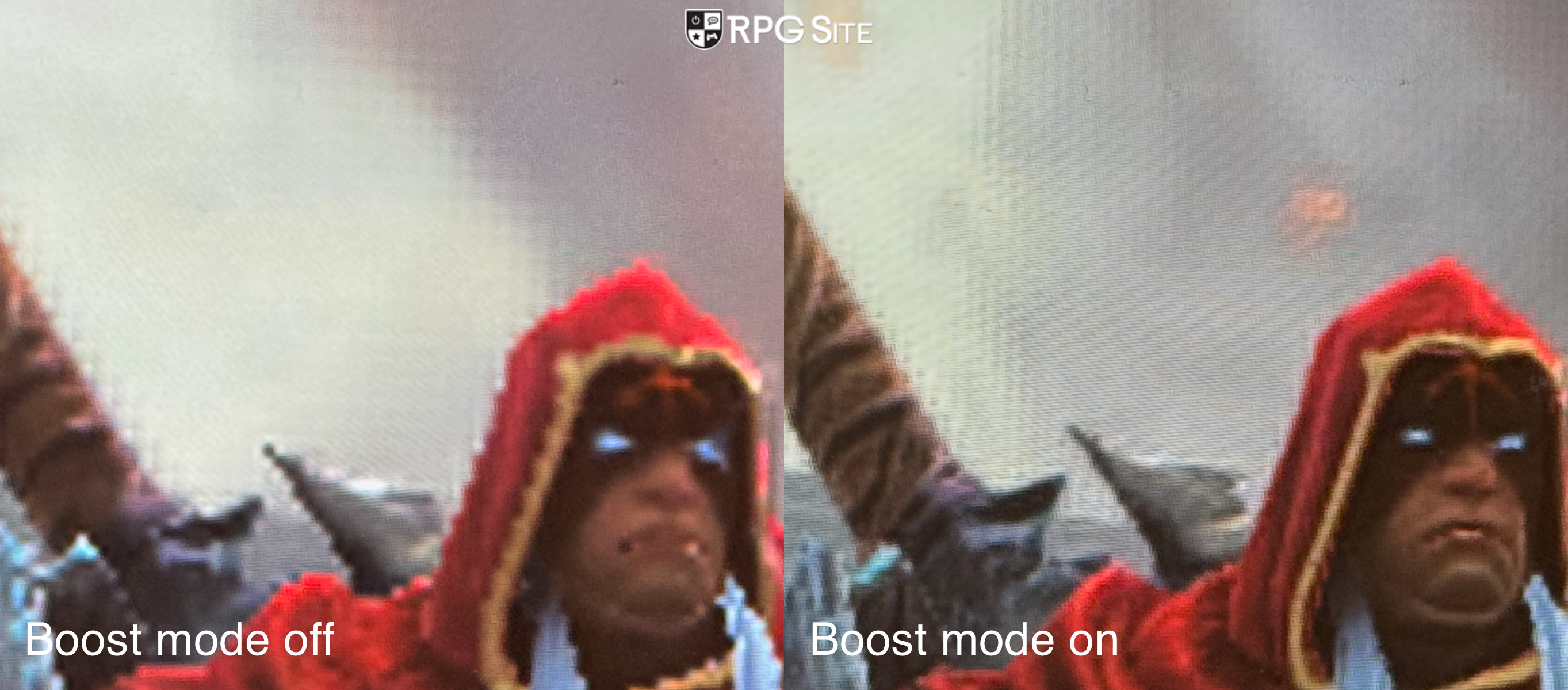
Darksiders II Deathinitive Edition unfortunately did not get a performance mode option and is capped at 30fps on Switch and Switch 2. Using boost mode, the resolution bump is very noticeable in handheld play, but it still suffers from some hitching during autosaves. Darksiders II Deathinitive Edition needs a native Switch 2 version more than Darksiders Warmastered Edition since II even has some loading for some menu screens.
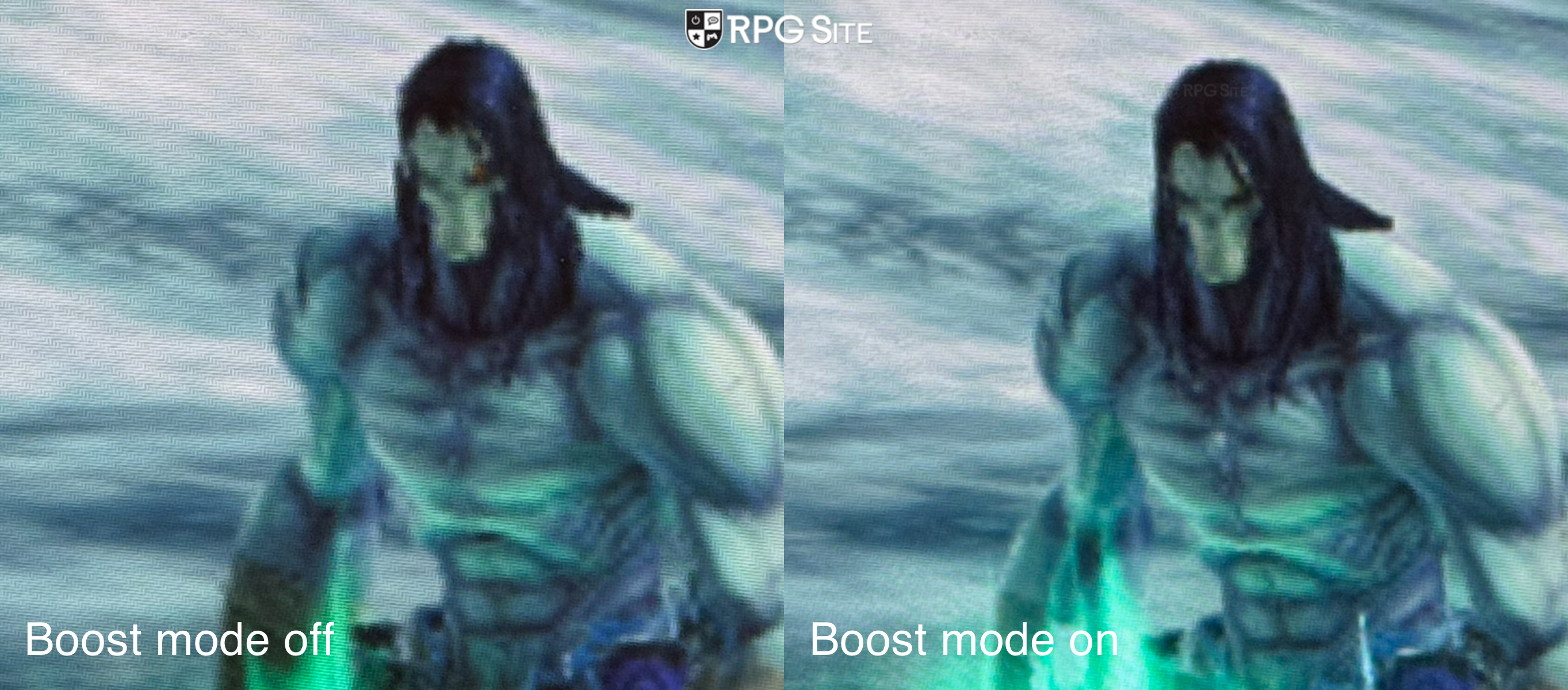
Darksiders III
Darksiders III saw some of the biggest improvements via backward compatibility on Switch 2. It felt pretty awful to play on Switch 1 with an uncapped frame rate that ran around 30fps or even lower sometimes, but it hits a near-perfect 60fps on Switch 2. Handheld mode holds up well, but using boost mode results in the performance suffering. With Darksiders III, I recommend not using handheld boost mode since the frame rate is a lot better without it. You do get improved visuals, but I wouldn't sacrifice the frame rate for it.
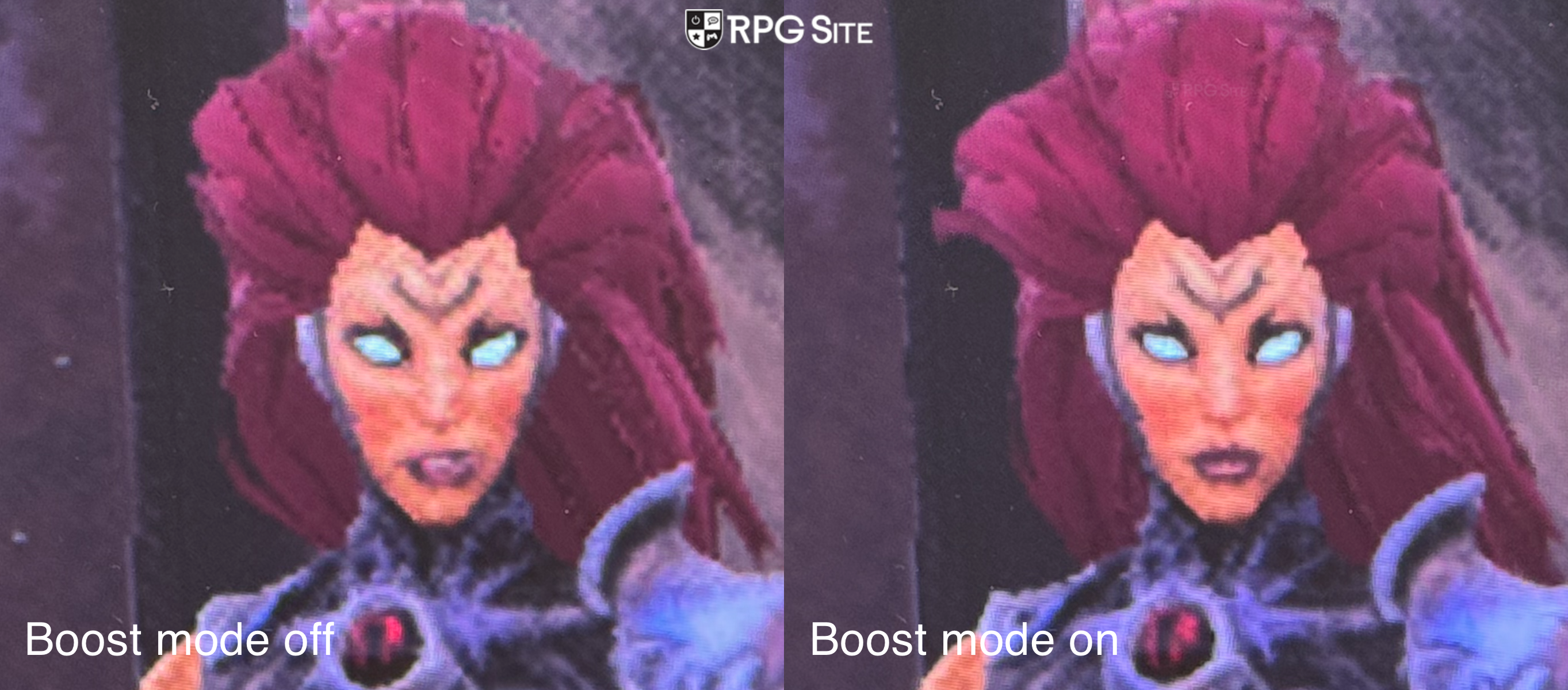
Battle Chasers: Nightwar
Battle Chasers: Nightwar was not a good experience on Switch when I first played it. It had long load times and didn't feel smooth at all. It had issues even on Xbox One at the time. Revisiting it after a few years on Switch 2 has been a bit nicer, but it still isn't as good as it should be. The resolution boost is noticeable with handheld boost mode, but performance still isn't perfect. I hope it gets a Switch 2 patch or new version with proper 60fps support instead of the 30fps cap it currently has when played via backward compatibility.
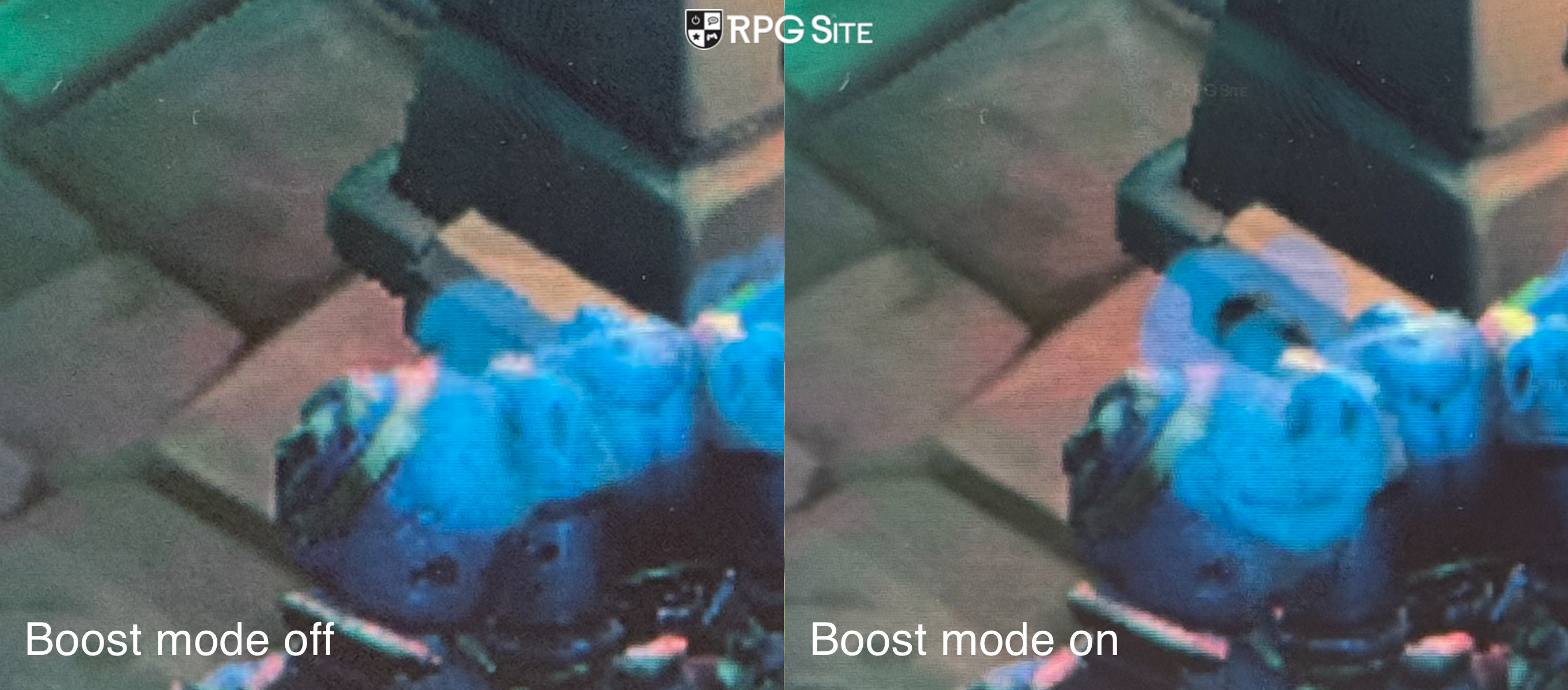
Darksiders Genesis
Airship Syndicate's Darksiders Genesis was capped at 30fps on Switch both docked and handheld. That cap is still in place on Switch 2, but boost mode improves image quality quite a bit in handheld mode. Just like Battle Chasers: Nightware, this one needs a new Switch 2 version so it can run at 60fps and hopefully have faster load times. It takes a bit too long now to load even from the Switch 2 internal storage. As you can see in the comparisons below, even the portraits benefit a lot.
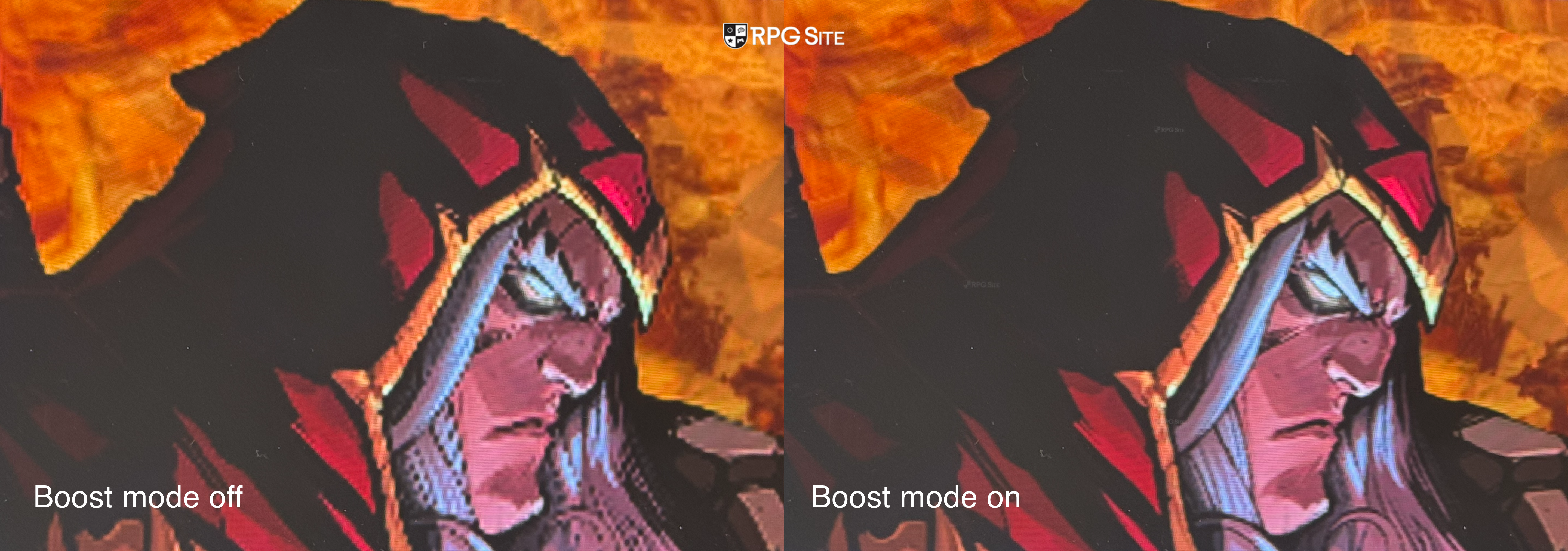
Gothic Classic
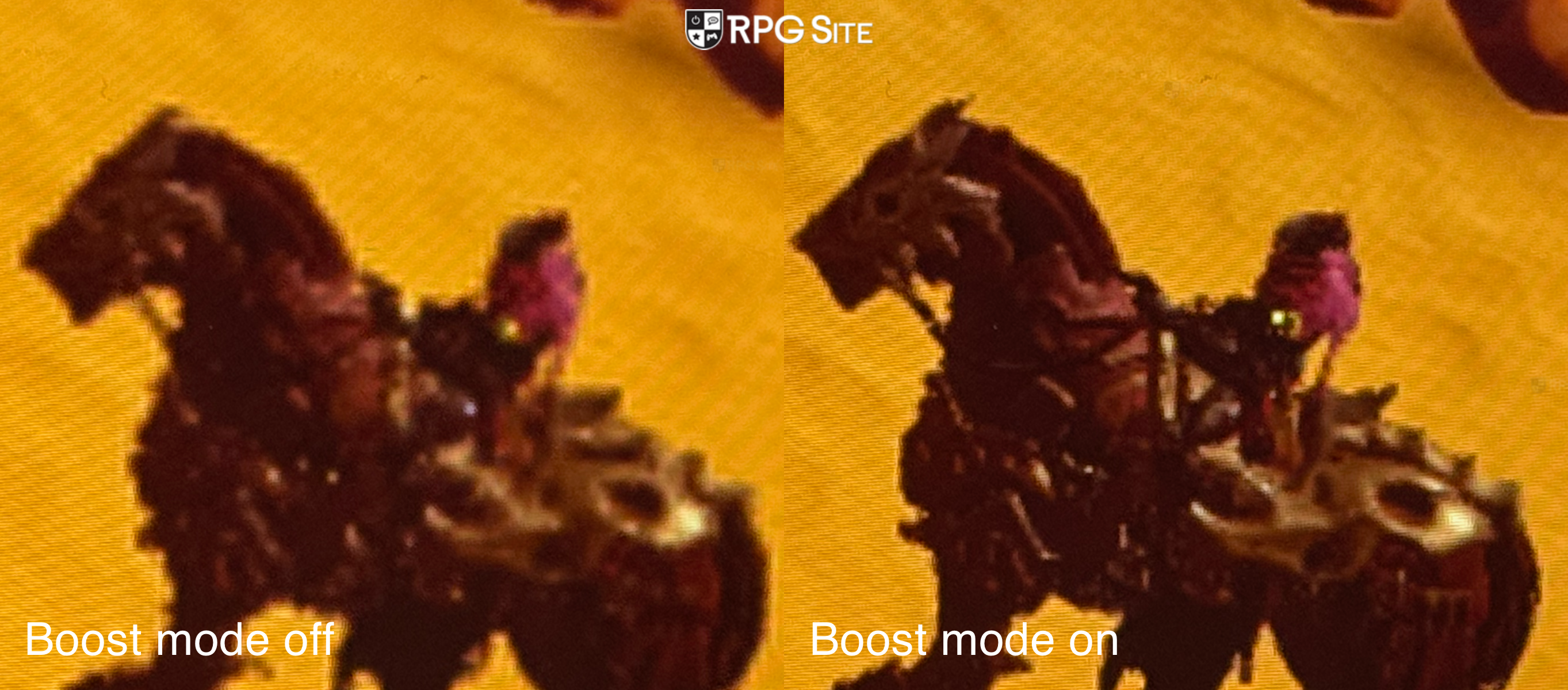
Gothic Classic on Switch 2 via backward compatibility delivered a near-perfect 60fps experience, but it had some frame pacing issues. When using handheld boost mode, the visuals clean up nicely for portable play, but the minor frame pacing issues are still present. I'm not sure if this is because of loading or something else, but it was noticeable and happened a handful of times in the opening hour I retested.
Gothic II Complete Classic
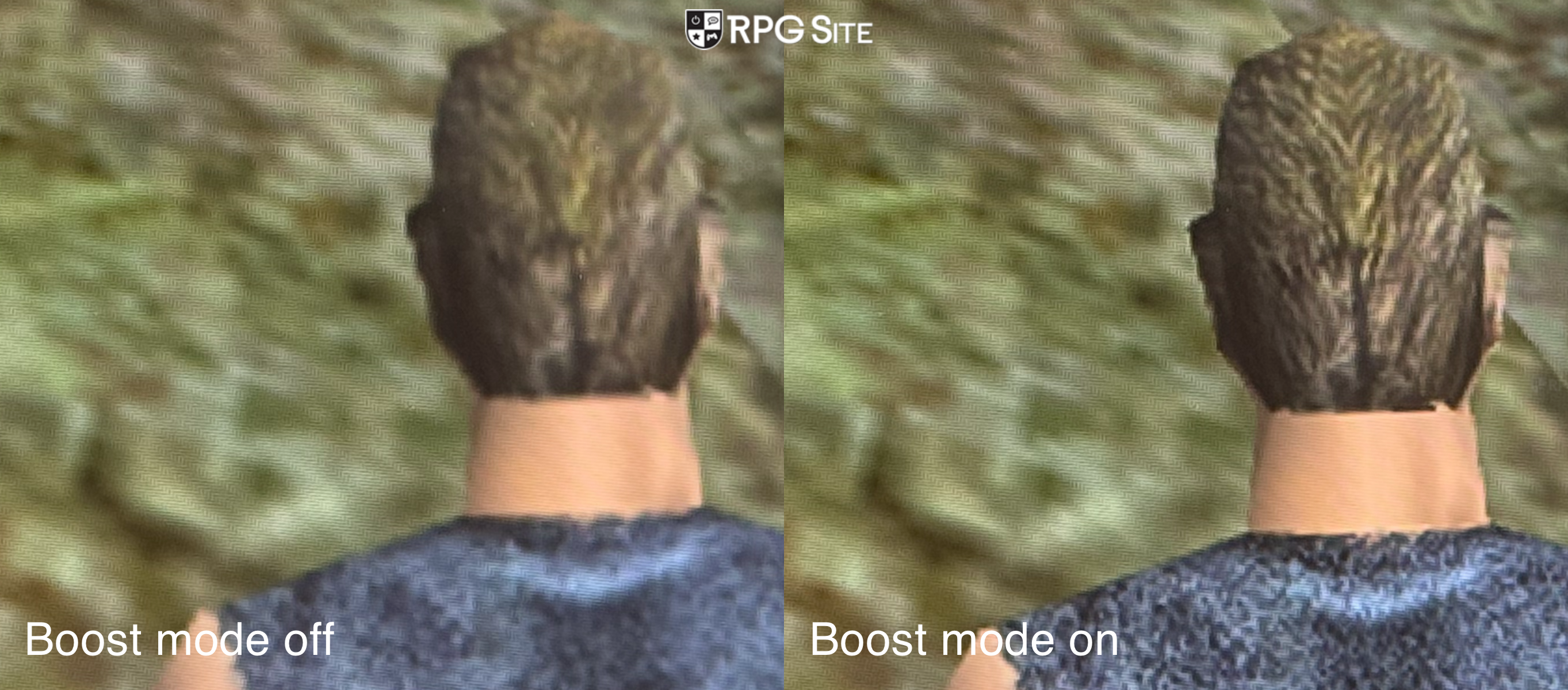
Gothic II Complete Classic on Switch 1 ran at an uncapped frame rate in both of its visual modes. The performance mode had big cutbacks to shadows that you can immediately see when making the change. The performance wasn't great at all. On Switch 2, it appears to hit a locked 60fps in both quality and performance mode when running via handheld boost mode as well. There is no need to play in performance mode since the quality mode also hits the same frame rate target. Hopefully Gothic III on Switch 2 looks nicer since Gothic and Gothic II have some really low quality textures and filtering.
Drova: Forsaken Kin
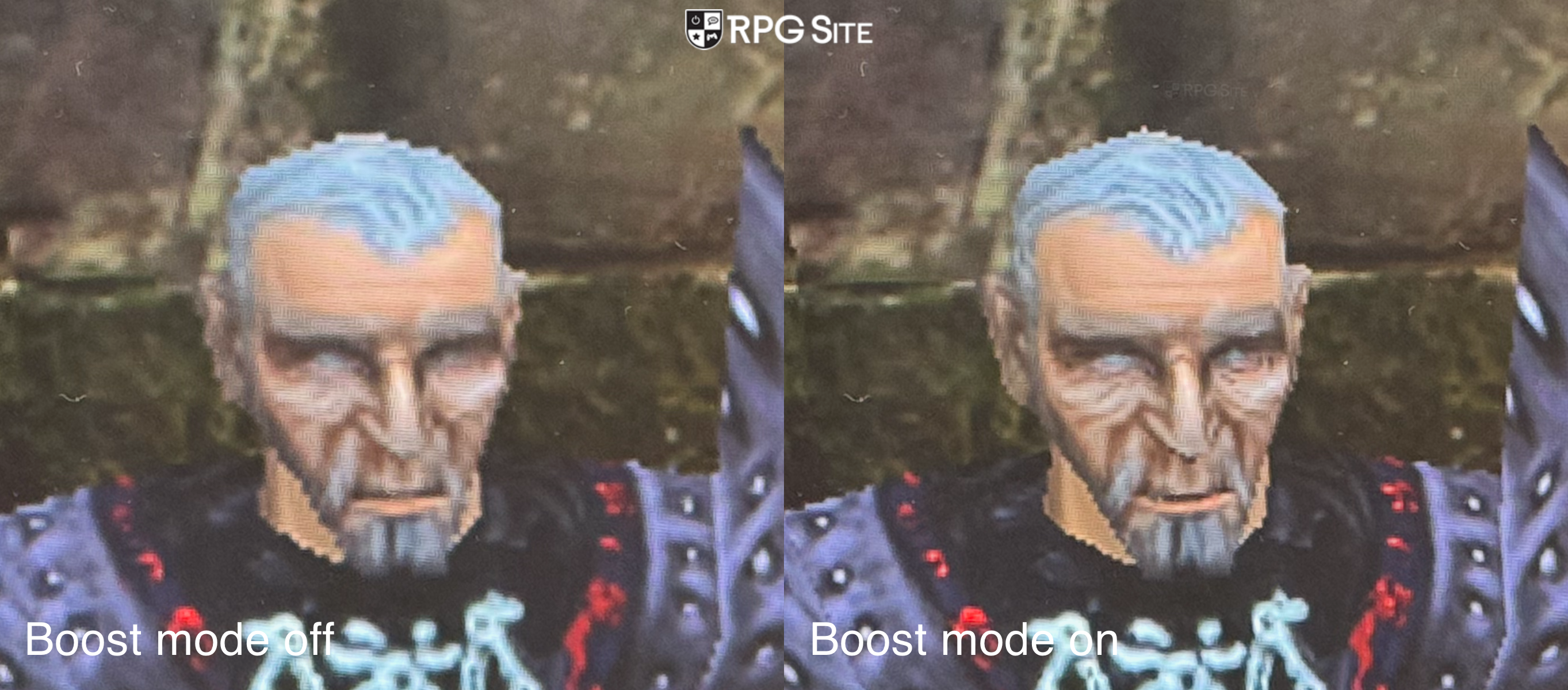
Drova - Forsaken Kin, the pixel art RPG, ran at an uncapped frame rate on Switch 1. On Switch 2, it already benefited from backward compatibility delivering a 60fps experience, but the pixel art scaling wasn't great in handheld mode. With boost mode, it looks and runs as it should with proper scaling and 60fps. I couldn't recommend Drova - Forsaken Kin on Switch 1, but it is a joy to play on Switch 2. I hope some of the hitching during loading or transitions to cut-scenes can be fixed though.
Ratcheteer DX
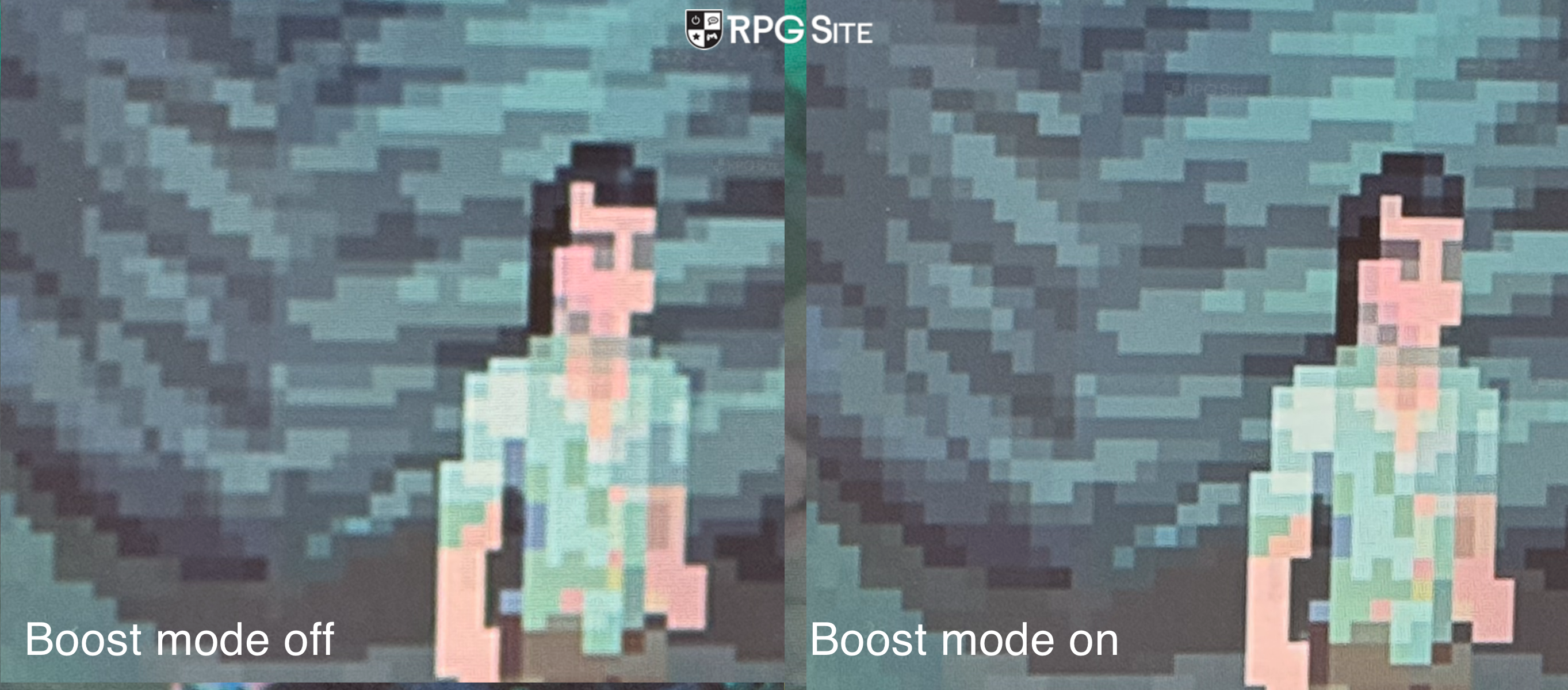
Ratcheteer DX, an enhanced version of the Playdate original, launched on Switch and Steam this year. It doesn't have any performance issues, but the pixel art wasn't scaled correctly when played handheld on Switch 2. With handheld boost mode, it looks perfect on Switch 2 and I've been enjoying revisiting it on Switch 2 after playing it on my Playdate.
World of Horror
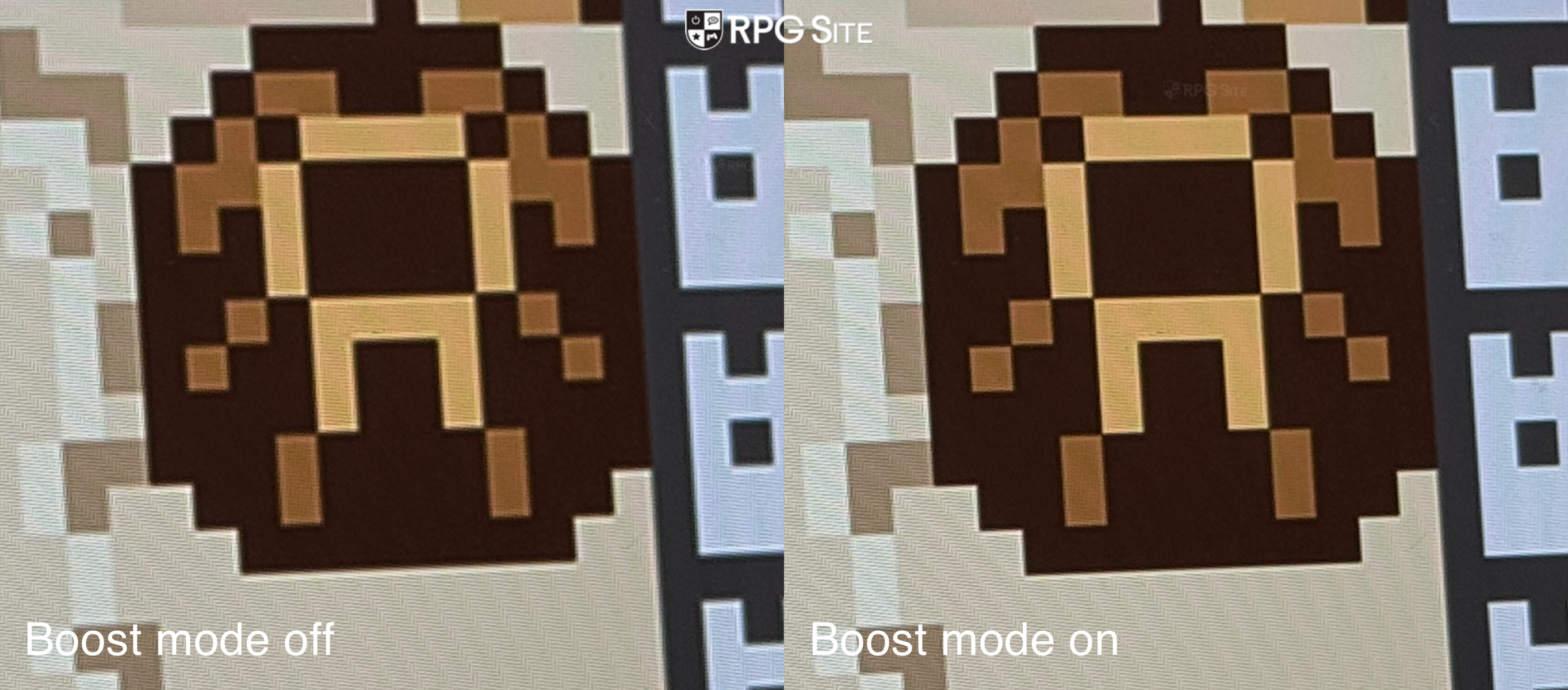
World of Horror on Switch was acceptable after some patches, but it still felt a bit sluggish. On Switch 2, it benefited from the additional power to run at a more stable frame rate, but the scaling was off when played on the go. With handheld boost mode, the scaling is better, but some UI and other elements are still scaled incorrectly. It is a notable improvement for text and other aspects though, but you lose out on touchscreen support. World of Horror needs a Switch 2 upgrade or new native release with a 60fps target and full mouse controls.
Kingdom Come Deliverance: Royal Edition
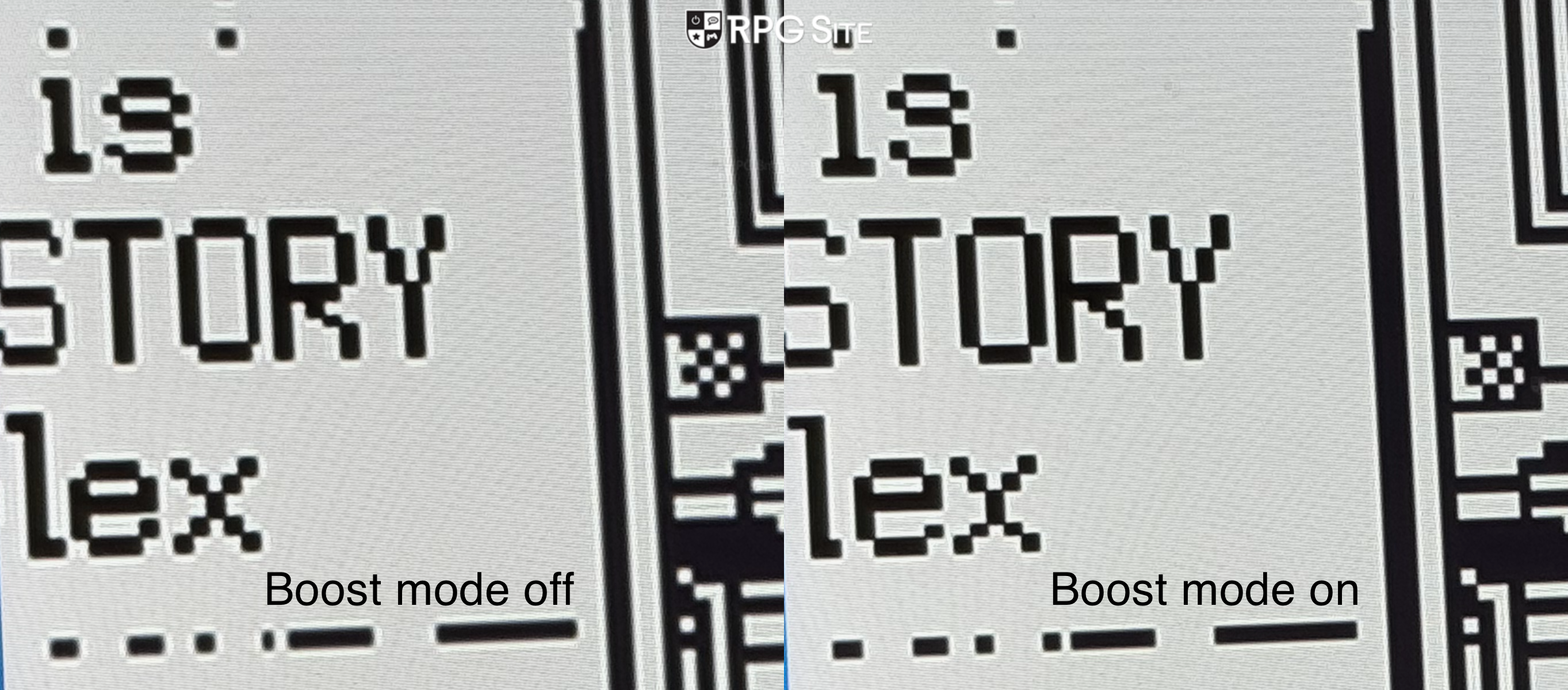
Kingdom Come Deliverance: Royal Edition was one of the few actual miracle ports on Switch. A lot of people throw that term around for basic ports of games that should run and look a lot nicer on Switch, but Kingdom Come Deliverance and No Man's Sky were two games I never thought could even run on Switch given how they performed on other platforms. Kingdom Come: Deliverance was a technical mess on Xbox One and PS4 when I first played it. I was shocked to see it even run on Switch 1 given the engine and how heavy it was. The original Kingdom Come Deliverance was only really great on PC until its new PS5 port. I was curious to see how it would feel on Switch 2, and while the performance is a lot more stable, image quality was rough. This brings us to handheld boost mode which gives a notable clarity boost while retaining the performance improvements over the game on Switch 1. It isn't ideal, but it is a lot nicer if you only own a Switch 2 and want to play it on the go.
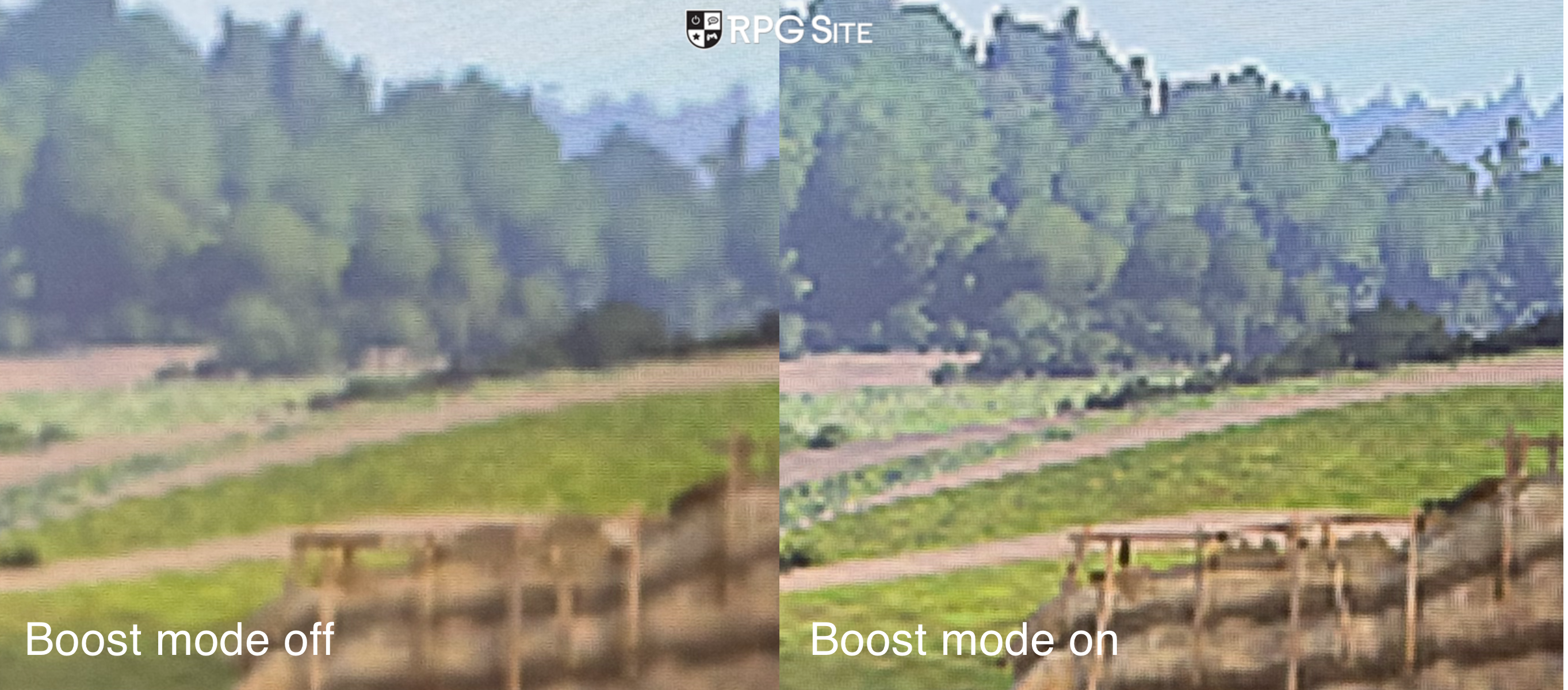
This article will be updated when I finish testing another batch of games and will be maintained to cover notable Switch 1 RPGs that don't get Switch 2 native releases. If you want me to test a specific game, feel free to reach out. I aim to have about 10 to 15 or so tested for every update.