

Branching Path: Assassin's Creed Black Flag Resynced Isn't Just a Stunning Remake, It Puts the Series Back on Track
I think it's entirely fair to say Assassin's Creed has lost its way in recent years. Regardless of how much you might like the RPG-era games, there's a core identity that has started to be chipped away, bit by bit. Whether that's the series tremendously de-emphasizing the modern-day story, or a tsunami of RPG elements overtaking that traditional, black box assassination gameplay. And even though I've personally enjoyed games like Odyssey and Shadows, I can't deny that my faith in each new Assassin's Creed game being something special has dwindled... until now.
Assassin's Creed Black Flag Resynced is, in short, a stunning remake. Even putting my own nostalgia aside, Ubisoft has done an impeccable job of not just visually and mechanically updating Black Flag, but also by fundamentally enhancing nearly every element of the game. The wealth of new narrative bits, in particular, is an inspired way to enhance the general theming of the game alongside Edward's story. All of these improvements make so much of an impact that, in many regards, this feels like a brand-new Assassin's Creed game — and that idea is vitally important. Black Flag Resynced is a joining of Assassin's Creed's more classic foundations with the modern sensibilities of the later RPG titles, without getting bogged down by the baggage. It's a game that has almost entirely rekindled my love of the series.
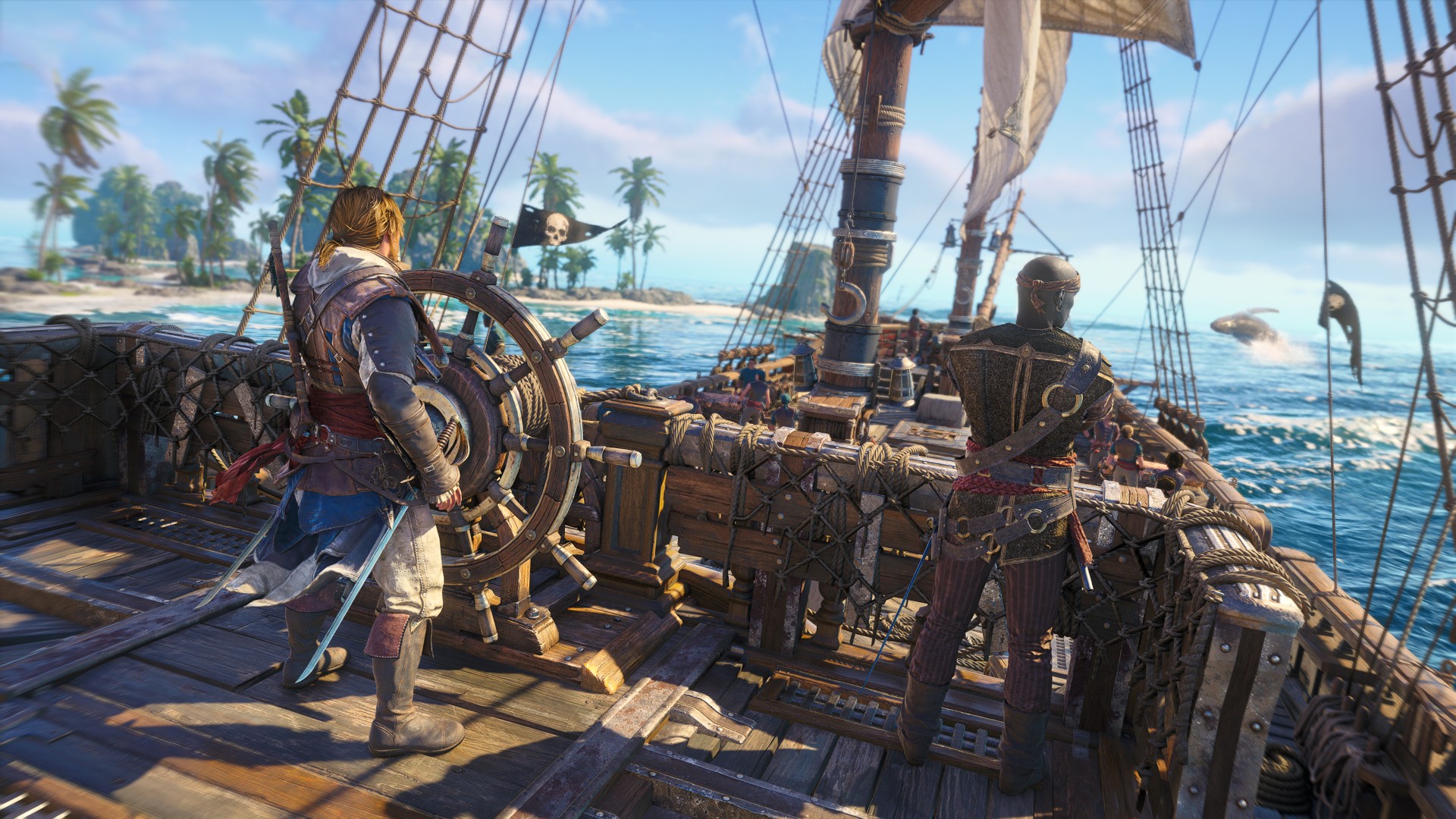
Resynced is a full remake of 2013's Assassin's Creed IV: Black Flag, completely rebuilding the game with Ubisoft's newest Anvil Engine, used in the likes of Valhalla and Shadows. To get the basics out of the way, this is a faithful remake that completely retains the original story and content of Black Flag, while adding a host of new quests, cutscenes, voice lines, gameplay mechanics, locations, and more. The only thing not included is some of Black Flag's original DLC, namely the Adewale-focused Freedom Cry.
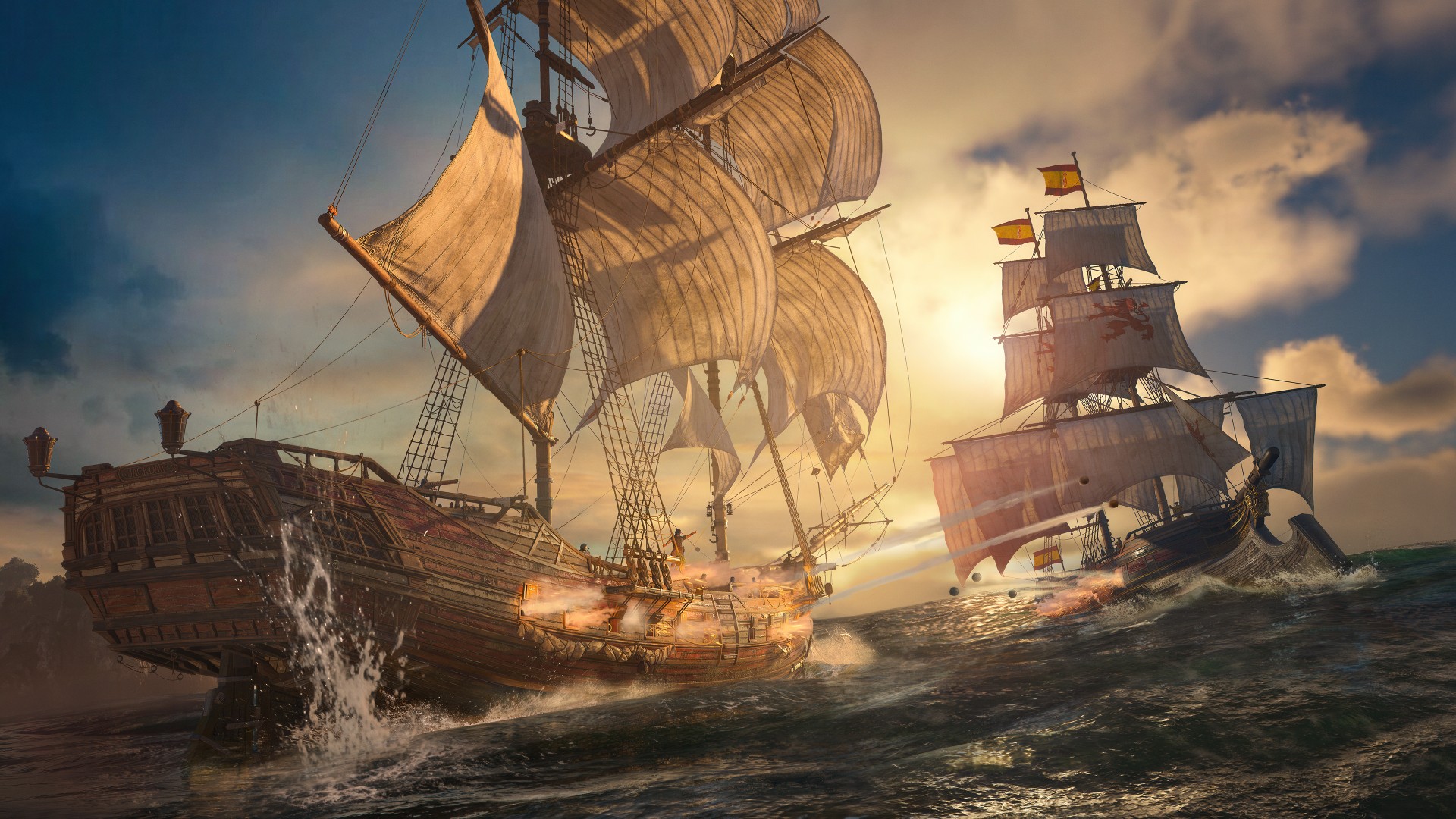
You often see Black Flag regarded as one of the best, if not the best, entries in the Assassin's Creed series, and for good reason. The game's rollicking pirate-y spirit still shines through bright as day, Edward Kenway is a lovable scamp of a hero, and the classic AC-style of gameplay clicks together impeccably. Even just on a basic level, Black Flag's formula has held up surprisingly well, and perhaps my biggest surprise was how exciting the high seas open world of the Caribbean felt. We've seen countless open-world games since Black Flag, but the segmenting of the islands in Black Flag gives this world a remarkably different flavor, and loads of little details make it feel alive — like stumbling upon a Spanish fleet duking it out with the British, only to take advantage of the chaos to sink them all.
That being said, because everything in the original Black Flag is here, some of the game's issues still linger. The finale is still awkwardly paced & just kind of suddenly happens. Boarding ships is thrilling at first, but it can grow stale over time. However, the strengths and shortcomings of Black Flag are already well-talked about and documented, and I don't want to place too much focus on old arguments. Instead, what's truly impressive is how Resynced, as a remake, reinvigorates the experience. Despite this ostensibly being a "faithful" remake, I can't overstate how much the game's wide array of additions and enhancements help bolster the game without changing that core "feeling."
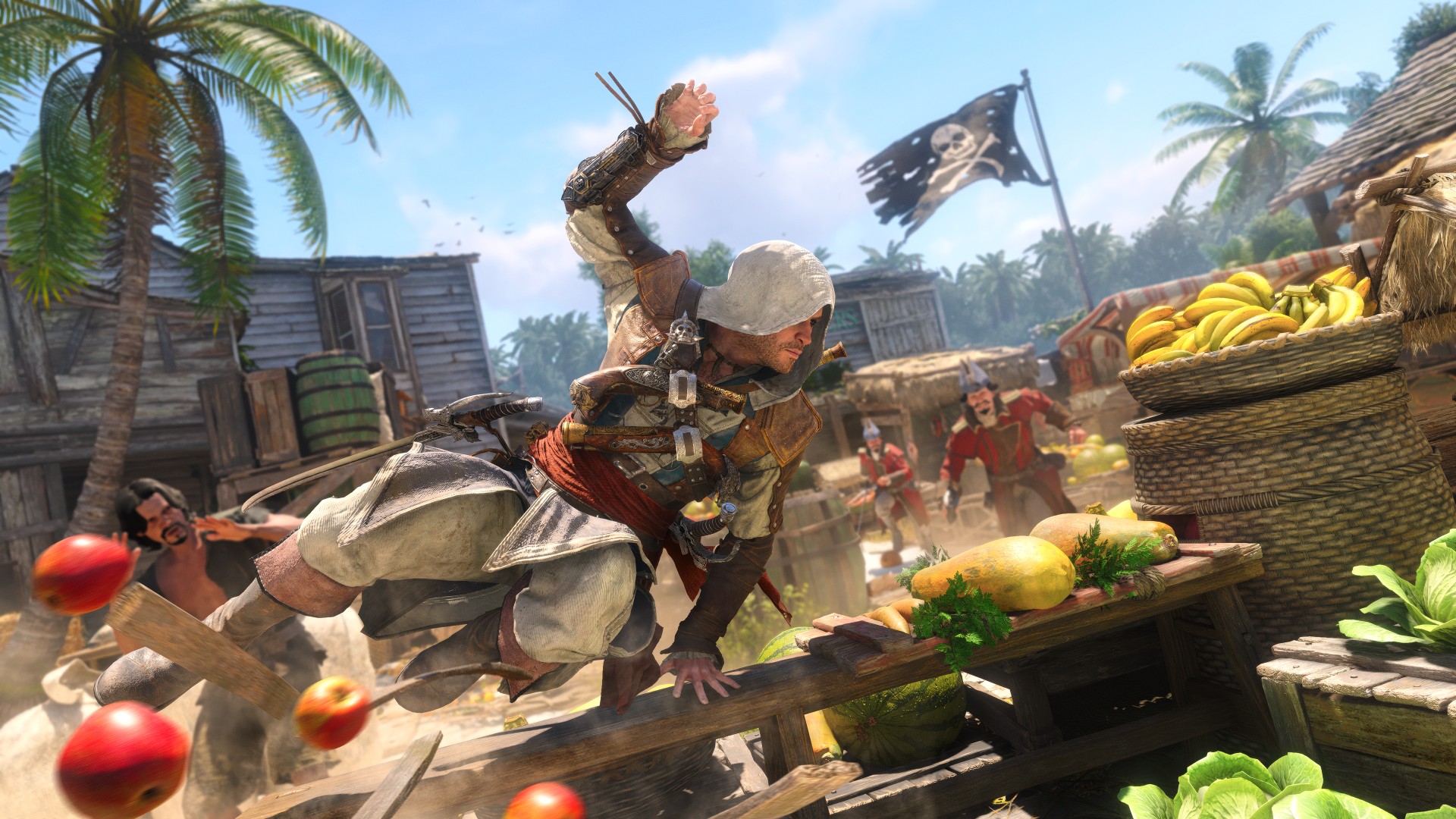
From a gameplay standpoint, there are some significant overhauls. Combat has been rebuilt, putting much more of an emphasis on quick actions, parries, and executions. You still have pistols, the rope dart, kicks, and all the abilities from the original, but each is retooled to fit into that new sort of focus. I'd put it in line with something like Assassin's Creed Unity in terms of quickness and intensity. And while the new combat overall feels good, it doesn't necessarily grow across the experience, meaning what you see early on is what you get.
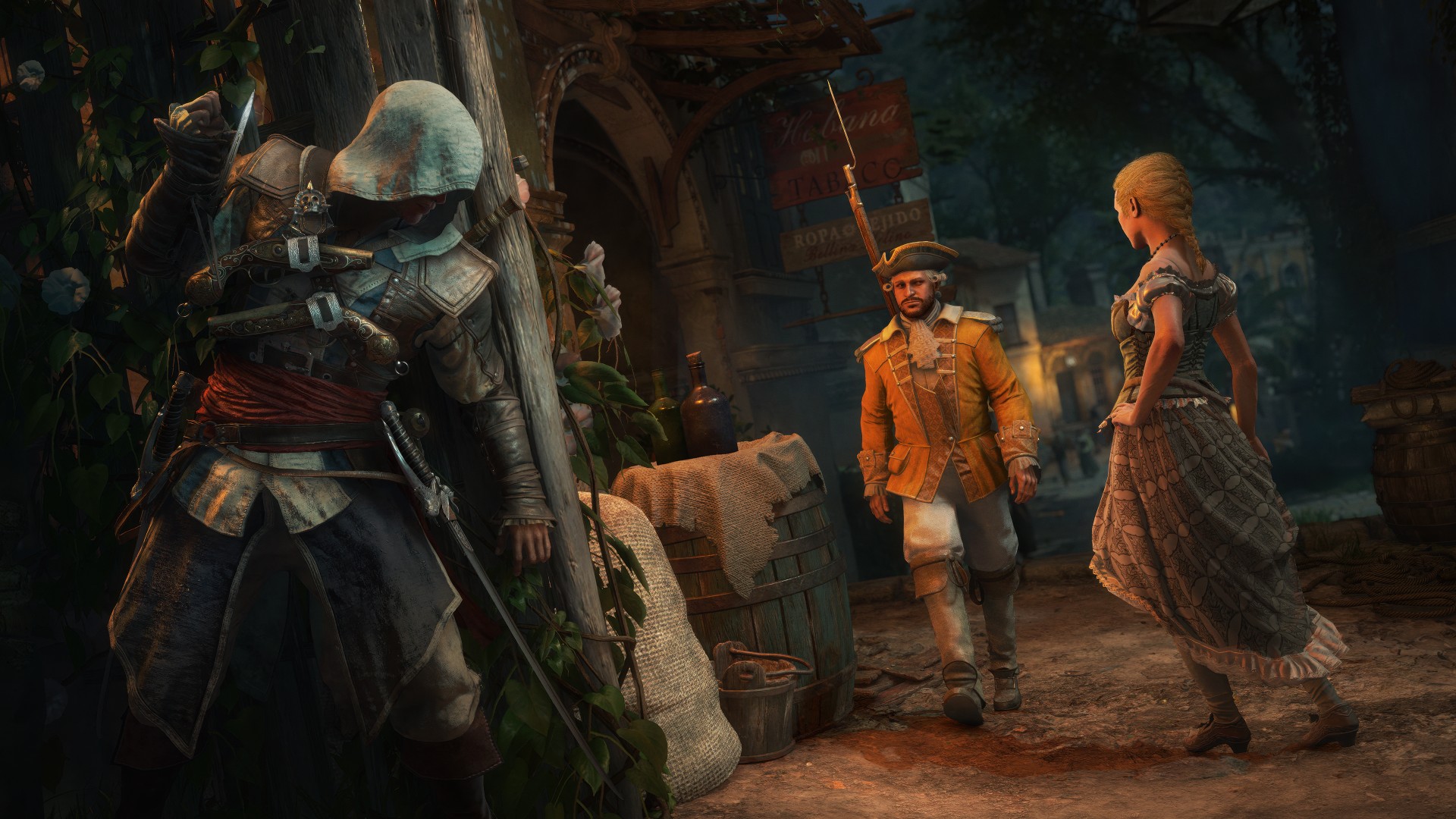
On the other hand, stealth feels drastically different because of a singular reason: the addition of the crouch (yes, Black Flag originally didn't have a crouch button). This puts Resynced more in line with something like Mirage, completely recontextualizing how the stealth system integrates into the overall experience. Now you need to think much harder about enemy perception, both in terms of visual cones and sound detection, which overall makes the stealth feel far more robust.
Elsewhere, three new recruitable ship captains give you additional naval combat abilities: an enhanced ram, a Perfect Brace to reduce damage, and a deadly repeating mortar. Otherwise, naval combat remains mostly the same, which is one of those "if it ain't broke, don't fix it" kind of things.
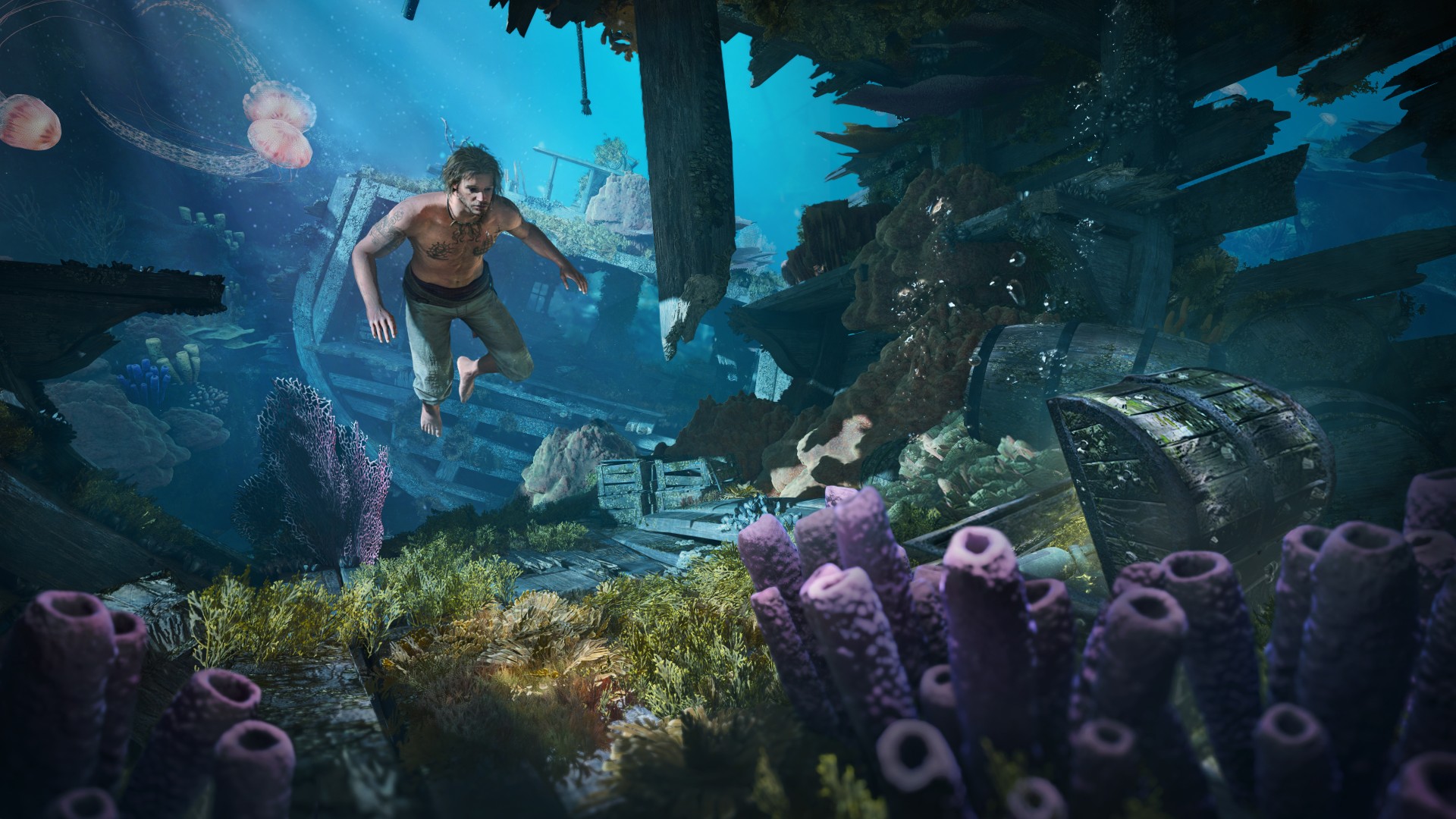
Building on those gameplay enhancements, the visual overhaul to Black Flag is phenomenal — this is by far the best-looking Anvil game to date. The turquoise seas are stunning, the lush jungles feel more alive than ever, and dangerous storms batter your ship like it's a toy. What really surprised me is how good the character models look, especially the facial animations. A lot of the uncanniness present even in Shadows seems to be gone, helping flesh out the game's already great performances even more, with Kenway himself being a particular highlight. Resynced has really doubled down on the "lovable rogue" element of the character, embellishing him through new visual details and storylines. In light of how stiff some recent Assassin's Creed protagonists have felt, it's refreshing to have someone with a truly distinct personality again.
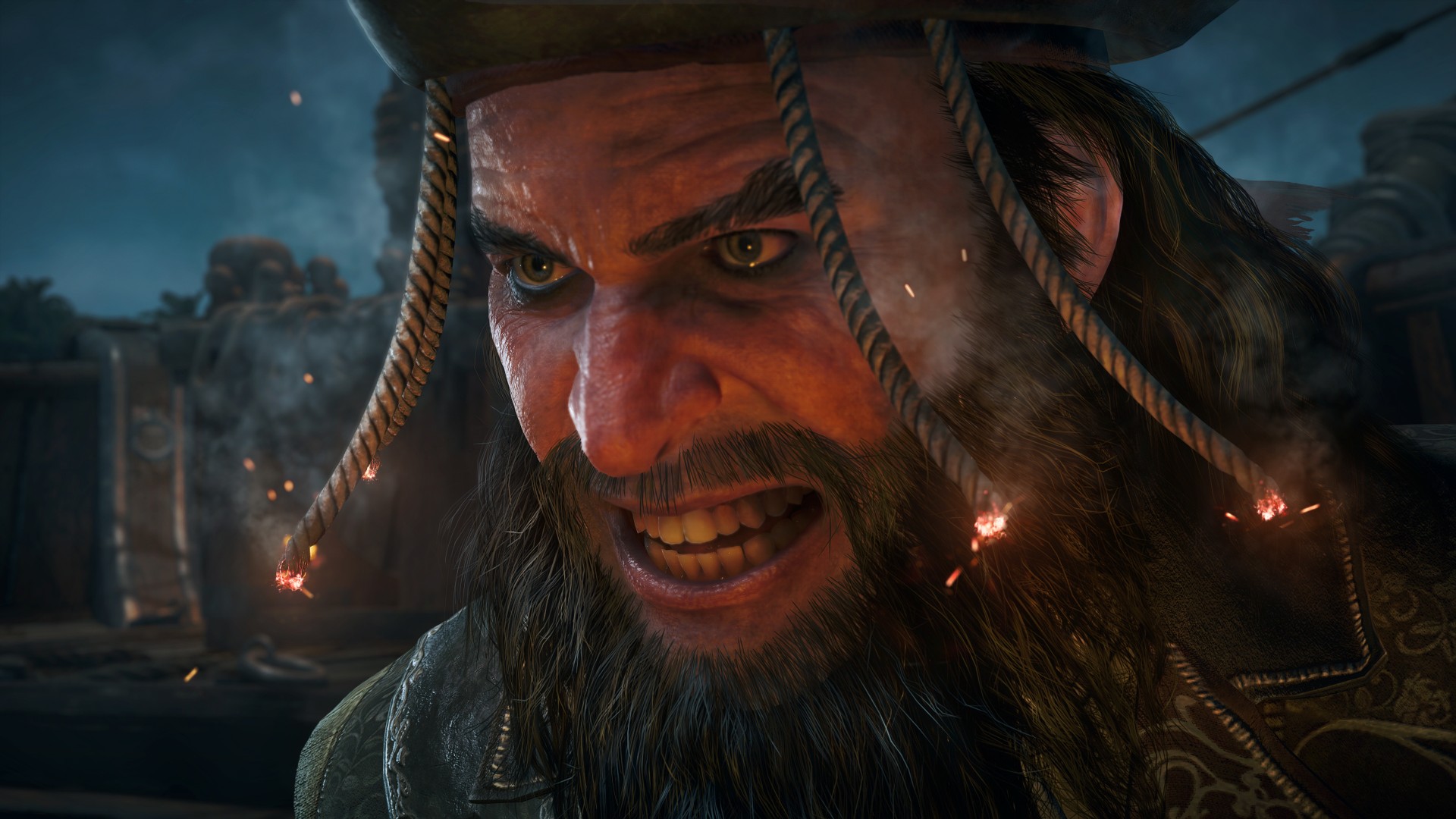
But where Resynced blew me away the most was with the narrative additions, genuinely thoughtful and meaningful new pieces of content that dramatically enhance the overall storytelling, character conclusions, and Edward's arc. One new quest gives extra context to Blackbeard's arc, greatly expanding on how deeply Edward cared for him as a friend. Each officer comes with their own arc and set of quests, simultaneously giving more insight into how Edward functions as an actual captain, fleshing out his relationship with the crew. Then there's a lengthy whole new set of sidequests at the end of the game introducing a new villain while driving home the ethos of the game's message — the dangers of unchecked greed and deconstructing our romanticized view of piracy.
That's not even to mention the four animus "Rifts" that function as this game's modern-day story, laying some tantalizing hints at what's happening in the series at large while implementing unique gameplay experiences, a huge improvement over Shadows. There are equally some fascinating meta-textual elements of Resynced, with some of the extended modern-day bits suggesting this remake is actually something in the canon of the series, a revisiting of Edward Kenway's memories in a more robust, enhanced experience — done by both the Assassins and Templars for different reasons. It's an exceptionally fun way to approach a remake for a series like this, and seemingly opens the door to some even more fun ideas.
Going into Resynced, my biggest worry was how these new narrative elements would land, but color me surprised that they were my absolute favorite part of the game. All of the new story elements do an impeccable job of enhancing not just the story itself, but the theming of the game. The development team clearly just "got" what makes Black Flag tick, on nearly every level.
There are very few remakes that I've played that manage to perfectly capture what made the original game special, while enhancing those same elements in thoughtful, meaningful ways. I certainly didn't expect that an Assassin's Creed would be one of the nearly textbook examples of what makes a video game remake great, but here we are. And it's because of that exact reason that Resynced feels so vital to the series.
Assassin's Creed Black Flag Resynced takes the classic beloved elements of the franchise and combines them with the modern technology and sensibilities of the RPG entries, but smartly doesn't get bogged down by the overdesigned, almost gluttonous style the series has taken in recent years. It gives me faith that Ubisoft still gets what has always made Assassin's Creed special and might still know how to advance those ideas. If there was any argument suggesting Black Flag wasn't the best game in the series, there won't be now.