

More than just a successful remake, Trails in the Sky 2nd Chapter feels like a testbed for the series' future
Nihon Falcom managed to stick the landing with Trails in the Sky 2nd Chapter. I'm not exactly surprised - I felt that last year's 1st Chapter was an excellent remake, despite some at-the-time issues with the game's localization that have since been addressed with a patch. Pretty much all of what I said back then remains the same, and we have Junior's newcomer review for the game up now - so instead of talking about 2nd Chapter as a whole, I want to talk about some specific elements of it that stood out in the wake of the greater series. There will be some minor spoilers ahead, especially for Trails in the Sky as a whole.
Last year's 1st Chapter was a restrained remake, at least in terms of references. While some characters showed up in artwork that weren't mentioned in the original, the bulk of the game's changes came from additional sidequests that rather than feeling out of place, felt like the sort of quest that would have originally been in the game back in the day if you didn't already know they were new.
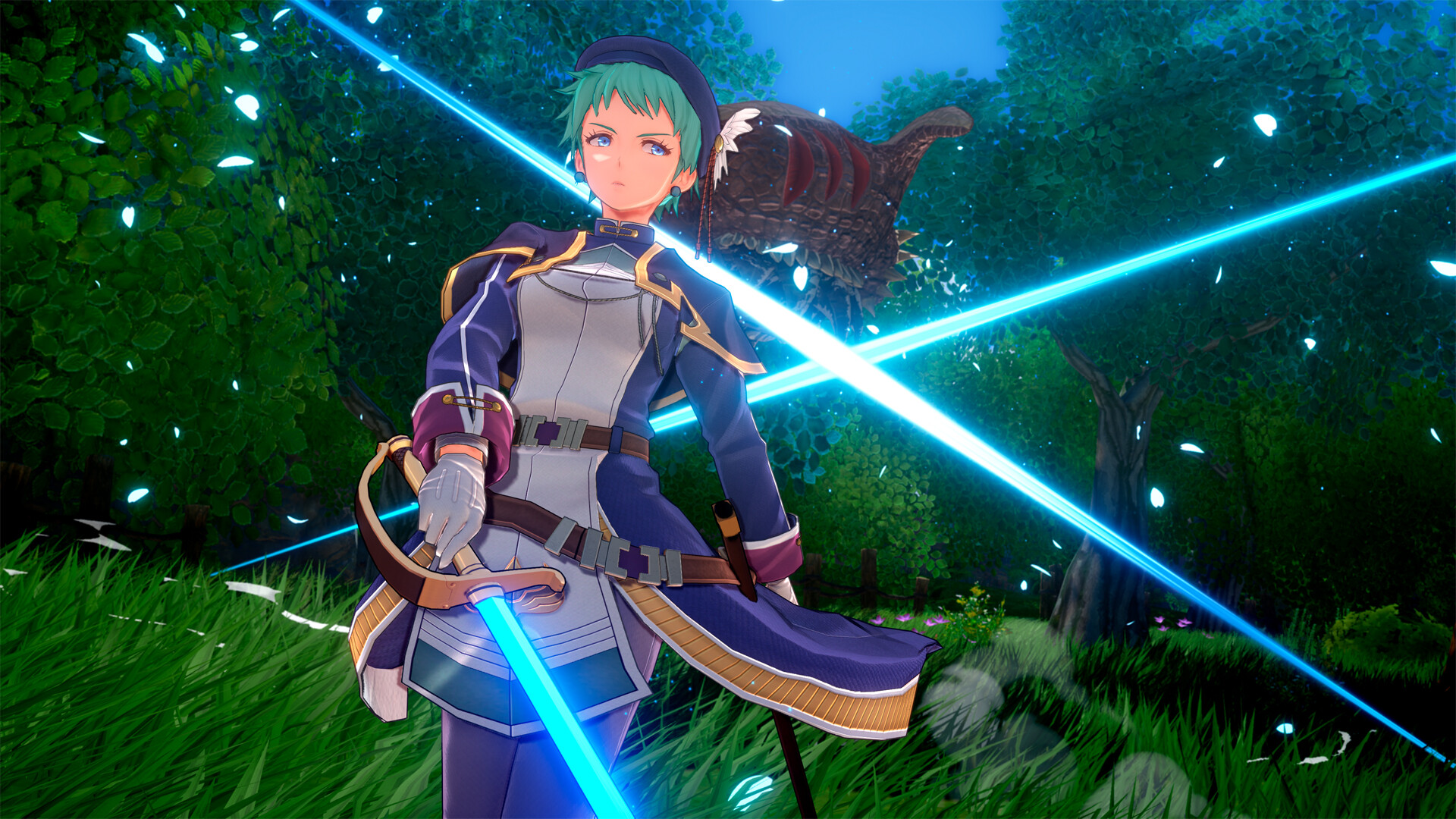
For the most part, that remains the same with 2nd Chapter, with a few key exceptions. First off, there are now a few more references to later events in the series; characters now react to events or situations that later games make clear they would be familiar with. This even culminates with entirely new segments of the game near the end, though even then I would say the scope of these additions show a certain amount of restraint. What was added feels less like a retcon, and rather is positioned as something that very well could have happened off screen and we just never saw it happen in the original release.
I've mentioned in the past that I wasn't a big fan of how Falcom retconned Towa and Juna into the Crossbell games; these weren't how the games were originally portrayed, and pretending that these characters were always there felt cheap. I think that the way that Falcom has handled things in 2nd Chapter is much more reasonable - instead of sloppily introducing characters, the position of these characters and references is only in segments where they could have conceivably been referenced offscreen, rather than retrofitting existing scenes to include them. That distinction matters quite a bit to me.
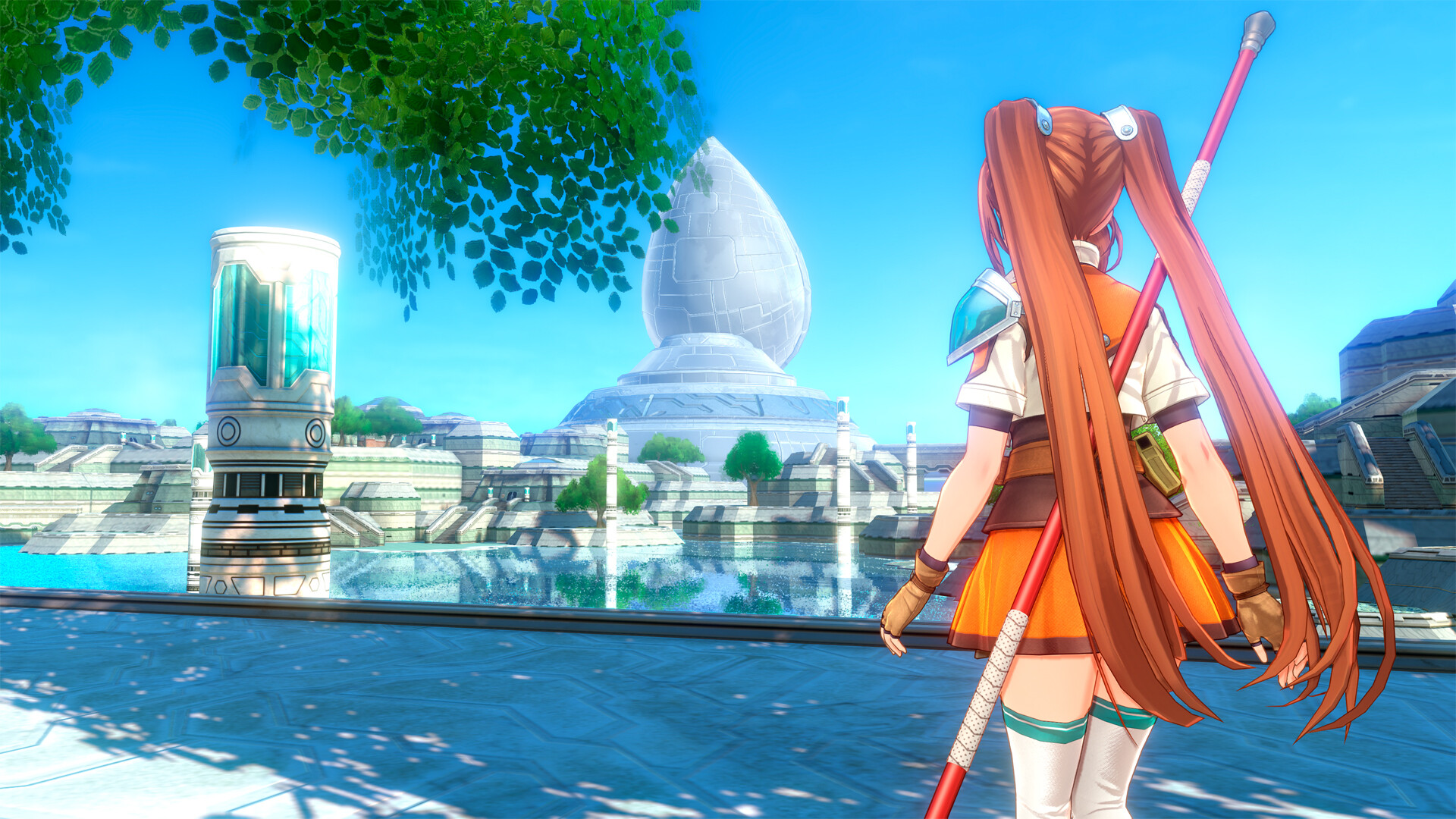
Inevitably there have been some pacing changes, resulting from how modern Trails titles work. Traveling across Liberl during the Orbal Shutdown now has to contend with players being able to fast travel across the map; Falcom's solution was to reset Fast Travel points until players visited them again, preserving the idea of the original release while also still allowing players to conveniently explore the map once they've been repopulated. It goes a long way to improving the overall pacing of the chapter, while maintaining the vibes that made it stand out to begin with.
The Liber Ark feels like a bit of the opposite. You still unlock and have access to the railway - in fact, you travel across them in real time, viewing the entire map below you. We got a taste of the scope of Liberl in 1st Chapter last year whenever you looked across the map from the top of a tower, but there's a certain idea of spectacle that 2nd Chapter delivers upon, whether that may be the sight of the Liber Ark itself suspended in the air across every region of Liberl once it appears, or getting to spot the various regions of it shift beneath your feet while on the railway. It beggars the question if the next Calvard game will offer a similar scope to traversing its own environments; one I had already considered previously, but suddenly feels far more likely in this context.
For as much as Trails in the Sky 2nd Chapter is a love letter for the original, it's not hard to notice how Falcom may have used this remake as a testbed regarding the direction they wish to take the series in the future. Maybe I'm reading into things here, but it feels incredibly difficult not to. With 2nd Chapter, it's palpable how Falcom is taking this chance to look back at the past while charting its future.