

Tales of Eternia Remastered Review
When Bandai Namco embarked on its remaster project for its long-standing Tales series, Tales of Eternia was not one of the entries I expected to see get any attention. Other Tales titles like Tales of Graces F and Tales of Xillia made sense in this context, as these were early HD-era titles locked to consoles that could reasonably see new life on new platforms. Not to say developing these remasters is trivial or easy, but the hurdle in delivering refreshed versions of these entries felt more doable. They were relatively recent (in the context of the series as a whole), generally recognized in the JRPG space, and wouldn't need extensive rework beyond their original English releases.
Tales of Eternia is none of these things. That Tales of Eternia Remastered even exists at all is still somewhat astounding to me.
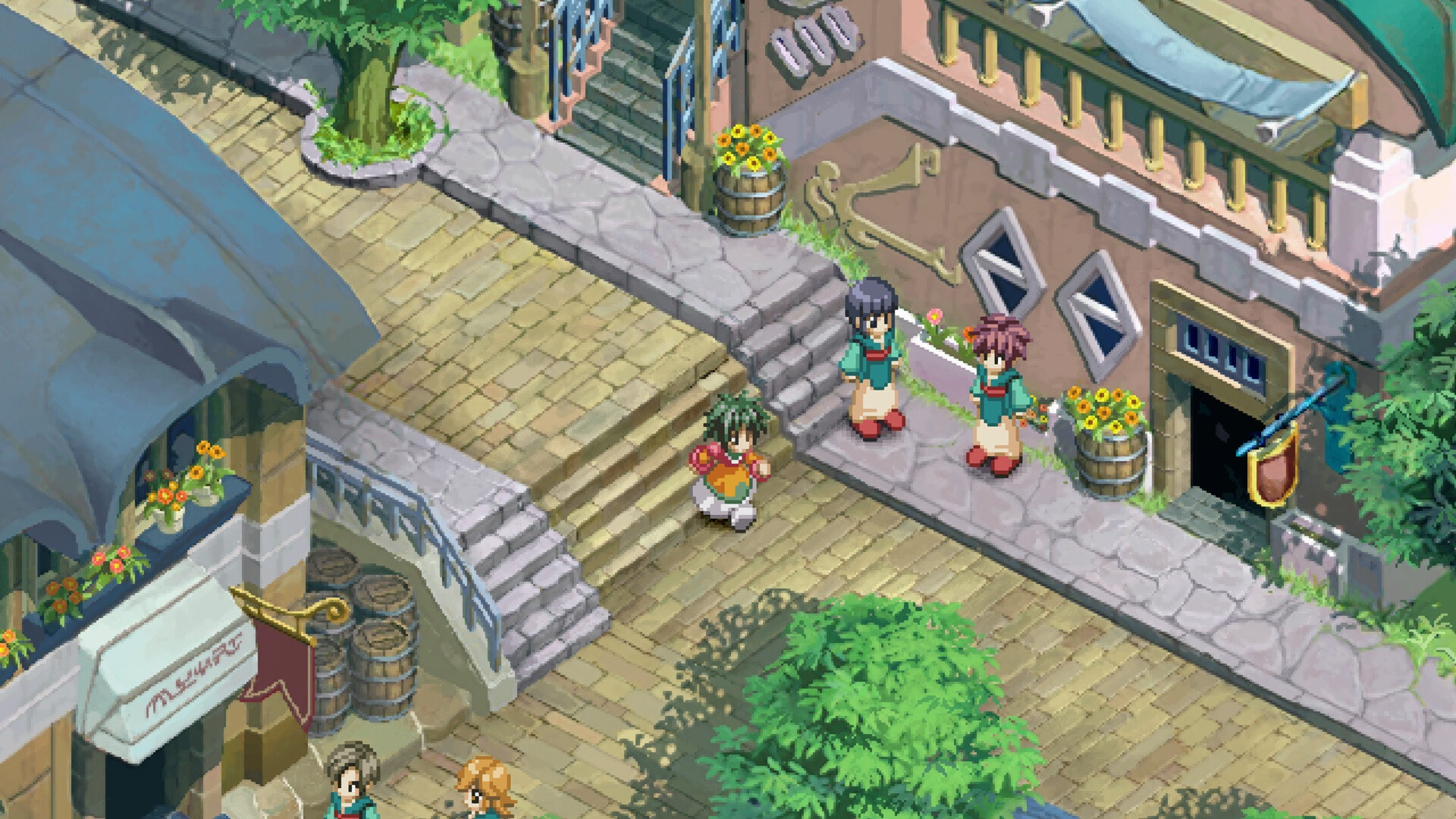
Not only is this game from four console generations ago, but Eternia has always felt like an overlooked entry in the series - at least in the West. On our own feeds here on RPG Site, we've seen numerous responses from fans seeking remasters of Abyss, Legendia, Phantasia, Destiny, or the white whale of various Tales games unreleased in English. Tales of Eternia itself seemed simply ... forgotten.
In a 2021 video (shortly before the release of Tales of Arise), Bandai Namco revealed worldwide sales data for series entries to that point. Eternia ranked 8th globally, largely due to its Japanese release, behind titles like Tales of Destiny, Tales of Phantasia, and Tales of the Abyss — all titles I felt seemed more likely to get the remaster treatment. Eternia didn't rank at all in the top ten in North America, and landed at #9 in Europe.
While Eternia may be something of a black sheep entry in the franchise, it actually may be the Tales of title that had the most to gain from a well-executed modern remaster, outside of Tales games that have never been released in English prior. While something like Tales of Berseria Remastered felt like a minimal update to a game that didn't yet need one, Eternia is practically on the opposite end of the spectrum — an entry that was desperately in need of a modern tune-up, even if it didn't seem to be one that fans were necessarily asking for.
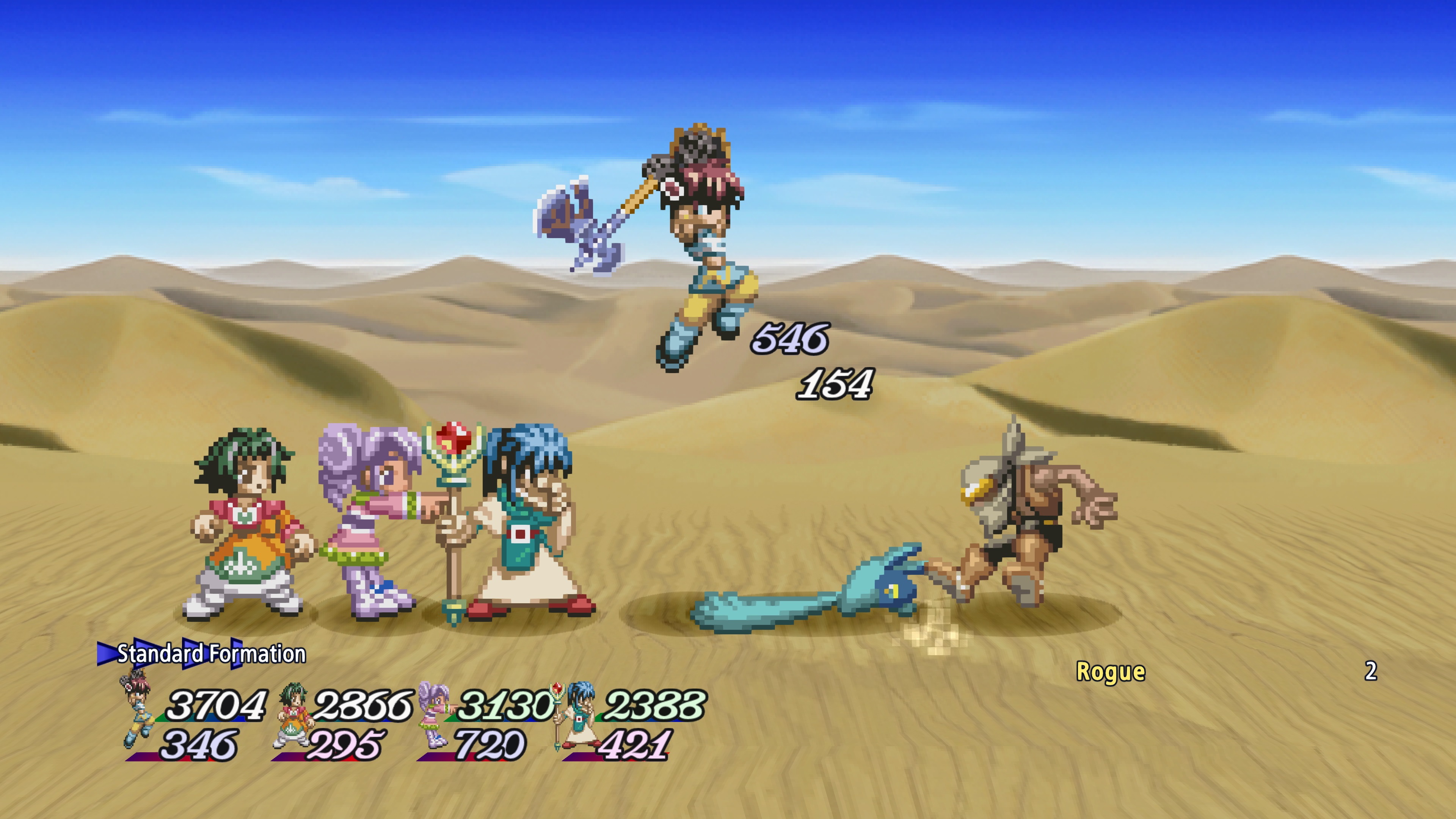
To say Tales of Eternia has had a rocky English localization history is putting it lightly. It originally released in North America for the original PlayStation under the title Tales of Destiny II, and this version never made its way to Europe. This is made even more confusing as Namco released a "real" Tales of Destiny 2 in Japan a year later — an actual sequel to Tales of Destiny, not just usurping the name for a localization.
Tales of Eternia did get a re-release in 2005 for the PSP, the English version of which, due to strange circumstances, was released only in Europe and not North America. While it had the proper title this time around, the English release came with a red flag that's nigh unthinkable in the modern industry. The first print batch of UMDs for this release *all* contained an unavoidable game-breaking bug — known as the Volt Glitch — which rendered the game quite literally unbeatable. As a game that never released digitally, this was something that could only be addressed with a reprint, not a patch. If you ever had the pleasure of buying a second-hand UMD for Tales of Eternia, you were rolling the dice on whether you received a bugged disc or not. I know this from experience, as the PSP copy of Tales of Eternia on my own shelf is one of the broken ones.
That Eternia, of all Tales games, is getting a comprehensive remaster feels like a chance to do right by a game that deserves it; not because it is popular or easy, but because every game warrants a chance to be the best version of itself, whatever its past history may be. It's the opposite of low-hanging fruit; an endeavor that requires considerable effort and diligence, while potentially lacking the commercial upside of other fan-favorite entries.
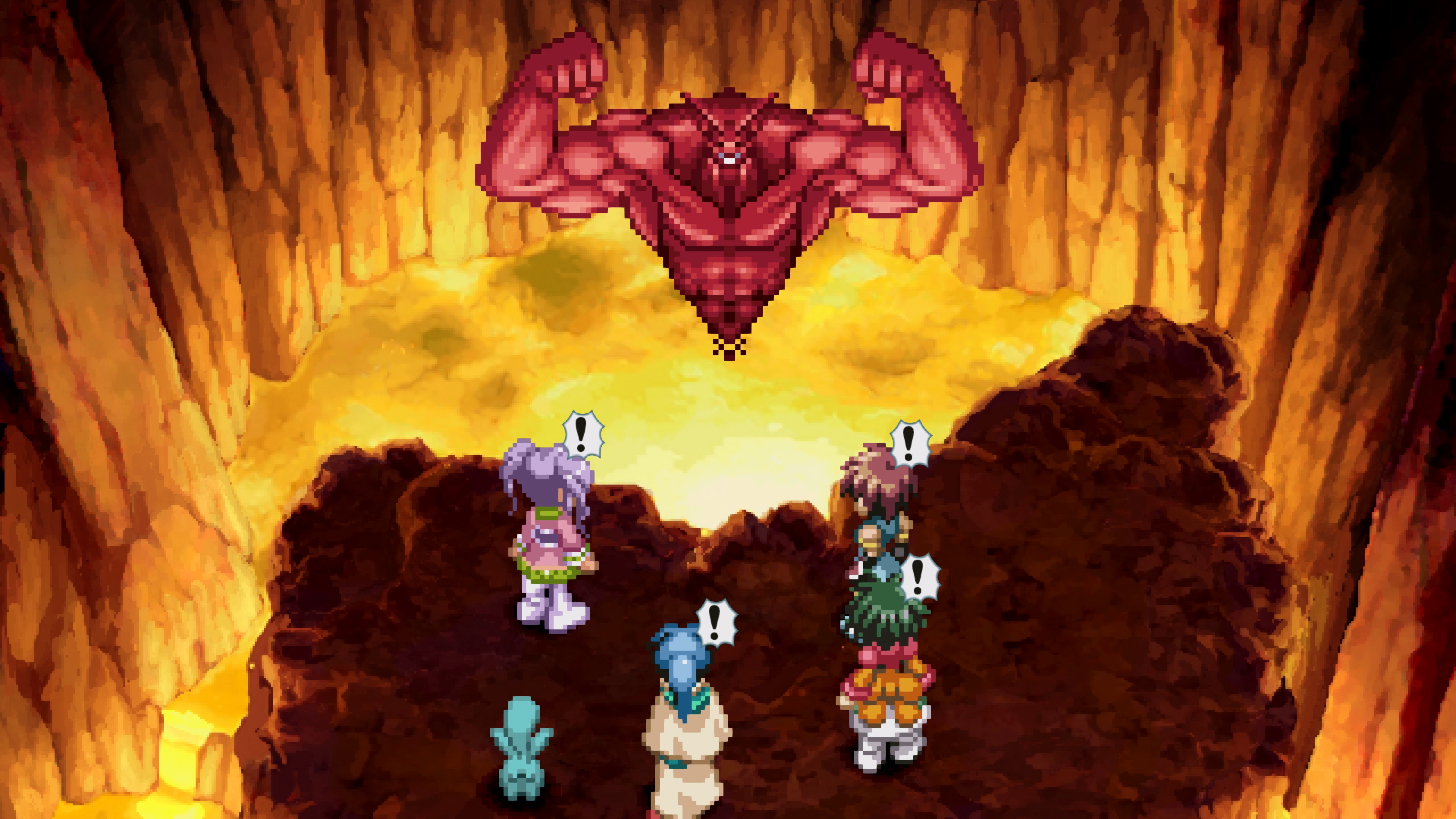
To be honest, I'm not especially interested in evaluating Tales of Eternia in terms of its quality as a game itself. Briefly, it's a turn-of-the-century middle-of-the-pack entry in a long-standing franchise. I'm fond of its arcadey-yet-clunky 2D battle system, and the proto-Symphonia narrative comes across as comfortable, classic RPG storytelling that's not going to surprise anyone. As far as this remaster goes, I'm much more curious about the effort Bandai Namco and TOSE put into giving Tales of Eternia the remaster that it warranted.
We've seen other re-releases of classic PlayStation 1 JRPGs miss the mark to some degree. Grandia HD Remaster still has a blurry sprite filter that no one who grew up with these games actually cares for. Chrono Cross: The Radical Dreamers Edition suffered several serious performance issues in its remaster, although some of these have been alleviated since launch. It would have been easy for Tales of Eternia to be given a low-effort re-release that stumbled over some of the more basic pitfalls, but instead, Eternia Remastered is a thoughtful undertaking that understands the assignment.
The developer behind Eternia Remastered is TOSE, a Kyoto-based studio that has co-developed hundreds of games going back decades, as far back as several Final Fantasy ports on the PlayStation and Game Boy Advance. They were also the studio responsible for Tales of Graces F Remastered, which we felt was a 'lovingly executed refresh'. If there was any developer that I could trust with a classic RPG port, TOSE is at the very least on the shortlist.
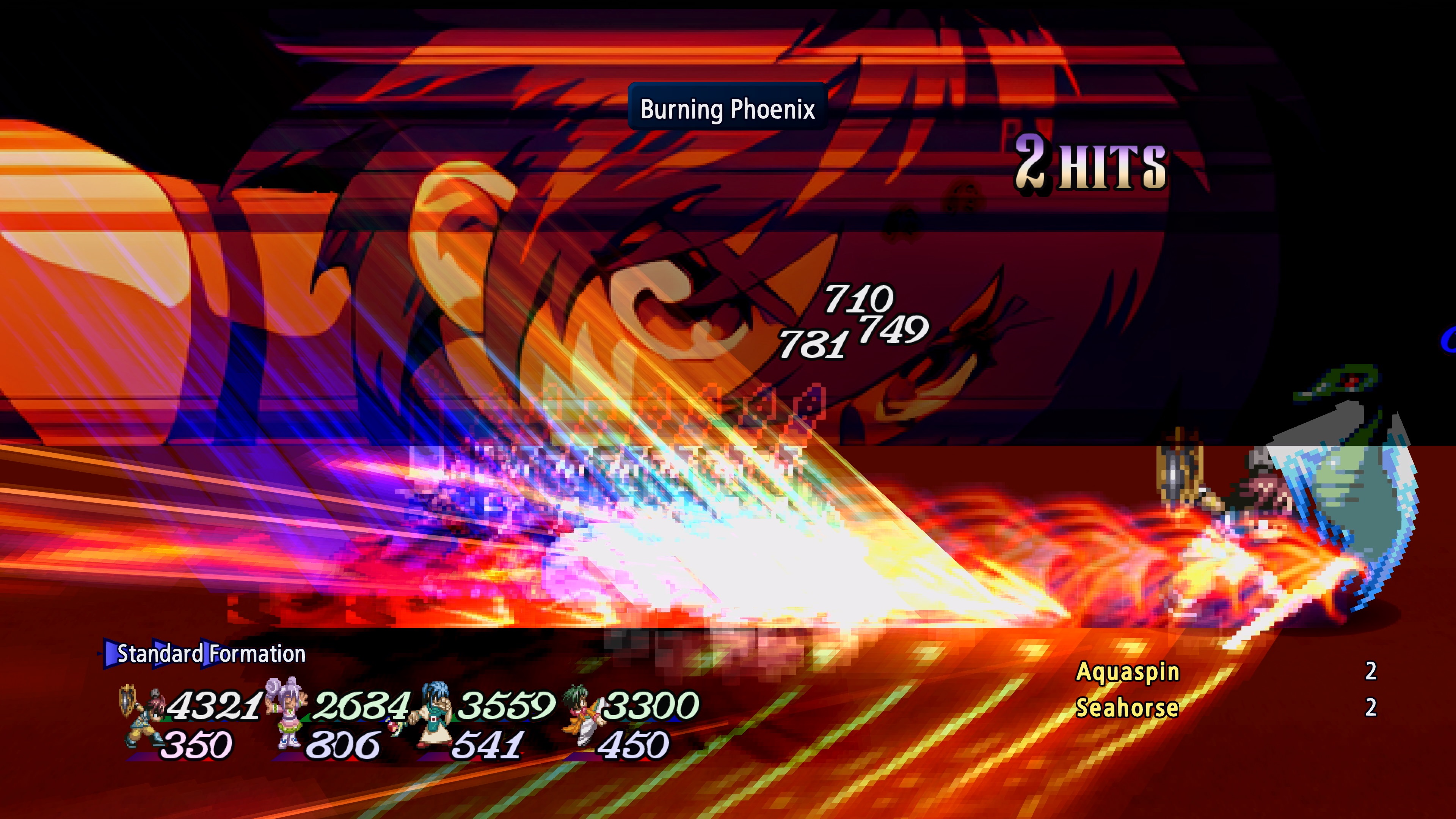
Eternia's remaster comes with a veritable army of additions and adjustments — far too numerous for me to list every single one here. Some adjustments are more typical (but appreciated) for RPG remasters, such as an encounter rate toggle and a New Game+ mode. Others are additions that feel like they should have always been there, like the ability to set 'run' instead of 'walk' as your default movement speed, or the ability to pause/skip scenes. Other adjustments may only be appreciated by those who have played earlier versions of Eternia, such as unlocking Nereid's Labyrinth on a first playthrough, or making a certain Arena match replayable instead of a one-time-only chance.
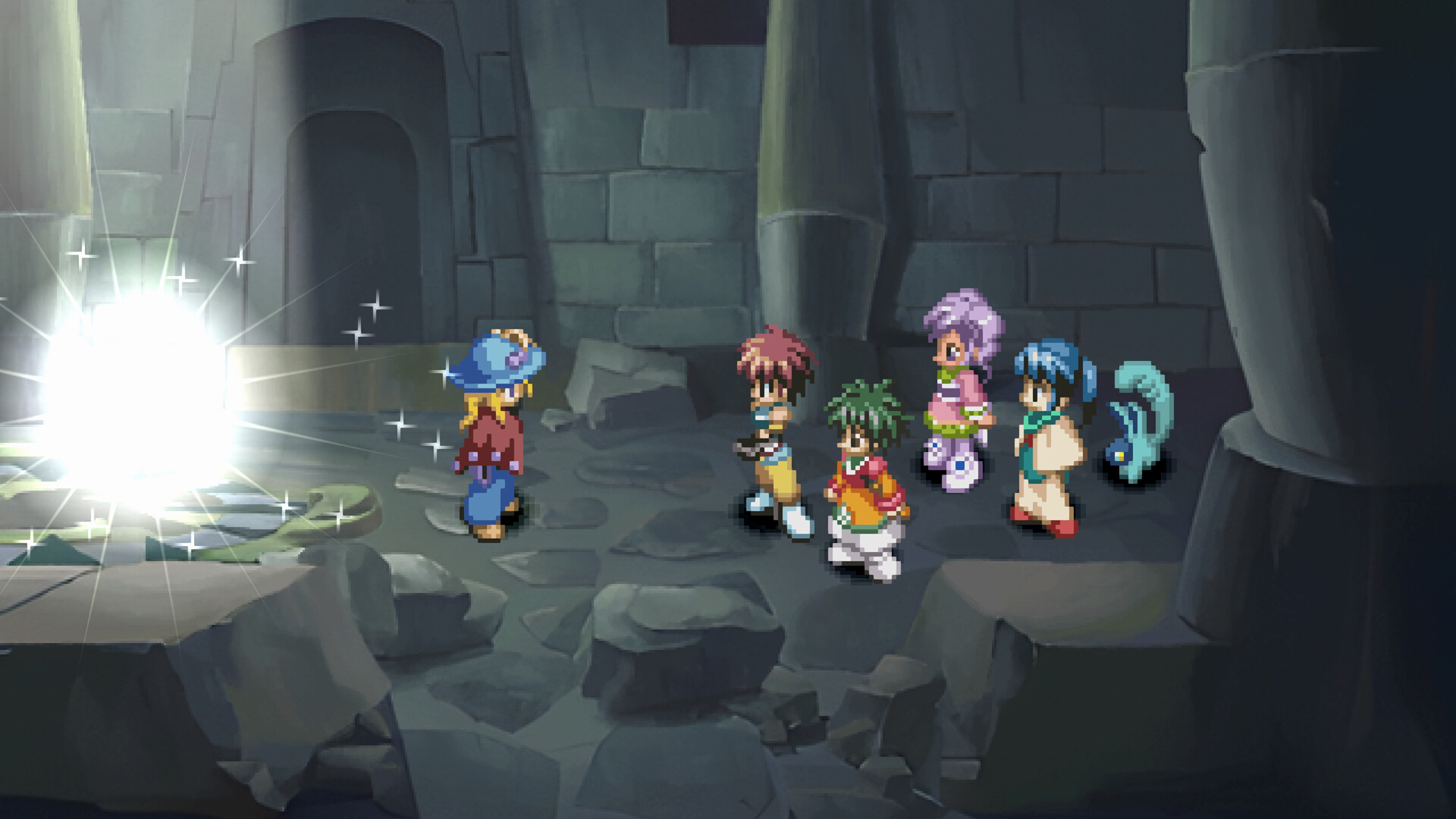
In terms of remaster options, the most welcome is a toggle to switch between 'original' and 'remastered' graphics modes. Considering some remasters of pixel-based games don't allow any options for their presentation, this is something that, honestly, should be more commonplace. Personally, I actually don't mind the redone background art in Eternia Remastered (which you see in most of the screenshots on this page), but the remastered sprites for items on top of that background stick out poorly, be it a treasure chest, item bag, or Load Point. It's worth noting that the sprites for the characters themselves are actually unchanged regardless of setting, which makes the other 'remastered' sprites stick out in contrast even moreso.
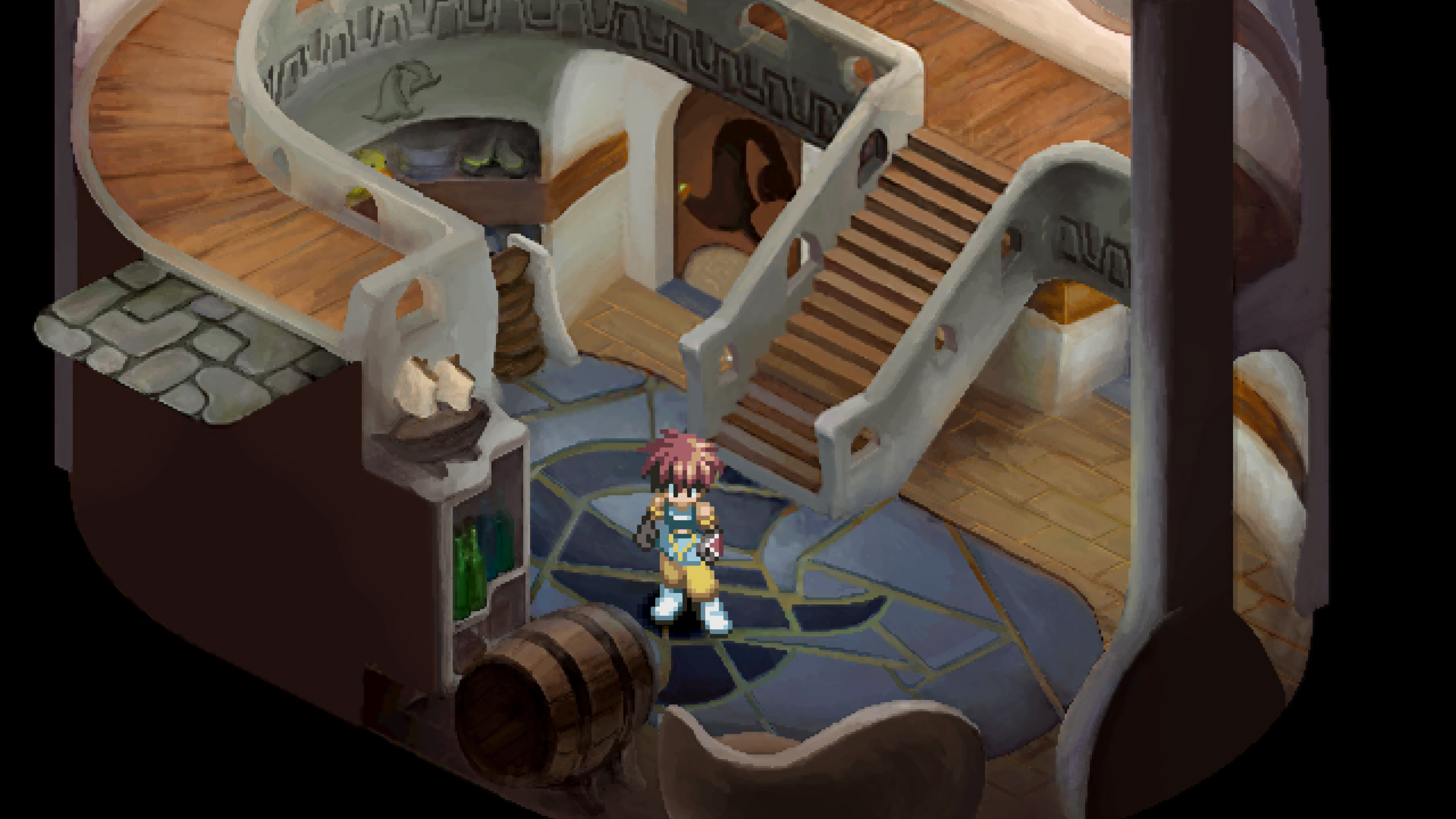
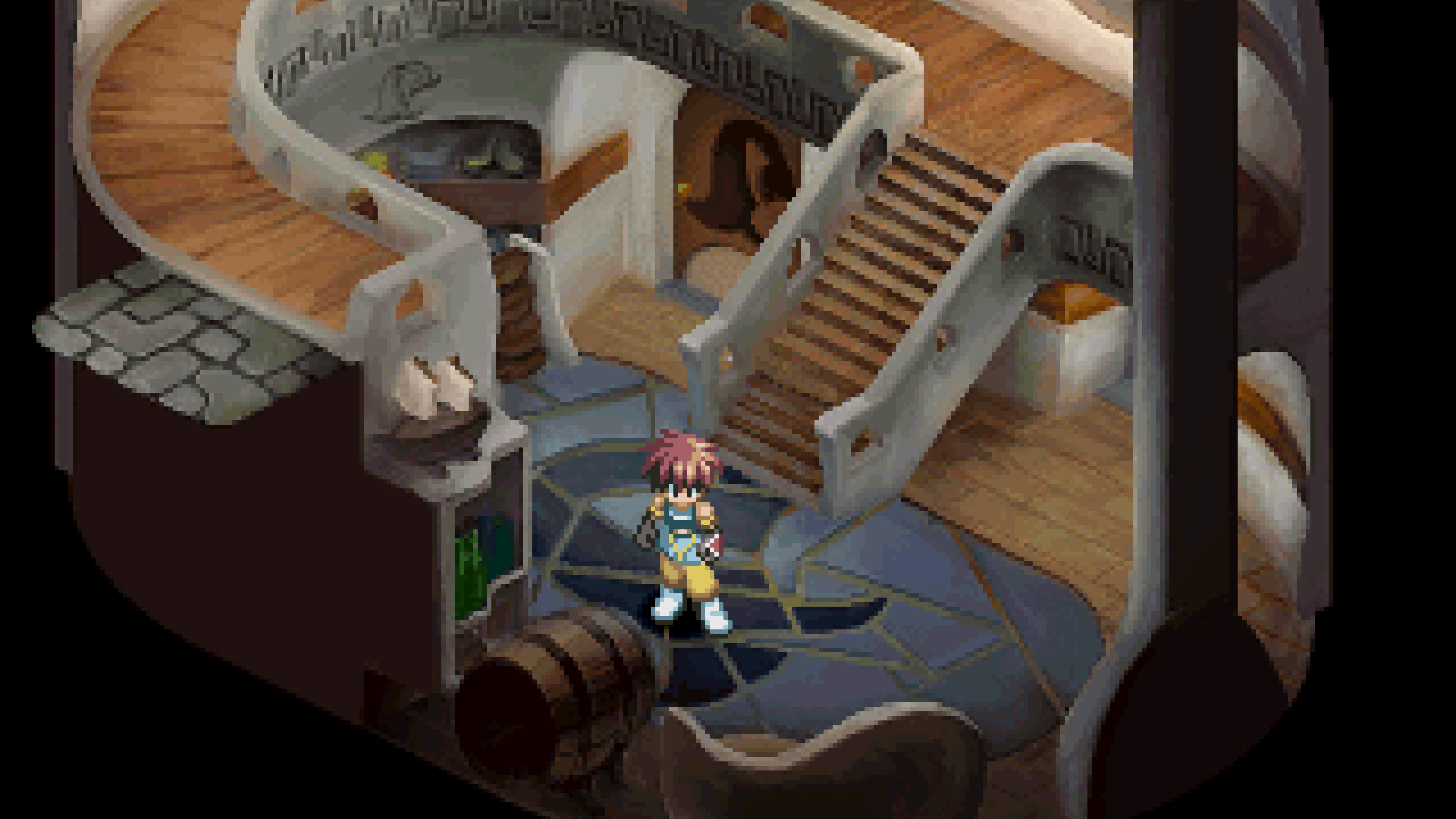
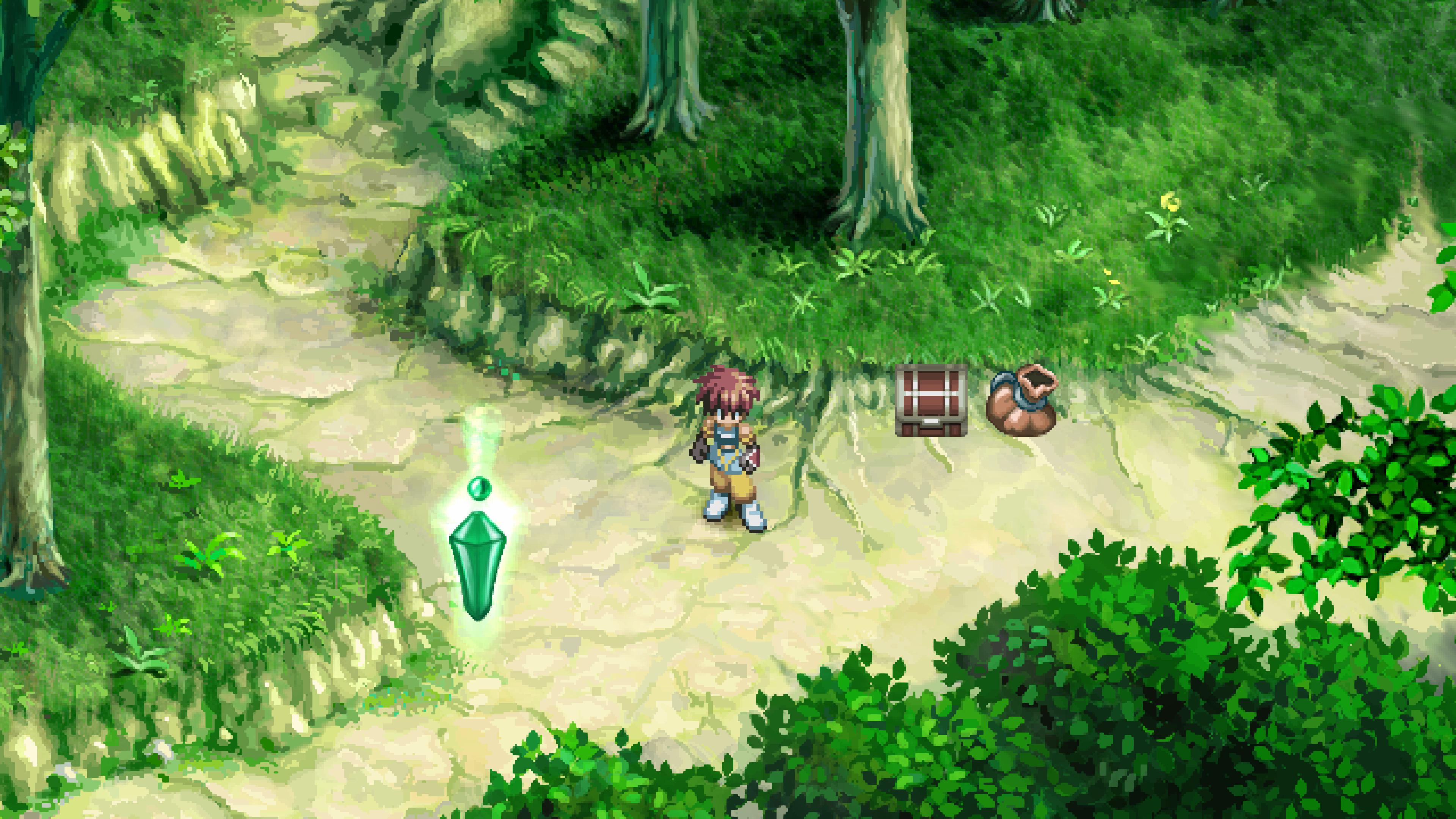
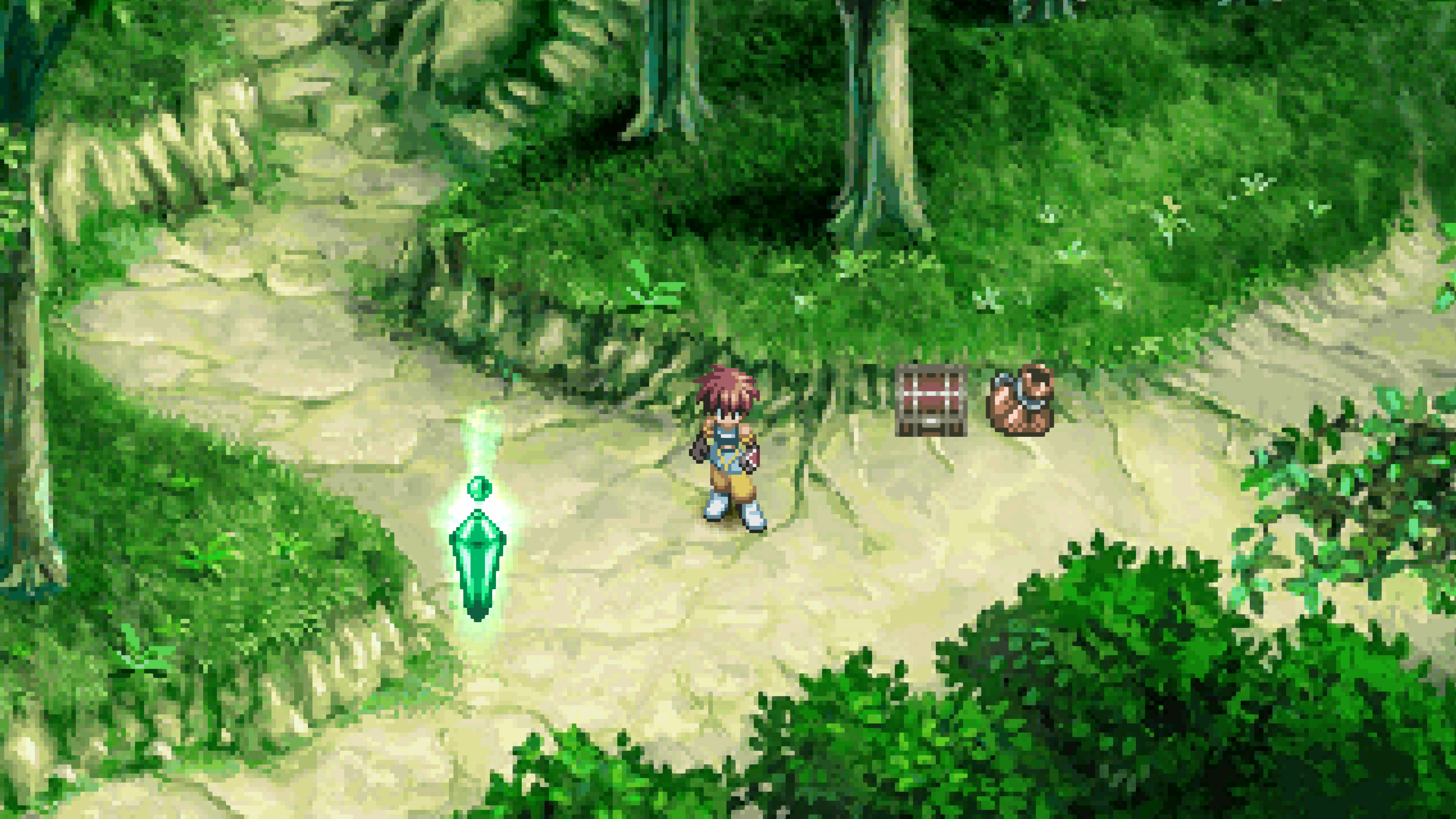
The remaster also adds objective icons (which can be toggled off), which not only point out where you need to go to proceed with the main storyline, but also where sub-events are available and whether they are limited in availability. Any Tales series fan knows that, especially in the older entries, sometimes these sorts of sub-events were easily missed (and sometimes a little obtuse), so having the game outline these is a welcome addition for those who want it.
The remaster also comes with numerous adjustments to item and skill names, some of which are known to those who have played several Tales titles. Merenol is now Mjolnir, WakeUp Charm is now Stun Bracelet, Reflect is Reflex, Pico Revenge is now Pow Hammer Revenge, just to name a few examples.
Probably the single most noteworthy outright addition for those of us in the West is the inclusion of Skits, something that was omitted from the previous English releases. Anyone who has played Tales is familiar with these: small bits of banter between the characters that might be simply silly or amusing, but also can help complement character writing or world-building.
I actually went back to play a bit of my (forever-broken) PSP version of Tales of Eternia to see how it felt in comparison to the remaster. Immediately, having to hold down a button to force my sprite to run got tedious quickly, and the lack of Skits led to the game feeling like it's simply missing a part of its soul. Some things we take for granted also aren't there, like the ability to load a save from the menu (as it requires an outright restart of the software instead), and of course, the load times become something you have to deal with. The older translation and voice acting also quickly reminded me that, yeah, this is from the early 2000s.
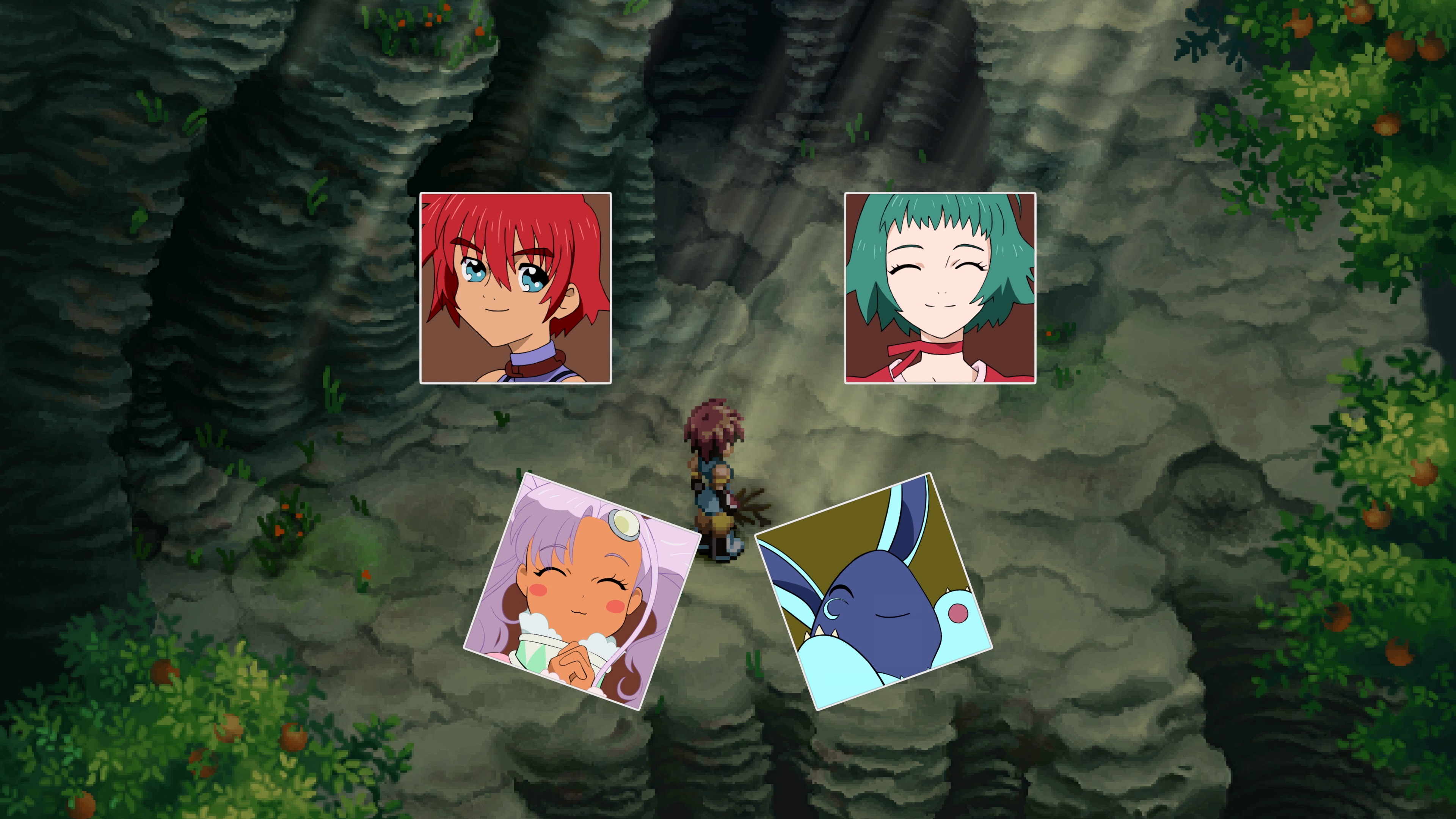
That said, the remaster also comes with a brand-new English dub, which includes most main story scenes and more than 250 skits in the game. While some may have nostalgia for the corny charm of the original voices, Eternia benefits from both improved localization and voice performance, and the new cast does a remarkable job. Unfortunately, it seems like the new English voice-over cast is not credited in the game (although audio studio Cup of Tea is), something that the series has struggled with throughout its history. Luckily, the game's newly done translations (including the redone English script) do seem to have all been properly credited, with the English translation done by Side. There is, of course, the option to use Japanese voices as well.
There are a few components that purists of the original PlayStation release may find disappointing. There's no way to play the remaster in a 4:3 format if you're trying to recreate the feel of the original, and you can't use the original English voices, which, while very "90s" in quality, some may find charming or nostalgic. There's also no visual option to emulate a "CRT" like visual filter over the effects, although I'm sure PC players will be able to externally apply one if they choose to. However, considering all the other adjustments and additions, big and small, made to the remaster, I find it hard to argue that you'd be better off playing the earlier versions.
As strange a comparison as it may be, Tales of Eternia Remastered actually reminded me of something that storefront GOG stated a few years ago when it brought back Alpha Protocol from a delisting: "Allowing video games history, once-loved gems, to be lost in time, is something we cannot just stand and watch – we fight, for current and future generations to be able to enjoy games; all games, not just the newest, popular releases."
Tales of Eternia Remastered gives an overlooked entry in the franchise a new lease on life with a remarkable and thoughtful remaster. That Bandai Namco decided to give Tales of Eternia, of all games, a remaster like this is something that should be strongly commended — not simply because Namco is trying to appease a fandom that was clamoring for it, because that didn't seem to be the case. Perhaps I'm being too generous, but while some people may see this as simply filling in a slot in the release schedule as we wait for the next 'new' Tales, I choose to see it as proper stewardship of Bandai Namco's back-catalog — and I just hope other franchise titles are yet to come.