

How to play Nioh 1, 2, and 3 in chronological history order with a focus on the Warring States period
The Nioh series may be better known to the more general gaming audience for its challenging battles and gameplay systems. However, these titles are particularly made by Koei Tecmo Games, which has been better known in the Eastern gamer base for producing history-based games.
Koei Tecmo is particularly known to have released game series based on Japanese history with a more particular focus on the 16th-century Warring States (Sengoku) period, such as Nobunaga's Ambition, Samurai Warriors, and Kessen.
Nioh is also a game title based on the same historical period. Subsequent releases in the series gradually covered more parts of history. As such, we have tried compiling a comprehensive timeline of the historical events and battles covered in the series, with a focus on the popularly covered Warring States era.
Take note that while this article is made with thorough historical research, the historic events also form most of the plot points in the Nioh series' storyline. As such, a Spoiler Warning is in effect for the article.
Start with Nioh 2
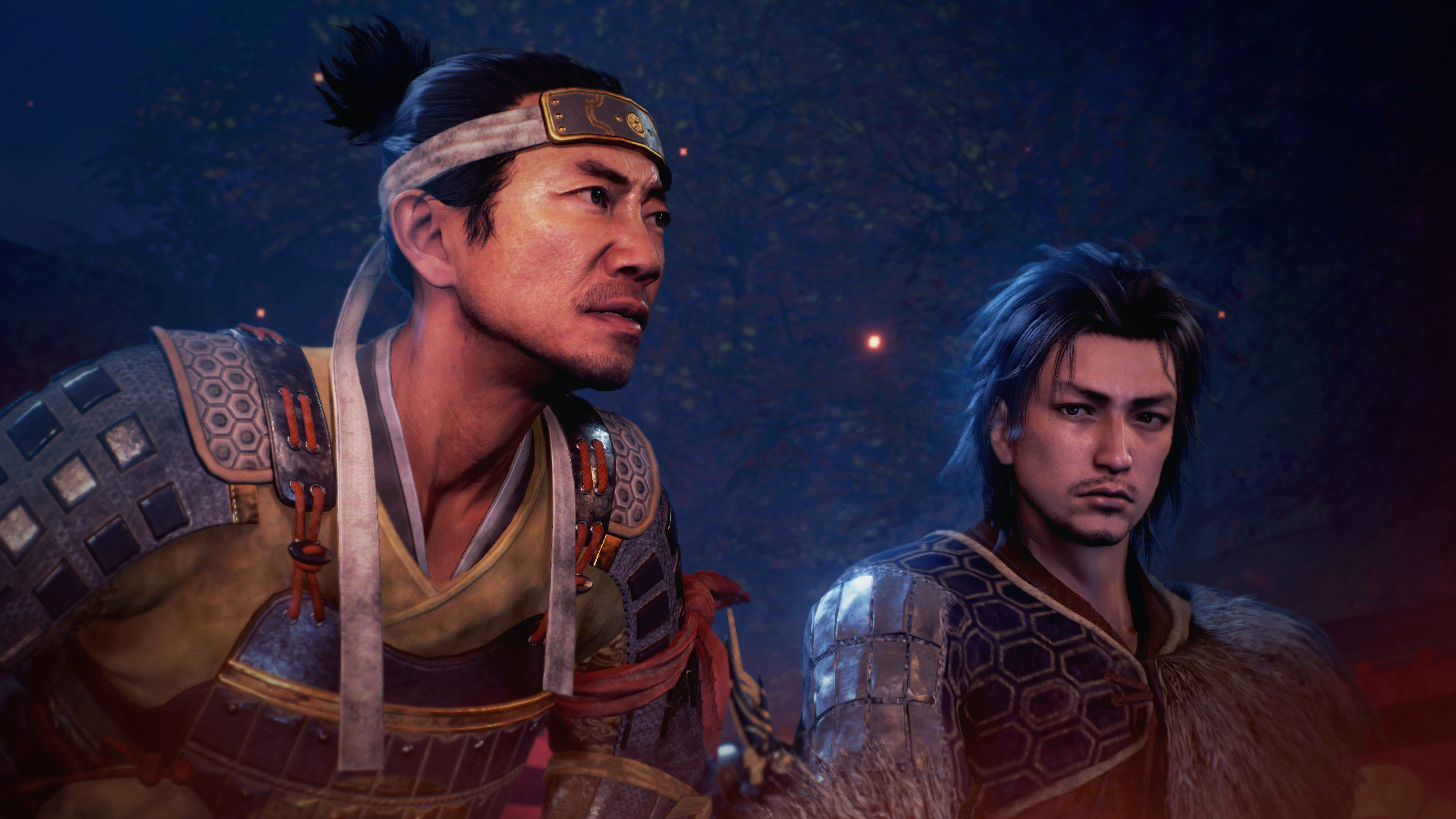
The best way to experience a chronological playthrough of the Nioh series is by starting with Nioh 2. Your avatar Hide will meet Tokichiro, and the two of you will eventually go to serve under Oda Nobunaga. You will gradually raise your fame with the name Hideyoshi in the battles of Okehazama and Inabayama, until Nobunaga's brother-in-law Azai Nagamasa turns against him.
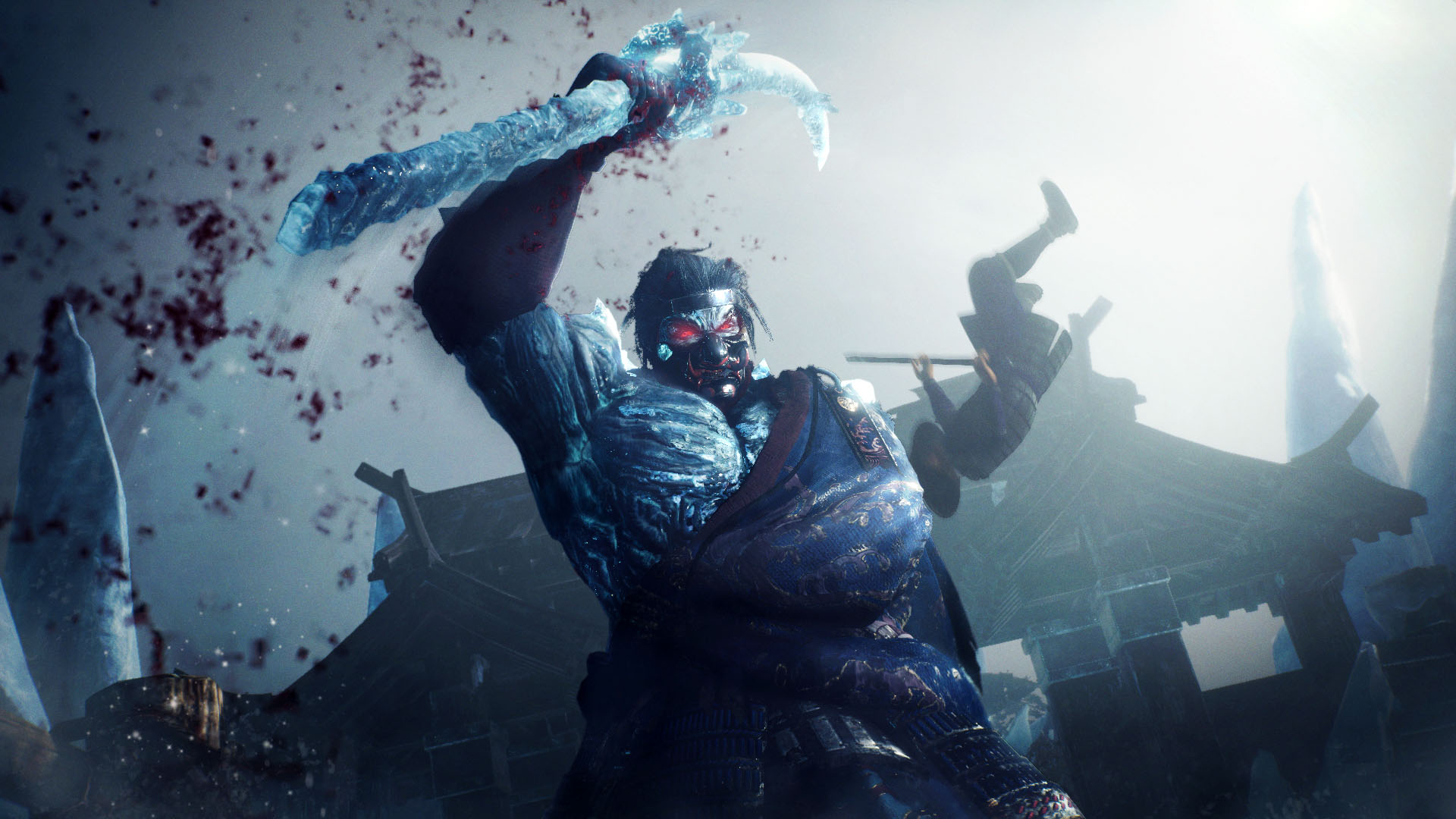
Continue your playthrough until the Battle of Anegawa. In Nioh 2, this battlefield will have an icy theme (despite historically taking place in the summer of 1570), and the boss fight will be against the Asakura general Magara Naotaka, who has been yokaified into a blue giant.
Now that Nioh 3 has appeared with a new chapter that takes place after this battle, it's time to move briefly to the new game.
Go to Nioh 3's Warring States era
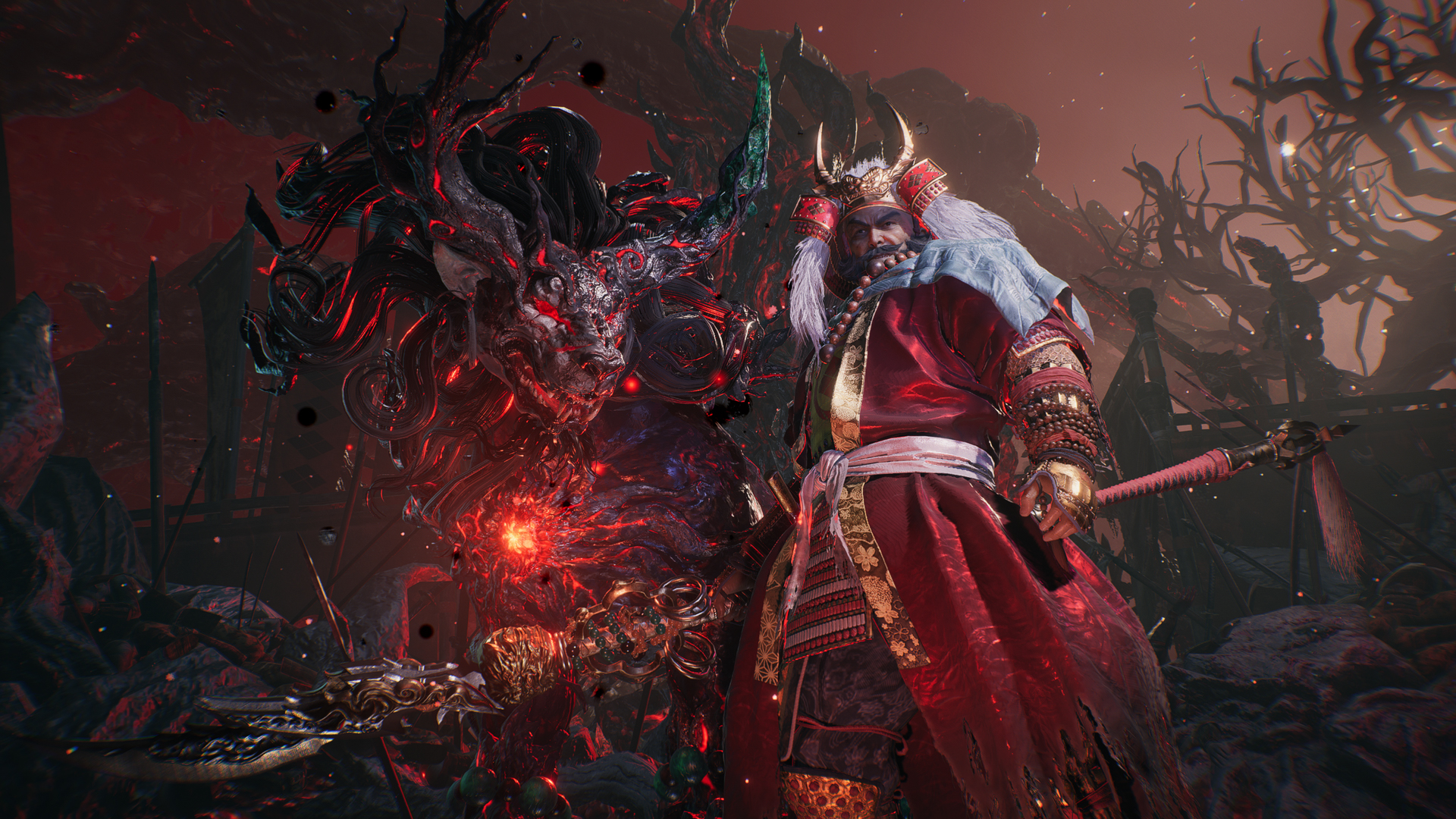
You will inevitably experience a time leap this way, since Nioh 3's story starts at Tokugawa Takechiyo's inauguration in 1622. But shortly after the prologue stage, you will be whisked away to the year 1572.
This was when the Takeda launched the Seijo campaign on the Tokugawa lands, which resulted in the battles of Hitokoto Slope, Futamata Castle, and Mikatagahara in the game. Although the Tokugawa were overwhelmed in all these battles, they were able to stage some counterattacks by deceiving Shingen with the empty castle plot at Hamamatsu and then raiding the Takeda fort at Saigagake.
While the game's depictions ended with the Saigagake raid, the historical campaign continued with the Battle of Noda Castle in 1573. The campaign was brought to a halt when Takeda Shingen finally succumbed to his illness in the year.
Continue your Nioh 2 playthrough
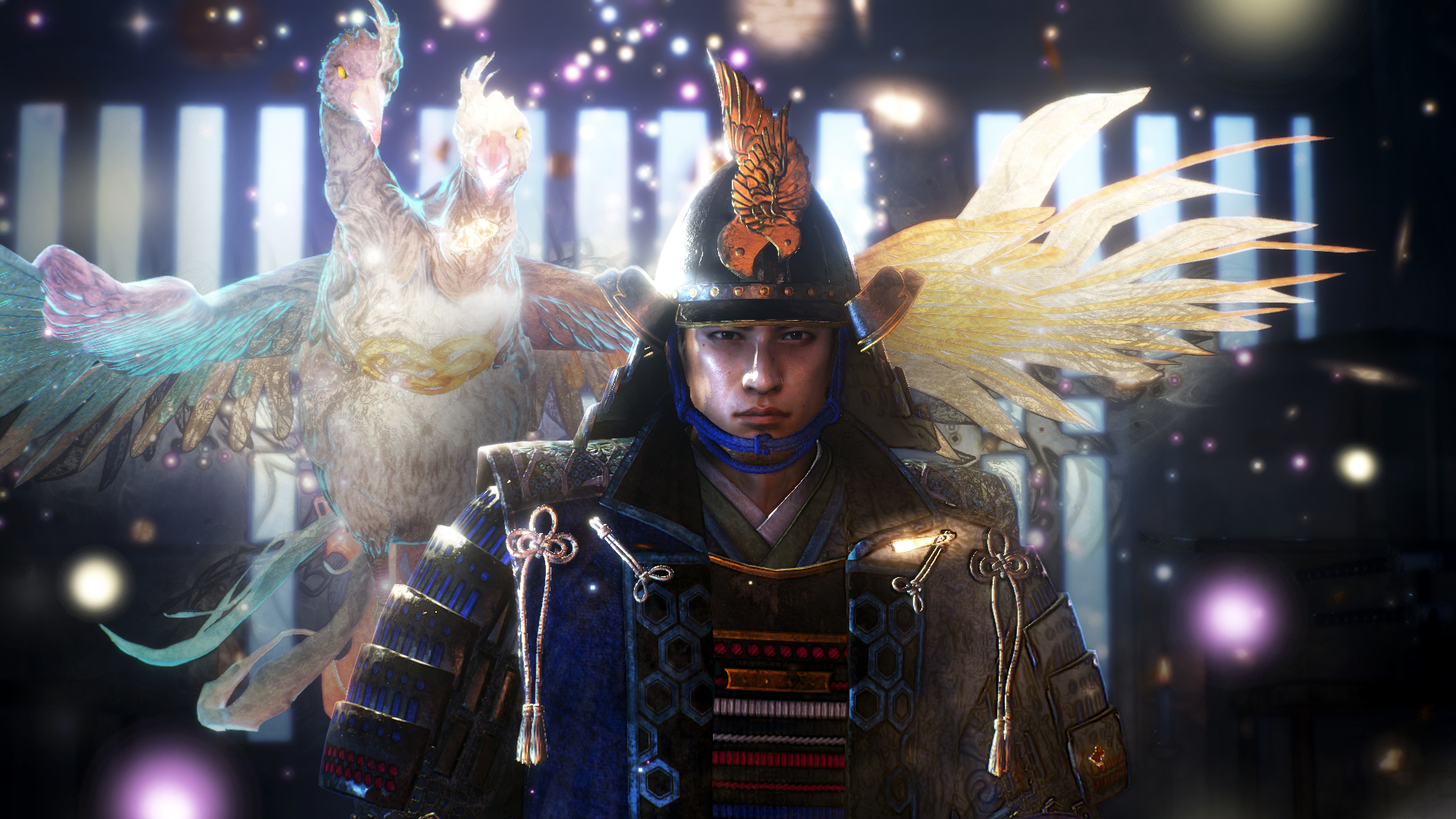
You are now back in Hide's viewpoint, as your liege Oda Nobunaga decides to eliminate Azai Nagamasa for good at Odani Castle in 1573. Then following a lengthy war against Honganji, along with many other Oda conquest campaigns, Akechi Mitsuhide would stage a coup against Nobunaga at Honnoji in 1582.
Hideyoshi would soon avenge Nobunaga's death at the Battle of Yamazaki. While Mitsuhide was historically stated to die on Mt. Tenno, the Nioh series follows the popular fiction theory that Mitsuhide survives the battle and assumes a new identity as the priest Nankobo Tenkai.
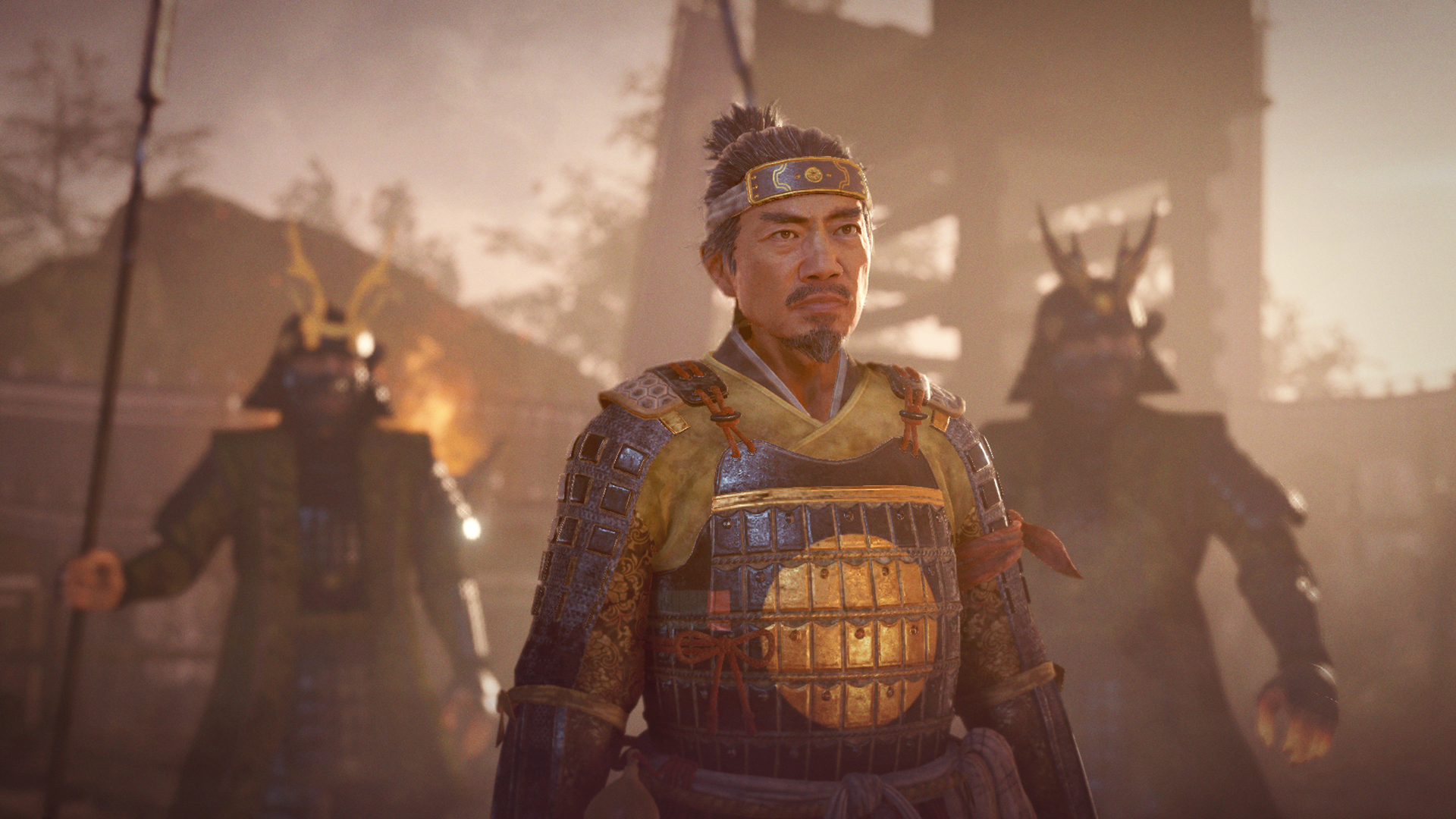
After the historical Battle of Komaki-Nagakute, there will be some original lore and time skip until Toyotomi Hideyoshi (a.k.a. Tokichiro) completed his unification of Japan in the 1590s. Continue the Dream arc story until you see a certain Westerner arriving in Japan on a wrecked ship. That's the time to make a long pause on your Nioh 2 progress and boot up the first Nioh.
Play the entirety of Nioh 1 and its DLCs
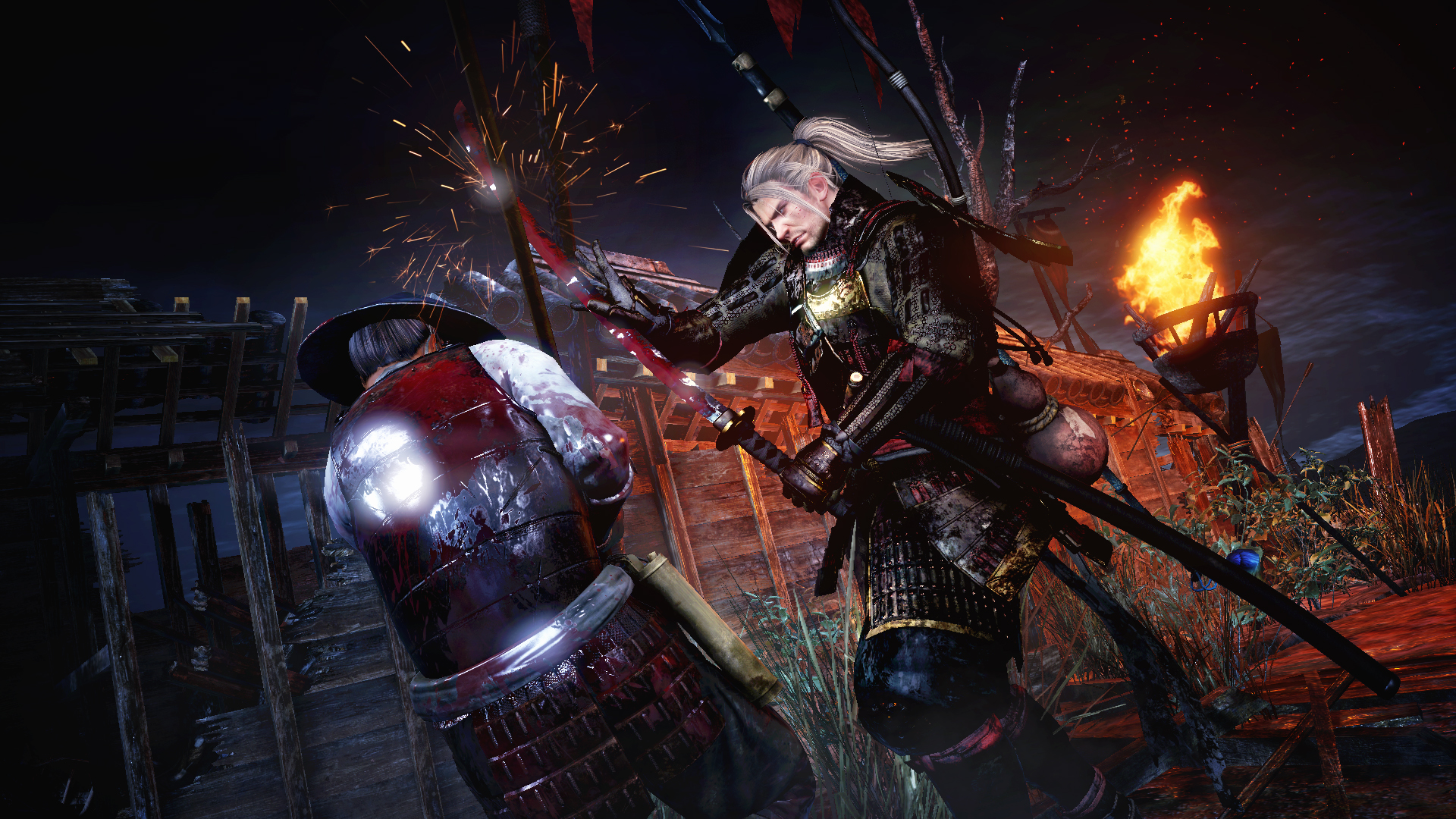
The next arc in the Nioh series will play entirely from the viewpoint of the above foreigner in the first Nioh. Loosely inspired by the historical Englishman William Adams, the Irishman William will gradually make his way to central Japan to meet Tokugawa Ieyasu, who will then enlist him into his army for the major battle in Sekigahara against Toyotomi loyalists under Ishida Mitsunari in the year 1600.
The DLC expansions for the first Nioh gradually cover the Winter 1614 and Summer 1615 Sieges of Osaka, which were also the final battles between the Tokugawa and Toyotomi.
Finish Nioh 2 and its DLCs
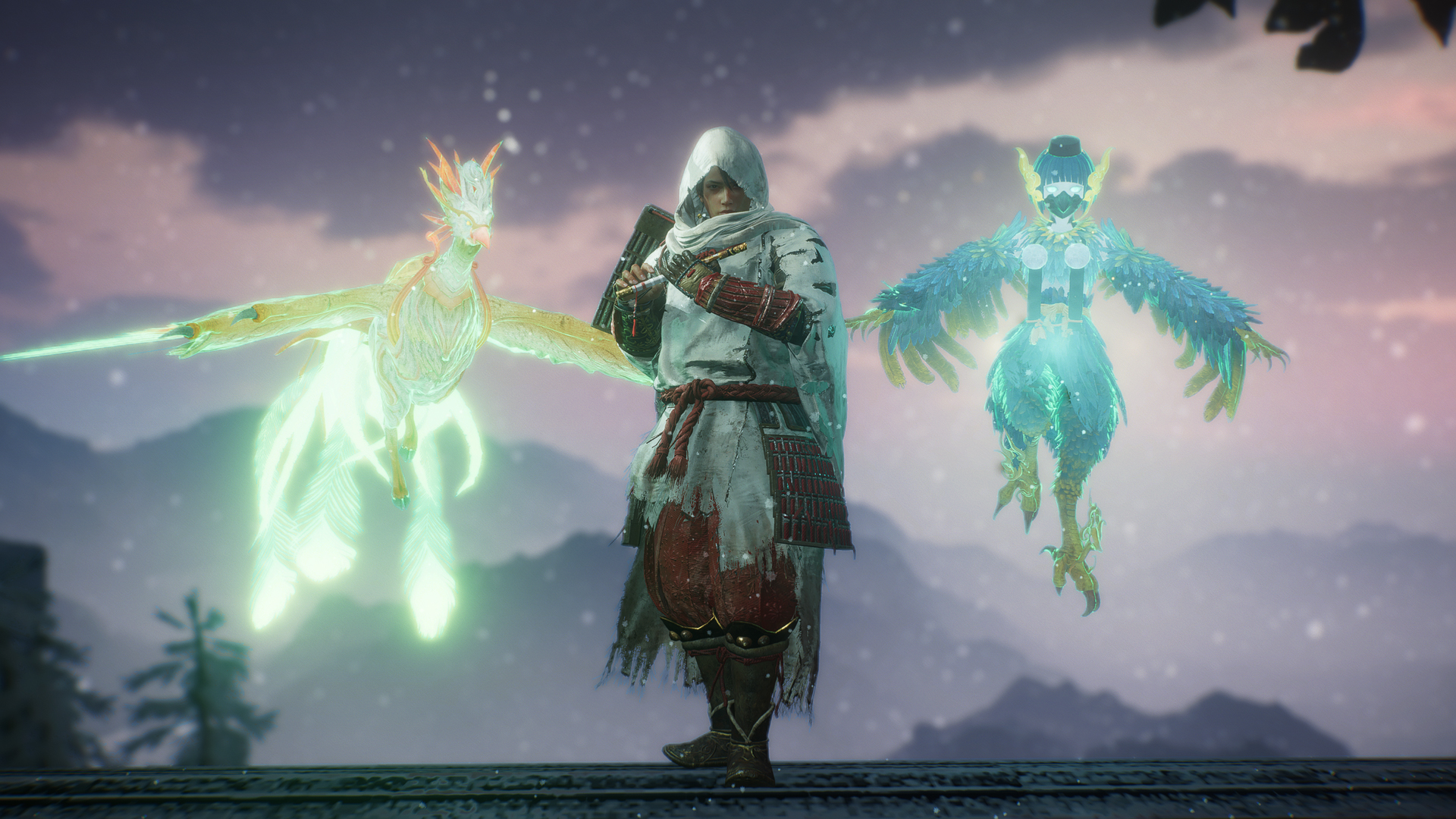
Now that all the major battles in the Warring States period have concluded, you are fully prepared to witness the grand finale, concluding the storylines of the first two Nioh entries in Nioh 2's final chapter.
Nioh 2's DLC packs would then shift the focus to the earlier Heian period, but the compulsory rating of each DLC varies by iteration. I would say playing through the first DLC pack (The Tengu's Disciple) is highly recommended or even almost necessary if you are to continue your Nioh 3 playthrough, as the next chapter in Nioh 3's story will take place right after this DLC, which happened in the late Heian era (1185-1189) and starred Minamoto no Yoshitsune, one of Japan's top popular heroes.
The second one (Darkness in the Capital) has a less pressing necessity but is still recommended, as you can catch up with the characters who will appear in Nioh 3's Heian map as relic mentions or even revenants. I would then say the last one (The First Samurai) is completely optional for this context.
Play through the rest of Nioh 3
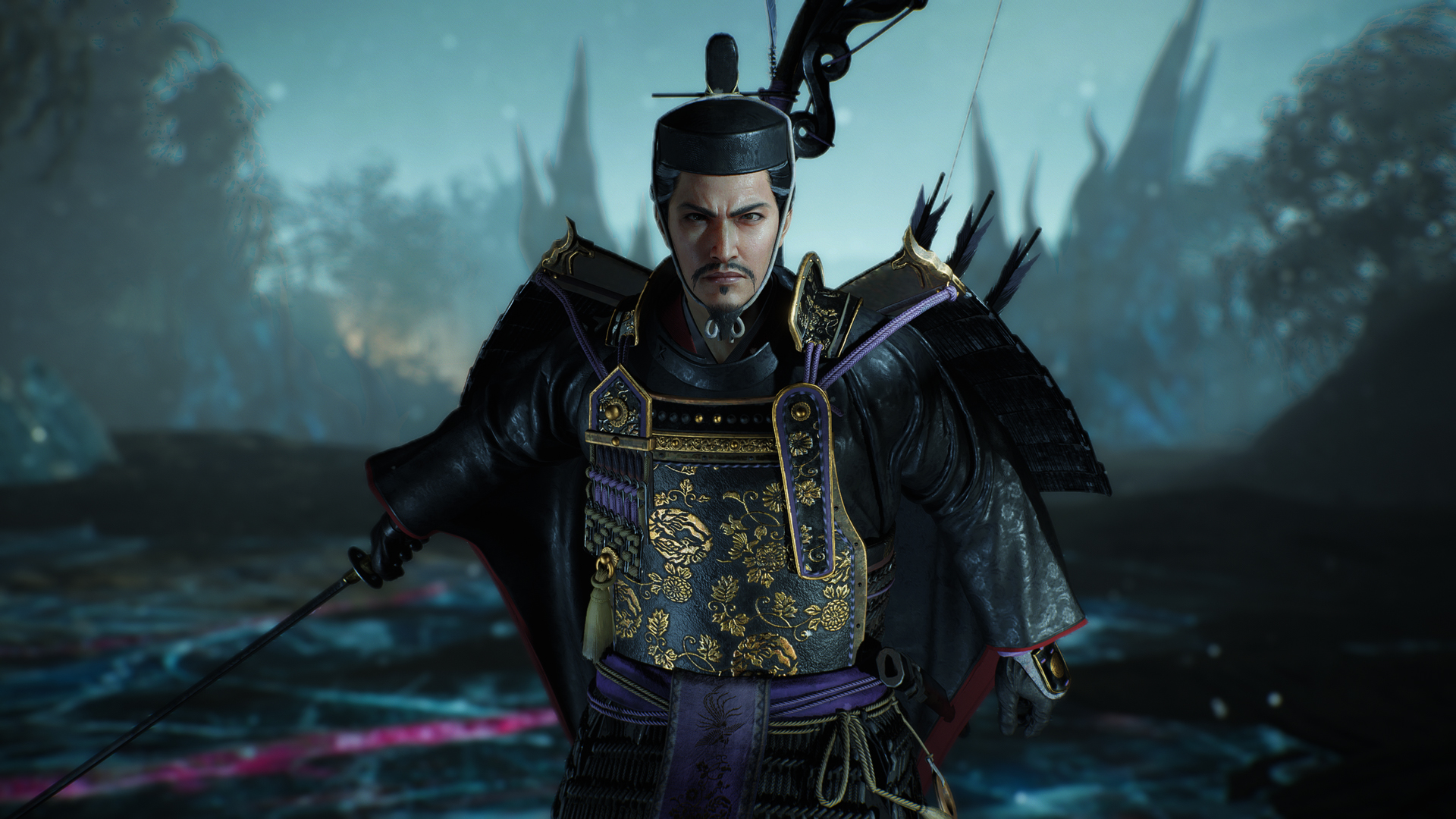
If you have followed my earlier advice, you will have cleared at least the first DLC of Nioh 2 and be ready to experience the Heian era storyline in Nioh 3, which takes place shortly after the events of the former.
This episode is actually loosely inspired by Minamoto no Yoritomo's visit to Kyoto in late 1190, as he was consolidating power in a transitional period, and he would eventually establish the Kamakura shogunate in 1192. However, there is a lot of fiction infused here, one of which is the popular hero Minamoto no Yoshitsune staying alive. Historically speaking, the latter was supposed to have died together with Benkei at the Battle of Koromo River that took place at the end of Nioh 2's DLC1 storyline.
The rest of Nioh 3's storyline will feature mostly original storytelling. The Yamatai Kingdom in the Antiquity era has few detailed sources, though it is worth noting that the year 247 was historically the twilight year of Queen Himiko, who died either in that year or the following 248. Meanwhile, the futuristic Bakumatsu era in this game would be massively distorted via the events triggered by Tokugawa Kunimatsu in Nioh 3's prologue.
And while the order of DLC packs for Nioh 3 would make more sense for the in-game lore, the events historically took place in a different order. The first DLC pack, titled "Hell Rising" in English or "Keian Hell Disaster" in Japanese, takes place in the year 1651. The third shogun Tokugawa Iemitsu (Takechiyo) historically died in this year, and the Keian Uprising happened not long after that. The latter event served as the inspiration for not only this game's first DLC but also the main story of Fate/Samurai Remnant.
Meanwhile, the 2nd DLC pack has since been named "Bloody Insurrection" in English and "Amakusa Rebellion" in Japanese. This pretty much confirms that it will depict the Shimabara Rebellion in 1637-1638.
Summary of Events
Heian Era
- 797 - Sakanoue no Tamuramaro's slaying of Otakemaru (Nioh 2 DLC3 - Legendary)
- 976 - Rivalry between Abe no Seimei and Ashiya Doman (Nioh 2 DLC2 - Legendary)
- 1185 - Battle of Dan-no-Ura (Nioh 2 DLC1 - Minamoto vs Taira)
- 1189 - Battle of Koromo River (Nioh 2 DLC1 - Minamoto no Yoshitsune vs Fujiwara no Yasuhira)
- 1190 - Minamoto no Yoritomo's visitation to Kyoto (Nioh 3)
Warring States Era
- 1556 - Death of Saito Dosan (Nioh 2)
- 1560 - Battle of Okehazama (Nioh 2 - Oda vs Imagawa)
- 1567 - Battle of Inabayama Castle (Nioh 2 - Oda vs Saito)
- 1570 - Battle of Kanegasaki (Nioh 2 - Oda-Tokugawa vs Azai-Asakura)
- 1570 - Battle of Anegawa (Nioh 2 - Oda-Tokugawa vs Azai-Asakura)
- 1572 - Battle of Hitokoto Slope (Nioh 3 - Tokugawa vs Takeda)
- 1572 - Battle of Futamata Castle (Nioh 3 - Tokugawa vs Takeda)
- 1573 - Battle of Mikatagahara (Nioh 3 - Tokugawa vs Takeda)
- 1573 - Battle of Odani Castle (Nioh 2 - Oda vs Azai)
- 1578 - Ishiyama Honganji War (Nioh 2 - Oda vs Honganji - The actual war ran from 1570 to 1580)
- 1582 - Incident at Honnoji (Nioh 2 - Akechi vs Oda)
- 1582 - Battle of Yamazaki/Tennozan (Nioh 2 - Hashiba vs Akechi)
- 1583 - Battle of Shizugatake (Nioh 2 - Hashiba vs Shibata)
- 1584 - Battle of Komaki-Nagakute (Nioh 2 - Tokugawa vs Hashiba)
- 1598 - Death of Toyotomi Hideyoshi (Nioh 2)
- 1600 - William Adams' arrival in Japan (Nioh 1)
- 1600 - Battle of Fushimi Castle (Nioh 1 - Tokugawa vs Ishida)
- 1600 - Battle of Sekigahara (Nioh 1 - Tokugawa vs Ishida)
- 1600 - Battle of Sawayama (Nioh 1 - Tokugawa vs Ishida)
Edo Era
- 1614 - Winter Siege of Osaka (Nioh 1 DLC2 - Tokugawa vs Toyotomi)
- 1615 - Summer Siege of Osaka (Nioh 1 DLC3 - Tokugawa vs Toyotomi)
- 1622 - Tokugawa Iemitsu's Shogun Inauguration (Nioh 3 - The actual inauguration historically happened in 1623)
- 1637 - Rebellion at Shimabara (Nioh 3 DLC2 - Tokugawa vs Amakusa)
- 1651 - Historical death year of Tokugawa Iemitsu (Nioh 3 DLC1)
- 1651 - Keian Uprising (Nioh 3 DLC1 - Tokugawa vs Yui Shosetsu)