

Towerborne Interview: Stoic Discusses 1.0 Release, Supporting Solo Players, Improving Combat, and More
After releasing Towerborne in early access all the way back in September 2024, Stoic Studios has spent the last two years tweaking and refining the game's formula and vision. All of that culminates in the game's 1.0 release this week. As I said in my review, Towerborne has undergone some significant changes with the full release, to the point that it almost feels like a different game entirely, and fascinatingly plays to Stoic's storytelling strengths. With Towerborne's 1.0 release, RPG Site had the chance to talk to Design Director Shana Markham and Lead Combat Designer Isaac Torres, digging into how the game's early access and player reception molded it into its current version. You can find our conversation below, which has been slightly edited for clarity.
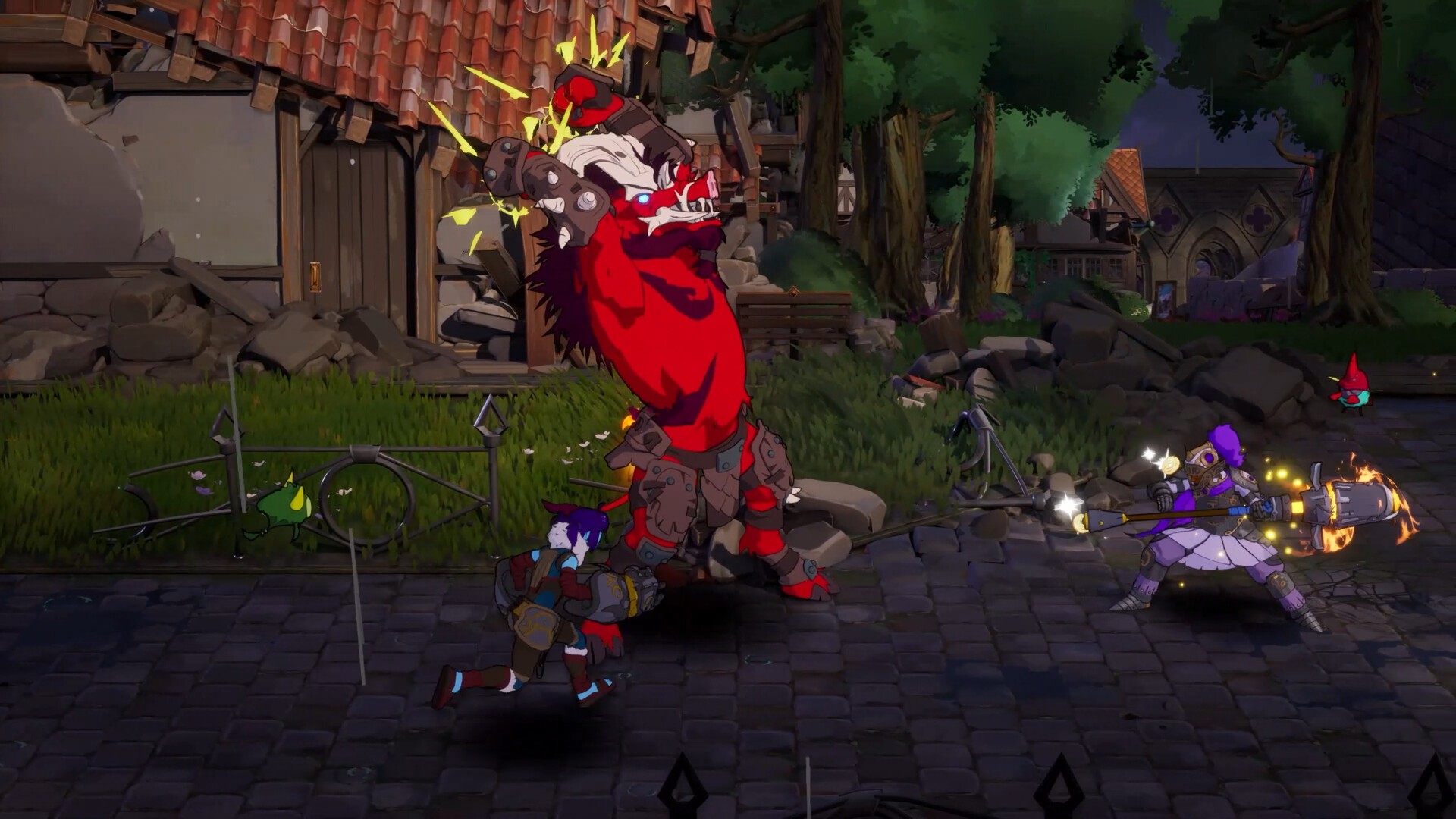
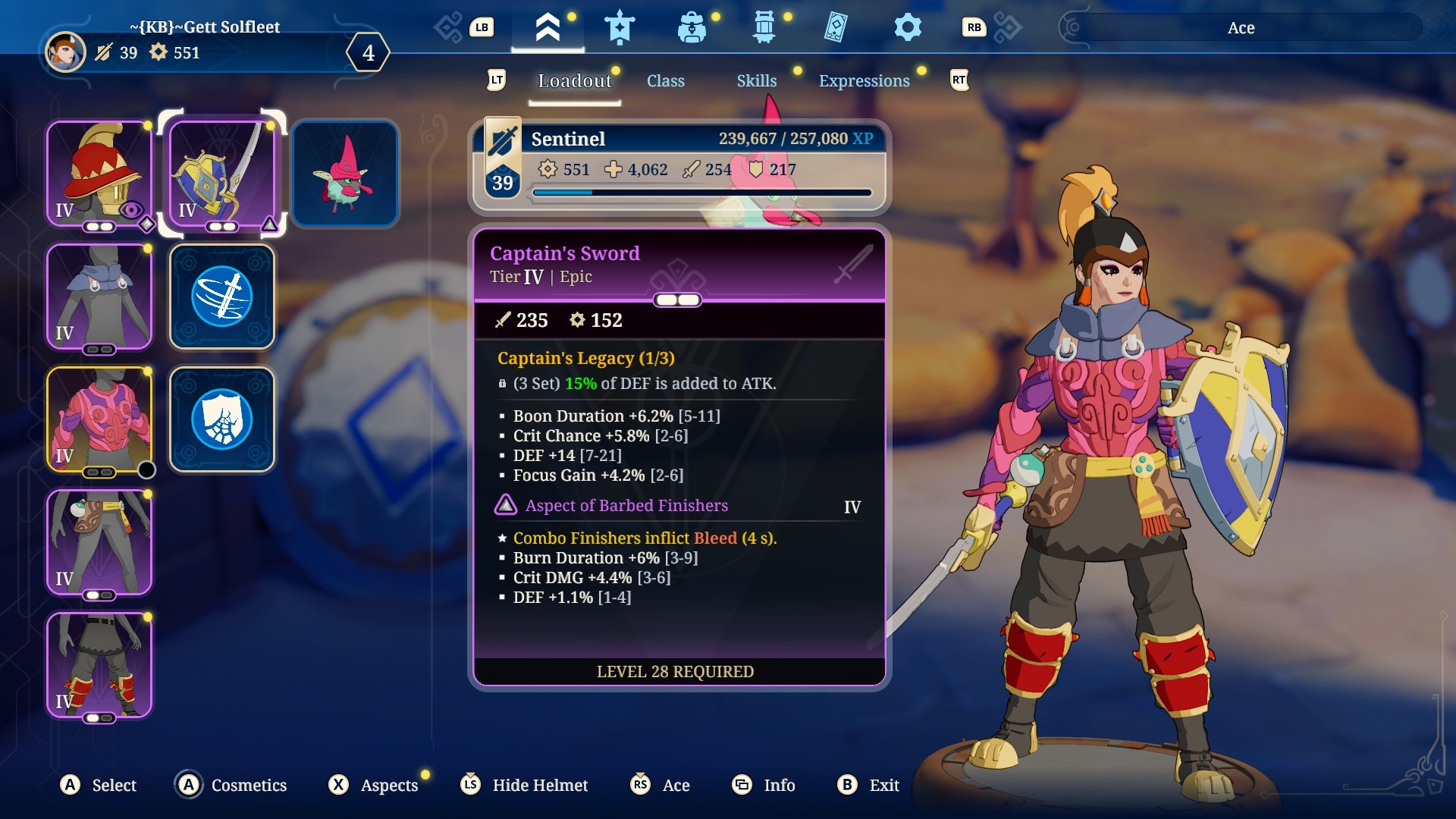
Shana Markham - Reviewing player feedback was a major step of our redesign effort, so you’re going to see it throughout the game. There are a lot of changes around loadout and gear. Boss weapons now have perks. Weapons now count towards set bonuses, so you can equip two sets. You can also equip legendaries in every slot, so if none of the set bonuses speak to you, you’ve got a route. Speaking of, legendaries start to drop around Danger Level 4 instead of only being DL5. We also added more sets and legendaries to explore builds that were underused in the live game.
All of that is nice, but I think the biggest change here is giving players better control and more routes to improve gear. Fuse, Reforge, and Refine are new Forge features that let you create new gear and change the stats on “almost perfect” items you found. They really open up your options for how you consider loot. We also heard a lot of early complaints about missions and environments feeling repetitive. When we designed the new campaign, a lot of effort went into diversifying the enemies and locations, creating new set pieces, and even subtle touches like time-of-day changes. It’s a beautiful world, and I’m glad we got to put a lot of love here.
Isaac Torres - From a combat perspective, quite a bit changed since we first launched early access. One thing that players made pretty clear on discord is that they wanted a few less rules to the combat. Towerborne already deviated from traditional beat ‘em ups and leaned heavily into mechanics you typically see in 3D action games. The feedback we received led to even earlier attack cancels, universalized jump cancels, new combo paths, and tweaks that simply let players do more of what they wanted. The feedback actually surprised me quite a bit, considering the genre, but it was awesome to see the responses in real time because it lined up with the types of adjustments I wanted to do. It really helped solidify expanding the combat mechanics to what they are now.
With the addition of the Bounty Board, it takes a lot of the ideas that resonated very positively during Early Access and multiplied it by a hundred. There are so many different types of challenges to tackle now to test your skills in a variety of ways. There’s a very exciting amount of content for players that likely wouldn’t have existed if it weren’t for that reception.
Shana Markham - We learned a lot from the community during the Early Access and Game Preview stages of Towerborne. With this full game update, and shifting from the original vision as a free-to-play or always-online title, we’re able to deliver an offline game that you buy once – and own the complete experience permanently with online play and online co-op. This change required deep structural rebuilding over the past year, transforming systems originally designed around constant connectivity. The result is a stronger, more accessible, and more player-friendly version of Towerborne — one we’re incredibly proud to bring to launch.
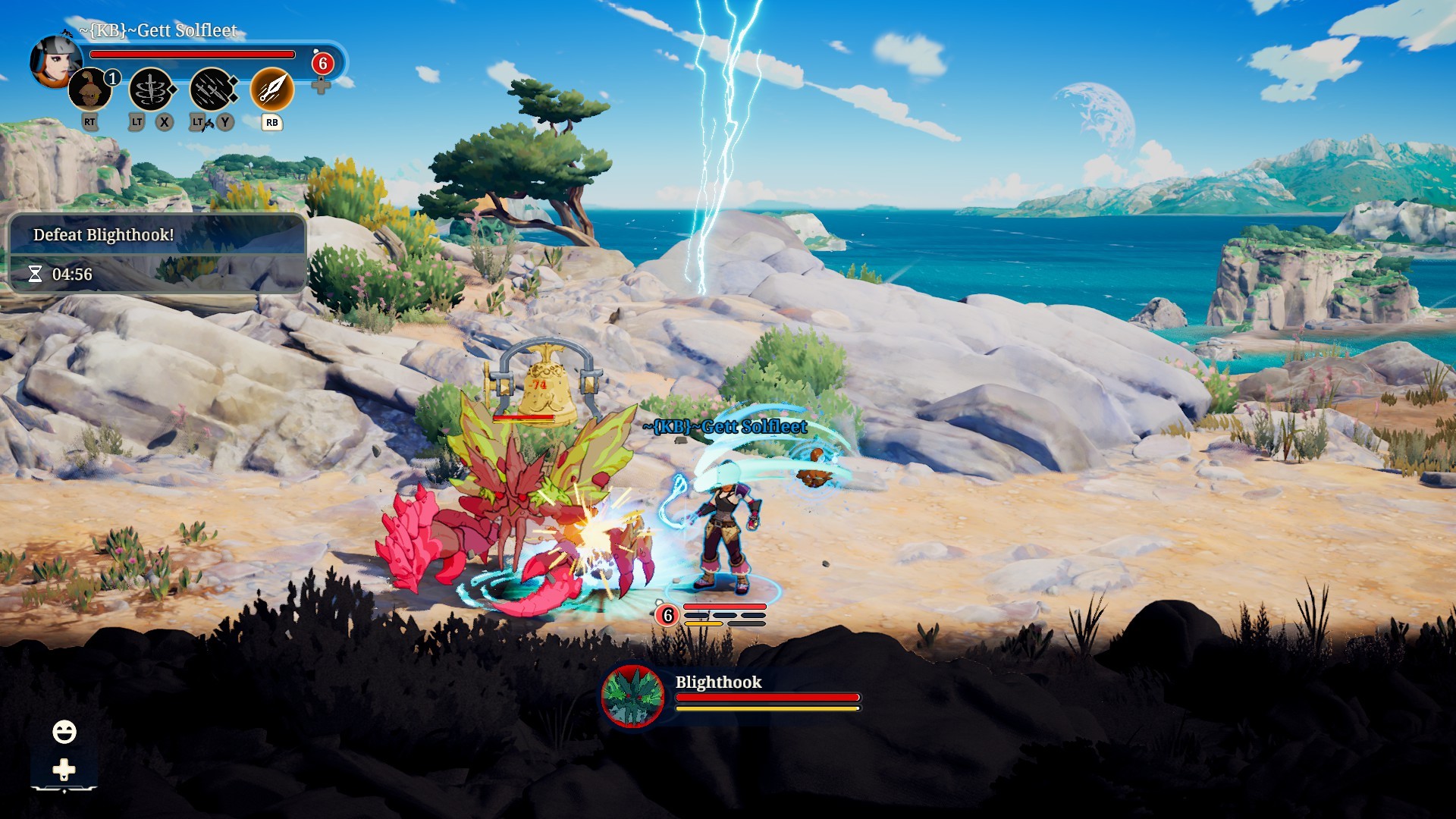
Shana Markham - You’re right, offline games have a different set of expectations. Our game engine was built for an online experience, so we were reviewing feedback, looking for opportunities to add or retool features, and balancing that against what we could do. We knew we couldn’t drip-feed a story anymore. On top of that, we needed to make sure that we had the tools to even tell that story. Founders and new players are getting a campaign encompassing over 50 missions, starting inside the City of Numbers as it falls. It was a hard decision, but we removed the tile-based map full of randomly generated missions. There was joy in exploration, but there was confusion, frustration, and boredom in the “grasslands and gobos” that came from forcing Discovery missions on players. For those looking for some randomized fun, they are still available in the Frontiers.
Going offline means we get to offer a greater variety of missions at the same time. Story missions can be replayed from the Quest menu. The Bounty Board took over the Request Board. There’s a whole slew of missions, including the permanent return to Courage’s Crucible and Krafft’s Gauntlet, our Time Trial and Boss Rush modes. We now have four difficulty levels, three available at the start. Players can choose their difficulty when they’re selecting a mission, so it’s easy to tune up or down as you and your friends play. Playing at higher difficulties will also earn additional Spirit Dust and Writs to help perfect builds and earn cosmetic gear.
Isaac Torres: One really crucial change was the addition of NPC Allies. This was first dabbled with during our Golden Week live event. This was largely an experimental idea where an NPC named Shiro would join you in your missions. This idea has been refined and there’s even more characters who can possibly fight alongside you in certain missions. The combat mechanics for these characters are designed in ways that allow you to easily piggyback off each other so that you can do fun combos together. It feels like you're playing with friends in a really fun way.
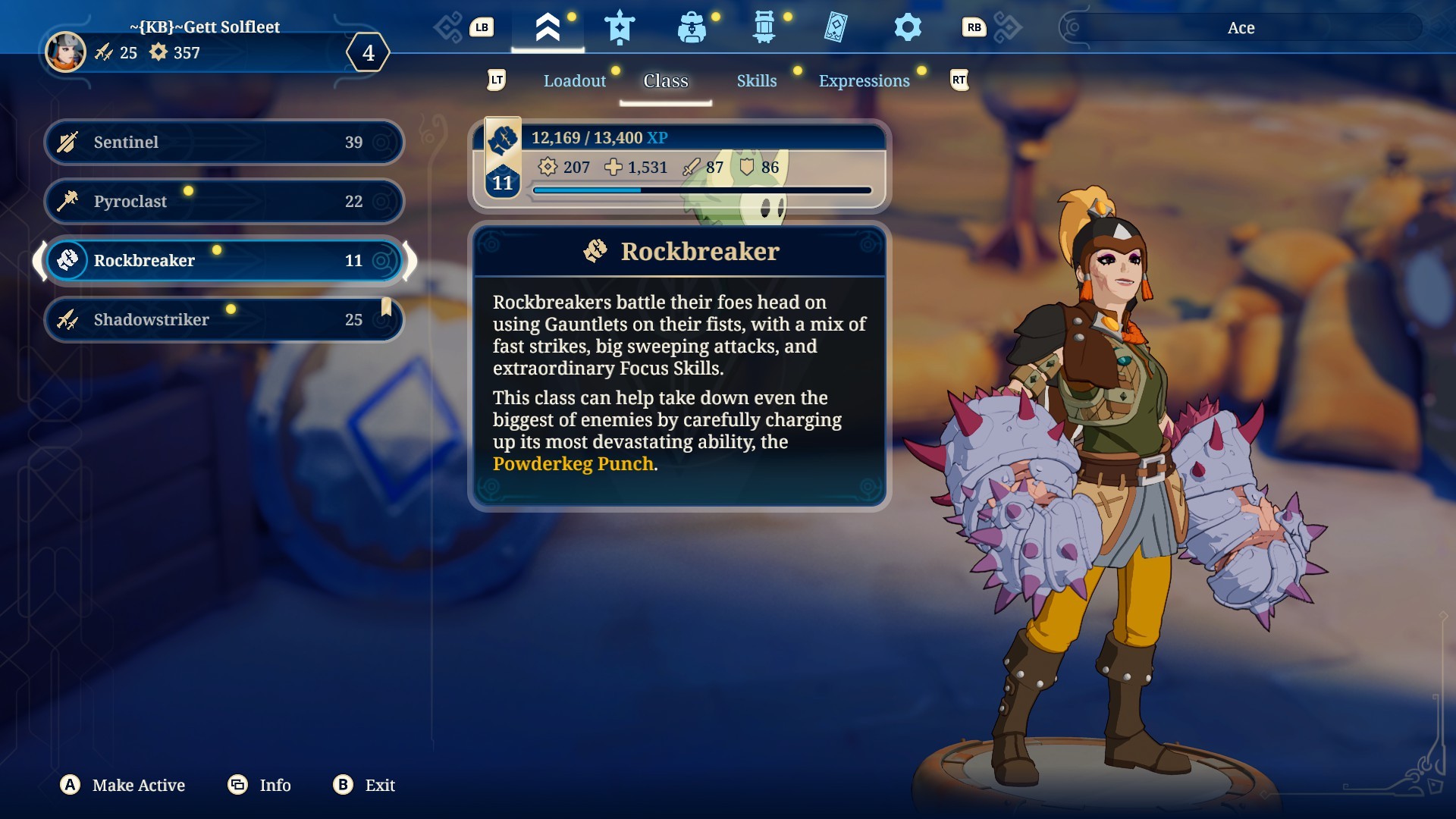
Shana Markham - Making a new class is a big undertaking. It’s detail-oriented, highly iterative, requires significant playtesting from the team, and spans most areas of development from combat to missions to FX to UI to gear/systems/progression. When we looked at our schedule for 1.0, we had a big list of missions, gear, systems, and player feedback in our backlog, and so we chose to focus on polishing our existing classes. While the 4 classes are the same as early access, we feel the extra polish makes them sing, the new gear and umbra give new build opportunities, and new missions and difficulty levels give players plenty to consider.
Isaac Torres - The combat mechanics of Towerborne had numerous updates throughout early access. Those refinements never stopped and there’s even more that you can do now. Every attack should feel noticeably better. Movement is a bit faster, even more responsive. I’m very excited to see what cool new tricks people come up with!
New Skills have been added that give you even more choice in what you can do in combat. Want to do a cool new move after dodge rolling? We got you. The concept of Universal Skills has also been introduced, which allows you to unlock a Skill once and now it’ll be available for all Classes. These Skills can be unlocked in the Bounty Board along with new Class specific Skills as well.
Additionally, Umbra have been expanded on as well. It is now possible to equip aspects that change the properties of certain Umbra abilities in new and exciting ways. Of course, there are new Umbra too and those add new mechanics to the mix that were never in Towerborne before. All of this is in addition to existing Umbra getting a few refinements. For example, more Umbra can be used in the air. While this is useful in general, it can also be used to extend your air combos too.
Finding the sweet spot is truly never-ending. For a combat designer, there is always something to improve upon. There’s always a brand-new idea or refinement that can totally change the game at a foundational level. Ultimately, we don’t want players to feel like they got cheated out of a victory and it’s important for there to be enough substance to keep you coming back for more. It was extremely important that we made sure that the interactions between the player and enemies were engaging in fun ways, even when we add twists to defy expectations.
Shana Markham - There are a bunch of design boards dedicated to the deep lore of Towerborne, from the purpose of the Belfry, the relationship between the Ebb and Shore, and ultimately how deeply these two worlds affect each other. There are even more boards of new environments, beautiful and dangerous, all ready to tell their story. And don’t get me started on the Umbra concepts. Towerborne is the story of one crisis, but the nature of the world is deeply cyclical, and we're just starting to see how the characters both fit into and rebel against that nature.