

"One of our many goals was to bridge the gap between old-school AC players and RPG-era players" - Assassin's Creed Shadows director on the game one year later
Assassin's Creed took a major leap forward in 2025 with Shadows, finally tackling the Feudal Japan setting fans have been begging for since the inception of the franchise. But it also marked something of a turning point in Assassin's Creed's design, merging the more RPG-focused modern entries with the classic action- and stealth-oriented ones.
After an entire year of post-launch support, Assassin's Creed Shadows is finally winding down as Ubisoft looks to what's next. With that in mind, we talked to Associate Game Director Simon Lemoay-Comtois to reflect on Assassin's Creed Shadows' successes and shortcomings.
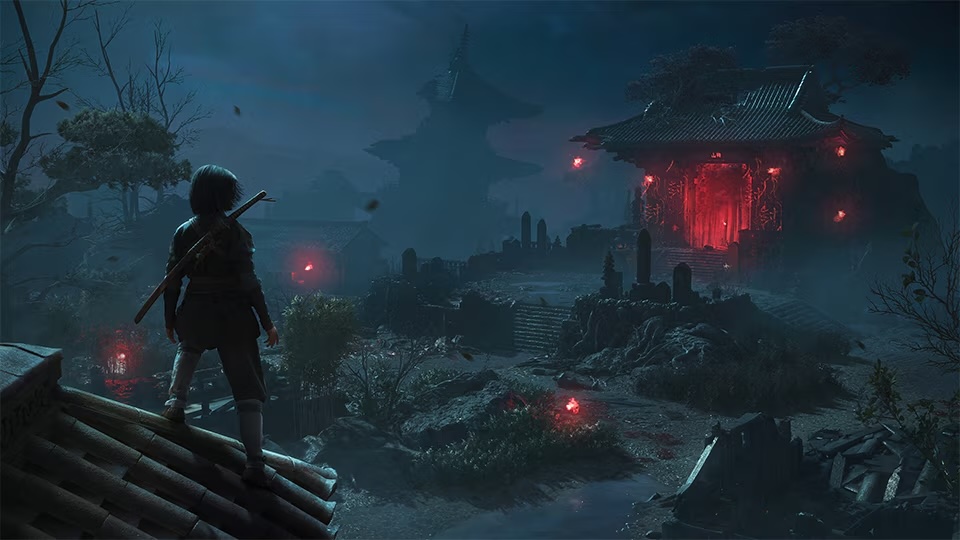
In many ways, it feels like Shadows unites the systems of the RPG-style games and the black box missions of past Assassin’s Creed games. Looking back a year later, do you think you were successful in doing that? Was that a goal you had for Shadows?
Simon Lemay-Comtois: It was one of many goals we wanted to tackle to try and bridge the gap between old-school AC players and the RPG-era players, at least in terms of gameplay. We’ve had successes and a few misses but, overall, I feel that the gameplay of AC Shadows has been walking that fine line quite successfully – especially with the post-launch Parkour additions.
Simon Lemay-Comtois: It was one of many goals we wanted to tackle to try and bridge the gap between old-school AC players and the RPG-era players, at least in terms of gameplay. We’ve had successes and a few misses but, overall, I feel that the gameplay of AC Shadows has been walking that fine line quite successfully – especially with the post-launch Parkour additions.
There have been a lot of differing opinions on the way Shadows handles its modern-day story. A year later, how do you feel about that aspect of the game, and why was it important to take a more subdued approach to modern-day than previous games?
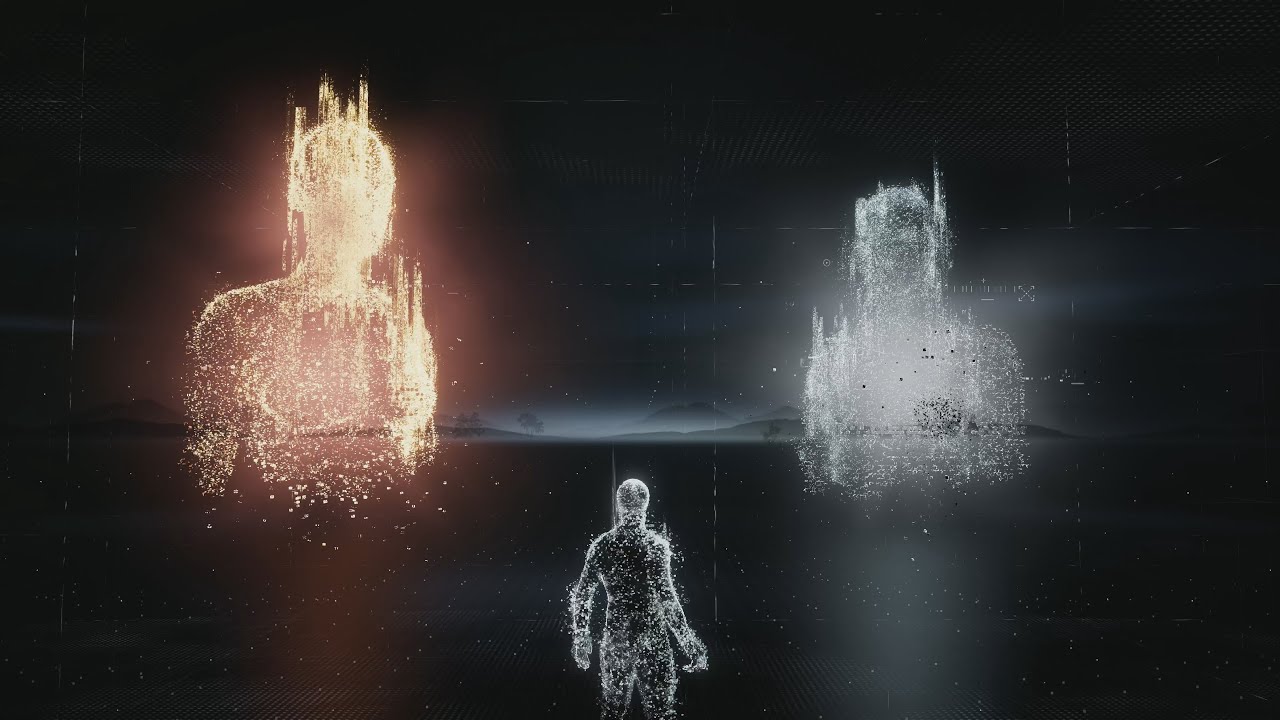
Lemay-Comtois: Shadows’ modern-day storyline is intentionally a light touch. Our goal was to plant the first seeds of a new arc rather than make it the center of the experience. While the main narrative focuses on Naoe and Yasuke, the modern-day elements introduce threads that continued to grow through our post-launch content.
Lemay-Comtois: Shadows’ modern-day storyline is intentionally a light touch. Our goal was to plant the first seeds of a new arc rather than make it the center of the experience. While the main narrative focuses on Naoe and Yasuke, the modern-day elements introduce threads that continued to grow through our post-launch content.
Shadow’s seasons system is one of its most impressive elements. I’ve wanted to ask, how much of an undertaking was it to build that feature, and design your world around different seasons? Did having to do multiple seasons make post-launch content, like Claws of Awaji, more complex and difficult to create?
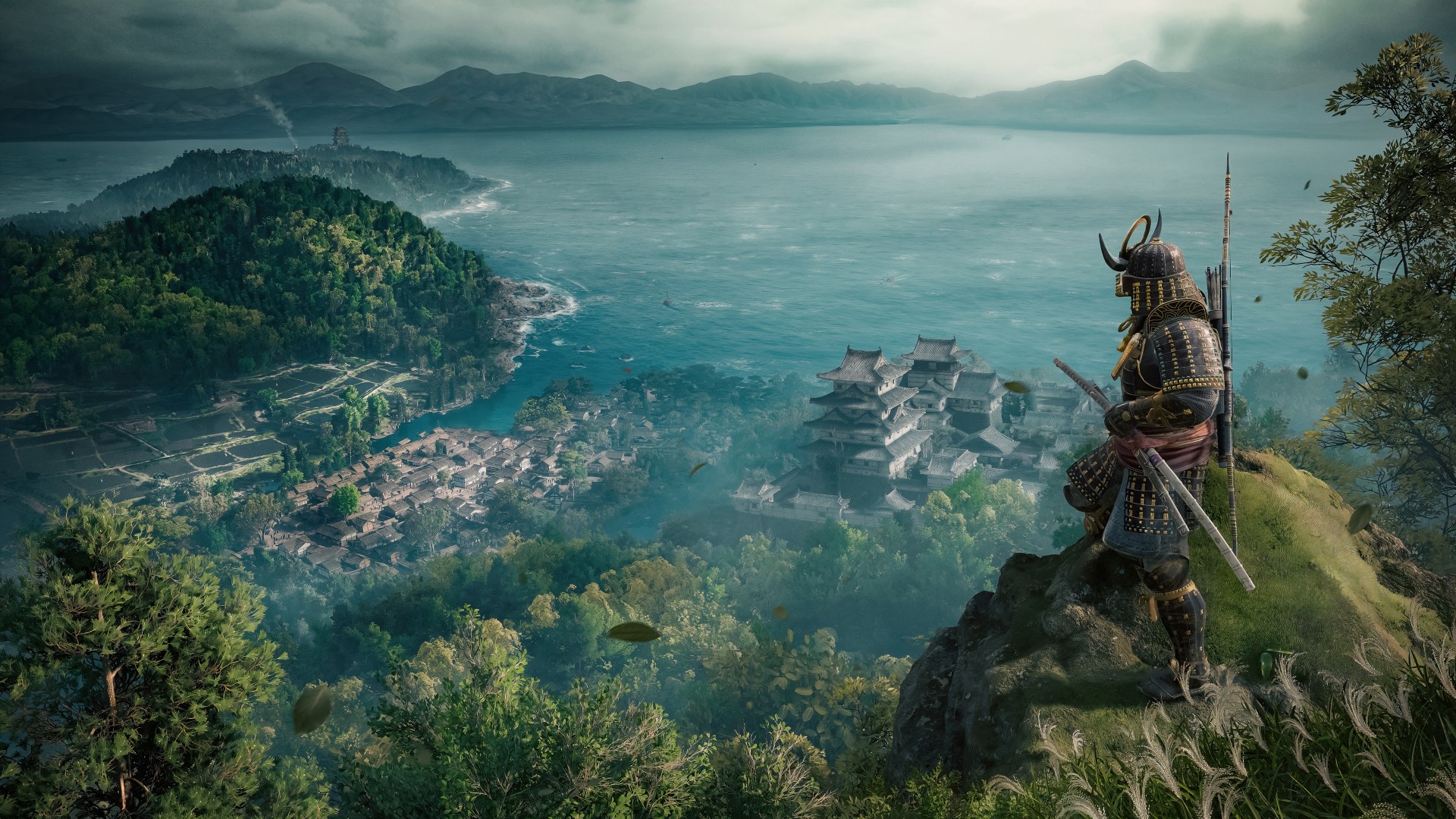
Lemay-Comtois: Building the tools and the underlying systems and art pipelines to support this idea took a loooong time - but once the fundamentals were set, it was a breeze to work with! The last year of production prior to launch as well as the development of Claws of Awaji, was made in a solid seasonal tech environment, so the team were used to it by then, and it wasn’t particularly challenging on the content side – but hats off to our technical wizards who pulled it off!
Lemay-Comtois: Building the tools and the underlying systems and art pipelines to support this idea took a loooong time - but once the fundamentals were set, it was a breeze to work with! The last year of production prior to launch as well as the development of Claws of Awaji, was made in a solid seasonal tech environment, so the team were used to it by then, and it wasn’t particularly challenging on the content side – but hats off to our technical wizards who pulled it off!
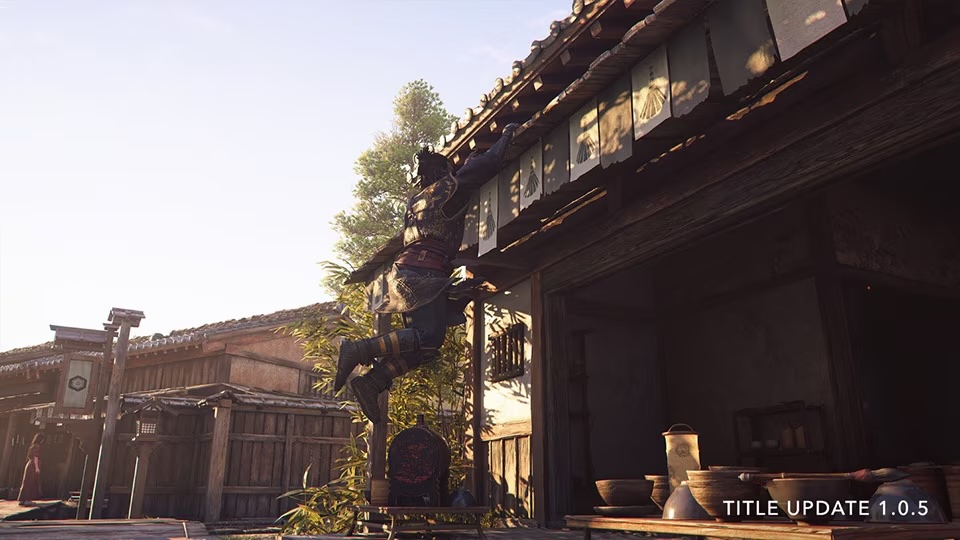
I wanted to ask about the manual jump added a month ago. Why was that something you wanted to add to Shadows? And how hard was it to implement?
Lemay-Comtois: Popular demand! The parkour community has been very vocal about specific parkour features, and so we were eager to give them as much as we could. Manual jump itself is particularly difficult because it has to be a little shoe-horned in a world that wasn’t quite built for it. There are some little quirks and hiccups we weren’t quite able to iron out – but AC Shadows’ manual jump does provide an excellent base for future AC games to start from.
Lemay-Comtois: Popular demand! The parkour community has been very vocal about specific parkour features, and so we were eager to give them as much as we could. Manual jump itself is particularly difficult because it has to be a little shoe-horned in a world that wasn’t quite built for it. There are some little quirks and hiccups we weren’t quite able to iron out – but AC Shadows’ manual jump does provide an excellent base for future AC games to start from.
Are there any aspects of Shadows that fans have loved that surprised you? Any moments or big features of the game that you didn’t expect to be so popular?
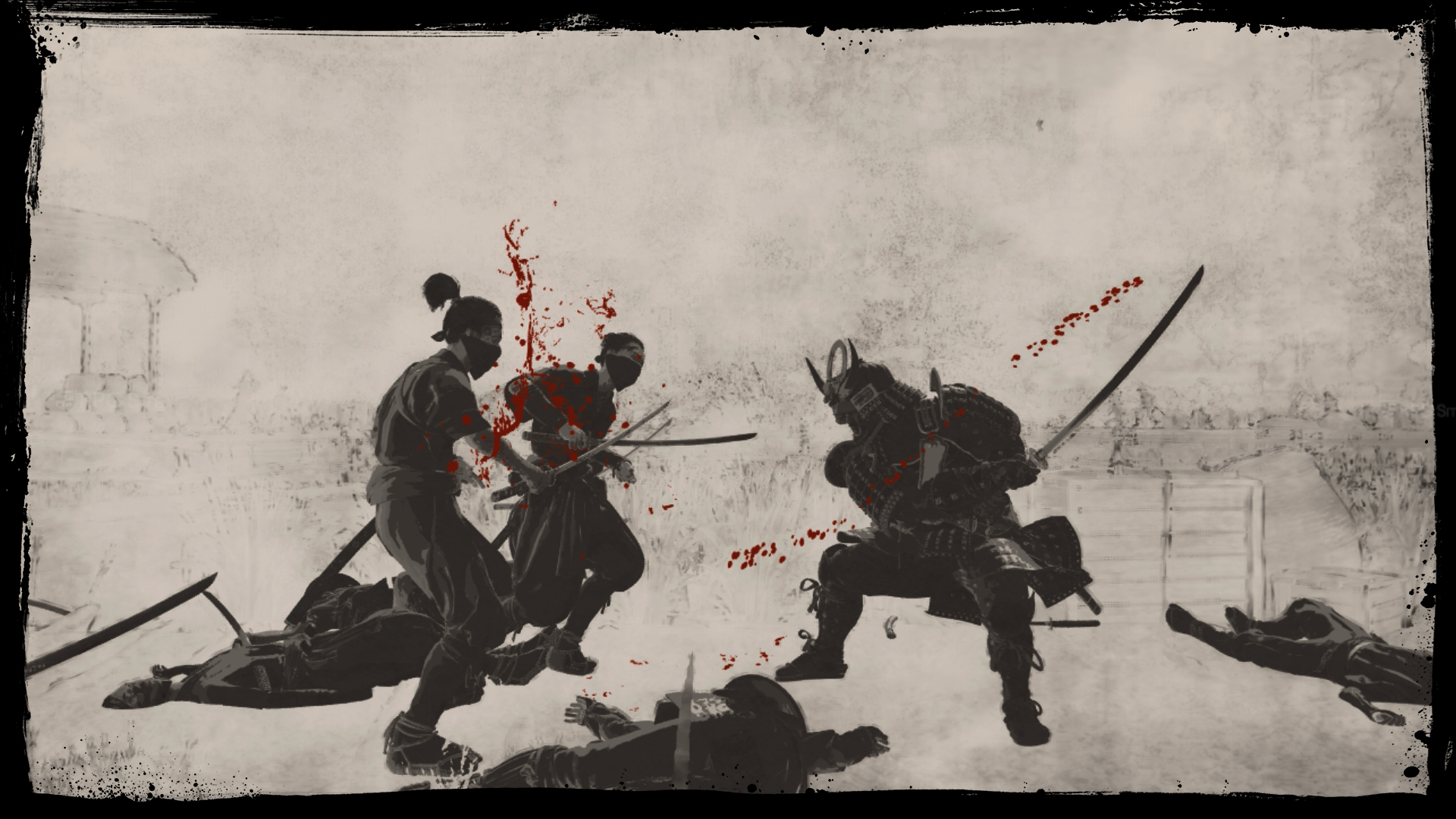
Lemay-Comtois: The RPG-era has been more renowned for its combat than its stealth gameplay, so even though we did set out to redefine the Assassin’s Creed stealth experience with Naoe, it is always a blast to see how much players enjoy the many nuances we worked hard to implement for Naoe.
Even though I designed most of the stealth mechanics, I’ve had my mind continuously blown every week since launch by players doing incredible things with those mechanics, and that has been extremely rewarding for me, personally.
Lemay-Comtois: The RPG-era has been more renowned for its combat than its stealth gameplay, so even though we did set out to redefine the Assassin’s Creed stealth experience with Naoe, it is always a blast to see how much players enjoy the many nuances we worked hard to implement for Naoe.
Even though I designed most of the stealth mechanics, I’ve had my mind continuously blown every week since launch by players doing incredible things with those mechanics, and that has been extremely rewarding for me, personally.
When you were creating Yasuke and Naoe, did you look to past AC games with dual protagonists, like Syndicate, for inspiration? How much did these two characters change over development?
Lemay-Comtois: One obvious thing we attempted to change compared to AC Syndicate was to have two very different playstyles and specialties: neither of them can rival the other in their particular strengths, and each one needs the other to cover for their own weaknesses.
This was our goal from the start, and sticking to it all the way through production was more difficult than people imagine! But this exercise, in contrast, is, in my opinion, one that gives much more unique flavors to our two characters.
Lemay-Comtois: One obvious thing we attempted to change compared to AC Syndicate was to have two very different playstyles and specialties: neither of them can rival the other in their particular strengths, and each one needs the other to cover for their own weaknesses.
This was our goal from the start, and sticking to it all the way through production was more difficult than people imagine! But this exercise, in contrast, is, in my opinion, one that gives much more unique flavors to our two characters.
When you were starting to concept Shadows, did you ever consider other prominent time periods we often see in pop culture, like the Heian period or Bakumatsu Era? Or did you always know Shadows would be in the Sengoku Period?
Lemay-Comtois: We always look at all the possible options, but we felt that the end of the Sengoku period was by far the most historically rich, filled with legendary characters whose names still resonate in pop-culture to this very day. The great unification of Japan is a fascinating tale that Assassin’s Creed could not pass up.
Lemay-Comtois: We always look at all the possible options, but we felt that the end of the Sengoku period was by far the most historically rich, filled with legendary characters whose names still resonate in pop-culture to this very day. The great unification of Japan is a fascinating tale that Assassin’s Creed could not pass up.
With post-launch support coming to an end, do you feel like you accomplished everything you set out to do with Assassin’s Creed Shadows? Is there anything lingering you wish you’d had the time or room to add to the game?
Lemay-Comtois: Oh, there are always more things I wish we could do, more side-stories I wish we could tell, fascinating characters I wish we could explore more. Feudal Japan has been my personal dream setting for years, and I would gladly work on it for the next two decades if given the chance - but that’s not how the world works. With any luck, some of those cool stories and gameplay mechanic ideas rattling around my brain will make it onto whatever it is Ubisoft Quebec tackles next.
Lemay-Comtois: Oh, there are always more things I wish we could do, more side-stories I wish we could tell, fascinating characters I wish we could explore more. Feudal Japan has been my personal dream setting for years, and I would gladly work on it for the next two decades if given the chance - but that’s not how the world works. With any luck, some of those cool stories and gameplay mechanic ideas rattling around my brain will make it onto whatever it is Ubisoft Quebec tackles next.