

The Expanse: Osiris Reborn Interview - Owlcat discusses adapting the series, high-risk combat, shaping the narrative, companions, and more
Owlcat Games has built its reputation on complex CRPGs that adapt beloved role-playing properties like Pathfinder and Warhammer 40K. But The Expanse: Osiris Reborn literally sees the studio exploring uncharted territory, applying that CRPG expertise to a dramatic, choice-driven, third-person shooter RPG. It also marks the most significant foray The Expanse has ever taken into the world of video games — a series that has consistently been compared to Mass Effect both narratively and tonally.
While I dig into that idea more with my recent preview of Osiris Reborn's closed beta demo, I also wanted to take the moment to talk to Owlcat Games about what that shift means for the studio at large, and why The Expanse was the right choice for its next adaptation. I sat down with Game Design Director Leonid Rastorguev, talking about the key decisions made in adapting The Expanse, how the series' visceral combat translates into a video game, the studio's legacy of CRPGs, and more.
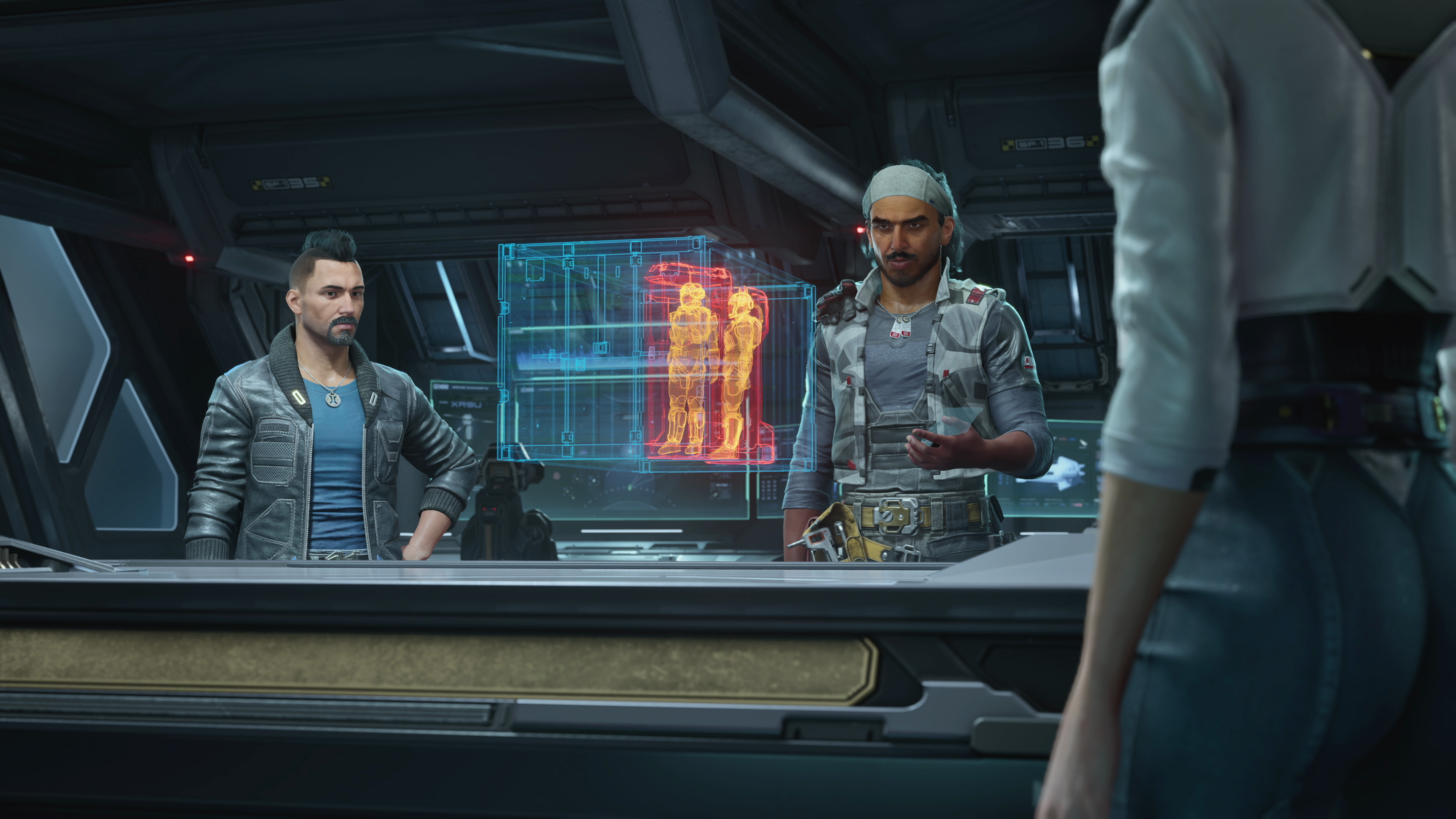
Leonid Rastorguev: It’s a shift, but a very deliberate one. As a studio, we’ve been looking for ways to grow and reach a broader audience for some time, and moving into a more action-oriented RPG space felt like a natural next step.
At the same time, we’re not abandoning what defines us. Our work on projects like Warhammer and other CRPGs gave us a lot of experience in building complex narrative structures and systemic design. We’re still applying that foundation in The Expanse.
The game may not have the same volume of text or the same density of branching consequences as our previous titles, but the overall spirit—player-driven storytelling, meaningful choices, and a structured approach to narrative—remains very much the same.
And it’s also important to say that we’re not moving away from CRPGs. It remains a key direction for part of the studio, and we’re continuing to develop strong projects in that space as well.
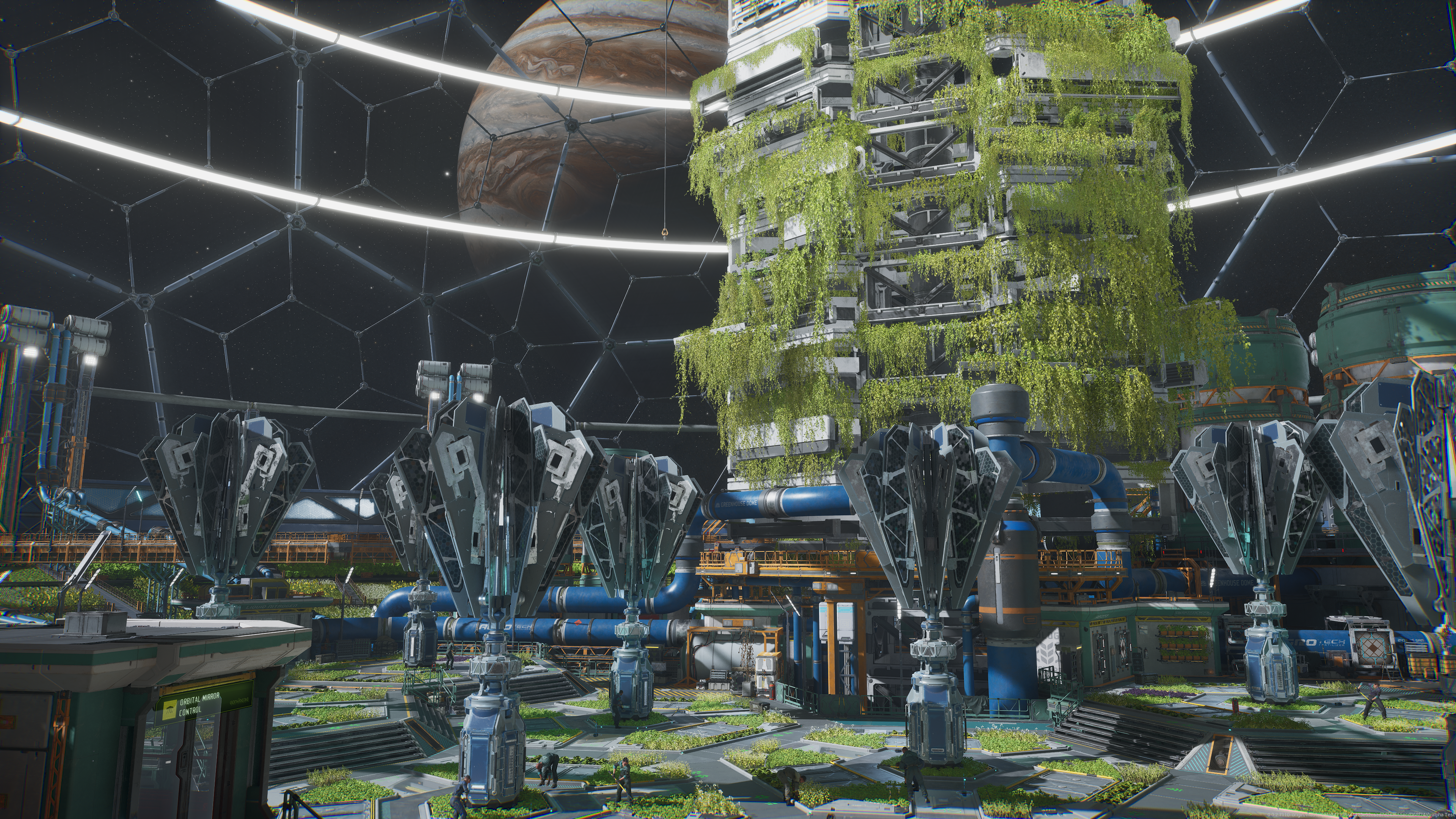
Rastorguev: The Expanse is a very dense universe in terms of lore, characters, and competing forces. When we were thinking about where to place our story, we felt it made the most sense to start at the beginning rather than jump into later events.
The Eros Incident is a key turning point for the entire setting. It sets a lot of major events in motion and naturally leads into the more “alien-focused” phases of the story later on. That makes it a strong entry point for a game. It allows us to introduce the core dynamics of the world while also building toward the larger developments that define The Expanse over time.
Rastorguev: When you work with an established IP, especially one with a dedicated fanbase, it’s always a balance between honoring what people already love and telling your own story. We want longtime fans to feel at home—to visit places they’ve always wanted to see—while making sure newcomers don’t feel like they’re missing essential context.
To achieve that, we selected several key locations tied to the main storyline—places like Eros or Ganymede—as well as core hubs of the setting, such as Ceres, Luna, and Mars. These help anchor the experience within the familiar structure of the universe.
At the same time, we introduced new locations that expand beyond what’s been shown in the books and the series. That allows us to show that The Expanse is a much larger world, and gives players the chance to explore stories and perspectives that exist outside the main narrative.
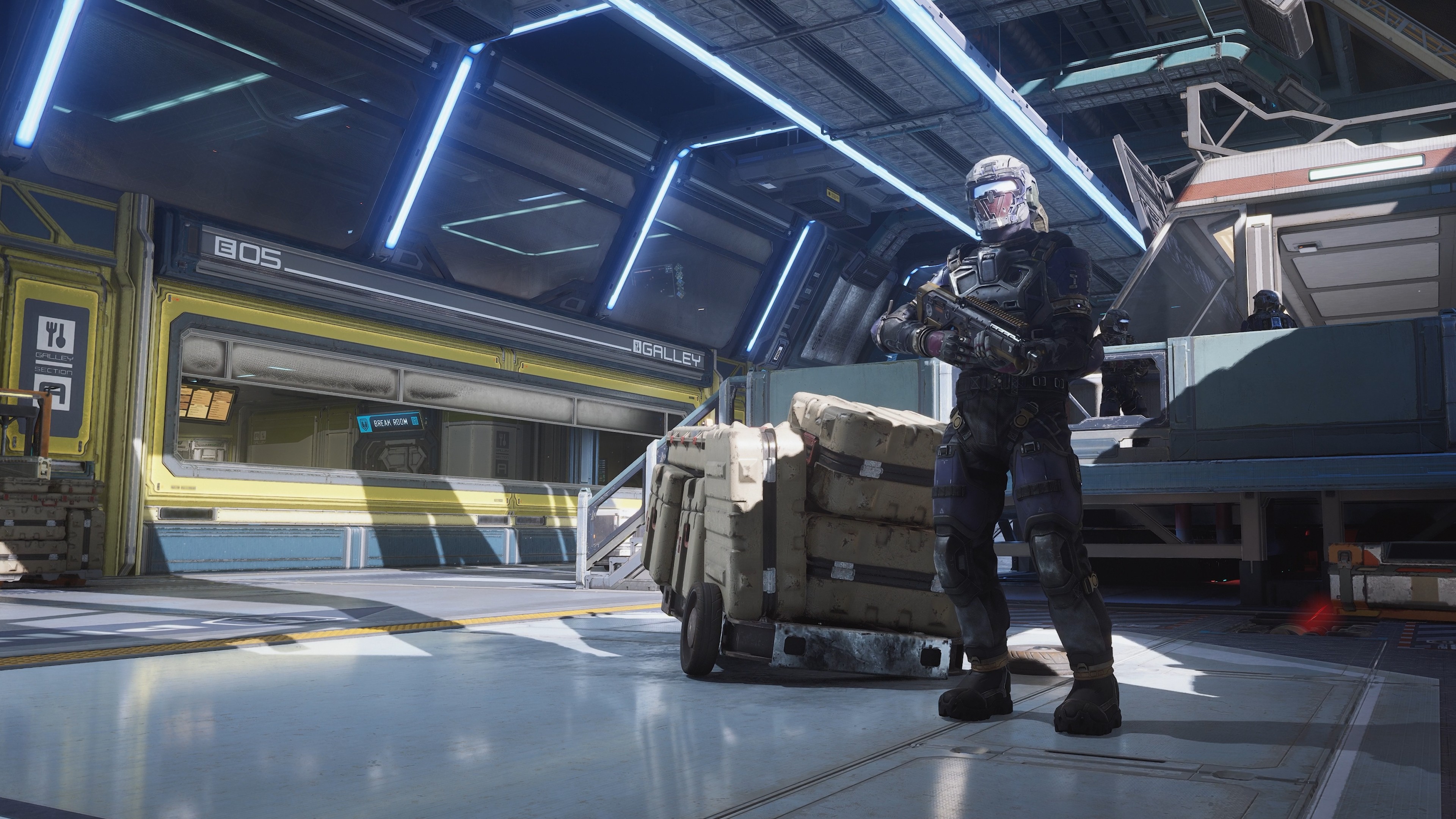
Rastorguev: One of the core ideas of The Expanse is that human life is both valuable and extremely fragile—especially in the context of space. That’s reflected in how conflict is portrayed in the books and the series. These aren’t large heroic battles, but short, brutal encounters with high risk and very real consequences.
Translating that directly into a game is challenging. You still need to give the player a sense of control and create enough combat scenarios to support gameplay. So the question for us was how to make combat engaging and dynamic without losing the grounded tone of the setting.
In gameplay, we made some concessions toward a more action-oriented approach. But in the narrative and in cutscenes, we consistently reinforce the core idea of the universe—that every fight carries weight, and that human life is fragile and meaningful.
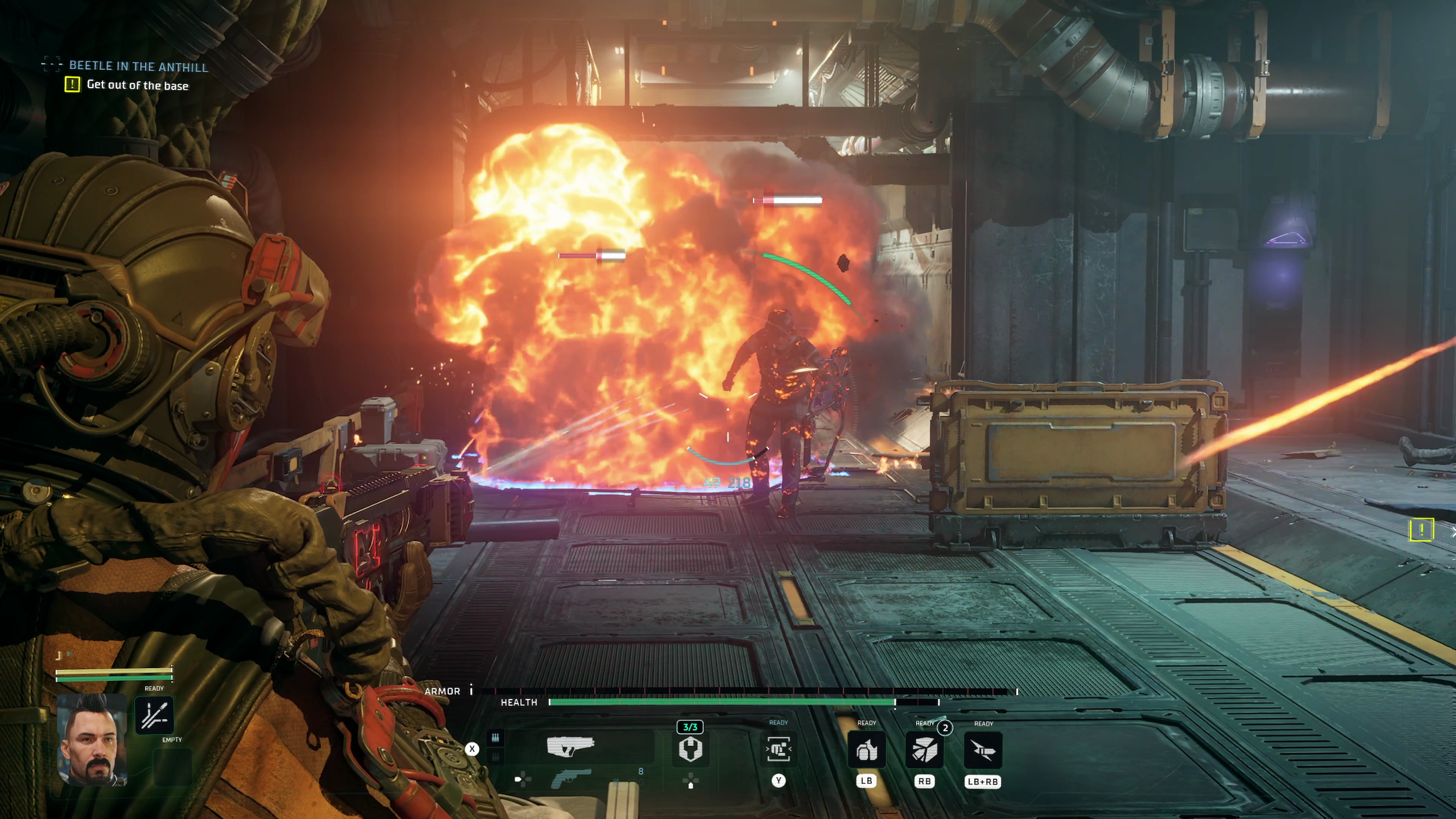
Rastorguev: In combat, we were looking for a balance between challenge and a sense of realism. One thing you’ll notice is that enemies in our game tend to be more fragile than in many other titles in the genre. At the same time, the cover-based shooting mechanics play a key role in conveying the danger of combat and the vulnerability of the characters—being out of cover is extremely risky, and even a good combat suit won’t protect you for long.
In other words, we shifted the challenge away from prolonged DPS exchanges against large health pools and toward situations defined by high risk and low time-to-kill. That creates a more tense and grounded combat rhythm that better fits the tone of The Expanse.
Rastorguev: We didn’t set out to make our ship—the Gemini—feel like a character in the same way the Rocinante does. But it is still a central anchor point for the entire experience.
It’s your home, your main space for interacting with companions, a place to regroup between missions, and the primary hub for character progression. Most storylines either start from there or return to it. So while we don’t frame it as a “character” in the narrative sense, it’s hard to overstate its importance. In many ways, it plays an even more central role in the structure of our game.
Rastorguev: Absolutely. The Expanse is built around morally complex situations, which makes it a very natural fit for a choice-driven RPG. Instead of clear-cut good and evil, it’s about competing perspectives, trade-offs, and consequences. To be honest, that tone pushed us away from a traditional alignment system and toward a more open approach to player choice.
At the same time, the universe is broad enough to support a range of tones. While many decisions are morally grey, not everything is framed that way. The game includes lighter, sometimes even humorous moments, as well as darker storylines that explore the harsher side of the setting.
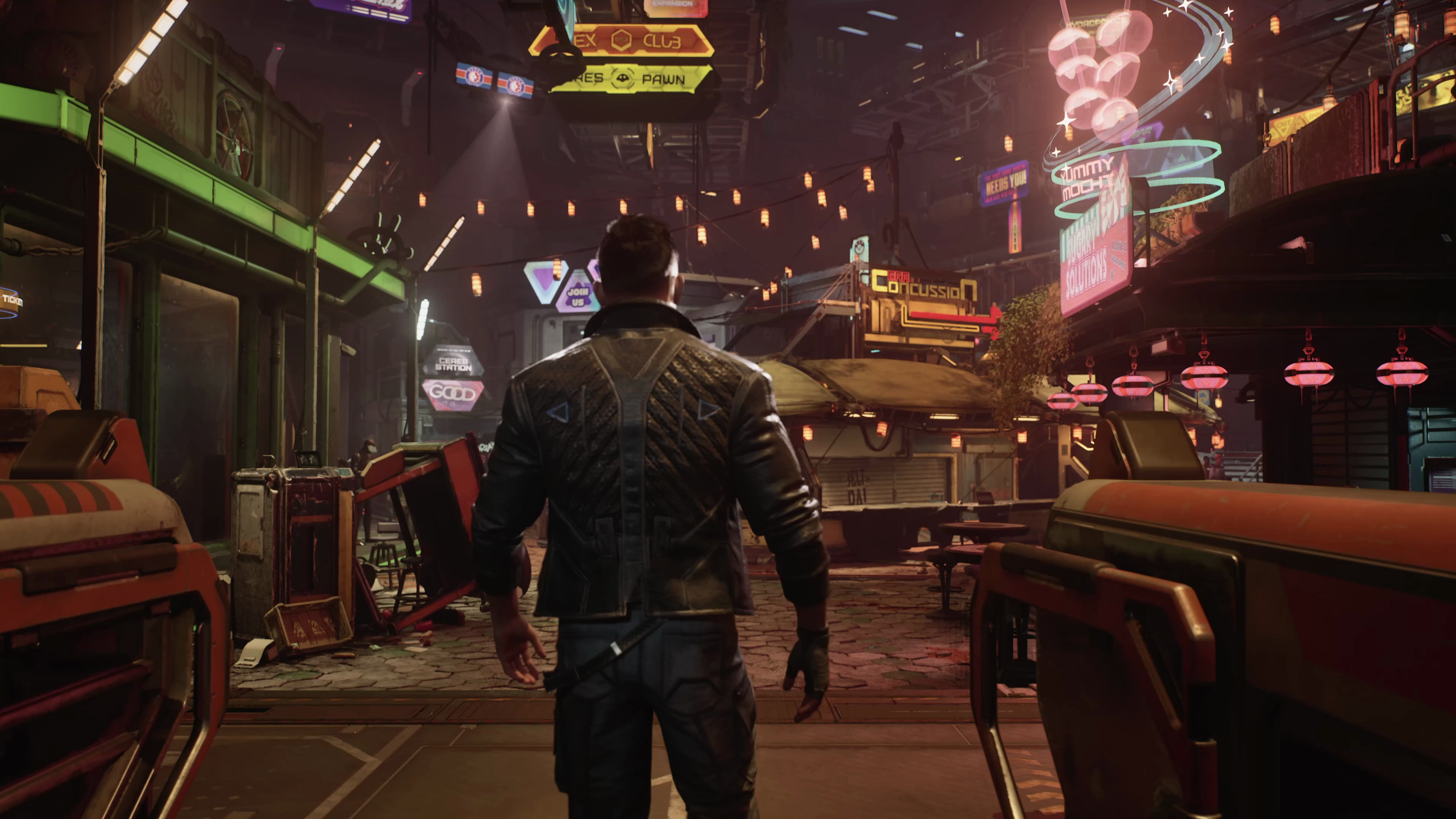
Rastorguev: I’d actually say that combat is one of the areas least affected by your origin. In combat, what matters much more are the choices you make throughout the game—your gear, progression, and tactical approach.
Where your background really comes into play is on several other levels. First, there’s the physical aspect—Belters, for example, are noticeably taller and thinner due to low gravity. Then there’s how the world reacts to you: people on Ceres or Mars will treat you differently depending on where you come from.
And finally, it has a meaningful impact on the narrative, especially in the first half of the game. The characters you meet, how they respond to you, and even some of the content you encounter can vary based on your origin, including certain exclusive story elements tied to each background.
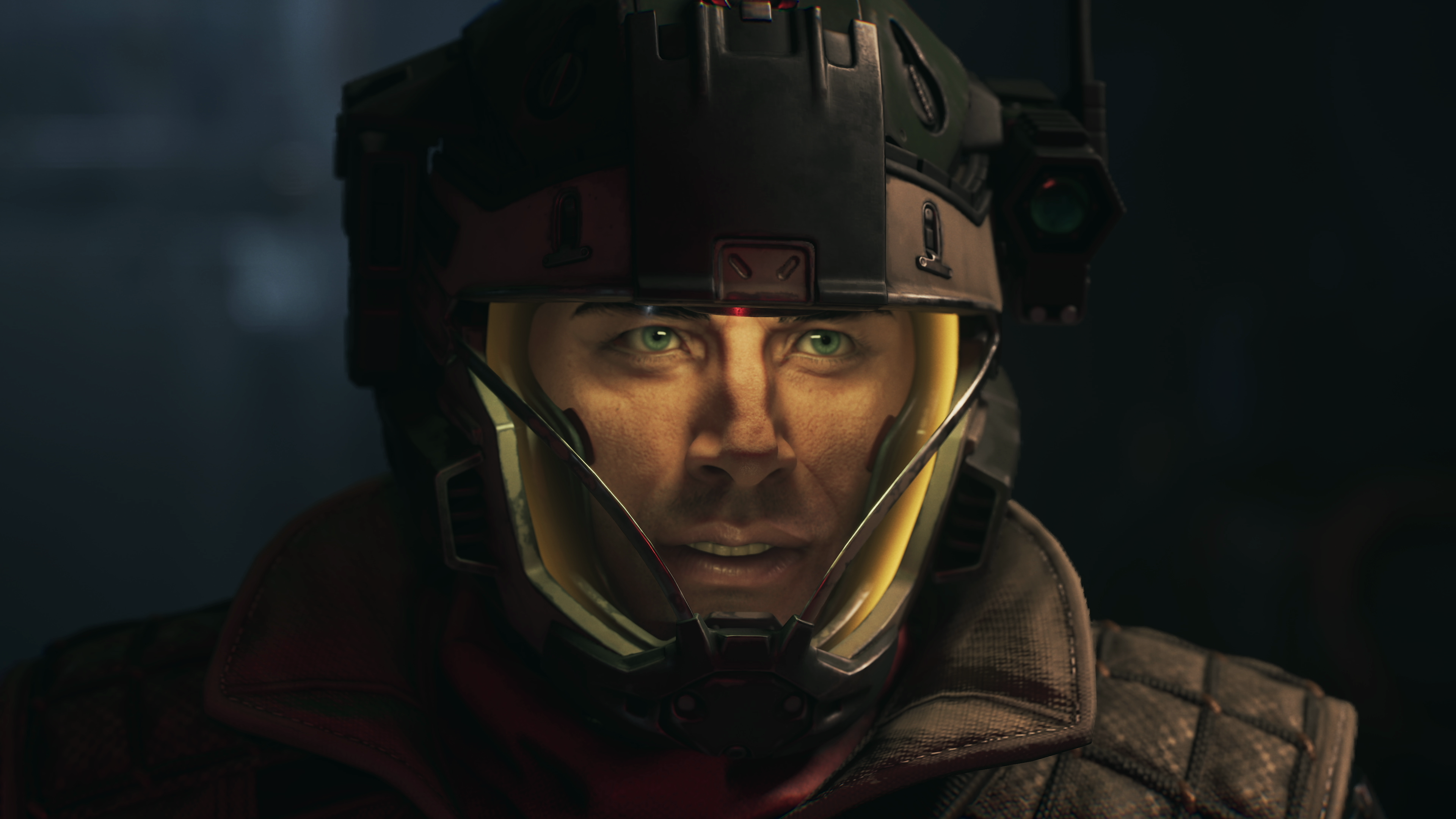
Rastorguev: In many ways, the structure of the universe itself naturally defines the roles companions should fill. You’re operating a spaceship, which means you need a crew—and that implies certain functional roles: pilot, engineer, medic, security, and so on. That gives you a strong foundation to build from.
At the same time, we didn’t approach companion design in a purely functional way. Whenever possible, we tried to subvert or go beyond those expectations. The goal was to create characters who fit into a believable crew structure, but still feel distinct and surprising in terms of personality and story.
As for inspiration, it comes from a very wide range of sources. Our narrative team draws from a lot of books, films, and games, as well as our own experience building companions in previous RPGs. If you ask any of our writers for a list of references, it’s going to be a very long one.
Rastorguev: We can’t really talk about any specifics at this point, but as we’ve just published a really in-depth blogpost about how we at Owlcat write romance, maybe you can find a few clues there.
The Expanse: Osiris Reborn is set to release in 2027 for PlayStation 5, Xbox Series X|S, and PC (Steam, Epic, GOG).