

"Based on the decisions you make, by the end of the game you might not have every companion with you" - Exodus' narrative director on choice in RPGs, the animal-like Awakened, story themes, and more
Since the reveal of Exodus in 2023, expectations have been built for it as potentially, finally being the long-awaited spiritual successor to Mass Effect. And it's easy to see why.
Exodus does bear a striking similarity to Mass Effect in many ways, from psychic space powers to third-person combat. But even further, Archetype Entertainment is made up of more than a few BioWare alumni, including Mass Effect 1 and 2 writer Drew Karpyshyn, former BioWare studio director Chad Robertson, and Mass Effect: Andromeda gameplay designer Chris King. The pedigree and experience are there, but after going hands-on with Exodus it's clear that Archetype wants it to be much more than a successor to Mass Effect, wants it to be something distinct and unique that can stand on its own. An emphasis on real, believable sci-fi and dramatic civilization-shaping choices is just a part of what the team behind Exodus hopes will help it stand apart.
Along with our hands-on preview, we had the chance to sit down with Karpyshyn, now serving as Exodus' narrative director, to talk about the grand ambitions of this new sci-fi epic, the way Archetype is building compelling companions, choice in RPGs, and much more.
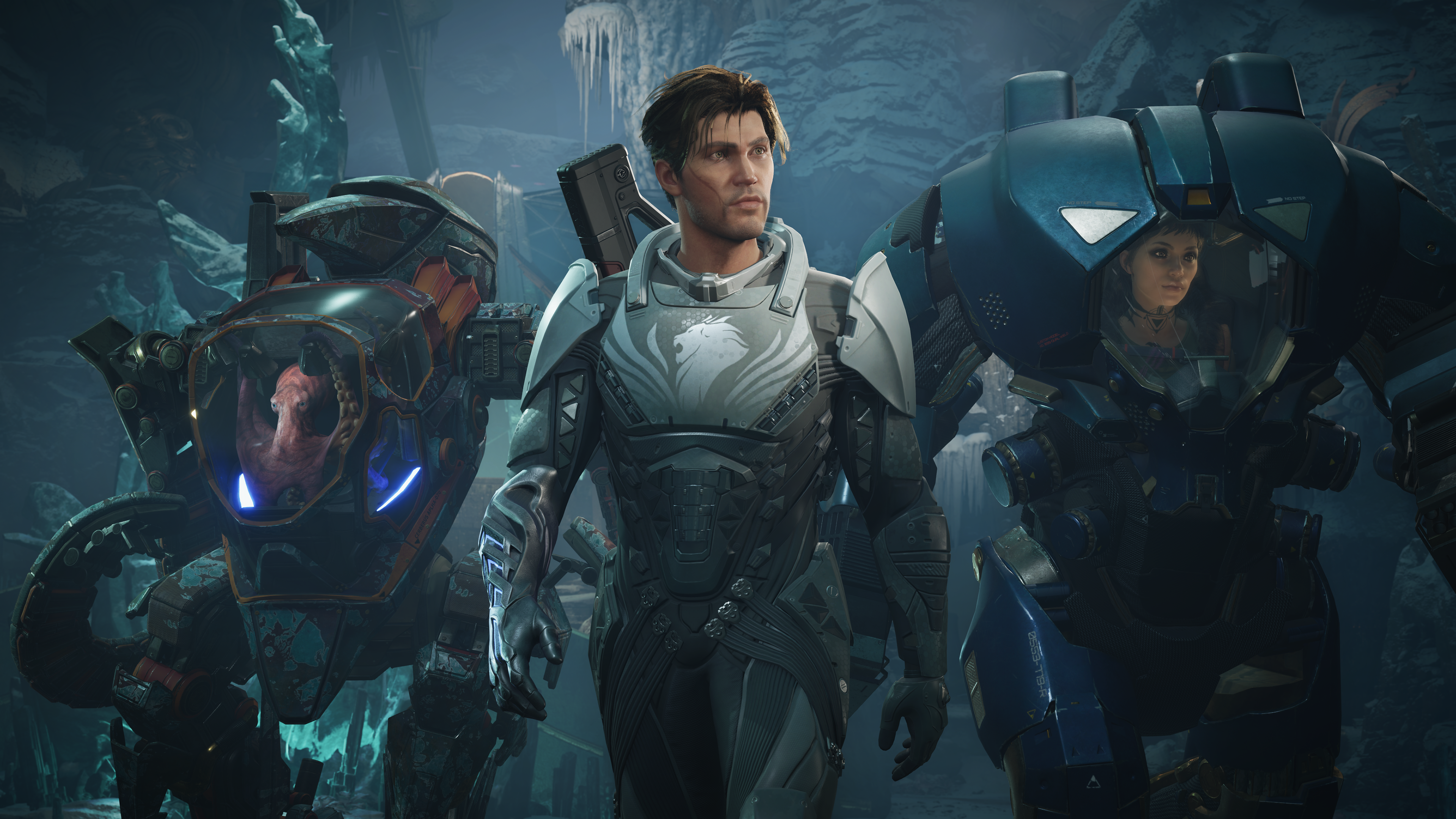
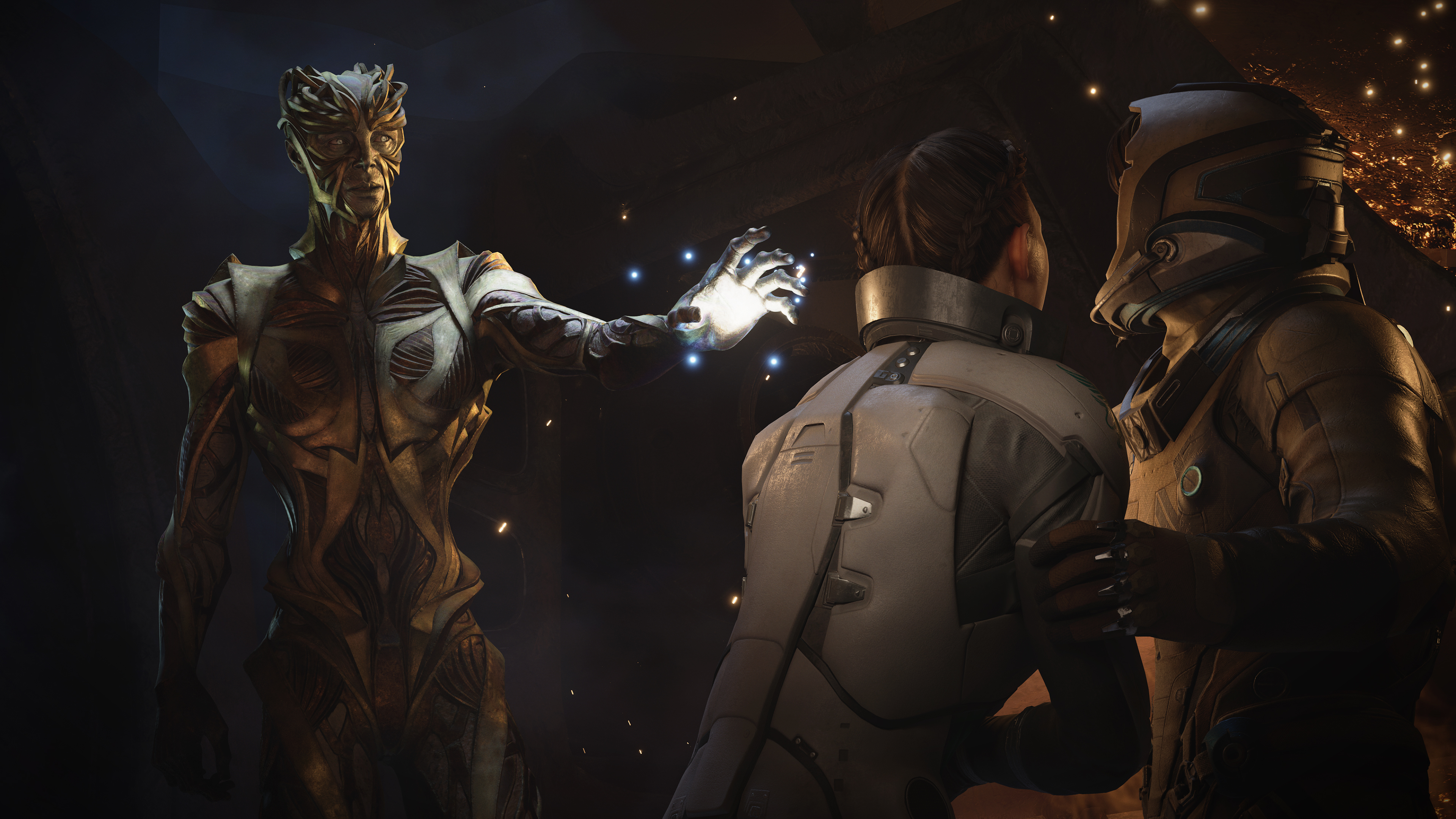
Karpshyn: With the Awakened, one of the things we’re exploring in Exodus as a general rule is this idea of evolution. Humans evolved into Celestials, and the Celestials became sort of these alien-type things. But that isn’t the only path. The Awakened are another way to explore that.
We’re taking something that is very familiar from Earth, and they were elevated, they evolved, and they became intelligent. We felt like it was a good way to explore different ways you can push the evolution of a species. In addition, you know, with Exodus, we’re trying to do some different things in the sci-fi realm, and one of them is aliens are really fun. You want them because they’re different, they’re interesting. One of the things that’s always a tough line to walk is if they’re truly alien, they might be so alien that you can’t relate to them. Like humans have only existed for, generously, a million years out of several billion. We’re like less than a percent – and running into aliens is, scientifically, very unlikely and rare.
So we said, how do we approach that? How do we get things that feel different than what you would see on Earth, in our current day, but still respect that sort of scientific truism of how rare aliens really are? And we came up with the Celestials and the Awakened.
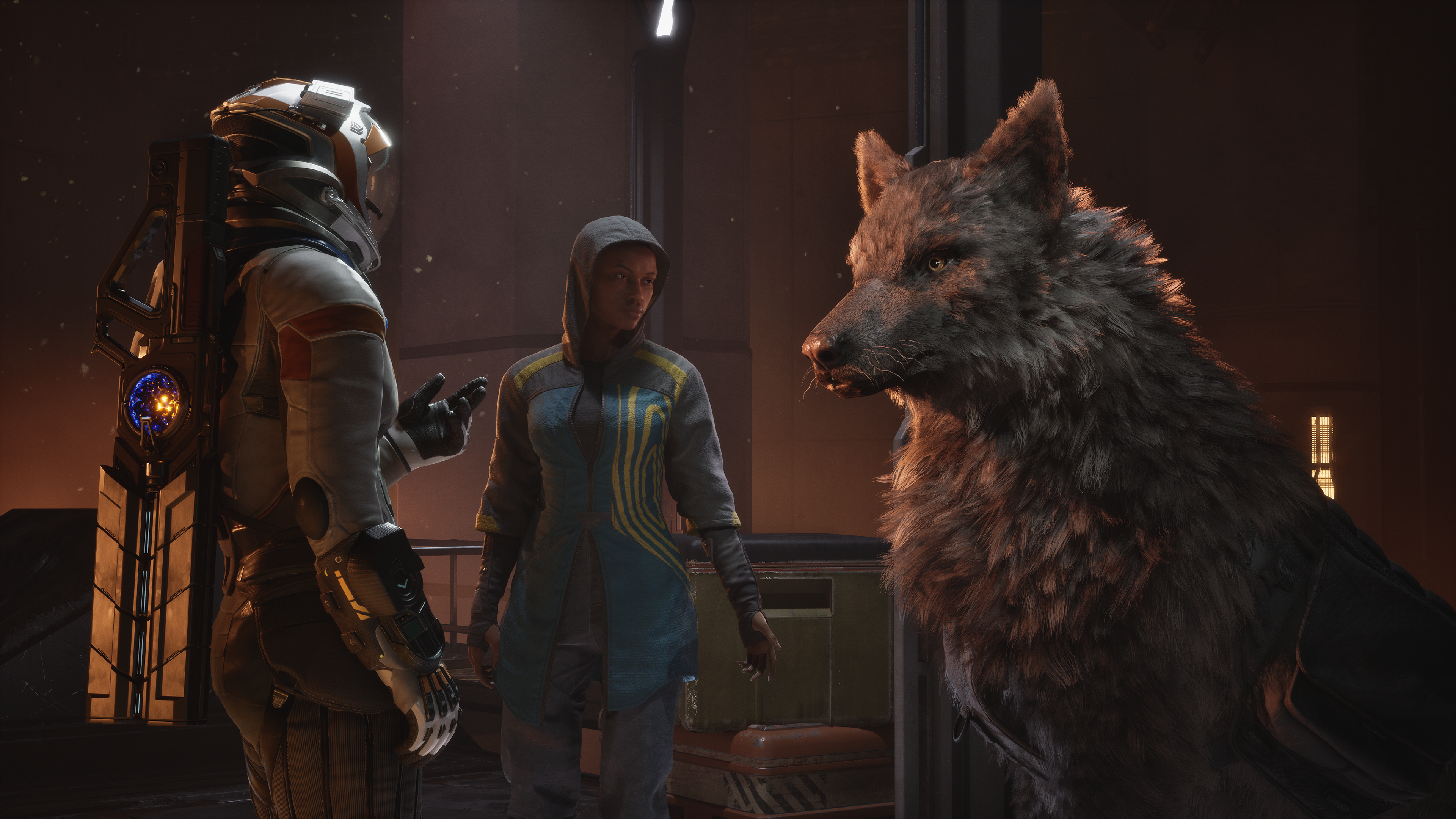
As you noted, there’s a lot of inherent tendencies to the animals, and the Awakened are not just people in animal bodies. They still have a lot of their normal tendencies. We want them to feel like an evolution, a logical evolution of what they were originally. But you can play with that. Some of them lean into the stereotype, while some cut against it. We felt it was something that allowed us a lot of latitude and a lot of free space to play around with and explore in a way players are going to enjoy.
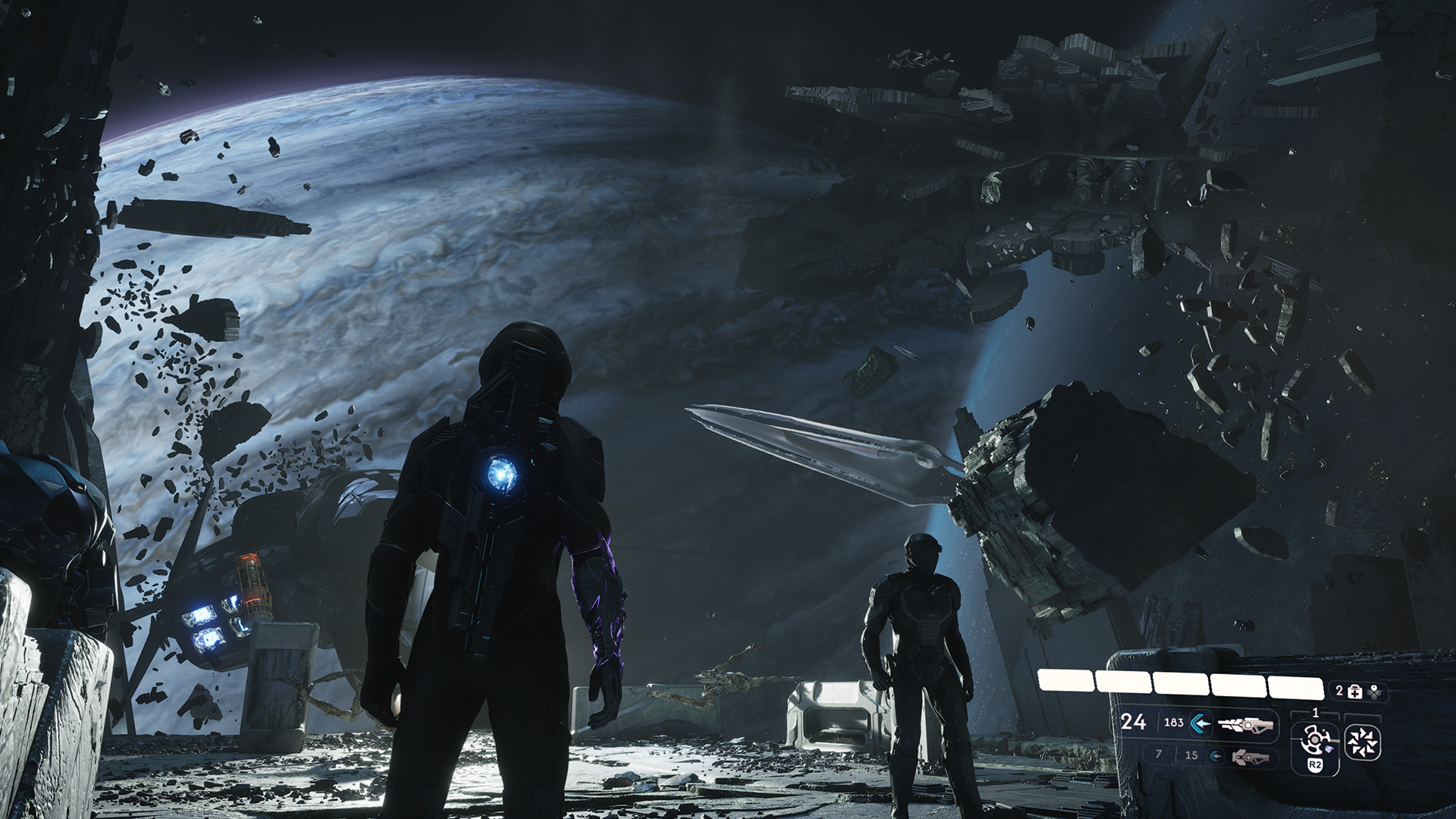
Karpshyn: We have a lot of themes that run through Exodus, but one for me personally, the thing I’m always keeping in the back of my mind, and the thing that the writing team is really focused on, is the idea of sacrifice. Because time dilation is such a big part of our universe, the travelers, the heroes and explorers of our world, know that leaving to go on an Exodus mission means they are basically sacrificing years and years and years with the ones they love, the ones they care about. Even though they themselves won’t age very much because of time dilation – they might be gone for 10 years, but it might seem like only a few days to them. The world will change. The world will almost move on without them. You’re giving up a lot. You’re giving up the people you love, the life you know, the world you know, in order to save it.
So this sacrifice, to me, is one of the deep underlying themes that we want to explore. And, you know, I think it’s something that everybody has to reckon with. There’s always a cost to what you do, and a lot of times it’s very small. But it’s interesting to explore that on a deeper level, and we’ve been able to dive into that and push it because of the time dilation. Push how these things really affect relationships, the world you live in, the path you want to walk, the path your society is going to walk, and this idea of what you’re willing to sacrifice, or willing to pay. It’s something that really resonates with us, and hopefully will resonate with the audience as well.
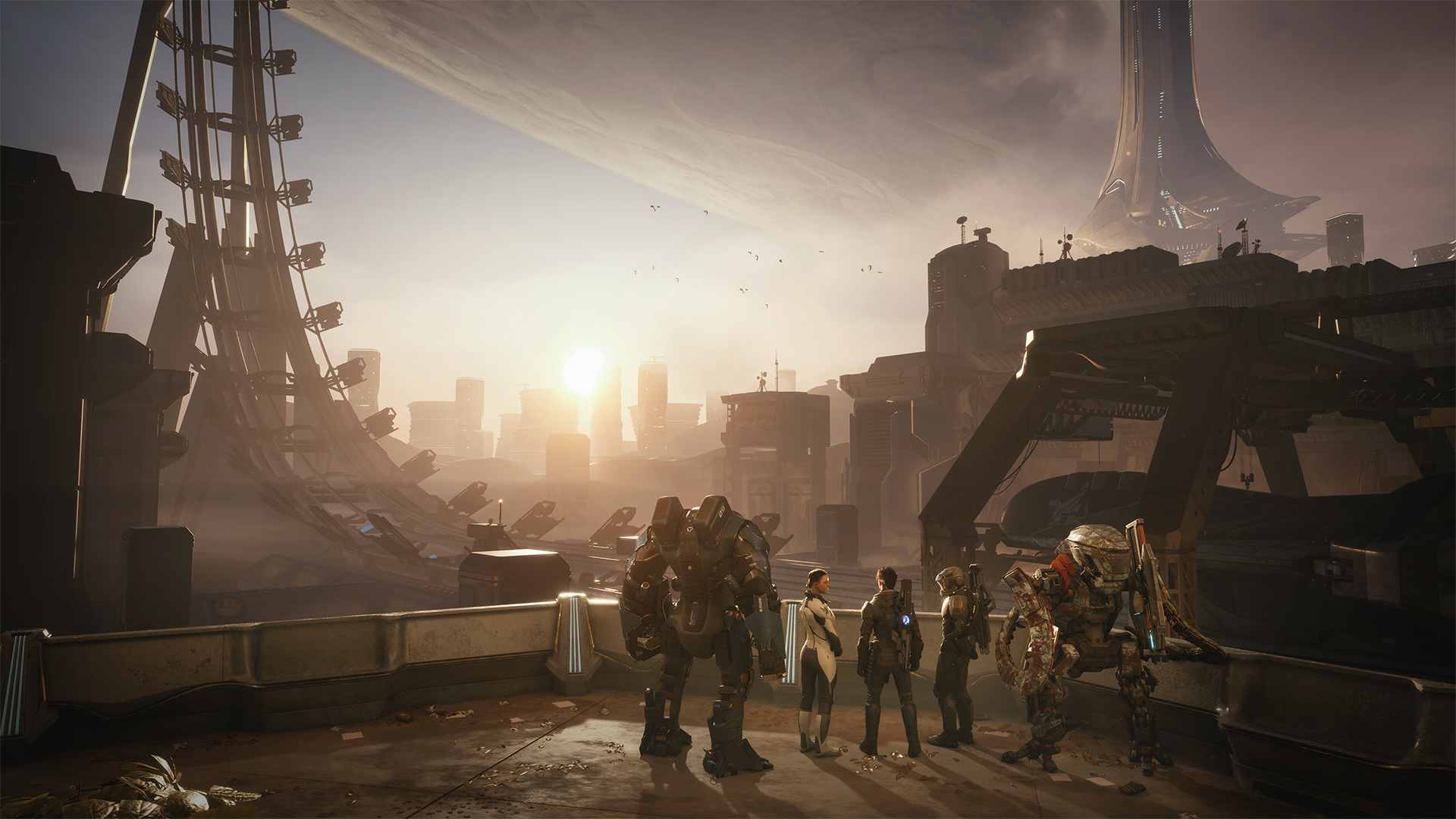
Karpyshyn: One of the great things about companions is trying to make them feel like they have their own wants, their own needs, their own goals. If they just always agreed with you, always do what you want, they wouldn’t be very interesting, right? The conflict is what makes them interesting.
We definitely have situations where you’ll not always be on the same page as your companions, and you’ll often have to side with one or the other. It affects your relationships. It can affect your romances and your romance possibilities. It can also have other effects in the long-term.
The companions all have their own content as well. So what we did was try to design a wide variety of companions. Not every companion is going to appeal to every player. That’s intentional. There are some people who will really love certain companions – like some people are going to think Suleman’s the best thing in the game. Some people might say, “Oh I don’t like that guy, he’s annoying.” And that’s fine because we have other companions to fill different roles.
What we want is to allow you to explore the companions you like the best. Maybe learn that there are some companions you initially don’t like, but if you give them a chance, you start to appreciate them more. If you’re not into a companion, you don’t have to do a lot of their optional content, but we’ve woven it into the story in a way that the relationships you forge with your companions, that come with you on missions and with other primary characters in the story, that’s a huge part of what makes the story resonate. That’s a big part of what makes the emotional impact land, so we want to make sure they’re a part of the story in a way that actually matters. They’re not just tack-ons. They’re not just along for the ride.
I can’t get into too much detail without spoiling stuff, but we have companions where your choices affect how they see you, affects the relationship. And again, without spoiling too much, based on the decisions you make, by the end of the game you might not have every companion with you anymore. Let’s just say that.
Karpshyn: I’ve got to be careful what I talk about here. We think choice matters across all parts of the game. That includes the story, it includes the relationships with companions, it includes the gameplay. We want to make sure that the choices you make, whether they’re tiny little choices early in the game, whether they’re about which side to take in an argument, which way to go with the beacons in that mission – we want to make sure that these are reflected in a way players can see, can understand, understand the impact of their choices.
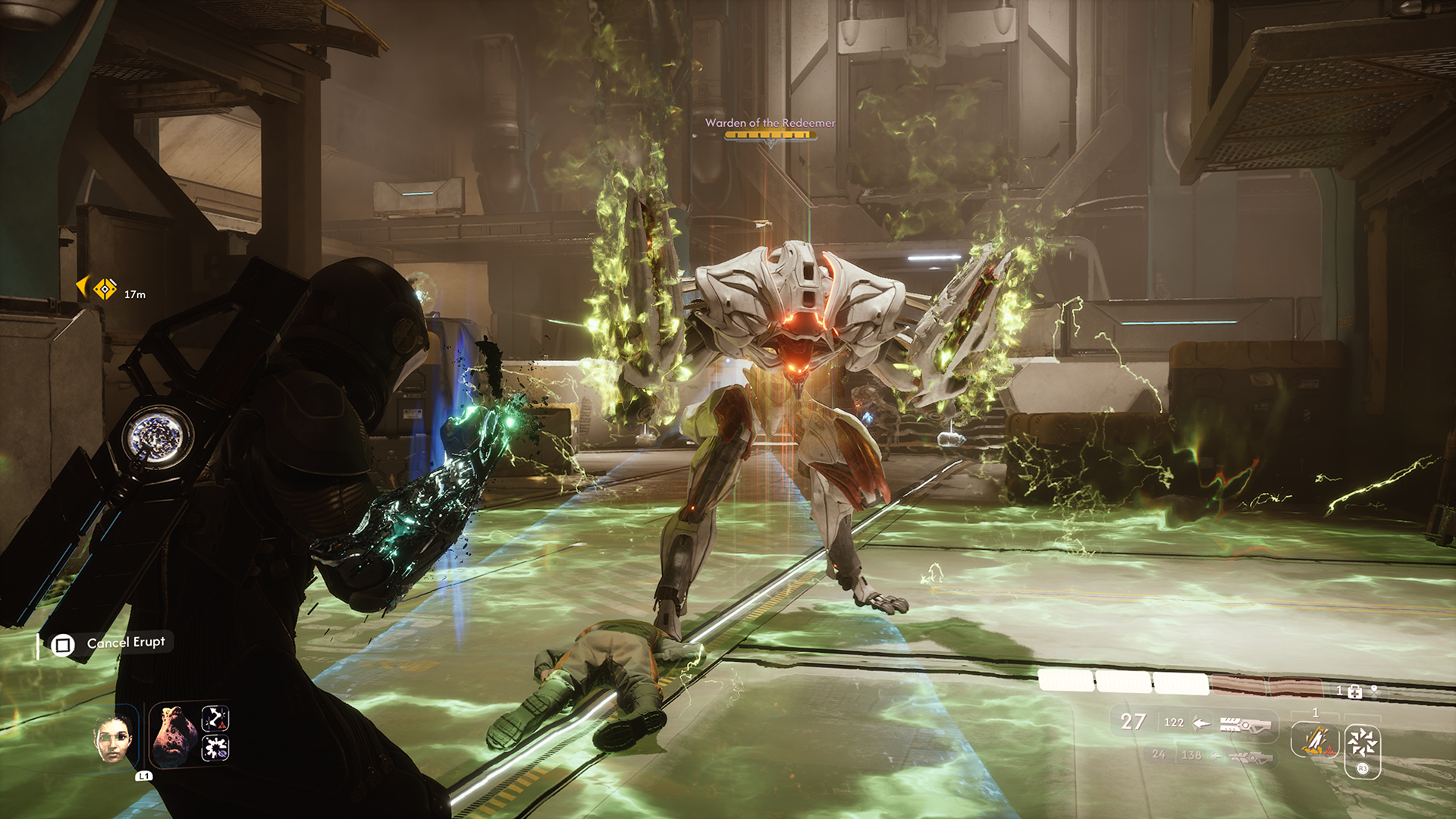
In that demo, there was something we call a Break Point. Jun has some prophetic-type abilities, more along the lines of hyper-accurate predictions; they’re not, you know, seeing into the future. It’s more prediction model-based. If you’ve read The Foundation series, it’s similar. But that kind of idea and that ability grows as you progress through the game, and you can improve and upgrade that ability. Then choices will impact things like how your dynasty is built in potential futures. So as you get more in, you’ll see more information with these break points that will help you shape which direction you’re going.
We want to make sure that there’s this understanding on the player’s part. They get enough feedback that the choices have some context, so they’re not just randomly flipping a coin and guessing. They’re actually doing something with a broader purpose and goal.
Karpyshyn: We definitely made a conscious choice to, and part of this was to allow Peter Hamilton, an incredibly talented author, the freedom to do what he wanted. We made sure that the Exodus novels and the Exodus game each stand on their own. The novels are set in a different part of the cluster, because of time dilation and the way travel works. There are societies much more isolated in the cluster than they are in a lot of other sci-fi properties, and interestingly, the novels are actually set a few hundred years after the events of our game.
Some small references, but what the novels do, though, is they give you a really good introduction to the universe itself, an understanding of how societies work, how they deal with things like time dilation, and the relationship between humans and Celestials, which is a very important part of not just the universe but our game.
There are a lot of elements Peter introduces in his novels that we want to pay homage to. Obviously, we can’t bring everything in. The novels are massive; they’re huge. I mean, I think all my Mass Effect novels put together don’t add up to the page count of the first novel. But, for me, the biggest thing is it just shows you how much more there is to the universe, it’ll give you a nice preview of a lot of elements – I can say which ones, but a lot of elements that will show up in the game. If you’ve read the novels, you’ll be like “Oh, there’s the ‘redacted.’” They’re a really nice way to get yourself to understand the tone, spirit, and general vibe of the Exodus universe.
Karpyshyn: I think that as the industry continues to grow and the budgets get bigger and technology improves, it does become more and more challenging to make games. Games are very challenging to make. We’re always pushing the envelope.
While it does make things sometimes harder for development teams, I don’t think anything is impossible. Sometimes these challenges are what push you to other levels. I can’t comment specifically on future plans or anything like that, but I think it’s still possible to do that kind of thing.
It’s never easy; making games was never easy. They seem to be as hard as they ever were. The new technology didn’t make it easier, it just made it so you’re able to do more stuff. So we just keep moving that bar. And I think you’ll definitely see stuff – the industry is always innovating. You’re always seeing new, interesting things being done, and we hope we’ll be a part of that and people will see what we’re doing and find it to be fresh and unique.
You know, when these things happen, it’s funny; they seem impossible. And they happen, and then they almost seem inevitable. So I think those possibilities are still open.