

"I’d like to localize the Hayarigami series, but we aren’t sure if there's an audience" - NIS President Kenzo Saruhashi on why their narrative adventure games aren't localized and how he's preparing NIS for Sony's disc-less future
At PAX West 2026, I had the opportunity to speak with the President and CEO of Nippon Ichi Software, Kenzo Saruhashi. We discussed the state of NIS and NISA in the current games industry market, after Mr. Saruhashi became the company's President around a year and half ago.
Several key topics we spoke about included Sony's intention to stop producing physical discs for new games coming to PlayStation starting in 2028, why narrative adventure games from NIS tend to not receive a localization, and the challenges of the localization process to simultaneously ship a game globally.
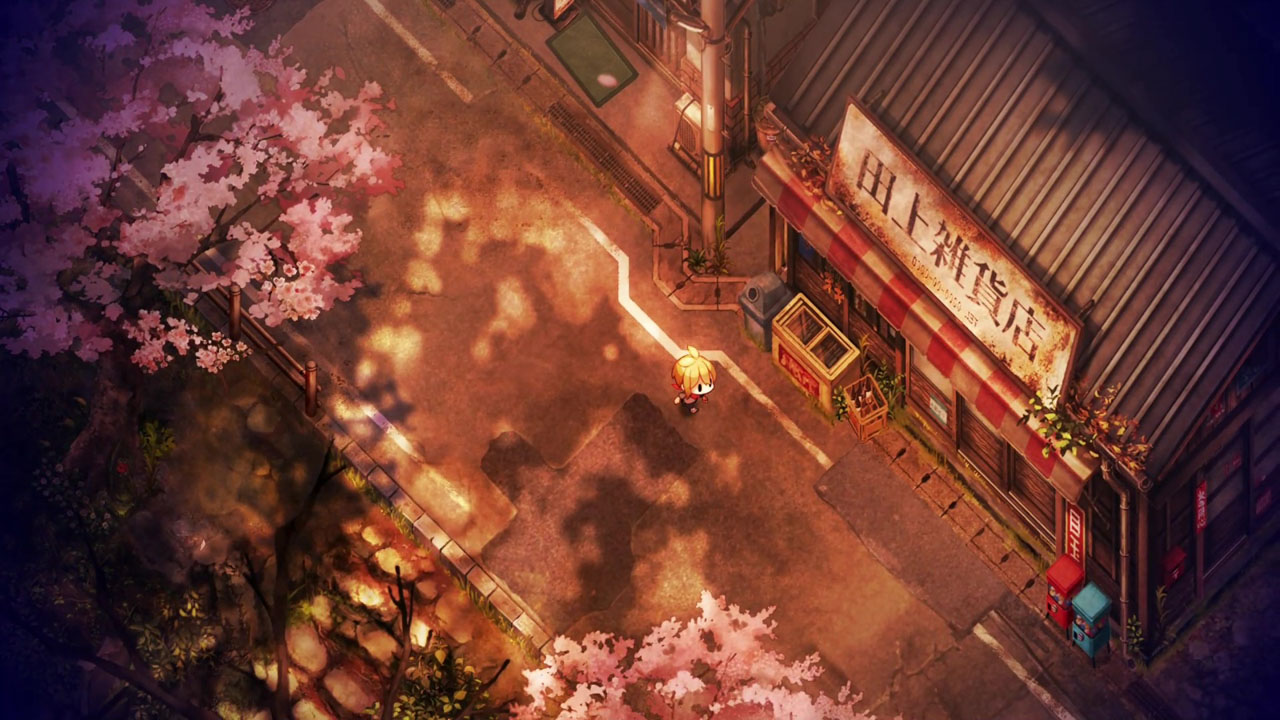
NIS's next major title in the west is Village in the Shade coming on October 27 to PS5, Switch, Switch 2, and PC. The title previously launched on July in Japan.
Please enjoy my chat with Kenzo Saruhashi.
How would you describe the approach NIS is taking to the current game industry landscape, and what are some of your guiding philosophies that help you steer the company forward?
Kenzo Saruhashi (President & CEO of Nippon Ichi Software): The current market is pretty tough for Japanese developers. Fortunately we have internal development resources, so we’re really focused on making good and interesting titles that appeal to our players.
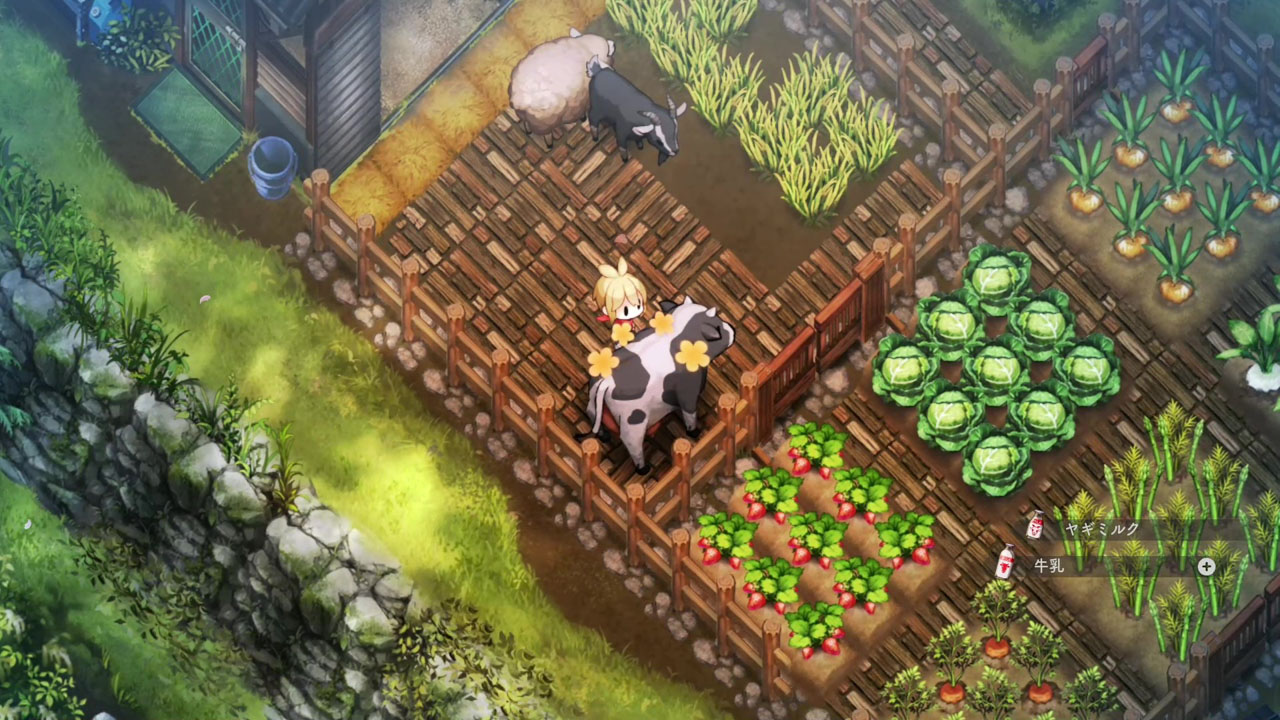
One strategic approach that NIS utilized for Village in the Shade’s distribution is that its PC version on Steam can already be bought and played overseas, and it will be updated with additional languages from NIS America through a patch.
I’m curious to hear what the advantages are with this approach. Are there any concerns that discoverability may be impacted when it officially releases in the west, since Steam typically doesn’t resurface already released game software to their front page?
Kenzo Saruhashi: In terms of our strategy, our basic approach is to aim for a simultaneous release globally. But there are cases where our schedules and resources just can’t make it in time, so we do try to do it within 3 months after the Japanese release.
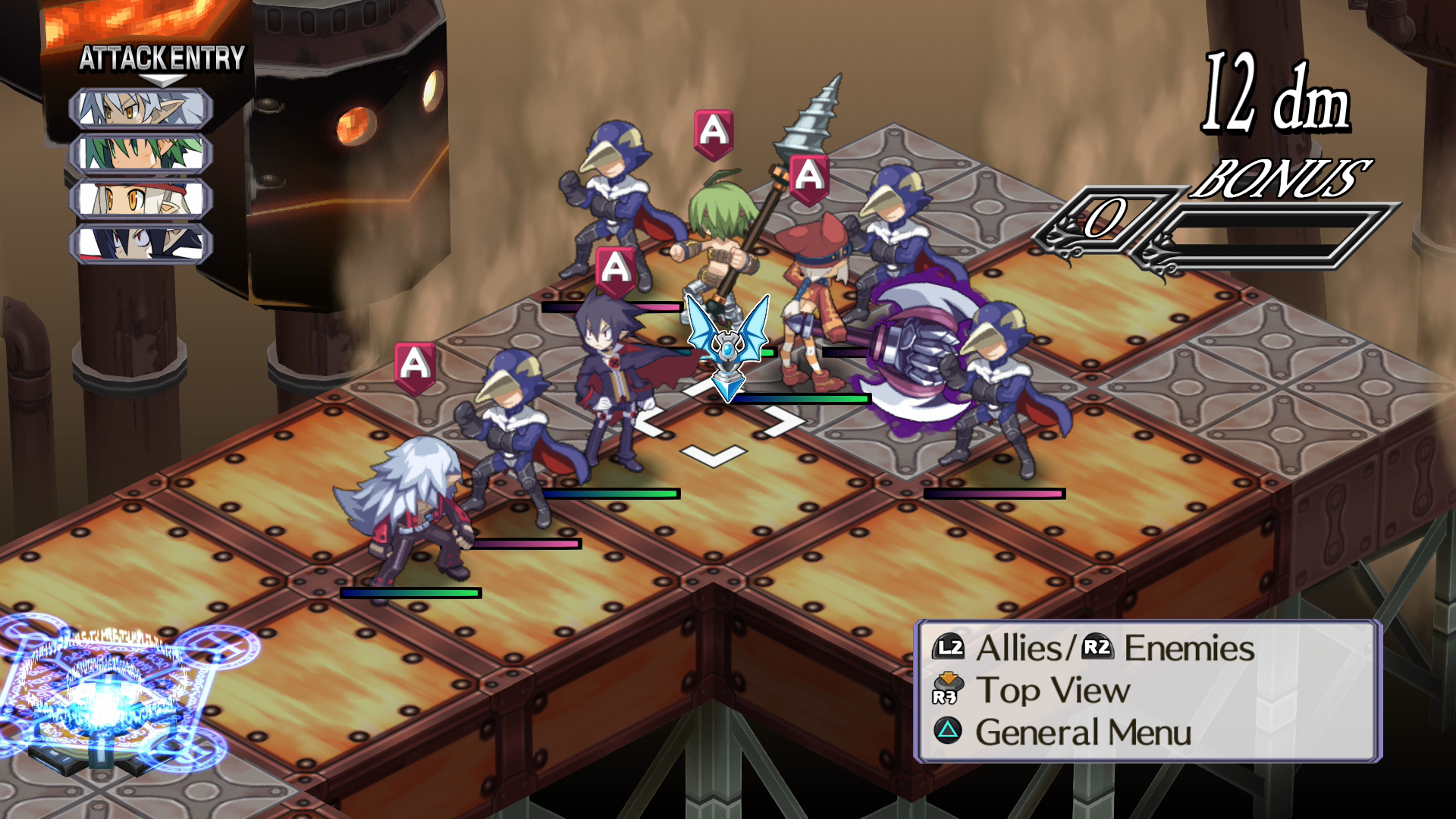
Is there any interest at NIS to provide PC ports to titles that were previously console exclusive? I’m sure there would be a sizable audience on PC who would surely be interested in titles such as Mad Rat Dead and Process of Elimination.
Kenzo Saruhashi: Since I became President, I realized that our pattern porting to Steam and PC hasn’t been very consistent. We have been taking a close look at titles we want to port there. It’s kind of based on the fan reception and our available resources. We have done it for some titles, like The Liar Princess and the Blind Prince.
We’re going to continue thinking about which titles we want to bring over to Steam in the future.
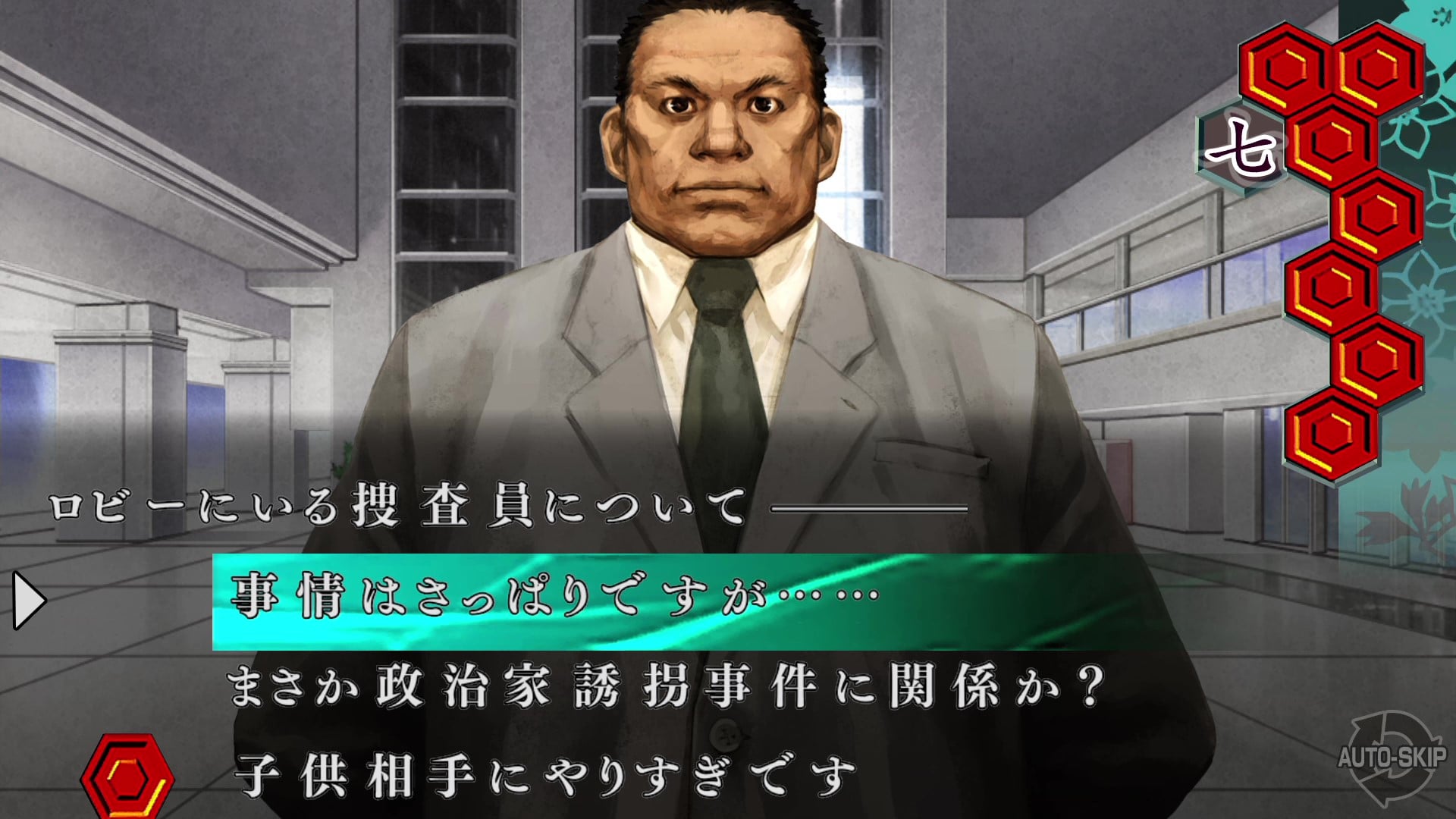
Why does NIS usually not give these types of titles a western release? Was the release of Process of Elimination in the west a gauge to see overseas demands for games in those genres, and did its performance fail to meet those expectations?
Kenzo Saruhashi: There are other adventure games we have wanted to localize but because the text’s volume was considerably large, we have to consider how to allocate our resources. Yes, we know the market does prefer genres such as action RPGs, and that’s something we have to keep in mind at all times.
It’s really a case-by-case based on the development and localization cost, along with their sales projections.
As for Process of Elimination - yes it was an adventure title, but there were other sim-like elements and that’s how we thought it would have been interesting to bring over to the west because it is a little different.
For the Hayarigami series, yes it is interesting and I’d really like to localize it, but we aren’t sure if there was an audience that would receive it very well.
Now that you brought it up, do you think it would do well in the market?
RPG Site: I think it would! I think the market for visual novels and adventure games has gradually been rising over the recent years in the west.
Kenzo Saruhashi: Well now that you’ve said that…
Do you see a noticeable impact on the sales performance of Switch 2 game software that is offered on game key cards? Do other platforms’ physical media offerings that do allow for all of a game’s data to be stored on them see increased sales in comparison to game software offered on game key cards?
Kenzo Saruhashi: Currently, we don’t see a difference in the sales between them.
How do you foresee this affecting NIS, and what steps are you taking now to prepare for it?
Kenzo Saruhashi: In terms of Sony stopping disc production, we’re on the same page as everyone else. Sony hasn’t told us their long-term intentions or plans. We don’t know if disc sales are just going to go completely away or not.
As you know, we make a lot of limited editions. We like to add a lot of goodies in them, especially NIS America.
As for the future and what’s going to happen, we’re paying very close attention to the market reaction and we don’t plan to stop.
If I’m remembering correctly, the last time a NISA title was released on a Microsoft platform was Disgaea 4 Complete+ on the Windows PC Store in 2020. Why do first-party developed titles at NIS no longer come to Microsoft platforms? Are there any future plans or considerations to releasing past titles on either Xbox platforms or the Windows PC Store?
Kenzo Saruhashi: We do have an existing connection to Microsoft and we do consider every title on whether it’s releasing on their platforms. Our development teams are not actually very big, so we’d have to consider how we use our technical resources pretty carefully. This includes if we can continue supporting that title on their platform in the future. It’s all considered on case-by-case basis.
When you first settled into these positions, were there any aspects of their duties that you initially believed would be easy, yet turned out to be difficult? Were there any elements that turned out to be relatively simple, when you initially expected them to be incredibly challenging?
Kenzo Saruhashi: I never expected the job to be easy from the start, so there aren’t any cases where it turned out to be easier than expected. In fact, it was way harder than I expected.
As for things that I expected to be difficult, one thing is that the market seems to be getting tougher every year. I’m worried that the market won’t accept our titles going forward. Thankfully due to our IPs we built up over time and the extensive, positive fandom that our fans have built, it has kept us going. In that sense, my worries are offset by that.
In your time with NIS, have you been looking into any ways to make the localization process more efficient while retaining the high quality of localizations that NISA has achieved? Are there any perceptions about localization, whether it’s the process or timeline, that you hope the public better understood?
Kenzo Saruhashi: It’s a hard question, because there’s a lot that goes into getting things out on time, right? Of course with localization, we want it to be efficient and fast so that the games can reach our fans soon. That is still very important to us.
We spend a lot of effort in creating our production and development schedule to try and make that happen. There have been times, as you noted, where we aren’t able to ship simultaneously because there’s a delay between the pieces during the process.
My thoughts are that we want to close that gap as much as possible, and we have done our best to do so. As for strategy, there are still a few more things we’re working on.
If there’s something we’d like the fans to know, it’s that if there is a gap between a game’s release in Japan and its release overseas, it is not on purpose. We really want to do the best that we can in that situation. The fact that you mentioned that, we’ll keep it in mind.
Kenzo Saruhashi: As we just discussed, there are many challenges to releasing a game globally. For us, the most important thing is that we make something interesting and fun for the fans.
That is where everything begins once we start to plan out a game. Everyone on the development team believes that firmly. We also believe that NISA’s localization is a key part of that process.