

Aretha Collection 1993-1995 releases for Nintendo Switch and PlayStation 4&5 in Japan on July 30
Edia has revealed that they will release Aretha Collection 1993-1995 in Japan for Nintendo Switch, PlayStation 4, and PlayStation 5 on July 30. This compilation will contain all three Aretha series entries that were released for Super Famicom (SNES).
As a refresher, the Aretha series was comprised of a total of 6 RPG titles that were developed by Japan Art Media and published by Yanoman on an annual basis from 1990 to 1995. The first three titles were released for Game Boy between 1990 and 1992. The Aretha title refers to the eponymous kingdom where most of the games take place in.
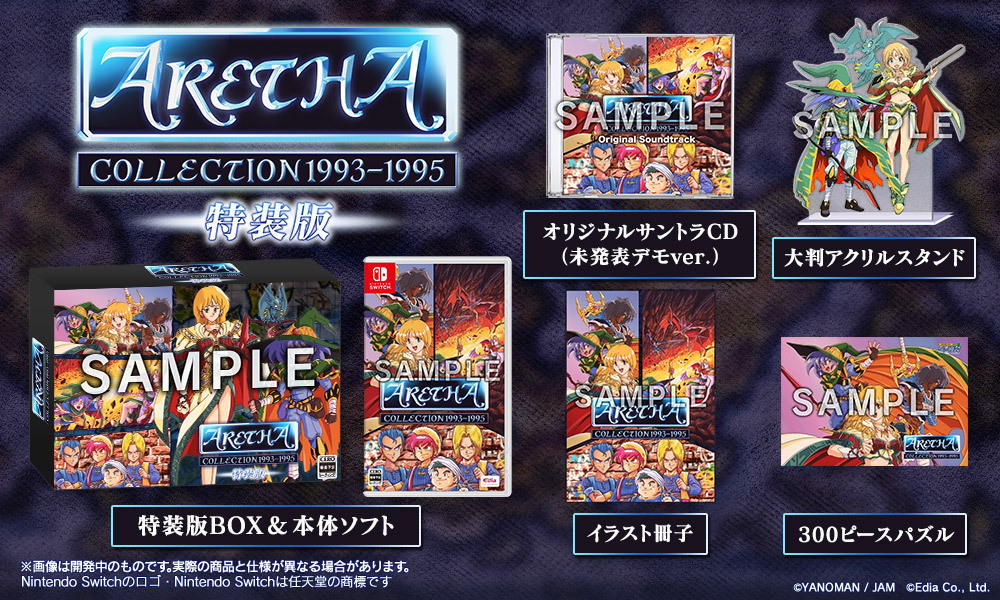
Edia also revealed that they will release a physical Limited Edition that will contain the following bonus items besides the physical game box:
- Original Soundtrack CD (Unannounced Demo Version)
- Large Acrylic Stand
- Illustration Pamphlet
- 300-Piece Jigsaw Puzzle
You can find our translation for the details about each featured title right below. This compilation is so far only slated to appear in Japan, with only Japanese language supported.
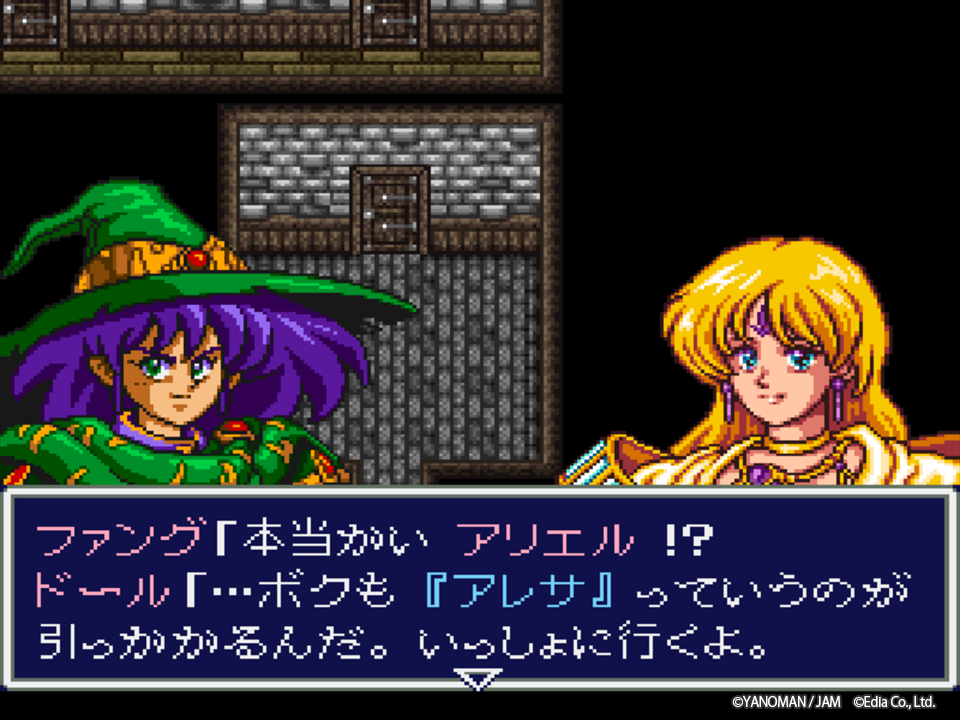
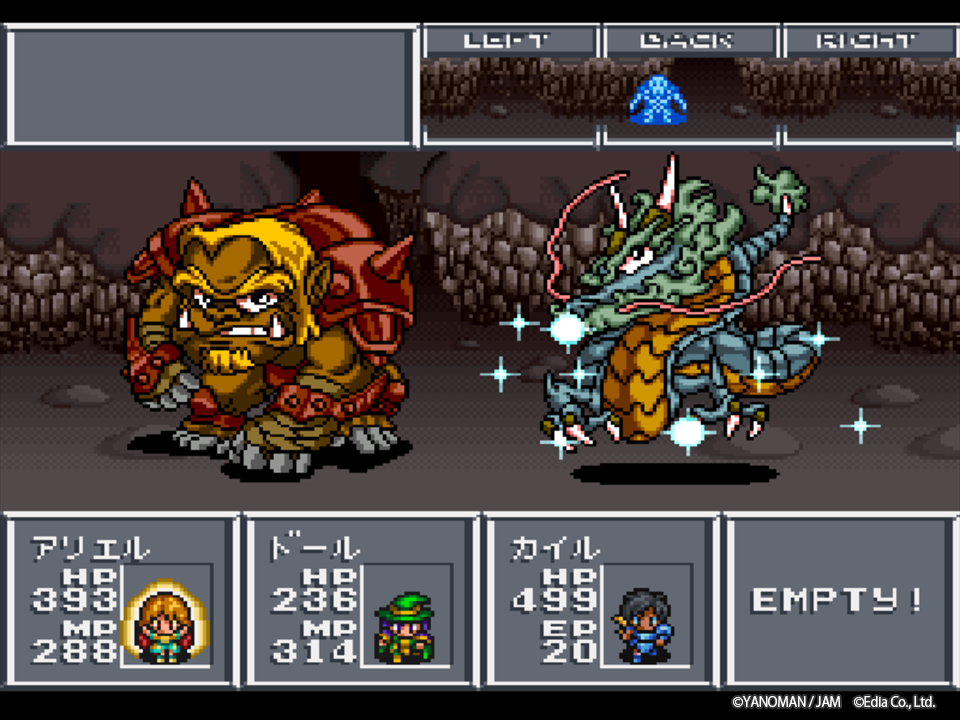
Aretha the Super Famicom - released on 26 November 1993
Taking place in the future after the Game Boy entries, this game's story features the rather calm girl Ariel as the protagonist. The movement controls were widely regarded well back then, and the next objective task is also easy to understand. This game also has a unique battle system, where the party will have to defeat all enemies that come from four directions.
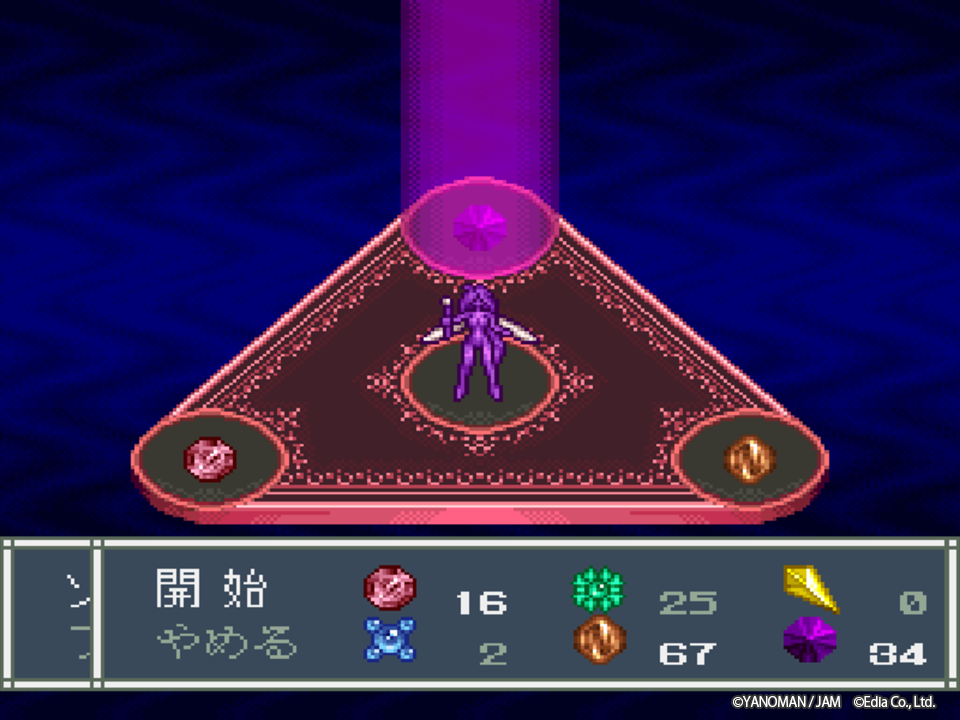
Aretha II: Ariel no Fushigi na Tabi (Ariel's Mysterious Journey) - released on 2 December 1994
The sequel to Aretha the Super Famicom. While retaining the unique battle system, many of its gameplay elements were shown to have evolved here. This entry also had a new system where the player can fuse remains of defeated monsters among others to create equipment gear.
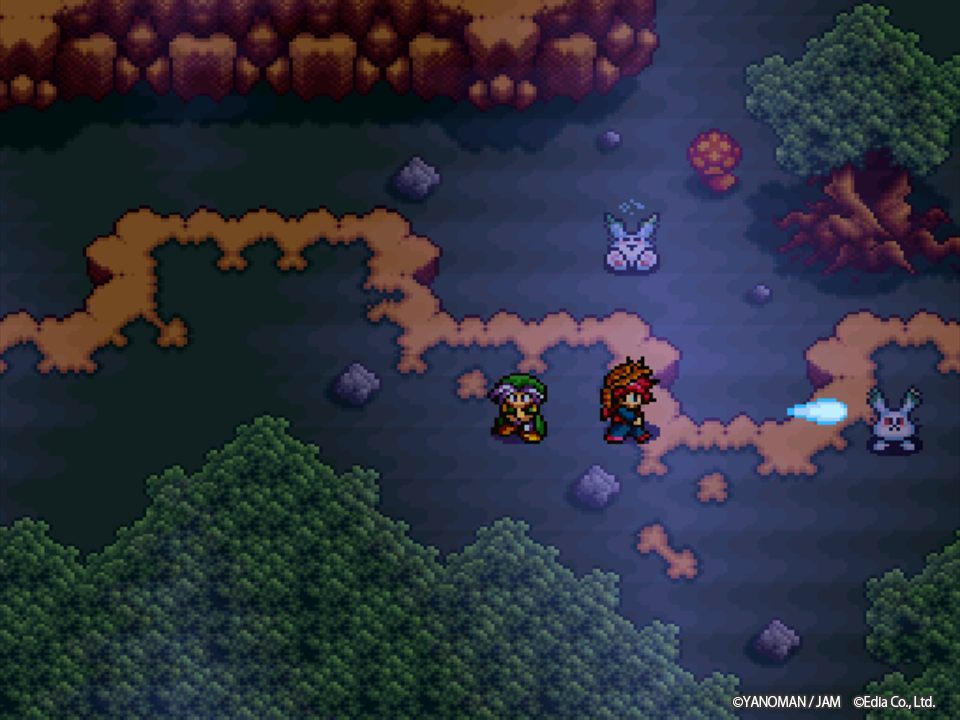
Rejoice: Aretha Oukoku no Kanata (Beyond the Aretha Kingdom) - released on 21 April 1995
The first Action RPG in the series, with the simultaneous 2-player multiplayer being its focal point. Although it was derived from the Game Boy entries and totally different from the first two Super Famicom entries, it had many unique characters appearing in the same fashion as prior series entries. The various BGMs included in this game also garnered very good receptions.