

Exodus already feels like so much more than a successor to Mass Effect
It often feels like every new sci-fi RPG that comes along has its moment where everyone wonders if it'll be the next Mass Effect. BioWare's beloved franchise had an inexplicable, almost measurable, effect on the genre and video games at large. Mass Effect's beloved companions, dynamic choice-based narrative, and general world design have gone on to inspire countless others in a multitude of ways, from The Witcher to The Outer Worlds.
Because of that legacy, it feels almost unfair to compare something to Mass Effect, but if any game was going to get those comparisons, it's Exodus. With the lead writer of Mass Effect 1 and 2, Drew Karpyshyn, attached, as well as a handful of other former BioWare staff, Exodus was never going to be able to avoid it. But after playing Exodus for two hours and talking to the developers, there's a clear, earnest effort to both embrace that legacy and push forward with Exodus into uncharted territory. While those Mass Effect elements are certainly there, I'm already incredibly hopeful that Exodus can stand on its own.
The roughly two-hour missions I played of Exodus took place partway into the game, as Jun accompanies one of the major companions, Suliman, to a space station above Leidan that's been taken over by enemy forces. An "Awakened" species called the Kei (evolved Earth animals with extreme intelligence), calls the station home. The goal is to take the station back while keeping the Kei, and their vital task of operating Leiden's planetary shields intact. Keep in mind, my demo was lacking a lot of the narrative context to build up to this moment.
But my two hours were spent creeping across a massive space station, battling a handful of mercenaries, mechs, and Awakened, and helping the wonderfully whimsical Kei with a myriad of problems. There are a lot of elements to dig into, from party-based combat to a seemingly major story choice at the end of the demo that shapes how this game's big decisions will play out.
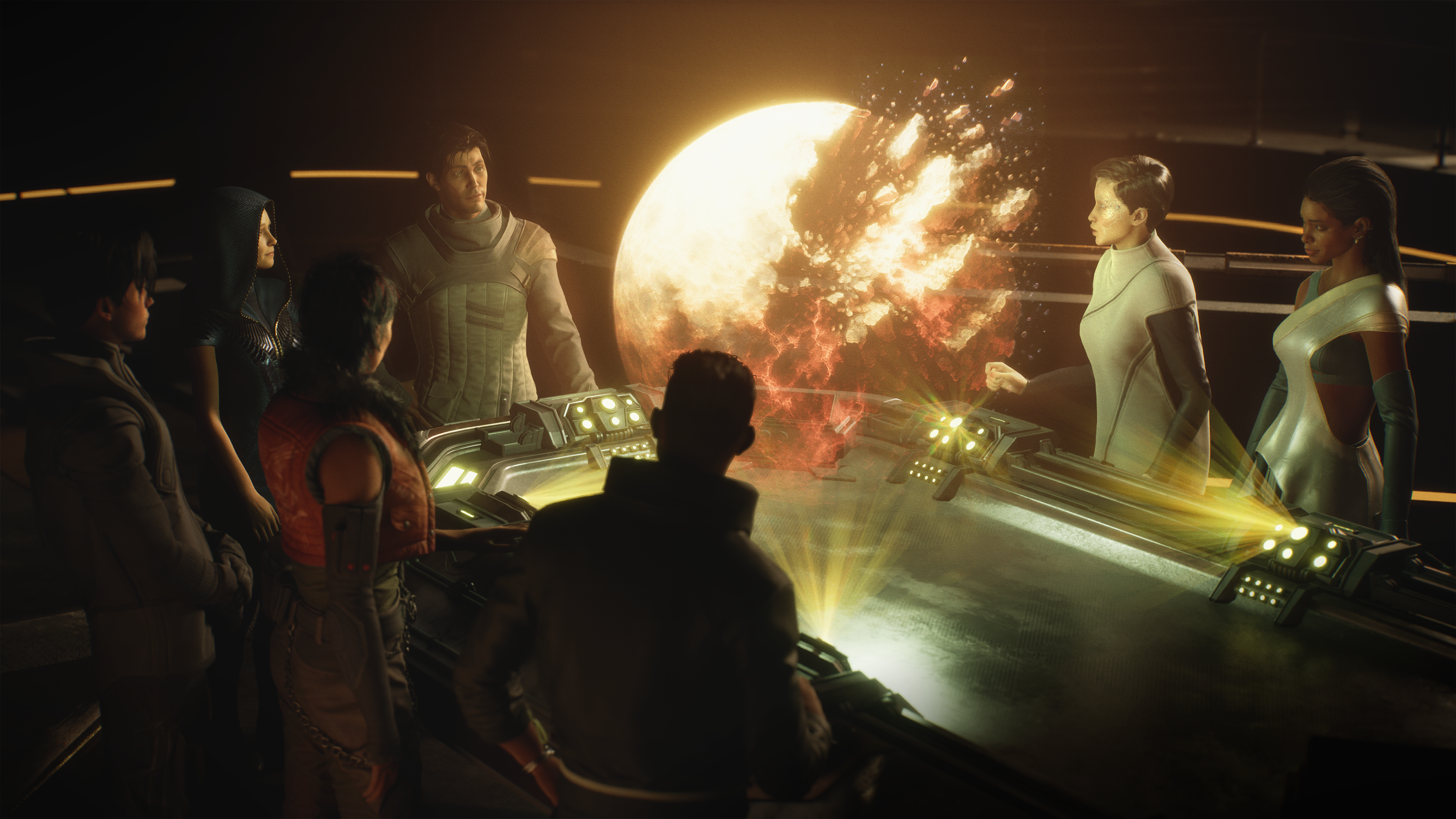
From a gameplay standpoint, Exodus plays a bit like a more grounded Mass Effect Andromeda, with streamlined companion skills that are quick and easy to use, and snappy third-person shooter combat. I use grounded literally in this context: completely ground-focused combat that feels satisfyingly sticky, much like Mass Effect 2 and 3, but with the streamlined ability and companion management of something like Mass Effect Andromeda. This is likely where Exodus will draw the most comparisons, but combat does feel fittingly impactful.
Jun has access to a number of weapons: assault rifles, marksman rifles, a shotgun-type spread weapon, etc. But his Traveller powers also gives them access to an array of powerful battle-altering moves. Jun can throw a deadly spear straight ahead, bursting through an enemy's shield with ease. Another ability lets you rip up the ground in a straight line, sending enemies flying or breaking through barriers. At one point, I ran into a sub-boss room only to use this move and send the boss careening over an edge and into a pit, without firing a single shot. During the demo, I unlocked another ability to slow down time for a specific item or enemy, which proved useful in both puzzle solving and the boss battle against a terrifying Awakened bear later on.
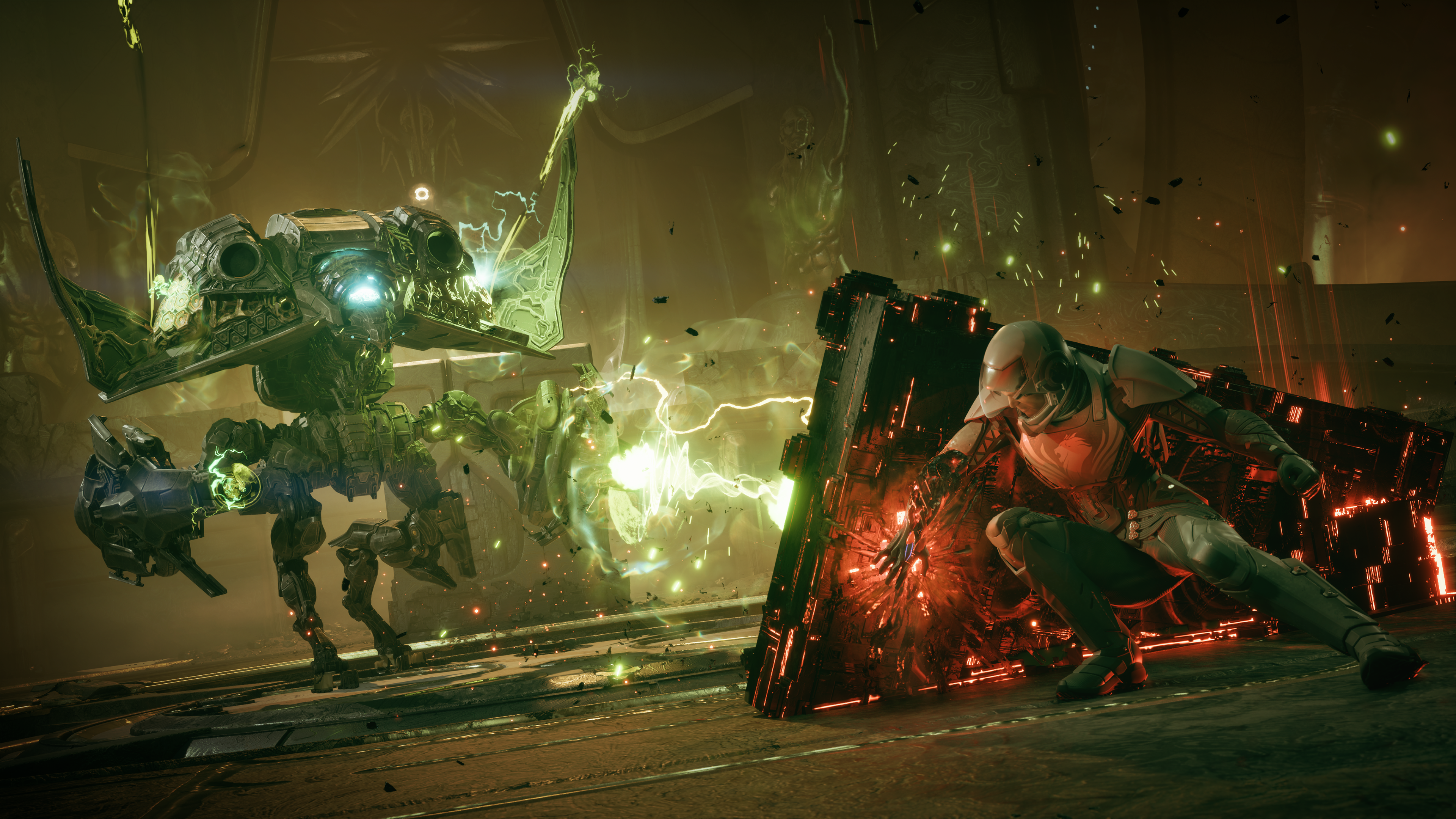
Apart from Jun themselves, your two companions have a basic move and a more powerful ultimate move they can use on timers. Suliman has a teleport where he can backstab an enemy for huge damage, while Elise fires off a barrage of rockets that can damage a zone and essentially lay down covering fire to keep enemies pinned. Much like Mass Effect, there's some really great interplay between Jun and the party members, with bonus synergy damage popping up in super satisfying explosions if you string the right abilities or effects together. But crucially, companions also feel like active participants in battle, clearly holding their own, and not just vessels for abilities that are along for the ride.
There's clearly a bit of jankiness to Exodus' combat that needs to be ironed out before launch, awkward animations, the occasional enemy AI problem, etc. But I found myslf enjoying the combat experience more than I thought I would. Taking the best parts of Mass Effect 2 & 3 and smashing that together with Andromeda is a smart approach.
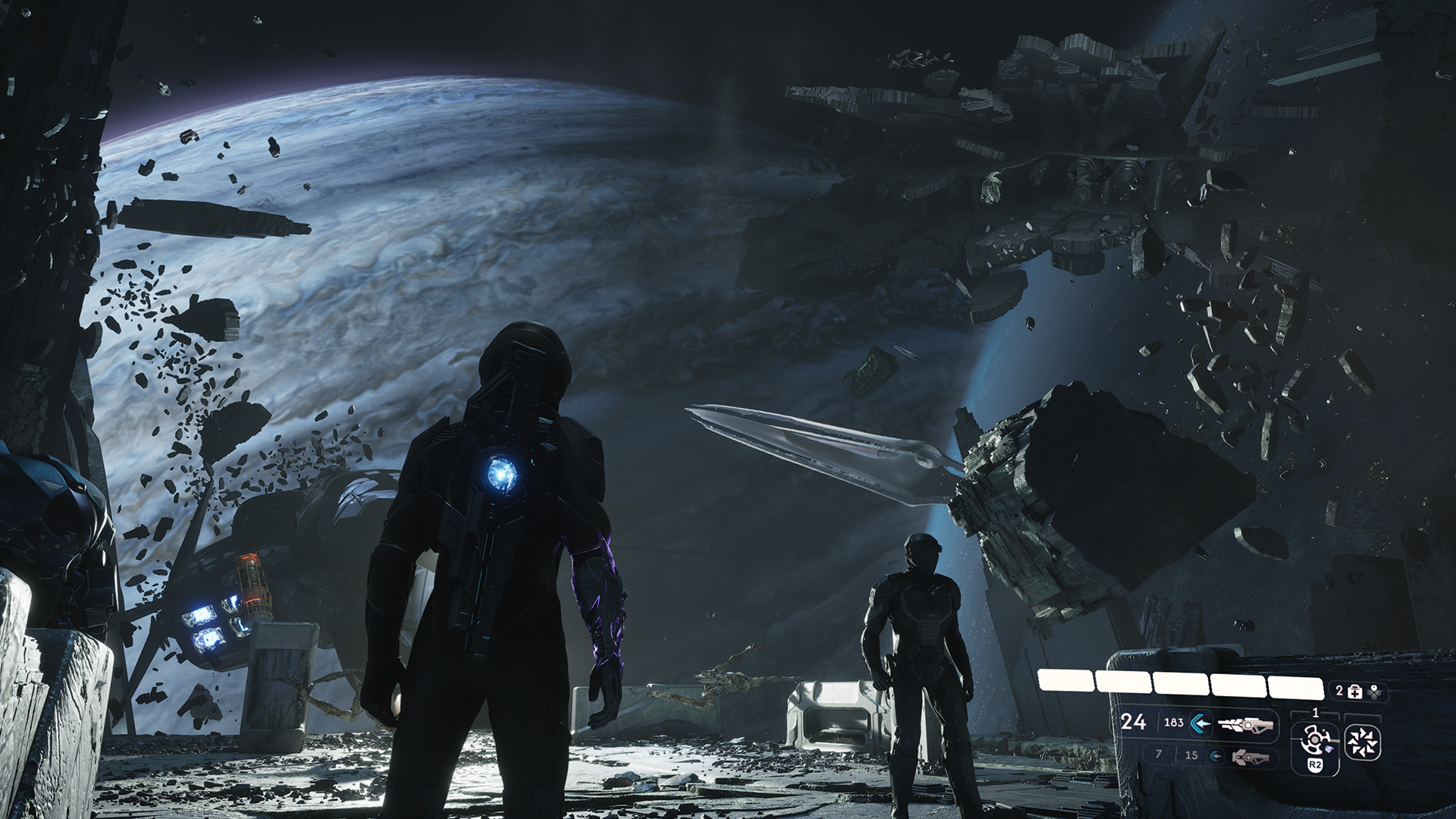
Beyond the combat, though, perhaps what's stood out the most, although it's a little vague, is the general vibe of Exodus. When I say a game like the first Mass Effect is heavily built around vibes, I mean the kind of feeling it evoked, the fantastical sense of wonder of exploring space, discovering the unknown, and being a part of something bigger. That same exact feeling is something I almost instantly got from Exodus.
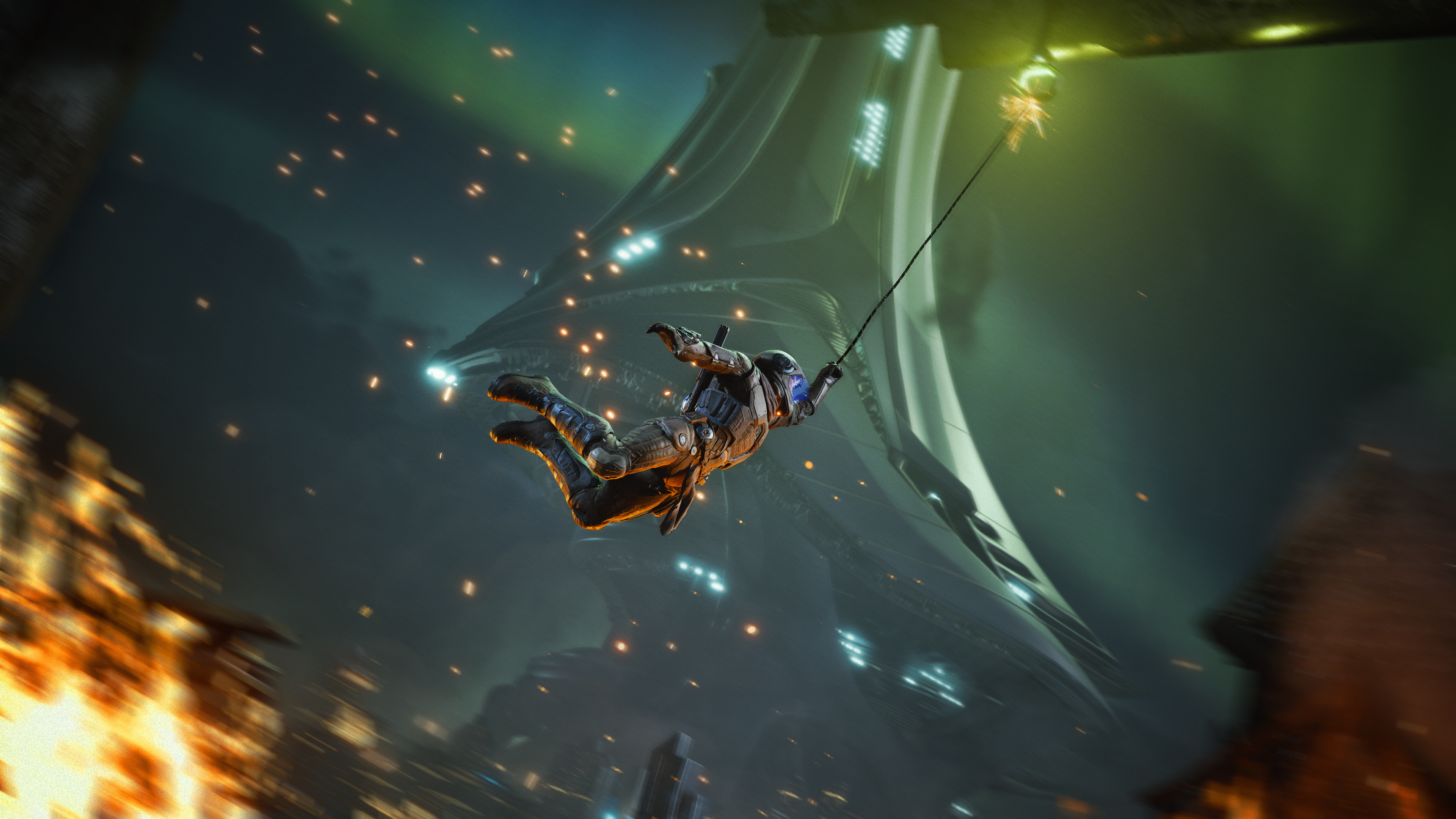
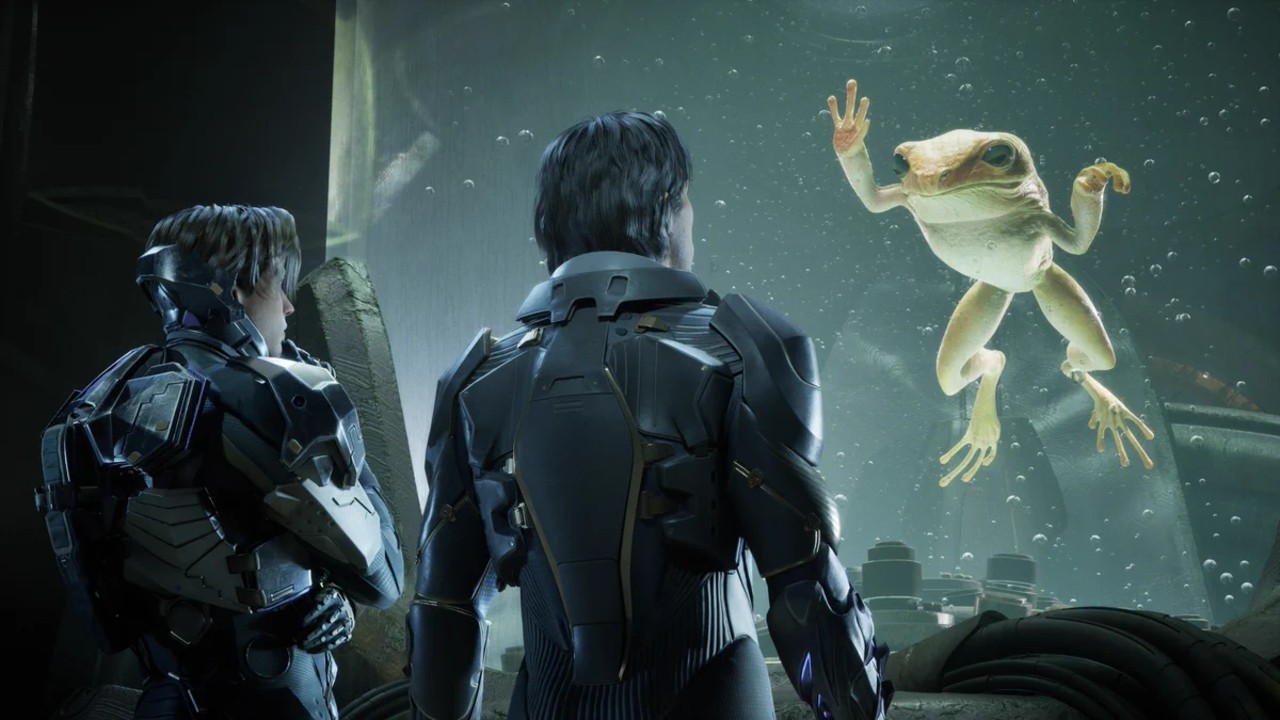
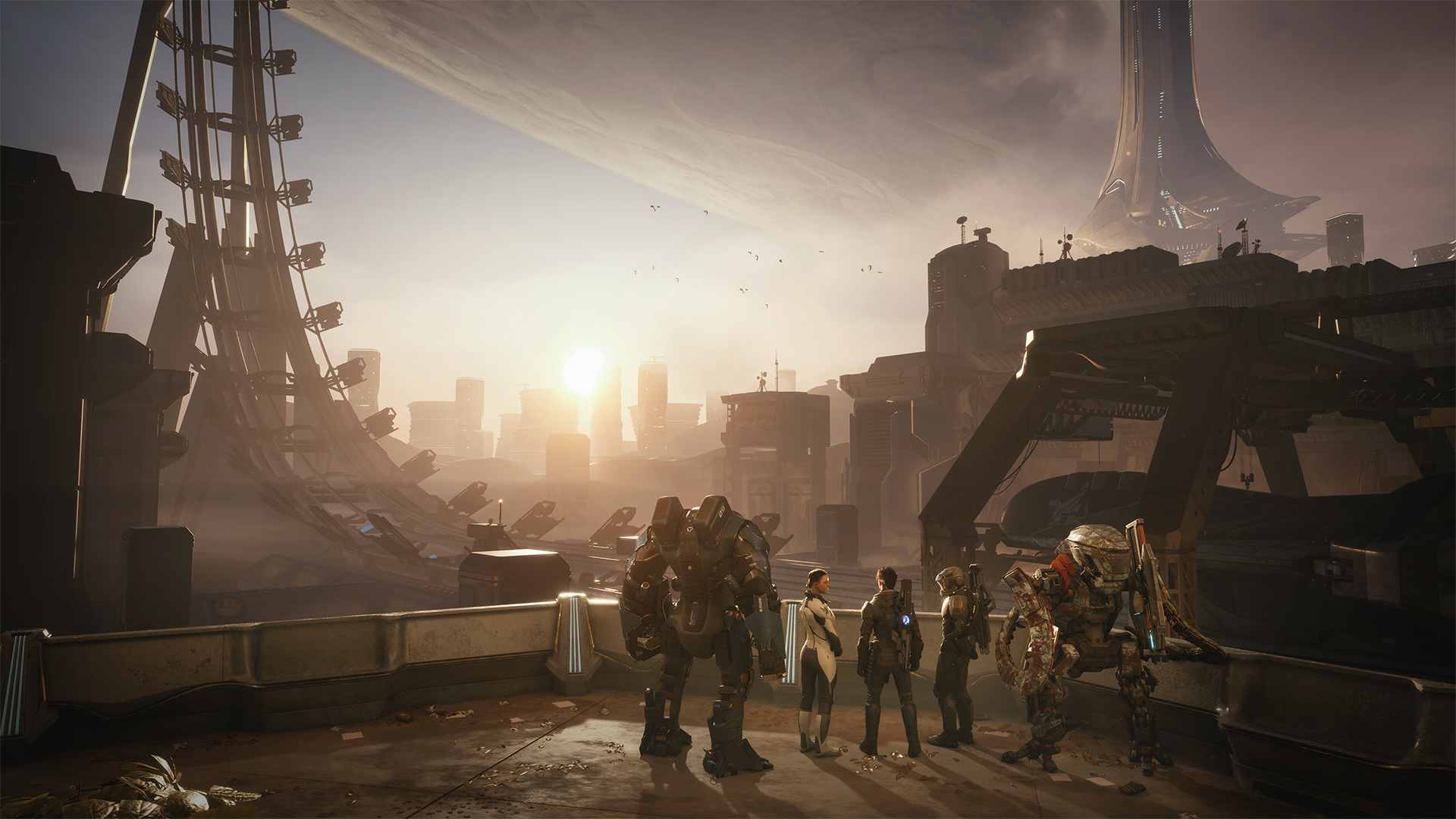
There's a fascinating visual aesthetic to the whole thing, falling somewhere between photo-realistic and stylized, but it works, especially because I was literally talking to hyper-intelligent frogs in tubes. It feels fantastical, but grounded at the same time. Moments where my party steps into Zero-G are permeated with muffled sound design and evocative music, making it feel like you've briefly stepped into another world entirely. And there's a clear sense of whimsy to the world and characters.
Midway through the mission, I ran into a frog named 42C, who was absolutely blasting heavy metal when I entered the room, before I politely asked him to turn it down. After some back-and-forth, the frog realized he'd heard of me on the radio broadcasts and that I was the baddest dude in the galaxy, followed by excitedly inquiring about the top five ways I'd ever killed people. Later on, I ran into a robot who got extremely offended when I called him a "construct," making sure to specify he was a security consultant. I needed a key card the robot had, and for whatever reason, he wanted 500 credits to part with the card. It was a measly amount, and I have no idea what a robot trapped on an isolated space station might do with money, but that's besides the point.
Spread across the demo, as I explored the station and moved between combat encounters, I kept running into these fascinating little characters. There were multiple more Kei that I could save while exploring, from a haughty giant toad that criticized how I solved a puzzle, to a baby frog clearly religiously indoctrinated.
The other really fascinating element here are the companions, in this case Suliman, who I initially found to be a bit of a pompous ass, although a likable one. I typically play good characters in RPGs like this, and my Jun butted heads with Suliman a bit because of that. But, equally, I got a really good feel for these companions as there was chatter throughout the mission, and nearly every dialogue involved at least Suliman in some way.
Then came the big moment of the demo, after I fought off the Awakened bear and took back control of the station. This is where I found out Suliman's ulterior motive was to put the Kei under the protection of his dynasty (an ultra-powerful family with sway across space). Suliman's dynasty would guarantee the Kei's protection, but in return they'd take control of the being's beacons, instill new programming, and ensure all future generations of the Kei would be loyal to the dynasty.
Any camaraderie Jun and Suliman built instantly became threatened because of the motive being hidden, and at this point I was given a major choice, which Archetype calls a "break point." Jun's somewhat prophetic powers gave me a glimpse of how these futures would play out, with a "Paladin" choice and an "Immortal" one. The implication here was that this choice would not only alter the future of the Kei, but could affect what resources and allies I might have on the journey ahead. The extra layer here, however, is that Exodus heavily deals with time dilation as a concept, where Jun and the other travelers embark on lengthy expeditions that are only days or weeks for them, but years or centuries for the galaxy around them. It feels entirely possible that later in the game I could physically see the ramifications of my choice pay off.
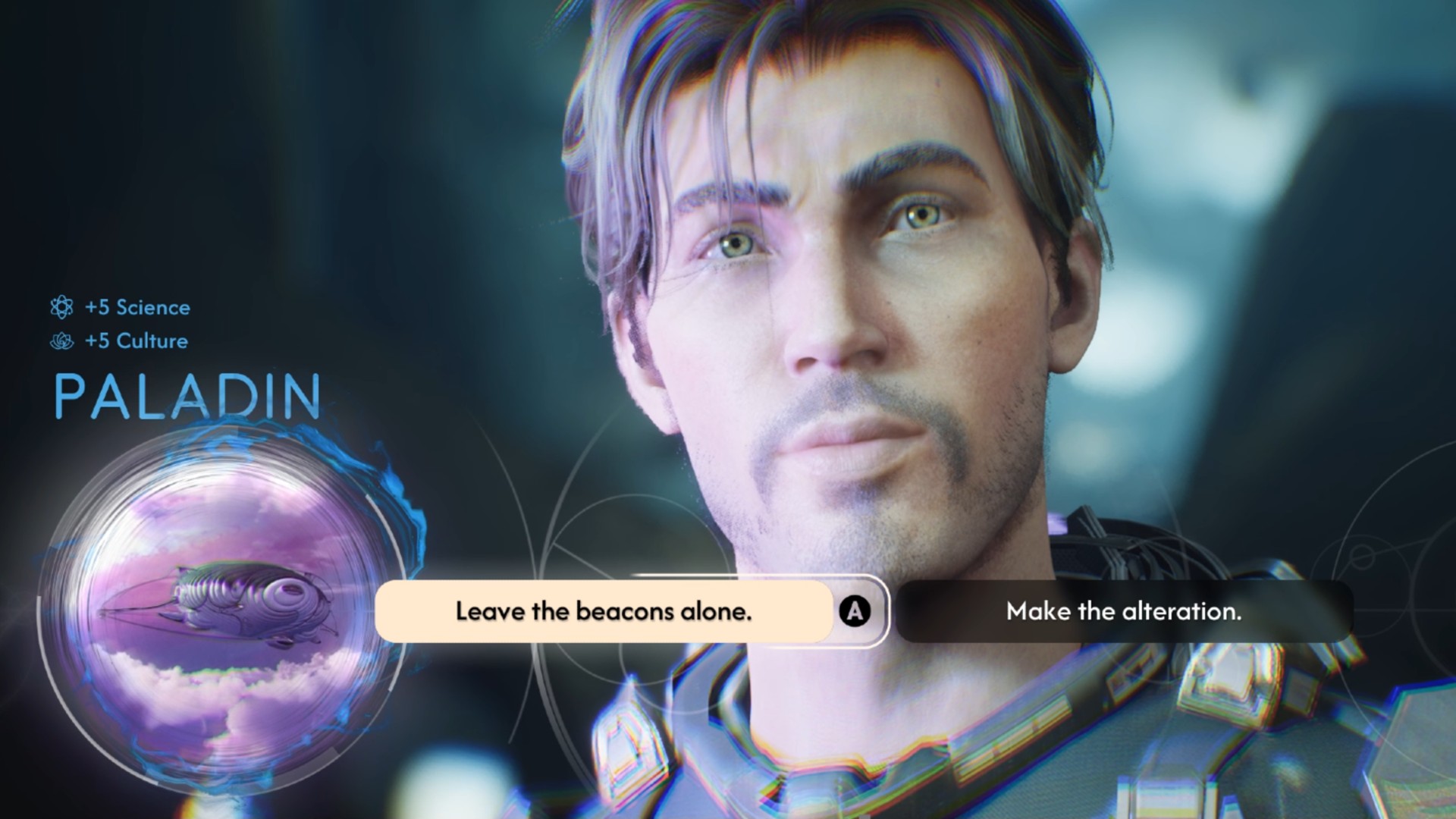
That extra layer of time dilation makes these moral choices even more harrowing, because now, as a player, you're imagining how it could directly impact your journey on top of the narrative context. In my interview with lead writer Drew Karpyshyn, he also notes that Jun's prophetic powers will grow in power across the game, meaning these break points will become more detailed over time, versus the vague visions you might have early on.
But the even more interesting element here is when I made my choice, leaving the beacons alone and the Kei to decide their own fate. Suliman, who'd initially been pushing for the opposite choice, made a direct remark that what I'd done was against his interests, but that he thought I'd made the right choice nonetheless. It was an interesting wrinkle to the character, painting a picture of his internal struggle of duty versus morality. I'm eager to see how this choice might alter the relationship between Jun and Suliman down the road, and that combative relationship already sends my mind working for what a potential romance could look like.
Doing a preview for something like Exodus is always a little tricky — I know two hours of a massive RPG is never going to be enough to know if the bold ideas actually pay off. Will the choices be meaningful and feel personal? Will the concept of time dilation add a layer we've never seen? Will the combat grow and remain enthralling across dozens of hours? These are, of course, all questions I can't answer right now. But I've also done enough previews in the last two decades to know when a good feeling about a game could lead to more.
And at least right now, I'm incredibly invested in seeing how Exodus shapes up. I've been craving a new sci-fi RPG that can really draw me into its universe and weave in characters that I can truly care about. Yes, I'd love to have something that can scratch that Mass Effect itch, but it's not just that. I want something that can take Mass Effect's ideas and push them to the next logical step, stretch them just a little bit further than they've come already. I'll now be watching with great interest to see if Exodus can be that game.