

Towerborne Review
Towerborne is a game that, at times, can feel at odds with itself. Building on Stoic Studio’s rich narrative work with The Banner Saga, Towerborne again features a world brimming with rich lore and character, but juxtaposes that with a beat-em-up system that leans heavily on co-op and repetition. That means that sometimes what I wanted from Towerborne wasn’t exactly what it was delivering; those disparate pieces occasionally grinding against each other like rusty gears. But despite that, Towerborne’s 1.0 release is a drastically improved version that tightens up the gameplay and progression, making both shine. It’s a game that’s hard to put down, in spite of its problems.
Towerborne is essentially a co-op sidescrolling beat ‘em up RPG, and yes, I know that’s a lot of qualifiers. There’s a heavy emphasis on the “gameplay loop,” so to speak, meaning the idea of playing through a stage, levelling up, unlocking new skills and loot, and then upgrading your items at the forge to increase your overall Equipment Level. Each and every stage and challenge in the game is marked with its own recommended Equipment Level, so for all purposes, this is a loot game, but not quite as demanding in that regard as something like Nioh or Borderlands.
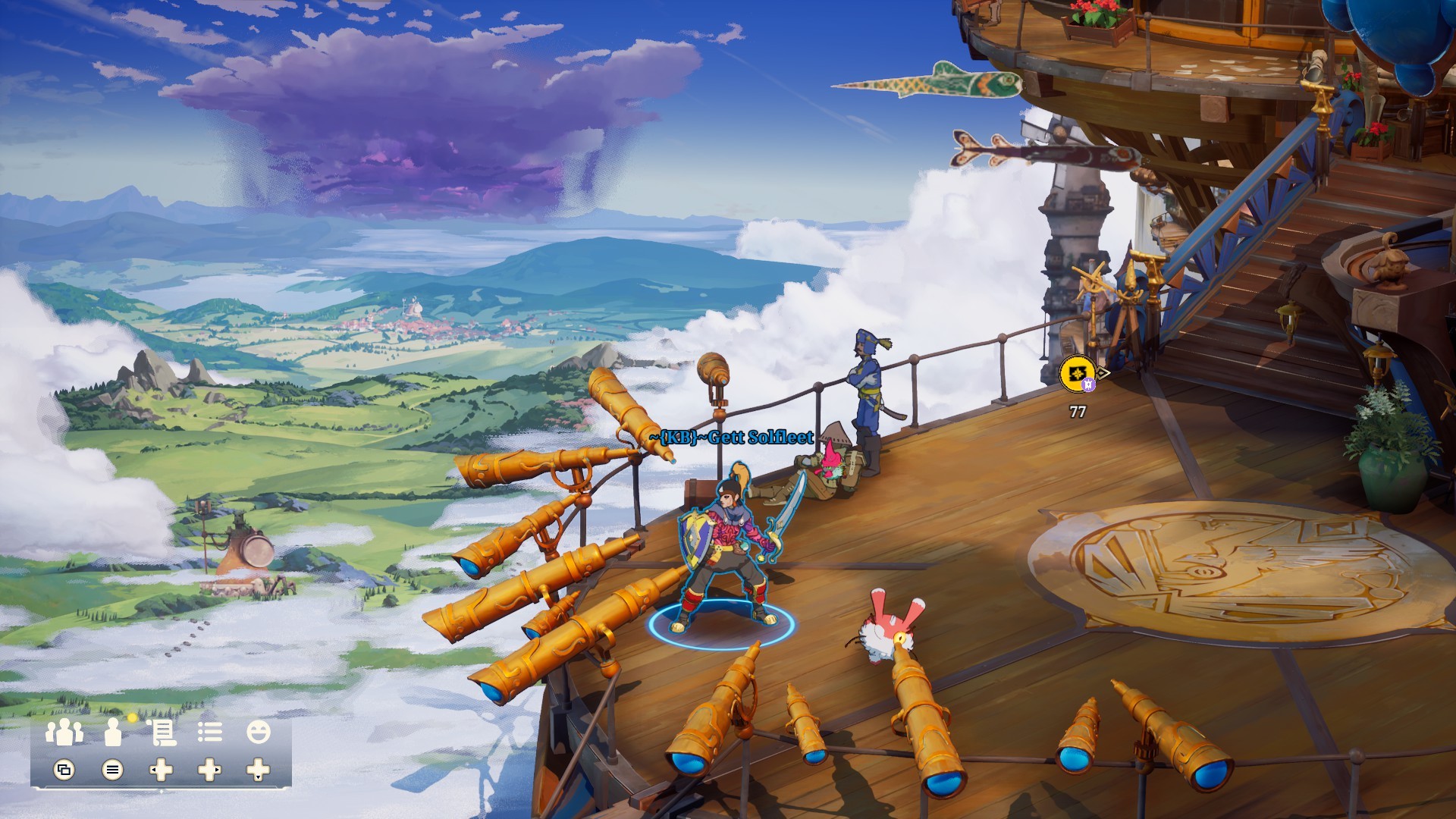
That structure largely dictates how you play Towerborne, leading to some unfortunate narrative pacing where the game feels like it’s spinning its wheels at times. It can be disappointing, because the narrative that’s in Towerborne is surprisingly compelling, filled with charming characters and surprisingly robust lore.
Towerborne takes place in the City of Numbers, an idyllic fantasy paradise, right as the world enters its apocalypse. Rifts have opened, and monsters overwhelm the city, with the survivors fleeing to a mysterious building known as the Belfry – a massive tower with a town built up along its sides. As the remnants of humanity rebuild on the Belfry, you play as an Ace, a hero who can be returned from death with the help of some magic. Now it’s your job to comb the world and the ruins of the city to both look for a survivor and find a way to stop the apocalypse.
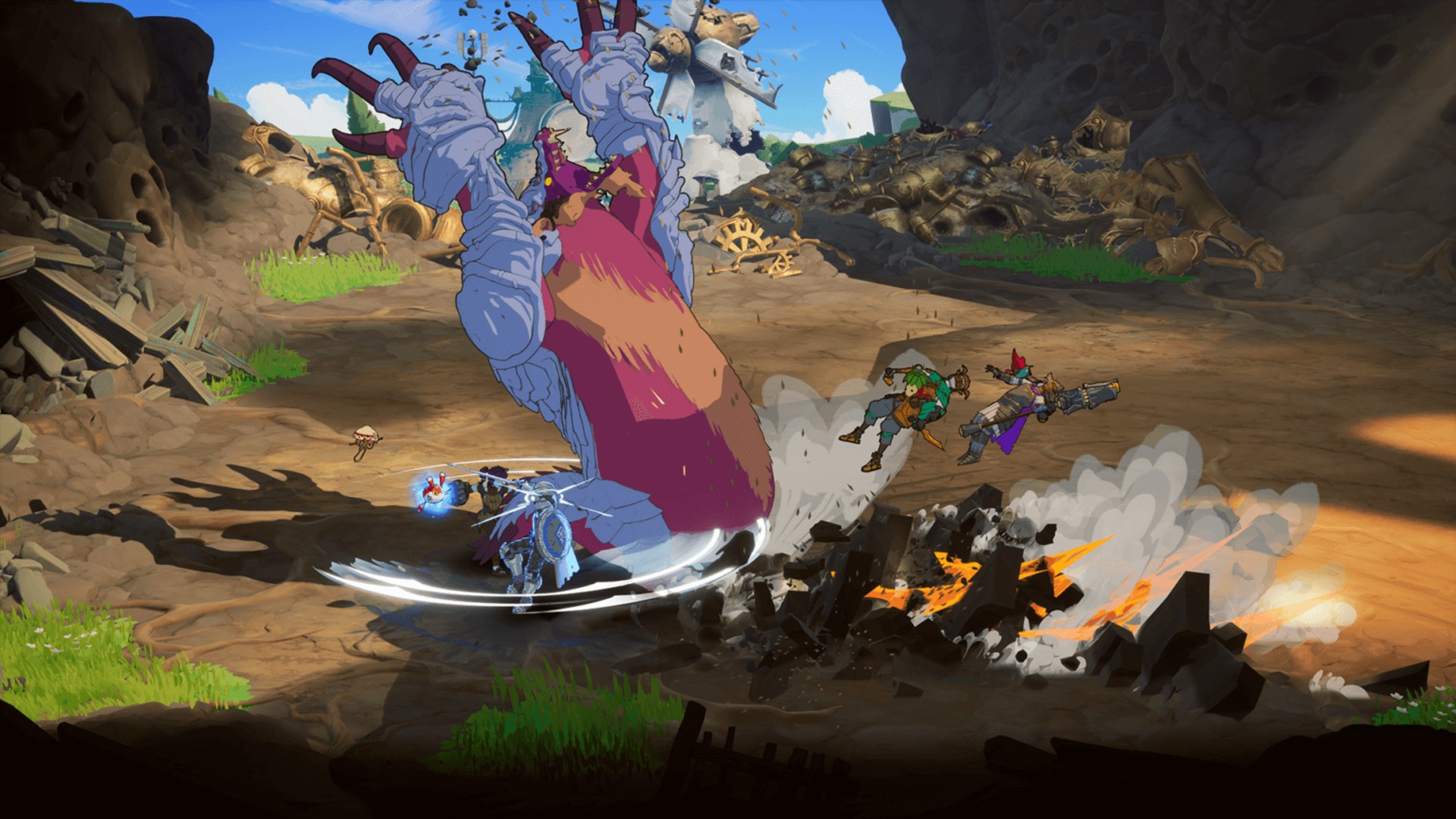
At first glance, there might be an association you have with what kind of game Towerborne is, especially with its multiplayer focus. That sub-section of games is typically light on story, but Towerborne decidedly is not. There’s a ton of dialogue to uncover, offering a wide tapestry of history for the world, alongside dedicated side character arcs that run throughout the game via optional quests. And there are some similarities between the themes of Towerborne and The Banner Saga – tackling the burden of leadership, compassion versus ruthlessness, and the importance of community. All of this is bolstered by an utterly gorgeous painterly art style that strongly showcases the personality of characters, with a little bit of Studio Ghibli flair.
What I found so compelling about The Banner Saga was that its story themes and ideas were integrally tied to the gameplay, illustrated through both the tactical battles and moral choices. In Towerborne, however, the narrative and gameplay elements feel like distinct halves, not quite intertwining in the way I wanted them to. I realize with a co-op focus, this game has to take a different approach, but the general flow and pacing of the narrative suffer for it. I simply found myself wanting more complexity, more depth to what’s there – because I genuinely found the storytelling fascinating.
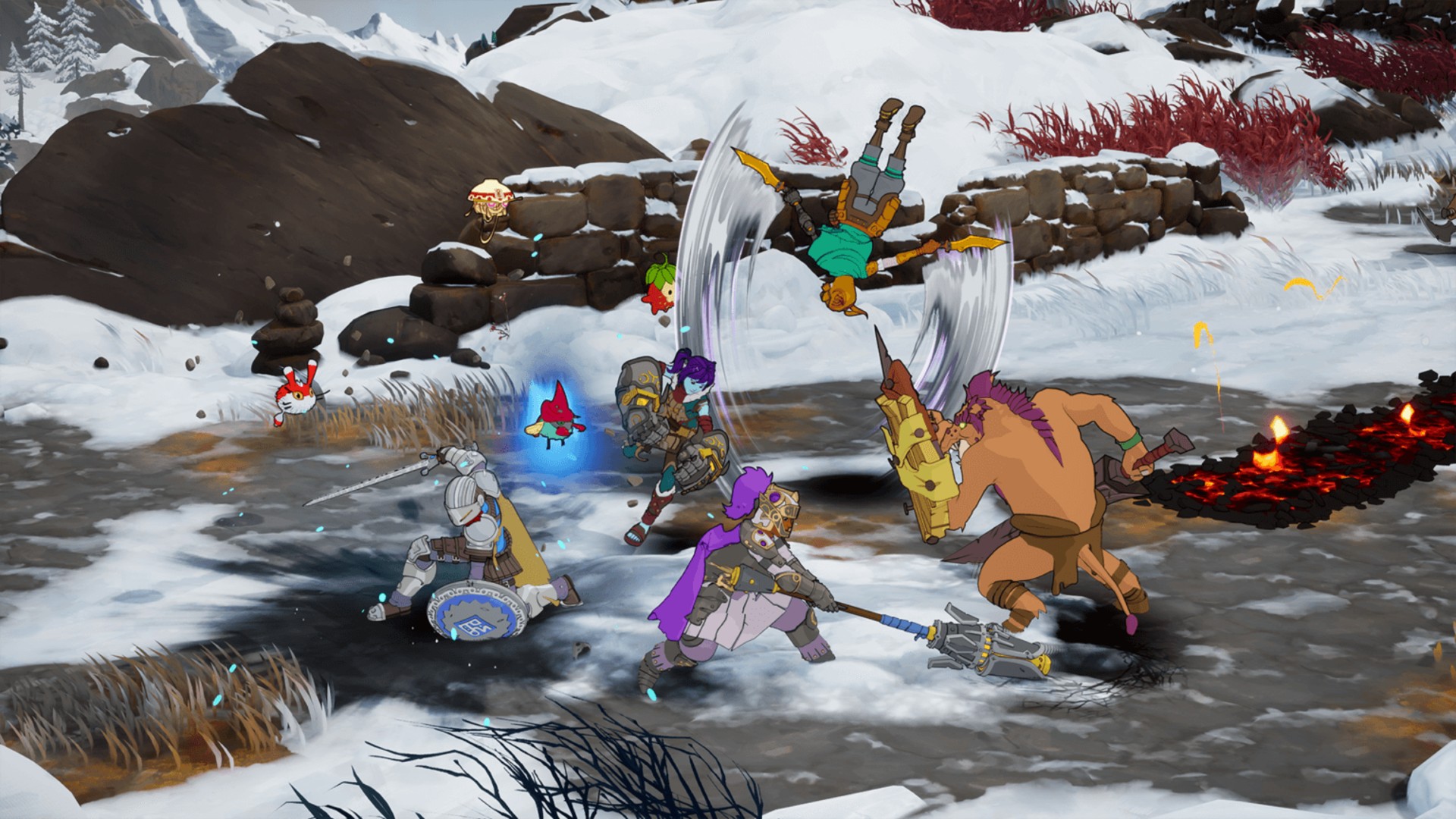
The gameplay half of Towerborne fares much better, as the full version boasts some crucial upgrades that make combat feel superb, and more importantly, create astoundingly satisfying progression systems.
First and foremost, the general feel of combat is clearly upgraded from Towerborne’s early access – the game now feels silky smooth, whether there are two enemies on-screen or thirty. Towerborne falls somewhere in between a beat ‘em up and a combo-based RPG, somewhat like the Tales series. There’s a fair amount of depth in the general combos and abilities you have, letting you pull off dazzling air juggles, sweeping special attacks, and split-second dodges. Each class also has its own distinct skill, like the Sentinel using its shield to block and parry, or the Shadowstriker being able to shoot forward in a puff of smoke. But what really takes Towerborne’s combat from good to great is its newly enhanced class system.
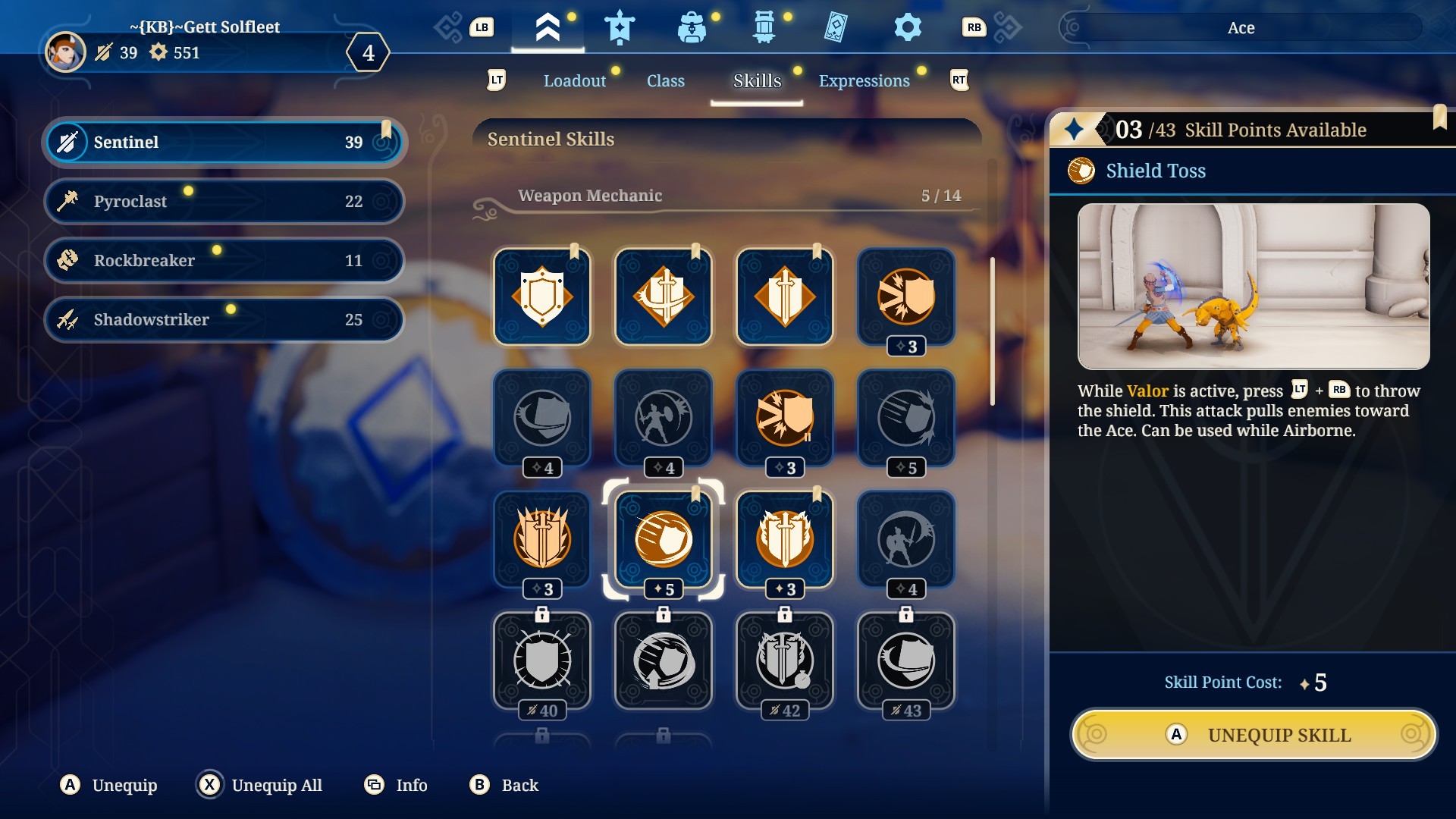
Everything about the class system has been rethought and refined – from how the game doles out skill points, abilities that apply across all classes, and brand new mastery skills for each of the four classes. And what this all means is that Towerborne perfectly paces its skill unlocks, constantly giving you something new to play around with, or a dynamic way to alter how your class plays.
A lot of skills let you add little differences to the focus of your class. Initially, I found myself playing the rogue-like Shadowstriker, but as I levelled up more, I started gravitating toward Sentinel. Ostensibly a defensive tank, I started unlocking abilities for Sentinel that let me shift its defensive buffs into offensive ones, unlock a devastating shield throw, and add a wealth of Bleed status effects to my attacks. Before long, I’d entirely shifted the way the class played and integrated with other players, and I’d even turned it into a veritable wrecking ball for solo play.
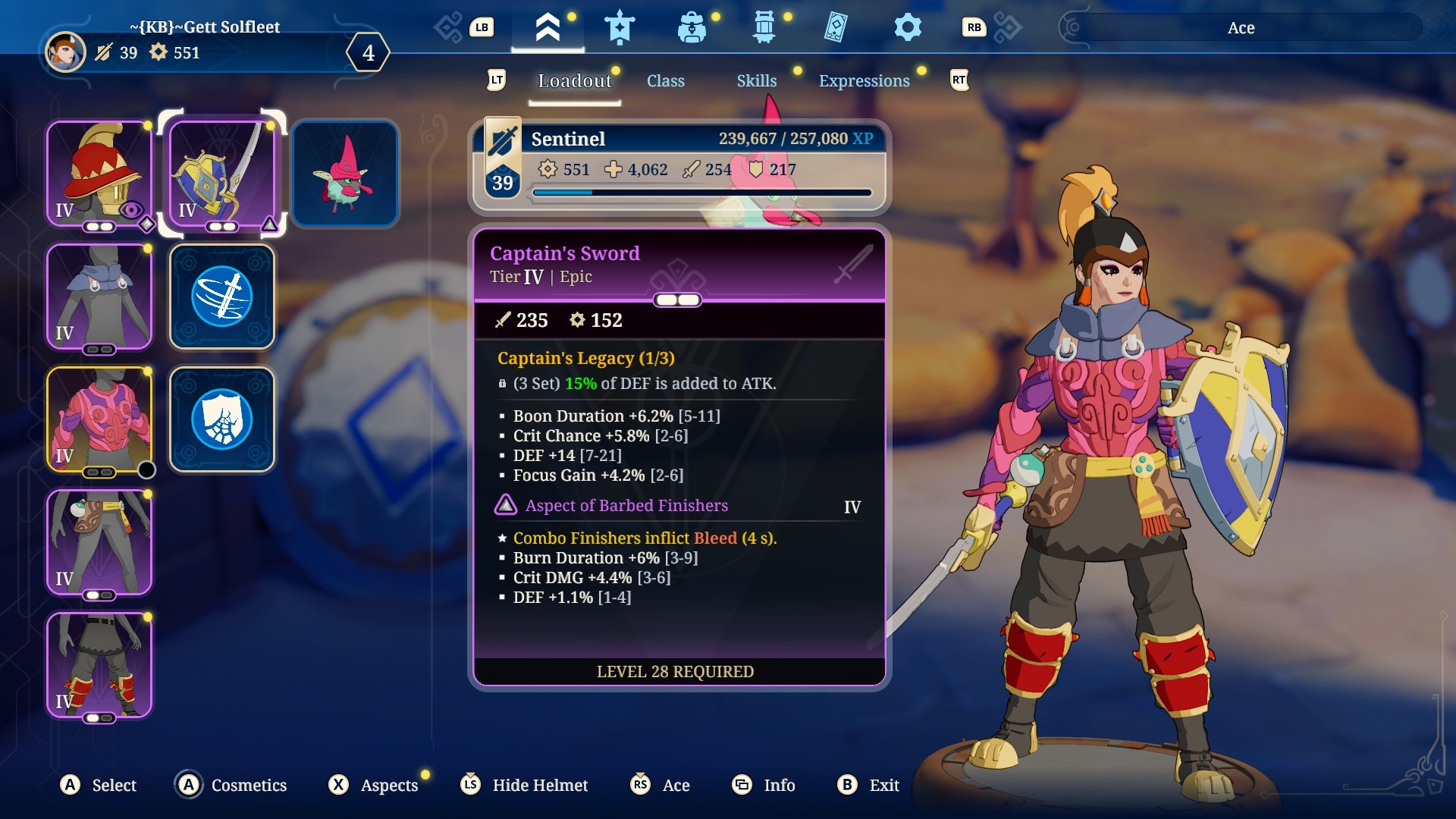
This is all in addition to the Umbra system, cute little creatures that factor into the story and also act as a piece of extra equipment. Each Umbra has a specific ability it can use in battle, on a cooldown. One shoots out a ring of poison that infects enemies and blasts them back, while another gives you a giant ethereal crab arm that can pull enemies close, and yet another gives you a series of lightning strikes that can damage and stun enemies. The wide array of Umbra adds onto that already dynamic class system to allow for a wealth of character builds – and some of the greatest joy I had with Towerborne was simply experimenting with all these systems, and how they click together.
It almost goes without saying that Towerborne is at its best when you have a party of friends to bring along for the ride, as the chaos of its sidescrolling action feels tuned for multiple players. However, this 1.0 release also makes solo play feel more viable, with some smart rebalancing that makes things more approachable as a solo player.
Despite the strengths of most Towerborne’s gameplay systems, the one area it’s let down is in basic enemy variety. There’s a consistent array of great boss battles, but after a dozen hours with the game, you can see it stretched thin here. I can’t tell you the number of times I fought the same Gobos or bandits – I’ve vanquished so many you’d think I’d have ended their line at this point. It’s a shame, honestly, because the sheer dynamism of the classes and combat keeps the game surging ahead, and a more robust selection of enemies could have really been a boon.
While I might have a host of quibbles about Towerborne, it’s undeniable that the full version is a significant improvement on the game’s early access, smartly reworking pieces that didn’t work and smoothing out rough edges. There are some fundamental design ideas that I think could have been done better, like a more direct linking of gameplay and story, but Towerborne is a fascinating little experiment.
Towerborne is a game that’s integrally different from Stoic’s previous work in nearly every way, but you can still feel the studio’s unique voice and personality come through in so much of the world-building and writing. It is a rock-solid beat ‘em up that can take you a long way, especially with friends, but ultimately, I hope the studio gets a chance to return to this world again, because there’s truly a spark of something even more special still hidden in the foundation.