

Culdcept BEGINS Review
It may just be me, but recently I’ve felt a little burned out on deckbuilding games. Slay the Spire 2 didn’t grab me at all, and while Vampire Crawlers did, I haven’t loaded back into it since I cleared the launch content. There have since been a few updates adding new things, but I just … haven’t had the energy to “pick 1 of 3” and build my own deck to trawl a dungeon or climb a tower. So, imagine my surprise when I got to sink my teeth into Culdcept BEGINS, a deckbuilder/board-game hybrid that seemed to cleanse me of this malaise.
Before we begin, I had the privilege of interviewing the developers of Culdcept BEGINS at BitSummit 2026, and I encourage you wholeheartedly to take a look. The team was kind enough to share their game design philosophy, plans for the future, and more with us as their first western outlet interview, so it was an honor to get their thoughts and wishes on record.
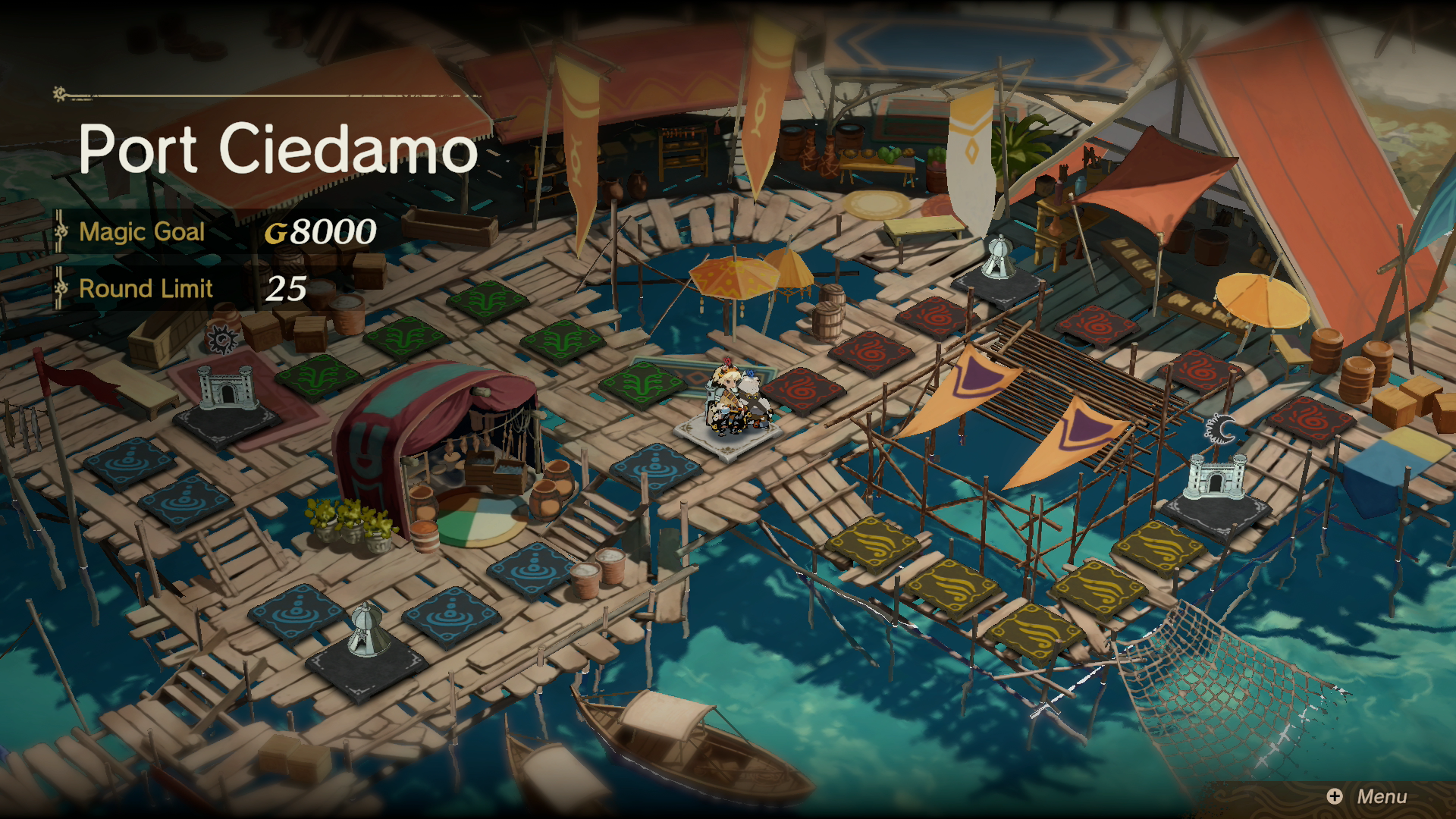
Culdcept BEGINS is a prequel to Culdcept The First, a game originally released on the Sega Saturn (and re-released as Culdcept The First Saturn Edition). In Culdcept, you take on the role of a Cepter, a magician of sorts who can manipulate magical cards to participate in Cepter Battles. While Culdcept BEGINS starts a little slow (the tutorial battles are schoolchildren fights more or less), make no mistake — eventually these battles escalate, leading up to battles for the fate of the world.
The battles in question take place on a Monopoly-esque board, with numerous territories for each participant to claim as they land on them. Territories can then be upgraded on your next visit, increasing the magic toll for your opponents. You have to be careful, however, as enemy players can contest your territory by pitting one of their creatures against whatever creature you left to guard it. Win, and they pay the toll like normal, but lose, and they claim your territory entirely.
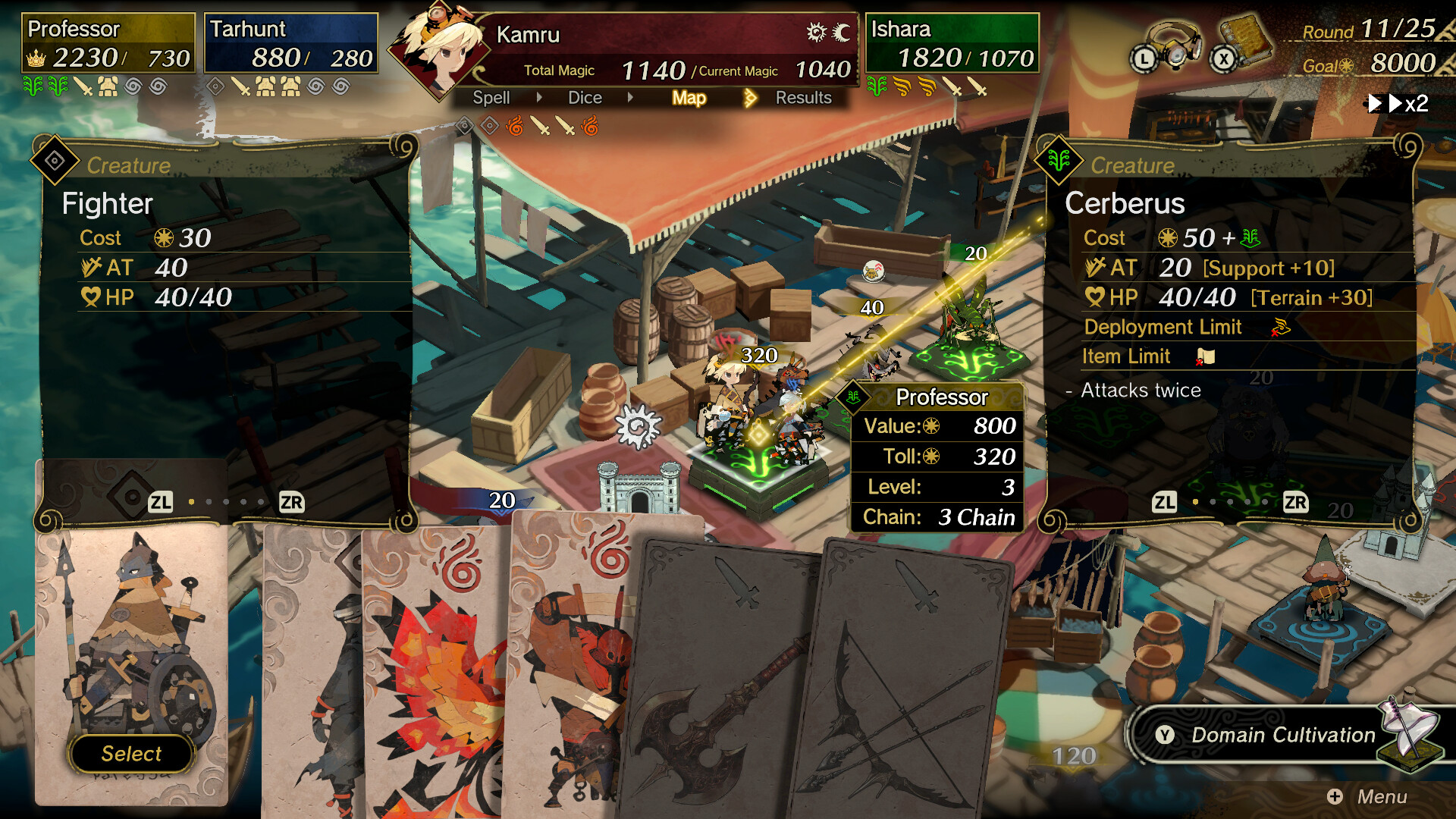
Each battle has a point goal, which you work towards by navigating around the board (passing the start space, much like passing “go” in Monopoly, grants a solid chunk of magic points), collecting tolls from players landing on your territories, and playing certain magic spells from your hand. This is where the “deckbuilding” part comes in — in addition to selecting which monsters you want to field, you can also fill your deck with equipment (to better protect your monsters as needed) and magic spells that can radically change the battlefield.
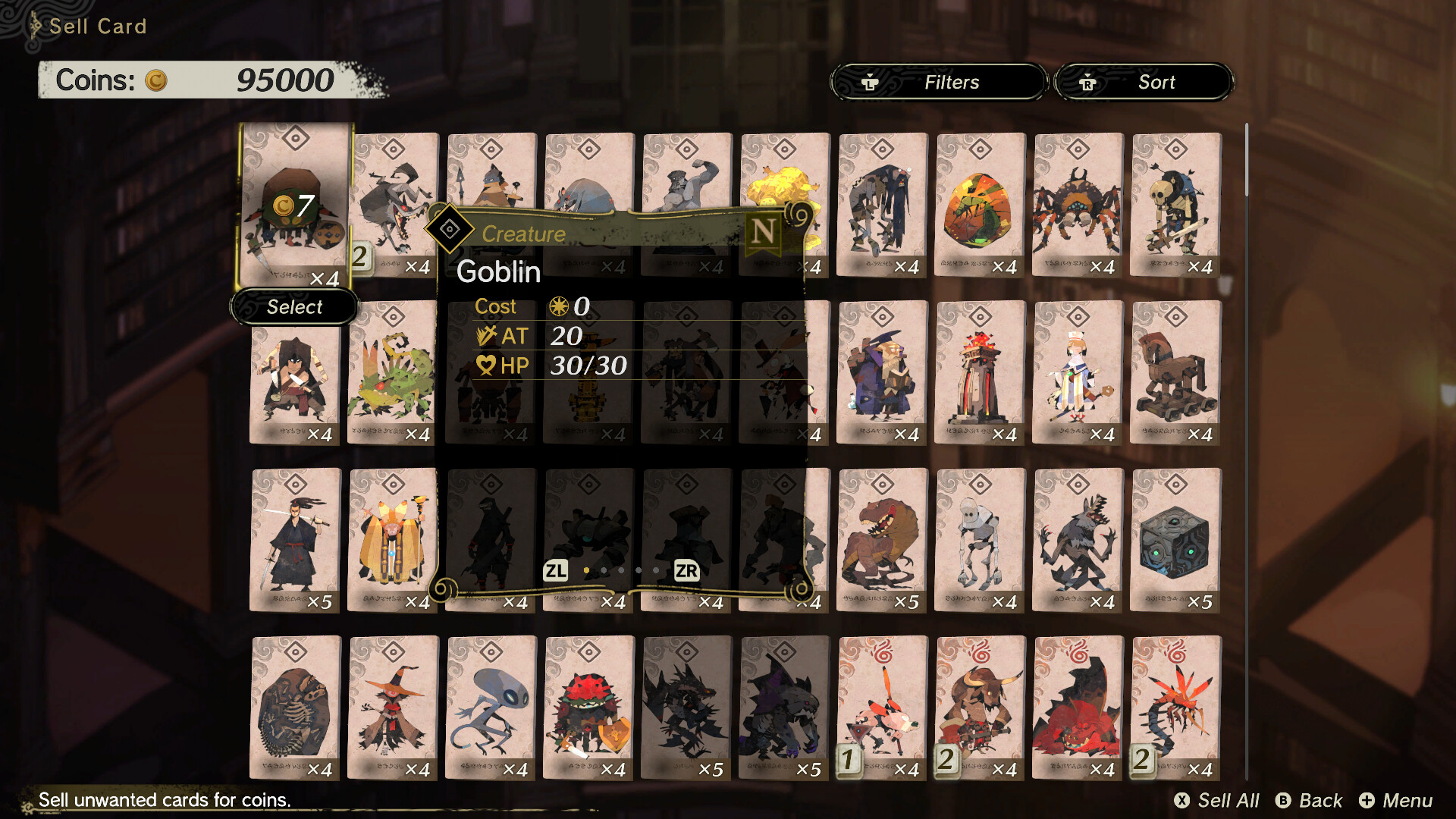
This is where Culdcept BEGINS shines, in my opinion. There are so many cards to choose from that no two decks are going to be exactly the same. For example, should you fill your deck with dice roll manipulation cards, forcing your opponent to roll only what you allow them to? This can give you greater control over your opponent’s movements, for sure, but to slot those cards in, you have to give something else up, such as stronger armaments for your monsters.
Supporting the gameplay is an extended story mode that sets the stage for the Culdcept series as a whole. You take on the role of Kamru, a student of the Royal Cept Academy, which is a training school for those with magical aptitude. Generally thought of as an outsider, they begin to prove themselves in the Royal Cepter Guard selection exam before embarking on a grander journey to locate Origin, a powerful and legendary Cepter that may be Kamru’s missing father. I did mention it starts off a little slow earlier, and this is the reason why — the first four or so chapters are relegated to tutorial fights against your fellow students (or a memory fight, but I digress).
Taking it slow isn’t necessarily a bad thing, however. Culdcept is an old series (by video game standards, at least) with a lot of intricacies and complexity that isn’t immediately apparent, so starting slow is probably for the best for those that haven’t played a Culdcept game before. The developers, Neos Corp., stated that they wanted to ease newer players in, which the early missions accomplish handily.
The music is extremely varied; one song heavily reminds me of Final Fantasy Tactics Advance, with a swift drum march accentuated by bombastic brass instruments and soft, ethereal flutes and triangles, which hit all the right nostalgic points for me and immediately immersed me in the battle at hand. A later fight, however, shifted tone heavily, grabbing my focus with heavy war drums banging out a tribal-esque beat as I fought against a Pirate Queen. Even with all this variety, the music never felt out of place as I navigated Kamru around the map.
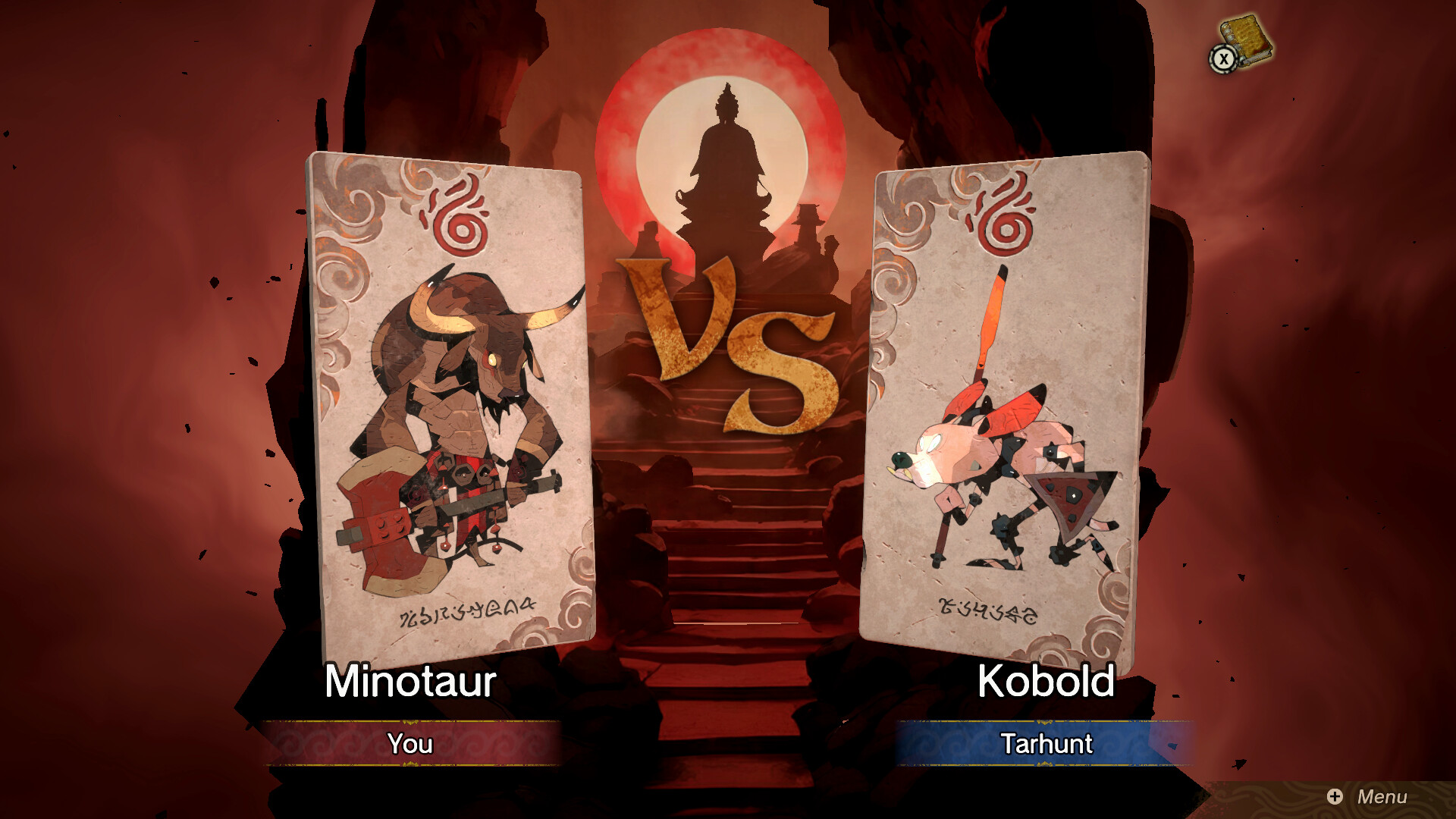
Part of what keeps everything socketed together, from the gameplay to the music, is the artwork. The chibi-esque designs of the characters falsely make the game feel like a cute little romp through a Monopoly-style board game, but when you see the environmental detail of the maps alongside the card art, you start to get the full picture. From intricately detailed armor and weaponry to monsters, the card art is truly fantastic.
All that is to say that Culdcept BEGINS is a great game. It suffers a little from pacing issues, but the meat and potatoes of the game are solid enough to offset that minor hiccup. Fantastic music, an engaging story, and the freedom to build your deck however you want make this a solid pickup for anyone into deckbuilders, even if you are starting to get burnt out on them.