

Ys vs. Trails in the Sky: Alternative Saga interview – refint/games on the remaster, Switch 2 enhancements without a devkit, rollback netcode, and more
Back in October, refint/games launched the Ys vs. Trails in the Sky: Alternative Saga remaster worldwide for PS5, PS4, Nintendo Switch, and PC platforms. This remaster had a plethora of improvements and enhancements over the original PSP game like 60fps, 4K resolution, rollback netcode, and much more. You can read our thoughts on the remaster here. A little while after lainch, refint/games patched the Switch version to offer enhanced backward compatibility support with 4K docked and 1080p handheld visuals. I recently had a chance to chat with refint/games about the remaster, how the team handheld the Switch 2 support without a devkit, other potential Falcom remasters, and much more.
RPG Site: Tell us a little bit about yourself and also refint/games.
Adrian Graber: We're a small group turned into a games company thanks to our past experiences on the gaming ecosystem from many different angles. Some of us started out as fan translators and modders, while some of us had prior experience as contractors for other game companies. While it was very cool to put all these different experiences together (and it definitely helped during production), transitioning to an official workflow was a learning process itself too.
As you might be able to deduce, our internal expertise is very focused on the technical, localization and graphic side, so the publishing side was very new to us. There are just a lot of things happening behind the scenes, and all that needs to be taken care of, but everything is in the context of games which we’re quite familiar with, and considering we managed to release two titles while having two more on the way, I think it has turned out nicely.
Going over myself, I'm Adrian Graber, producer at refint/games, I mostly just go by my last name as username though. Before working officially on games, I used to work on unofficial projects involving patches such as fps/resolution patches for out of support games as well as fan translations and even some porting projects. Before properly starting work on official games, I was a beta tester for PC ports for a few years as well. Before refint/games, I released at least one game on Steam by myself on behalf of a friend.
Adrian Graber: We're a small group turned into a games company thanks to our past experiences on the gaming ecosystem from many different angles. Some of us started out as fan translators and modders, while some of us had prior experience as contractors for other game companies. While it was very cool to put all these different experiences together (and it definitely helped during production), transitioning to an official workflow was a learning process itself too.
As you might be able to deduce, our internal expertise is very focused on the technical, localization and graphic side, so the publishing side was very new to us. There are just a lot of things happening behind the scenes, and all that needs to be taken care of, but everything is in the context of games which we’re quite familiar with, and considering we managed to release two titles while having two more on the way, I think it has turned out nicely.
Going over myself, I'm Adrian Graber, producer at refint/games, I mostly just go by my last name as username though. Before working officially on games, I used to work on unofficial projects involving patches such as fps/resolution patches for out of support games as well as fan translations and even some porting projects. Before properly starting work on official games, I was a beta tester for PC ports for a few years as well. Before refint/games, I released at least one game on Steam by myself on behalf of a friend.
RPG Site: How did you get in touch with Falcom for this project?
Adrian Graber: Well, this touches a bit on our business approaches, but I think you can find the right section through their website. If you know how to read Japanese, you’ll eventually find your way there. Basically, our past experiences around various aspects of game development allowed us to piece it all together to form our brand you see today, which is what ultimately enabled us, equipped with all the knowledge and being aware about the expectations from everyone involved (also including the platform providers like Nintendo and Sony), to make the proposal to bring this title overseas.
Adrian Graber: Well, this touches a bit on our business approaches, but I think you can find the right section through their website. If you know how to read Japanese, you’ll eventually find your way there. Basically, our past experiences around various aspects of game development allowed us to piece it all together to form our brand you see today, which is what ultimately enabled us, equipped with all the knowledge and being aware about the expectations from everyone involved (also including the platform providers like Nintendo and Sony), to make the proposal to bring this title overseas.
RPG Site: What made you pick Ys vs. Trails in the Sky: Alternative Saga as opposed to other Falcom titles?
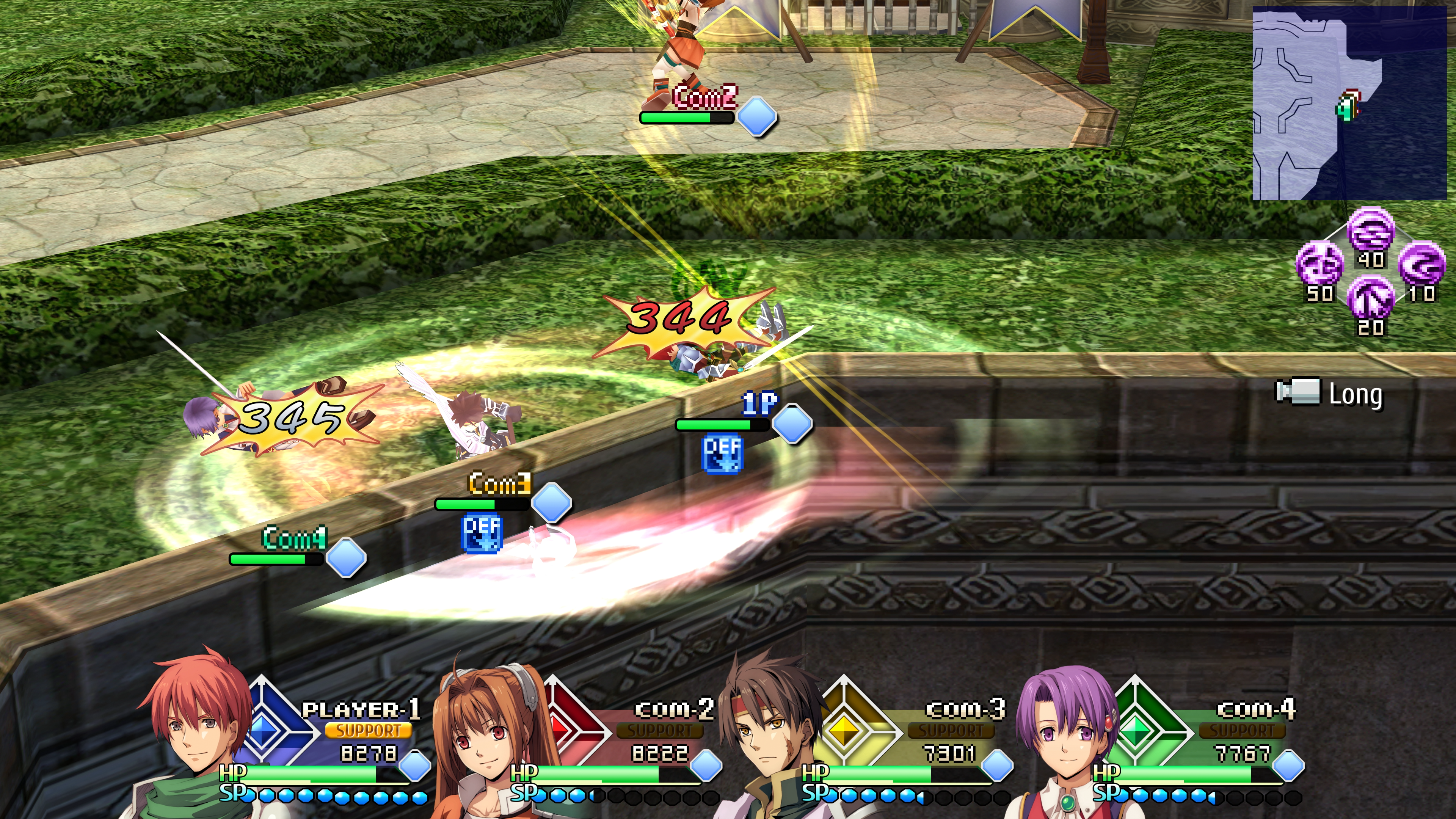
Adrian Graber: Well, it was one of the last games bearing the Trails title (albeit by proxy) that hadn’t made it to the west yet. We had confidence that it would be well received, and a bunch of us knew the era of that Trails series like the back of our hand. It’s also an entry of the Ys series too, and most importantly, one that you can enjoy with your friends. Moreover, it’s the only crossover title and one of the only two titles developed by Falcom that supports multiplayer (in its original release) in their modern history. Being such a unique title in Falcom’s modern history while representing their two most popular series, we thought it deserved a chance for fans to enjoy it while also making it extremely accessible to anyone.
Adrian Graber: Well, it was one of the last games bearing the Trails title (albeit by proxy) that hadn’t made it to the west yet. We had confidence that it would be well received, and a bunch of us knew the era of that Trails series like the back of our hand. It’s also an entry of the Ys series too, and most importantly, one that you can enjoy with your friends. Moreover, it’s the only crossover title and one of the only two titles developed by Falcom that supports multiplayer (in its original release) in their modern history. Being such a unique title in Falcom’s modern history while representing their two most popular series, we thought it deserved a chance for fans to enjoy it while also making it extremely accessible to anyone.
RPG Site: How did you approach the remaster for Ys vs. Trails in the Sky: Alternative Saga in the beginning? Did you have any external help?
Adrian Graber: This may come as a surprise, but we have 6 internal team members, and yet most of the remaster was developed internally. Some art work involving illustrations and most of the movie editing and localization was done externally though.
Adrian Graber: This may come as a surprise, but we have 6 internal team members, and yet most of the remaster was developed internally. Some art work involving illustrations and most of the movie editing and localization was done externally though.
RPG Site: You have published a few Steam blog posts going over the attention to detail in the remaster. What was the most difficult aspect of the project for the team?
Adrian Graber: It has to be the new rollback netcode, which I’ll elaborate on one of the later questions. That is not to say that it was the most amount of work though. The number of textures was definitely a lot of work, even if not remarkably difficult, and on some instances where upscaling wasn’t enough, we had additional artists to touch up some graphics.
Adrian Graber: It has to be the new rollback netcode, which I’ll elaborate on one of the later questions. That is not to say that it was the most amount of work though. The number of textures was definitely a lot of work, even if not remarkably difficult, and on some instances where upscaling wasn’t enough, we had additional artists to touch up some graphics.
RPG Site: How was it adding in the 'Show BGM Feature' to consoles in addition to the PC version? It is a PC staple in Falcom games these days thanks to PH3.
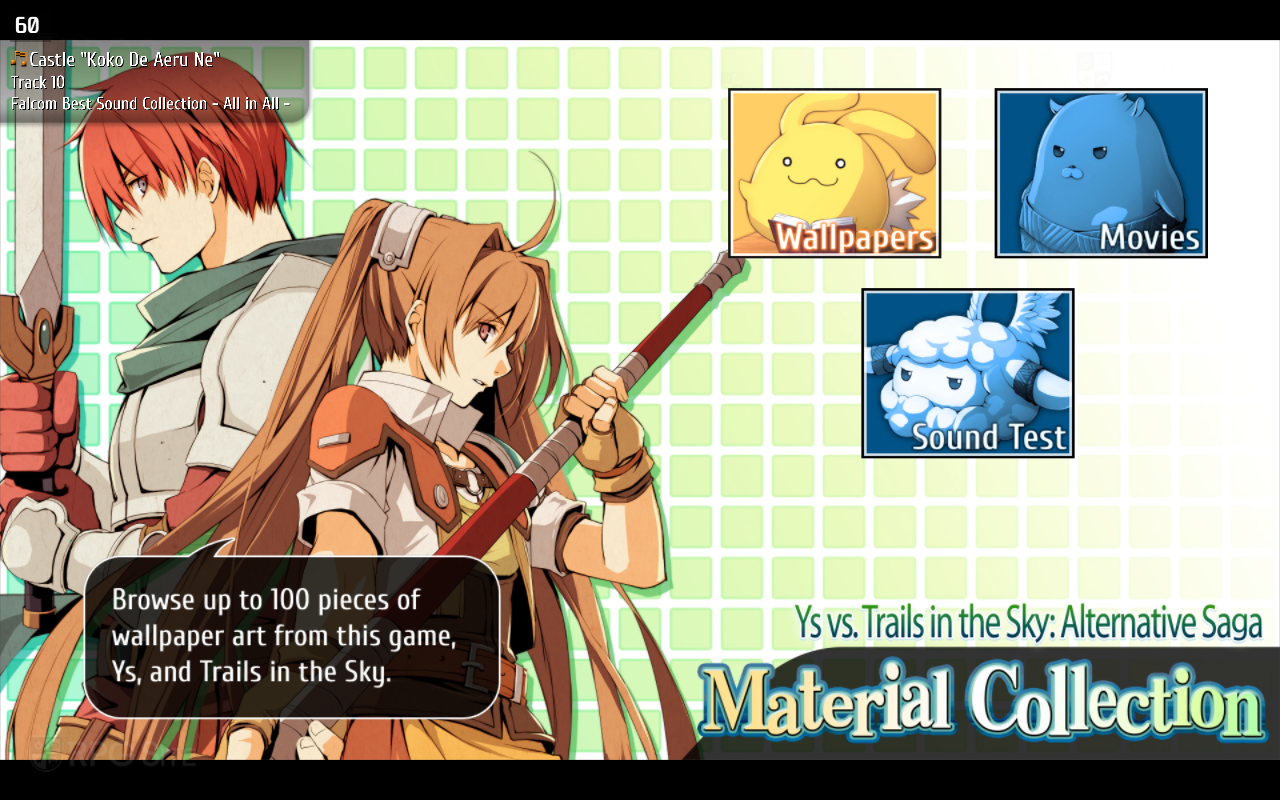
Adrian Graber: The implementation was rather trivial though, since we used assets already in the game, from the music note icon, which is used in the shop menu to mark tracks available for purchase, up to the entirety of the song and album names, which are part of the game’s material collection section. As for how it got to all platforms, the codebase for the project is a single one for all platforms. Some features and bug fixes that we’re issuing might get to each platform at different times, but this is a platform policy matter, rather than anything technical.
We tried to accommodate most feature requests during the beta test phase, but of course, this specific feature is very inspired by PH3’s work. Some of us in the team are fans of their work, as both PC gamers and Falcom fans. Out of respect to every PC Falcom gamer we simply wanted them to feel at home here.
A bit unrelated, but I had a trip to Austria early this year and I got the chance to get dinner with most of the PH3 team. I believe they’re as chill as they are talented, which goes a long way if you’ve played their ports.
Adrian Graber: The implementation was rather trivial though, since we used assets already in the game, from the music note icon, which is used in the shop menu to mark tracks available for purchase, up to the entirety of the song and album names, which are part of the game’s material collection section. As for how it got to all platforms, the codebase for the project is a single one for all platforms. Some features and bug fixes that we’re issuing might get to each platform at different times, but this is a platform policy matter, rather than anything technical.
We tried to accommodate most feature requests during the beta test phase, but of course, this specific feature is very inspired by PH3’s work. Some of us in the team are fans of their work, as both PC gamers and Falcom fans. Out of respect to every PC Falcom gamer we simply wanted them to feel at home here.
A bit unrelated, but I had a trip to Austria early this year and I got the chance to get dinner with most of the PH3 team. I believe they’re as chill as they are talented, which goes a long way if you’ve played their ports.
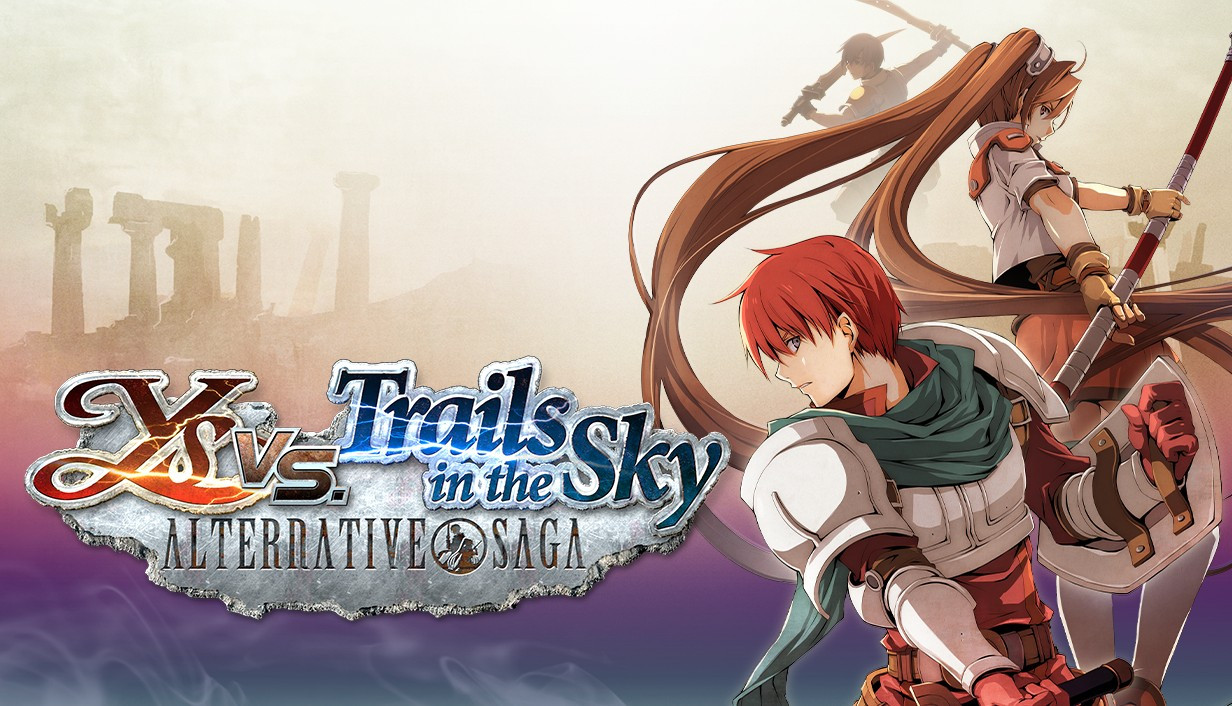
RPG Site: I’m very impressed with the amount of work put into this remaster, especially on PC, and I want to cover each platform here. Let’s start with Switch and Switch 2. This isn’t refint/games’ first Switch port, but can you go into how you approached the Switch port on a technical level?
Adrian Graber: Well, chronologically speaking, it’s still the first port that we started working on. Moreover, Touhou Artificial Dream in Arcadia was developed with GameMaker, which provides a more streamlined porting experience since they already provide console versions of the engine, so it wasn’t really a big challenge, most of the work we did on that game actually made it back to the PC version as a free update.
To be honest, a similar thing happened here too. I believe Falcom mentioned this on an interview a few years ago, that the technology they used up until Ys IX (excluding the PhyreEngine games like the Trails of Cold Steel series and Tokyo Xanadu) are just iterations of the engine used in Gurumin, and Ys vs. Trails is included within those games. In the context of Falcom-developed versions of those titles, you can see that irrespective of its age or iteration, they’ve made sure it runs on a lot of platforms, in the form of re-releases for Switch and PS4 like The Legend of Nayuta. Our version of Ys vs. Trails builds on top of the work done for those and I’m very grateful to our partners at Falcom for providing their valuable work for us.
That said, there still was a porting process to be done, but instead of porting the game’s engine to other platforms, we had to port the core game code itself from an older version of the engine to a newer one. Once that process was done, the game was running on PC (via DirectX 11, as opposed to the original version in DirectX 9), Nintendo Switch and PS4, and we got started on the actual work of remastering and adding new features to the game.
Adrian Graber: Well, chronologically speaking, it’s still the first port that we started working on. Moreover, Touhou Artificial Dream in Arcadia was developed with GameMaker, which provides a more streamlined porting experience since they already provide console versions of the engine, so it wasn’t really a big challenge, most of the work we did on that game actually made it back to the PC version as a free update.
To be honest, a similar thing happened here too. I believe Falcom mentioned this on an interview a few years ago, that the technology they used up until Ys IX (excluding the PhyreEngine games like the Trails of Cold Steel series and Tokyo Xanadu) are just iterations of the engine used in Gurumin, and Ys vs. Trails is included within those games. In the context of Falcom-developed versions of those titles, you can see that irrespective of its age or iteration, they’ve made sure it runs on a lot of platforms, in the form of re-releases for Switch and PS4 like The Legend of Nayuta. Our version of Ys vs. Trails builds on top of the work done for those and I’m very grateful to our partners at Falcom for providing their valuable work for us.
That said, there still was a porting process to be done, but instead of porting the game’s engine to other platforms, we had to port the core game code itself from an older version of the engine to a newer one. Once that process was done, the game was running on PC (via DirectX 11, as opposed to the original version in DirectX 9), Nintendo Switch and PS4, and we got started on the actual work of remastering and adding new features to the game.
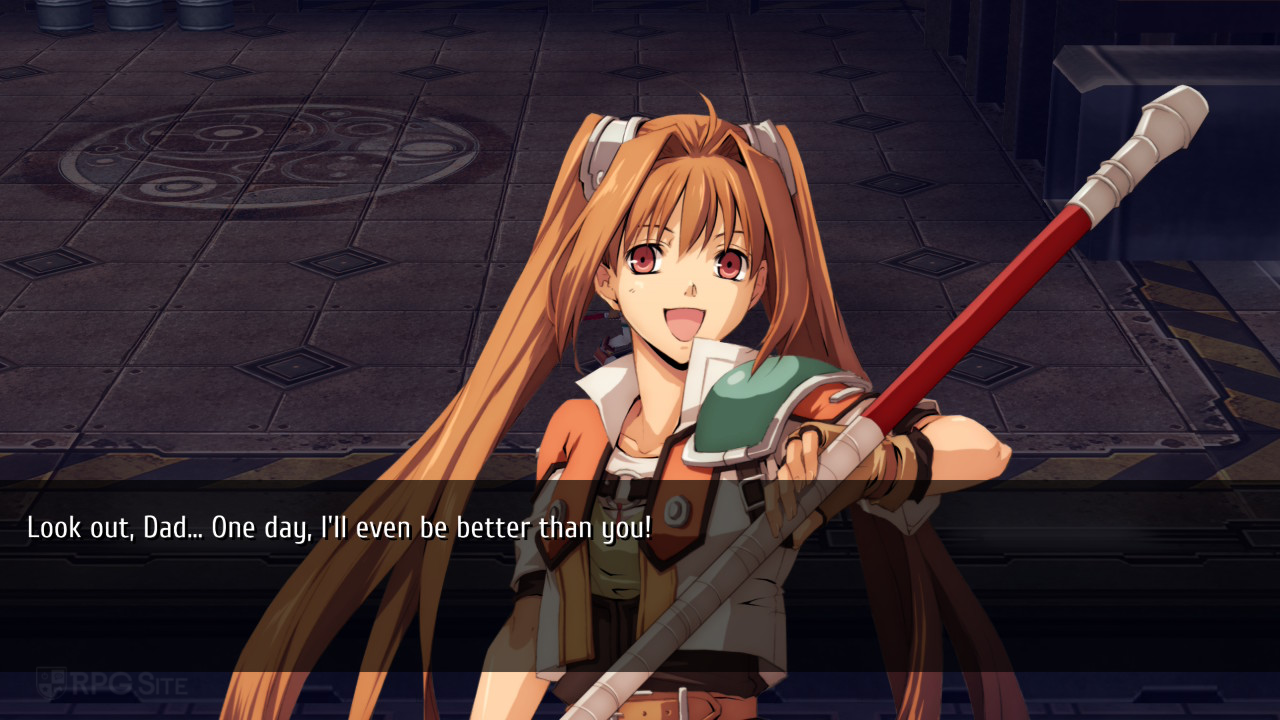
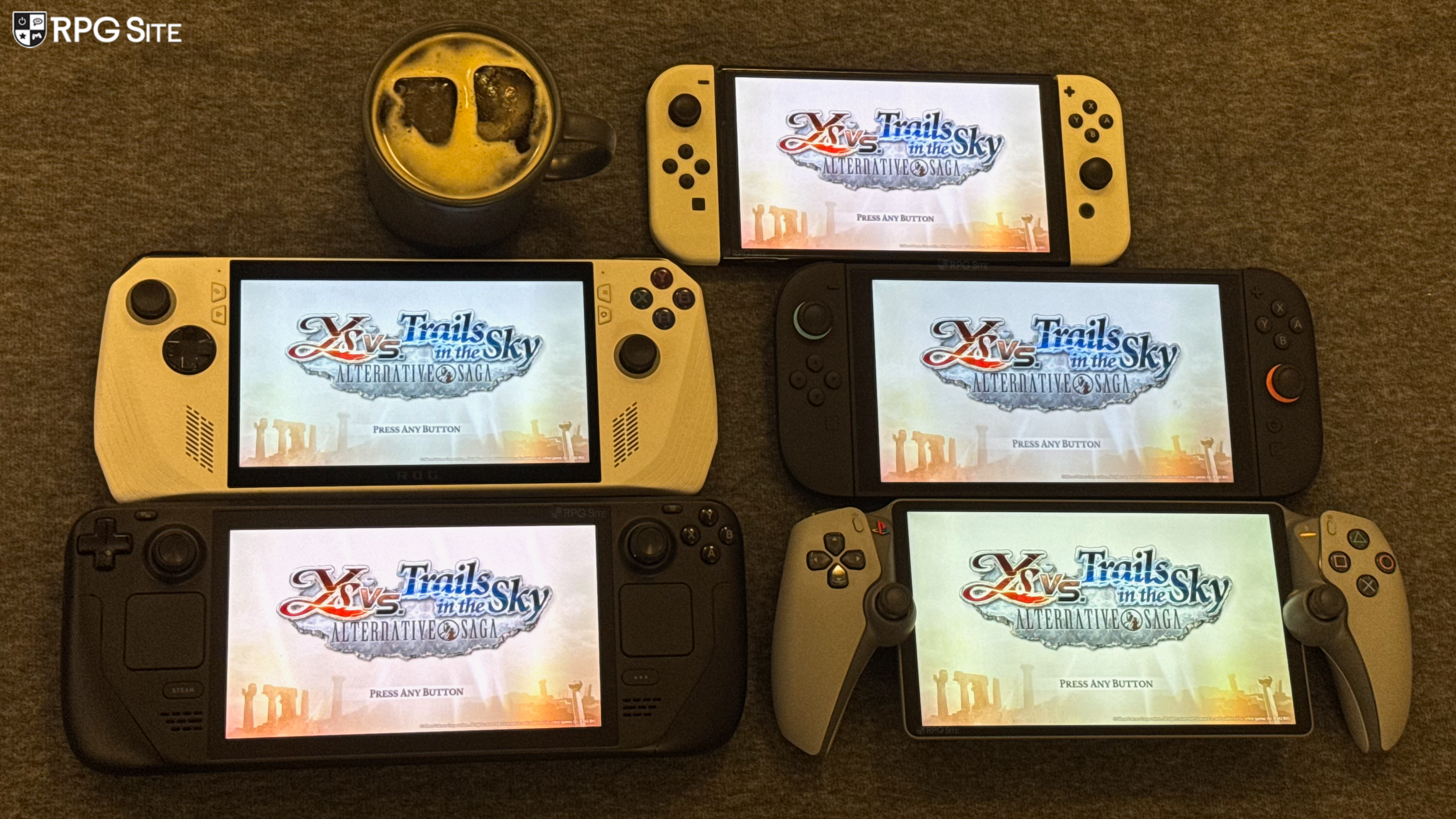
RPG Site: Ys vs. Trails in the Sky: Alternative Saga has specific Switch 2 enhancements despite being a Switch 1 game. How did you manage doing that without a devkit?
Adrian Graber: As you may have heard, many developers and publishers are quite uncertain as to how or when they’ll be able to support the Nintendo Switch 2 platform, or in what way. Many games run better on Switch 2 regardless of whether an update has been issued or not, in the form of e.g. more stable frame rate, because Switch software seems to run with the full performance of the Switch 2.
To summarize it, the game simply runs differently due to the hardware differences between Switch and Switch 2. Ys vs. Trails is Nintendo Switch software and runs as expected on Switch, but a compatibility layer has been introduced, making the game run with added performance on a platform it wasn’t designed for, and such differences can produce side effects. We currently have no way to confirm behavior on Switch 2 before we release anything, so we expect titles to be released as is, even if there are differences that we’re not able to properly debug, regardless of whether they’re perceived as bugs or improvements. We work with the platform’s support in case there are serious issues, but hey, if any unexpected improvements pop up, you can be very sure that we’re going to try to preserve it and put it on our patch notes as well.
It is admittedly a disingenuous spin on the situation, but as things stand, it really is true that we have no way of confirming operation on Switch 2, so whether the game runs at all on Switch 2 will never be a guarantee. Of course, once we actually have the target hardware to develop for, we can just make versions that run flawlessly on each platform. But until then, we can just keep crafting Switch games in a clever way, where they run as expected on Switch, and happen to run with such differences on Switch 2. For instance, Touhou Artificial Dream in Arcadia already runs at 1080p on Switch 2 when in handheld mode as well.
Like I said on one of the Ys vs. Trails Remaster Features Overview posts, it is part of our commitment to providing players with the best experience possible on their platform of preference, regardless of any perceived roadblock. We can outsmart the lack of development hardware to an extent, and I think you can continue to expect this kind of support from all our games.
Adrian Graber: As you may have heard, many developers and publishers are quite uncertain as to how or when they’ll be able to support the Nintendo Switch 2 platform, or in what way. Many games run better on Switch 2 regardless of whether an update has been issued or not, in the form of e.g. more stable frame rate, because Switch software seems to run with the full performance of the Switch 2.
To summarize it, the game simply runs differently due to the hardware differences between Switch and Switch 2. Ys vs. Trails is Nintendo Switch software and runs as expected on Switch, but a compatibility layer has been introduced, making the game run with added performance on a platform it wasn’t designed for, and such differences can produce side effects. We currently have no way to confirm behavior on Switch 2 before we release anything, so we expect titles to be released as is, even if there are differences that we’re not able to properly debug, regardless of whether they’re perceived as bugs or improvements. We work with the platform’s support in case there are serious issues, but hey, if any unexpected improvements pop up, you can be very sure that we’re going to try to preserve it and put it on our patch notes as well.
It is admittedly a disingenuous spin on the situation, but as things stand, it really is true that we have no way of confirming operation on Switch 2, so whether the game runs at all on Switch 2 will never be a guarantee. Of course, once we actually have the target hardware to develop for, we can just make versions that run flawlessly on each platform. But until then, we can just keep crafting Switch games in a clever way, where they run as expected on Switch, and happen to run with such differences on Switch 2. For instance, Touhou Artificial Dream in Arcadia already runs at 1080p on Switch 2 when in handheld mode as well.
Like I said on one of the Ys vs. Trails Remaster Features Overview posts, it is part of our commitment to providing players with the best experience possible on their platform of preference, regardless of any perceived roadblock. We can outsmart the lack of development hardware to an extent, and I think you can continue to expect this kind of support from all our games.
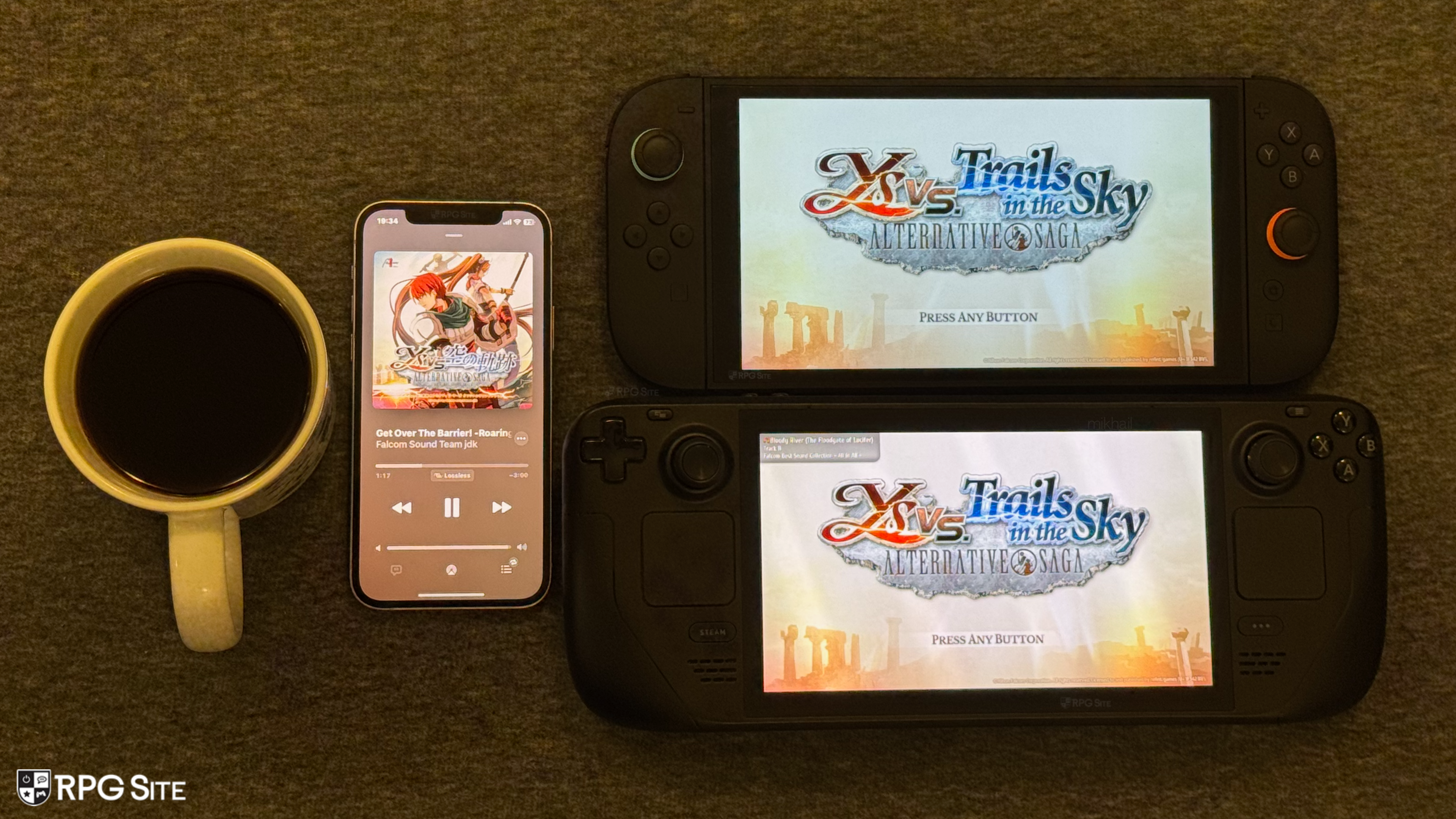
RPG Site: Do you plan on doing a bespoke Switch 2 version with Game Share and other bespoke Switch 2 features?
Adrian Graber: We can’t commit to anything at this point in time since the situation might change, and it also depends on whether it’s done as a free update (like Super Mario Odyssey) or as a specific Nintendo Switch 2 edition, but ever since we saw the reveal trailer for the Switch 2, we were already brainstorming ideas. I’m glad you asked this, because even though Ys vs. Trails already looks better on Switch 2, there’s still a lot of things we can do.
For example, I noticed that GameShare is not only able to copy the screen from the Switch 2, but actually allows you to make up an entirely different screen for the other player as well (I noticed this when looking at the Clubhouse Games example where each device could only see its own hand of cards, but it’s way more obvious on Hyrule Warriors: Age of Imprisonment), and I was just thinking, “oh, I’m positive that the Switch 2 could render another screen on Ys vs. Trails with relative ease and stream it to other players”. And of course, you also have GameChat with CameraPlay, which I admit, they do initially seem like gimmicks, but at least from my own experience, it’s just a lot of fun to play Mario Kart World while seeing your friends and family’s reactions, even without GameChat and just locally.
Honestly, if we looked at any potential titles we could publish for Switch 2 in the future, I think Ys vs. Trails would be the game that would use the most Switch 2 features out of any other for the foreseeable future: its multiplayer aspect just lends itself so well to GameShare and GameChat, we already use HD rumble and are ready to support the superior HD rumble 2, and 4K 60fps is, well, already there! Unfortunately just skipping 2 features: no 120fps (for reasons explained later - the list of games is small for that for various reasons, so I guess this isn’t a priority for Nintendo), as well as no mouse mode simply due to how the game plays.
However, despite our best efforts to move forward, and having talked with the right people, where we made clear this is, at least feature-wise, our best Switch 2 proposal to Nintendo for the foreseeable future, we don’t have any information as to when or if this will come, nor in what form. The roadblock lies with us not being Nintendo Switch 2 developers. And while we’re definitely eager to do so at present, there’s no guarantee that we’ll be able to come back to this title at any point in time in the future, like I said earlier. This is one of the reasons we decided to outsmart the lack of development hardware for now: if it never comes to it, at least the game will look very nice on Switch 2 forever.
Adrian Graber: We can’t commit to anything at this point in time since the situation might change, and it also depends on whether it’s done as a free update (like Super Mario Odyssey) or as a specific Nintendo Switch 2 edition, but ever since we saw the reveal trailer for the Switch 2, we were already brainstorming ideas. I’m glad you asked this, because even though Ys vs. Trails already looks better on Switch 2, there’s still a lot of things we can do.
For example, I noticed that GameShare is not only able to copy the screen from the Switch 2, but actually allows you to make up an entirely different screen for the other player as well (I noticed this when looking at the Clubhouse Games example where each device could only see its own hand of cards, but it’s way more obvious on Hyrule Warriors: Age of Imprisonment), and I was just thinking, “oh, I’m positive that the Switch 2 could render another screen on Ys vs. Trails with relative ease and stream it to other players”. And of course, you also have GameChat with CameraPlay, which I admit, they do initially seem like gimmicks, but at least from my own experience, it’s just a lot of fun to play Mario Kart World while seeing your friends and family’s reactions, even without GameChat and just locally.
Honestly, if we looked at any potential titles we could publish for Switch 2 in the future, I think Ys vs. Trails would be the game that would use the most Switch 2 features out of any other for the foreseeable future: its multiplayer aspect just lends itself so well to GameShare and GameChat, we already use HD rumble and are ready to support the superior HD rumble 2, and 4K 60fps is, well, already there! Unfortunately just skipping 2 features: no 120fps (for reasons explained later - the list of games is small for that for various reasons, so I guess this isn’t a priority for Nintendo), as well as no mouse mode simply due to how the game plays.
However, despite our best efforts to move forward, and having talked with the right people, where we made clear this is, at least feature-wise, our best Switch 2 proposal to Nintendo for the foreseeable future, we don’t have any information as to when or if this will come, nor in what form. The roadblock lies with us not being Nintendo Switch 2 developers. And while we’re definitely eager to do so at present, there’s no guarantee that we’ll be able to come back to this title at any point in time in the future, like I said earlier. This is one of the reasons we decided to outsmart the lack of development hardware for now: if it never comes to it, at least the game will look very nice on Switch 2 forever.
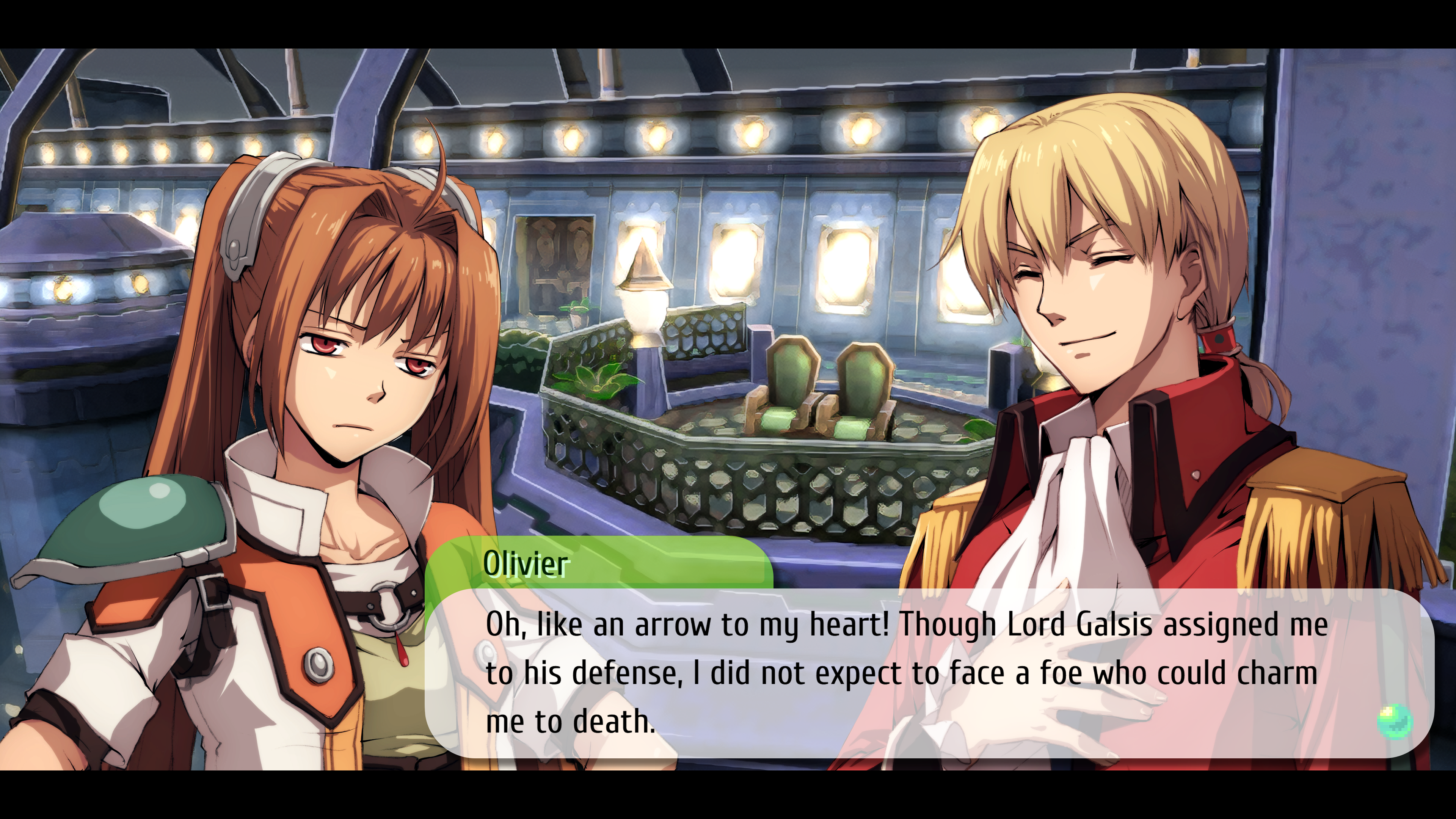
RPG Site: Moving over to PS5, how was it working on both the PS4 and PS5 versions compared to the Switch port?
Adrian Graber: It was very much like the Nintendo Switch version, where we built on top of existing work for PS4. However, at that time there was no PS5 code that we could reuse, so that had to be developed in house. It wasn’t such an extraordinary feat though since it’s heavily based on the PS4 version where a major part of the code is either identical or compatible with minor tweaks.
I believe it took about a week or two to get the PS5 version running once we started work on it, and then about the same time to fix what was mostly just graphical bugs that arose from architectural differences between the PS5 and PS4. The rest was just mostly general bugs present on all platforms or shared with PS4.
Adrian Graber: It was very much like the Nintendo Switch version, where we built on top of existing work for PS4. However, at that time there was no PS5 code that we could reuse, so that had to be developed in house. It wasn’t such an extraordinary feat though since it’s heavily based on the PS4 version where a major part of the code is either identical or compatible with minor tweaks.
I believe it took about a week or two to get the PS5 version running once we started work on it, and then about the same time to fix what was mostly just graphical bugs that arose from architectural differences between the PS5 and PS4. The rest was just mostly general bugs present on all platforms or shared with PS4.
RPG Site: Was it easy to implement DualSense haptics and other PS5 features?
Adrian Graber: Yeah, it was. The vibration motors are driven more like speakers, unlike old-school rumble where you just control the strength of the rumble, this applies to the Joy-Cons too. The vibration data is based on the sound effects from the game. For other smaller features, such as the lightbar on DualSense/DUALSHOCK as well as support for PS4 Arcade Sticks on PS5, the hardest part is just coming up with the idea.
Adrian Graber: Yeah, it was. The vibration motors are driven more like speakers, unlike old-school rumble where you just control the strength of the rumble, this applies to the Joy-Cons too. The vibration data is based on the sound effects from the game. For other smaller features, such as the lightbar on DualSense/DUALSHOCK as well as support for PS4 Arcade Sticks on PS5, the hardest part is just coming up with the idea.
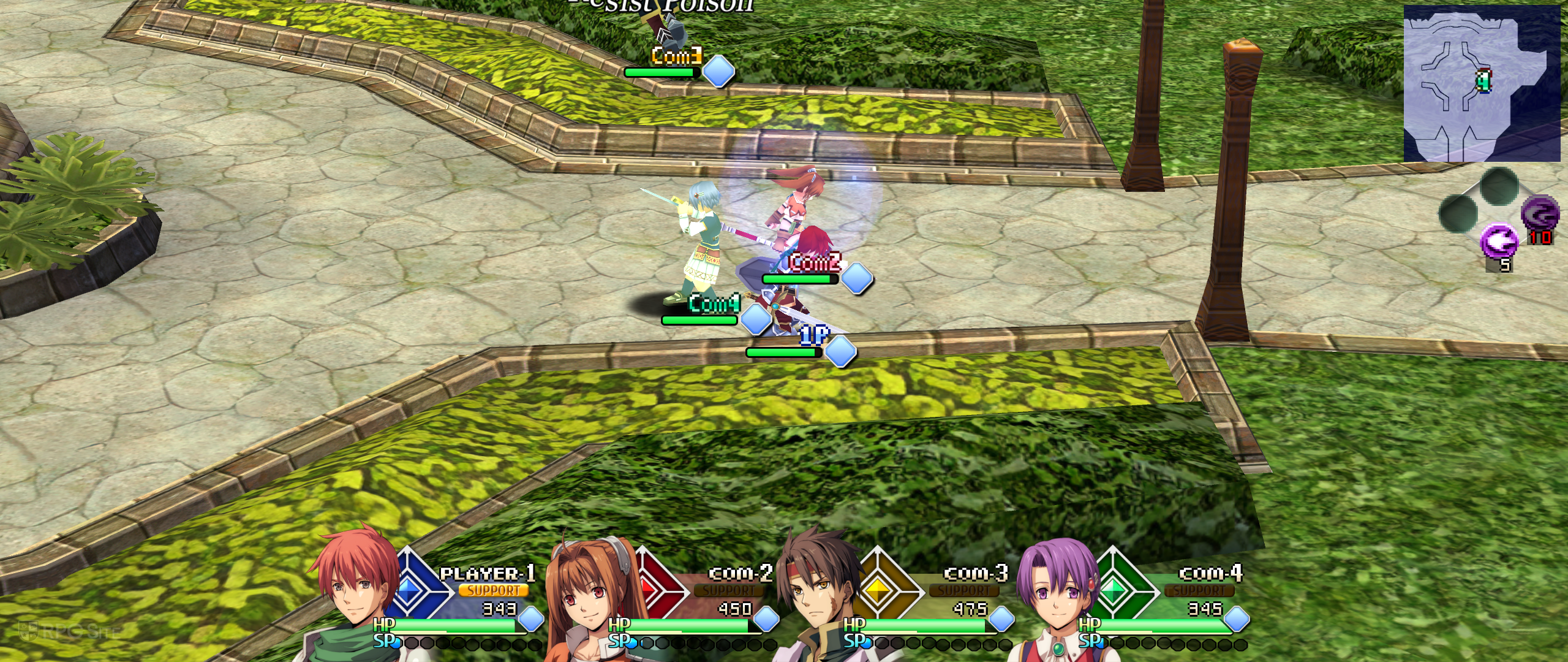
RPG Site: For the PC version, can you tell us about how you worked on ultrawide support and whether the team tried to implement 120 or 144 fps support?
Adrian Graber: Arbitrary aspect ratio support (which encompasses ultrawide, as well as “narrow” aspect ratios like 4:3 and 5:4) in this game was more of an asset issue than a technical one, which is usually the case. Merely extending the view port, while not trivial, isn’t that much of a challenge either, but a lot of effects are made with 16:9 aspect ratios in mind, and the maps aren’t designed to be viewed beyond a certain point, so a few fixes had to be implemented at the asset level to make sure some of that still looks fine. There are some scenarios where that can be exposed even further by combining it with the zoom out of the local offline multiplayer, but we tried to do our best to minimize those situations.
Regarding arbitrary frame rate support, we did initially consider this a goal, but we found a lot of pitfalls caused by how the game was originally designed around a fixed framerate as well. While it could’ve been feasible to a degree, the main issue was that it could’ve resulted in having differences in e.g. physics when playing at different frame rates, and while this could be acceptable on single player titles, this would be catastrophic for a game where the main experience is fighting against other players.
Multiplayer matches would’ve needed a consistent framerate anyways, which would most certainly be 60 as not all players can run higher than that. Moreover, you could run into situations where a super specific combo might work locally while you’re training at 120fps, only for it to not work at 60fps.
It makes me feel better that The Legend of Nayuta has the same frame rate constraints on PC, since it’s a very similar game on the technical side, which put the game in good company when it came to tackling this issue. Ultimately, I decided to focus the efforts into providing a very consistent 60fps experience so that all modes behave the same both online and offline, and implement the most fixes I could to make gameplay more accurate to the original 30fps experience on PSP.
Adrian Graber: Arbitrary aspect ratio support (which encompasses ultrawide, as well as “narrow” aspect ratios like 4:3 and 5:4) in this game was more of an asset issue than a technical one, which is usually the case. Merely extending the view port, while not trivial, isn’t that much of a challenge either, but a lot of effects are made with 16:9 aspect ratios in mind, and the maps aren’t designed to be viewed beyond a certain point, so a few fixes had to be implemented at the asset level to make sure some of that still looks fine. There are some scenarios where that can be exposed even further by combining it with the zoom out of the local offline multiplayer, but we tried to do our best to minimize those situations.
Regarding arbitrary frame rate support, we did initially consider this a goal, but we found a lot of pitfalls caused by how the game was originally designed around a fixed framerate as well. While it could’ve been feasible to a degree, the main issue was that it could’ve resulted in having differences in e.g. physics when playing at different frame rates, and while this could be acceptable on single player titles, this would be catastrophic for a game where the main experience is fighting against other players.
Multiplayer matches would’ve needed a consistent framerate anyways, which would most certainly be 60 as not all players can run higher than that. Moreover, you could run into situations where a super specific combo might work locally while you’re training at 120fps, only for it to not work at 60fps.
It makes me feel better that The Legend of Nayuta has the same frame rate constraints on PC, since it’s a very similar game on the technical side, which put the game in good company when it came to tackling this issue. Ultimately, I decided to focus the efforts into providing a very consistent 60fps experience so that all modes behave the same both online and offline, and implement the most fixes I could to make gameplay more accurate to the original 30fps experience on PSP.
RPG Site: How much work was done to make sure Ys vs. Trails in the Sky: Alternative Saga works well on Steam Deck?
Adrian Graber: Honestly, not a lot, which is all thanks to Valve and their work on Proton which becomes more compatible as time goes on. Of course, we thought about Steam Deck on a few instances, like on arbitrary aspect ratio, where we test 16:10 frequently, as well as input remapping. But other than that, and making sure performance was acceptable (which wasn’t hard considering the graphics of the game), the game just plays as it should on Proton. I will say though, there is a bug with the frame limiter that makes the game’s menus unusable, which prevented us from getting a Verified rating once Valve tested the game for Steam Deck compatibility, but this was rectified and the game will have a Verified rating once we push out update 1.0.6 which is in the works and should release shortly.
(Editor's note: This update has gone live already.)
Adrian Graber: Honestly, not a lot, which is all thanks to Valve and their work on Proton which becomes more compatible as time goes on. Of course, we thought about Steam Deck on a few instances, like on arbitrary aspect ratio, where we test 16:10 frequently, as well as input remapping. But other than that, and making sure performance was acceptable (which wasn’t hard considering the graphics of the game), the game just plays as it should on Proton. I will say though, there is a bug with the frame limiter that makes the game’s menus unusable, which prevented us from getting a Verified rating once Valve tested the game for Steam Deck compatibility, but this was rectified and the game will have a Verified rating once we push out update 1.0.6 which is in the works and should release shortly.
(Editor's note: This update has gone live already.)
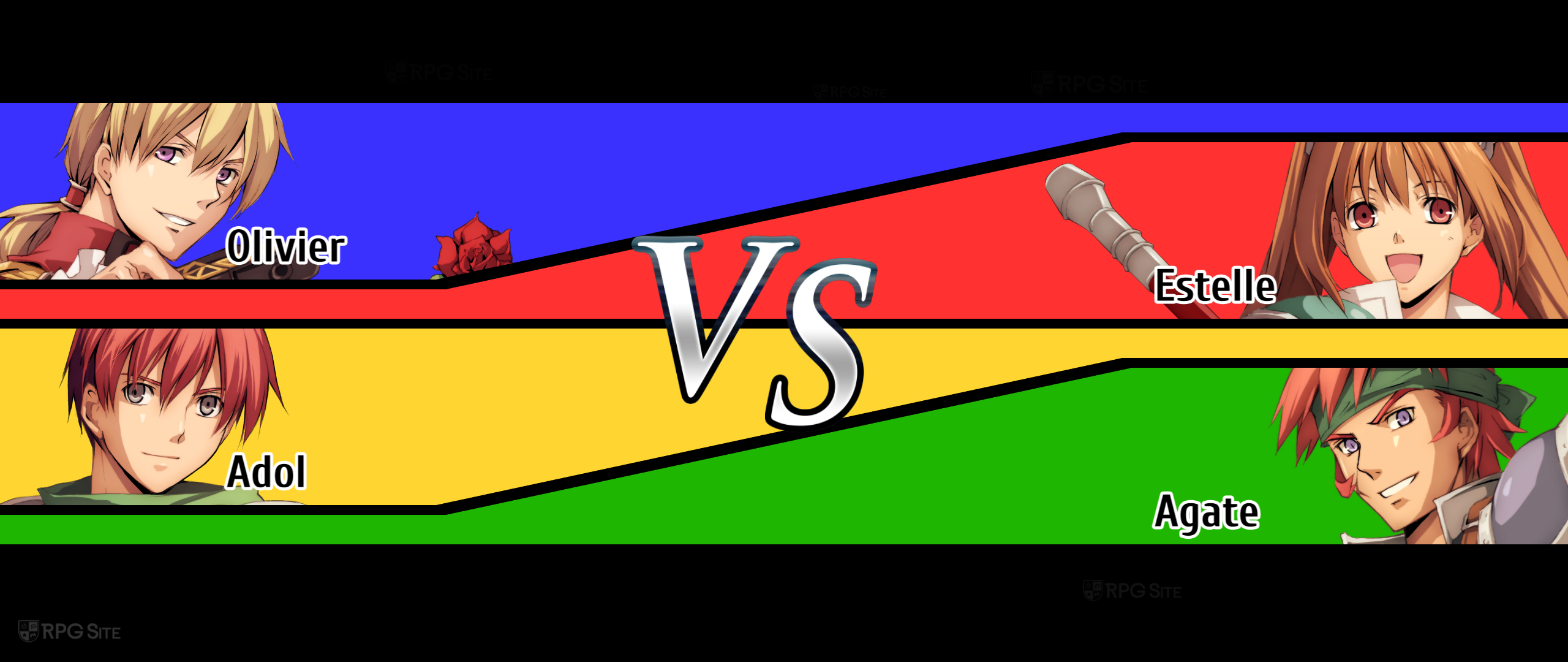
RPG Site: Ys vs. Trails in the Sky: Alternative Saga has cross play across all platforms for online. Did you have any difficulty implementing rollback on everything?
Adrian Graber: I would be lying if I said that implementing rollback didn’t have its challenges, however, the implementation itself wasn’t problematic, as the game already has a frame skip mechanism, where it can simulate a frame without actually rendering it so it can catch up if the game has performance issues, which it did on certain scenes on PSP. This functionality is key for implementing rollback, because once we figured out how to save the game’s state and load it, we’re able to just re-simulate the frames using the correct inputs.
The other main challenge came to inconsistencies on floating point simulation between all the platforms. Each platform has its own standard library with math functions, which has its own idea of how to, for instance, calculate the cosine of a number. Most of the time, such differences are imperceptible and acceptable in single-player games, since they occur far out in the decimal places, but those differences can accumulate over time and cause different gameplay in each system. Once far too many differences accumulate, the position can be slightly shifted on each player’s console, which eventually leads to a different outcome in each system (e.g. an attack connecting on one console but not another), which gets flagged as a synchronization error that ends the match.
Fortunately, we were able to overcome most of these by simply shipping our own set of consistent math functions (based on musl libc) instead of relying on the platform. Some synchronization errors can just be flubs on our end where some important state doesn’t get restored as it should, but we fixed most of those instances and we’ll continue to fix them if we find more.
Adrian Graber: I would be lying if I said that implementing rollback didn’t have its challenges, however, the implementation itself wasn’t problematic, as the game already has a frame skip mechanism, where it can simulate a frame without actually rendering it so it can catch up if the game has performance issues, which it did on certain scenes on PSP. This functionality is key for implementing rollback, because once we figured out how to save the game’s state and load it, we’re able to just re-simulate the frames using the correct inputs.
The other main challenge came to inconsistencies on floating point simulation between all the platforms. Each platform has its own standard library with math functions, which has its own idea of how to, for instance, calculate the cosine of a number. Most of the time, such differences are imperceptible and acceptable in single-player games, since they occur far out in the decimal places, but those differences can accumulate over time and cause different gameplay in each system. Once far too many differences accumulate, the position can be slightly shifted on each player’s console, which eventually leads to a different outcome in each system (e.g. an attack connecting on one console but not another), which gets flagged as a synchronization error that ends the match.
Fortunately, we were able to overcome most of these by simply shipping our own set of consistent math functions (based on musl libc) instead of relying on the platform. Some synchronization errors can just be flubs on our end where some important state doesn’t get restored as it should, but we fixed most of those instances and we’ll continue to fix them if we find more.
RPG Site: Now that you have experience doing a great remaster of a PSP Falcom game, are there plans to do these classic remasters for titles like Ys Seven or even the original Trails in the Sky trilogy? I know 1st Chapter is a great remake, but I would love to see the original trilogy also playable on Switch and PlayStation platforms.
Adrian Graber: We have no information to give about this at the moment.
Adrian Graber: We have no information to give about this at the moment.
RPG Site: Is there any interest in giving Brandish: The Dark Revenant a remaster like Ys vs. Trails in the Sky: Alternative Saga?
Adrian Graber: We have no information to give about this at the moment.
Adrian Graber: We have no information to give about this at the moment.
RPG Site: Did you and the team learn anything from tackling Ys vs. Trails in the Sky: Alternative Saga that will help make future remasters better?
Adrian Graber: Absolutely! There were a bunch of unexpected bits that required revamping that went beyond what was initially planned since we were kinda discovering what needed additional work in the first place, and a lot of processes for things that we hadn’t set up yet, as this is our first remaster of this scale. It took a little bit more time, but we managed to tackle everything we wanted, and we’re a lot more prepared for future titles as we now know what processes will be needed alongside an efficient way to go through them.
And this doesn’t only apply to a remastering process, but also our publishing and localization efforts in general. It’s our largest release yet, with 3 console platforms + the PC platform which consists of 3 more storefronts, and every single storefront involved both in consoles and on PC has their own way of handling every aspect, from certification to storefront setup. Particularly on consoles, I think it’s safe to say that our next QA phase on any future titles will be tackled in a far better way, which will go a long way for us considering certification was a bumpy ride for us on consoles, especially when it came to crossplay requirements.
Adrian Graber: Absolutely! There were a bunch of unexpected bits that required revamping that went beyond what was initially planned since we were kinda discovering what needed additional work in the first place, and a lot of processes for things that we hadn’t set up yet, as this is our first remaster of this scale. It took a little bit more time, but we managed to tackle everything we wanted, and we’re a lot more prepared for future titles as we now know what processes will be needed alongside an efficient way to go through them.
And this doesn’t only apply to a remastering process, but also our publishing and localization efforts in general. It’s our largest release yet, with 3 console platforms + the PC platform which consists of 3 more storefronts, and every single storefront involved both in consoles and on PC has their own way of handling every aspect, from certification to storefront setup. Particularly on consoles, I think it’s safe to say that our next QA phase on any future titles will be tackled in a far better way, which will go a long way for us considering certification was a bumpy ride for us on consoles, especially when it came to crossplay requirements.
RPG Site: Are there any plans to bring Ys vs. Trails in the Sky: Alternative Saga to Xbox?
Adrian Graber: We have no information to give about this at the moment.
Adrian Graber: We have no information to give about this at the moment.
RPG Site: While you have announced plans for a physical release in North America, are there any plans to do a bespoke one in Japan and Europe with a large-scale retail release?
Adrian Graber: We have no information to give about this at the moment.
Adrian Graber: We have no information to give about this at the moment.
RPG Site: How do you like your coffee? (This can be answered by everyone on the team).
Adrian Graber: Only a few of us actually drink coffee, so I gathered the replies from those who do:
Graber (Producer/Developer): Sweet and iced, basically like Starbucks. I’m a fake coffee fan and I can’t drink it bitter or hot.
Gem (Project & Marketing Manager): Iced only - same goes for tea.
Aira (QA/Marketing): I can only drink coffee cold - Flavor coffees are usually best for me and I don’t really like bitter/black coffee.
Adrian Graber: Only a few of us actually drink coffee, so I gathered the replies from those who do:
Graber (Producer/Developer): Sweet and iced, basically like Starbucks. I’m a fake coffee fan and I can’t drink it bitter or hot.
Gem (Project & Marketing Manager): Iced only - same goes for tea.
Aira (QA/Marketing): I can only drink coffee cold - Flavor coffees are usually best for me and I don’t really like bitter/black coffee.