
!["We're considering producing an English version of the [Seven Mysteries of Honjo sequel] manga" - Paranormasight director Takanari Ishiyama hopes to reach more overseas players](https://images.rpgsite.net/articles/cover/da49c9a1/19891/cover/parnoma-interview-head.webp)
"We're considering producing an English version of the [Seven Mysteries of Honjo sequel] manga" - Paranormasight director Takanari Ishiyama hopes to reach more overseas players
Paranormasight fans are already feasting in the year 2026 with the release of Paranormasight: The Mermaid's Curse. Its surprise announcement at the Nintendo Partner Showcase back in February left me overjoyed. It's been about a month since the release of Paranormasight: The Mermaid's Curse. If you haven't done so yet, you can read my review of what I thought about it.
It's been genuinely heartwarming to see the positive reception of the Mermaid's Curse, and how the positive word-of-mouth has gradually grown the Paranormasight fanbase since the release of The Seven Mysteries of Honjo in 2023.
Shortly after the release of The Seven Mysteries of Honjo, I was able to interview director & writer Takanari Ishiyama, music composer Hidenori Iwasaki, character designer Gen Kobayashi, and producer Kazuma Oushu about the unexpected breakout hit. Thankfully, I had the immense opportunity to speak with Ishiyama and Oushu again for The Mermaid's Curse this time around.
If you have completed The Mermaid's Curse, there are two additional interview questions down at the bottom that is filled with spoilers. I'll mark them down but in the meantime, enjoy the spoiler-free interview before those two final questions.
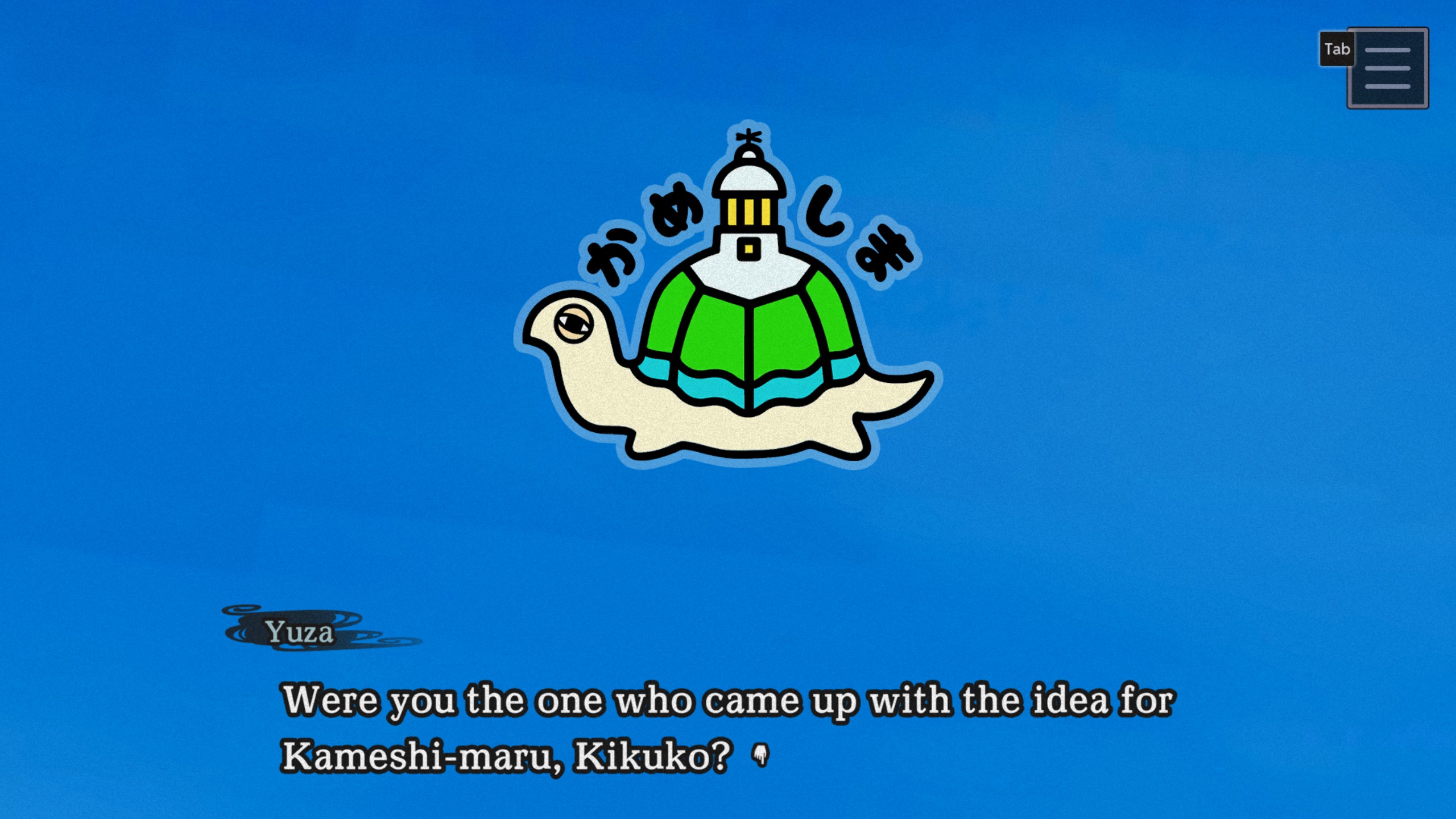
To start off, please tell us about the start of The Mermaid’s Curse development following the release of The Seven Mysteries of Honjo. What was the initial concept that led to the tropical setting of the Ise-Shima region, and what led to mermaids as the central subject this time around?
Takanari Ishiyama (Director & Writer): After releasing The Seven Mysteries of Honjo, we were fortunate to receive a very positive response, so our team immediately began planning the next title to present to the company. The first thing we discussed was which folklore to use as our theme. Since we wanted to draw from something tied to a specific region, this also meant deciding on the setting at the same time. Among several suggestions from our producer, Kazuma Oushu, one was the “mermaid legend.” There are countless stories featuring mermaids from all over the world, so you could say it’s a common theme.
However, we felt that announcing it as our second title might give people a sense of surprise—an “I didn’t see that coming!” kind of reaction. At the same time, we had a feeling that if Paranormasight tackled this subject, we might be able to create something rather unique. (At that point, though, we didn’t have any concrete ideas yet.) So I strongly pushed for it, and we decided to go with it. Also, many Japanese players commented after The Seven Mysteries of Honjo that it was “too scary to play” or that they wished it “didn’t have jump scares.” So for our second title, we decided to tone down the horror elements. To help communicate that shift, we also drastically changed the overall mood and gave the game a more tropical feel.
Kazuma Oushu (Producer): While The Seven Mysteries of Honjo, our previous title, was based on occult themes that are distinctly Japanese, this time we wanted a theme that would also feel familiar to players all over the world . That’s why I proposed the idea of using the “mermaid legend.” We also felt that the folklore of the Ise-Shima region, along with its historical connection to mermaids, would lend itself well to incorporating the kind of memorable gameplay mechanics and new player experiences we had aimed for in the previous game.
So we chose that area as our setting and Director Ishiyama and I traveled there for location-scouting. The island of Kamishima, which served as the model for Kameshima, the main setting of the game, also left a strong impression on us with its distinctive name. In the end, we chose the Ise-Shima region as the stage for this game because we were drawn to the unique character and atmosphere of the area.
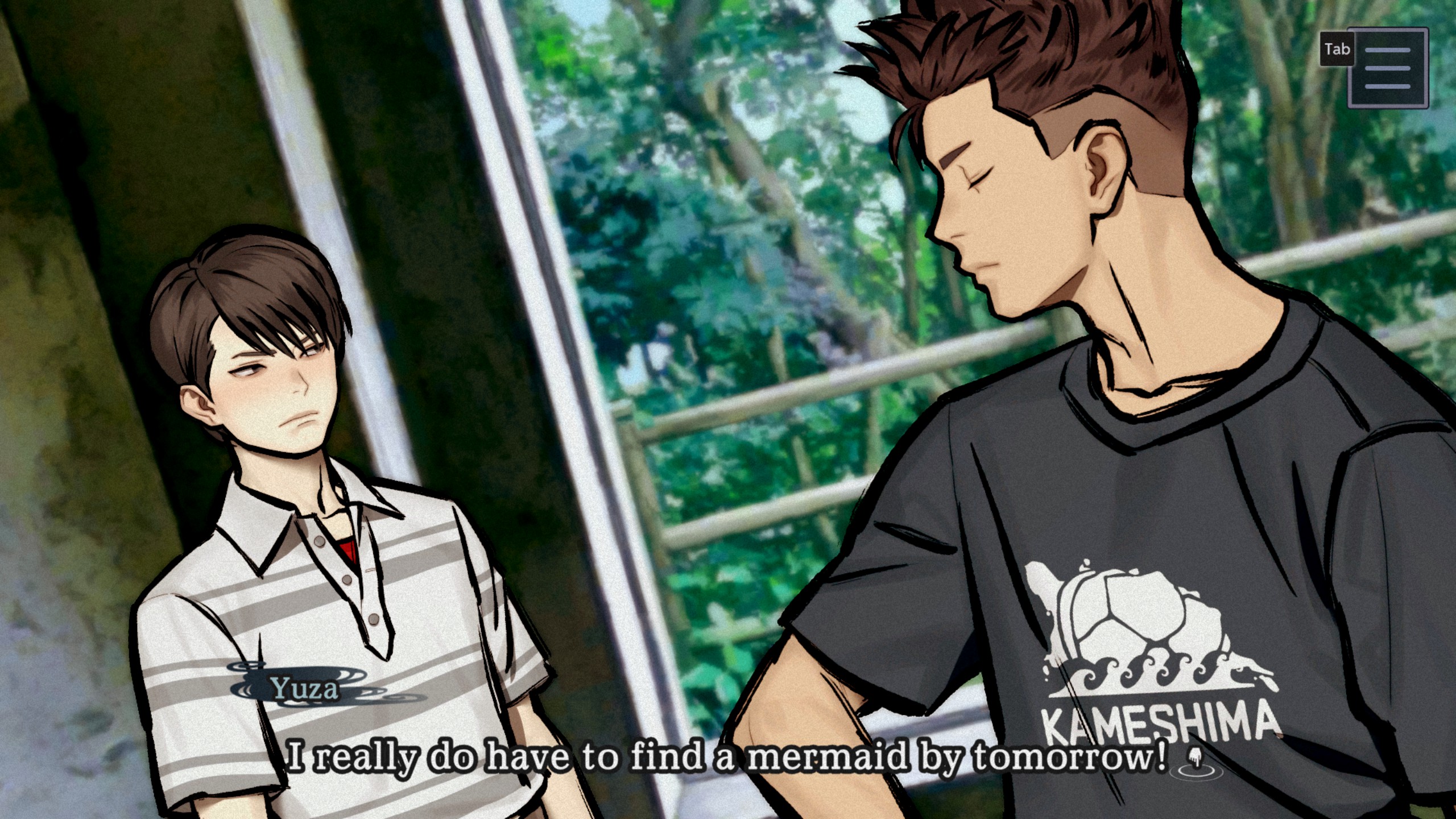
Takanari Ishiyama: That was actually one of the topics we discussed as a team during the early planning stages of the second game. Since the characters from the first title were popular, we did consider bringing them back. However, our vision was to develop Paranormasight into a series of standalone stories that could encompass a wide range of themes. If we brought those characters back in the second game, it might create the expectation that Paranormasight wouldn’t be Paranormasight without them. We wanted to avoid being locked into that, so we decided to introduce an entirely new cast.
That said, we knew there were fans who wanted to see the original characters again, so we chose to follow up on them through the manga adaptation. (We’re currently considering producing an English version of the manga as well)
At present, the only elements truly required for something to be part of the Paranormasight series are: (1) that the story be an incident recorded in some form of the unexplained / Paranormal mysteries files, and (2) that the Storyteller character make an appearance. As for the current shared elements of the series — an occult mystery based on actual folklore, the 1980s Japan setting, and the appearance of curses and curse stones — those are aspects we may or may not continue to carry forward as the series evolves. For now, nothing is set in stone.
Kazuma Oushu: To be honest, we were a bit nervous about how players would react to the fact that the distinctive curse battles and characters from the first game would not be carried over. But with the second title, which was built around clearly defined core elements, I think players were able to get a sense of what makes the Paranormasight series unique. For now, elements such as the time period or the use of Japanese folklore happen to overlap between the two games, but since these stories come from the case files of Paranormal Affairs, we honestly don’t yet know what kinds of materials might be in those files (laughs). That level of breadth is part of what makes the series so flexible, and we hope to continue expanding it — not only through games, but across a wide variety of media.
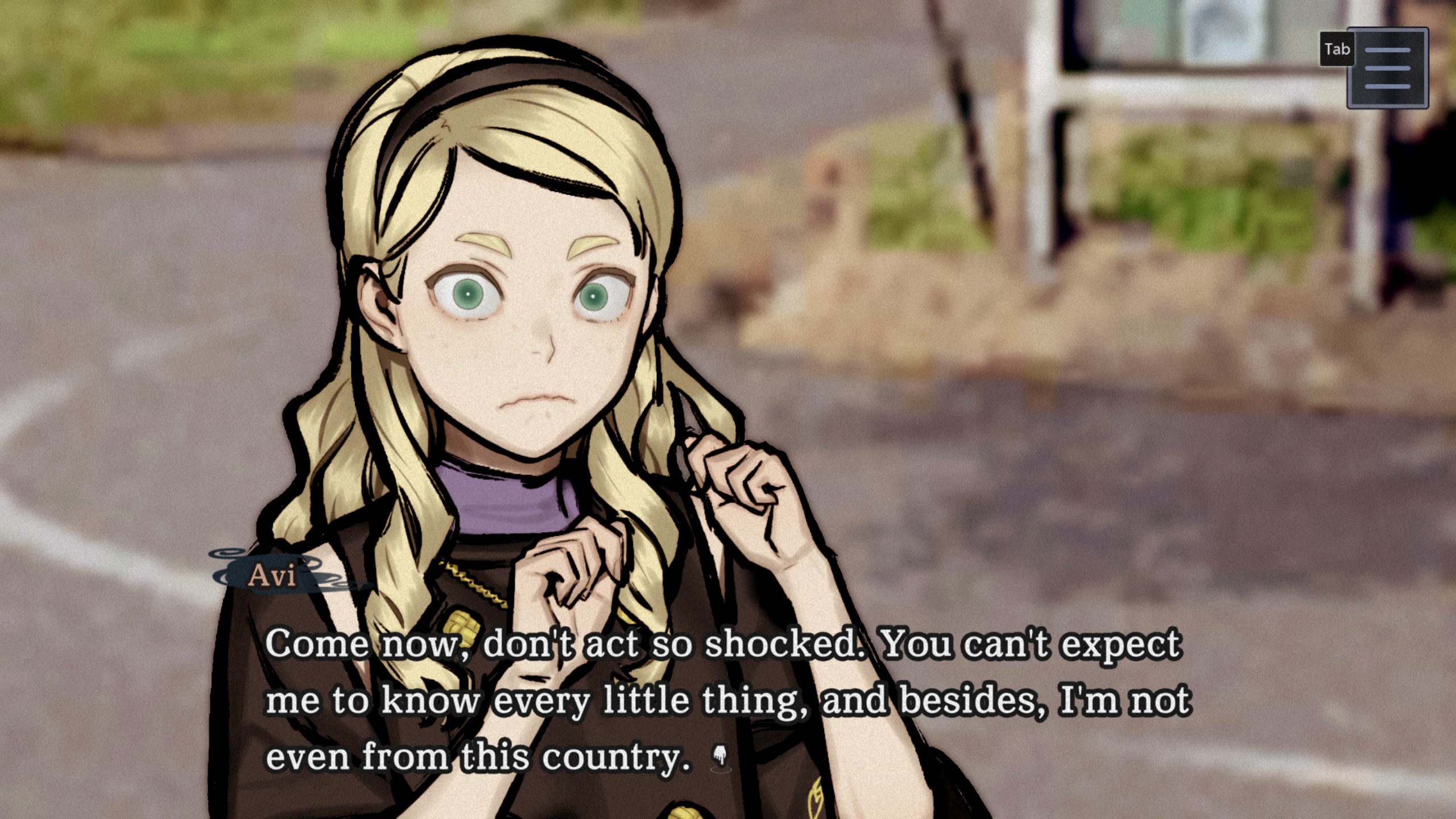
Tell me about how that process went for The Mermaid’s Curse. What locations were you able to visit for this project, and are there any local delicacies or activities that you want to tell people about in that region?
Takanari Ishiyama: We actually visited the Ise-Shima region and Toba City several times, and of course we also traveled to Kamishima, the island that served as the model for Kameshima. We conducted our own on-site research and took a large number of reference photos of potential locations. From those, we carefully selected landscapes we especially wanted to showcase in the game, as well as places that were important for the story structure.
We then processed those materials and implemented them into the game, which I hope fans take their time exploring the island in the game to see what those real locations are like. As for local specialties, it has to be the incredibly fresh seafood! Turban shells and abalone are in season from spring to summer, while spiny lobster and oysters are at their best from autumn through winter — highly recommended.
Kazuma Oushu: Since we were basing the game on real locations, we needed the cooperation of local residents and the local government before doing any photography. We were fortunate to receive a great deal of support from many people in the region. In addition to the location scouting, curators and the director of the local museum also taught us about the area’s unique folklore, customs, and fishing practices. Toba City, where Kamishima is located, is also famous for its pearls, which make excellent souvenirs.
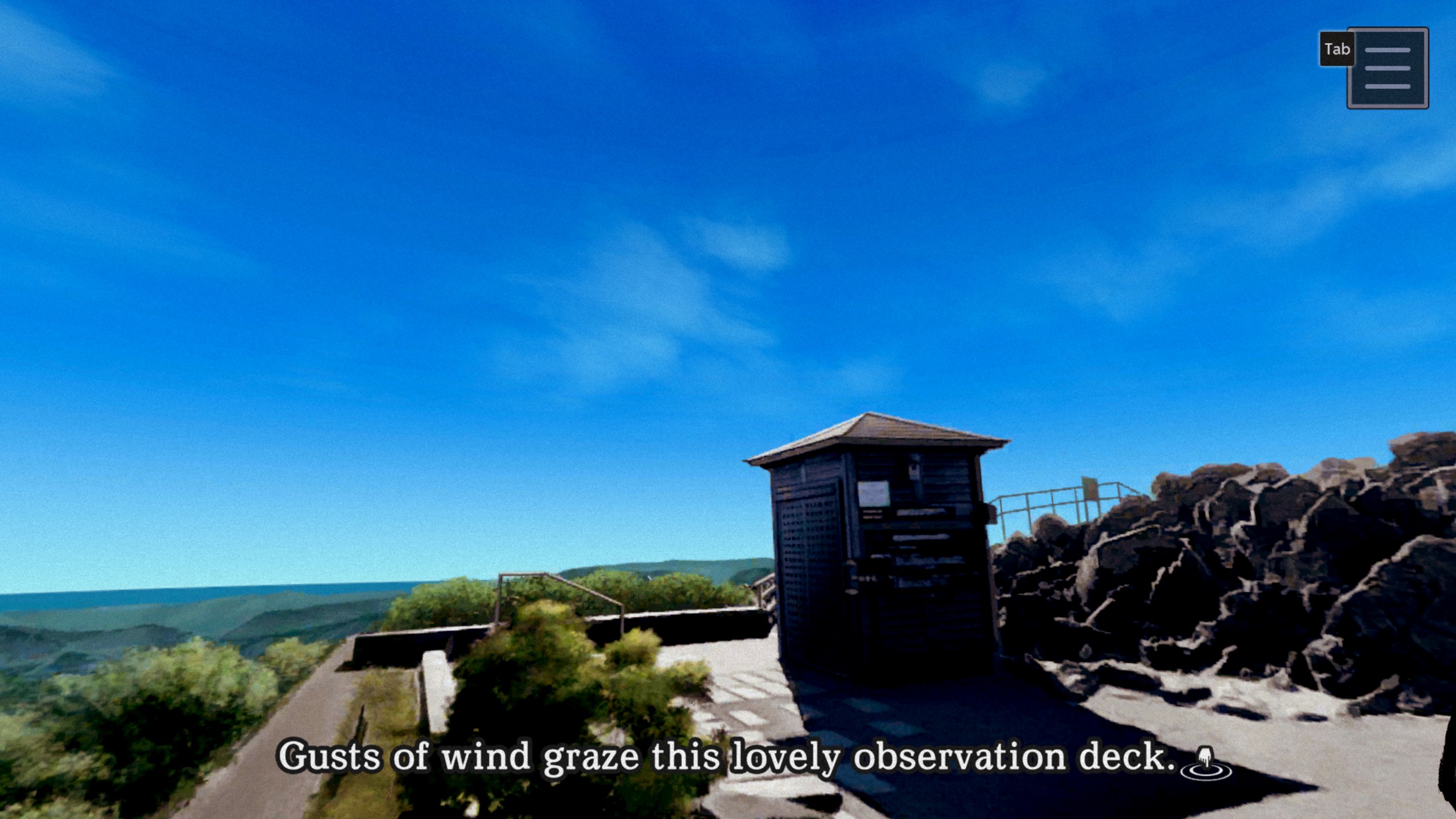
Was this something you always had in mind to include at the start, or was it something you decided to create in the middle of development? What are some of the challenges in writing to account for non-linearity on the player’s end?
Takanari Ishiyama: Thank you very much. The Recollection system was something we decided to add during scenario implementation, once we realized it was necessary to tell this story. For this story, we planned a structure where the game begins at a midpoint in the overall timeline, with events from both the future and the past unfolding in a truly non-linear fashion. However, this created an issue: multiple story charts would open automatically, making it difficult for players to keep track of what was happening.
To help ease that confusion, we introduced the idea of having players manually unlock flashback chapters related to specific characters. By adding that extra step, we hoped to make the shifts in chapter structure easier to understand. We also intended for some instances of Recollection to only become available after performing certain special actions, allowing them to function almost like hidden feature. As for why we chose a non-linear structure in the first place, adventure games often tend to follow a single fixed path regardless of who plays them. We wanted to create at least some variation so that different players might experience events in different orders based on their playstyle, resulting in unique playthroughs. Since this title allows livestreaming, we also wanted players to feel curious about how others might progress through the story after finishing it themselves.
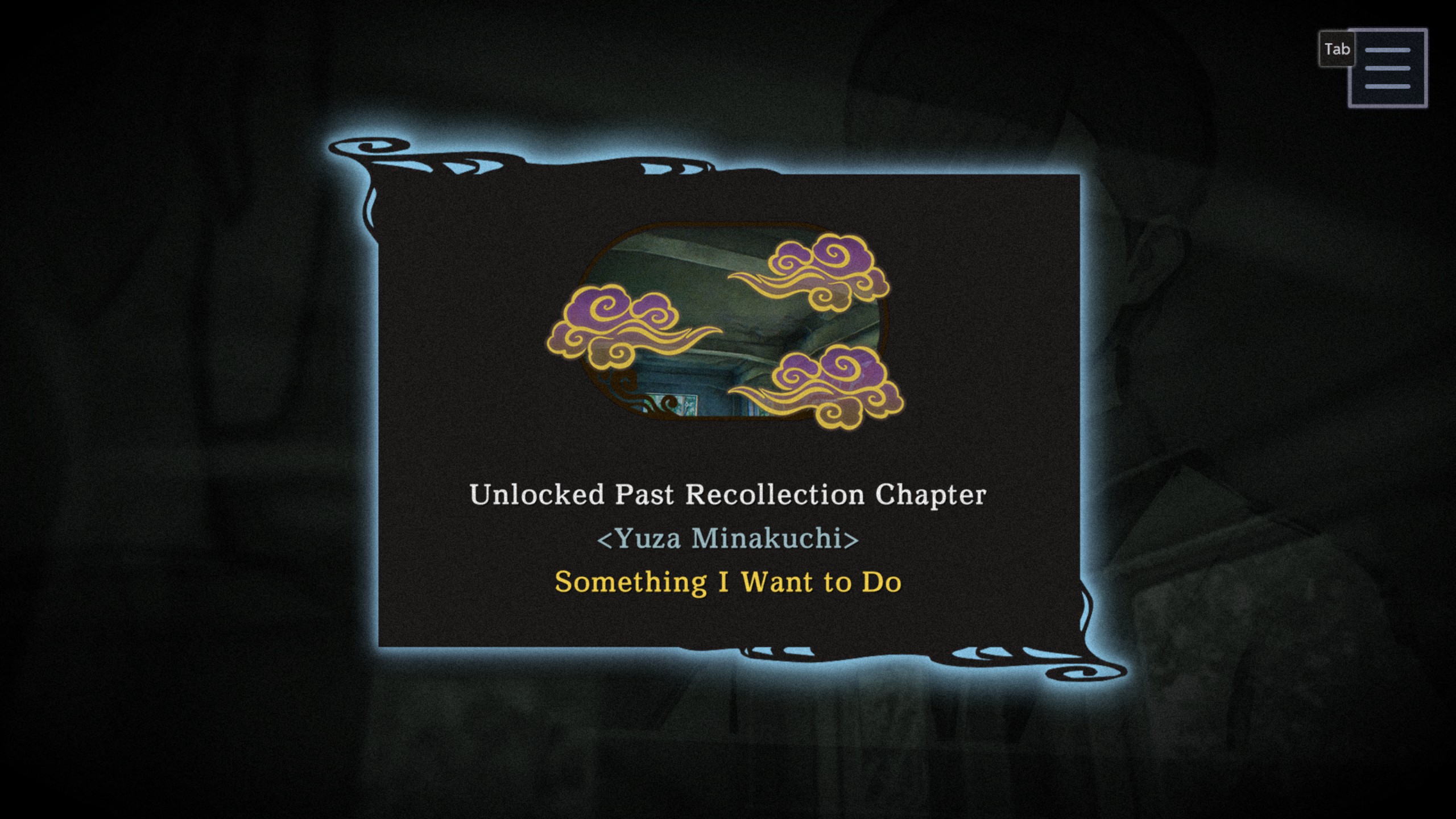
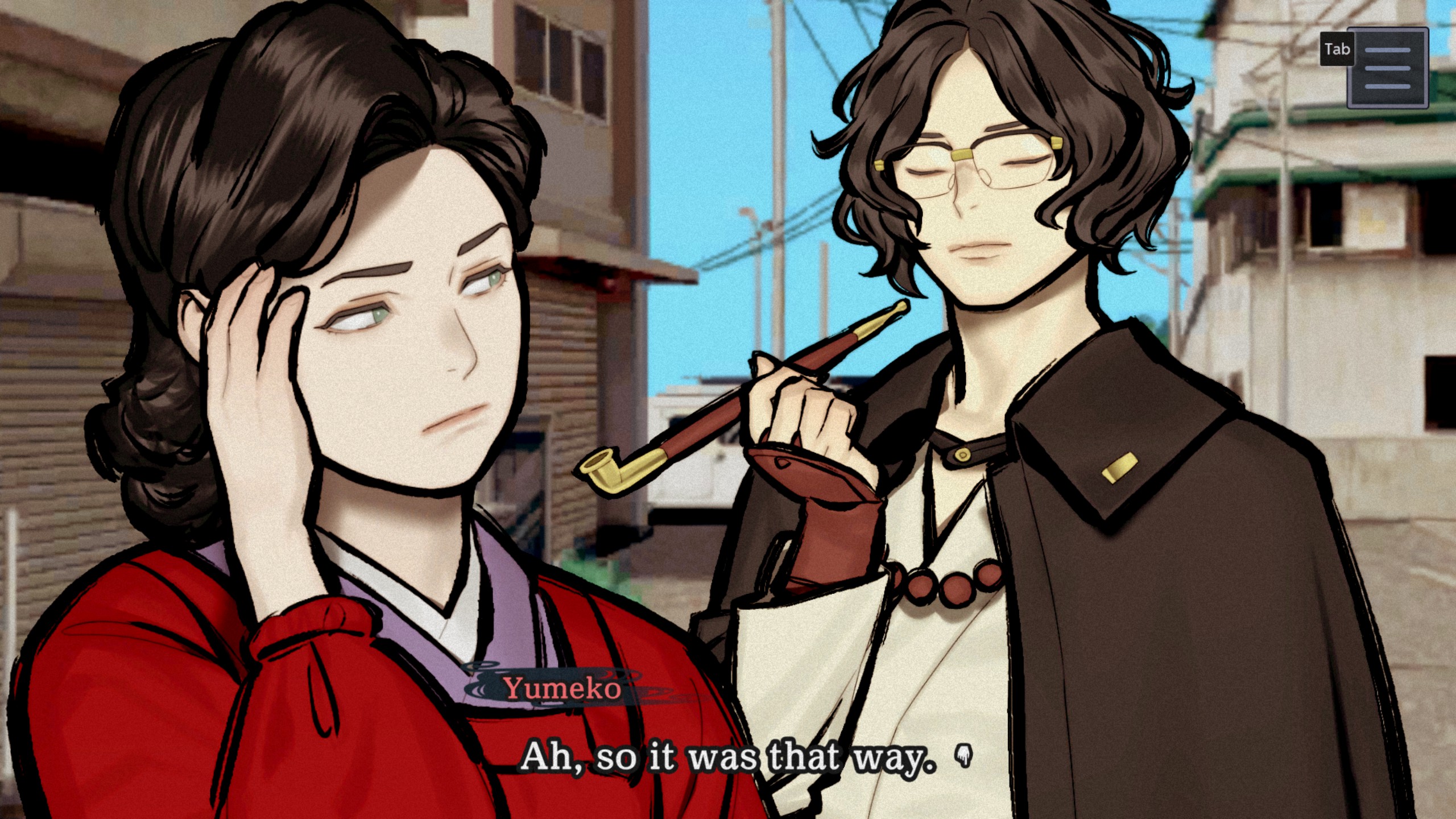
Takanari Ishiyama: Just like with The Seven Mysteries of Honjo, we began creating the characters for this title by listing out the roles we needed for the story. We first decided on the eight protagonists — four pairs of two who would serve as the player’s point-of-view characters. From there, we added others, such as the residents of Kameshima who provide information, the police officers who assist in the investigation, and of course the mastermind behind this installment’s events.
However as the story grew and changed, we made adjustments by changing or combining roles as needed. Once the list was finalized — including details like age, gender, appearance concepts, background, and each character’s role in the story — we shared it with our character designer, Gen Kobayashi, who created the designs based on that information. After several rounds of feedback and revisions, the character designs were set. Only then did we determine the characters’ names, detailed personalities, and speech patterns, deciding these elements while writing the scenario and matching them to the finalized artwork. This production process was the same as it was for The Seven Mysteries of Honjo.
As for whether people I’ve met in the past influence my character concepts — yes, that actually happens quite often. For example, if someone had a particularly amusing catchphrase, I might secretly slip it into a character’s dialogue. That kind of thing definitely happened this time as well… but which characters were inspired by real people is a secret. After all, I borrowed those traits without telling them.
Takanari Ishiyama: All eight main characters are basically my favorites! Or rather, I have to make them characters I can fall in love with myself — if I don’t feel attached to them, I wouldn’t be able to keep creating them with care. So in that sense, it’s inevitable that they all become favorites.
Among them, though, the one I’m especially fond of this time is probably Sodo Kiryu. The reason is simple: he was the hardest character to pin down. The visual design was perfect from the start, but I struggled for quite a while trying to figure out what kind of person he should be. Should he be cold? Passionate? Talkative? Quiet? Nothing felt quite right, and I went through a lot of trial and error. In the end, we settled on the character you see now: “a serious professional who’s also a supportive and hardworking individual.” And after all that trial and error, that personality clicked into place.
How did you decide which musical themes should return, and how many new musical tracks should be created? Do you think these help craft the sound identity of the Paranormasight games?
Takanari Ishiyama: I also created the track list for this title. As with the characters, I first drafted a list within the predetermined number of tracks, noting the musical impressions and keywords that seemed necessary for the story we were planning. I handed that list to our composer, Hidenori Iwasaki, who began composing even before the story itself was finished. We then wrote the scenario and planned the direction to match the music he created.
In other words, we first produced versatile, general-purpose tracks, and then built the script and direction around them. We haven’t established strict rules like “Paranormasight music must always sound like this,” because we want the freedom to use a wide range of musical genres. However, as a continuing series, I do think it’s important to reuse the same themes for recurring concepts. For instance, several tracks — such as the main theme, “Main Theme from PARANORMASIGHT,” the Storyteller’s theme, “The Storyteller,” and the curse motif, “Curse Echoes” — have been carried over from The Seven Mysteries of Honjo. I believe these were necessary to maintain a cohesive sense of worldbuilding.
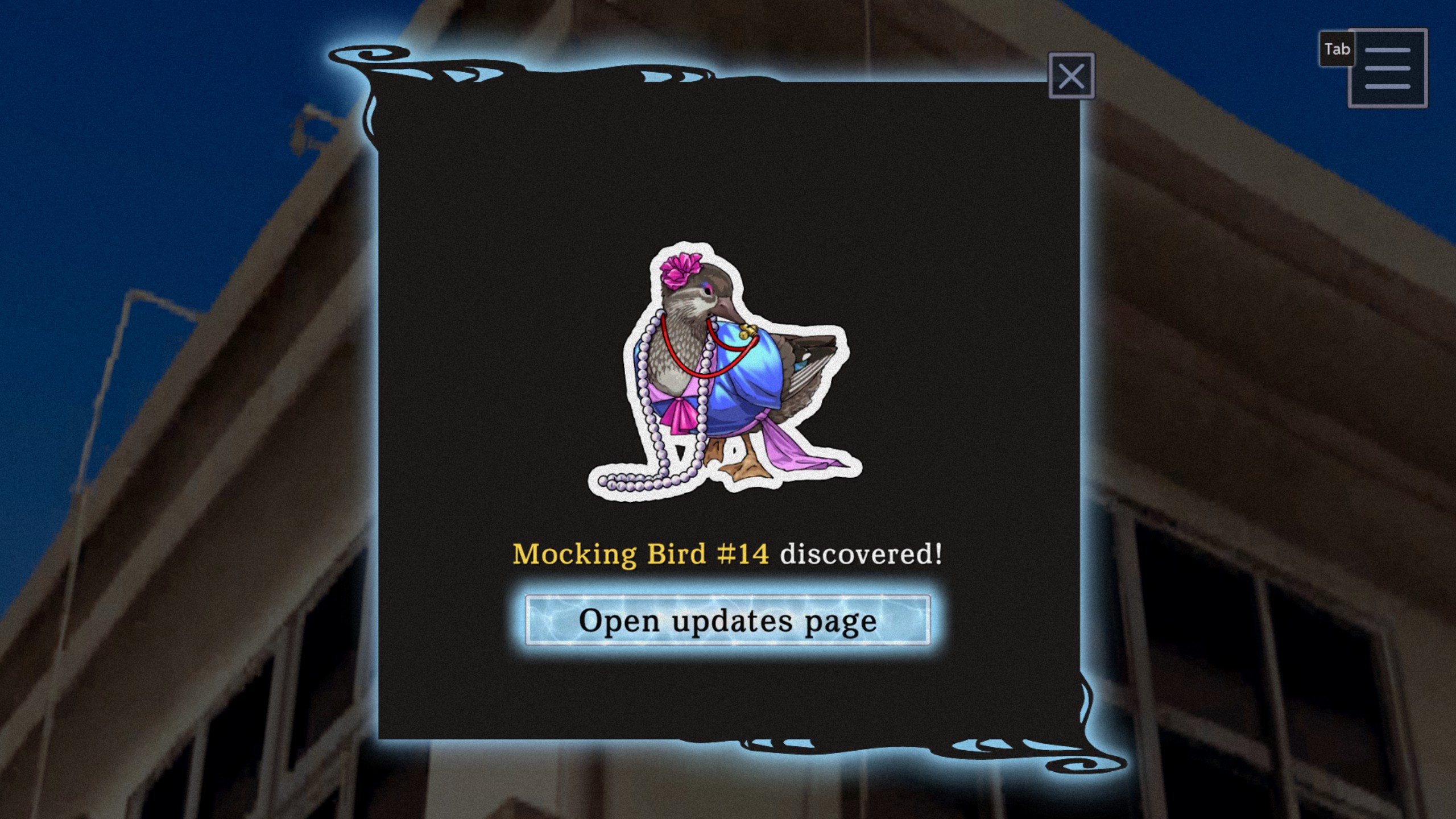
relationship chart.
Did you personally write the descriptions for all of them, or did other staff members help contribute with these fun collectibles?
Takanari Ishiyama: Thank you. The profiles for the mockingbirds were written by one of our younger scenario writers. I asked them to make the relationships as tangled and complex as possible — and this is what they came up with.
Were there any unique obstacles or challenges that you faced when re-creating the time period in The Mermaid’s Curse due to its tropical setting versus the urban setting depicted in The Seven Mysteries of Honjo?
Takanari Ishiyama: Interestingly, many remote islands and rural areas still retain the atmosphere of that era far more strongly than urban centers, so we actually needed far less adjustment when creating the backgrounds compared to The Seven Mysteries of Honjo.
Takanari Ishiyama: Thank you so much for supporting Paranormasight! Currently, many of our fans are players in Japan, and we truly hope the series will reach many more players overseas. If you enjoyed The Mermaid’s Curse, we’d be thrilled if you could recommend it to people around you or share your thoughts on social media! We also hope to expand beyond the games themselves and bring more merchandise to overseas fans, and your support will really help us bring that vision closer to reality. In the meantime, we’ll be busy preparing our next project — so please continue to cheer us on!
Kazuma Oushu: To all our fans, thank you as always for your support. This title is built on real locations, folklore, and history from Japan. If it sparks even a little interest in Japanese culture or the regions featured in the game, we would be delighted — and we’d be even happier if it inspires you to visit Japan and explore the real-life locations. For those who discovered this article and became interested in the game, it’s an affordable title that can be enjoyed in about two to three days. We hope you’ll consider giving it a try! And if you end up liking it, we’d be grateful if you recommended it to your friends as well.
Note: The following questions below will have story and gameplay spoilers for Paranormasight: The Mermaid's Curse. Spoiler warning starts here!
Spoiler warning
Spoiler warning
Spoiler warning
Spoiler warning
Spoiler warning
Spoiler warning
Spoiler warning
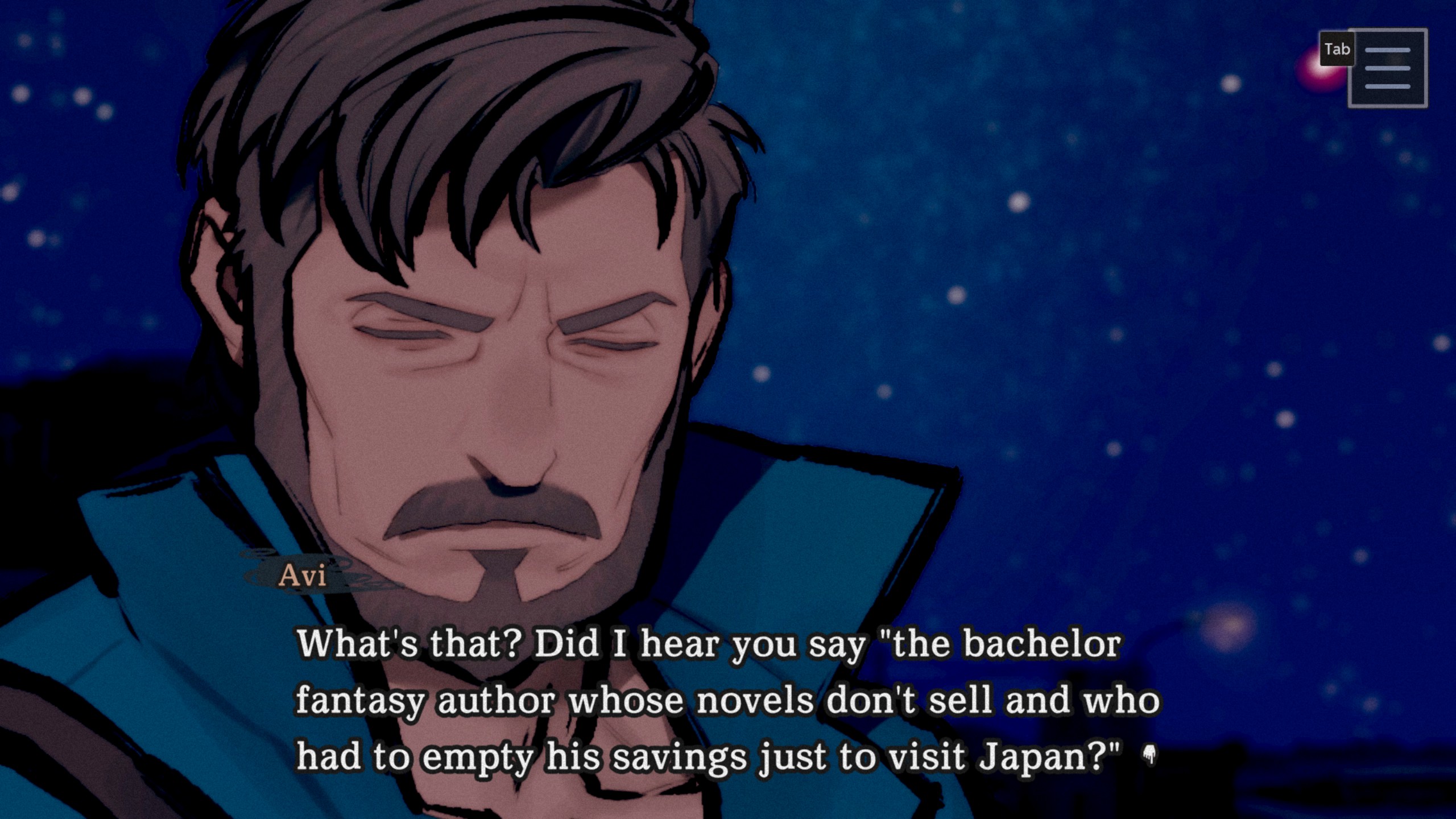
What made you decide to explore these topics in The Mermaid’s Curse? Were these subjects something you wanted to explore for years, or something that came about more recently?
Takanari Ishiyama: The idea of incorporating the myths surrounding mermaids came after the producer suggested using them as a theme. From there, I dug through various sources for material we could use and began shaping the concept. Since the story is set in the mid-1980s, I asked myself, “What major historical event happened roughly 800 years before that?”
When I looked it up and realized it lined up almost exactly with the Battle of Dan-no-ura — the fall of the Taira clan — I felt like I’d been struck by inspiration. After all, there’s also the anecdote about Taira no Tadamori being presented with a mermaid. Suddenly, everything clicked: Ise, mermaids, and an 800-year lifespan. I remember thinking, “This ties together perfectly! Yes!”
What is the creative process like when designing these segments that break the fourth wall? Is it something that is crafted first and then written to contextualize it, or something that you organically arrive toward when creating the scenario?
Takanari Ishiyama: For us, everything starts with ideas. Once the theme was decided, we first discussed what kinds of mechanisms or features we wanted to include this time and then built the story and setting around the ideas we thought were worth using. Personally, I see game scenario writing as the final downstream process, where everything comes together only after all the other necessary conditions are in place.