

"Steam became one of the most important platforms for us” – Japanese developer Sting chats with us about self-publishing, early access, Nintendo Switch 1 & 2, the possibility of a Baroque Syndrome localization, coffee, and more
In recent years, Japanese developer Sting has been self-publishing many of its games not just on Switch, but also Steam. Many folks know Sting from games like Yggdra Union: We'll Never Fight Alone and Riviera: The Promised Land alongside games it has done for other publishers like Utawarerumono: Mask of Deception, Dungeon Travelers 2: The Royal Library & the Monster Seal, and Dokapon Kingdom: Connect. Sting recently launched Viractal: Will You Trust Your Party? for Steam with Nintendo console versions arriving in a few months.
Ahead of that launch, I had a chance to chat with Watanabe from Sting about the developer's output, self-publishing on Switch, discovering the importance of Steam, working with other publishers, the state of the industry, learnings from Steam Early Access, potential Switch 2 ports, and much more. This interview was conducted over email.
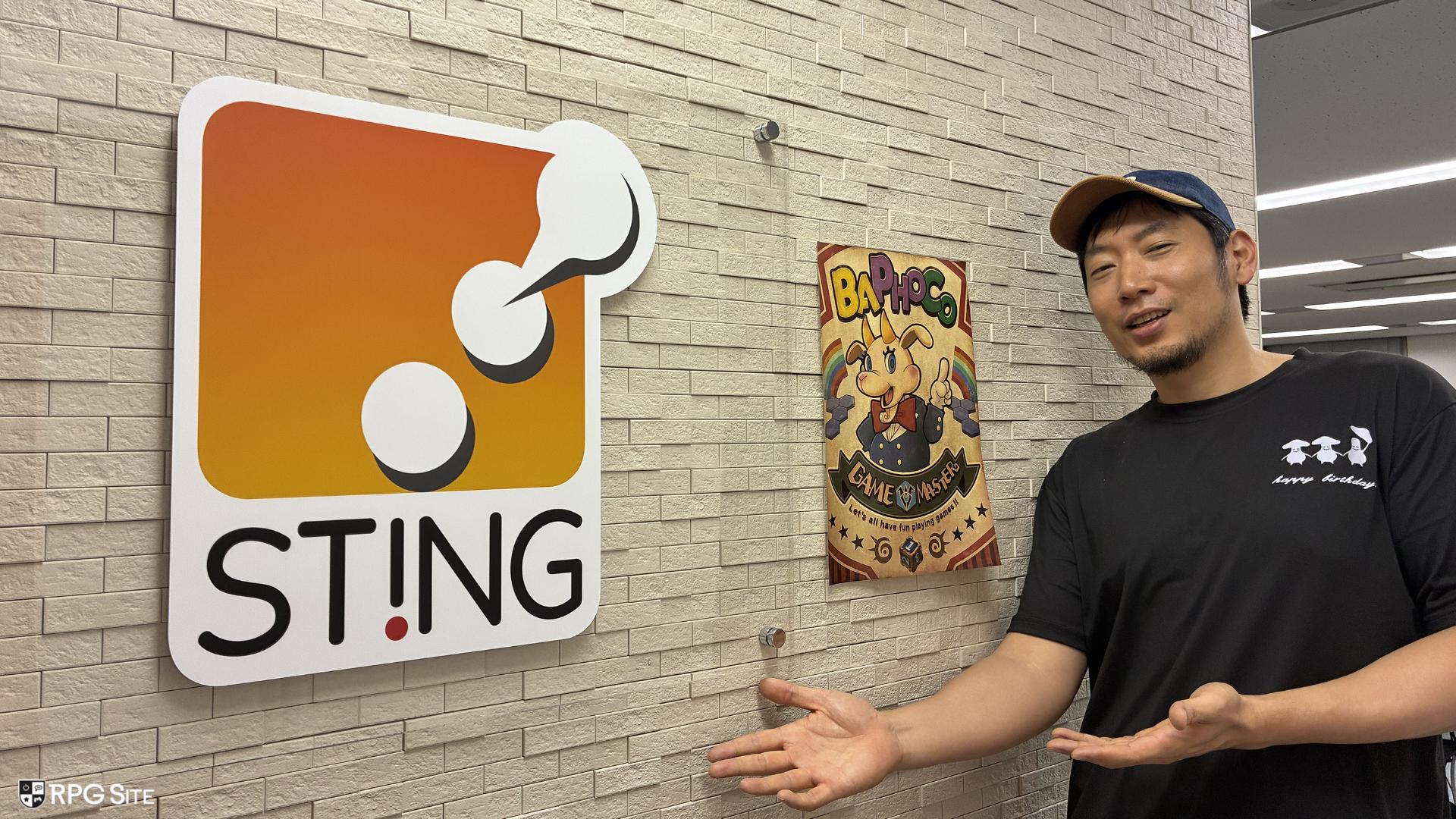
Watanabe: My name is Watanabe, and I work at STING Co., Ltd. I wear many hats, including director, producer, and public relations. I've been with STING for about 18 years, and I'll be answering the interview questions today.
I originally joined the company because I was a fan of STING's RPGs and game music. As a fun fact, my favorite foods are hiyashi chūka (cold ramen salad) and citrus fruits with a bright, vitamin C-like tang.
This year marks STING's 37th anniversary. Over our long history, we've developed games across a wide variety of genres, adapting to the times—from shooters and RPGs to strategy RPGs and even board game RPGs.
Series such as Baroque, Yggdra Union, and Dokapon continue to be loved by many players today.
People sometimes tell us that "STING has a lot of hidden masterpieces." But from our perspective, we haven't been hiding them at all! (laughs)
We're also continuing to release regular updates for our latest title, Viractal, now available on Steam, with the hope that it, too, will become one of those beloved games.
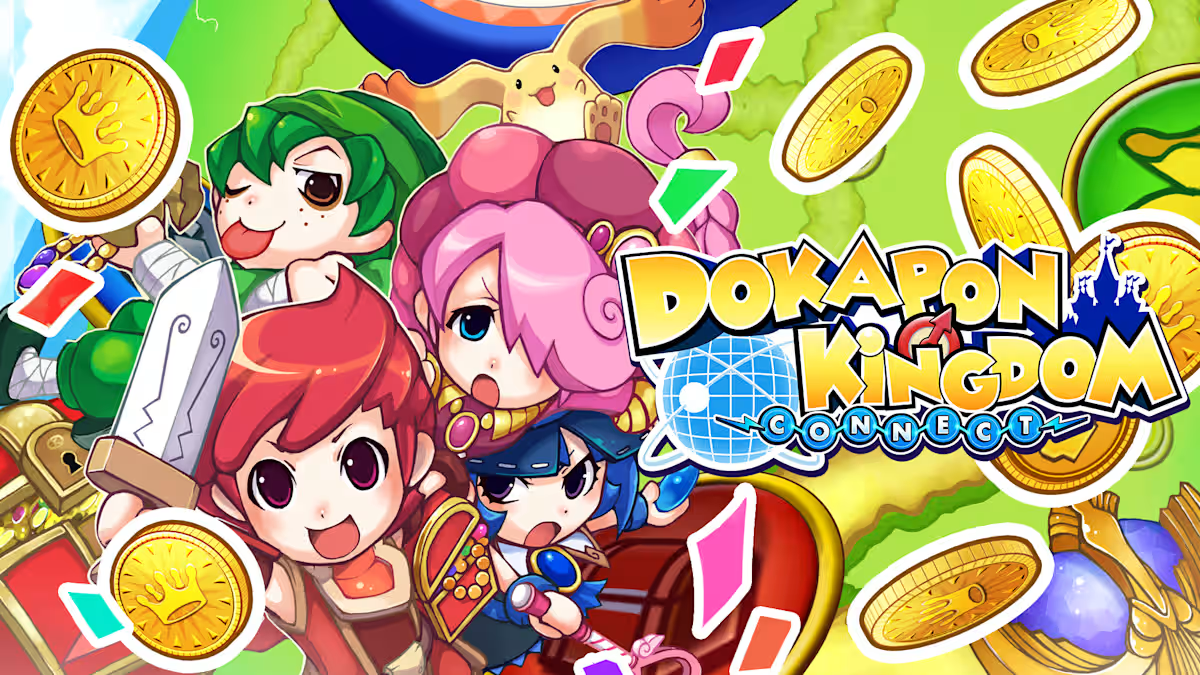
Watanabe: We've actually been self-publishing games for some time. However, when the social gaming market experienced rapid growth, we temporarily shifted our development focus toward smartphone titles.
Later, as the console market expanded, particularly with the success of the Nintendo Switch, we decided to refocus on console development. We began by bringing some of our classic titles back to modern platforms, such as Baroque Syndrome and Yggdra Union, and gradually increased the number of games that we both developed and published ourselves.
At the time, Steam wasn't really on our radar. We approached it almost as an experiment, thinking, "Why don't we try releasing our games on Steam as well?" Before long, however, Steam became one of the most important platforms for us.
Through that experience, we came to appreciate the value of our own intellectual properties even more, while also recognizing the importance of creating entirely new ones. One of the results of that effort is Viractal.
Going forward, we'd like to continue self-publishing games that only STING can create, and that only STING can deliver directly to players around the world.

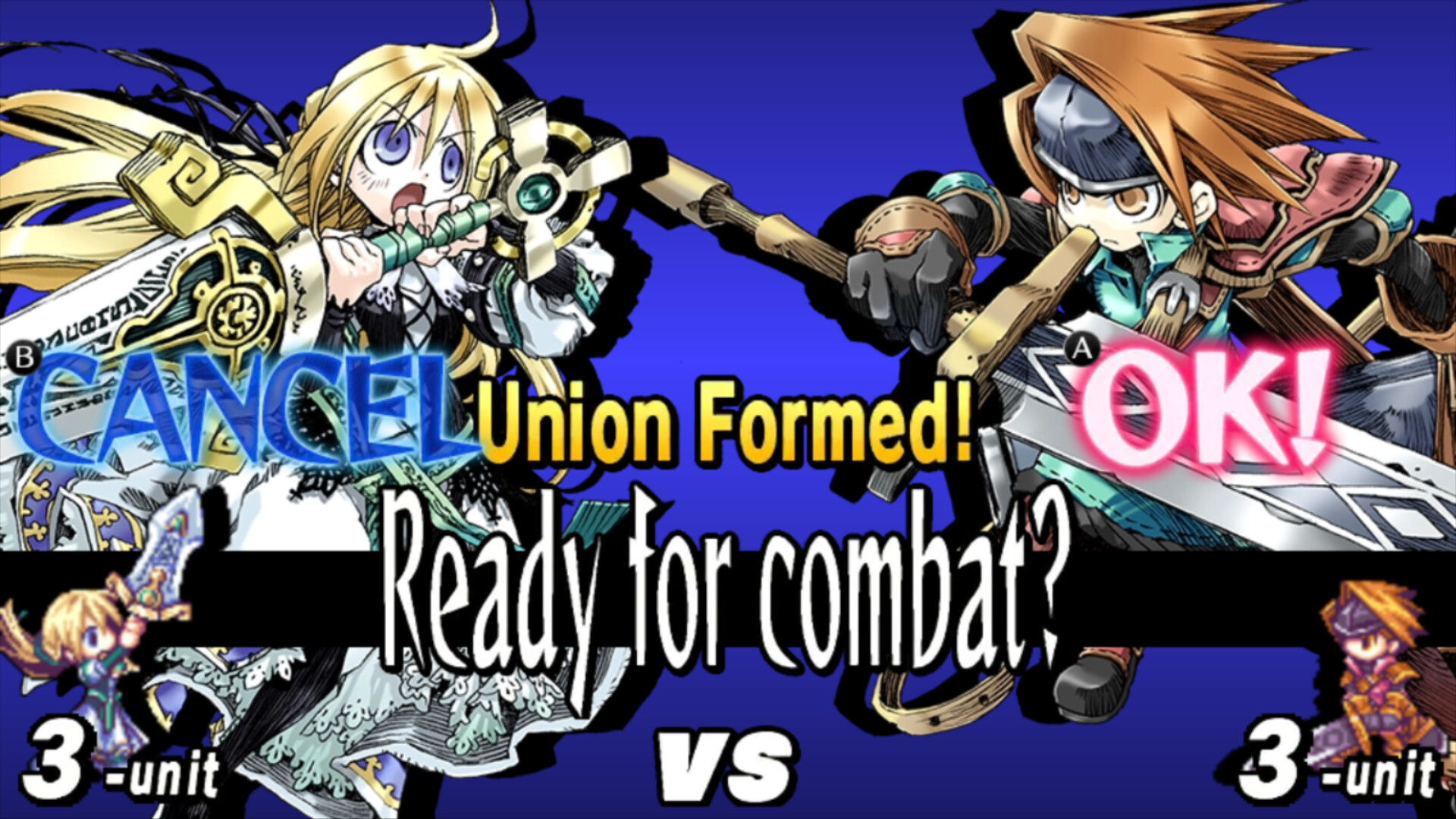
Watanabe: STING's first title on Steam was Yggdra Union.
At the time, we were entering Steam with very little knowledge of what was required to publish games on the platform. We also didn't yet have a solid understanding of the wide variety of PC hardware and software environments that players use. Because of that, we decided to release the game in Early Access, allowing us to improve it based on player feedback.
Once the game was available, we received reports of all kinds of issues—such as the game failing to launch or having no audio, among others.
Since every PC player's setup is different, we learned a valuable lesson: it's essential to develop games with a broad range of hardware and system configurations in mind.
At the same time, we were amazed by how quickly players shared their feedback and opinions. The close connection between developers and the community is something quite unique to Steam.
It genuinely made us think, "Steam is an incredible platform."
Watanabe: We actually began by porting the Japanese Android and iOS versions. After that came the Nintendo Switch release, followed by an Asian version that added Korean, Traditional Chinese, and Simplified Chinese support. The Steam version was released last.
Even though the Steam version launched much later than the others, it was still played by a tremendous number of users.
The response exceeded our expectations and made us much more aware of the PC gaming audience. From that point on, PC players became a much more important part of how STING thinks about developing and publishing games.
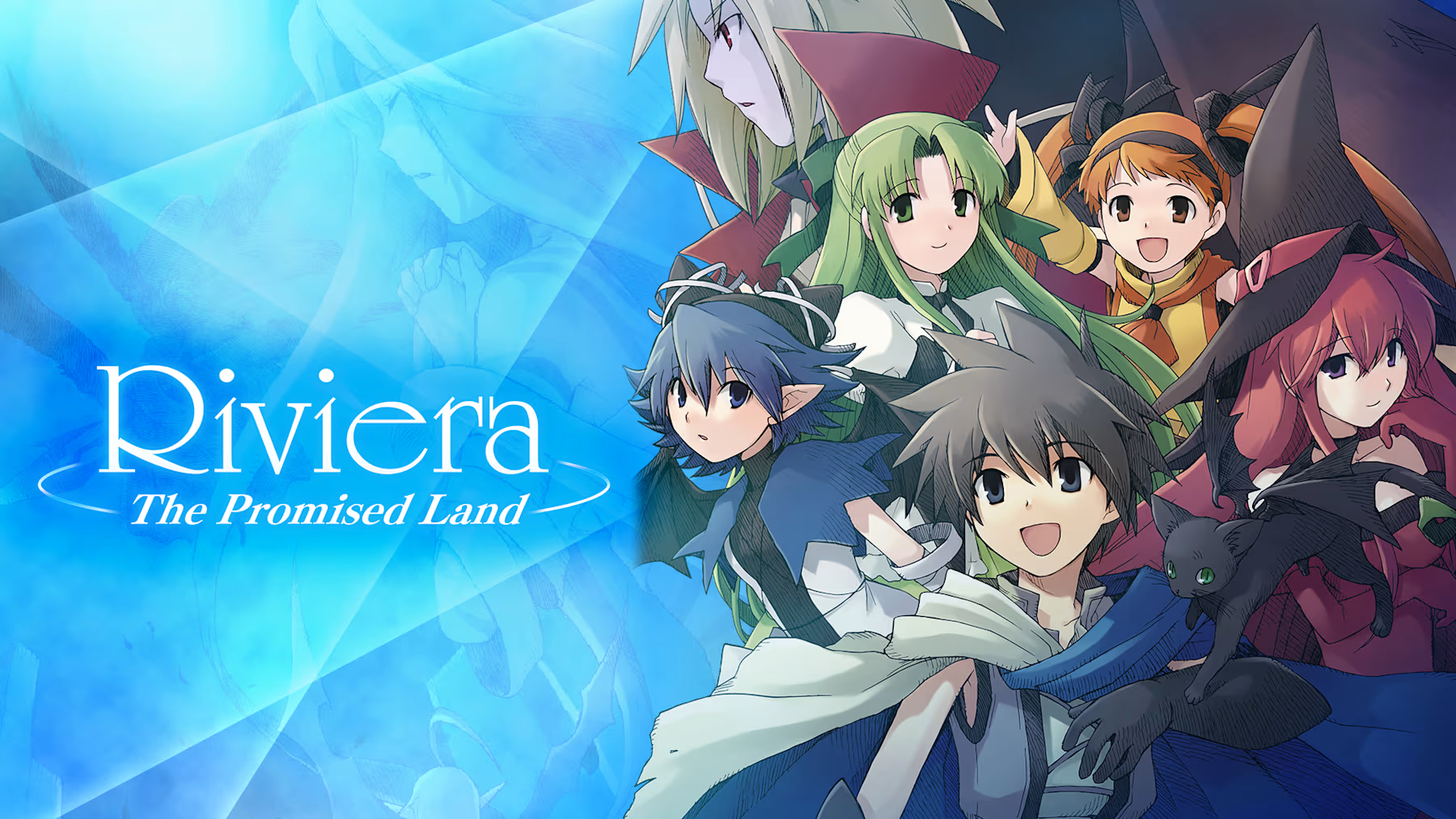
Watanabe: We don't receive any special support from Nintendo. However, when one of our titles attracts attention, Nintendo will sometimes feature it in recommendation articles or other promotional content.
The shift to digital distribution has made game development much easier in many ways. It has become much simpler to release updates, allowing us to fix bugs and fine-tune game balance much more quickly.
A long time ago, it was common for players to write their feedback on survey postcards included inside physical game boxes, and we'd use that feedback to improve future titles or updated versions of the game.
Today, we can respond directly to player feedback by releasing bug fixes and gameplay adjustments in a relatively short amount of time. From a development perspective, it really feels like we're living in a great era for making games.
On the other hand, the expectations for speed have also increased dramatically. With limited staff and development time, finding ways to develop and support our games as efficiently as possible has become one of the most important challenges we face today.
Watanabe: We'd certainly like to bring more of our titles to international audiences. However, each game differs greatly in terms of the amount of text it contains and the cost of porting and localization, so it's difficult for us to tackle everything at once.
That said, we do pay close attention to the requests we receive from players overseas. Titles that generate a great deal of interest from the international community are the ones we'll prioritize when considering future localization and worldwide releases.
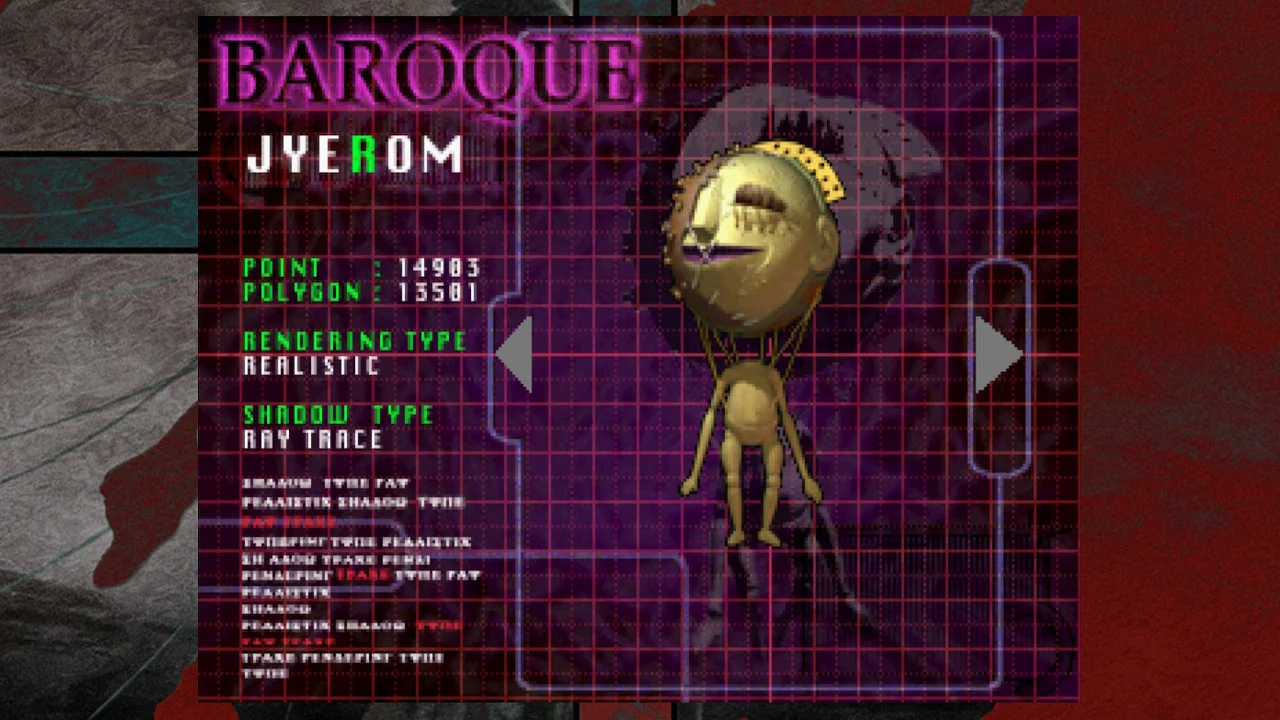
Watanabe: We would certainly like to add English support eventually.
We're well aware that there are Baroque fans around the world who have been eagerly waiting for Baroque Syndrome. We truly appreciate that enthusiasm.
While we can't commit to a specific timeline at this point, we'd very much like to release an English version if the timing is right and the necessary conditions can be met.
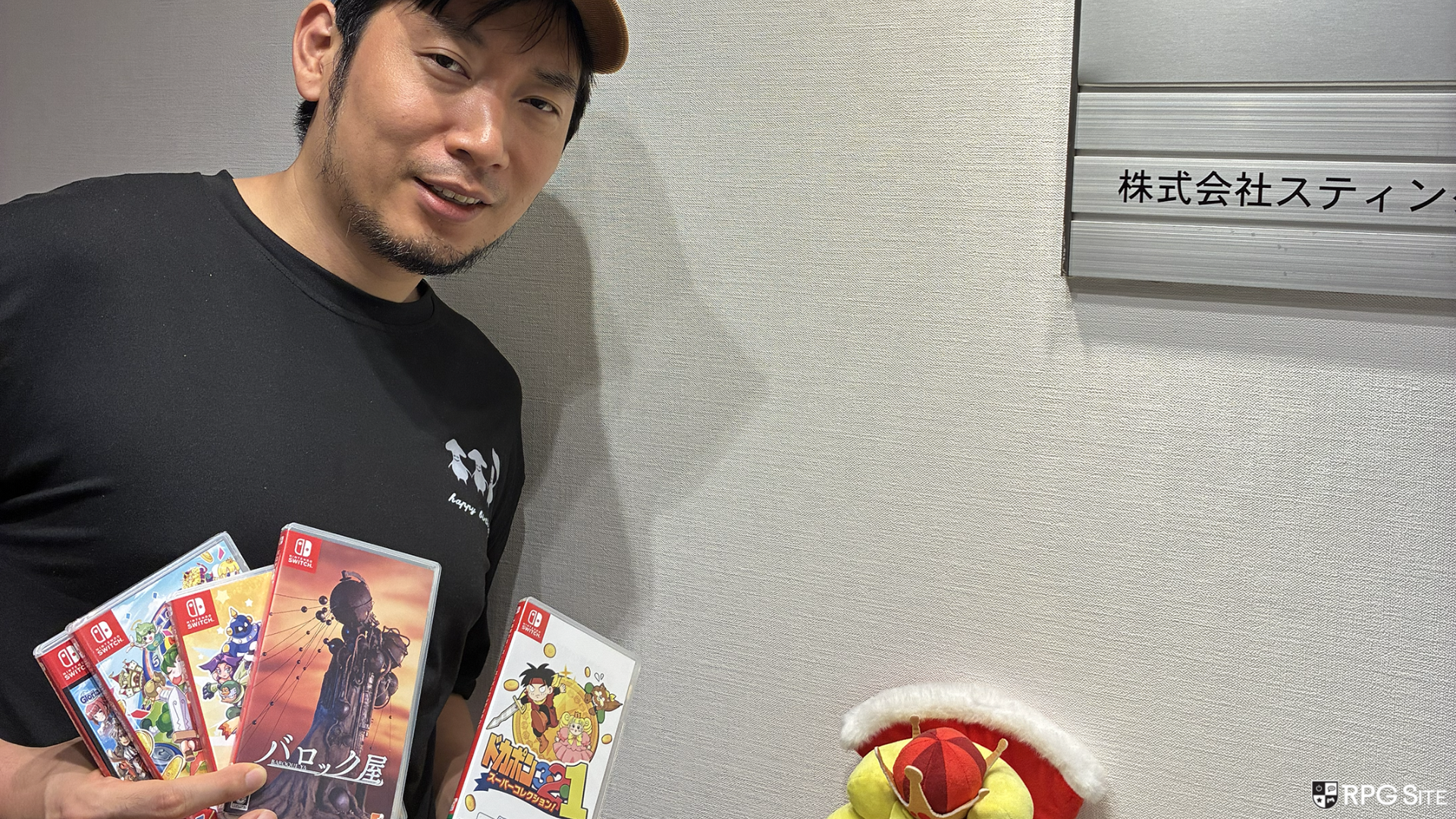
Watanabe: We're genuinely delighted to hear that so many players overseas would like to see physical editions of our games.
At the moment, however, we haven't received any concrete proposals regarding overseas physical releases of our self-published titles.
If there are any publishers out there who would be interested in making that happen, we'd love to hear from you!
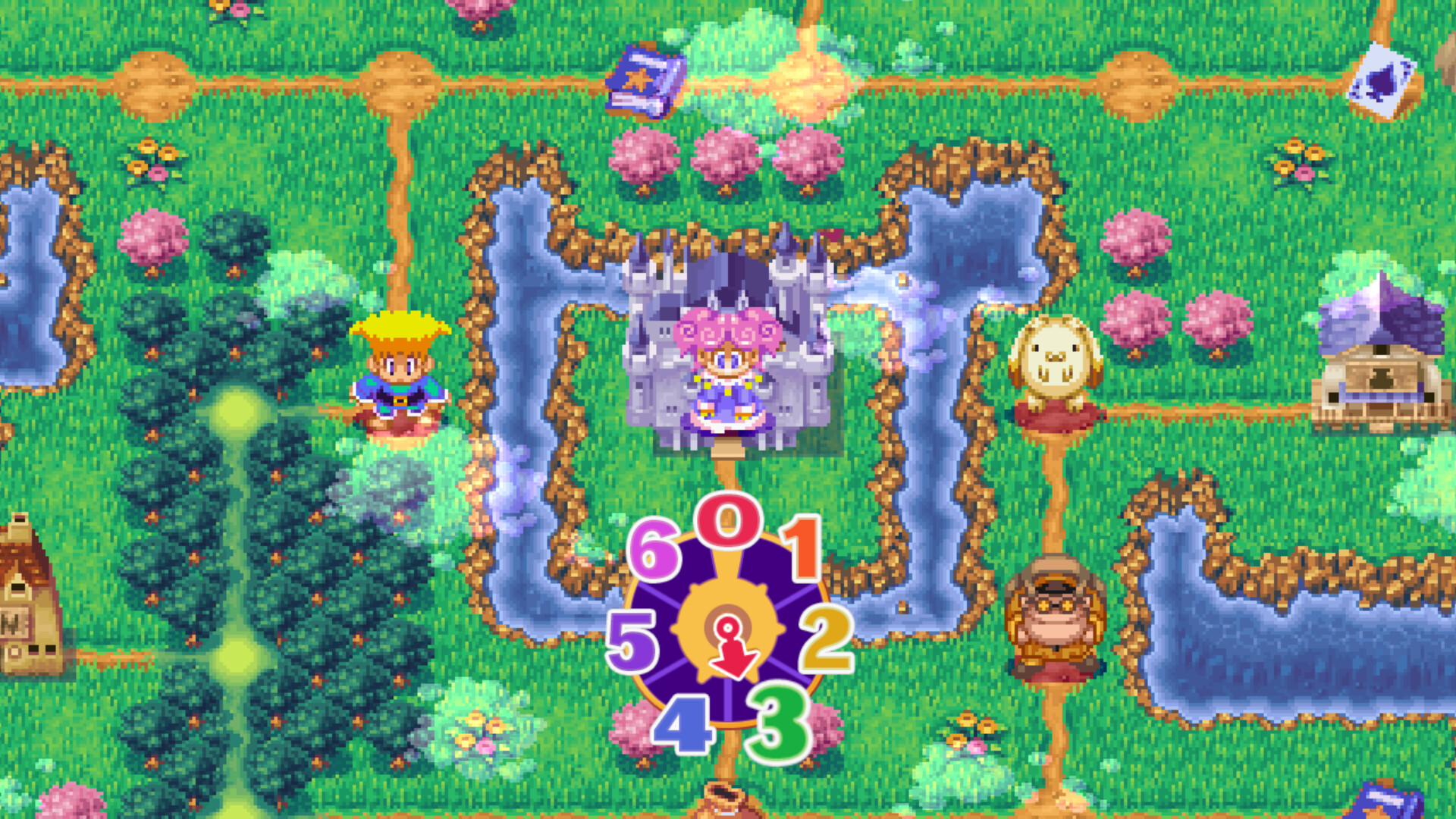
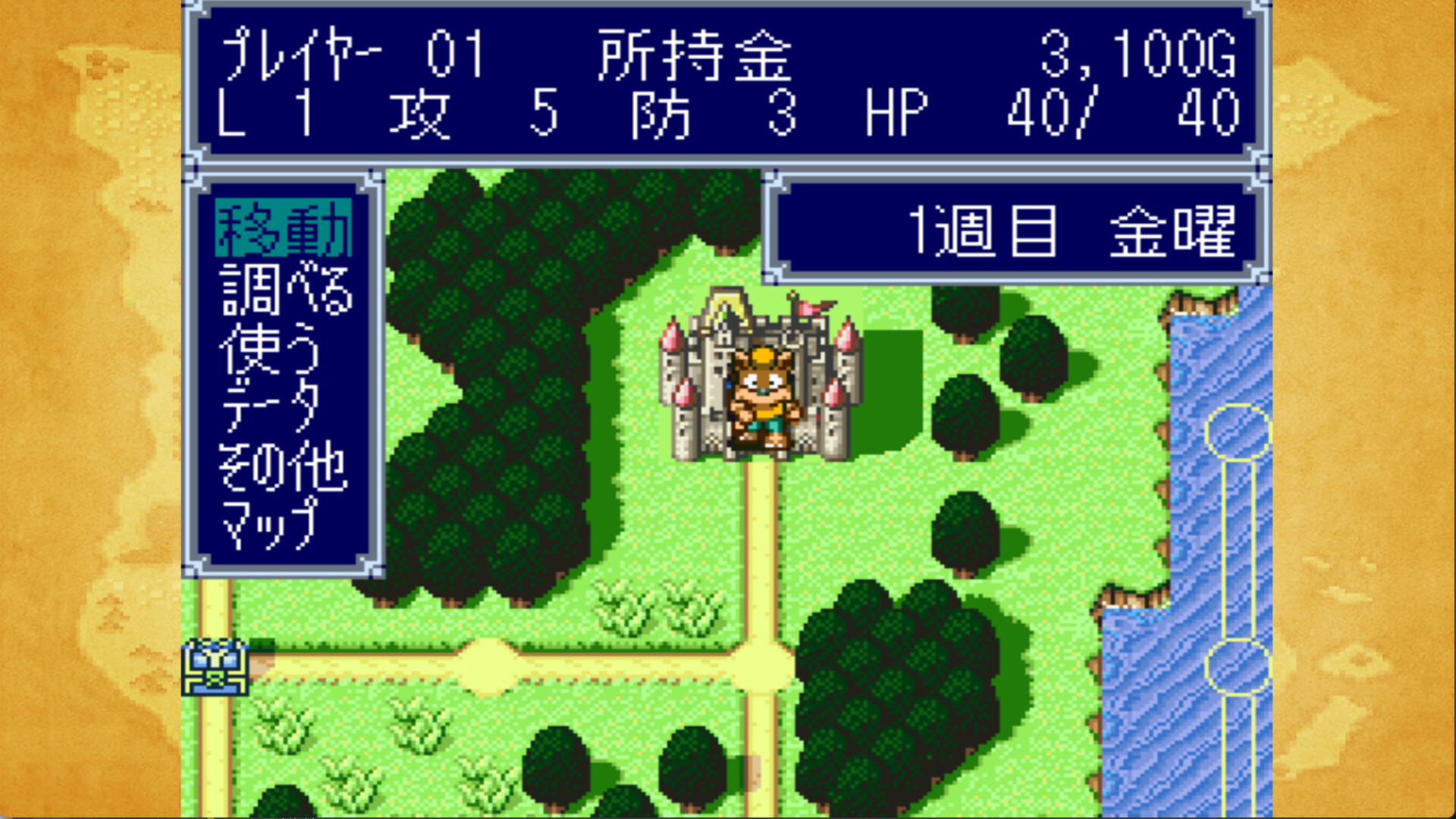
Watanabe: I think Dokapon stands out because it offers an exceptional degree of freedom, even among board games.
Not only can you move across a variety of spaces on the board, but you can also freely use magic and items, raid shops, or even attack your friends. (laughs)
People often describe it as a "friendship-destroying game," but the game itself never forces players to fight each other. How you choose to play is entirely up to you.
If everyone wants to play peacefully, that's absolutely possible. However, because the game ultimately determines a winner and a loser, anyone who doesn't want to finish in last place eventually has to find a way to improve their standing.
Whether those actions are good or evil...
Whether you reveal your true nature in front of your friends, or keep it hidden...
I think that's one of Dokapon's greatest charms.
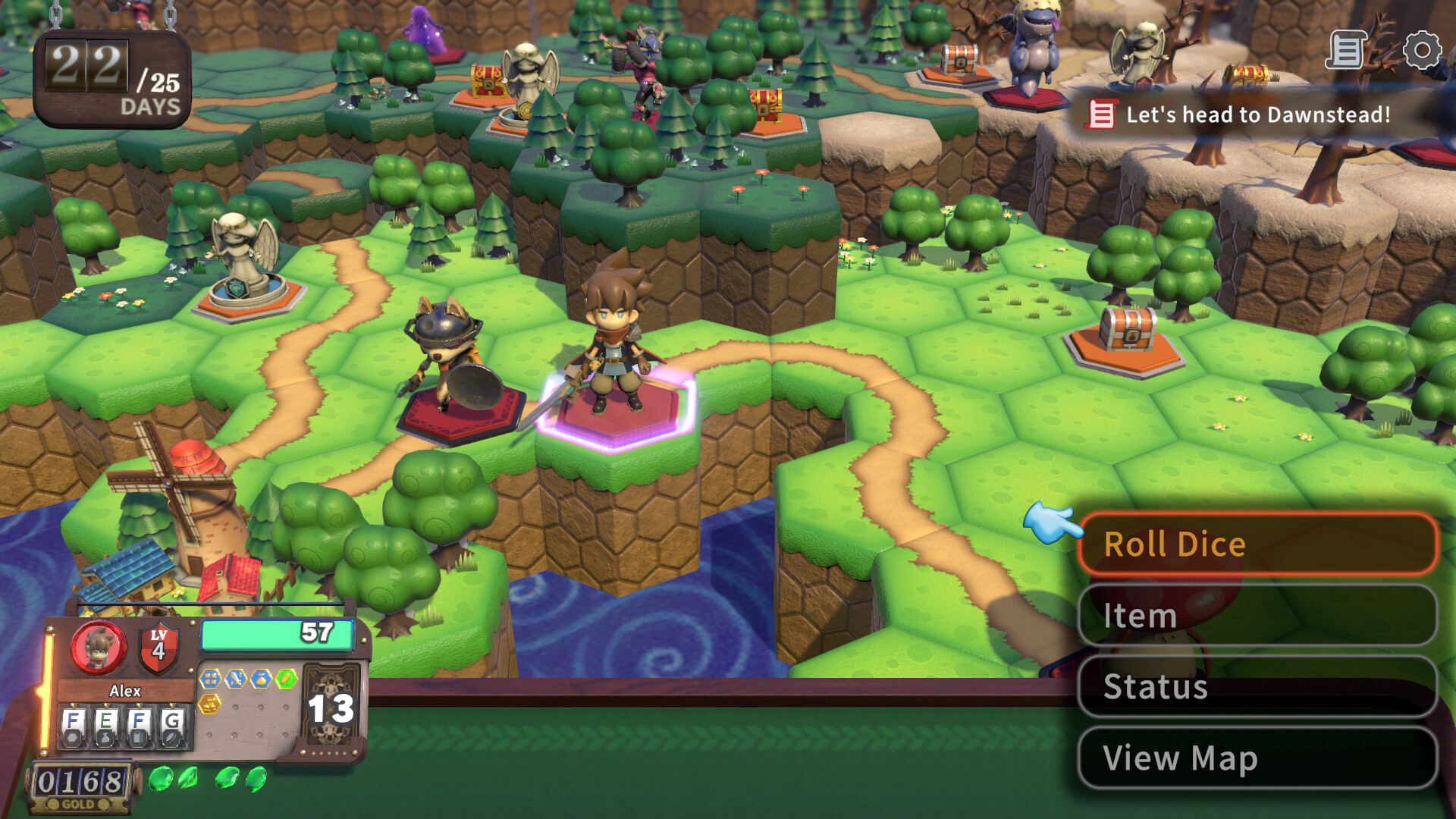
Watanabe: One of our biggest challenges was bringing the concept of "a casual cooperative board game RPG" to life. We wanted to create a game that would be approachable even for younger players, so we deliberately avoided overly complex rules and instead focused on gameplay that was simple and intuitive.
We also spent a great deal of time refining the user interface. In the end, we settled on straightforward menu-based controls alongside an analog-inspired status screen that captures the feel of a traditional tabletop game.
From a game design perspective, our greatest challenge was creating a genuine sense of cooperation between players. We carefully defined each character's role and balanced the game around the synergies between cards and abilities.
The amount of work ultimately far exceeded our original expectations, and development took longer than planned. However, I believe that extra time allowed us to achieve a gameplay balance that feels much more accessible and enjoyable.
Another major challenge was that Viractal is a completely new IP rather than part of an existing series. Throughout development, I constantly found myself asking, "Is this actually fun?" I always had what I like to call a "user simulator" running in my head, imagining how players would react to every design decision. It felt as though I had rewritten the game's design documents more than twenty times—if only in my mind.
Because of that, when we finally released the game, my strongest emotion wasn't excitement so much as relief. More than anything, it felt like, "We finally made it this far."
Watanabe: Absolutely! (laughs)
Friendships can be surprisingly fragile, can't they? When you see an unexpected side of someone during a game, it might completely change the impression you had of them.
That said, I think that once a superficial friendship has been broken, the bond that remains can grow even stronger—just like a muscle that becomes stronger after being put under stress.
As a matter of fact, I played the PlayStation version of Dokapon! Ikari no Tekken with my friends when I was a kid. I lost almost every time, but I'm still close friends with the people I played with back then.
So I don't think Dokapon is simply a game that destroys friendships. Rather, it's a game that asks the question, "What is true friendship?"
If you want to put your friendships to the test—and maybe even strengthen them—I highly recommend playing Dokapon with your friends.
Watanabe: We're definitely interested in bringing some of our existing titles to Nintendo Switch 2 in the future.
That said, the idea is still closer to a personal vision than a concrete project at this stage, so unfortunately I can't share any specific details just yet.
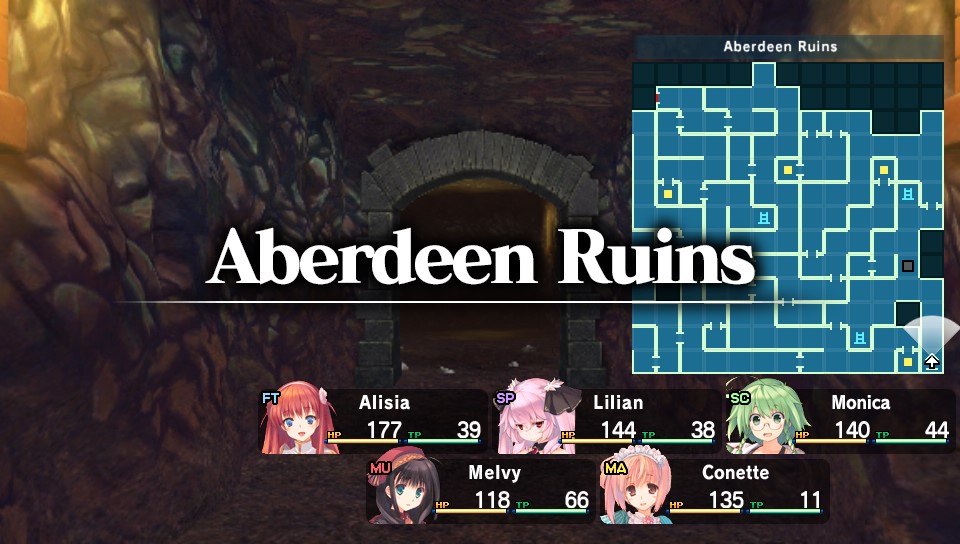
Watanabe: We've had the pleasure of working with AQUAPLUS on titles such as the Dungeon Travelers series and the Utawarerumono series.
ATLUS has also published a number of STING's titles over the years.
We continue to have a great relationship with both companies, so if the timing is right and an interesting project comes along, we'd be very happy to work together again in some capacity.
Watanabe: With self-publishing, we're responsible for virtually everything ourselves—including sales, marketing, and promotion. As a result, it's not uncommon for one person to take on five or six different roles.
That also makes the work incredibly rewarding. Personally, I enjoy analyzing data, so being able to directly monitor player behavior and market trends across different regions—and then use that information to shape our future plans and strategies—is one of the biggest advantages of self-publishing.
On the other hand, when we're working with a publisher, they can handle sales and promotional activities, allowing the development team to focus on making the game. That's a very appealing aspect of working with a publishing partner.
That said, those projects also tend to be larger in scale, which means meeting fixed deadlines can be much more demanding.
Watanabe: In the past, players would choose from a relatively small selection of games available on the shelves at their local game store.
Today, we're living in an era where players can choose from an enormous number of games released all over the world.
With so much competition, we've come to realize just how important it is to make sure people discover your game in the first place.
At the same time, players' habits and expectations have changed dramatically along with the industry itself. If you're unable to deliver games in a way that matches the times, you can quickly be left behind. It has become an extremely competitive environment.
Of course, making a fun game is still essential. But today, it's equally important to give players a reason to choose your game—to help them feel that it's worth both their time and their money.
We're living in an age where people place a great deal of value on both cost performance and time efficiency. Because players have only a limited amount of free time, I believe it's more important than ever to create experiences that leave them feeling, "I'm glad I spent my time playing this game."
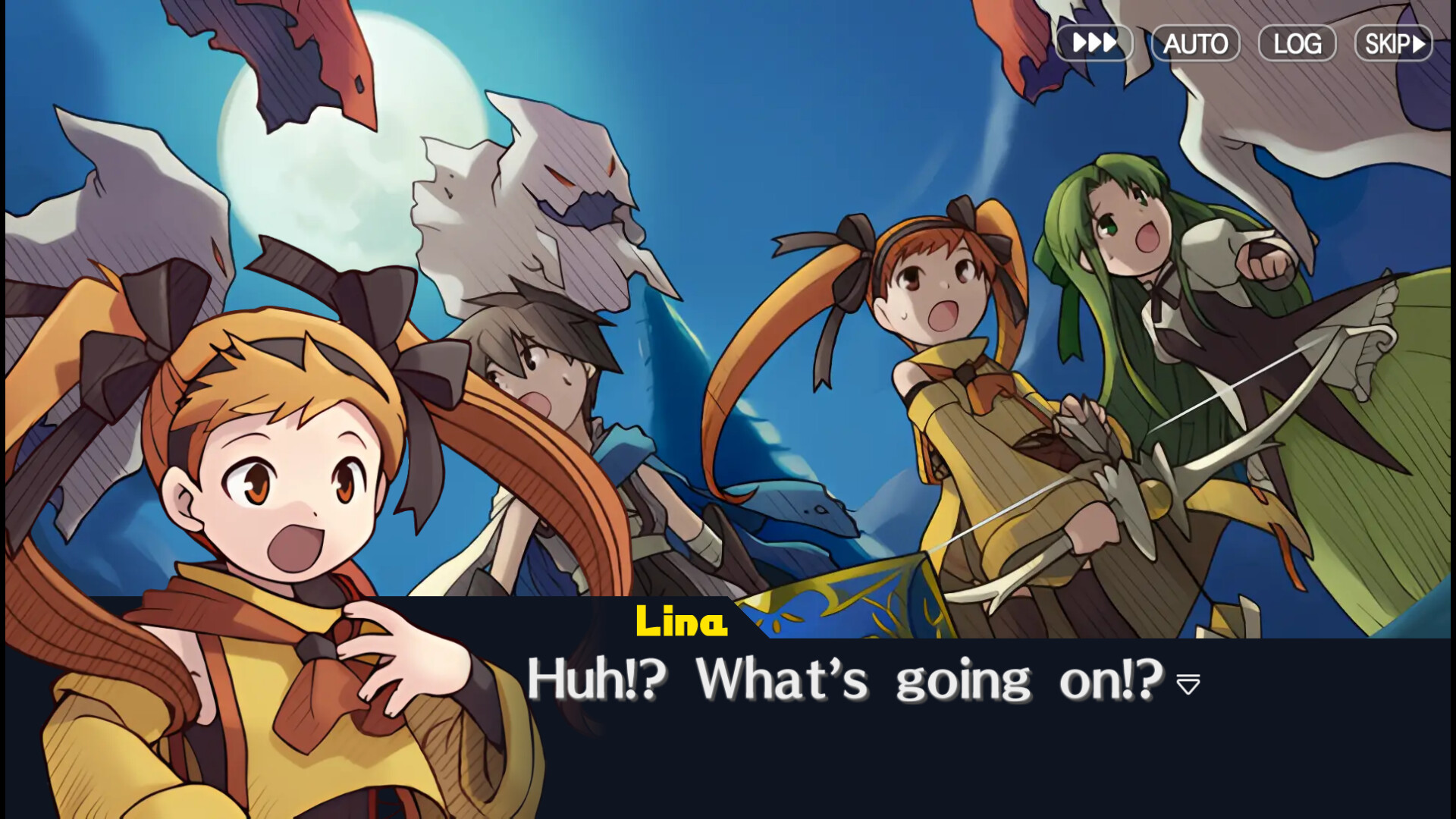
Watanabe: We know that many players primarily enjoy gaming on PS5 and Xbox, so we'd certainly like to do something for those audiences in the future as well.
For now, our priority is to continue supporting and growing our games on the platforms where they're currently available. At the same time, we'll continue exploring the possibility of expanding to other platforms down the road.
Watanabe: In general, we start with the game's retail price in Japan as our baseline. From there, we take into account each region's currency as well as Steam's recommended regional pricing guidelines when setting prices.
That said, we don't have a perfect understanding of the cost of living or economic conditions in every country and region around the world.
If players tell us that a game's price feels too high in a particular region, we take that feedback seriously. We'll review those comments and, where appropriate, consider making adjustments in the future.
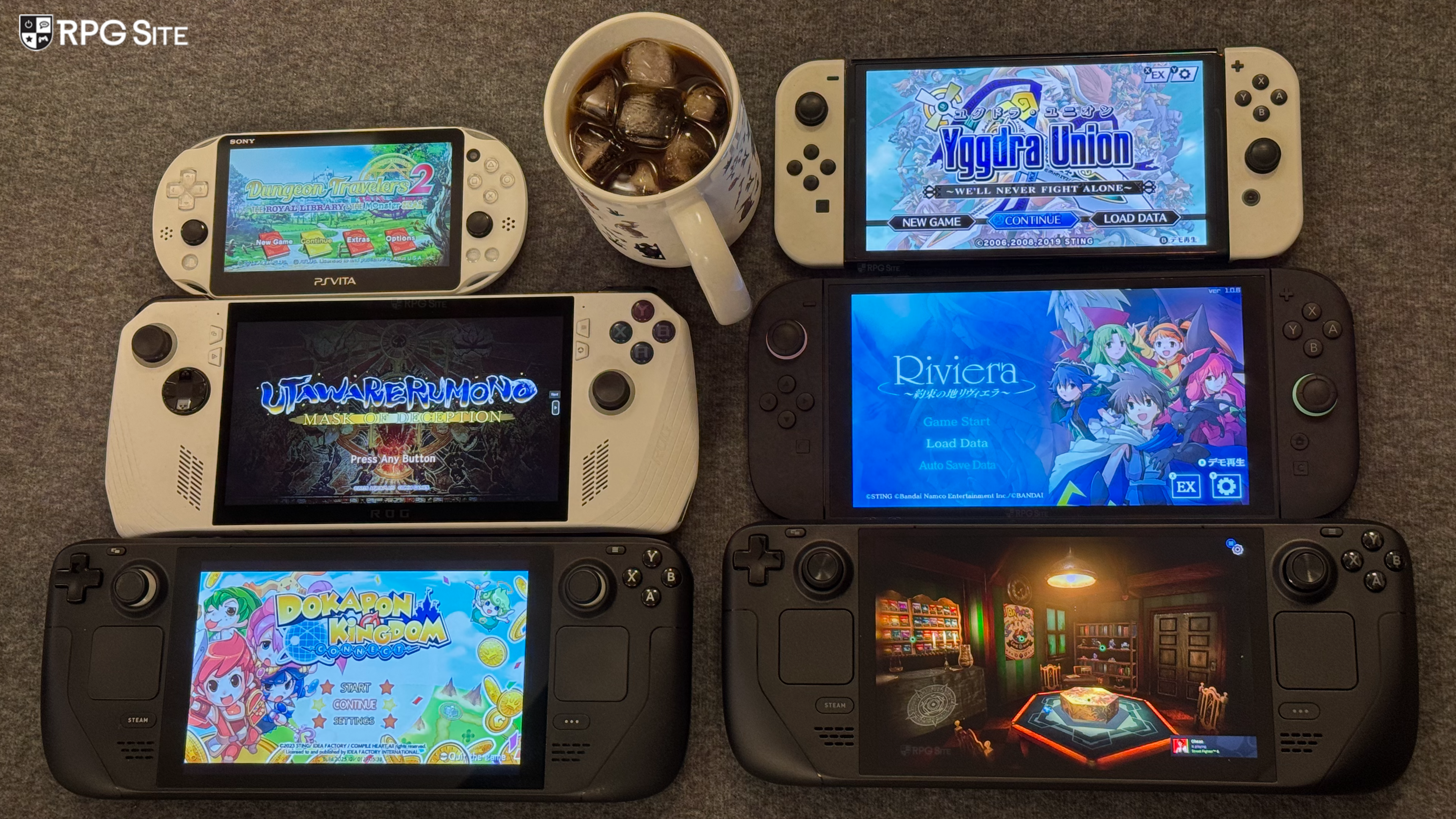
Watanabe: I like my coffee as a caffè latte with plenty of milk and lots of sugar. It makes you gain weight, though! (laughs).